Pattern recognition Worksheets for 3-Year-Olds
17 filtered results
-
From - To
Introduce your 3-year-old to the foundational skills of pattern recognition with our engaging worksheets. These activities are designed to boost your child's cognitive abilities, sharpen attention, and develop early math skills in a fun and colorful way. Through playful repetition and interactive tasks, children will learn to identify, extend, and create patterns using familiar shapes and everyday objects. Our worksheets are ideal for building critical thinking skills and setting the stage for future academic success. Perfect for parents and teachers, these printables make learning an enjoyable adventure. Explore our collection today to support your little one's early learning journey!
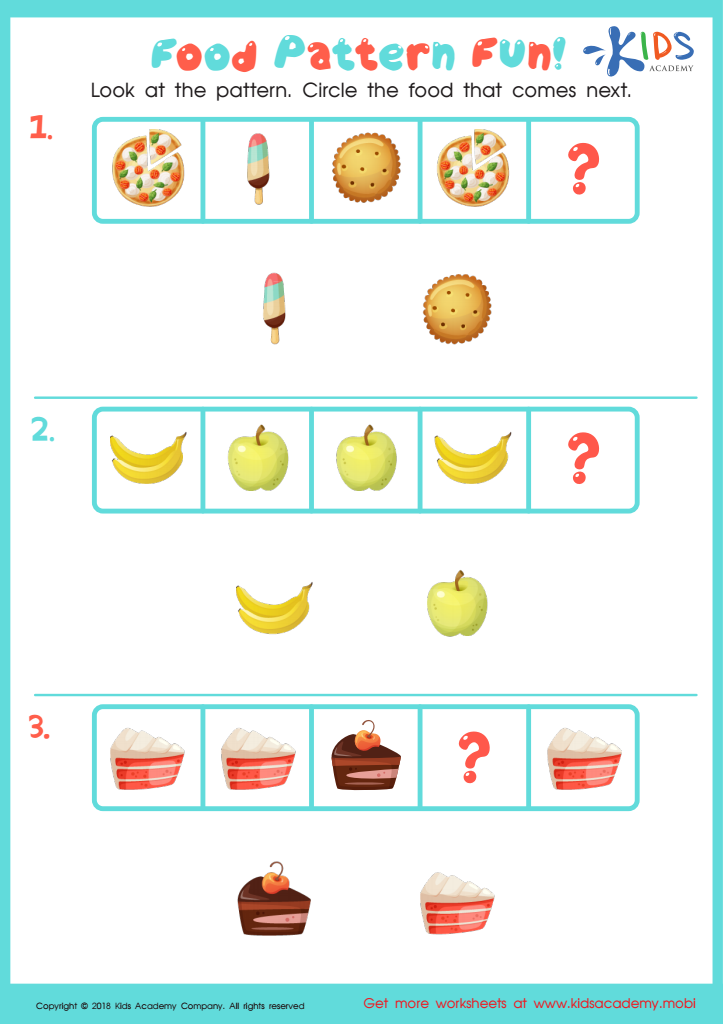
Food Pattern Fun Worksheet
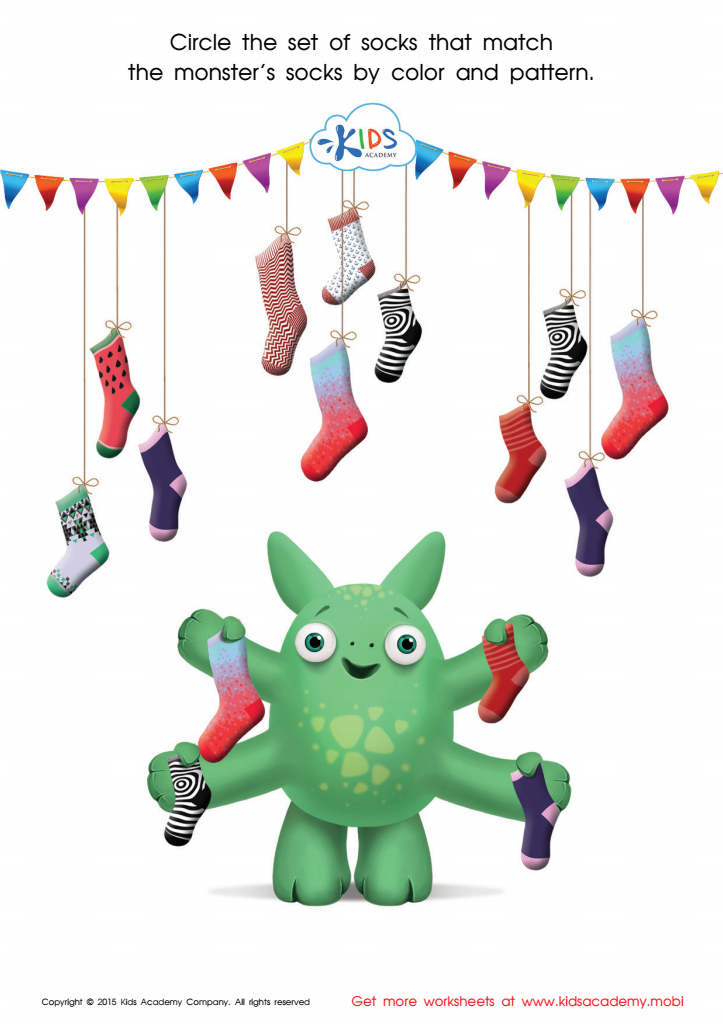
Sort the Monster's Socks Worksheet
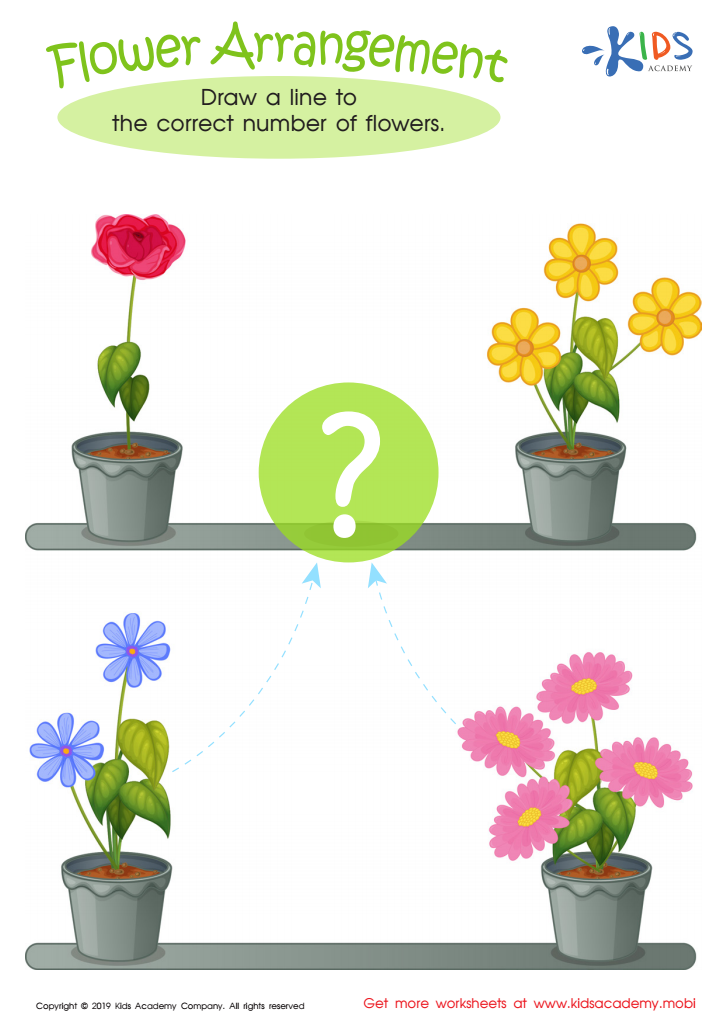
Flower Arrangement Worksheet
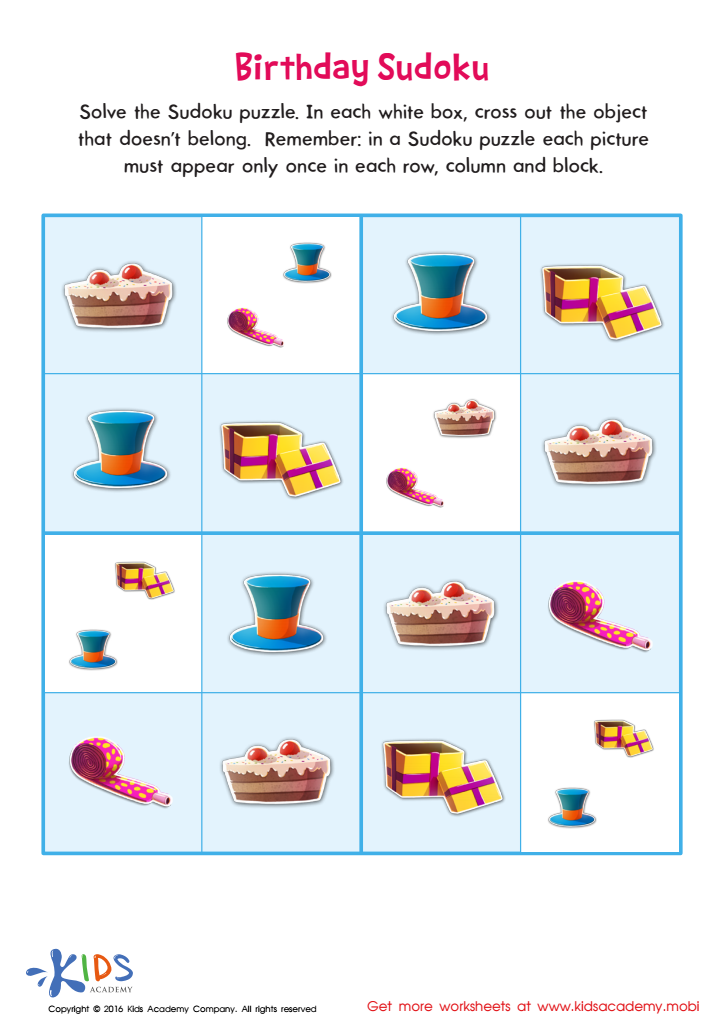
Birthday Sudoku Sorting Worksheet
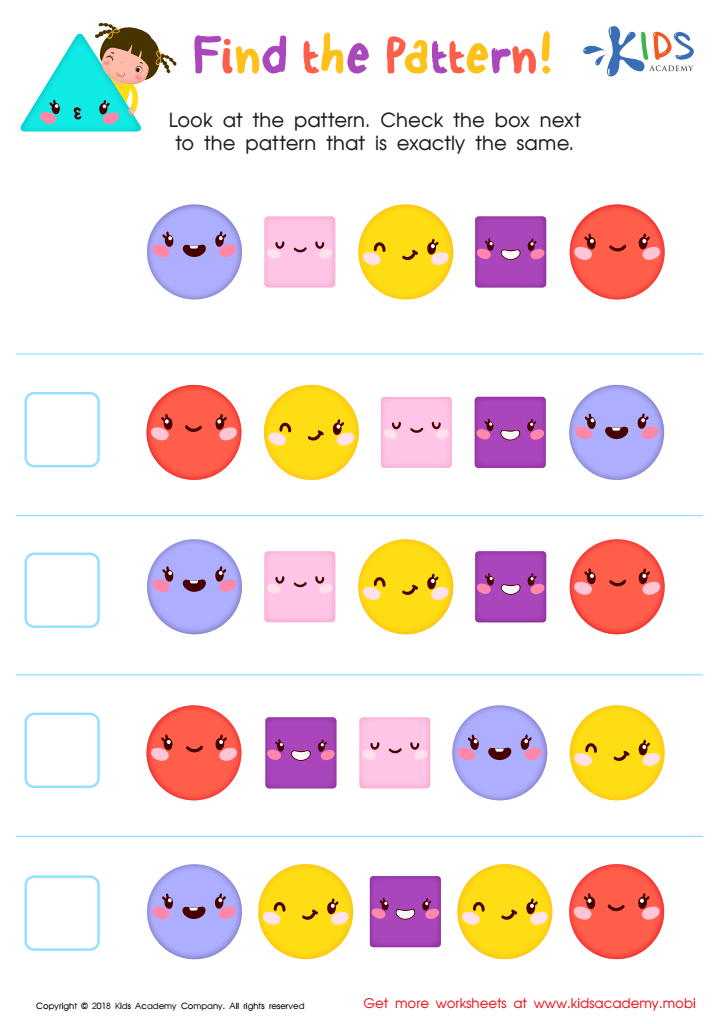
Find the Pattern Worksheet
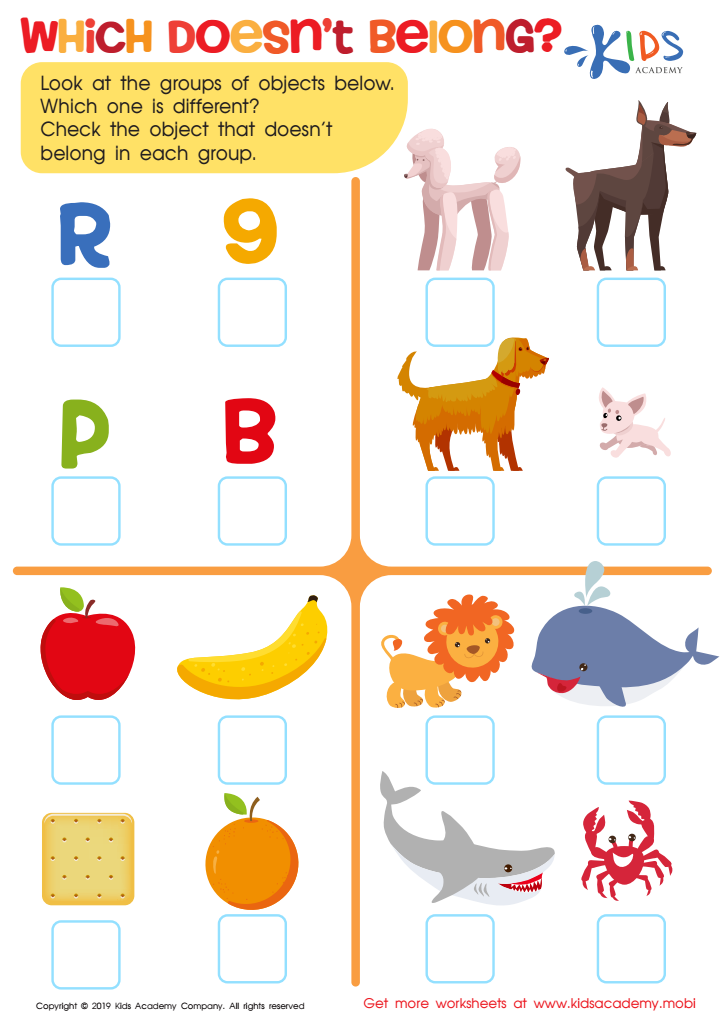
Which Doesn't Belong? Worksheet
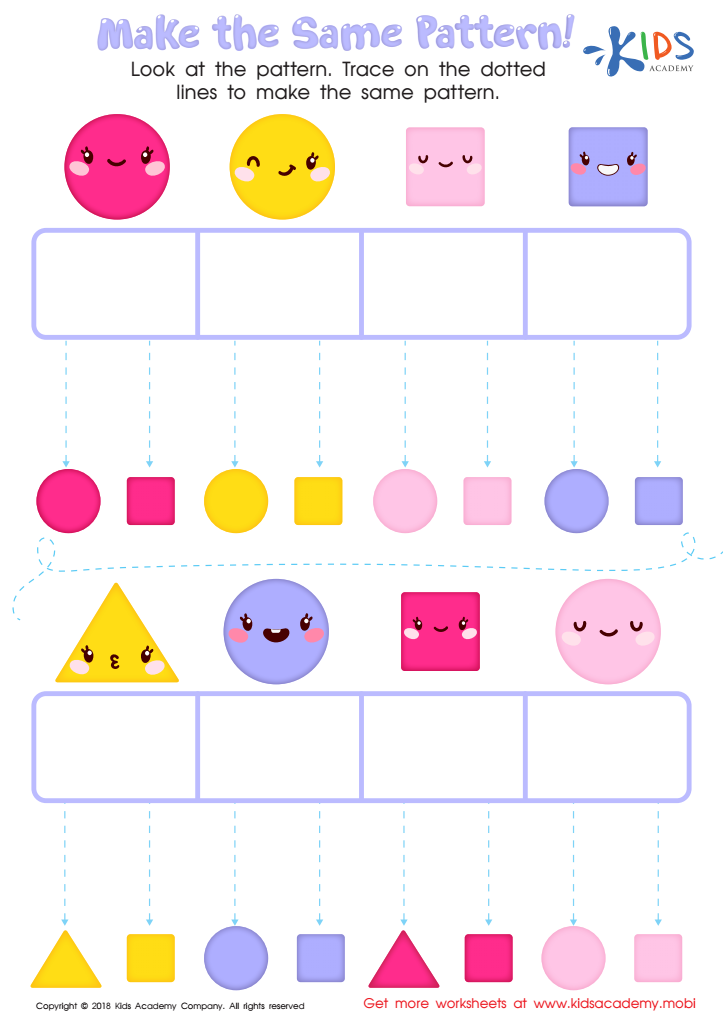
Make the Same Pattern Worksheet
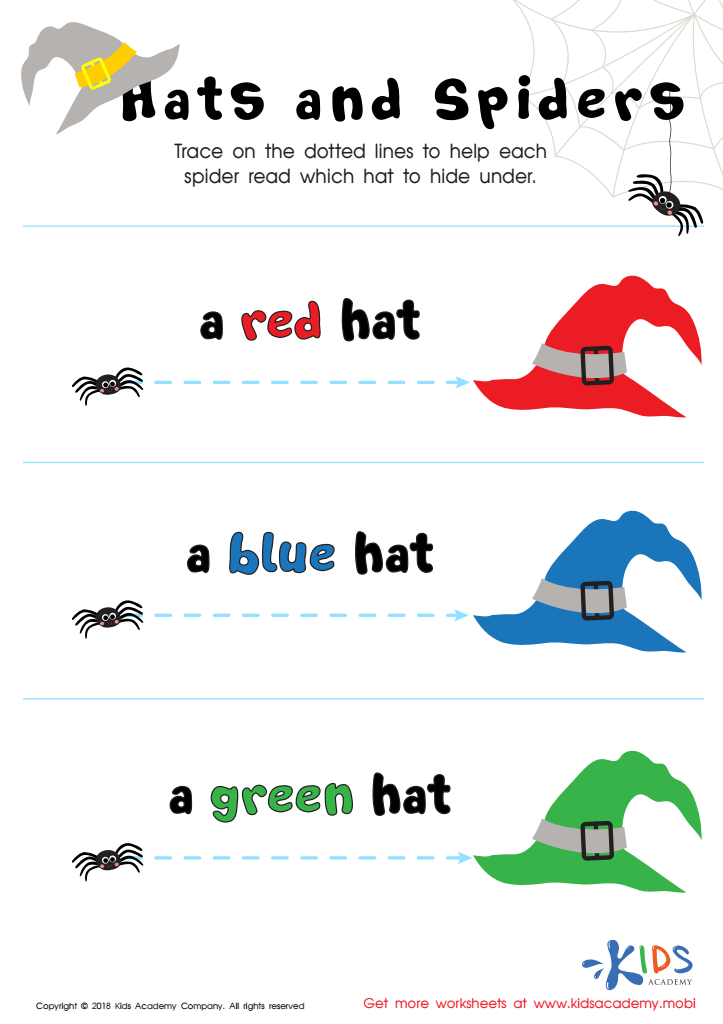
Read from Left to Right: Hats and Spiders Worksheet
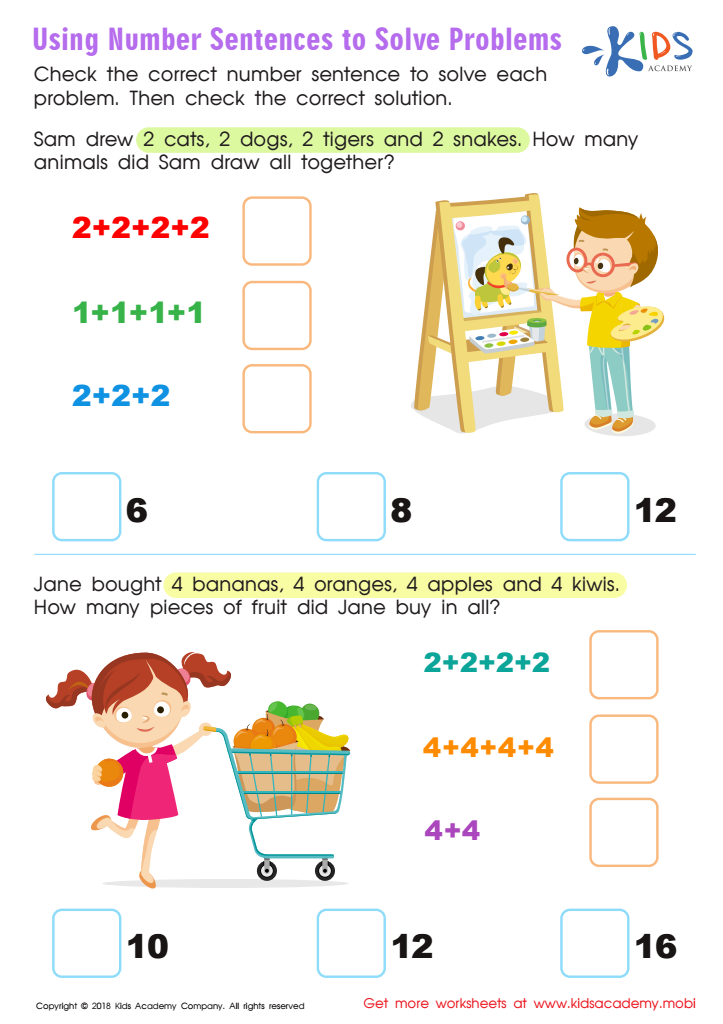
Using Number Sentences to Solve Problems Worksheet
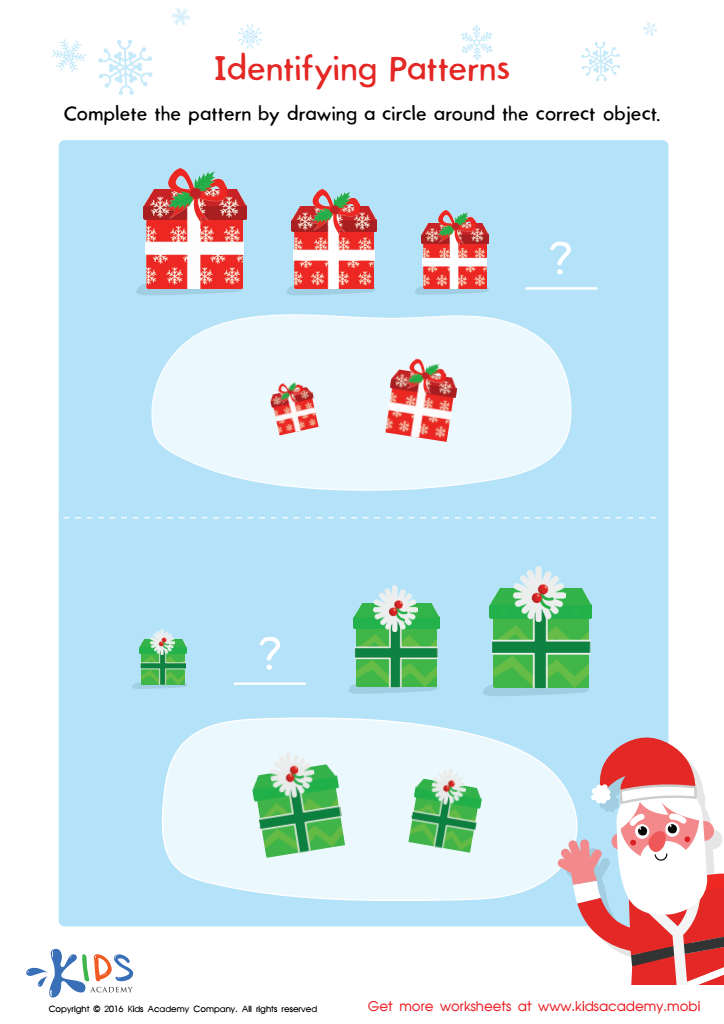
Identifying Patterns Worksheet
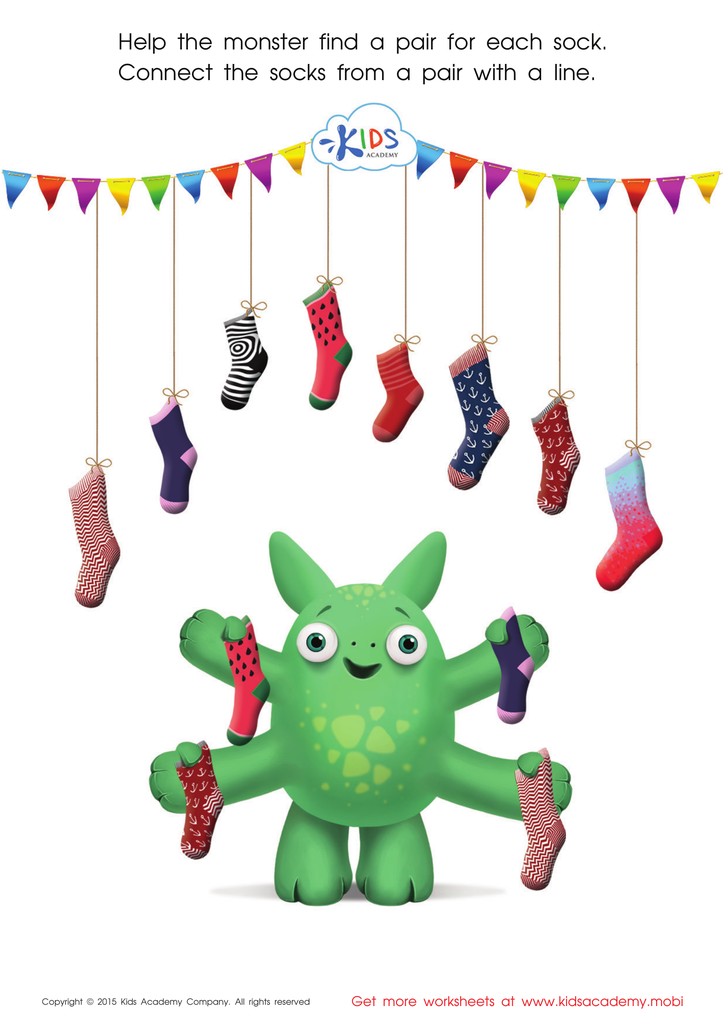
Math Matching Game: Monsterв's Socks Worksheet
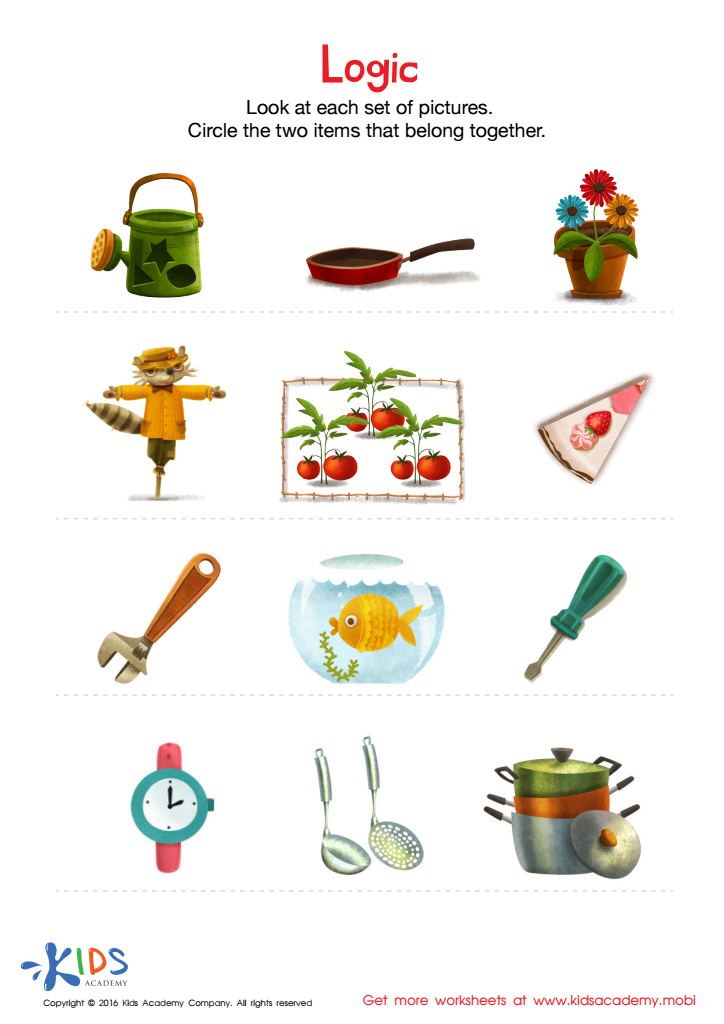
Logic Game Sorting Worksheet
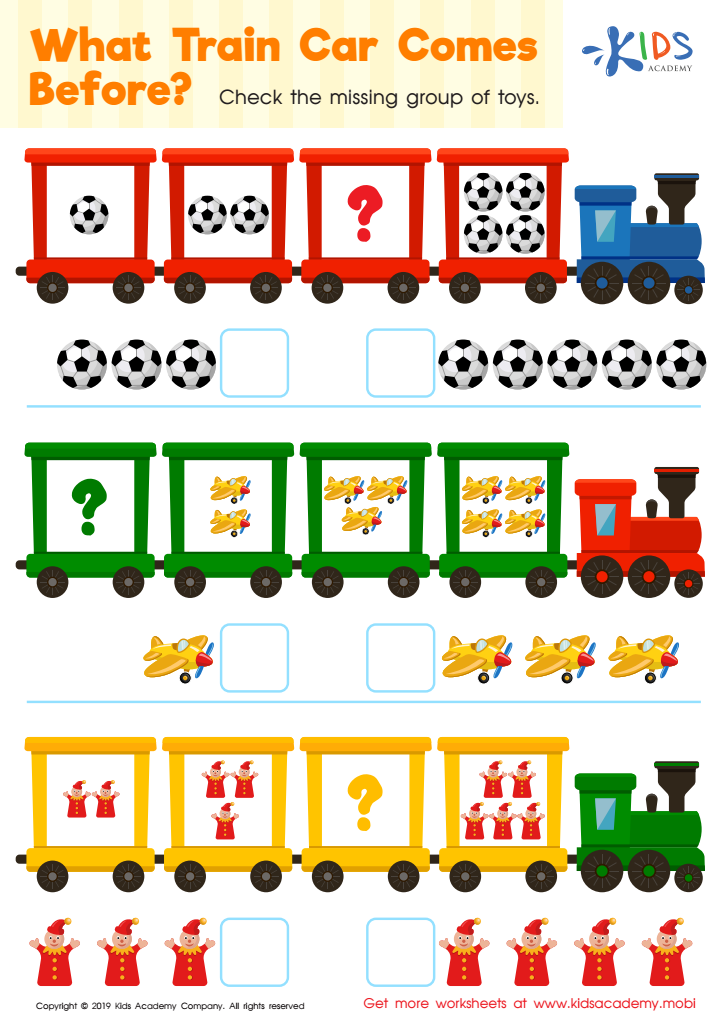
What Train Car Comes Before? Worksheet
Christmas: Christmas Tree Printable
 Assign to My Students
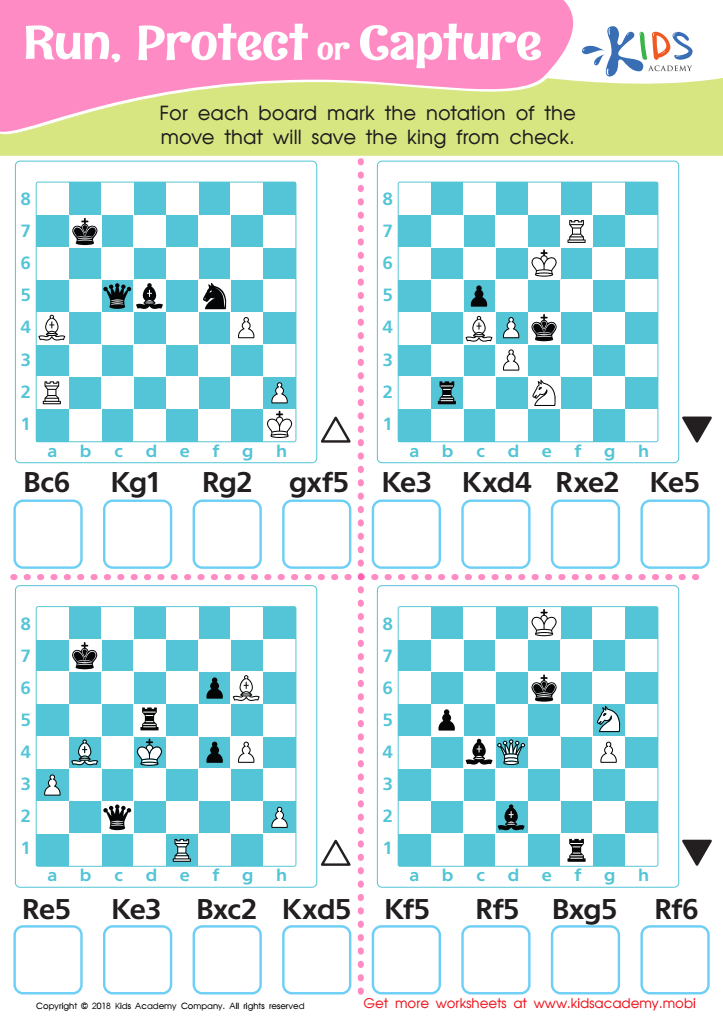
Run, Protect or Capture Worksheet
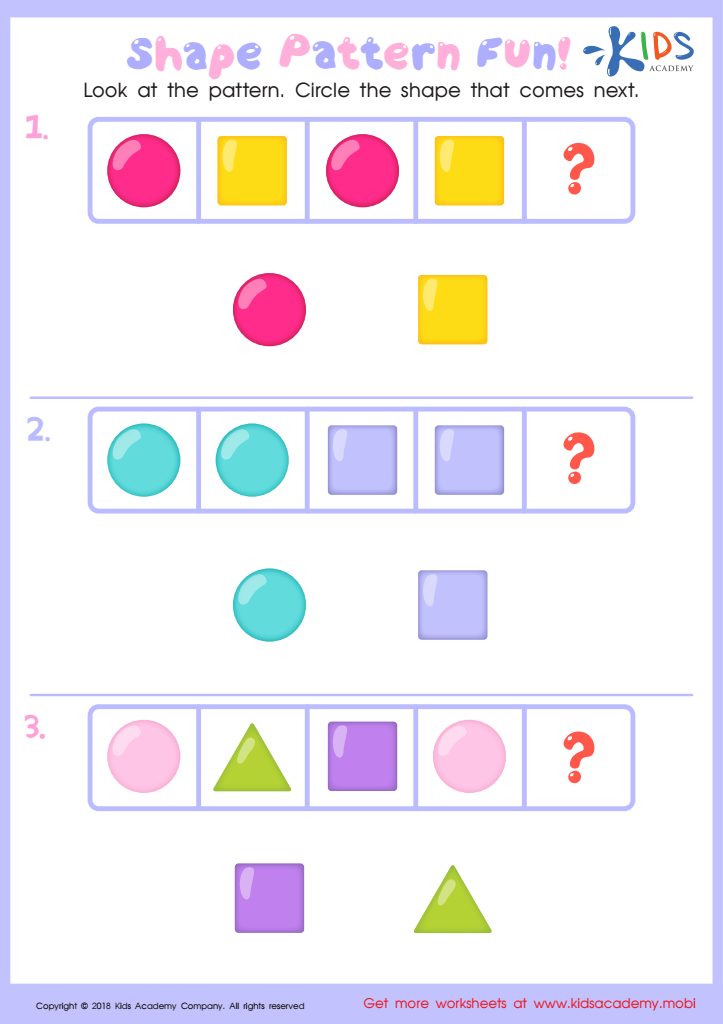
Shape Pattern Fun Worksheet
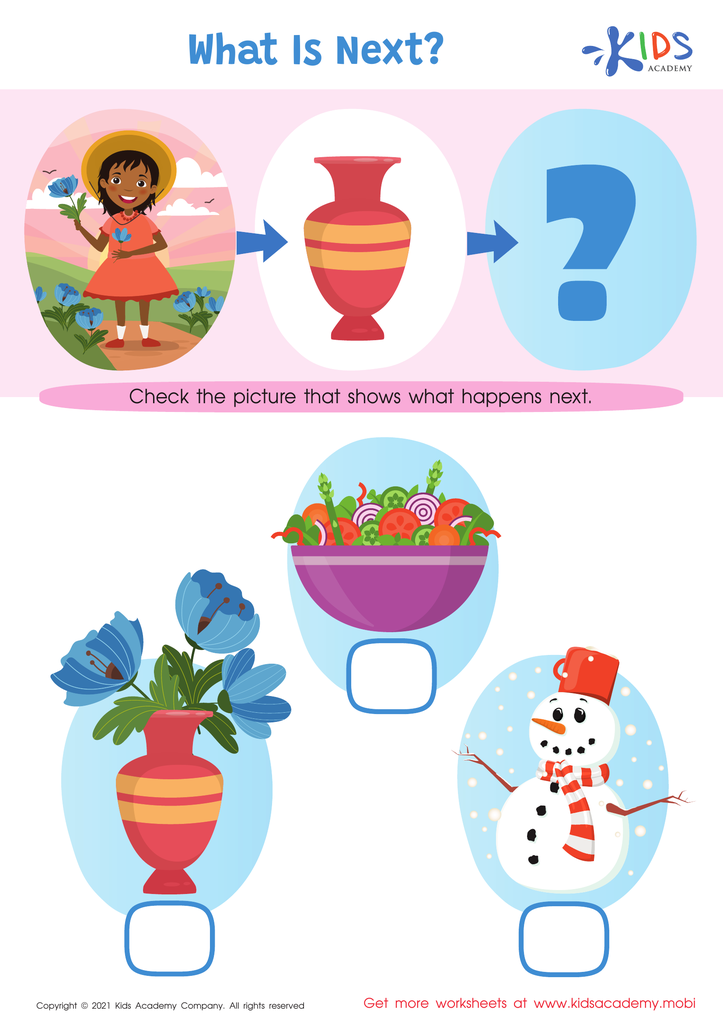
What is Next? Worksheet







Pattern recognition is a crucial cognitive skill that lays the foundation for future learning, making it essential for parents and teachers to pay attention to its development in 3-year-olds. At this age, children are naturally curious and their brains are particularly receptive to identifying patterns in their environment. This ability is directly linked to key academic and life skills.
For starters, pattern recognition enhances mathematical understanding. Recognizing sequences and patterns underpins basic arithmetic, geometry, and problem-solving skills that are vital in early education. It also aids in language development; when children understand patterns, they can better grasp the syntactic structure of sentences, which facilitates vocabulary acquisition and comprehension.
Moreover, pattern recognition encourages critical thinking and analytical skills. When children notice and predict patterns, they learn to make sense of the world around them, fostering a mindset geared toward inquiry and logic. This can enhance their ability to approach complex problems systematically in the future.
Fostering these skills early on can build confidence and enthusiasm for learning, setting the stage for educational success. Encouraging activities like sorting objects, completing puzzles, and recognizing sequences are simple yet effective ways that parents and teachers can support pattern recognition in young children, ultimately nurturing a robust cognitive foundation.








