Logical thinking Reading Worksheets for 3-Year-Olds
5 filtered results
-
From - To
Enhance your 3-year-old's early cognitive development with our engaging Logical Thinking Reading Worksheets. Specially designed for young learners, these fun and interactive worksheets help children explore, evaluate, and solve simple problems, boosting their critical thinking and reasoning skills. Richly illustrated and age-appropriate, each activity encourages pattern recognition, sequencing, and matching exercises that captivate young minds while laying the foundation for future reading comprehension. Ideal for preschoolers, our printable worksheets are perfect for parents and educators aiming to foster a love of learning and independent thinking from an early age. Nurture your child’s problem-solving abilities today!
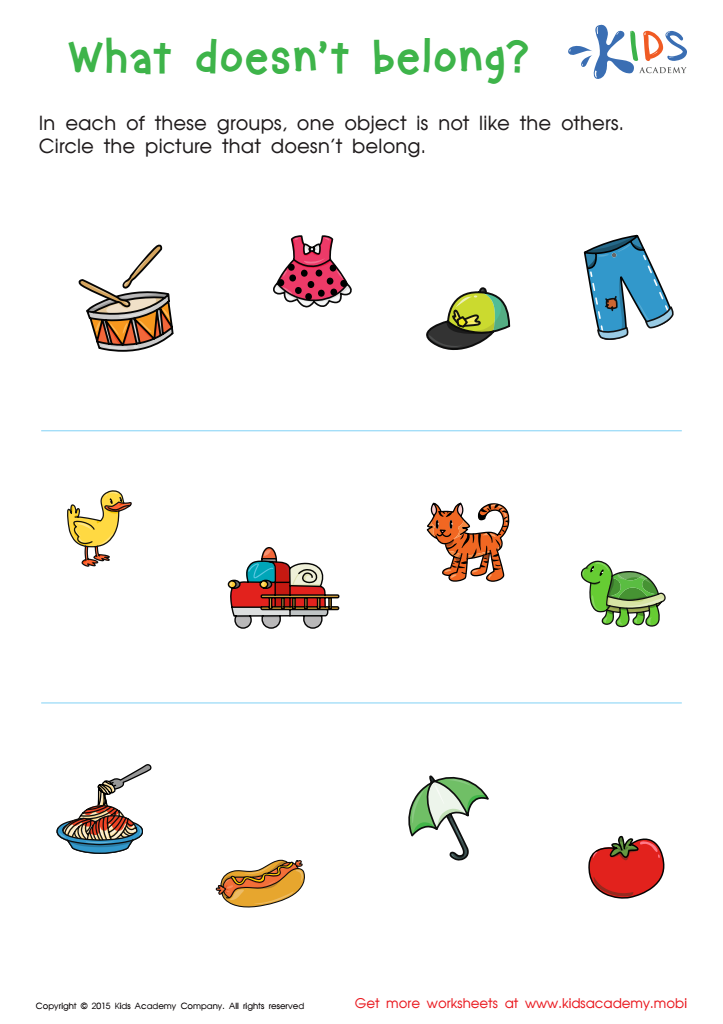
First Words: What Doesn't Belong Worksheet
 Assign to My Students
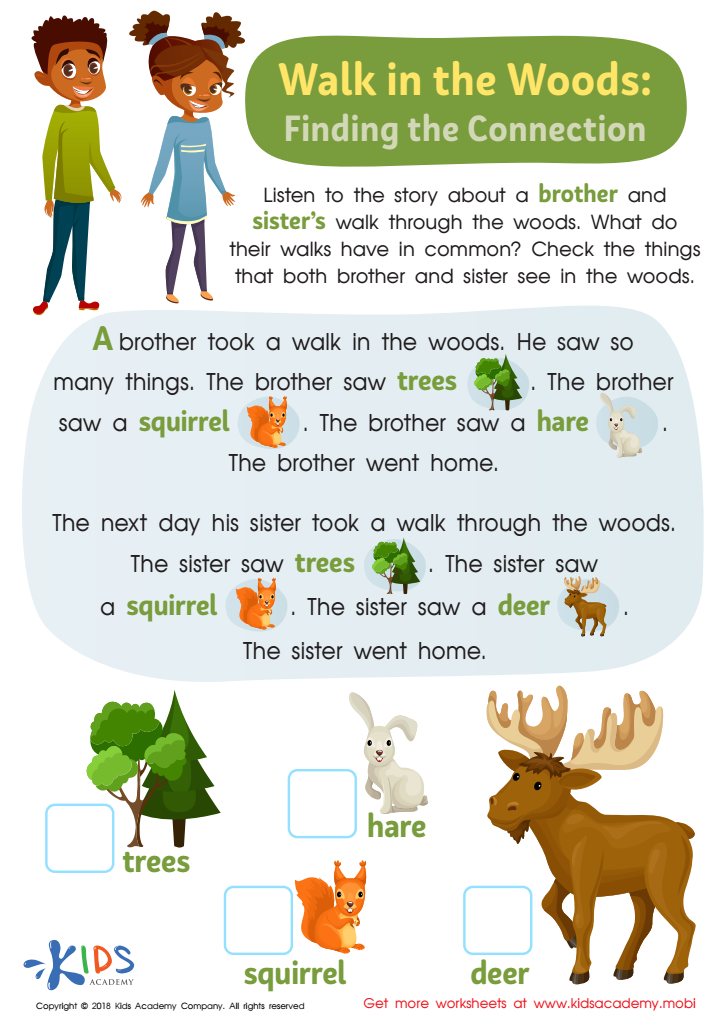
Walk In the Woods: Finding Connections Worksheet
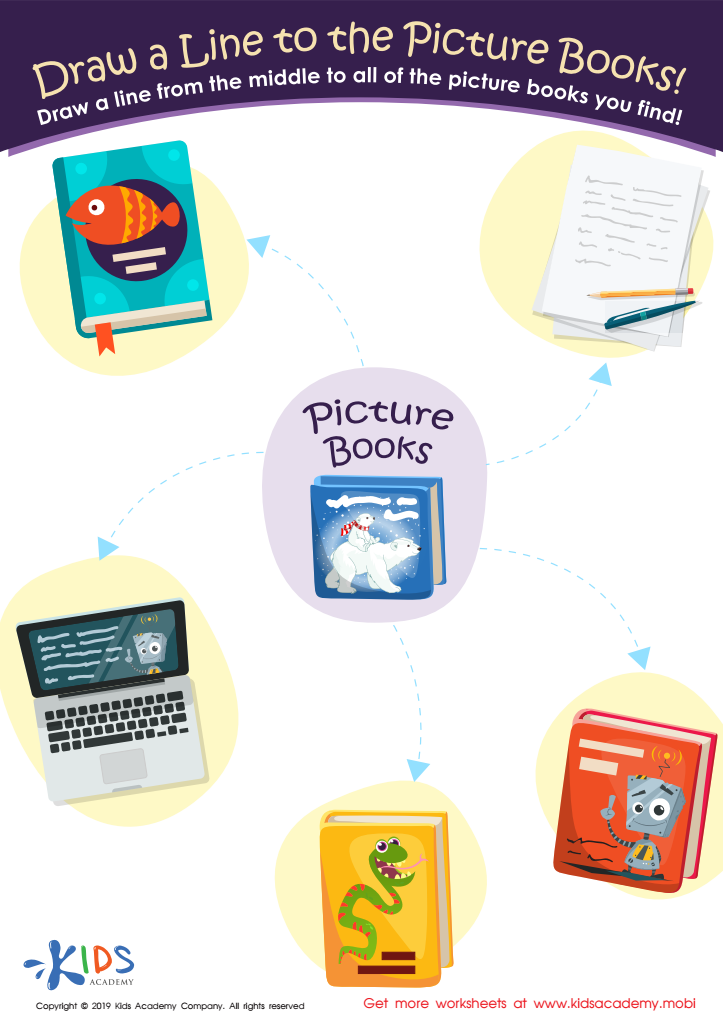
Draw a Line to the Picture Books Worksheet
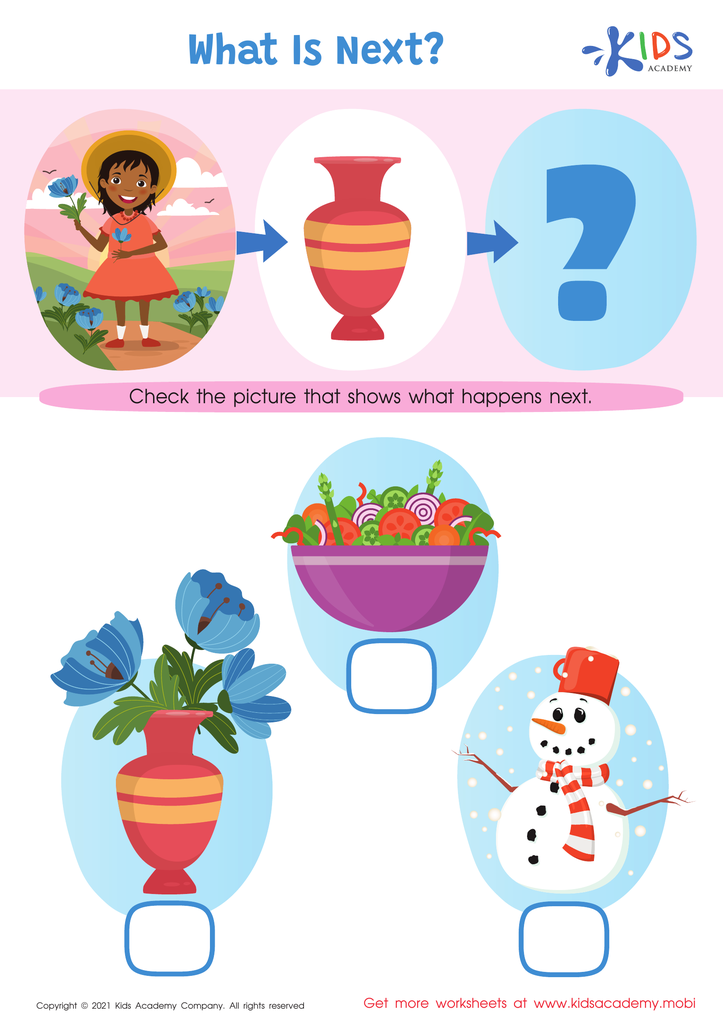
What is Next? Worksheet
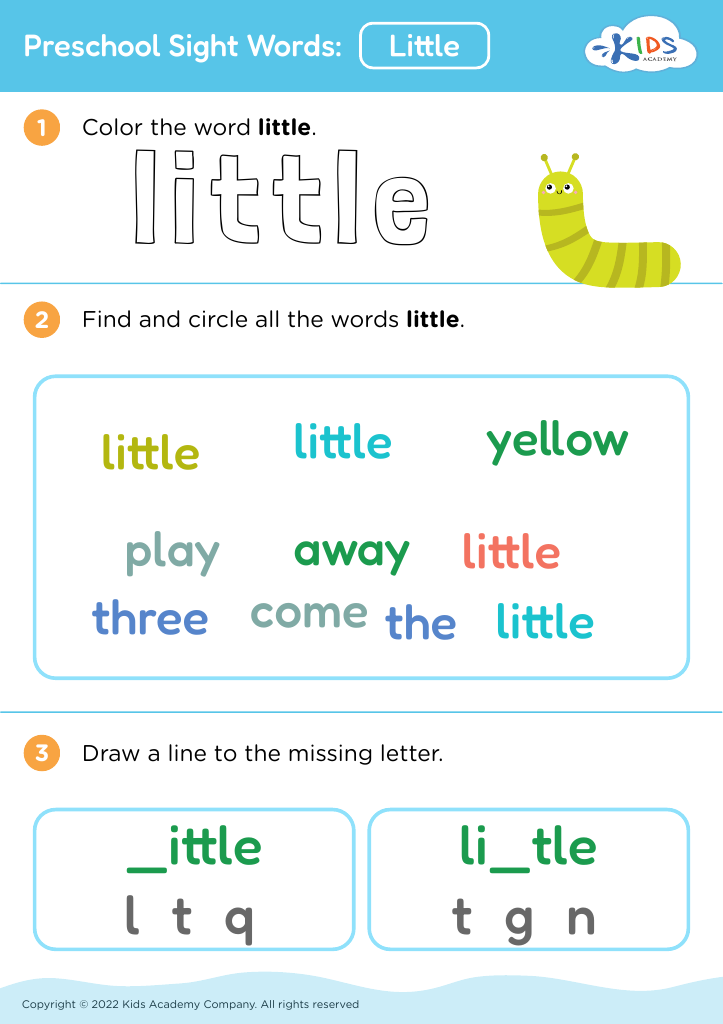








Logical thinking is the foundation of critical problem-solving skills, and fostering this in 3-year-olds can have significant, far-reaching benefits. Logical thinking reading activities for young children encourage them to connect cause and effect, recognize patterns, and begin understanding sequencing—skills essential for future academic success and everyday decision-making.
At this pleasurable and exploratory age, engaging with books and puzzles in a structured yet fun way helps nurture a child's natural curiosity and develops their cognitive abilities. Reading stories with clear logical progression allows children to predict what happens next, fostering their anticipation and inferencing skills.
For parents and teachers, emphasizing logical thinking reading is also about language development. When children discuss storylines, answer questions about characters' actions, or solve simple riddles and puzzles, they practice essential vocabulary and grammatical structures. This enriches their verbal expression and comprehension, laying a robust groundwork for more complex learning ahead.
Moreover, structured reading sessions can enhance a child's focus and attention span. These are critical for classroom readiness and general behavior regulation. Encouraging logical thinking through reading at this early stage sets children on a successful educational path, equipping them with not just rote knowledge but analytical prowess that will serve them throughout life.








