Addition Practice Worksheets for Ages 4-5 - Page 3
108 filtered results
-
From - To
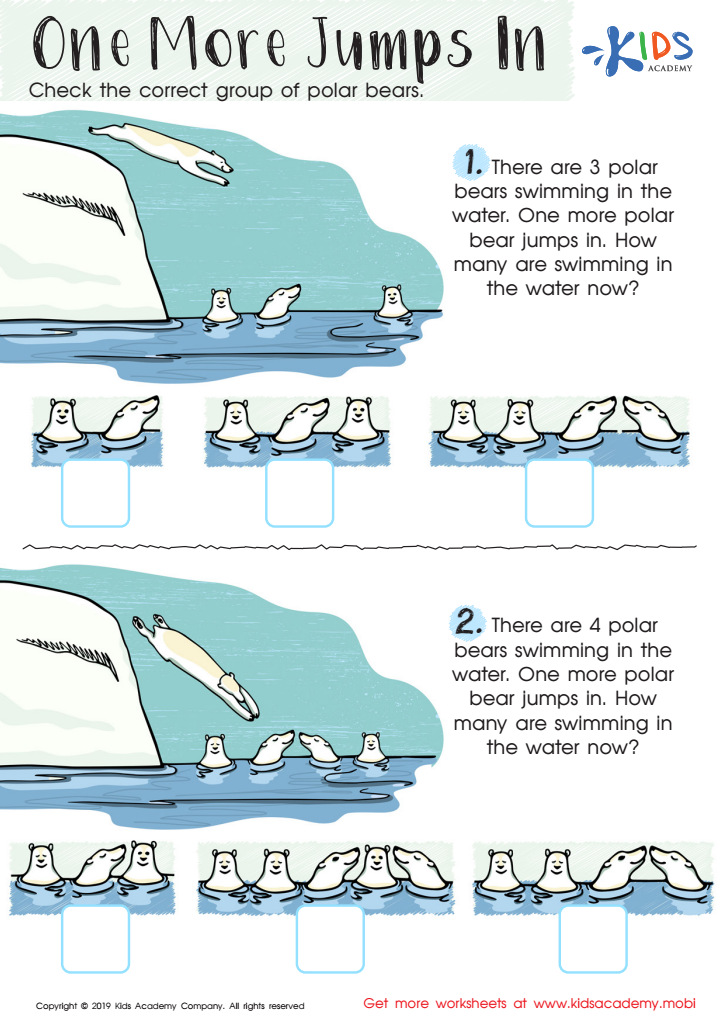
One More Jumps In Worksheet
 Assign to My Students
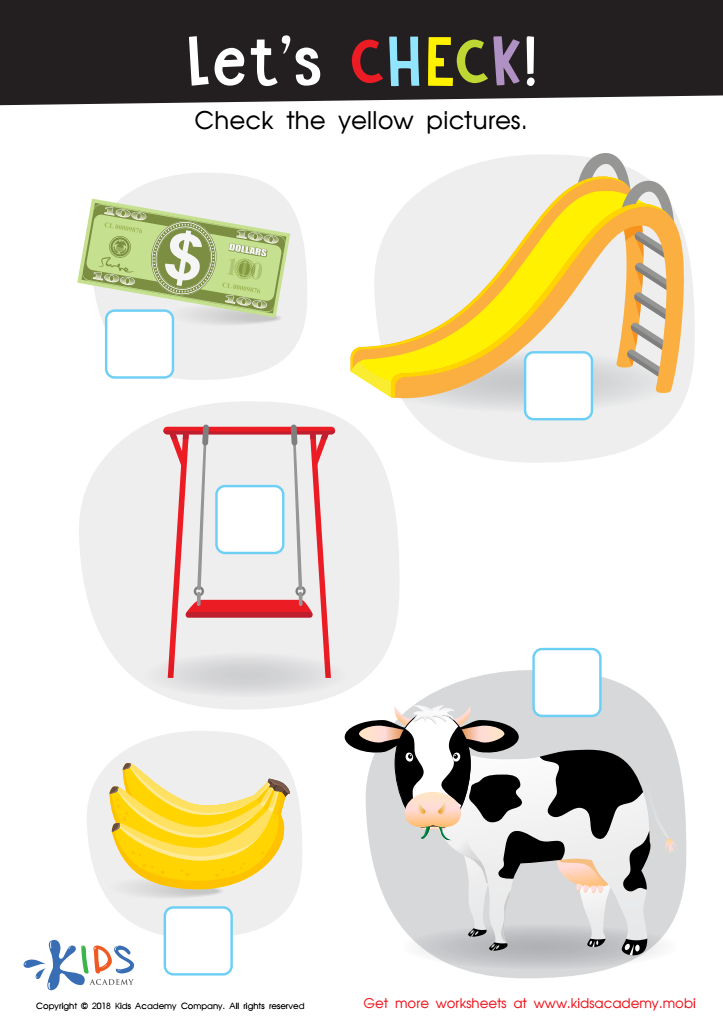
Let's Check! Worksheet
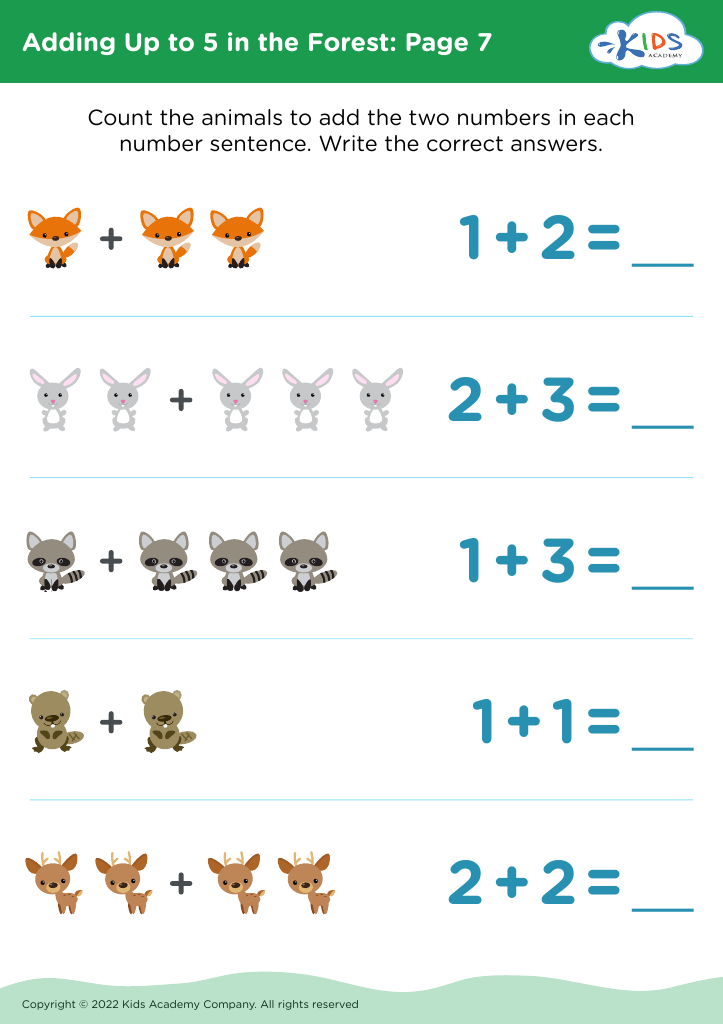
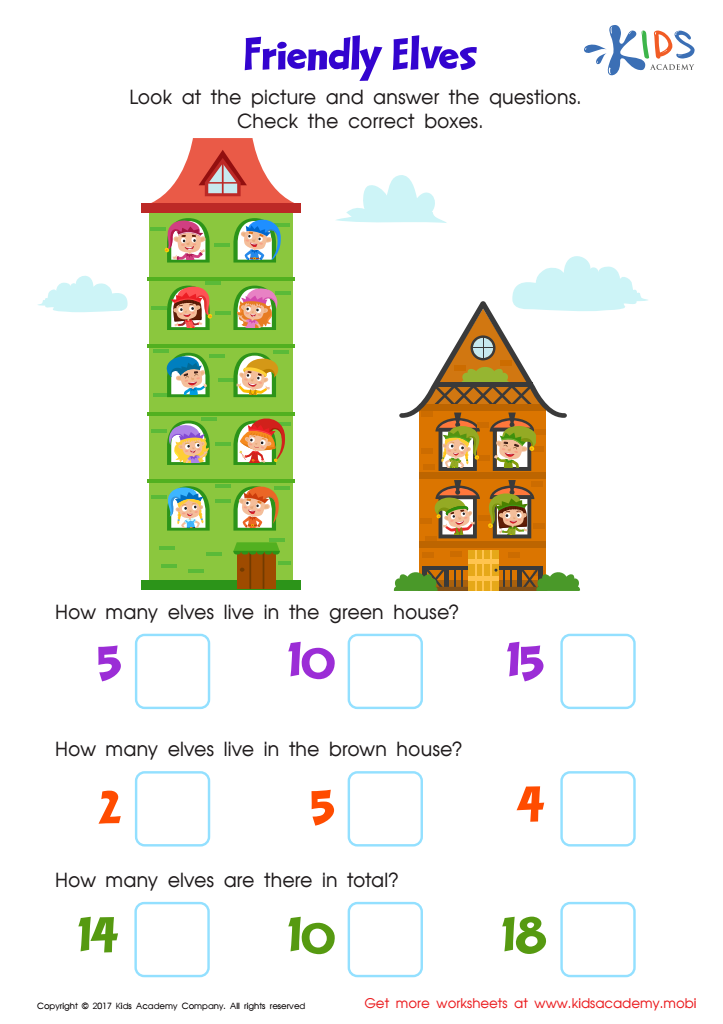
Place Value: Friendly Elves Worksheet
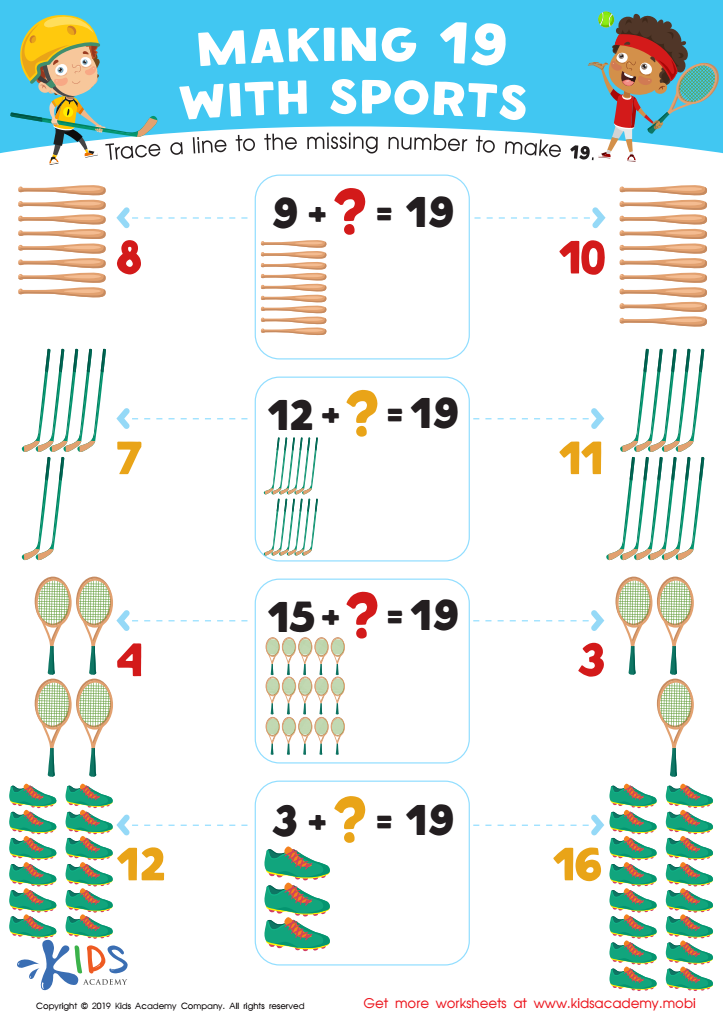
Making 19 with Sports Worksheet
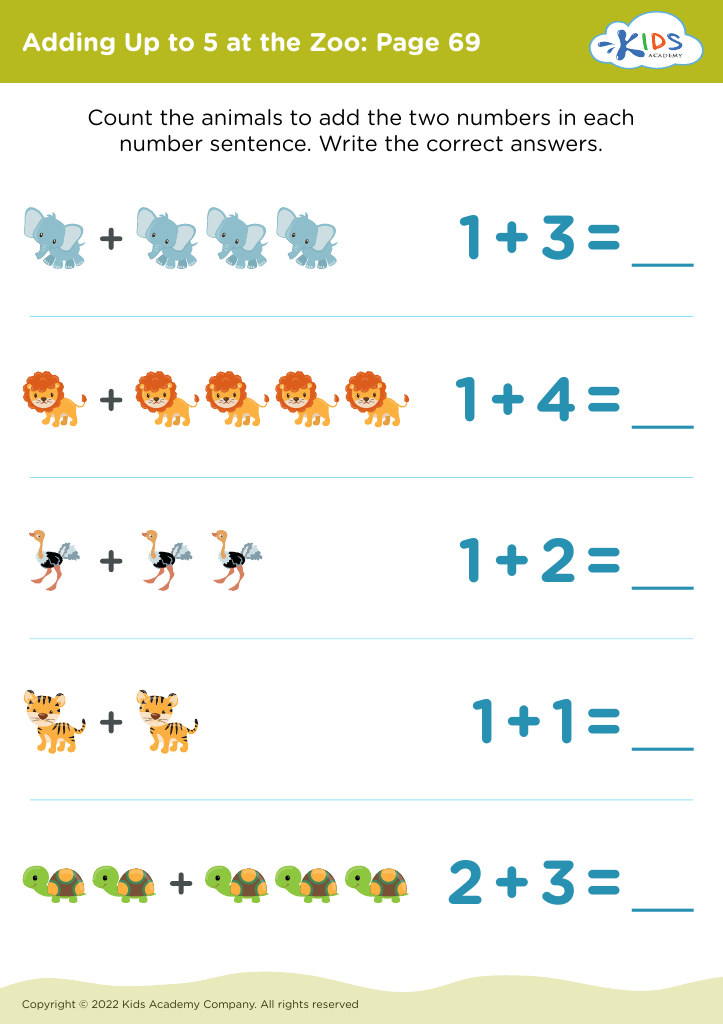
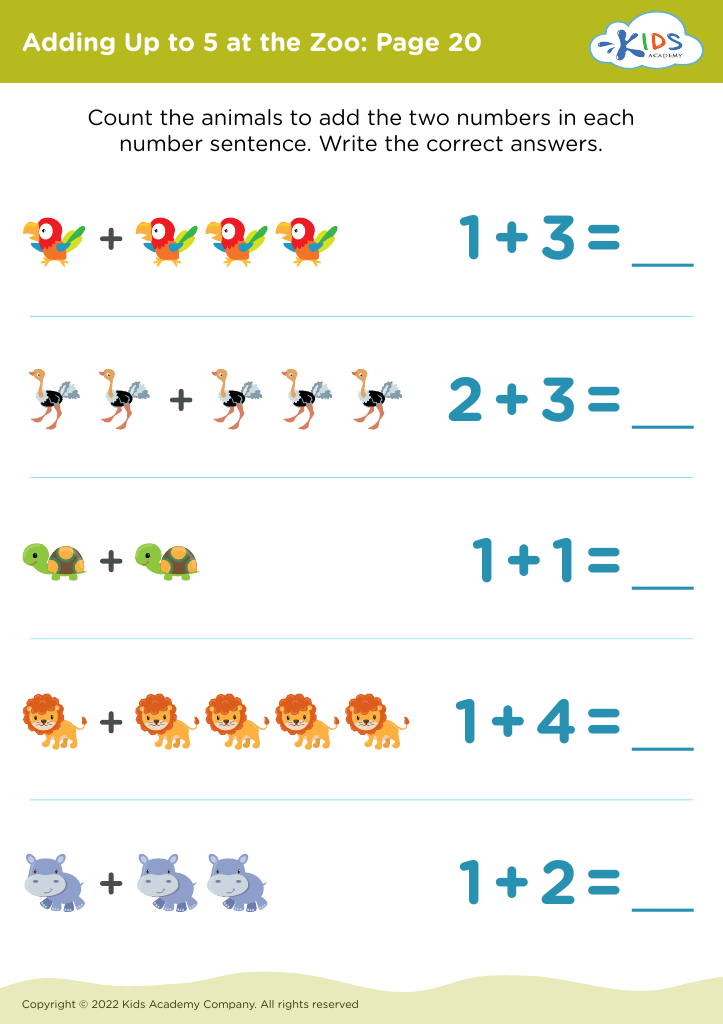
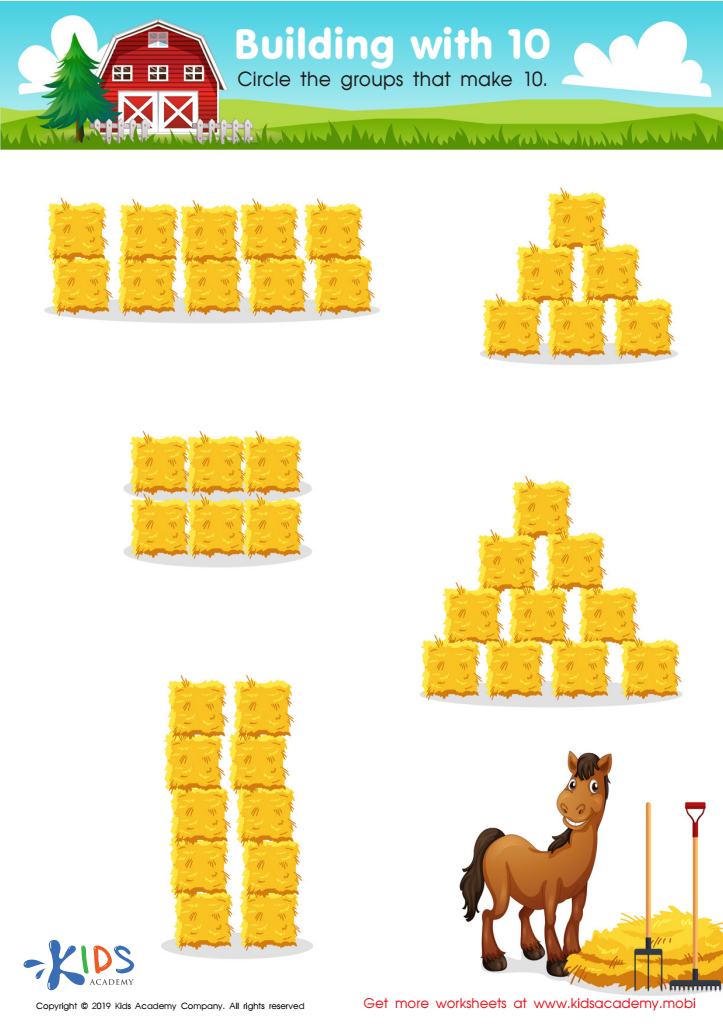
Building with 10 Worksheet
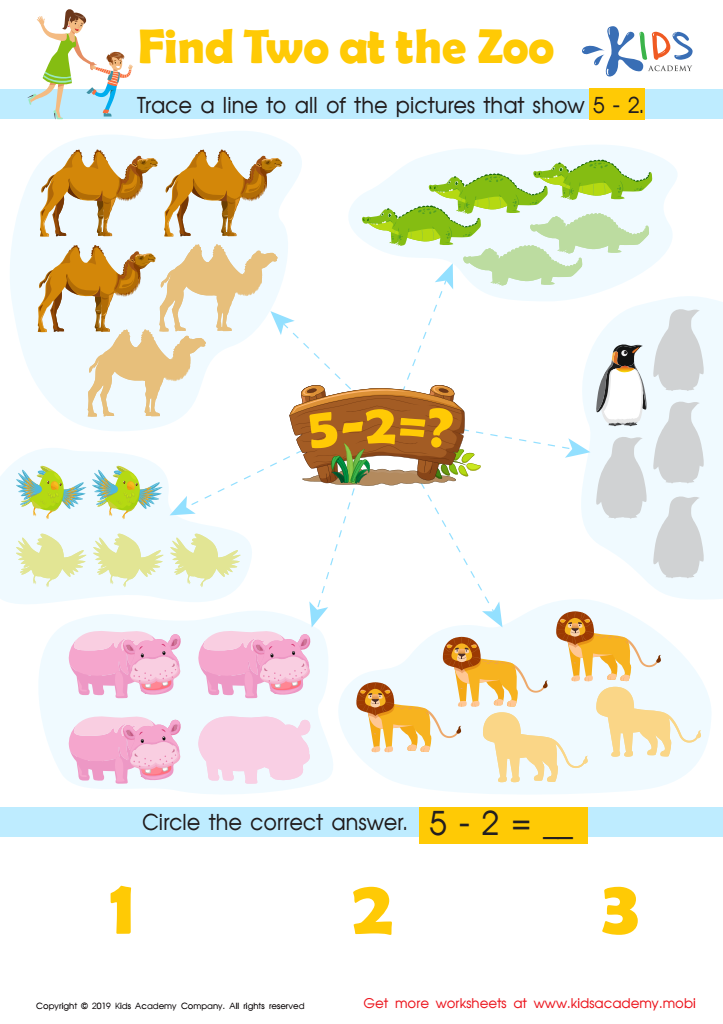
Find Two at the Zoo Worksheet
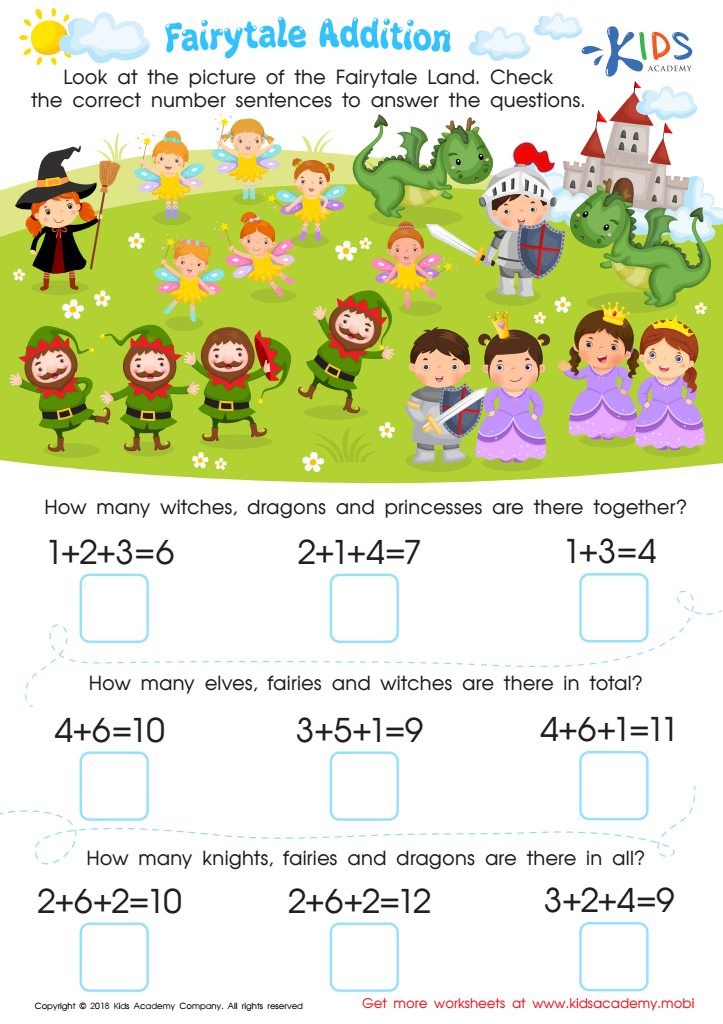
Fairytale Addition Worksheet
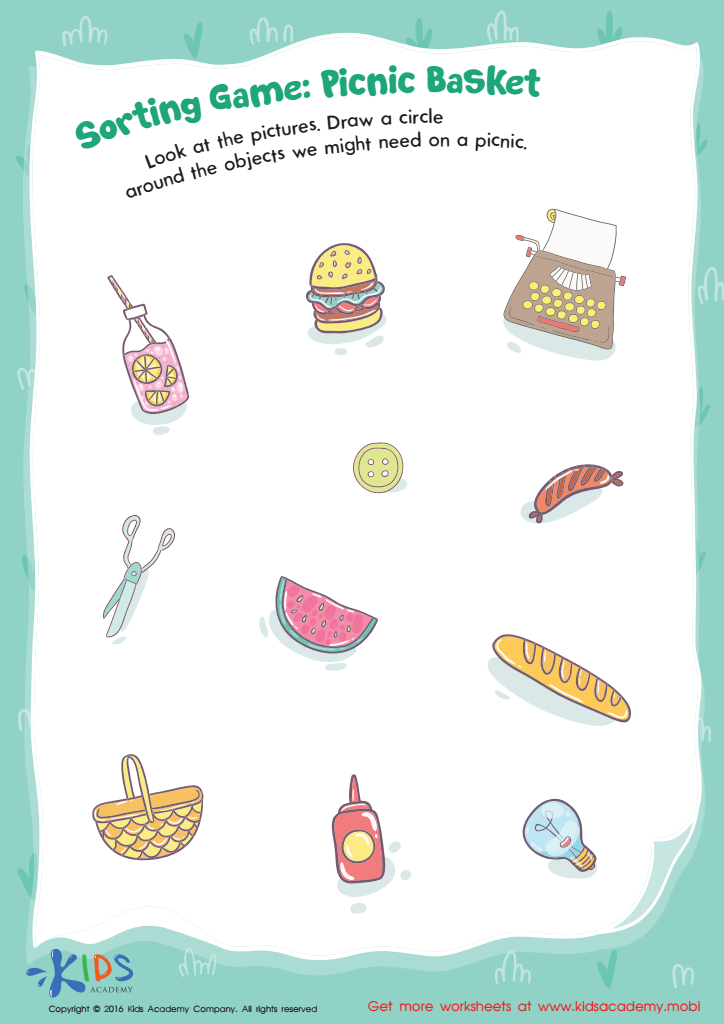
Picnic Basket Sorting Worksheet
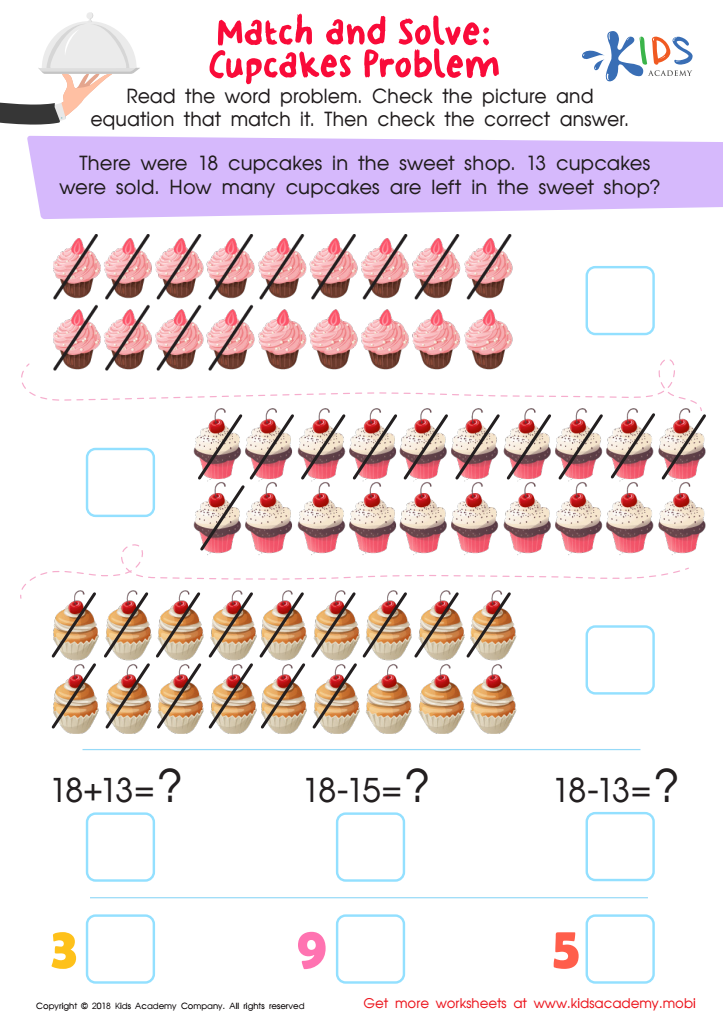
Match and Solve: Cupcakes Problem Worksheet
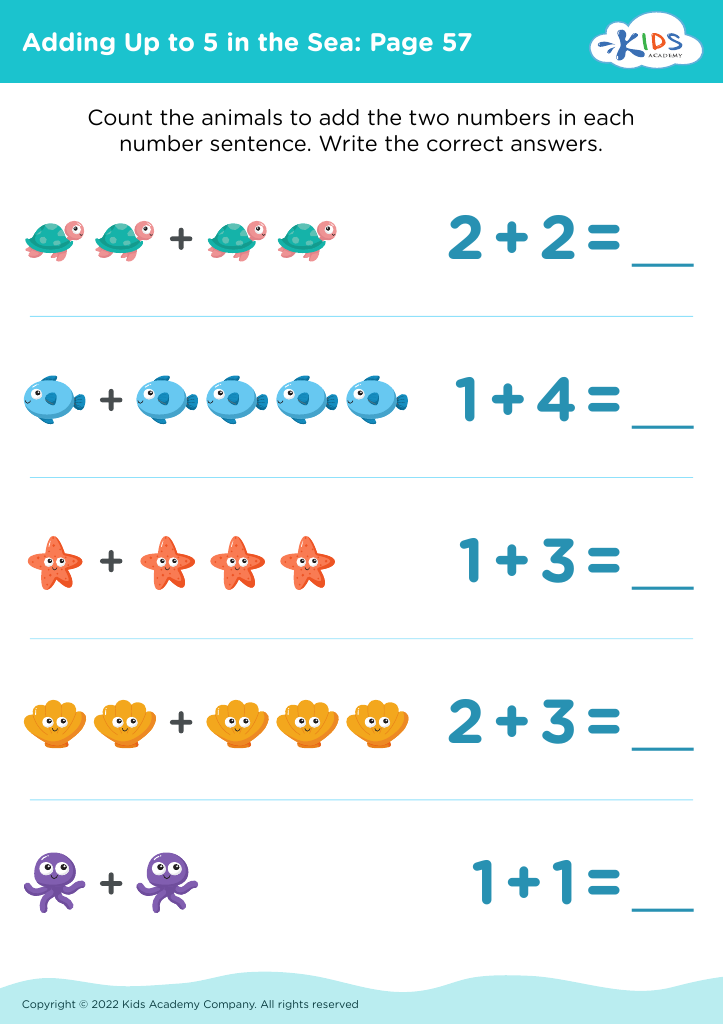
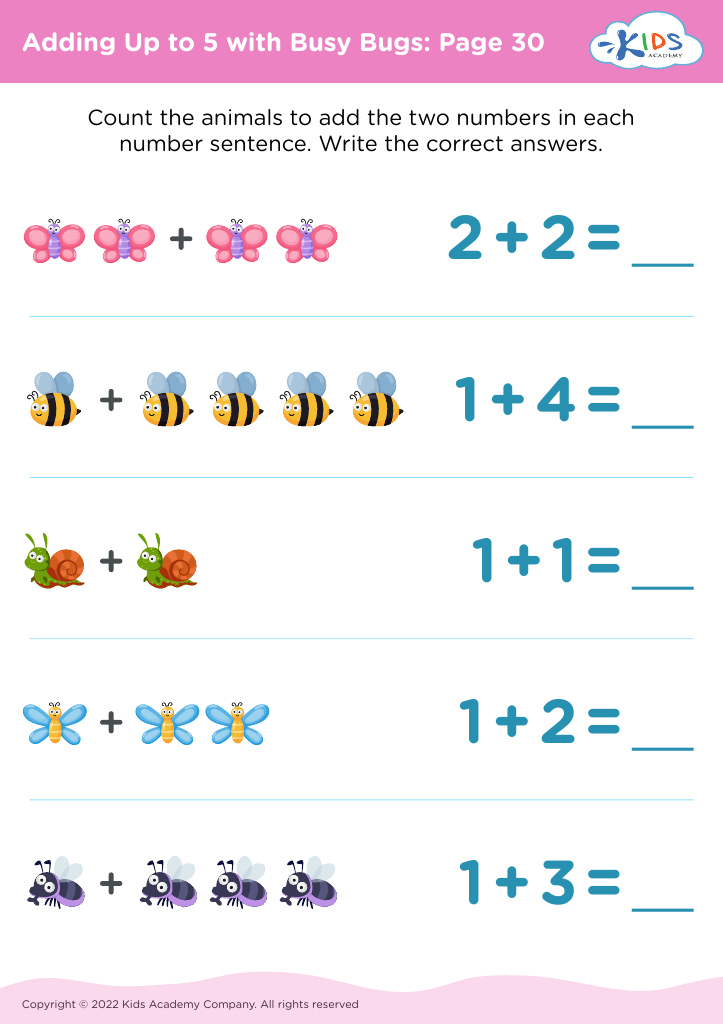
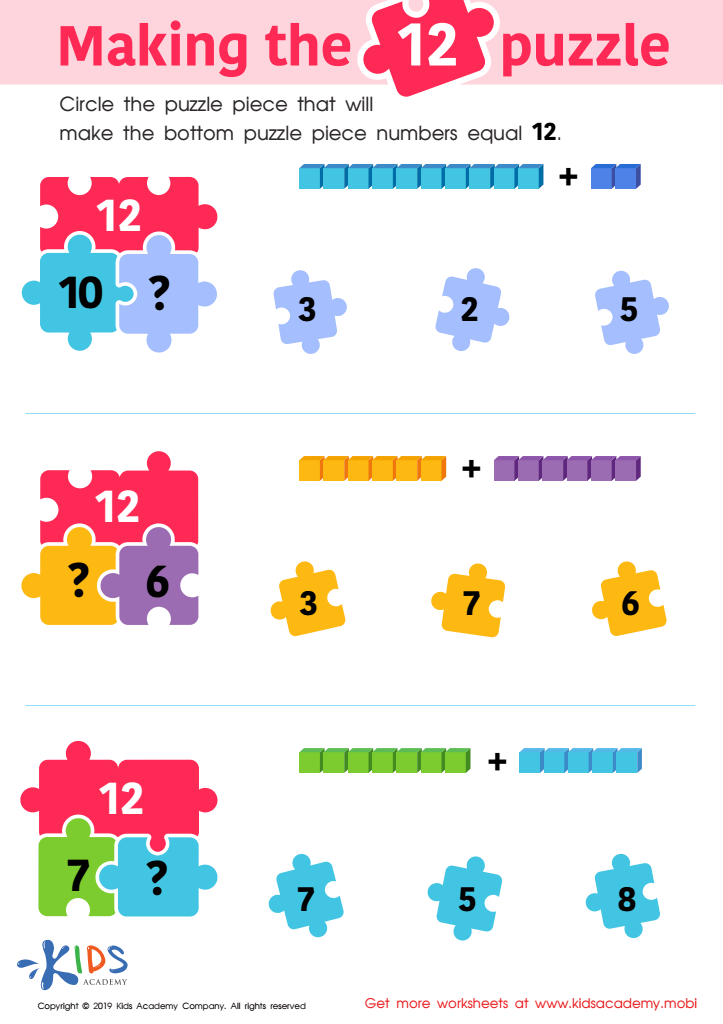
Making the 12 Puzzle Worksheet
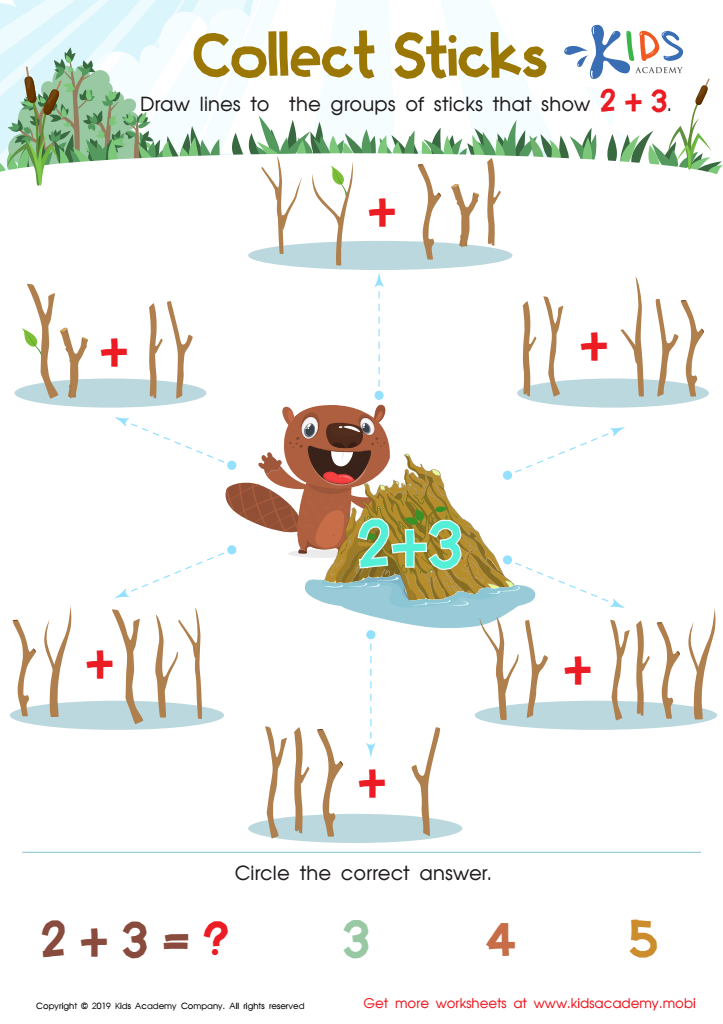
Collect Sticks Worksheet
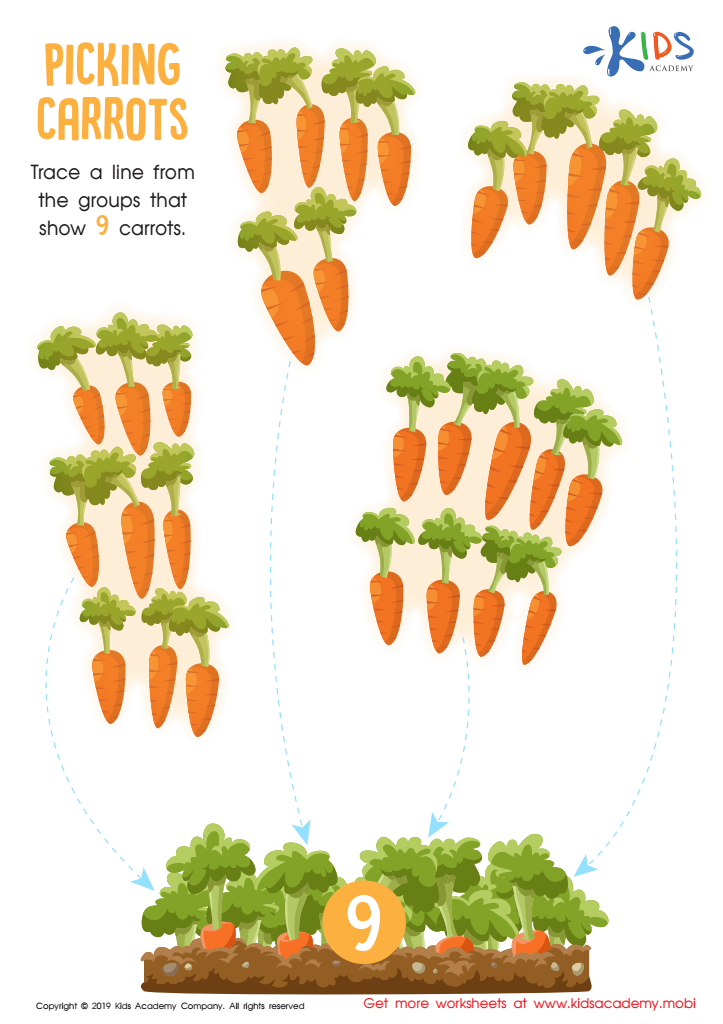
Picking Carrots Worksheet
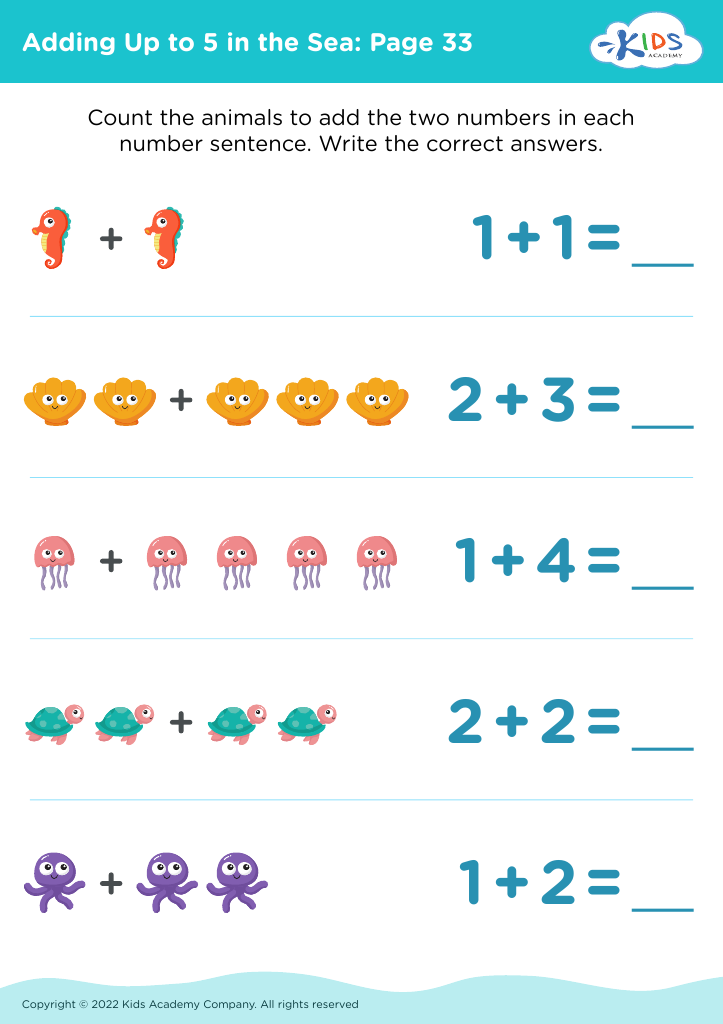
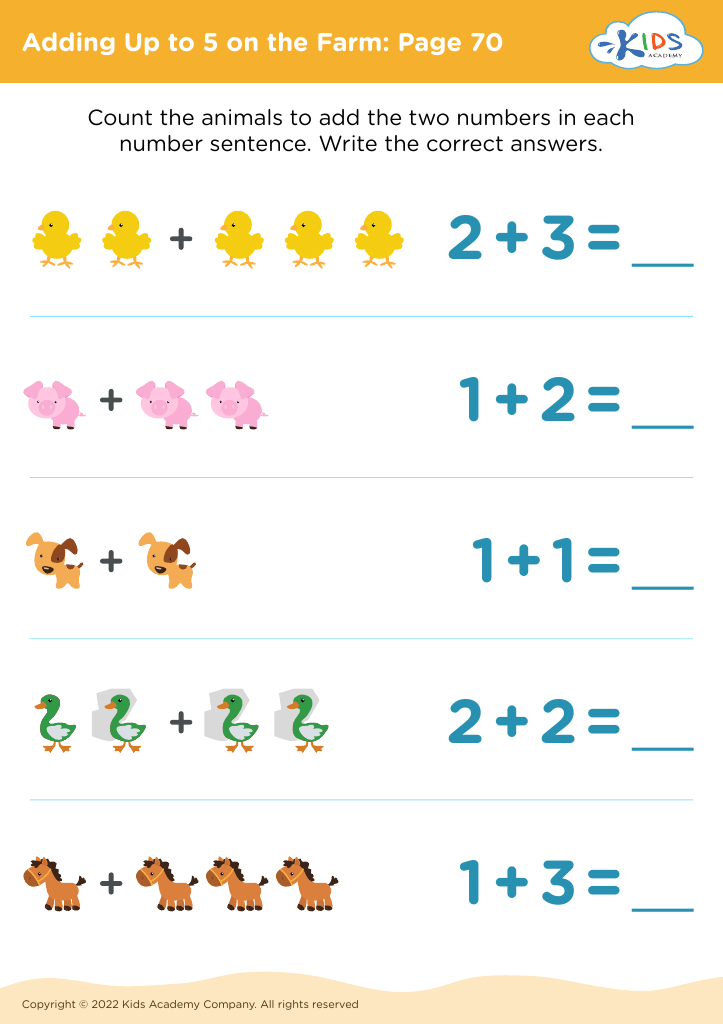
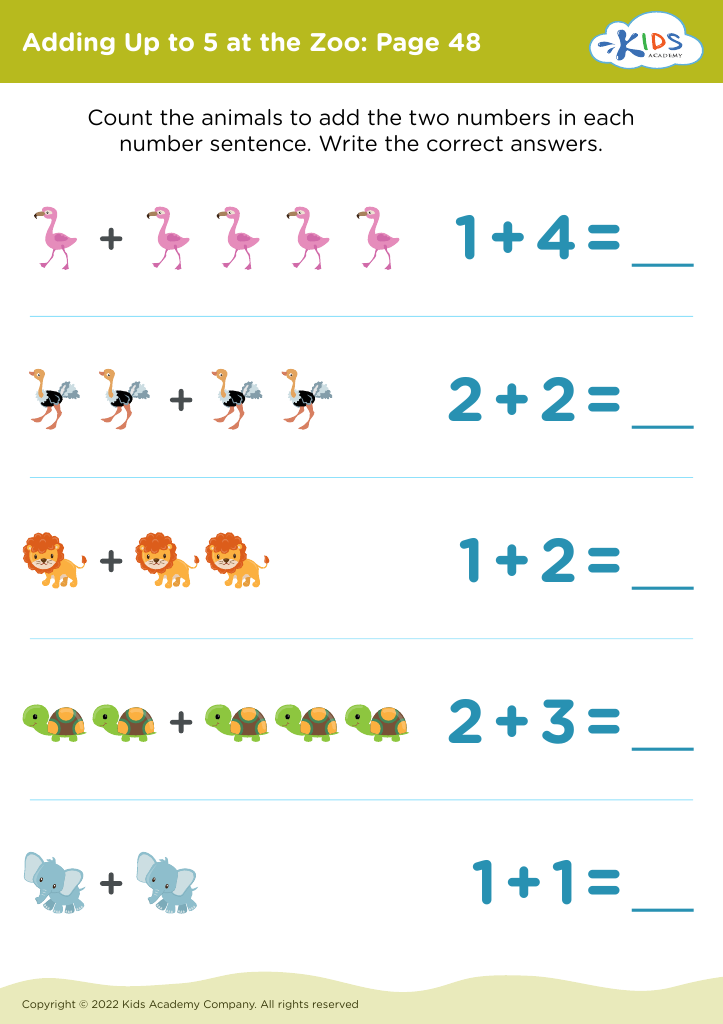
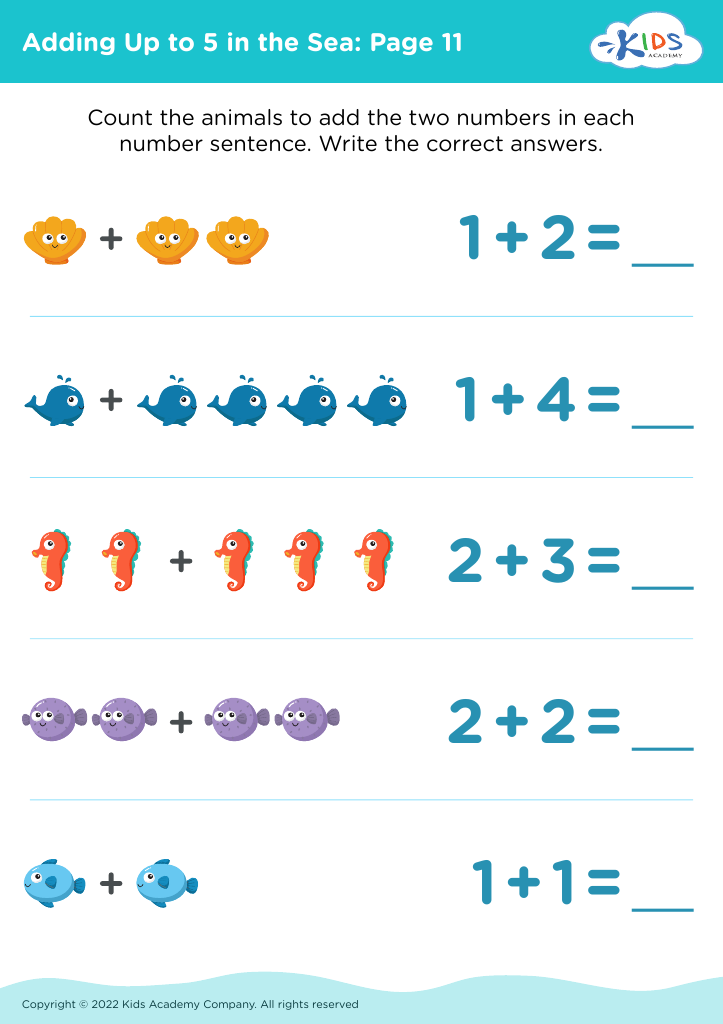






Parents and teachers should prioritize addition practice for ages 4-5 because it lays the foundation for mathematical understanding, which is crucial for children's academic development. During these early years, children are naturally curious and eager to learn, making it the perfect time to introduce basic concepts of addition.
Addition practice enhances cognitive skills, including problem-solving and critical thinking. As children engage with addition through hands-on activities, games, or visual aids, they develop spatial awareness and improve their number sense. Moreover, early math skills are strongly linked to future academic success, making early addition practice a predictor of later achievement in mathematics.
Additionally, addition practice supports fine motor skills and coordination when integrating hands-on tools like counters or number lines. Engaging in math also cultivates a positive attitude towards learning and builds confidence as children experience success in solving simple problems.
Finally, fostering these skills at a young age helps create a solid base for more advanced mathematics concepts in later years. Thus, parents and teachers who emphasize addition practice are not only nurturing numerical competence but also promoting a lifelong love for learning and critical thinking.








