Hand-eye Coordination Worksheets for Ages 4-5 - Page 2
84 filtered results
-
From - To
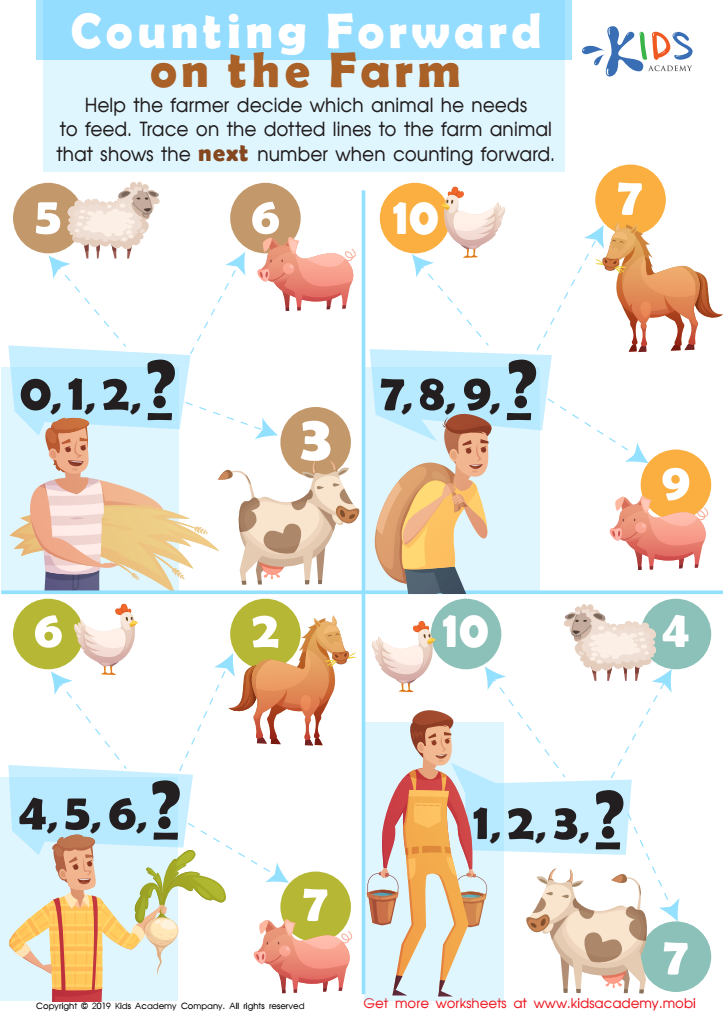
Counting Forward On the Farm Worksheet
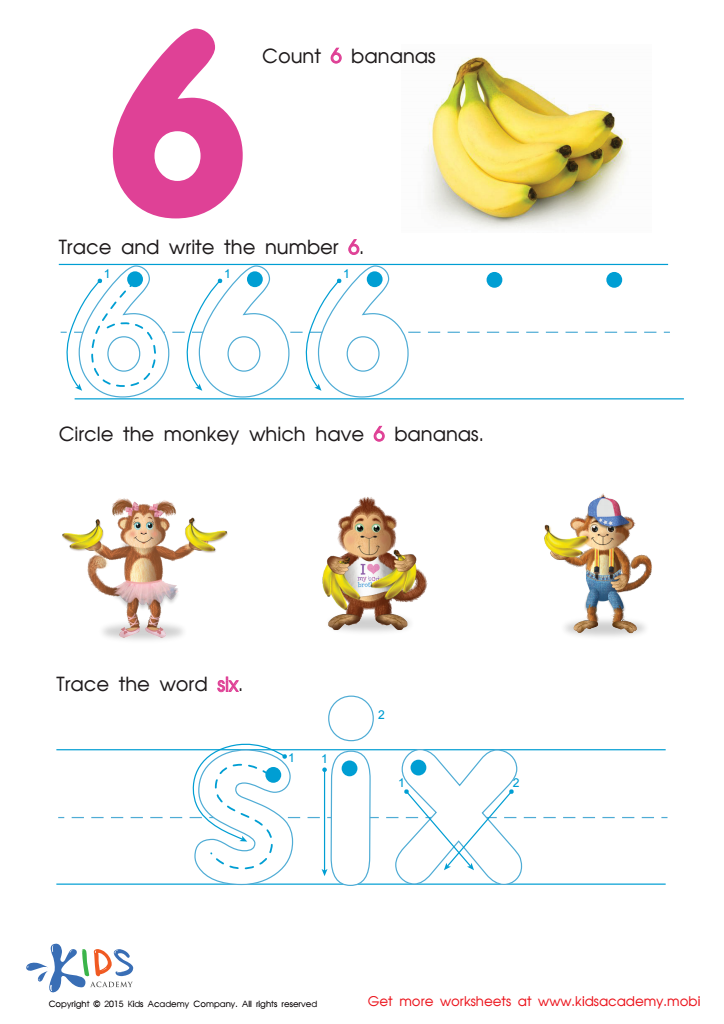
Tracing And Writing Number 6 Worksheet
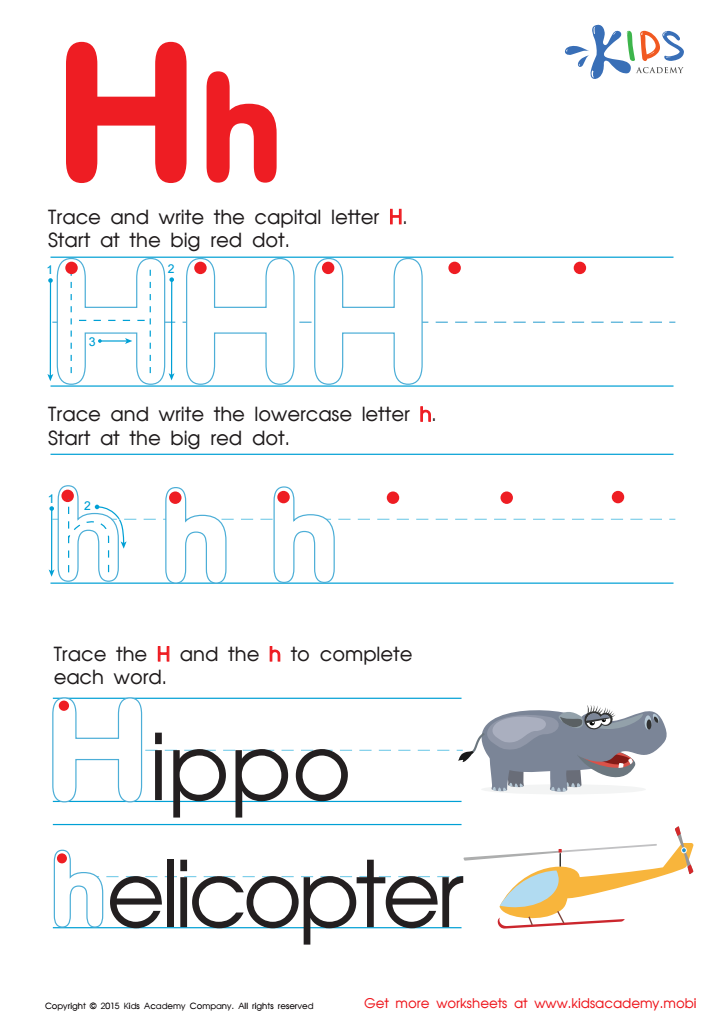
Letter H Tracing Page
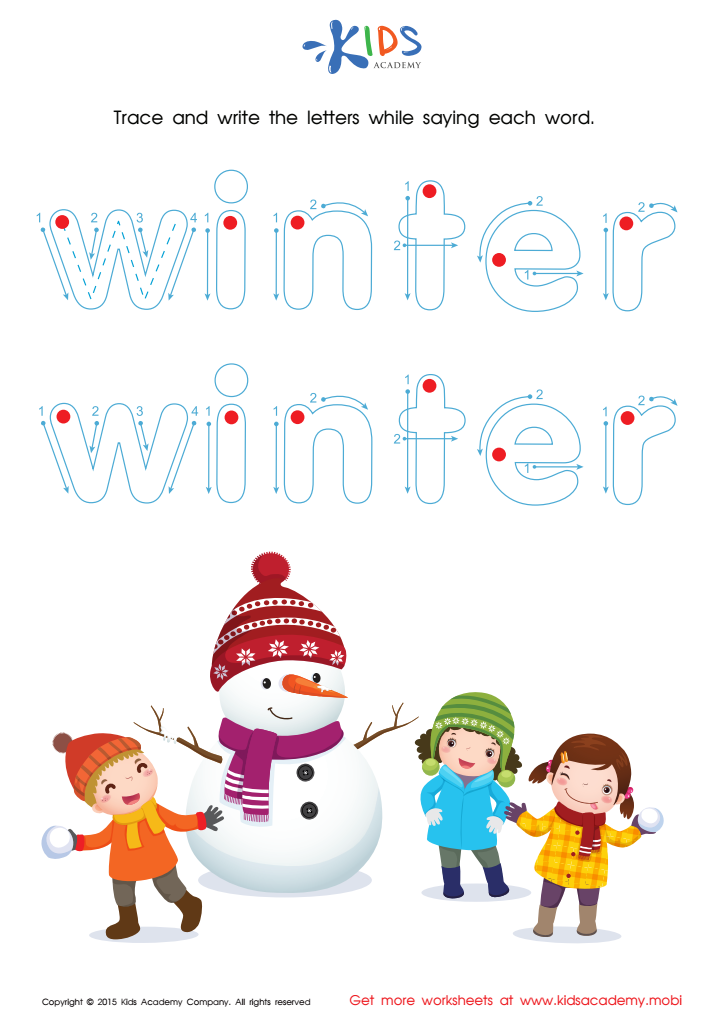
Snowman Tracing Winter Words Worksheet
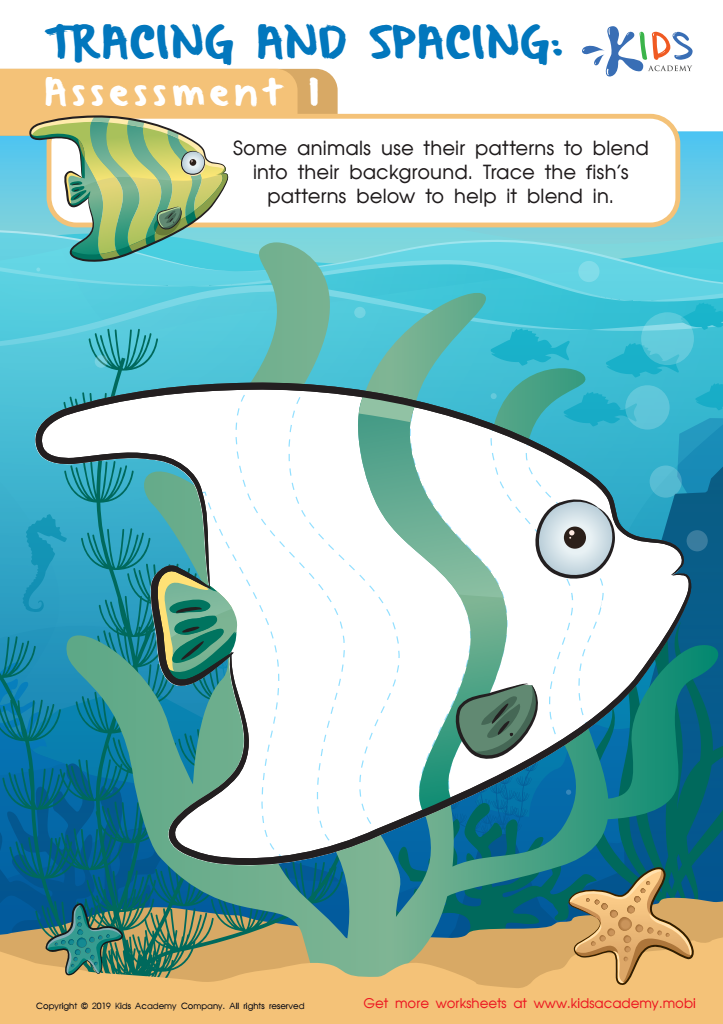
Tracing and Spacing: Assessment 1 Worksheet
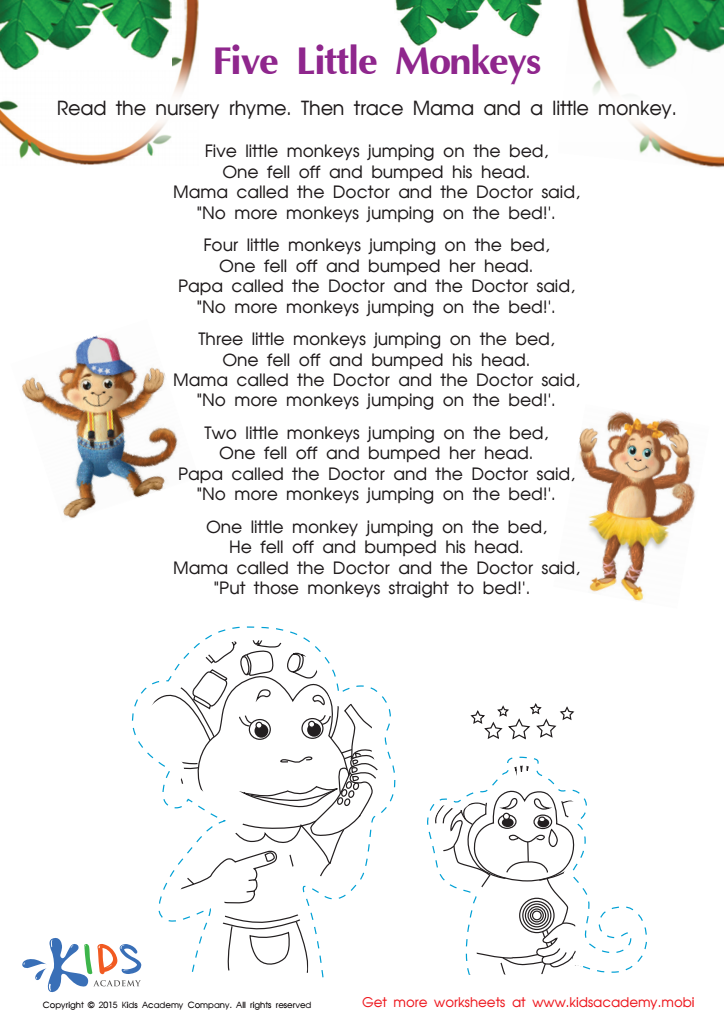
The Five Little Monkeys Nursery Rhyme Worksheet
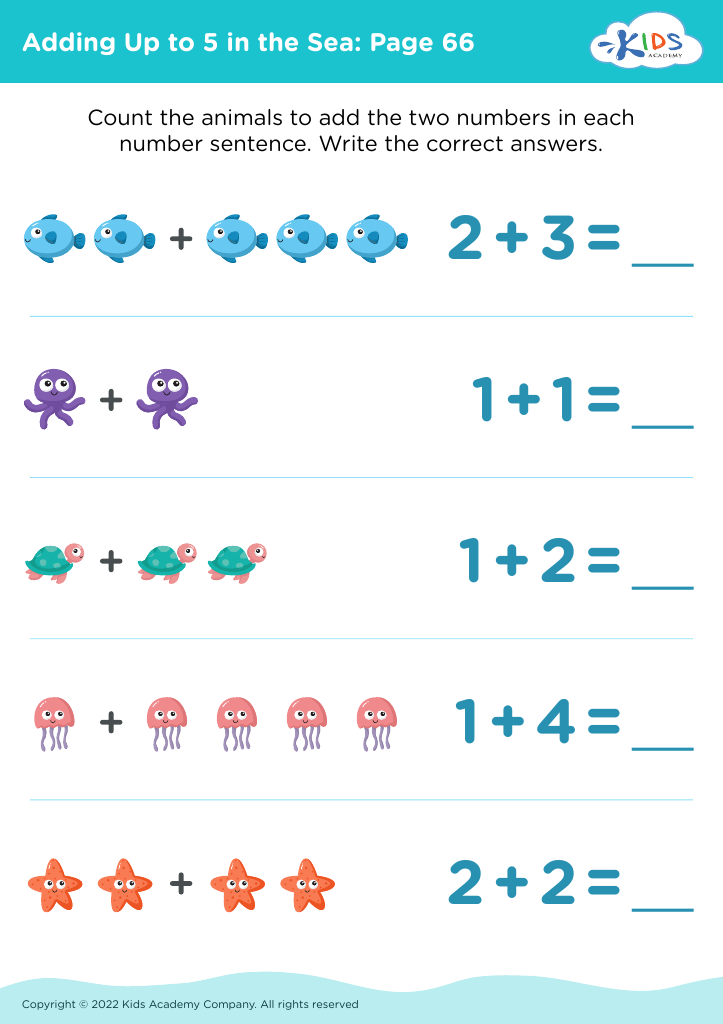
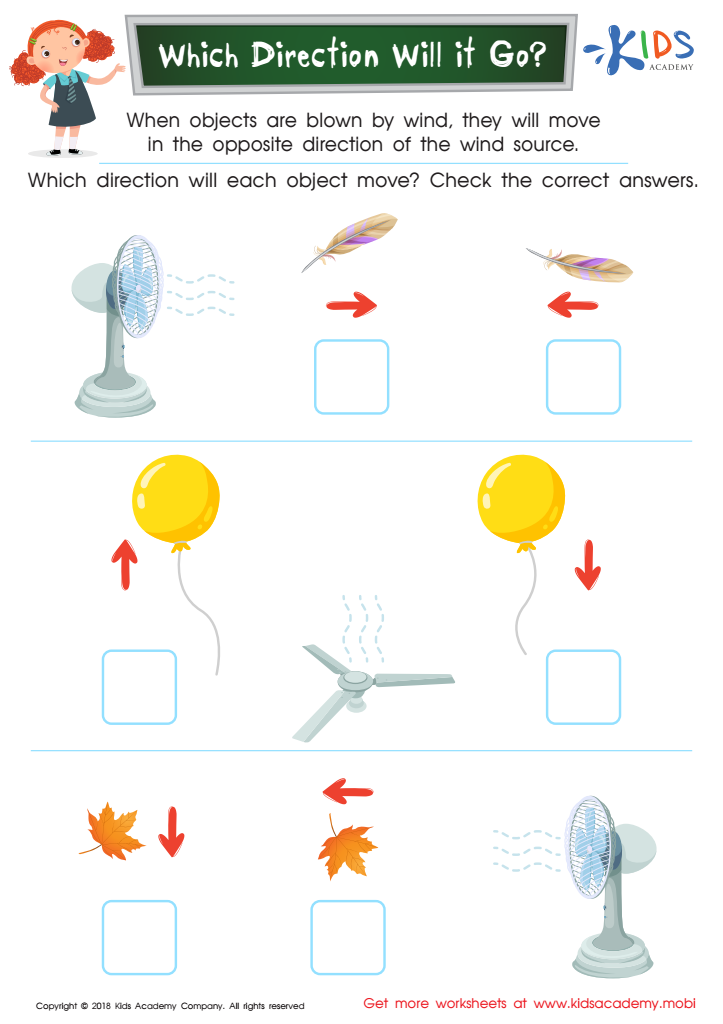
Which Direction Will it Go? Worksheet
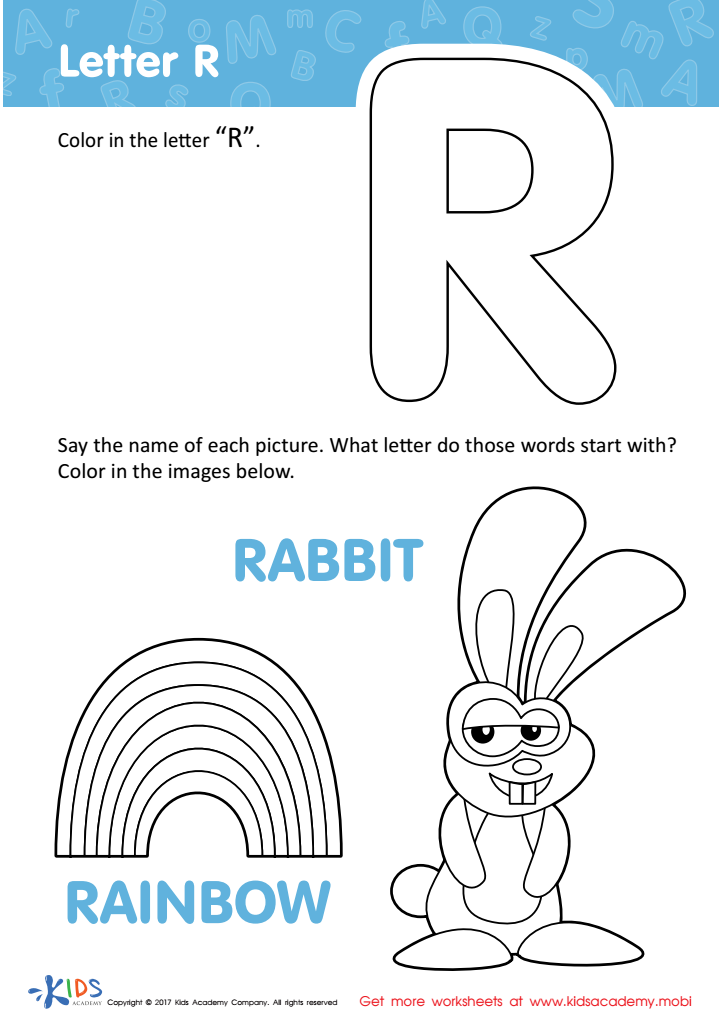
Letter R Coloring Sheet
 Assign to My Students
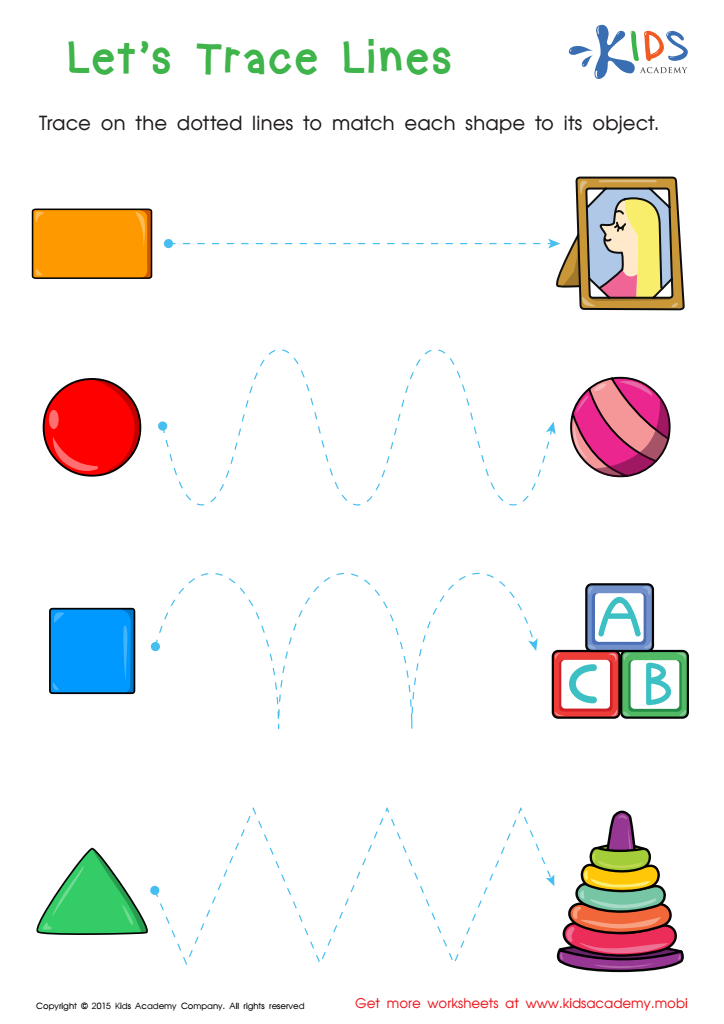
First Words: Let's Trace Lines Worksheet

Sea Horses Printable
Assign to My Students

Long and Short U Worksheet
Assign to My Students
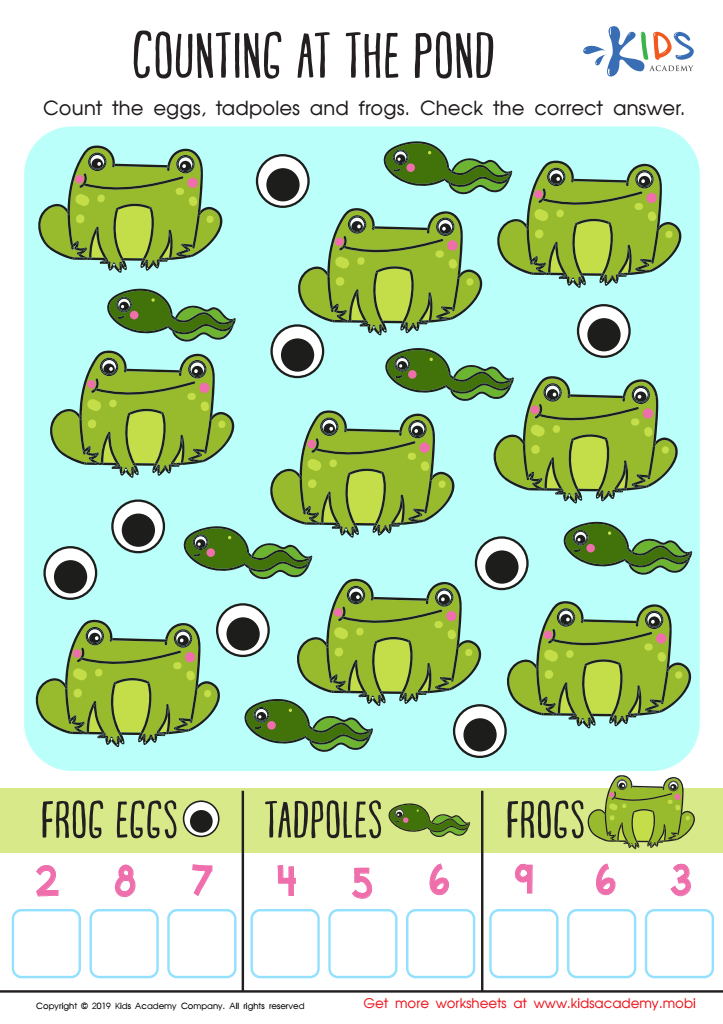
Counting at the Pond Worksheet
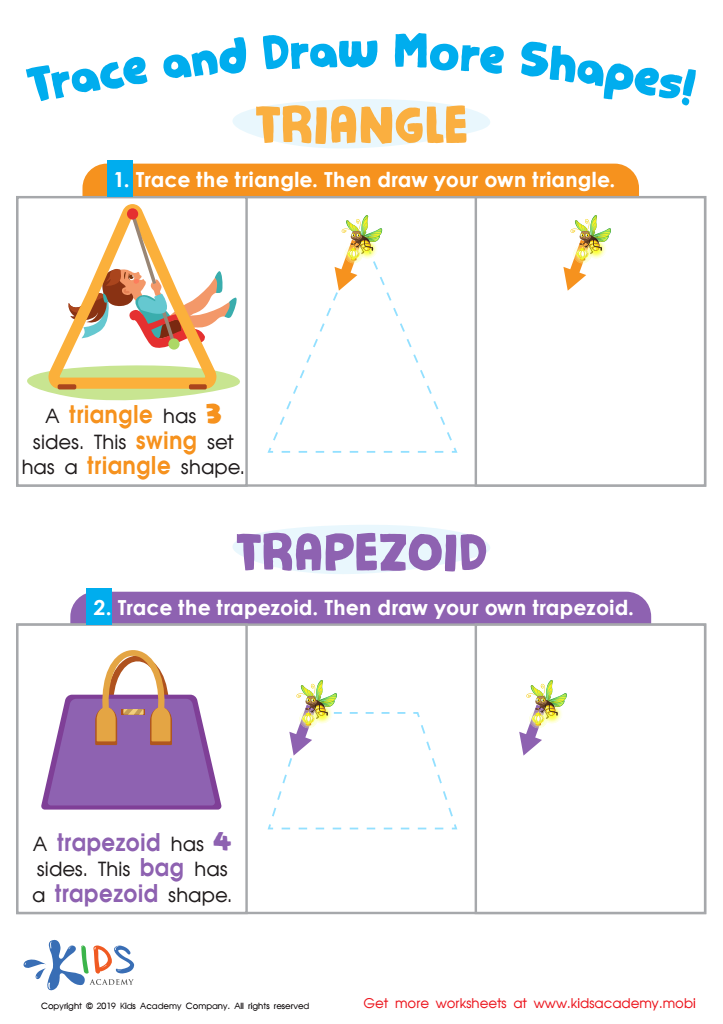
Trace and Draw More Shapes Worksheet
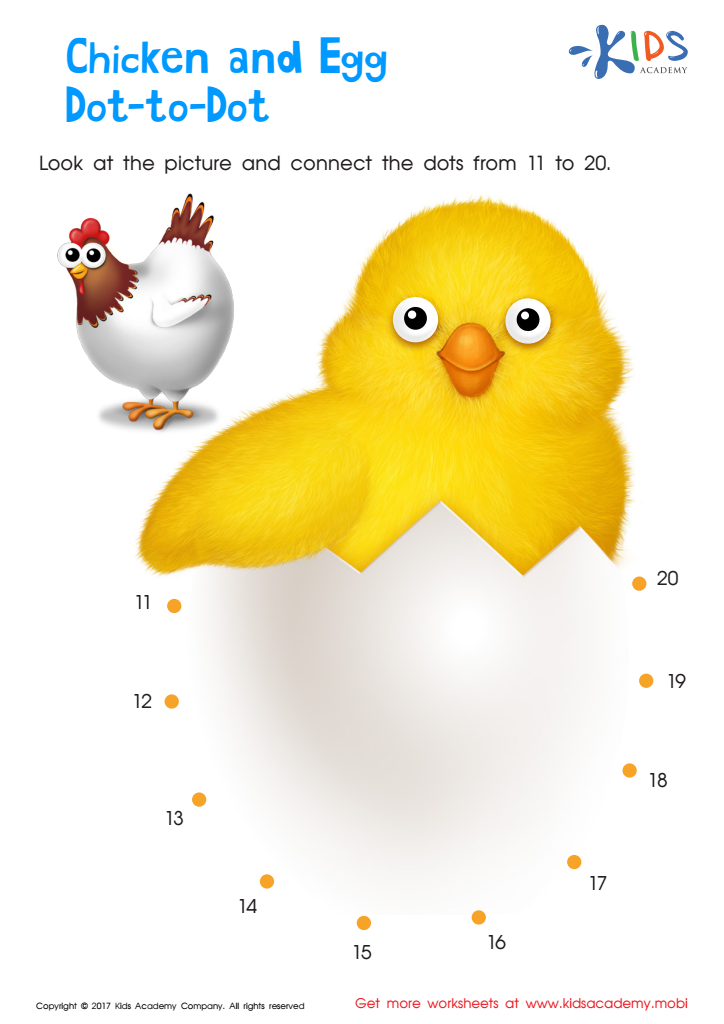
Ordering 11–20: Chicken & Egg Dot–to–dot Worksheet
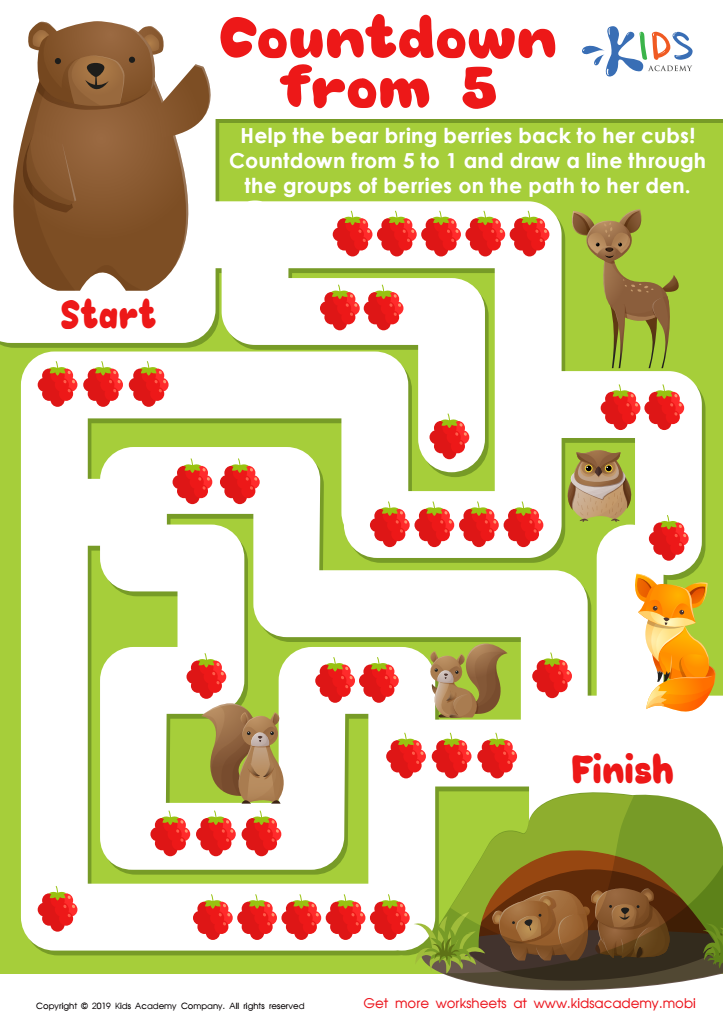
Countdown from 5 Worksheet
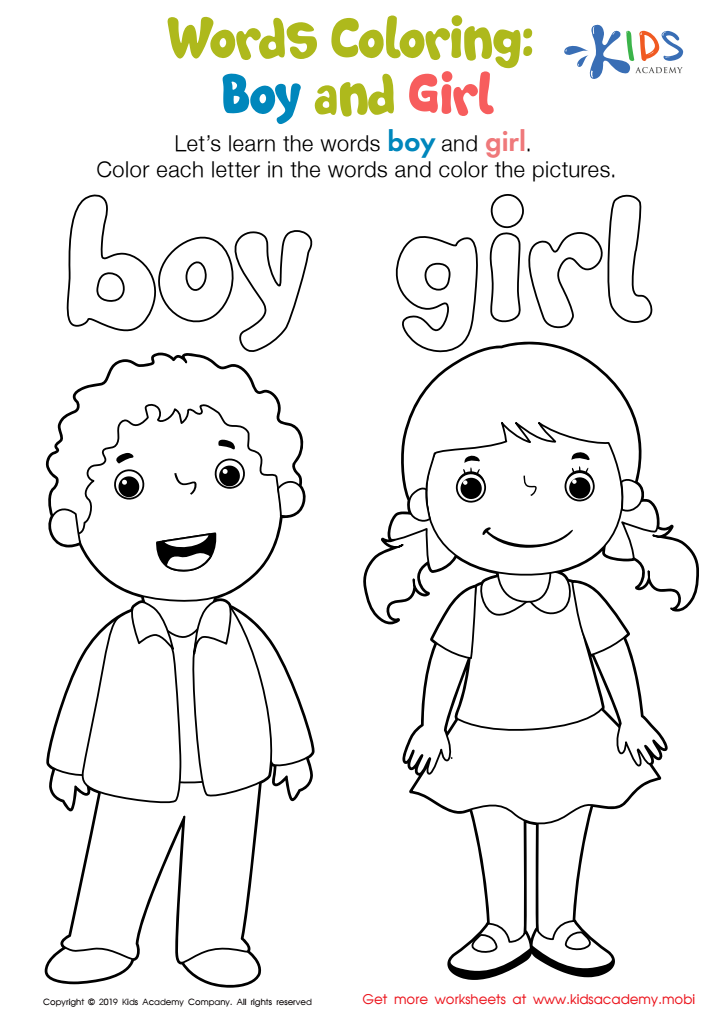
Boy and Girl Words Coloring Worksheet
Assign to My Students
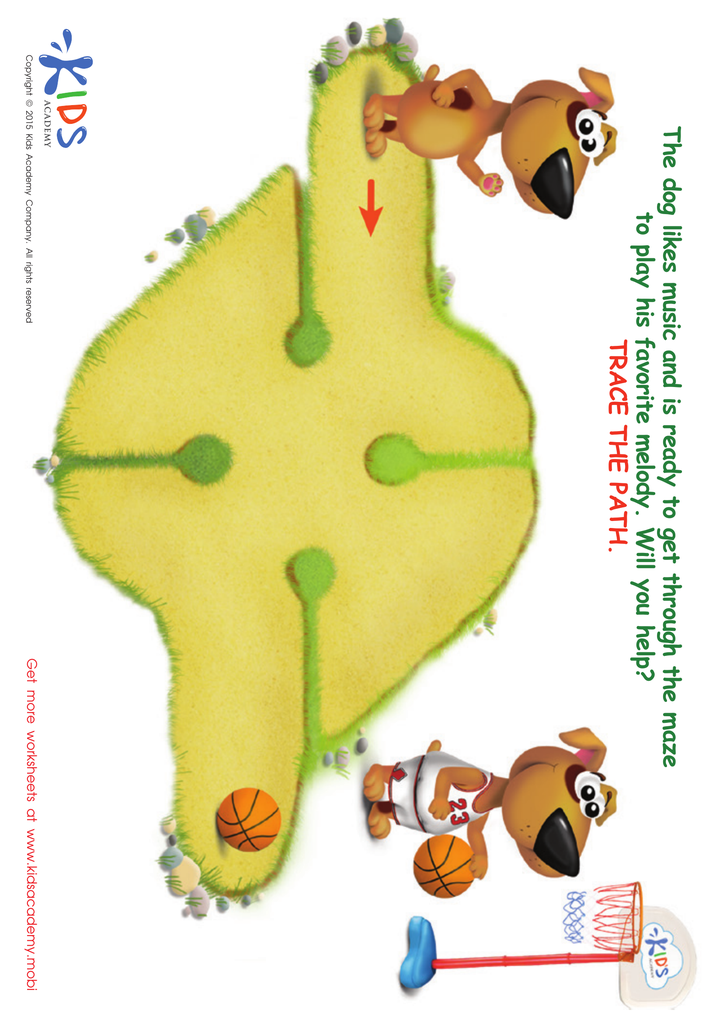
Basketball Player Maze Worksheet
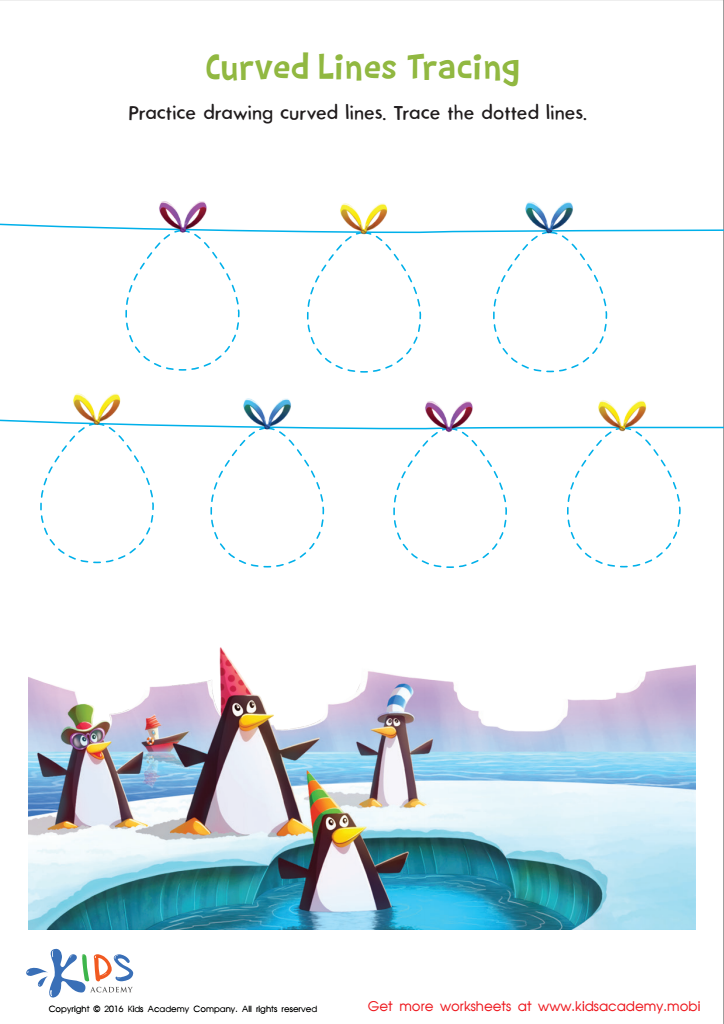
Curved Lines Tracing Worksheet







Hand-eye coordination is crucial for children aged 4-5 as it plays a fundamental role in their overall development. This skill enables them to use their vision to guide their hand movements effectively, which is essential for various daily activities and academic tasks. For instance, handwriting, cutting with scissors, tying shoelaces, and catching a ball all rely on well-developed hand-eye coordination. Without this ability, children may struggle with these tasks, potentially affecting their confidence and independence.
Moreover, strong hand-eye coordination is linked to cognitive development. When children manipulate objects or engage in activities that require precise movements, they are also enhancing their spatial awareness and problem-solving abilities. These foundational skills are important for later success in STEM (Science, Technology, Engineering, and Mathematics) subjects.
From a social perspective, participation in games and sports that rely on hand-eye coordination fosters teamwork and communication skills. It allows children to actively engage with their peers, forming friendships and learning social norms.
In summary, parents and teachers should prioritize activities that promote hand-eye coordination for 4-5-year-olds. Doing so not only facilitates the acquisition of essential life skills but also supports cognitive and social development, laying a strong foundation for future academic and personal success.








