Numeracy development Worksheets for Ages 4-5
5 filtered results
-
From - To
Explore our engaging Numeracy Development Worksheets designed specifically for children aged 4-5. These thoughtfully crafted resources aim to enhance early math skills through fun activities and interactive exercises. Children will learn essential concepts such as counting, number recognition, basic addition, and subtraction. Our worksheets are visually appealing and age-appropriate, ensuring that learning feels like play. Each activity is aligned with early childhood education standards, providing a solid foundation for future math learning. Facilitate your child’s numeracy journey with our printable worksheets that promote critical thinking and problem-solving in an enjoyable and stress-free environment. Start nurturing your child's math skills today!
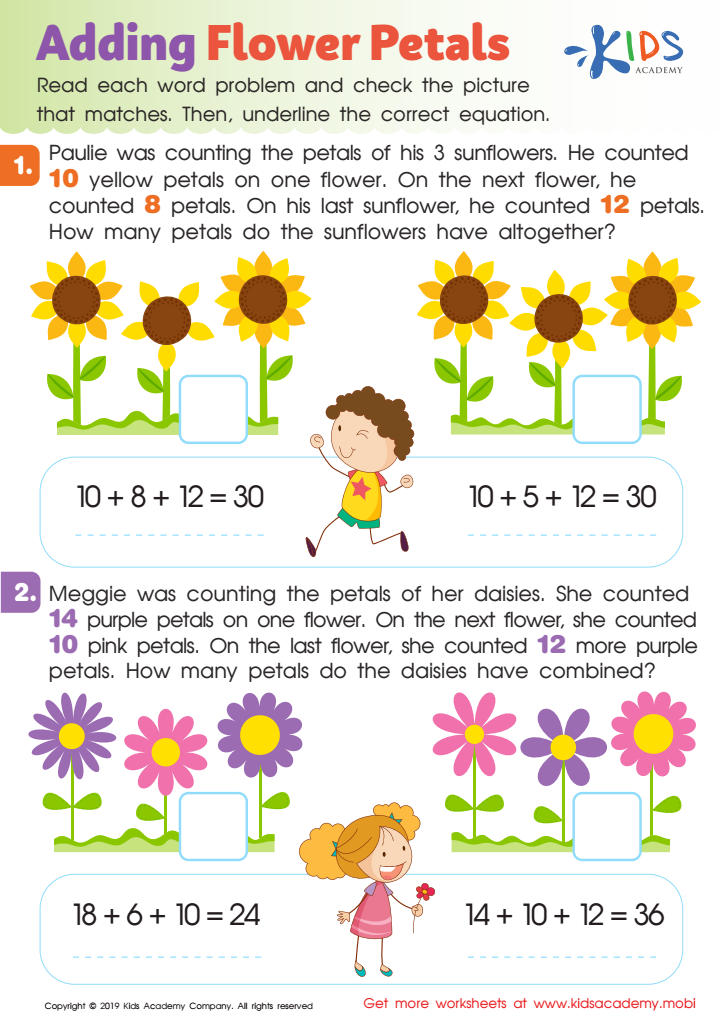
Adding Flower Petals Worksheet
 Assign to My Students
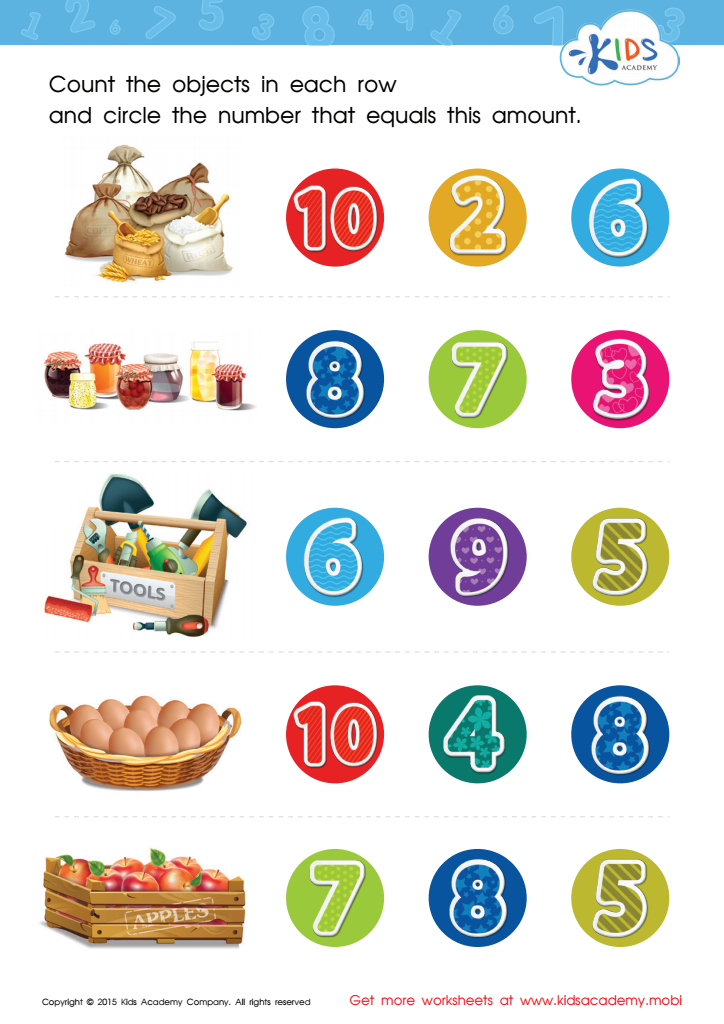
Count and Match 6 – 10 Math Worksheet
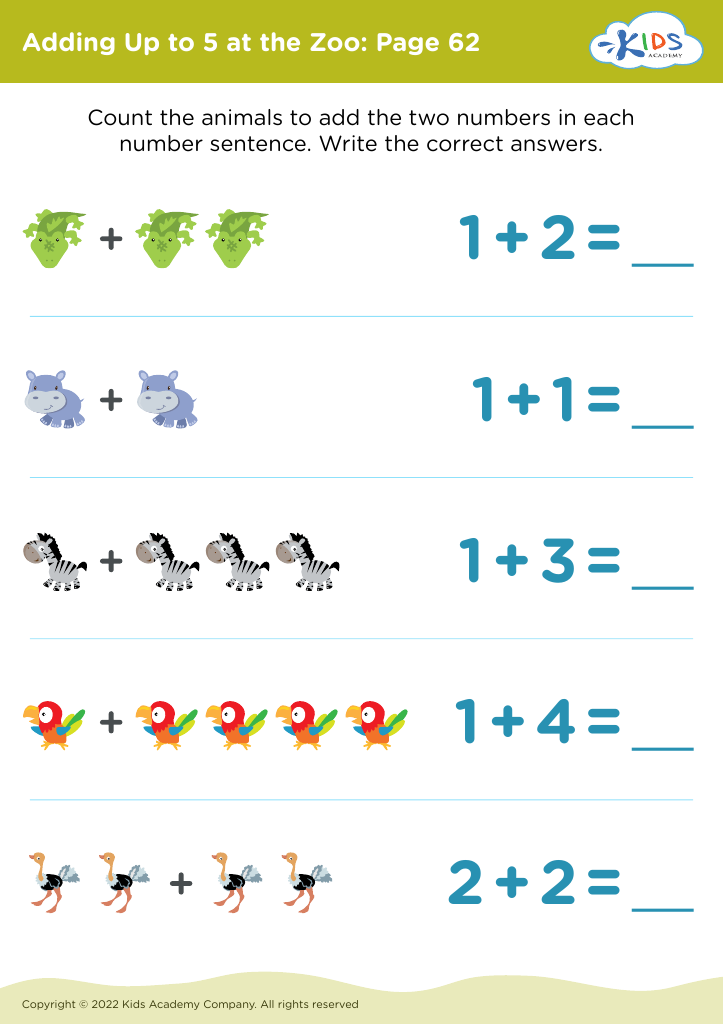
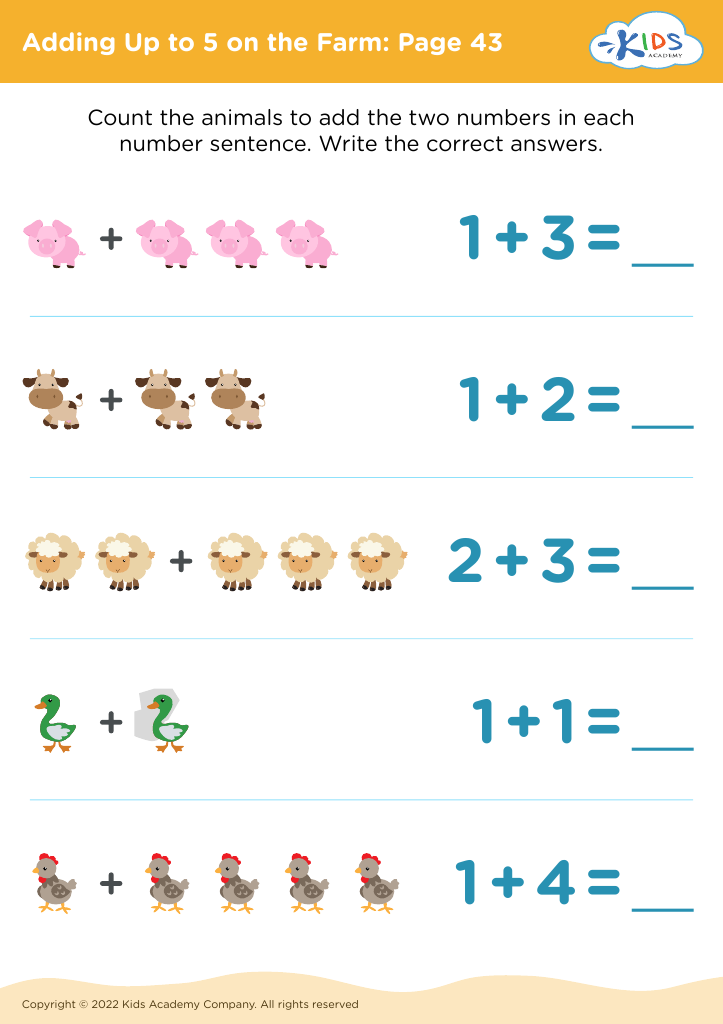

Sudoku Worksheet








Numeracy development in ages 4-5 lays the foundational skills essential for later mathematical understanding and success. Early numeracy skills, such as counting, number recognition, and basic problem-solving, are crucial for children as they prepare for school and future learning experiences.
At this young age, children are naturally curious and eager to explore quantities, patterns, and relationships, making it a prime time for engaging them in meaningful mathematical activities. Supporting their numeracy growth helps build confidence, enhances cognitive development, and promotes critical thinking skills. Engaging parents and teachers in nurturing numeracy can also foster a positive attitude towards math, preventing anxiety and disengagement in later years.
Moreover, strong numeracy skills are connected to a wide array of academic subjects and real-world applications. Life skills, such as budgeting, cooking, and time management, rely significantly on numerical understanding. By prioritizing numeracy development, parents and teachers equip children with essential tools to explore and make sense of their environment, ensuring they are prepared for future educational challenges. Ultimately, investing time and attention in numeracy development at this stage can significantly impact a child's overall academic trajectory and lifelong learning journey.








