Shape identification Worksheets for Ages 4-5
17 filtered results
-
From - To
Our Shape Identification Worksheets for Ages 4-5 offer engaging and educational activities designed to help young children recognize, name, and differentiate basic shapes. These printable worksheets feature colorful and fun images that make learning enjoyable while enhancing fine motor skills, critical thinking, and problem-solving abilities. Ideal for both classroom and at-home learning, these resources support early childhood development through hands-on practice and visual aids. Perfect for preschoolers and kindergarteners, our worksheets provide a solid foundation in geometry, preparing kids for more advanced math concepts in the future. Start shaping a bright mathematical future today!
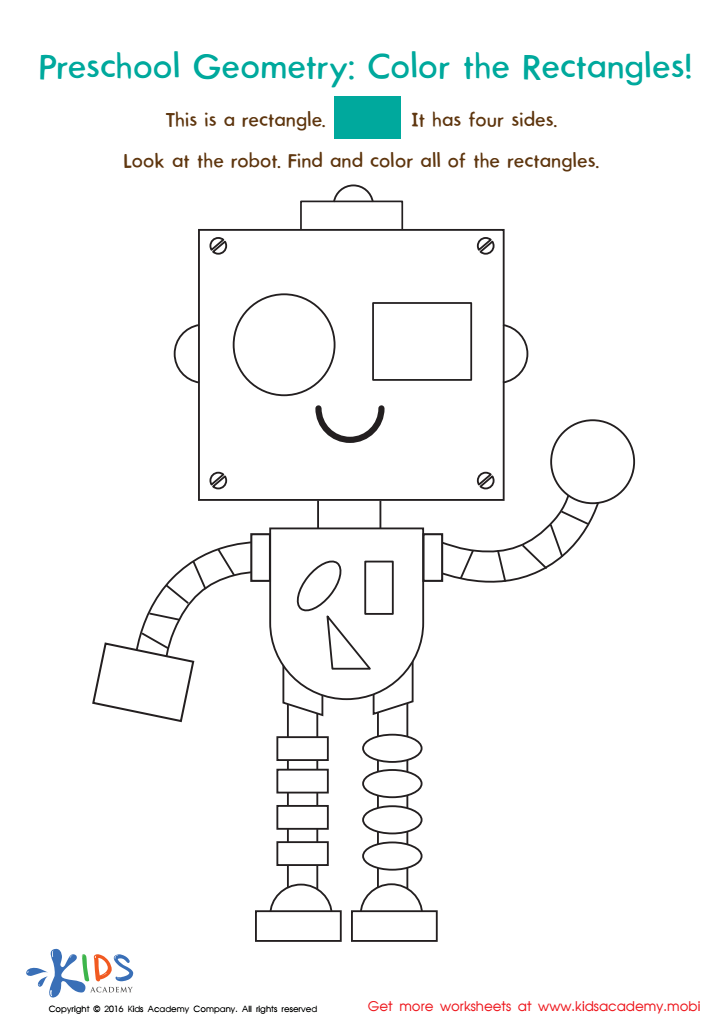
Geometry Worksheet
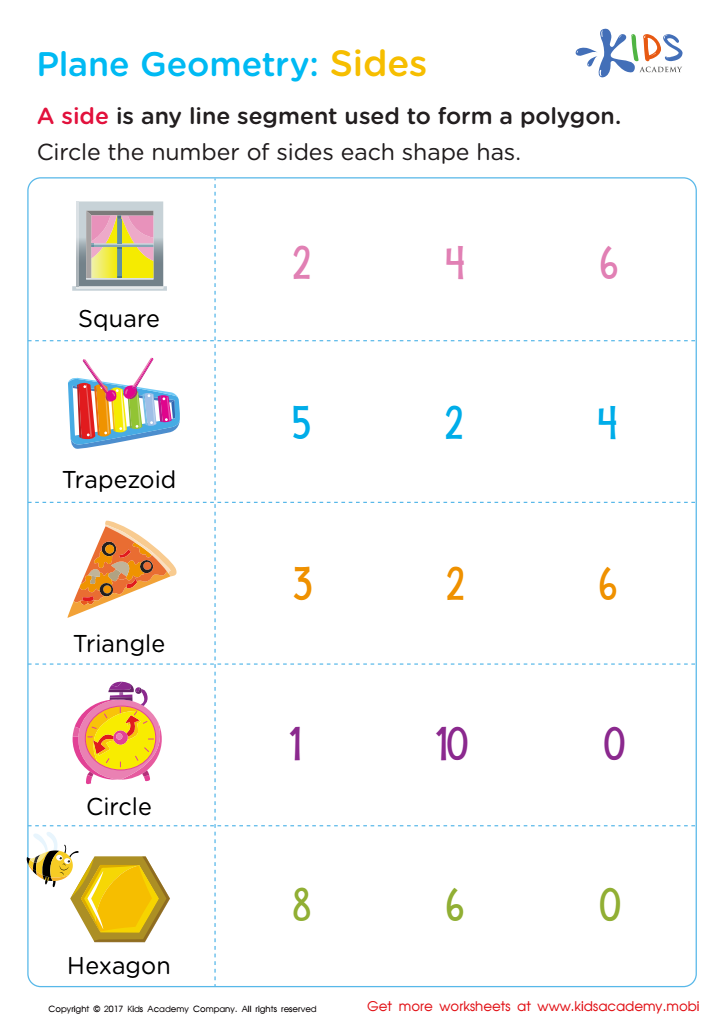
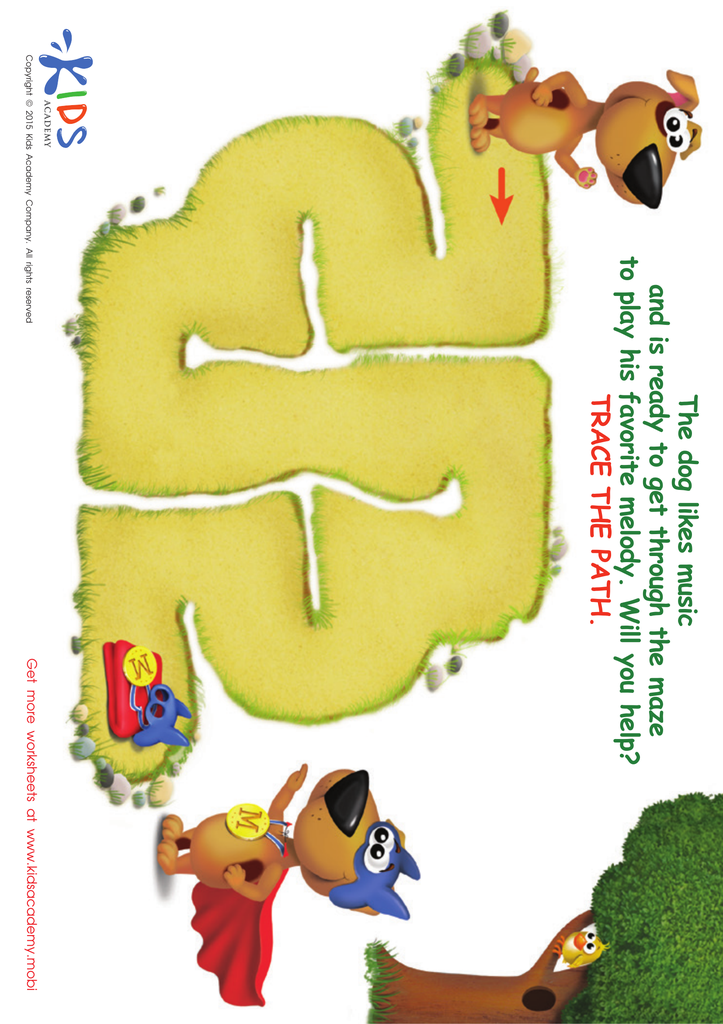
Superman Maze Worksheet
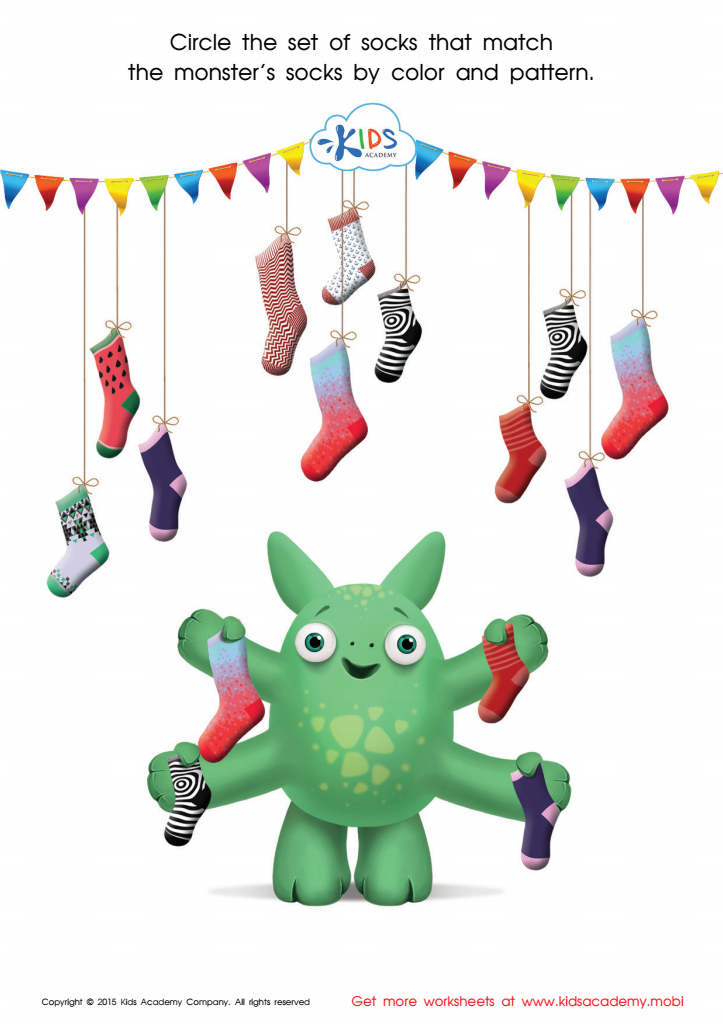
Sort the Monster's Socks Worksheet
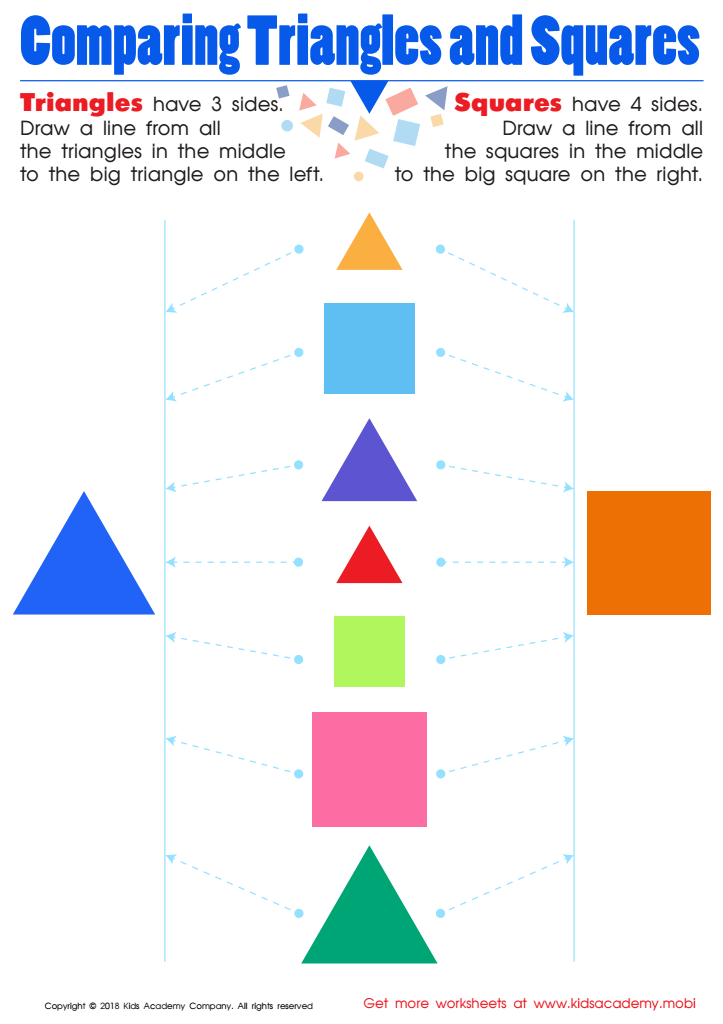
Comparing Triangles Squares Worksheet
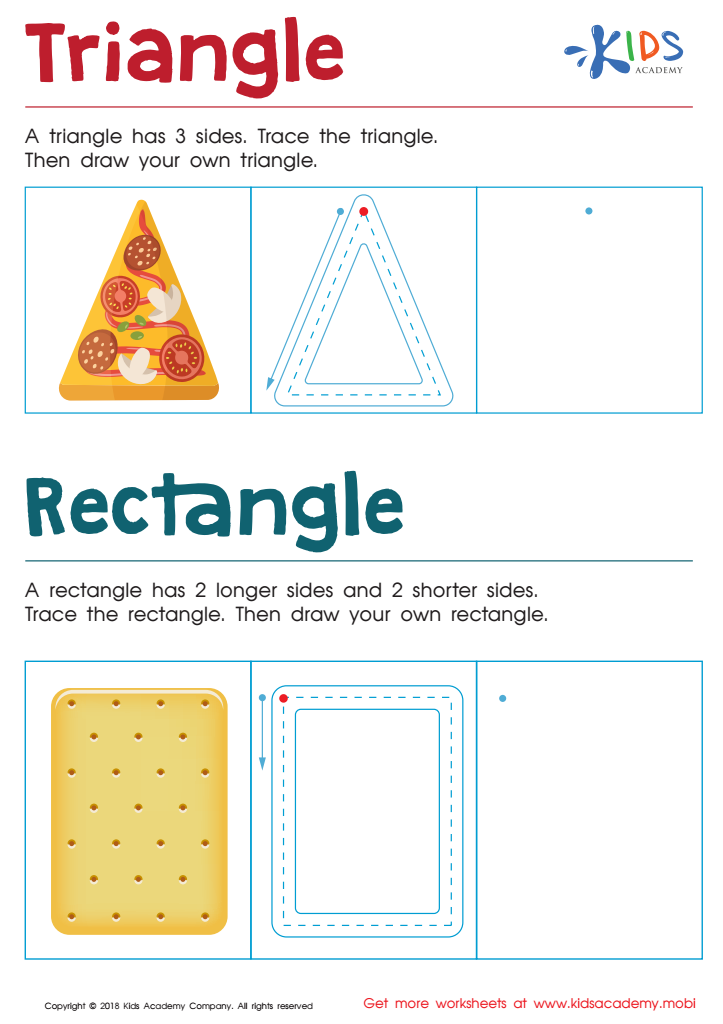
Triangle Rectangle Worksheet
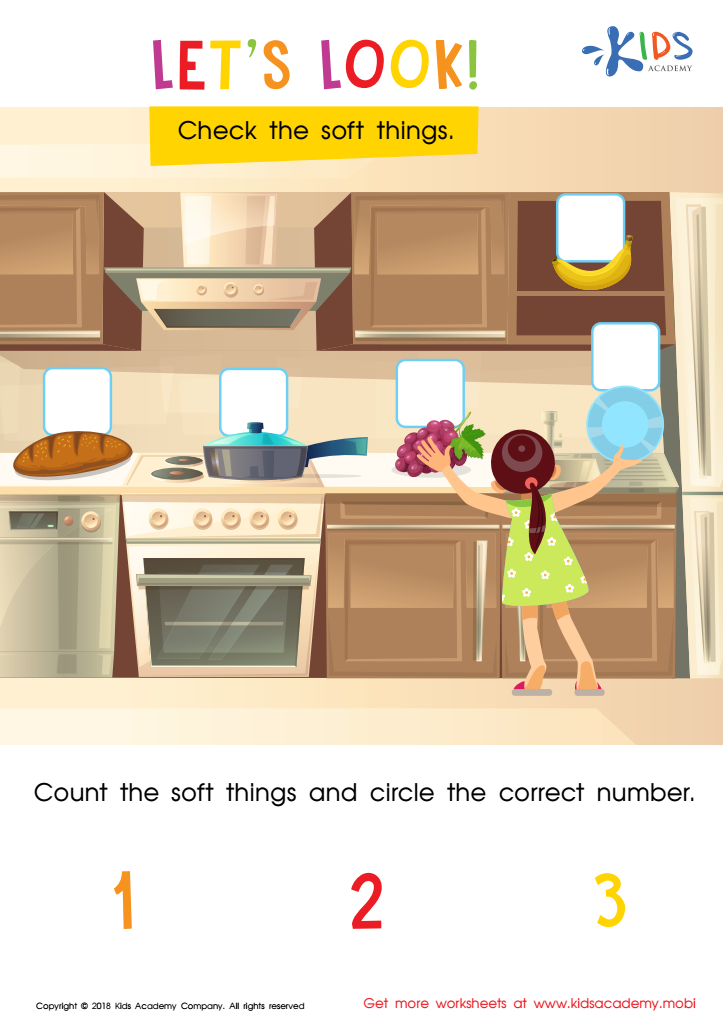
Let's Look! Assessment Worksheet
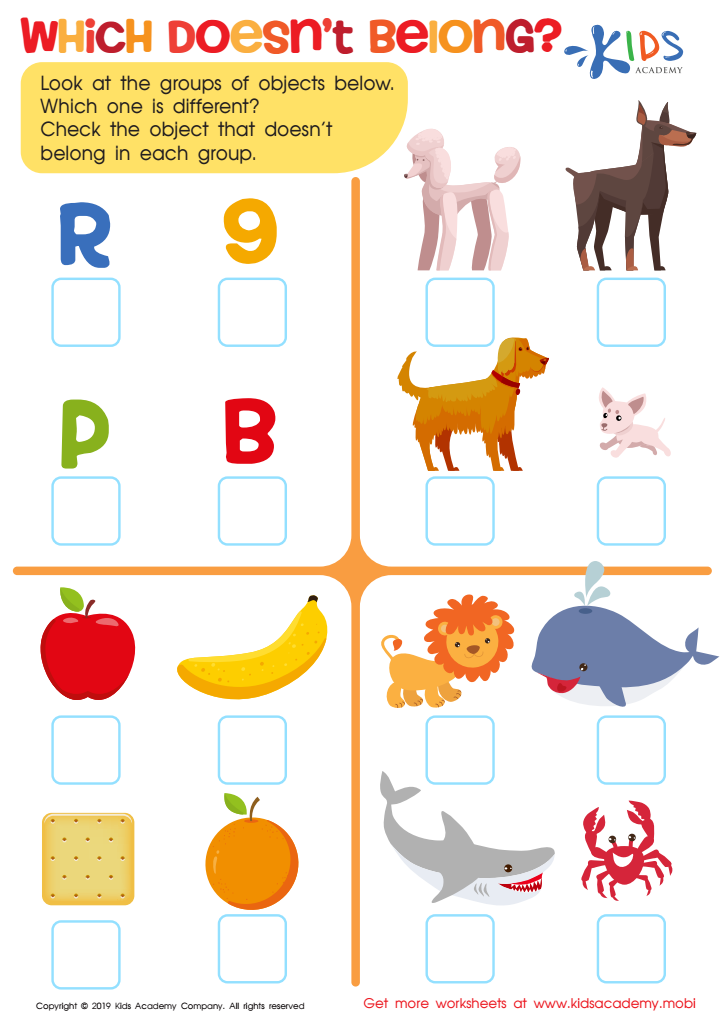
Which Doesn't Belong? Worksheet
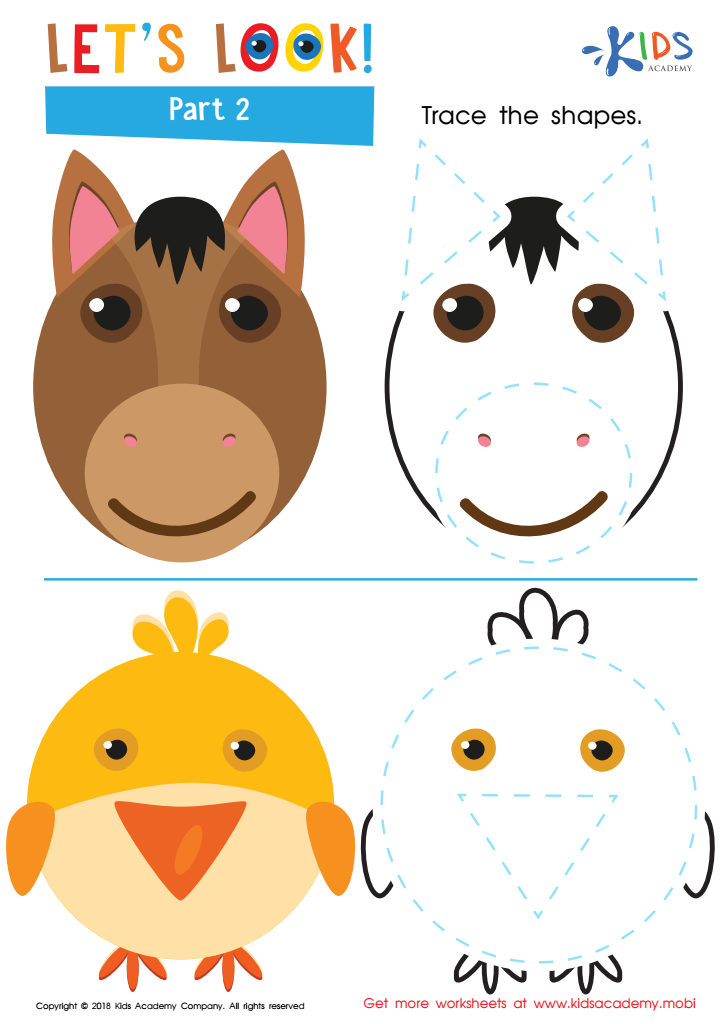
Let's Look! Part 2 Worksheet
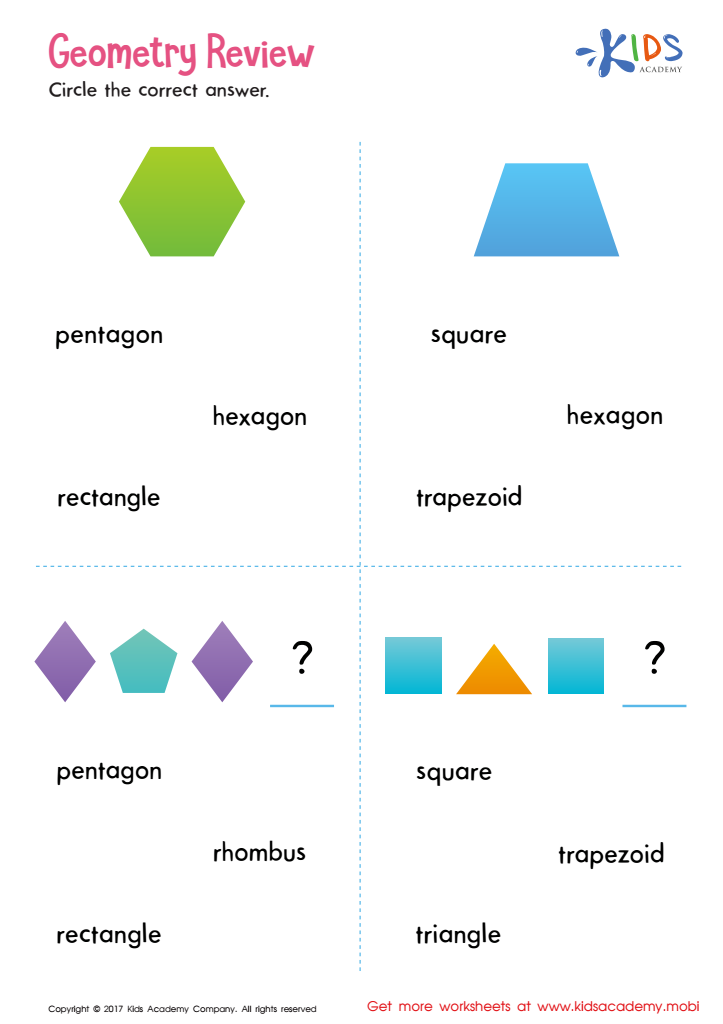
Geometry Review Printable
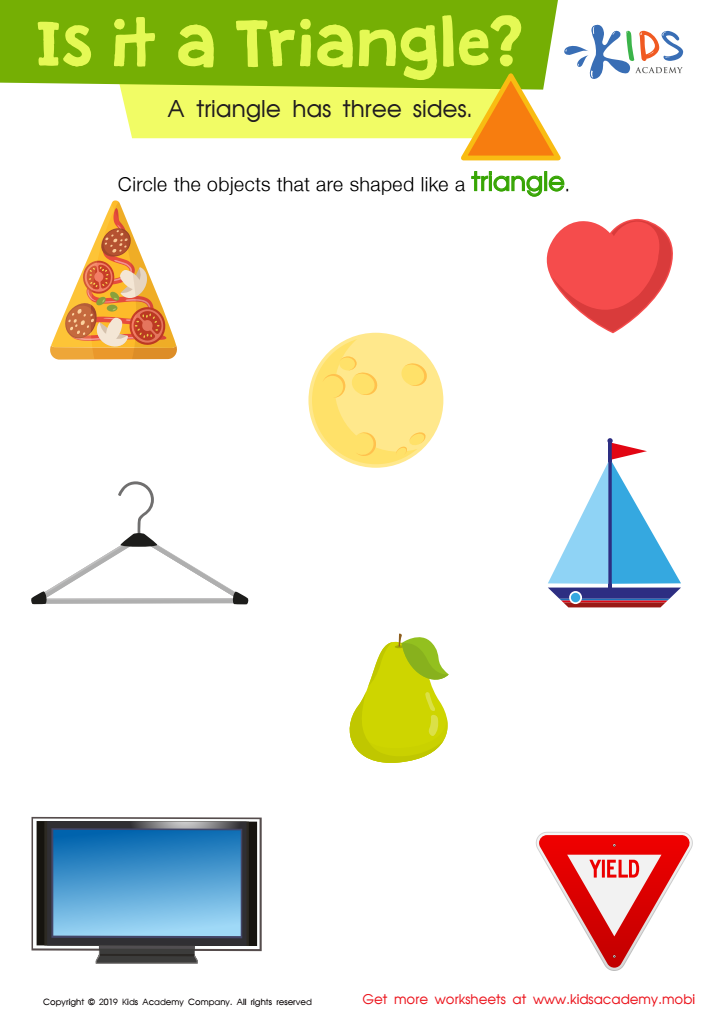
Is It a Triangle? Worksheet
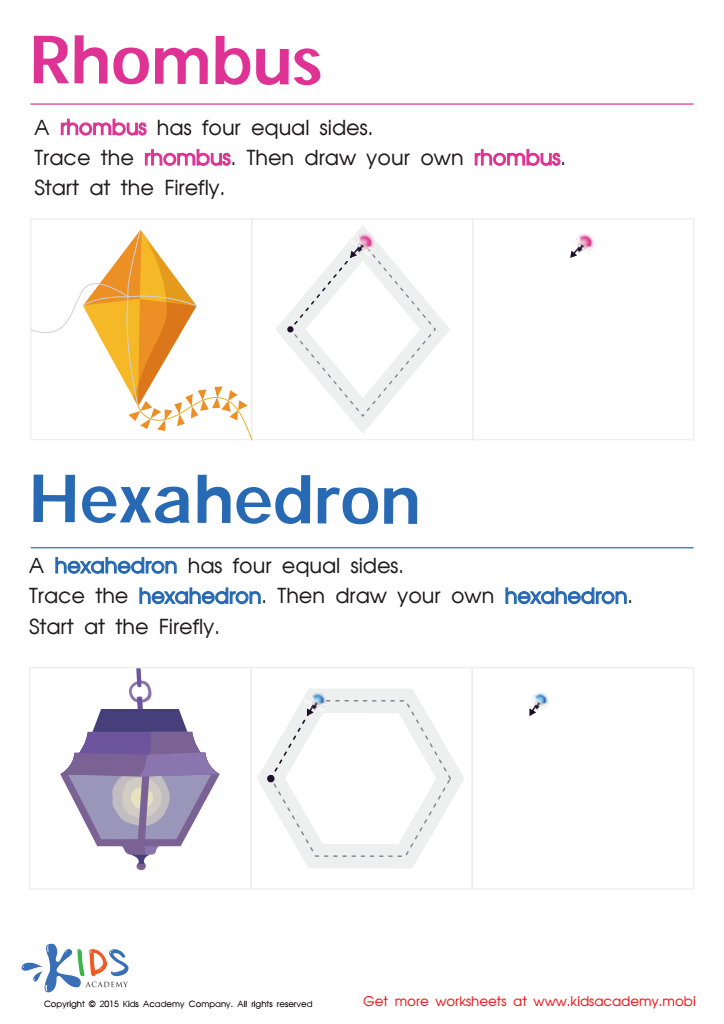
Draw a Rhombus And a Hexahedron Printable
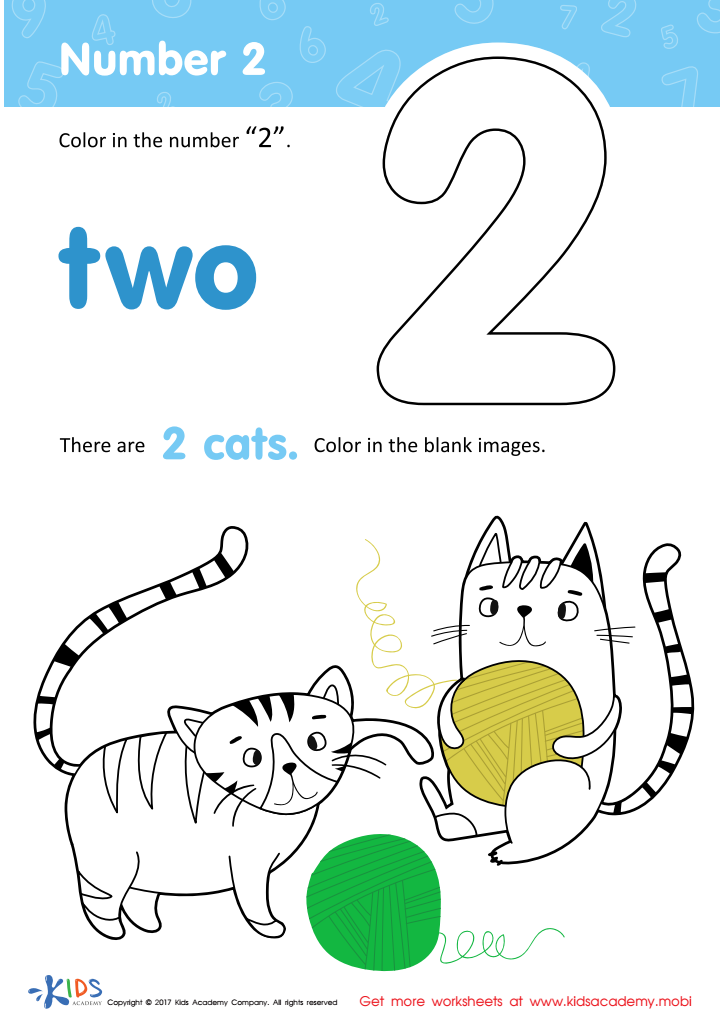
Number 2 Printable
 Assign to My Students
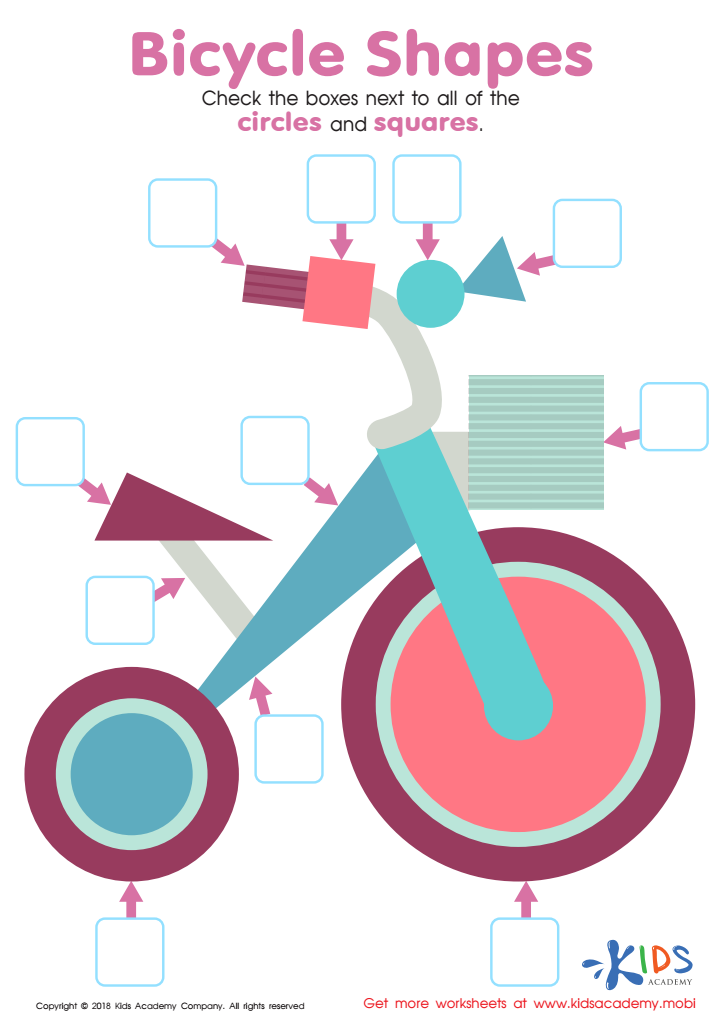
Bicycle Shapes Worksheet
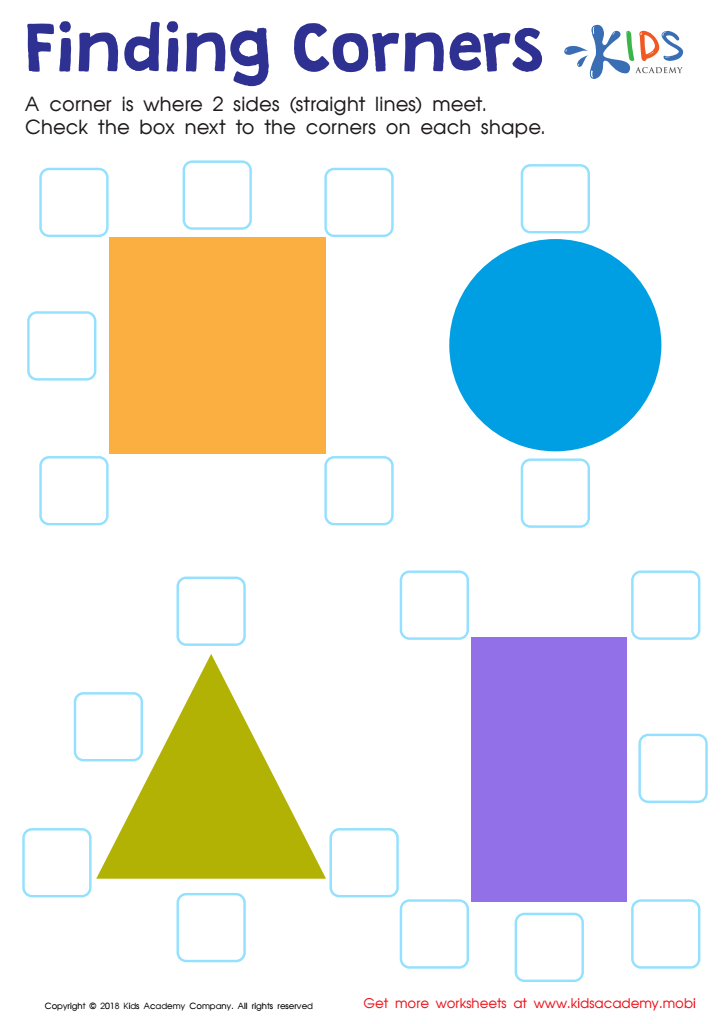
Finding Corners Worksheet
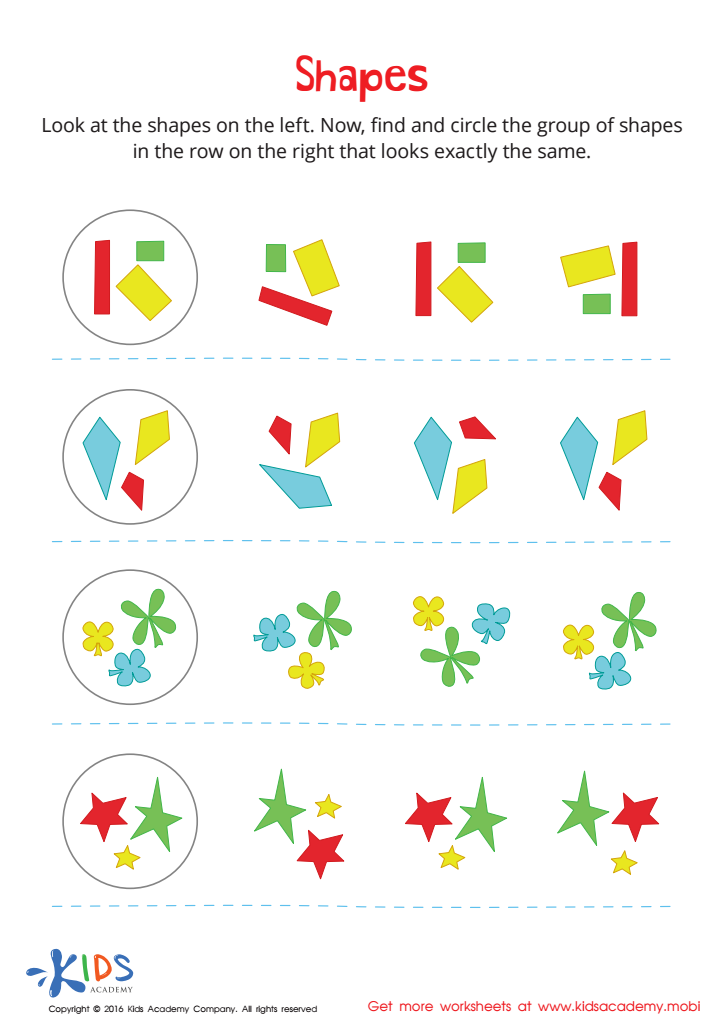
Shapes Worksheet







Shape identification plays a crucial role in a child’s early development and learning, particularly for ages 4-5. At this stage, children are rapidly developing cognitive, motor, and visual-perceptual skills, and understanding shapes lays a foundational groundwork for these processes. Recognizing and naming shapes help children to organize and categorize the world around them, enhancing their spatial awareness and visual discrimination skills, which are vital for everyday tasks such as reading, writing, and navigating environments.
Moreover, knowledge of shapes introduces youngsters to geometry concepts, familiarizing them with basic mathematical thinking. When children learn shapes, they also develop their counting skills by noting the number of sides and corners, fortifying their numerical understanding. This can make future complex math concepts easier to grasp.
Teachers and parents should be mindful that engaging children in shape identification activities fosters vocabulary expansion by introducing terms such as "circle," "square," and "triangle." It further strengthens fine motor skills through hands-on activities like drawing and cutting shapes. Socially, working with peers to identify shapes encourages cooperative play and communication.
In essence, emphasizing shape identification nurtures a well-rounded development that aids children academically, cognitively, and socially, providing them with essential tools to navigate the world and succeed in subsequent stages of learning.








