Critical Thinking 2D Shapes Worksheets for Ages 4-5
5 filtered results
-
From - To
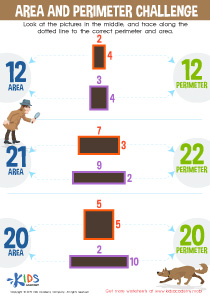
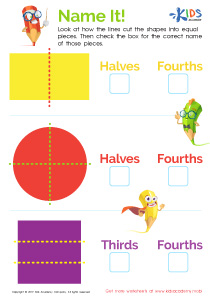
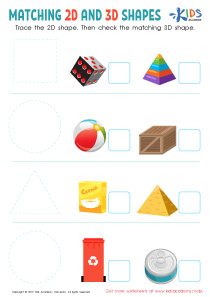
Welcome to our "Critical Thinking 2D Shapes Worksheets for Ages 4-5"! Designed to enhance young minds, these engaging worksheets focus on developing critical thinking skills through fun activities centered around basic 2D shapes. Children will learn to identify, classify, and analyze shapes through interactive exercises that encourage problem-solving and creativity. Our kid-friendly designs make learning enjoyable while fostering essential cognitive skills. Perfect for parents and educators, these worksheets offer a blend of education and fun, ensuring a comprehensive foundation in shape recognition. Dive into our collection today and inspire your child's critical thinking abilities in mathematics!
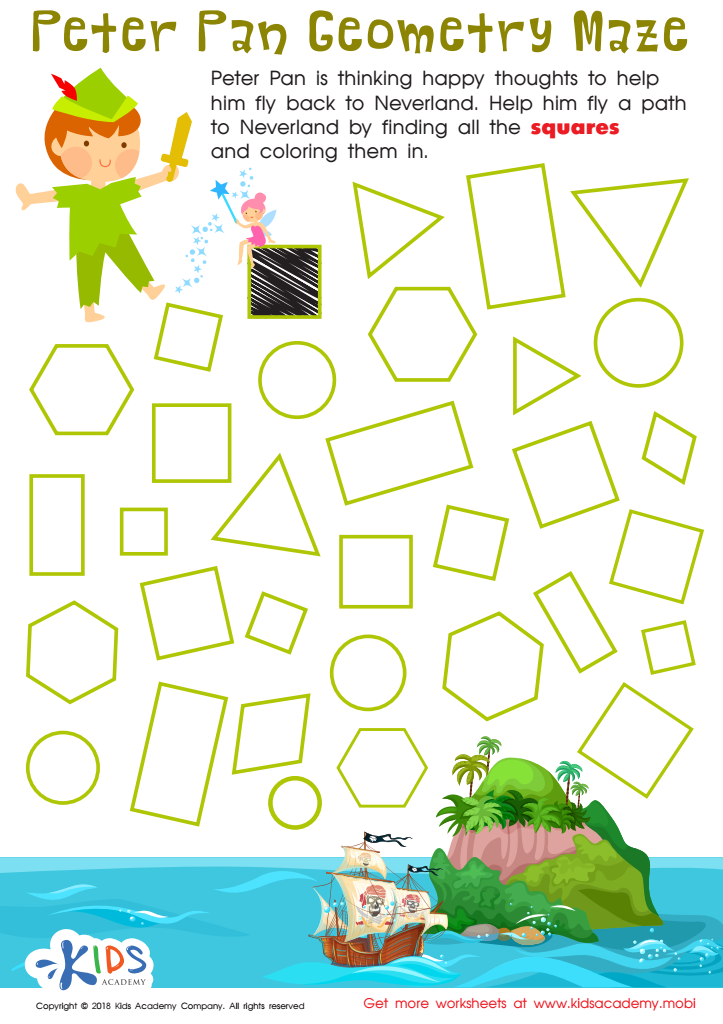
Peter Pan Worksheet
 Assign to My Students





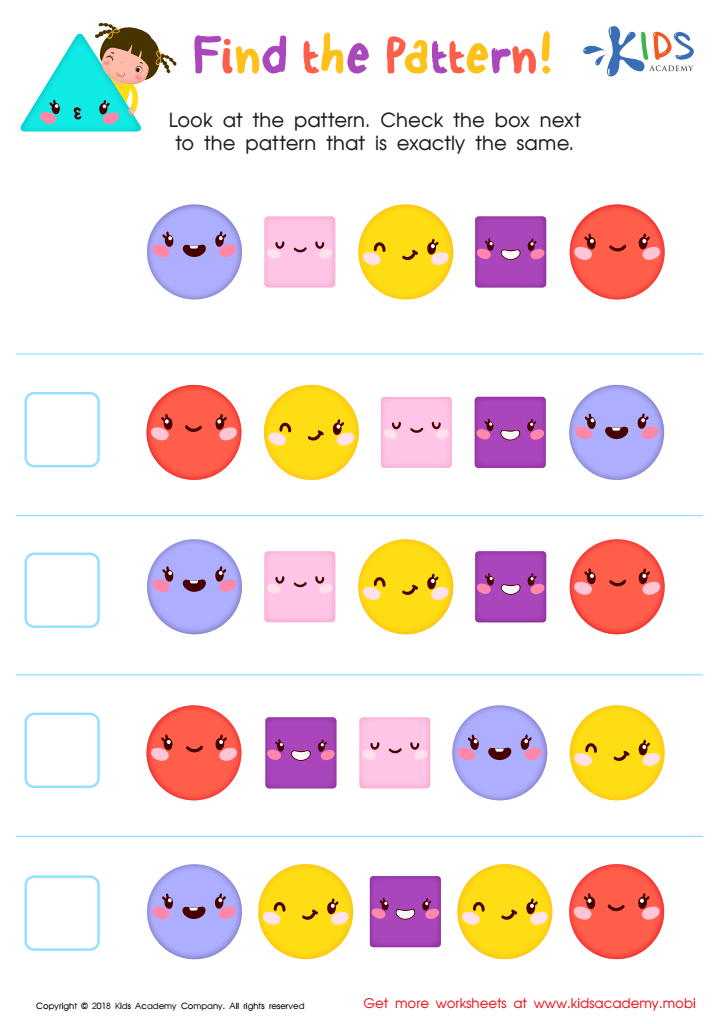
Find the Pattern Worksheet
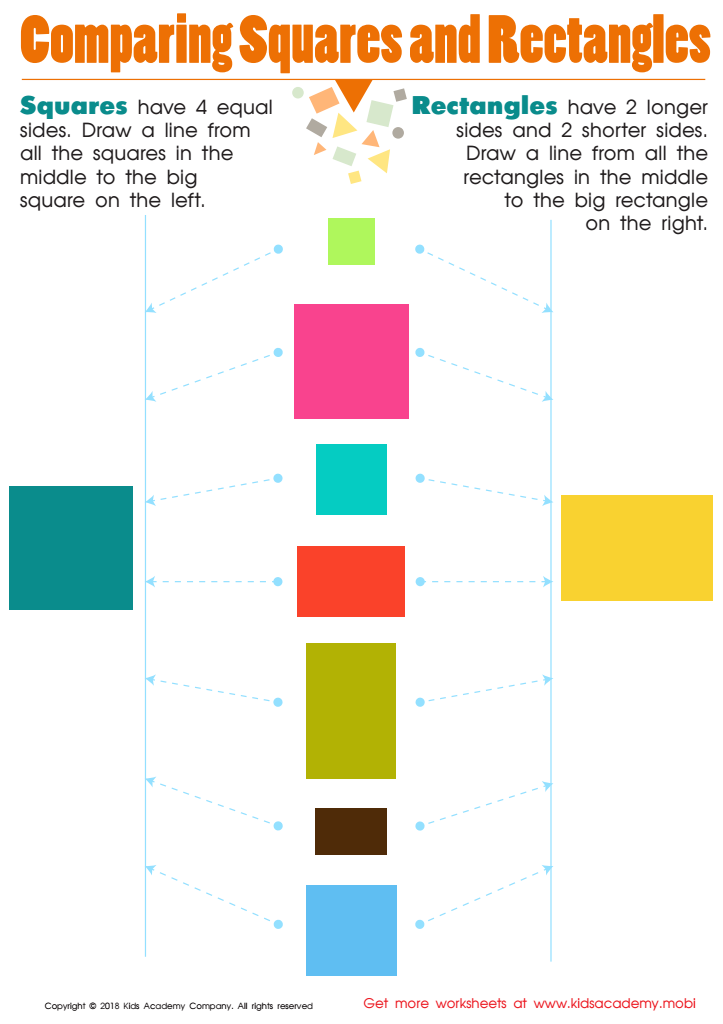
Comparing Squares Rectangles Worksheet
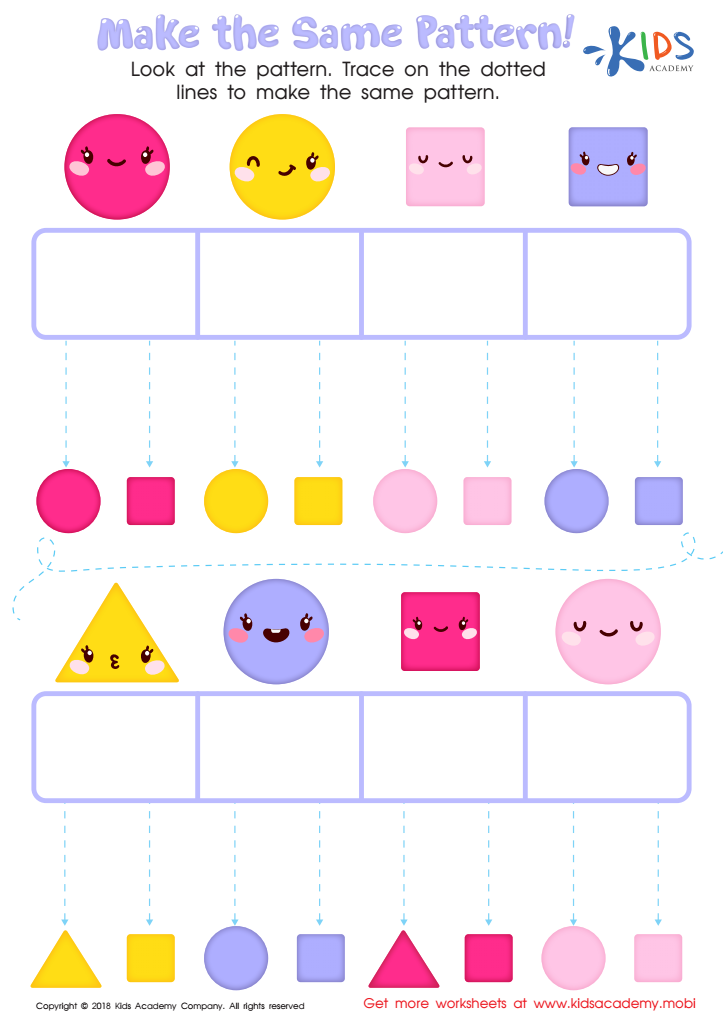
Make the Same Pattern Worksheet
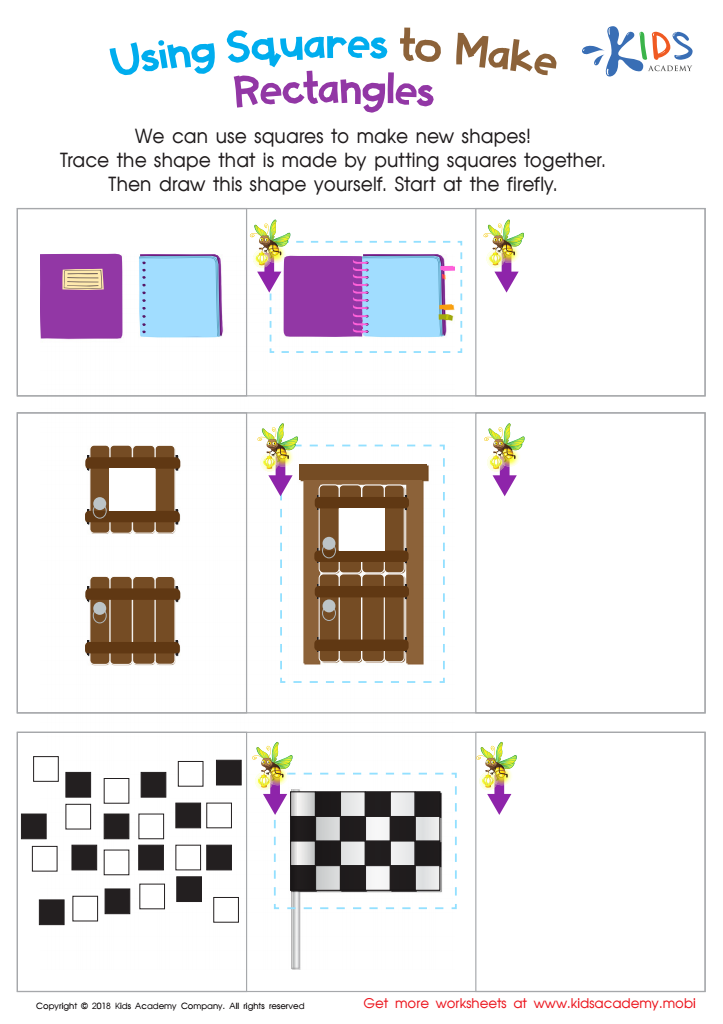
Using Squares to Make Rectangles Worksheet








Parents and teachers should prioritize Critical Thinking in 2D shapes for children aged 4-5 because it lays a strong foundation for mathematical and spatial understanding. At this early age, children develop cognitive skills that are crucial for future learning. Engaging with 2D shapes enhances their ability to recognize patterns, categorize objects, and solve problems—skills that extend beyond mathematics into all areas of learning.
By introducing concepts such as shapes, sizes, and spatial relationships, educators can guide children to analyze, compare, and reason logically. This critical thinking fosters creativity, as kids learn to visualize and manipulate shapes in their minds, which is essential for activities such as drawing, crafting, and even notions of design. Moreover, exploring 2D shapes in playful contexts helps maintain learners' interest and motivation.
Additionally, mastering basic critical thinking skills related to geometry aids in building a strong math foundation that supports further education. As these children grow, they’ll likely face more complex tasks that require a deeper understanding of geometric concepts and logical reasoning. Thus, nurturing critical thinking of 2D shapes in early childhood is a vital investment in their academic success and cognitive development.