Subtraction practice Addition & Subtraction Worksheets for Ages 4-5 - Page 2
42 filtered results
-
From - To
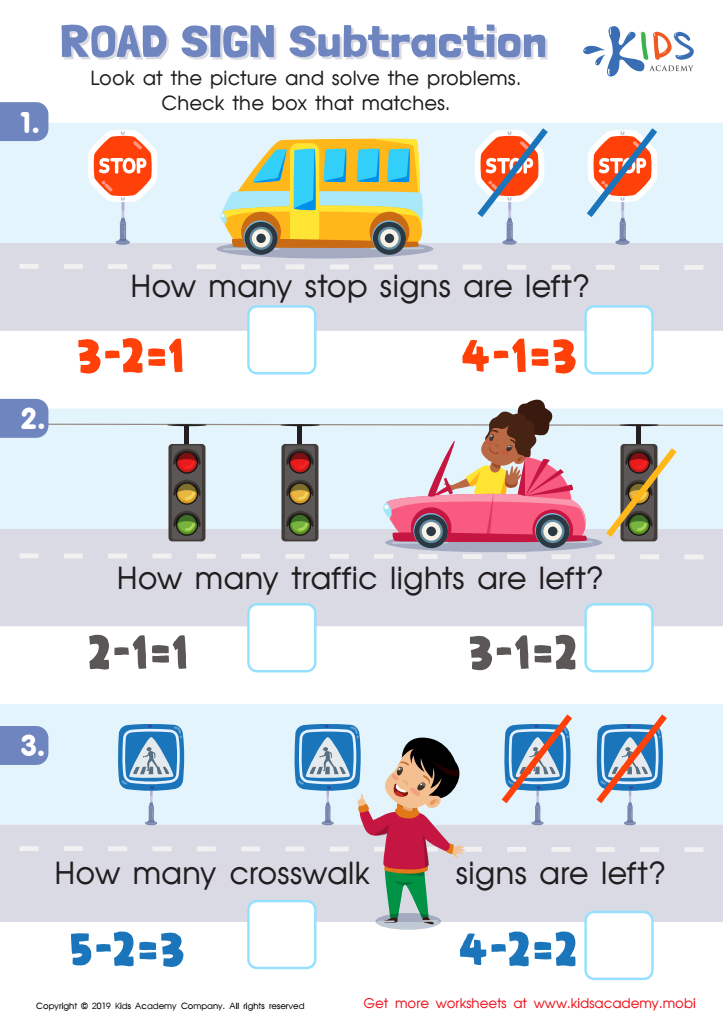
Road Sign Subtraction Worksheet
 Assign to My Students
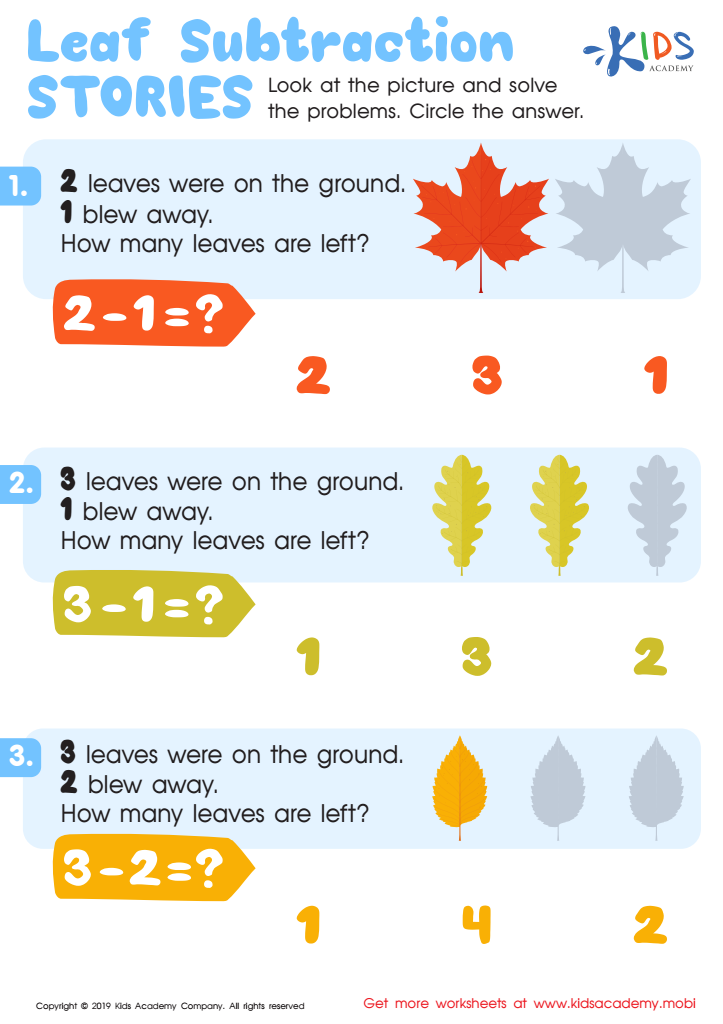
Leaf Subtraction Stories Worksheet
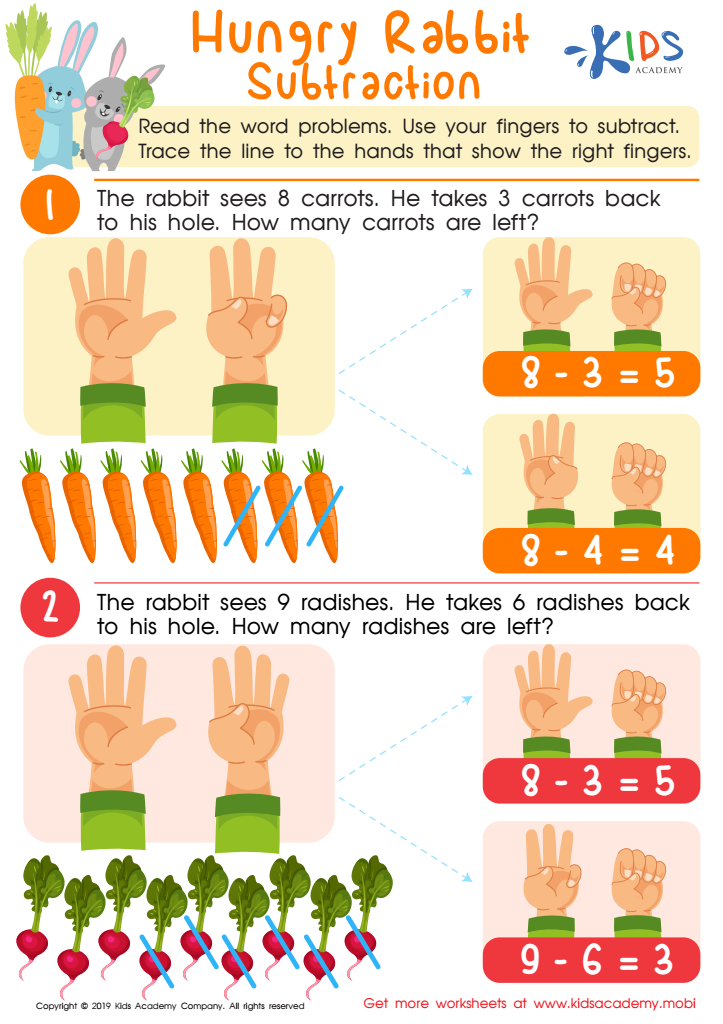
Hungry Rabbit Subtraction Worksheet
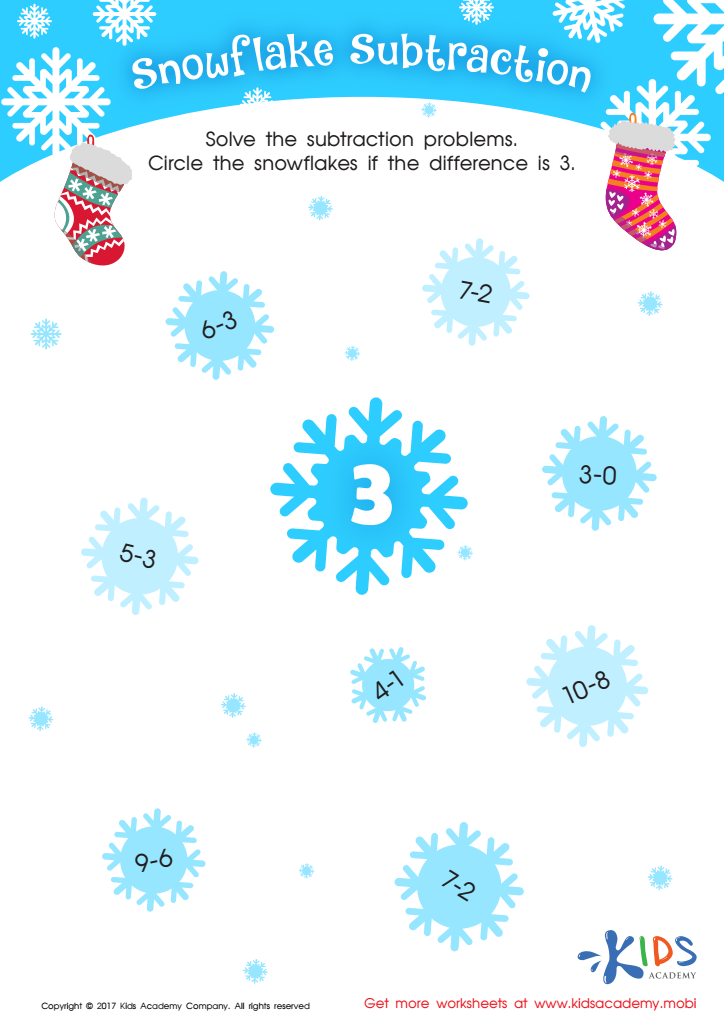
Snowflake Subtraction Worksheet
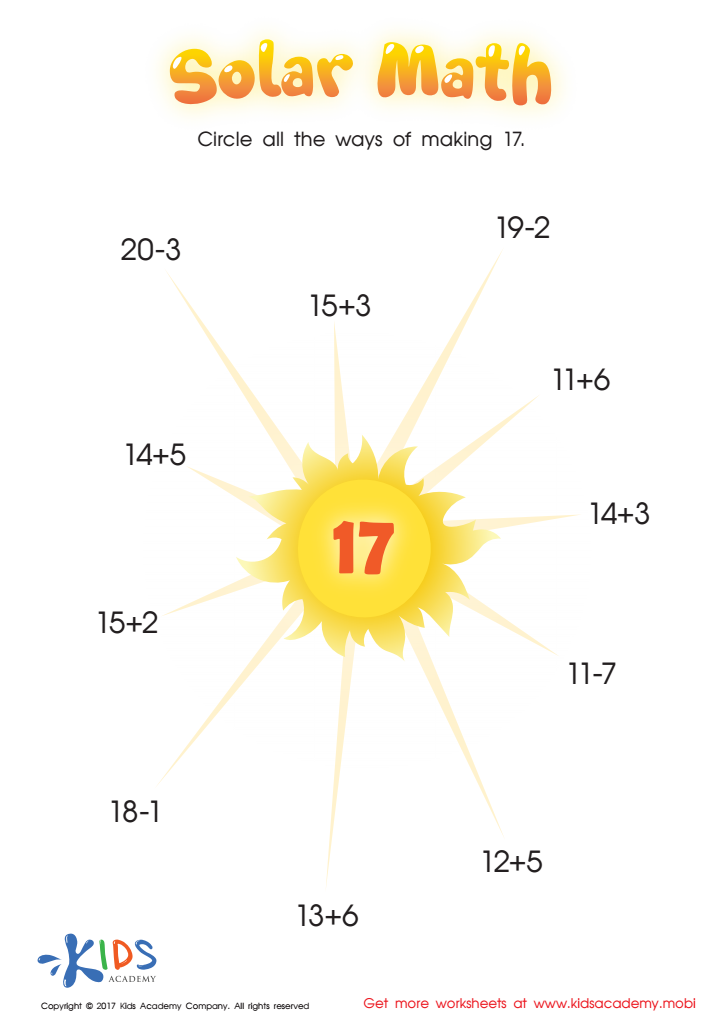
Solar Math Substraction Worksheet
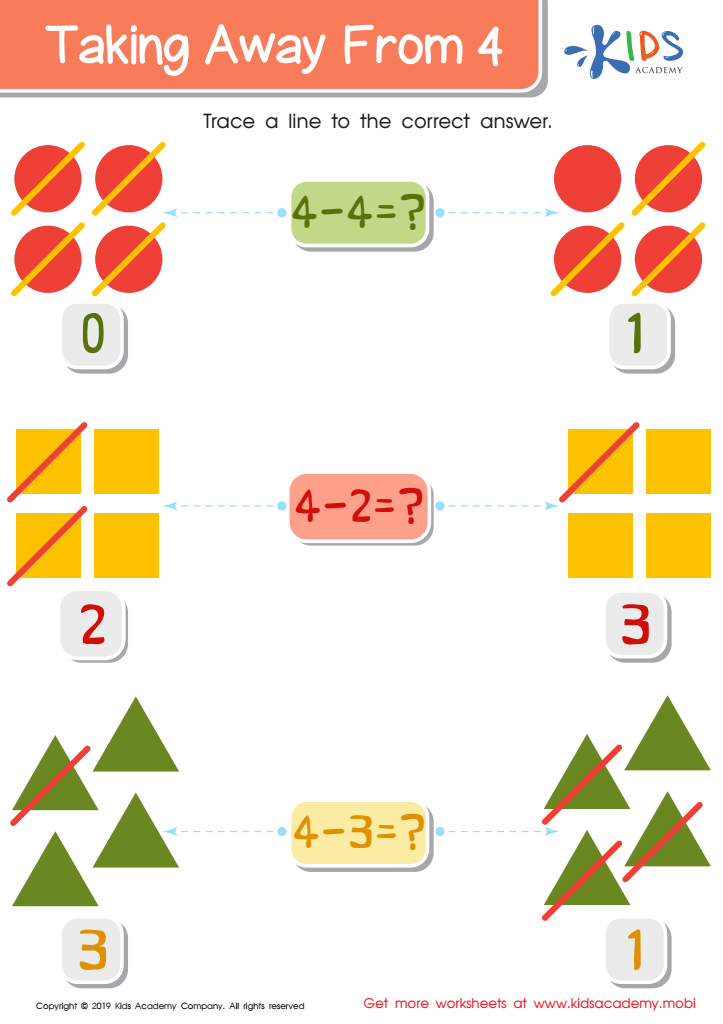
Taking Away from 4 Worksheet
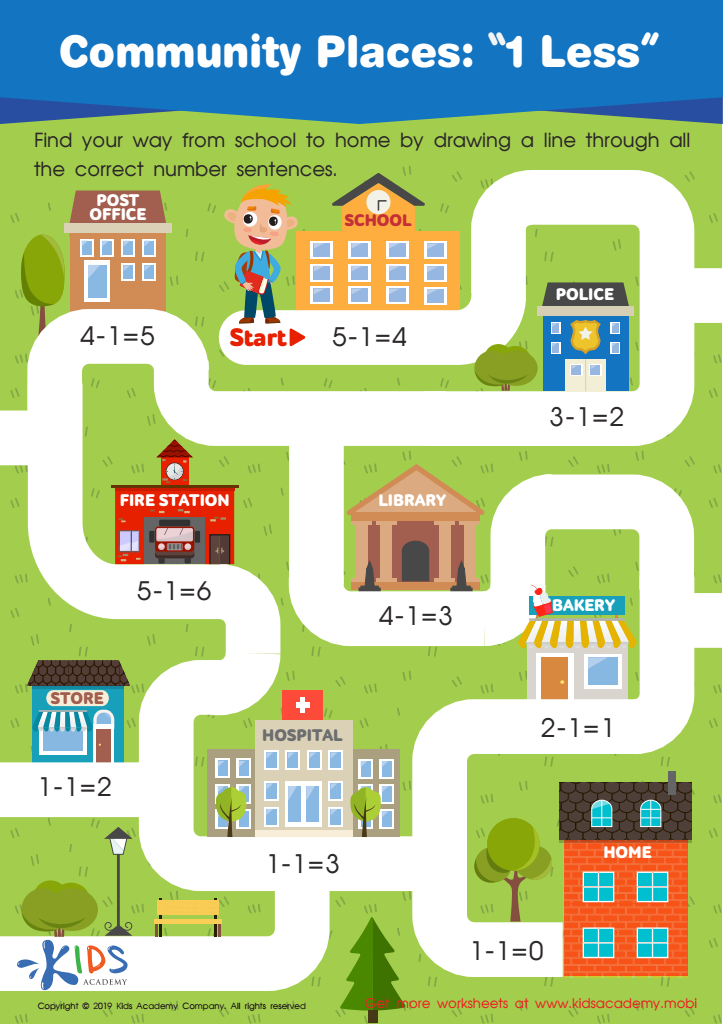
Community Places: 1 Less Worksheet
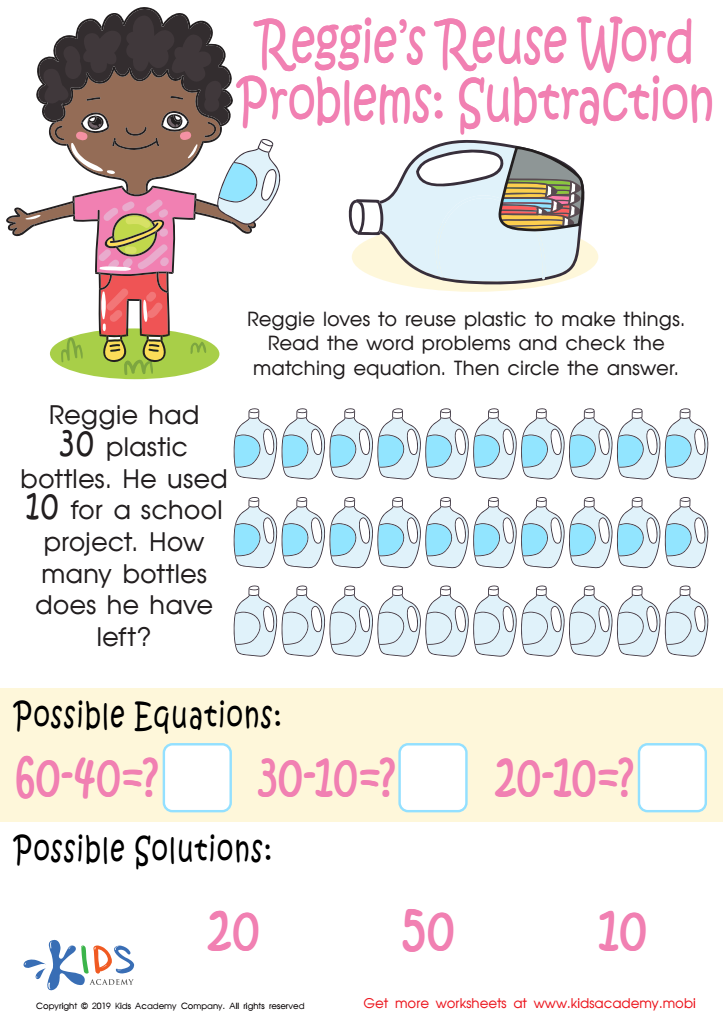
Reggie's Reuse Word Problems: Subtraction Worksheet
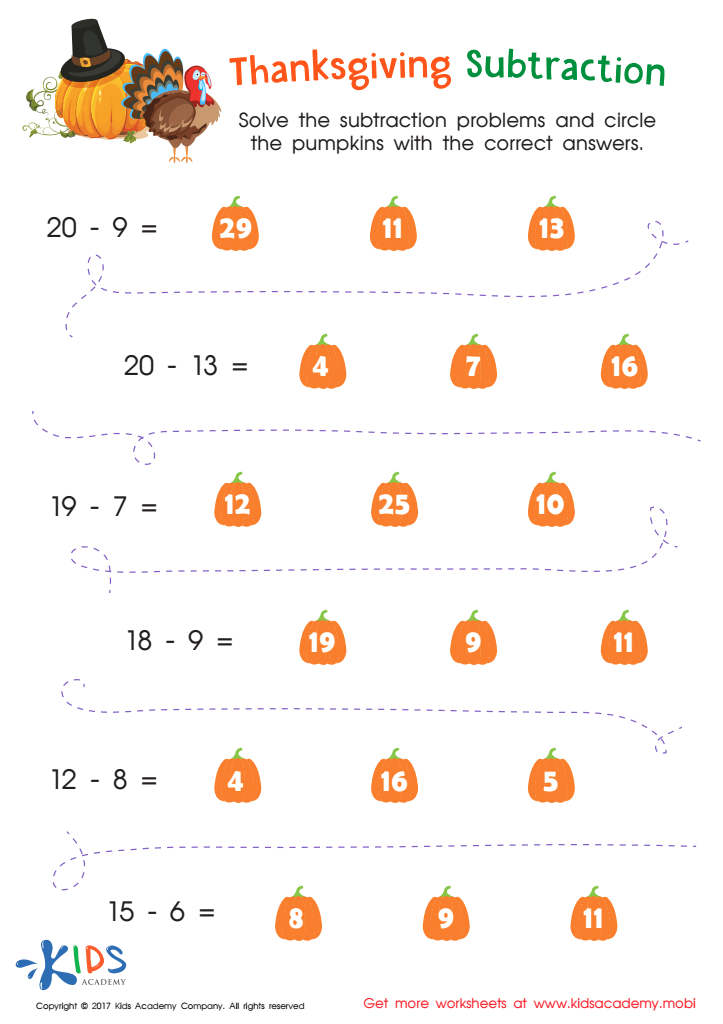
Thanksgiving Subtraction Substraction Worksheet
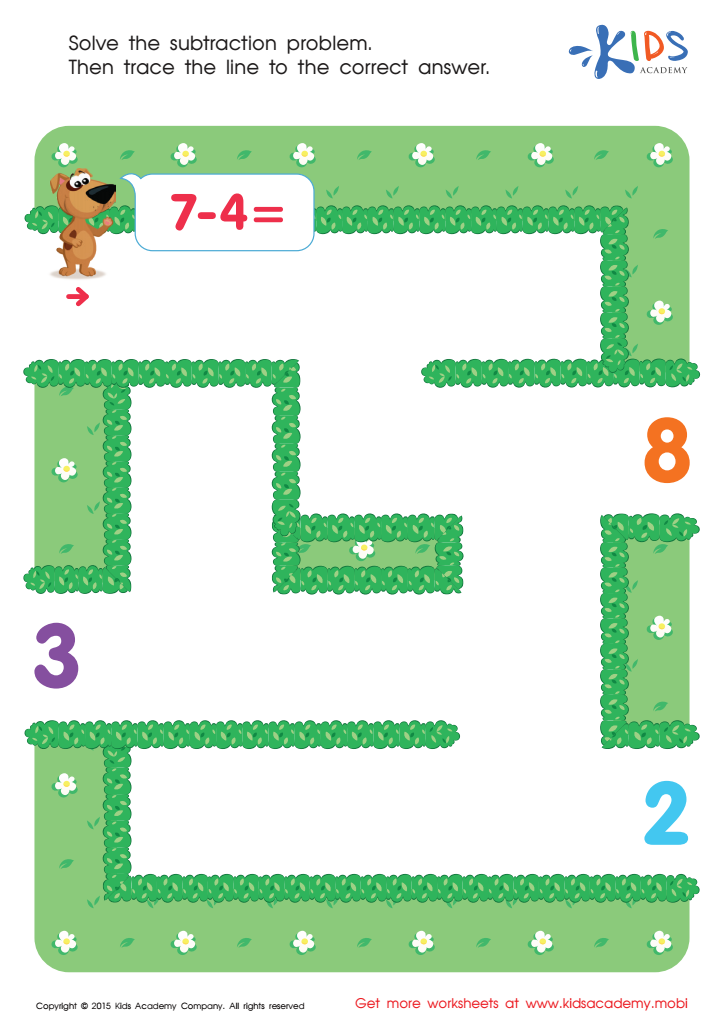
Subtraction Seven Minus Four Worksheet
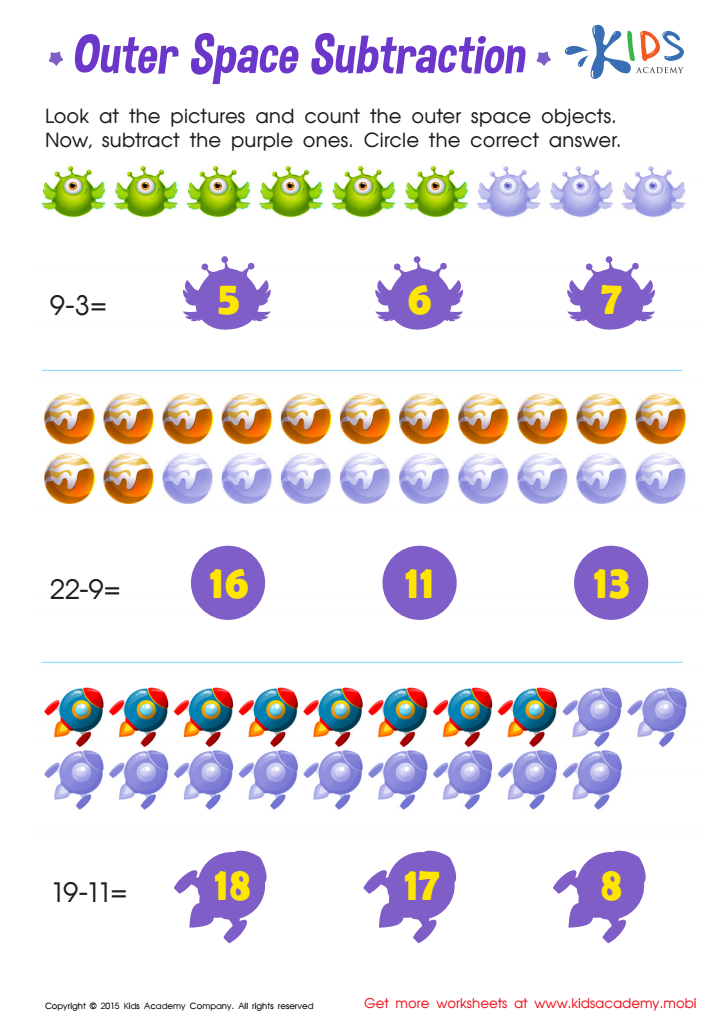
Outer Space Substraction Worksheet
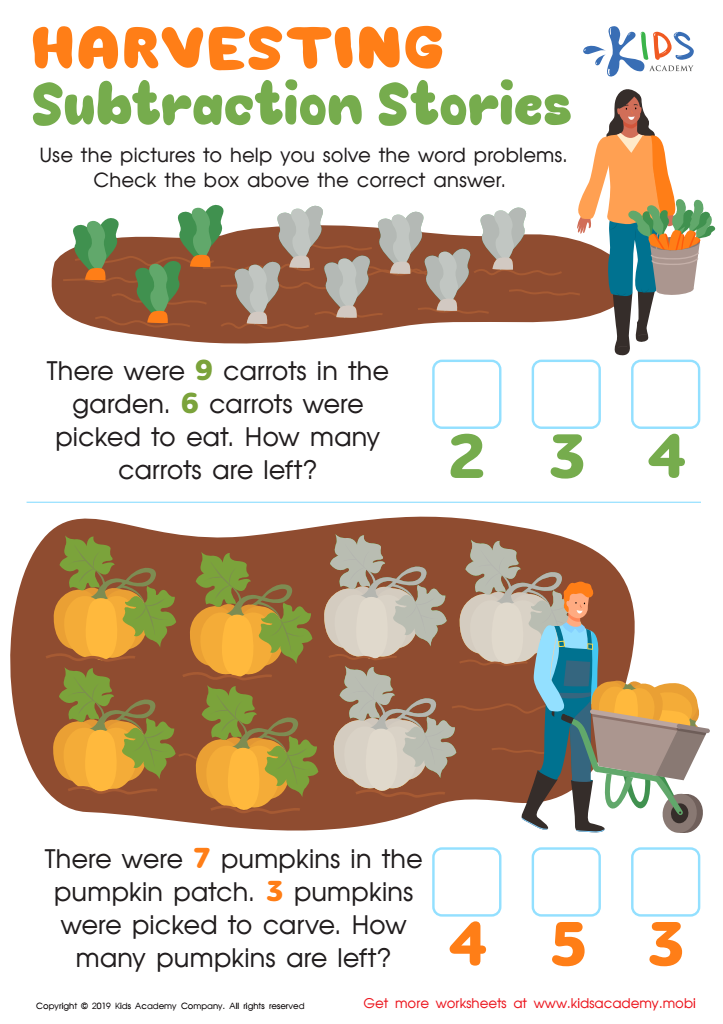
Harvesting Subtraction Stories Worksheet
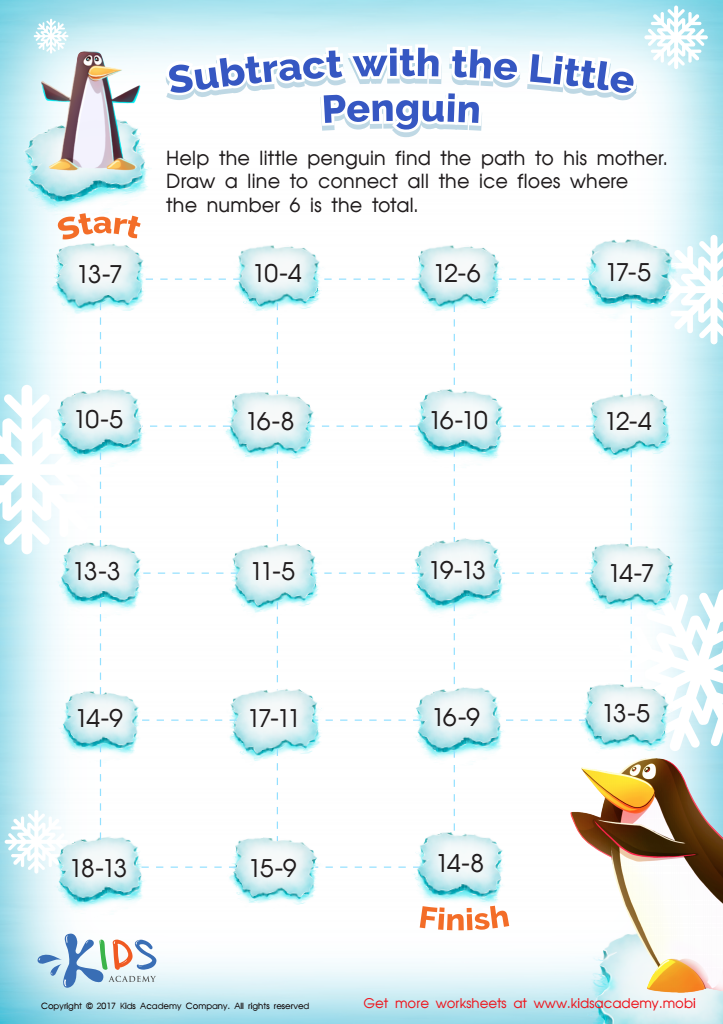
Subtract With The Little Penguin Substraction Worksheet
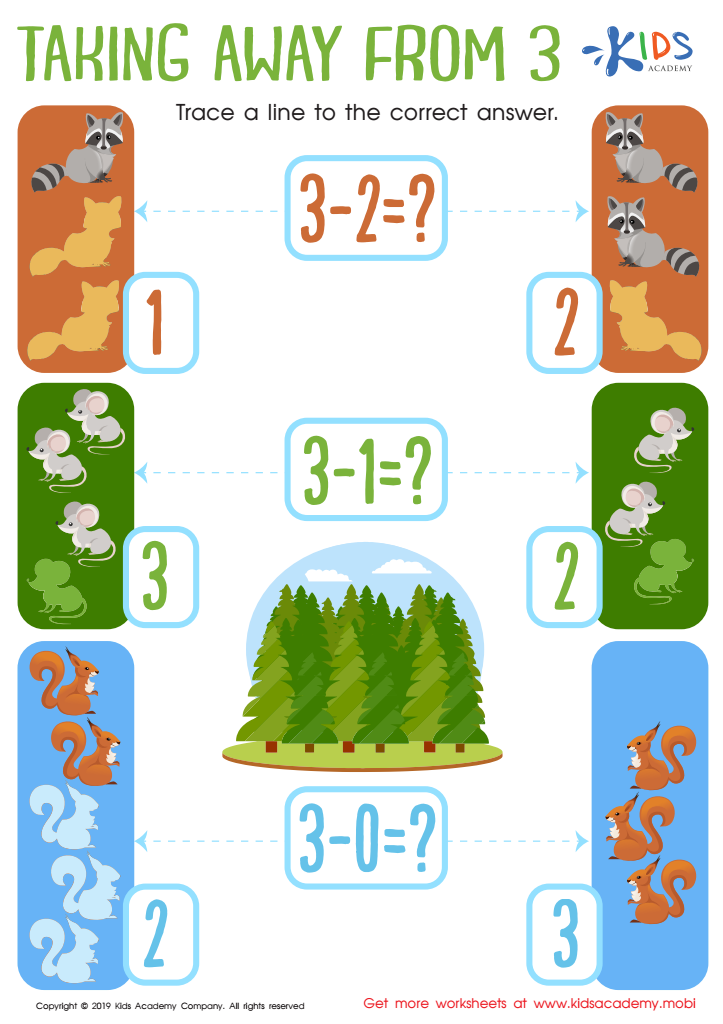
Taking Away From 3 Worksheet
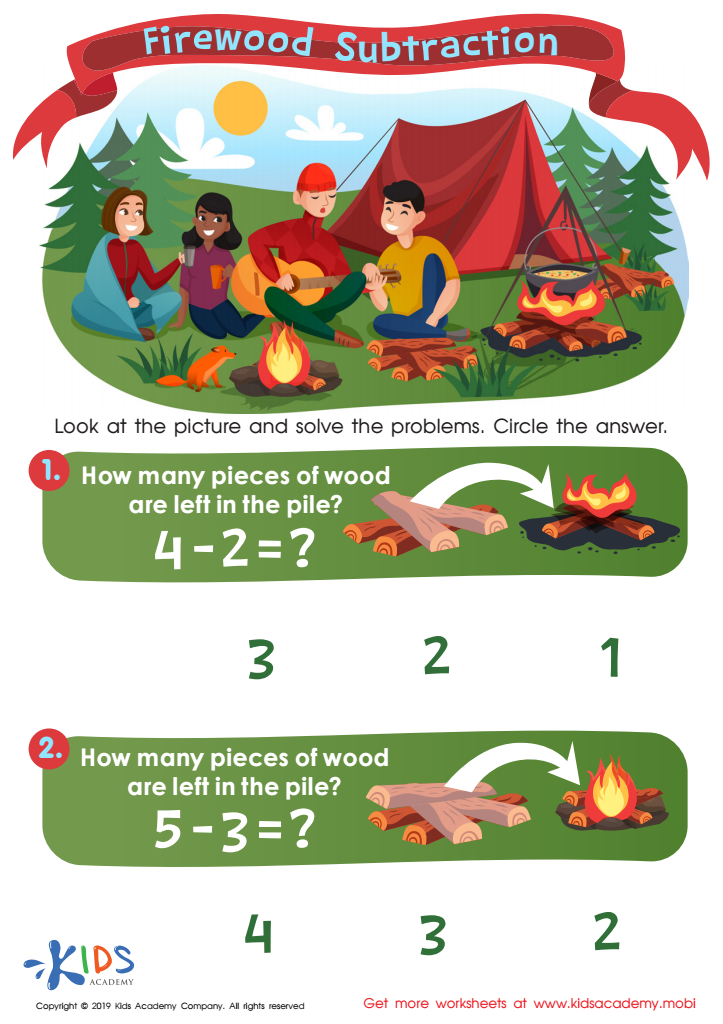
Firewood Subtraction Worksheet
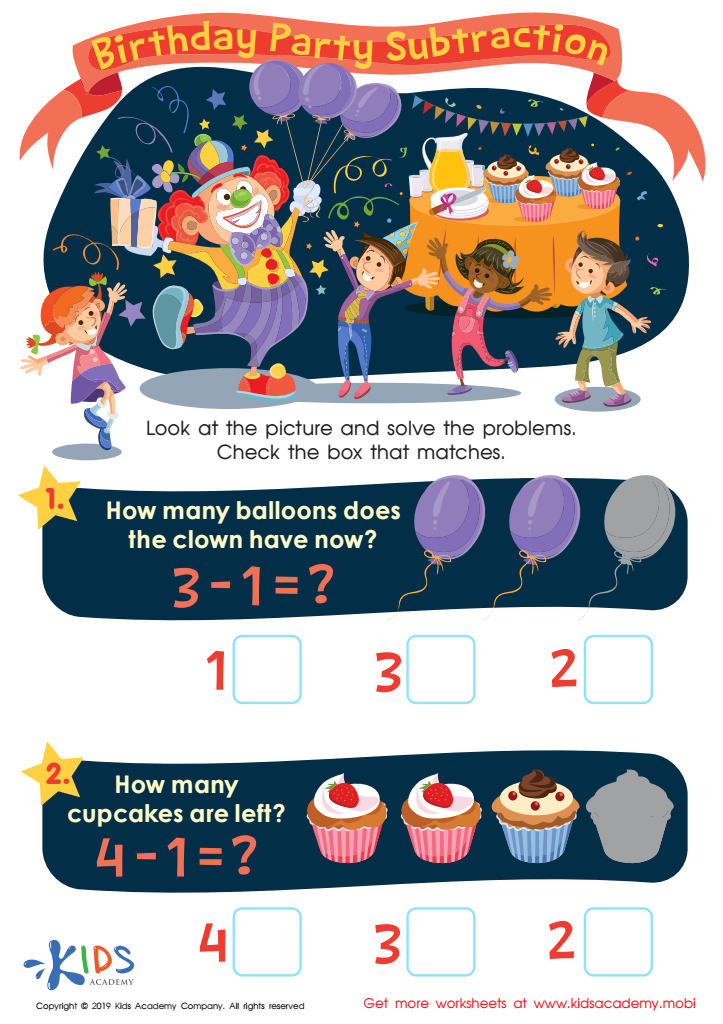
Birthday Party Subtraction Worksheet
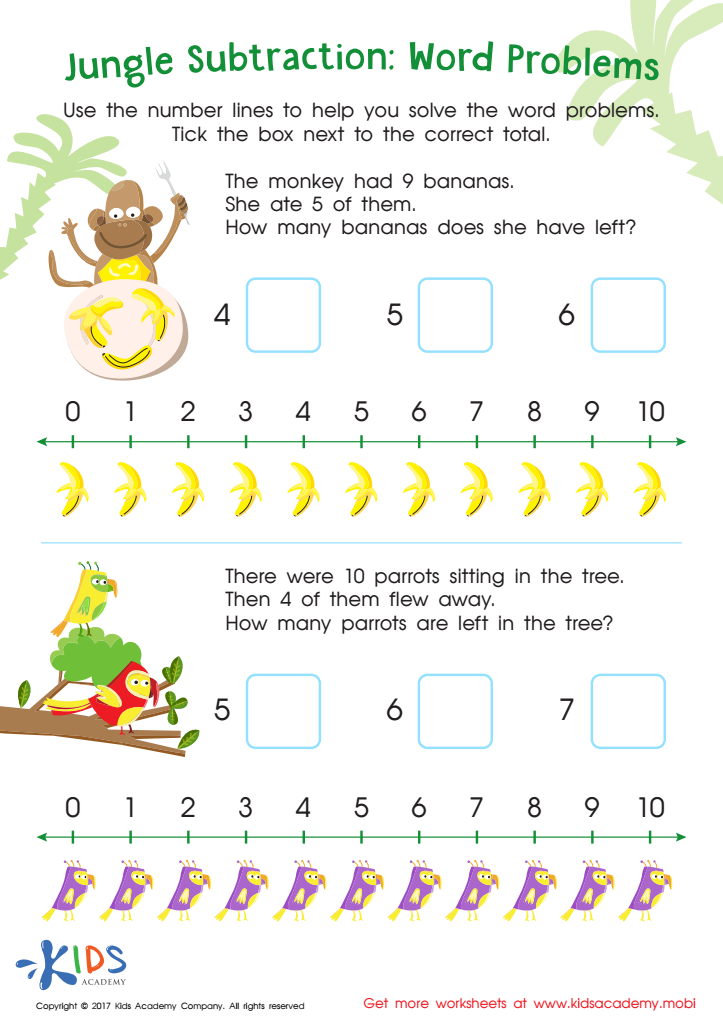
Jungle Subtraction Word Problems Substraction Worksheet
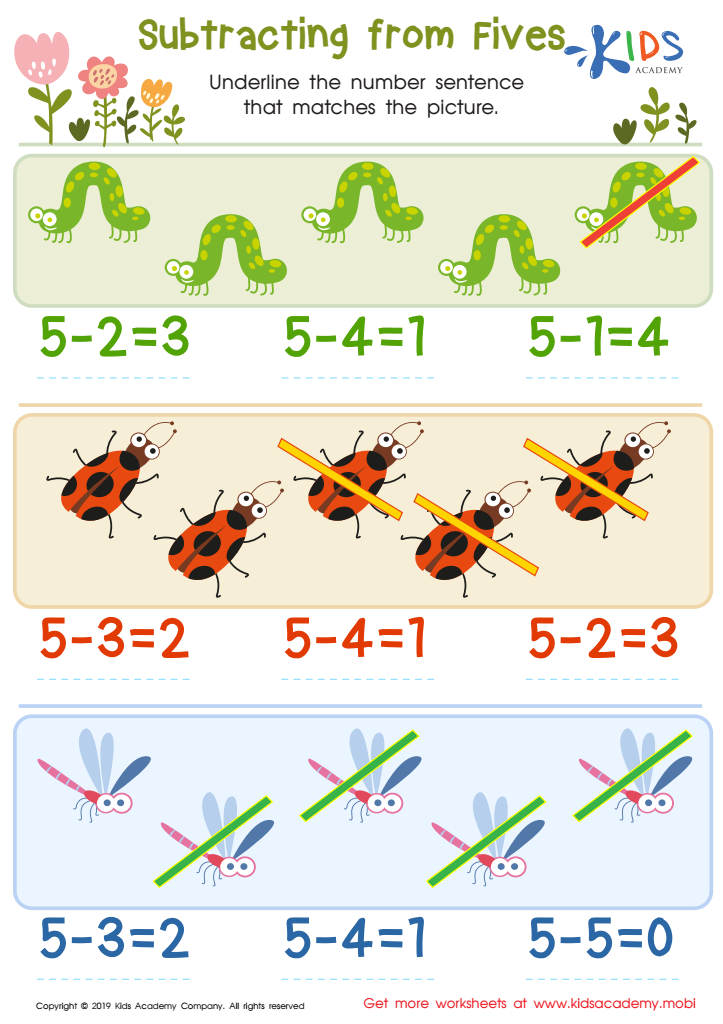
Subtracting From Fives Worksheet








Parents and teachers should prioritize subtraction and addition practice for children ages 4-5 because these fundamental arithmetic skills are crucial for cognitive development and future academic success. At this early developmental stage, children are primed to absorb new information and develop a solid foundation in mathematics. Mastering these basic skills not only enhances their number sense but also supports overall brain development by engaging various cognitive processes, including problem-solving and logical thinking.
Structured activities that involve addition and subtraction help children understand the concept of quantity and the relationships between numbers. This understanding is the cornerstone for more complex mathematical concepts they will encounter in later years. Additionally, early proficiency in arithmetic fosters confidence and a positive attitude toward learning, which can encourage a lifelong interest in education.
Practicing these skills at a young age also aids in the development of fine motor skills, as children learn to write numbers and work with educational tools like counting blocks or abacuses. Moreover, integrating arithmetic practice into play-based learning makes the experience enjoyable and engaging, facilitating better retention and comprehension while allowing children to simultaneously develop social and language skills through collaborative activities. Thus, dedicated practice in subtraction, along with addition, sets a strong, multifaceted foundation for children's future academic achievements.








