Shape identification Geometry Worksheets for Ages 4-5
11 filtered results
-
From - To
Discover our engaging Shape Identification Geometry Worksheets designed specifically for children ages 4-5! These fun-filled worksheets help young learners identify and categorize various shapes, enhancing their mathematical skills and visual recognition in an interactive way. Tailored to capture the imagination of preschoolers, these resources include colorful images and easy-to-follow activities that encourage hands-on learning. Children will explore circles, squares, triangles, and more, while developing critical thinking and problem-solving abilities. Ideal for classroom use or homeschooling, our worksheets make geometry enjoyable and accessible, laying a strong foundation for future math success. Start your child’s shape discovery journey today!
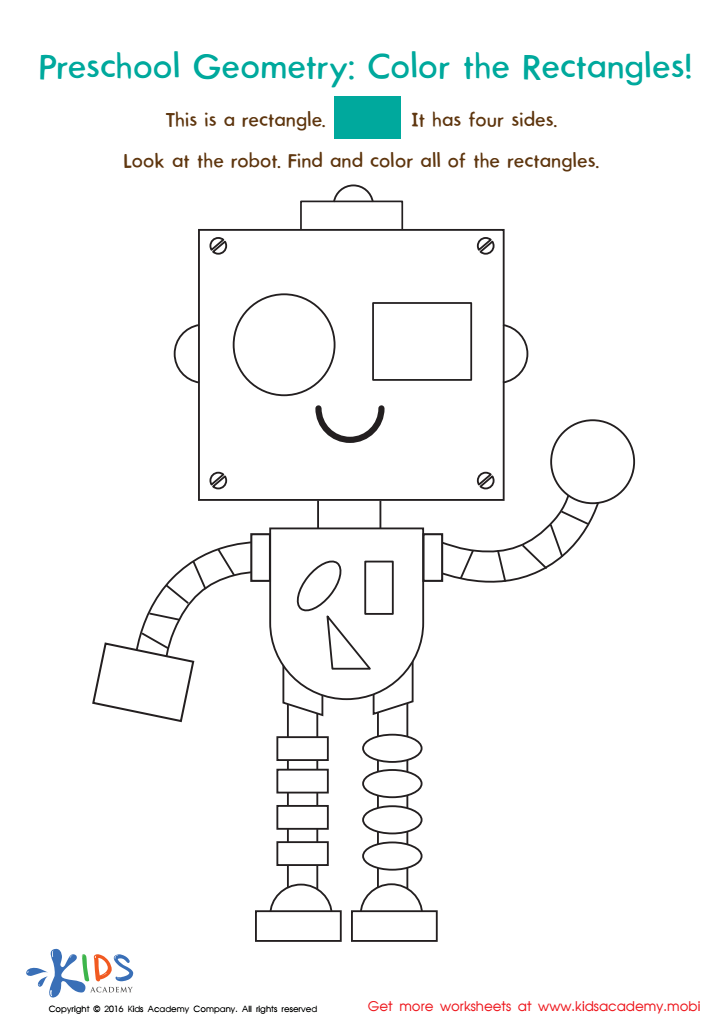
Geometry Worksheet
 Assign to My Students











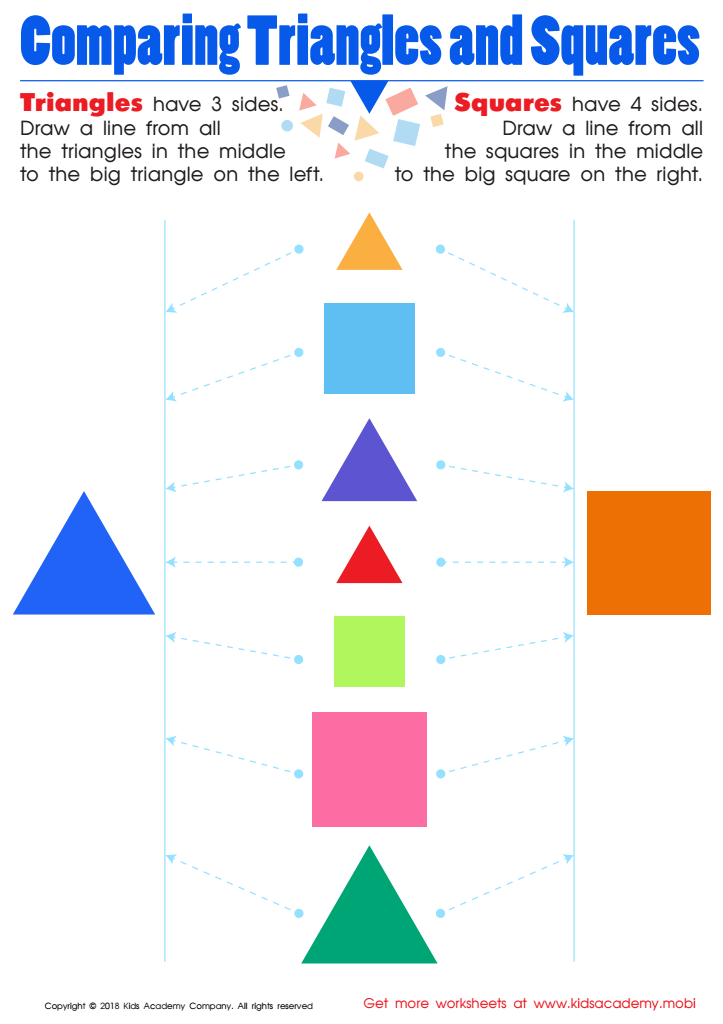
Comparing Triangles Squares Worksheet
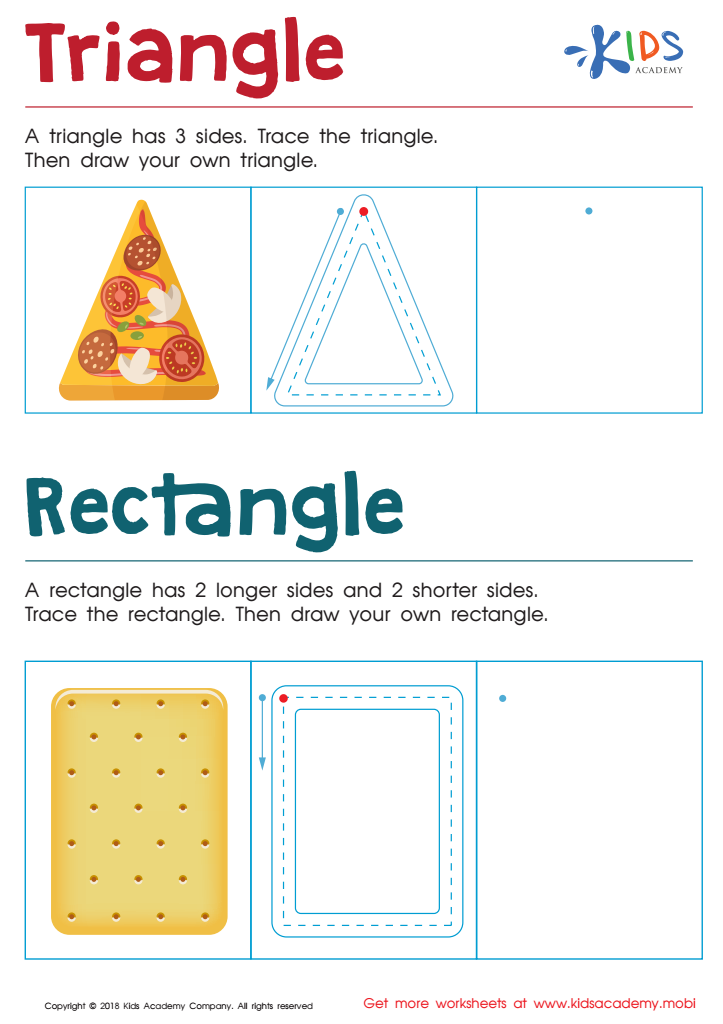
Triangle Rectangle Worksheet
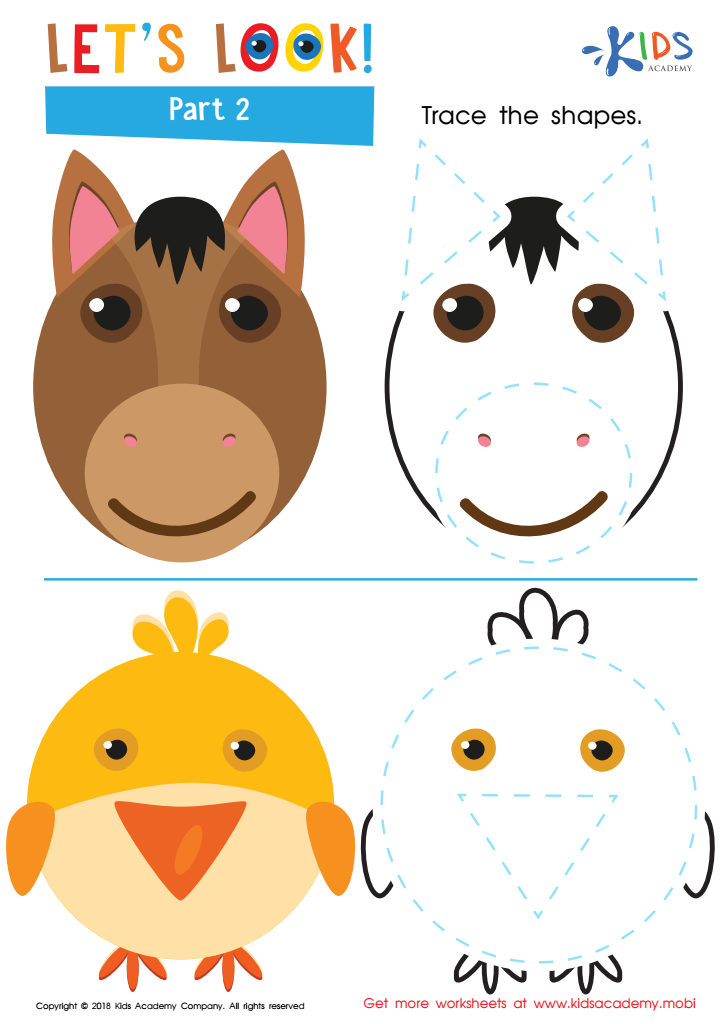
Let's Look! Part 2 Worksheet
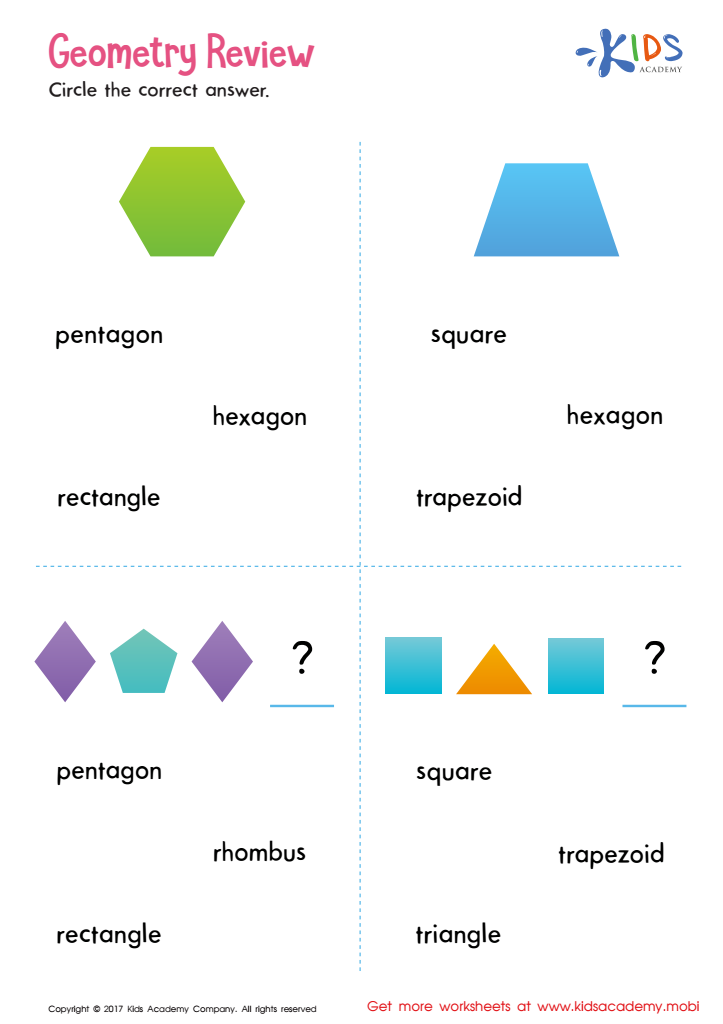
Geometry Review Printable
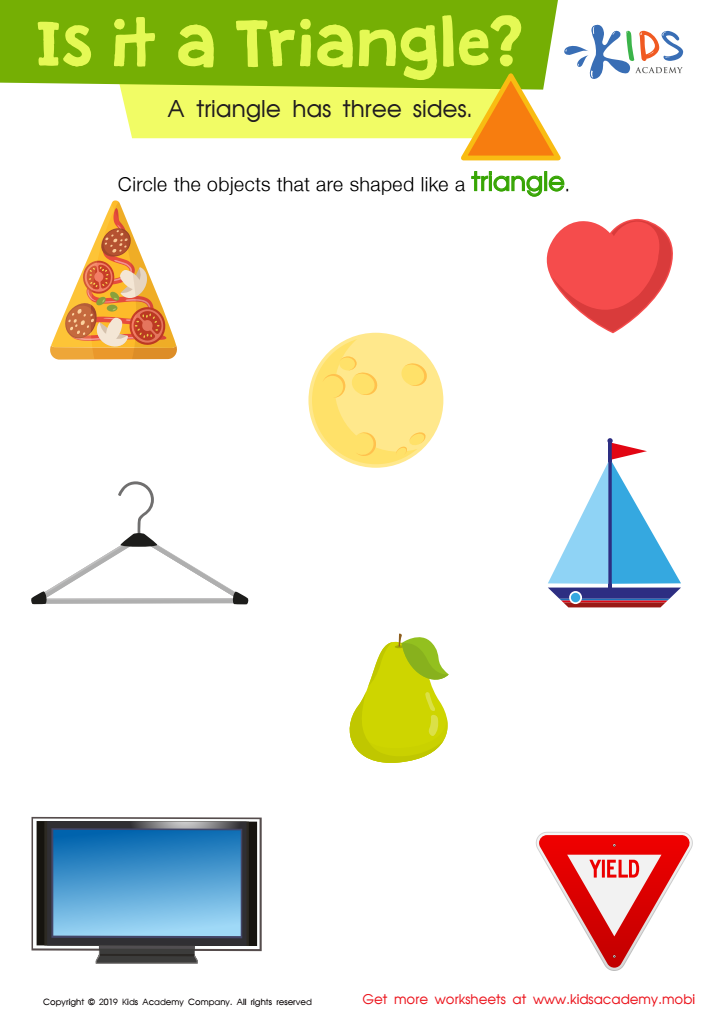
Is It a Triangle? Worksheet
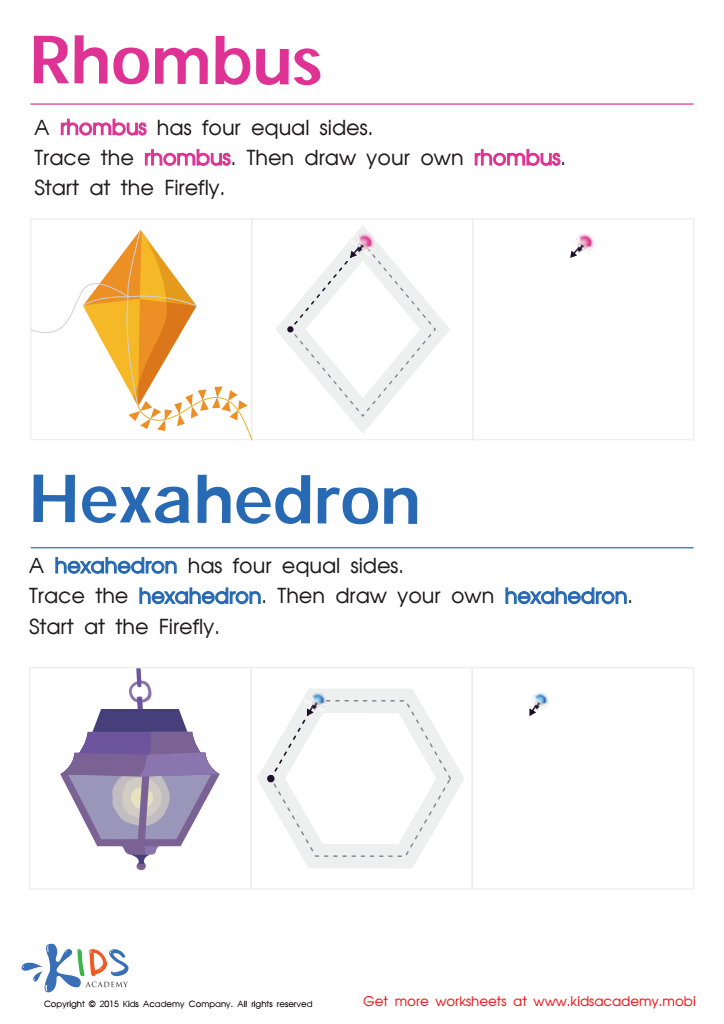
Draw a Rhombus And a Hexahedron Printable
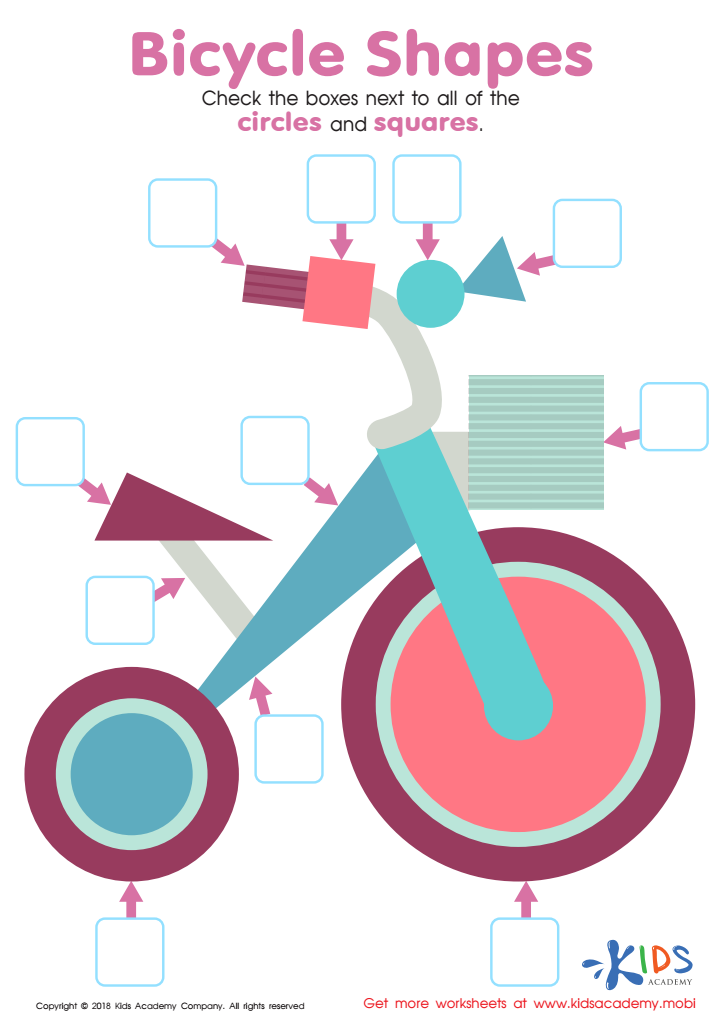
Bicycle Shapes Worksheet
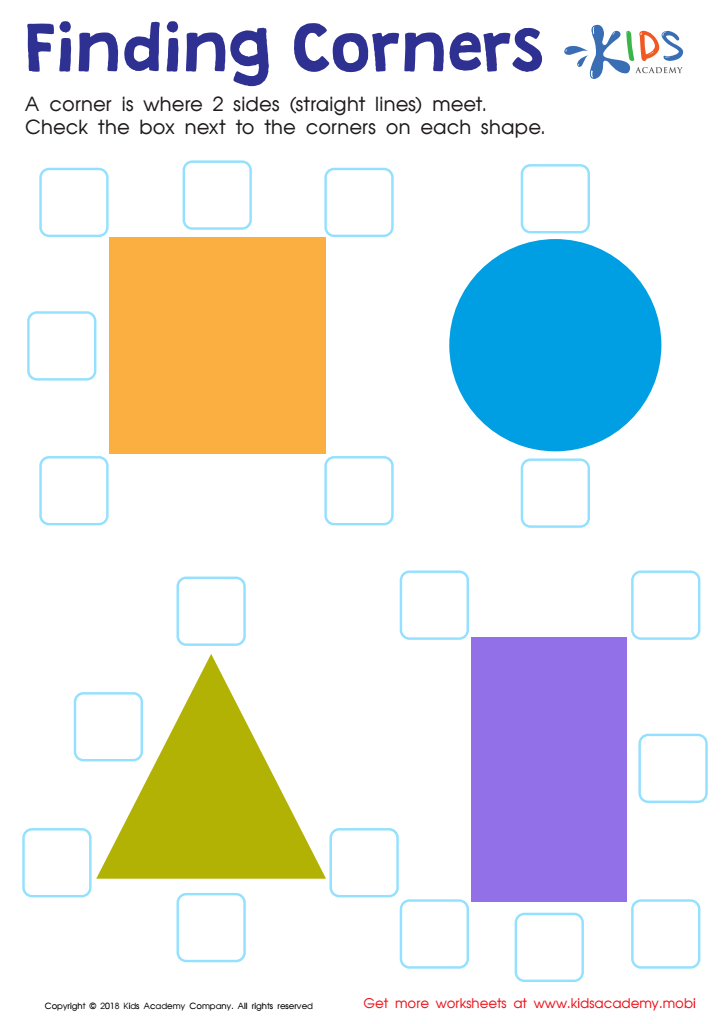
Finding Corners Worksheet
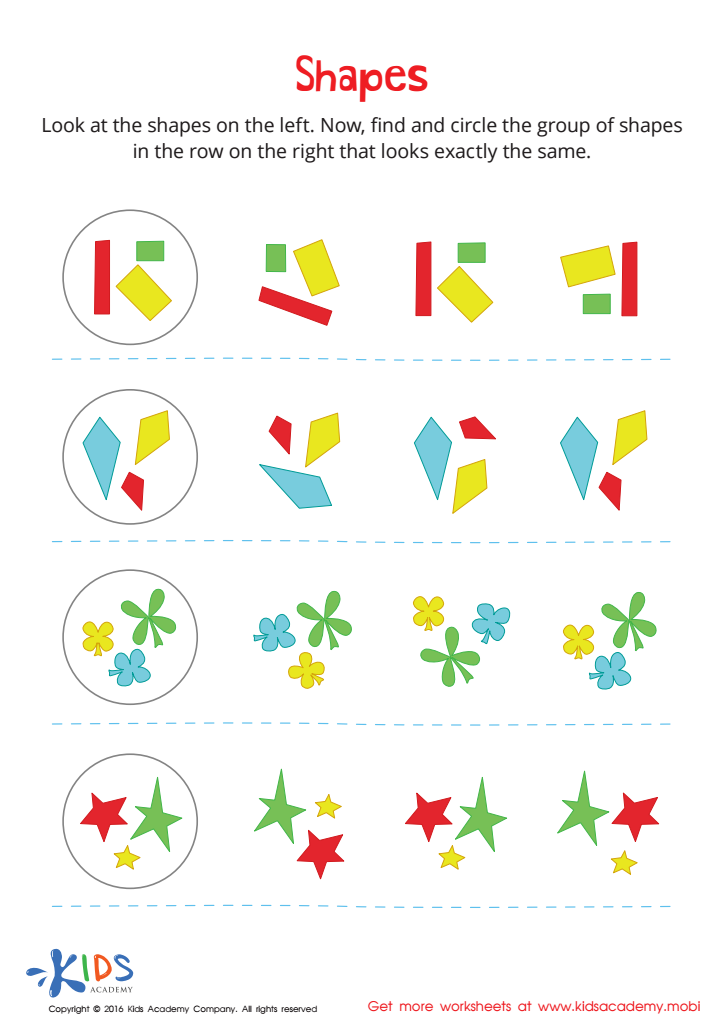
Shapes Worksheet








Shape identification in geometry is a crucial foundational skill for children aged 4-5, playing a significant role in their cognitive development. This early exposure helps children understand the properties of various shapes, such as circles, squares, triangles, and rectangles. By recognizing and naming shapes, they enhance their observational skills and boost their ability to categorize and differentiate between objects in their environment.
Additionally, understanding shapes supports early math skills, including spatial awareness and problem-solving. Children start to grasp concepts such as symmetry, patterns, and angles, which are vital for their future math success. This foundational knowledge also aids in enhancing their critical thinking abilities as they begin to connect shape identification to real-world experiences.
For parents and teachers, fostering shape recognition through play and interactive activities is essential. Engaging children in hands-on learning experiences, such as puzzles or crafts, makes learning enjoyable and effective. Furthermore, shape identification lays the groundwork for more complex mathematical concepts in later grades. By investing time and effort in helping preschoolers identify shapes, caregivers can empower them to develop essential skills that will benefit their academic journey and daily life. Thus, shape identification is not just about shapes but about nurturing well-rounded, eager learners.








