Comparing object weights Math Worksheets for Ages 4-5
3 filtered results
-
From - To
Explore our engaging "Comparing Object Weights" Math Worksheets designed specifically for children aged 4-5! These worksheets provide a fun and interactive way for young learners to develop essential math skills by comparing the weights of different objects. Through hands-on activities and colorful illustrations, kids will learn to identify lighter and heavier items while enhancing their critical thinking abilities. Perfect for classroom use or home practice, these worksheets encourage early math exploration in a delightful and age-appropriate format. Help your child build a strong foundation in math with our thoughtfully crafted resources tailored to their developmental needs. Download now and start comparing!
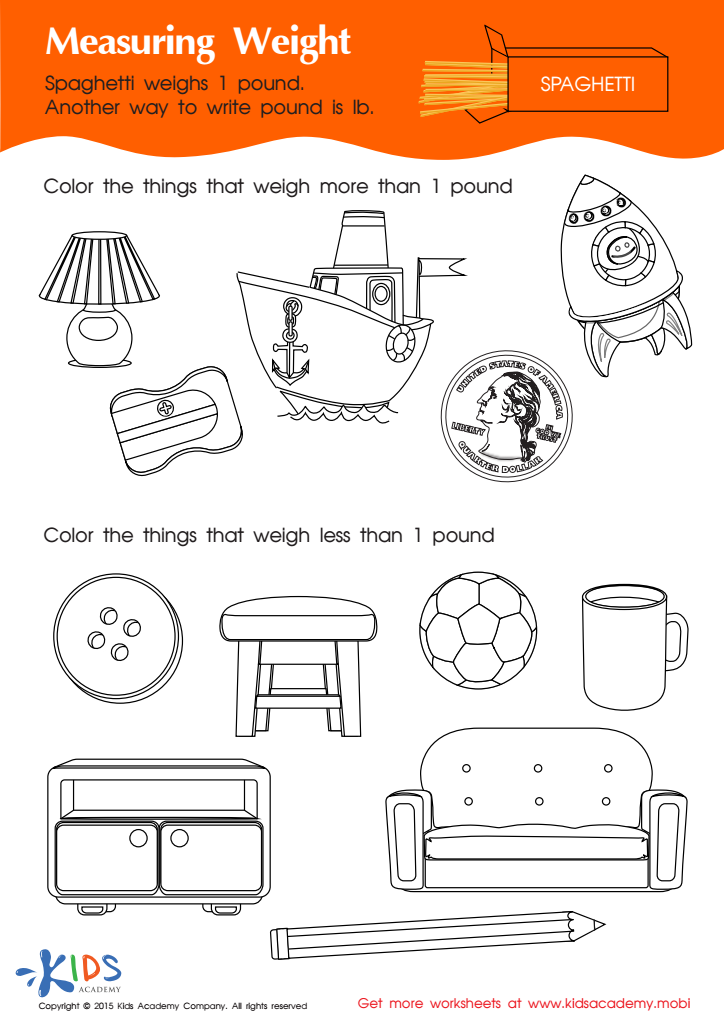
 Assign to My Students
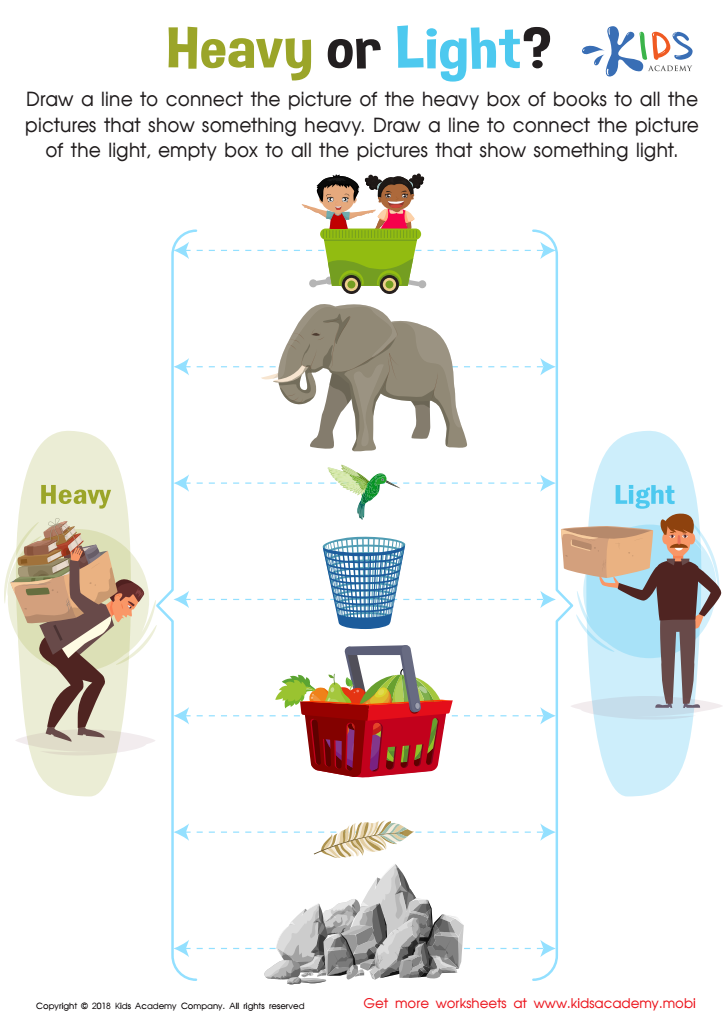
Heavy or Light? Worksheet
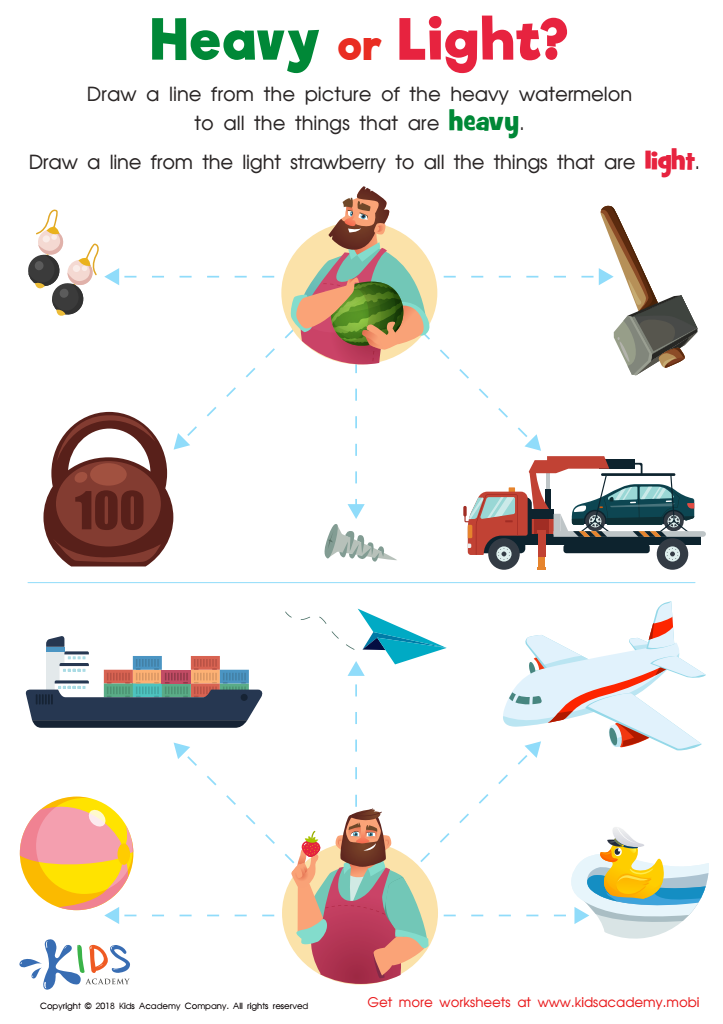
Heavy or Light? Worksheet


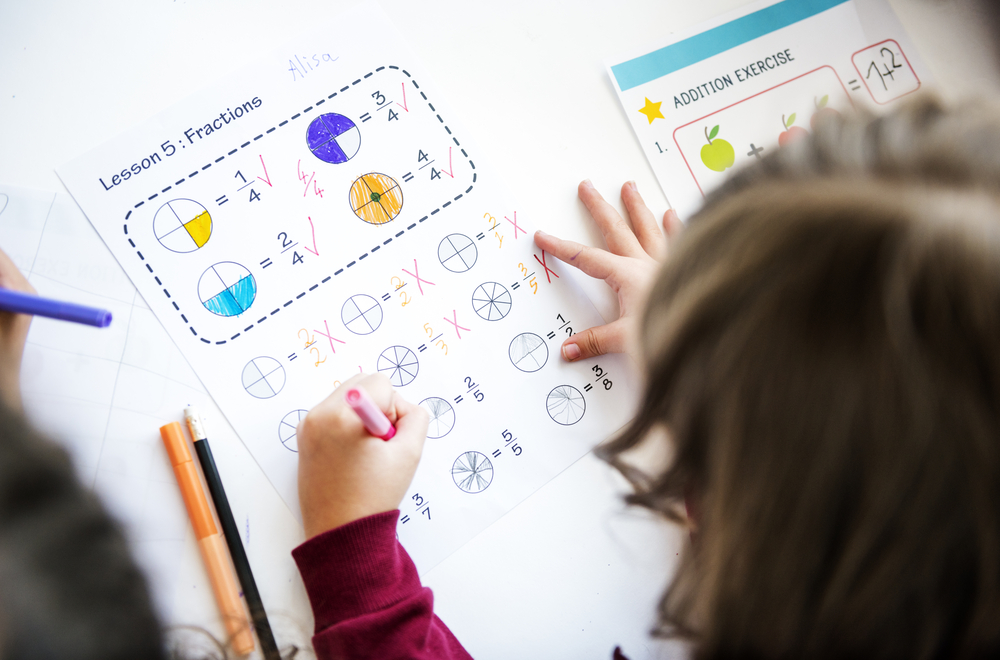




Comparing object weights is a vital math concept for ages 4-5, as it lays the foundation for critical thinking and problem-solving skills. At this stage, children are naturally curious about their environment, and engaging them in hands-on activities involving weights fosters a deeper understanding of measurement and math concepts.
By participating in weight comparison activities, children develop their vocabulary, learning terms like "heavy," "light," "heavier," and "lighter." These comparisons help enhance their cognitive abilities, as they begin to categorize and make judgments based on their observations. Additionally, these activities promote fine motor skills, as kids may handle objects, use balance scales, or manipulate weights, helping in their overall physical development.
Furthermore, comparing weights encourages cooperative play and communication, promoting social skills as children work together to explore and discuss their findings. For parents and teachers, incorporating weight comparisons into lesson plans or home activities nurtures a supportive learning environment that encourages inquiry and exploration. Early exposure to these fundamental math concepts not only boosts children's numeracy skills but also fosters a love for learning, setting the stage for more complex mathematics in the years to come.








