Logical thinking Math Worksheets for Ages 4-5
9 filtered results
-
From - To
Support your child's early cognitive development with our Logical Thinking Math Worksheets for Ages 4-5. Specially designed by experts, these engaging worksheets help young learners enhance their problem-solving, reasoning, and critical thinking skills. Each activity uses playful images and interactive tasks suitable for preschoolers and kindergarteners, creating a fun learning environment to explore numbers, patterns, puzzles, and simple mathematical concepts. Let your child embark on an educational adventure, building a strong foundation for future math success. Nurture their curiosity and creativity with printable resources that turn learning into an enjoyable and fulfilling experience.
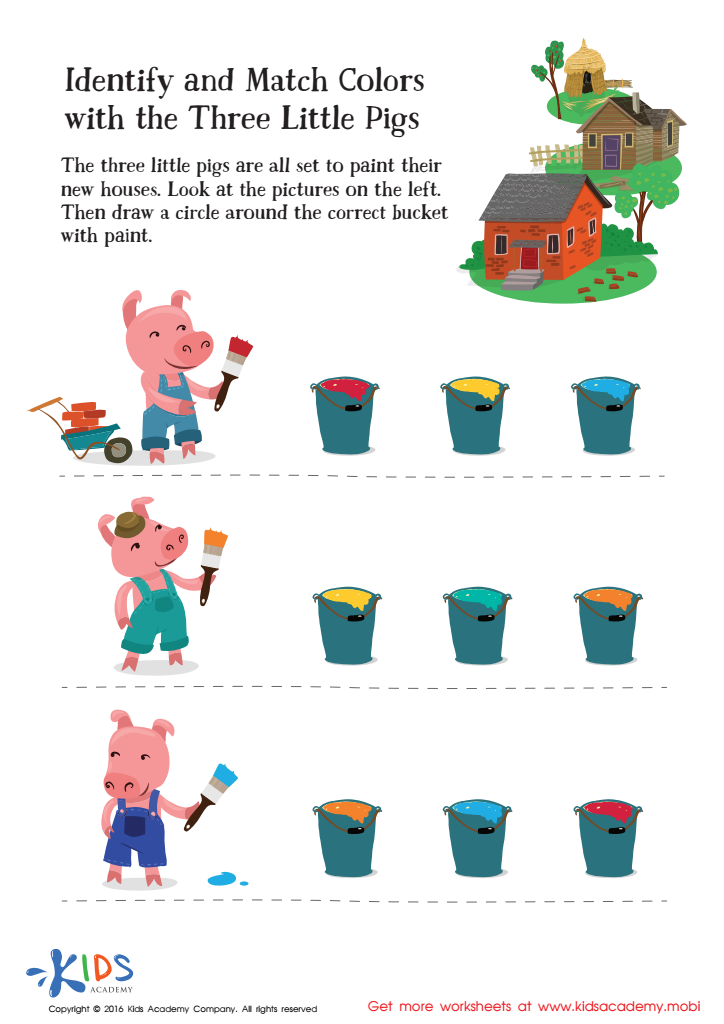
Fairy Tale Worksheet: Identify and Match Colors with Three Little Pigs
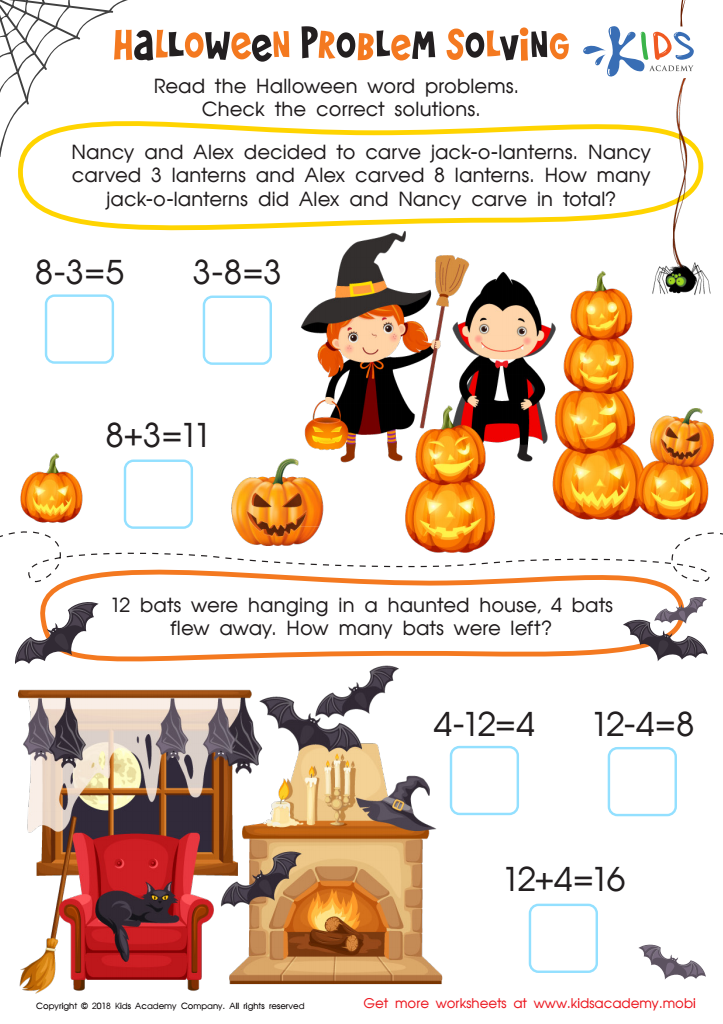
Halloween Problem Solving Worksheet
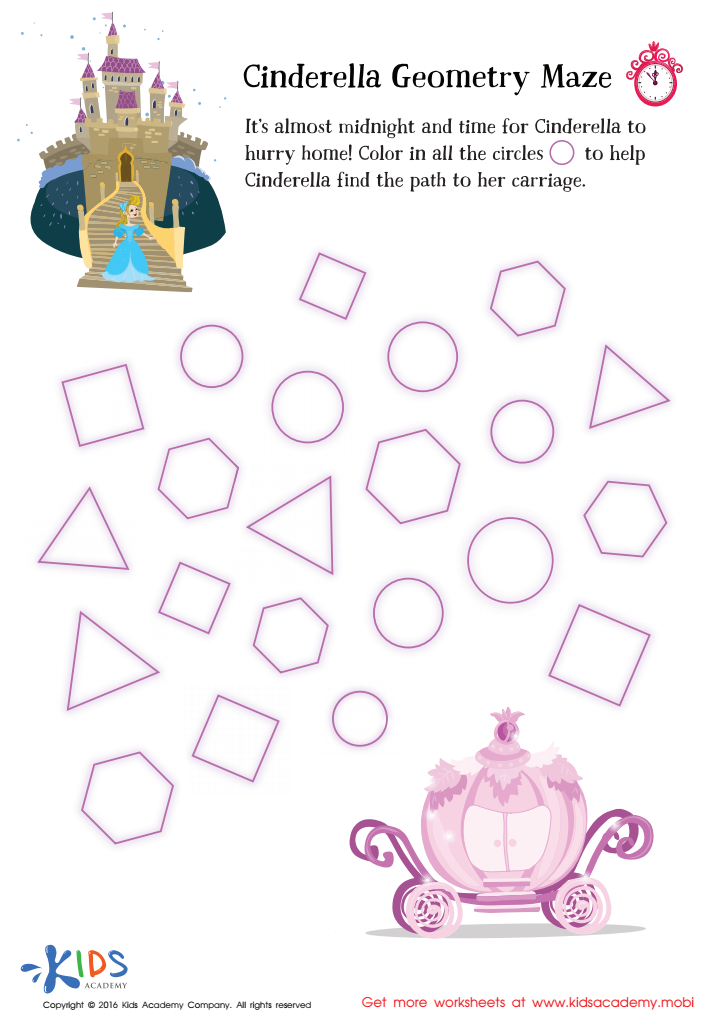
Cinderella Geometry Maze Worksheet
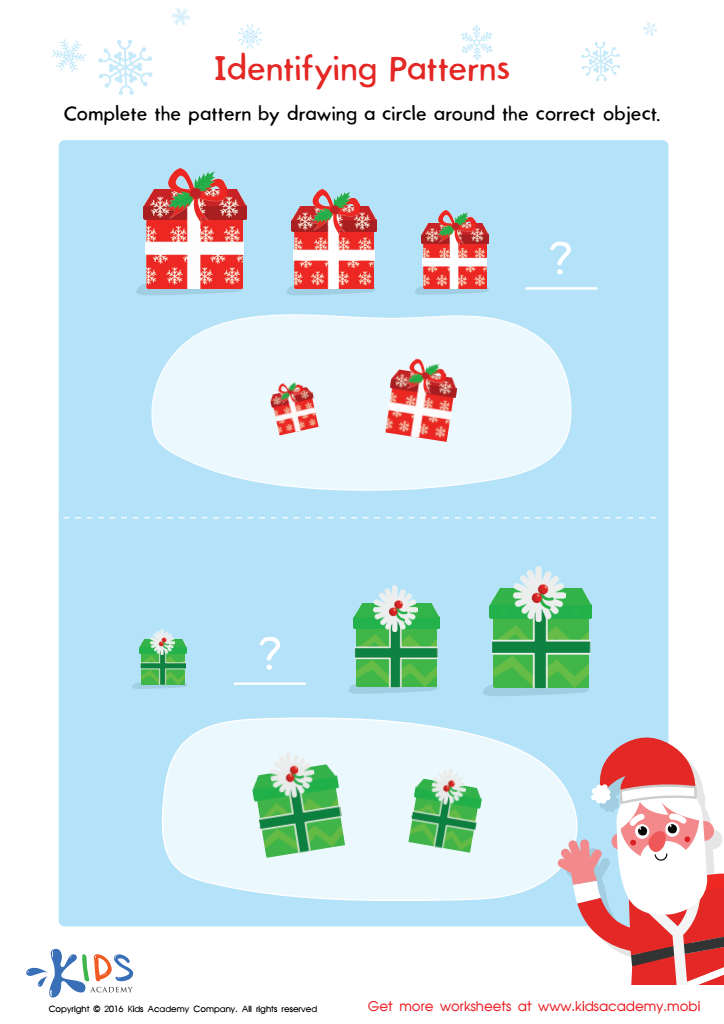
Identifying Patterns Worksheet
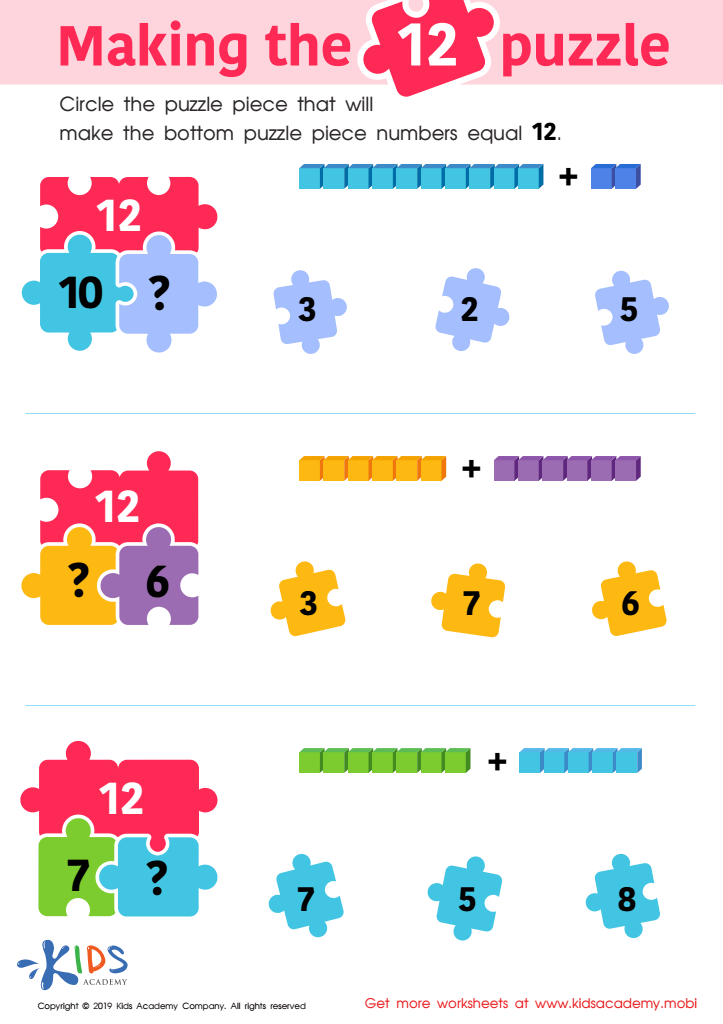
Making the 12 Puzzle Worksheet
Magic Numbers Worksheet
 Assign to My Students
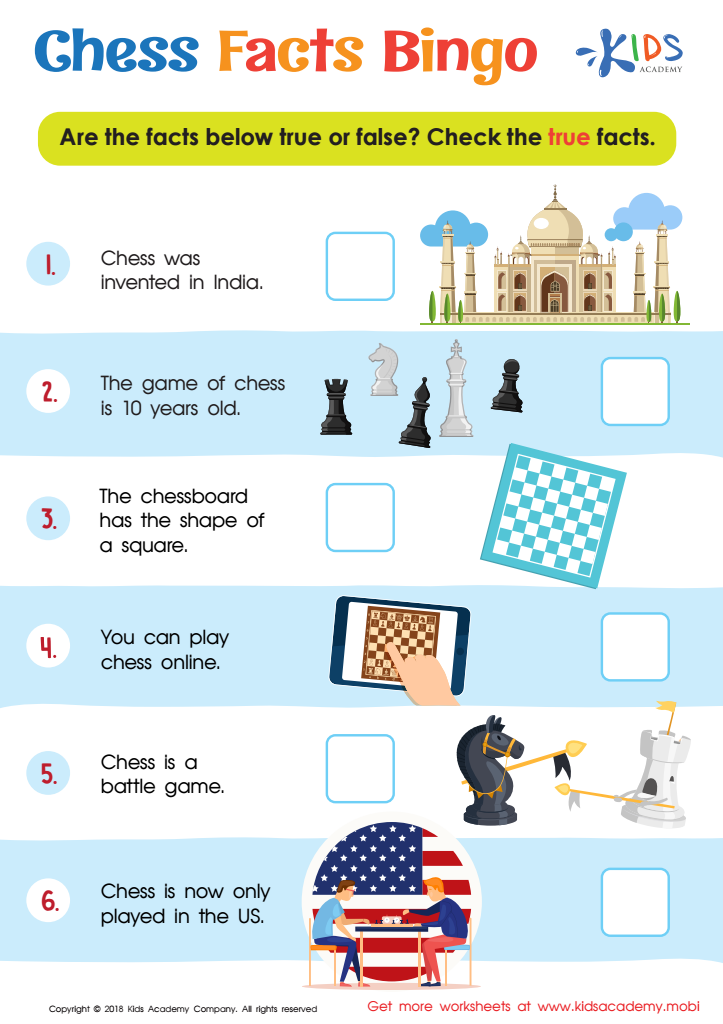
Chess Facts Bingo Worksheet

Transportation: Steps Worksheet
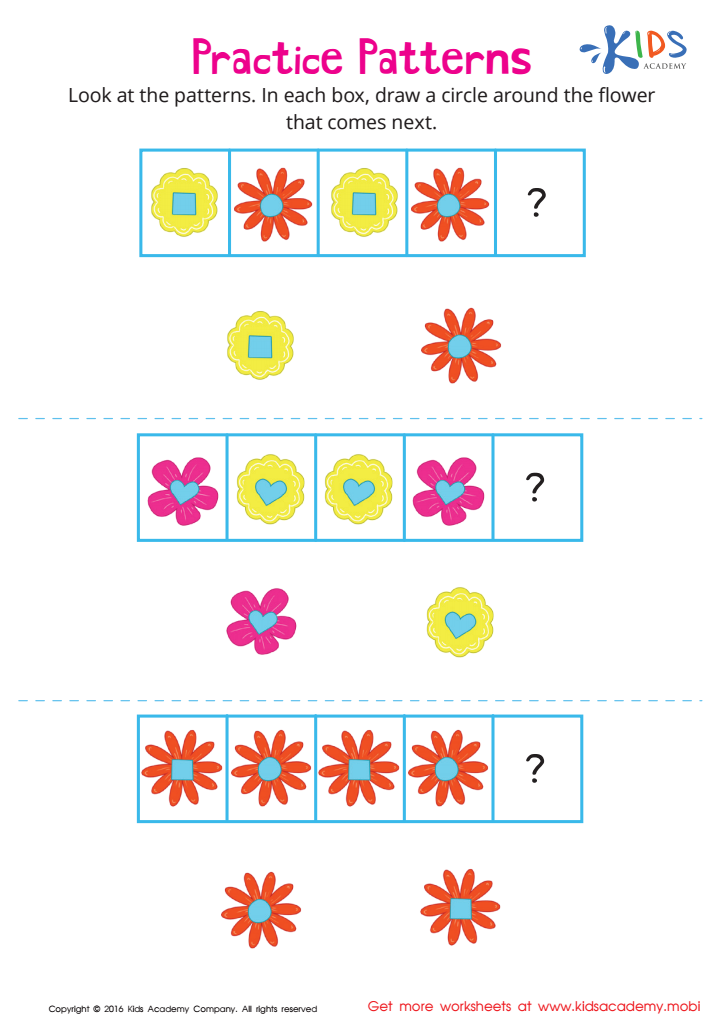





.jpg)


Logical thinking and math skills are foundational for young children's cognitive development. For ages 4-5, incorporating logical thinking in math plays a pivotal role for several reasons.
First, these skills foster problem-solving abilities. When children engage in activities that require logical thinking, such as recognizing patterns or sequencing objects, they learn to approach problems methodically. This systematic thinking aids them not just in math, but across various subjects and real-life situations, making them better equipped to face challenges independently.
Second, early exposure to logical thinking encourages curiosity and creativity. Children begin to ask questions and explore reasons behind certain sequences or patterns, which helps to develop a inquisitive mind. This exploration can lead to a deeper understanding and appreciation of how things work, which is beneficial for lifetime learning.
Third, developing these skills at an early age builds a strong academic foundation, leading to greater success in later years. Math concepts introduced during this stage, such as counting, sorting, and basic arithmetic, become easier to grasp and expand upon as children progress in their education.
Lastly, logical thinking improves critical-thinking abilities, helping children to make reasoned decisions rather than impulsive choices. This is essential not just academically but also for social and emotional development, setting the stage for well-rounded individuals capable of thoughtful reasoning. In short, emphasizing logical thinking in math during early years equips children with lifelong cognitive tools.








