Understanding quantity Math Worksheets for Ages 4-5
24 filtered results
-
From - To
Unlock the world of numbers with our "Understanding Quantity Math Worksheets" designed for children aged 4-5. These engaging activities help young learners grasp essential math concepts through fun and interactive exercises. Children will explore number recognition, counting, and comparing quantities while building a solid foundation for future math skills. Each worksheet encourages hands-on learning, enhancing cognitive abilities and critical thinking. Perfect for parents and teachers, our worksheets are easy to print and can be used at home or in the classroom. Nurture your child's mathematical understanding and boost their confidence with our colorful and stimulating resources! Start their math journey today!
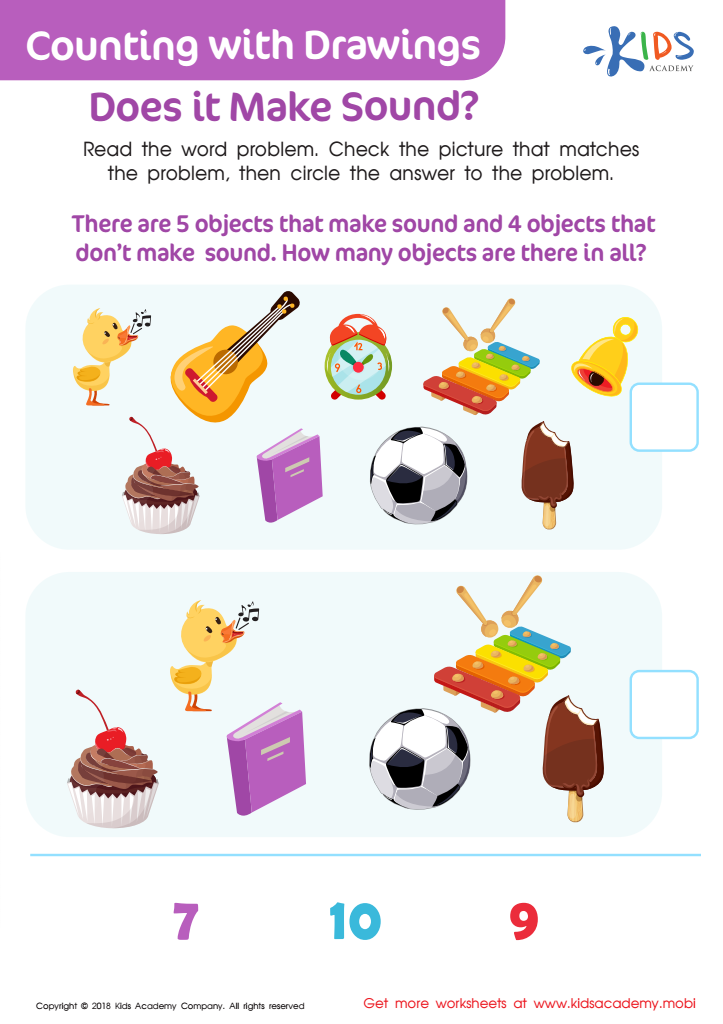
Counting With Drawings. Does It Make Sound? Worksheet
 Assign to My Students
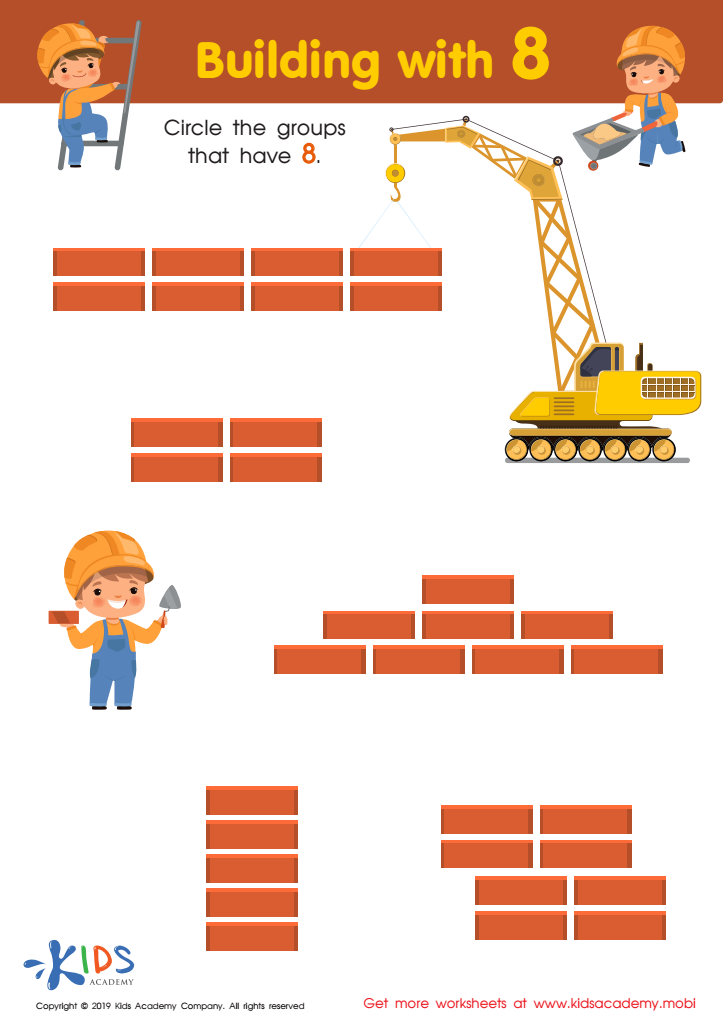
Building with 8 Worksheet
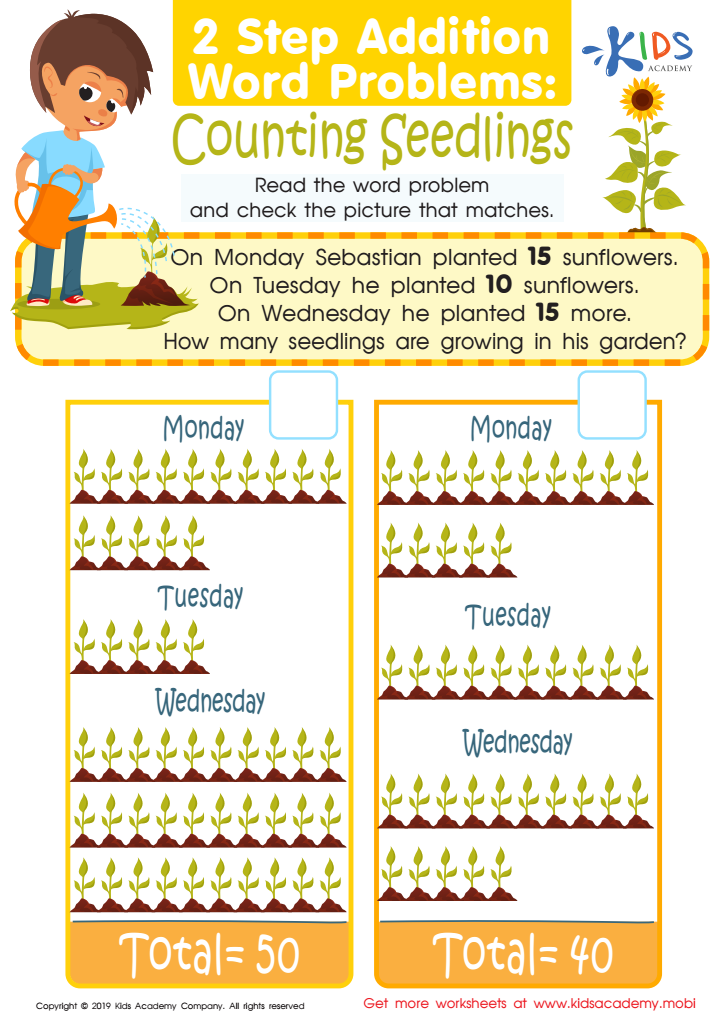
Counting Seedlings Worksheet
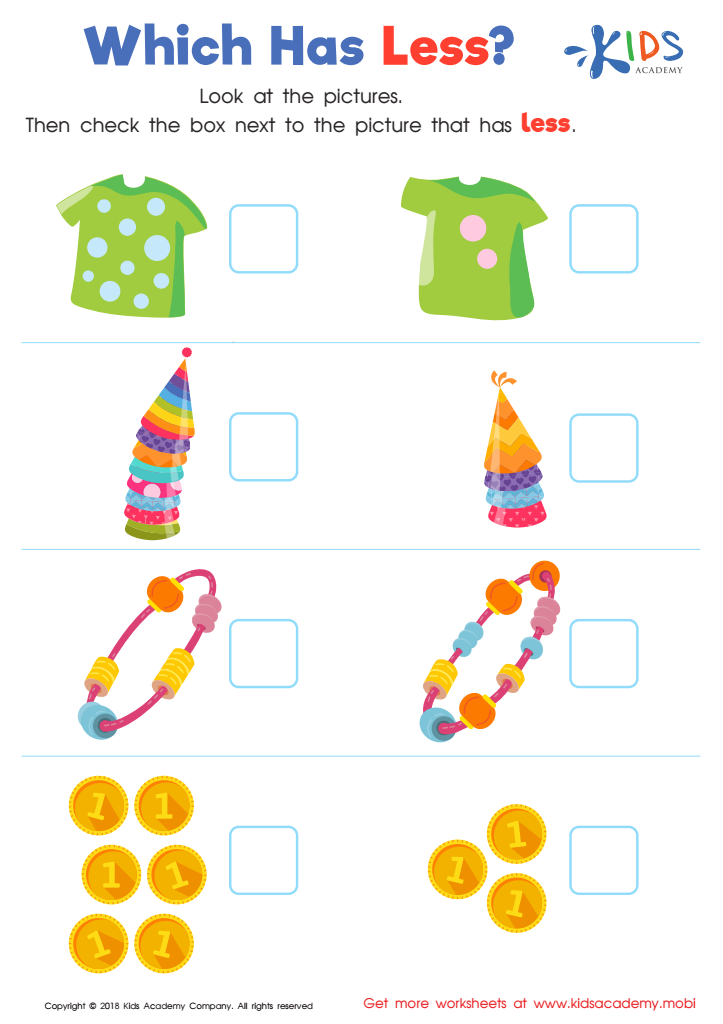
Which Has Less? Worksheet
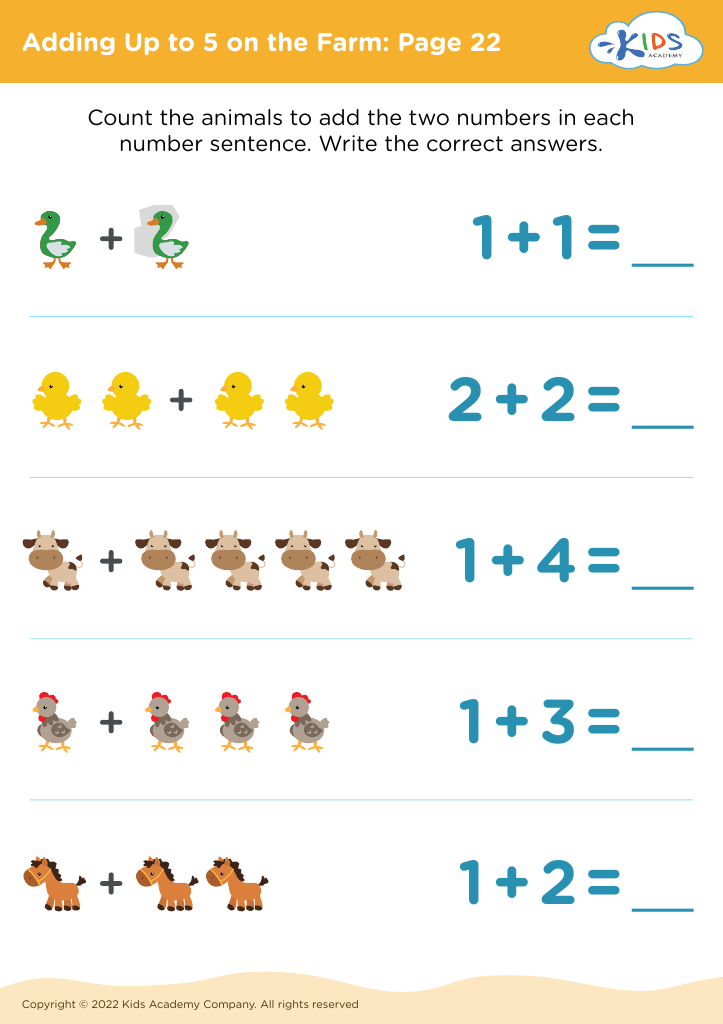
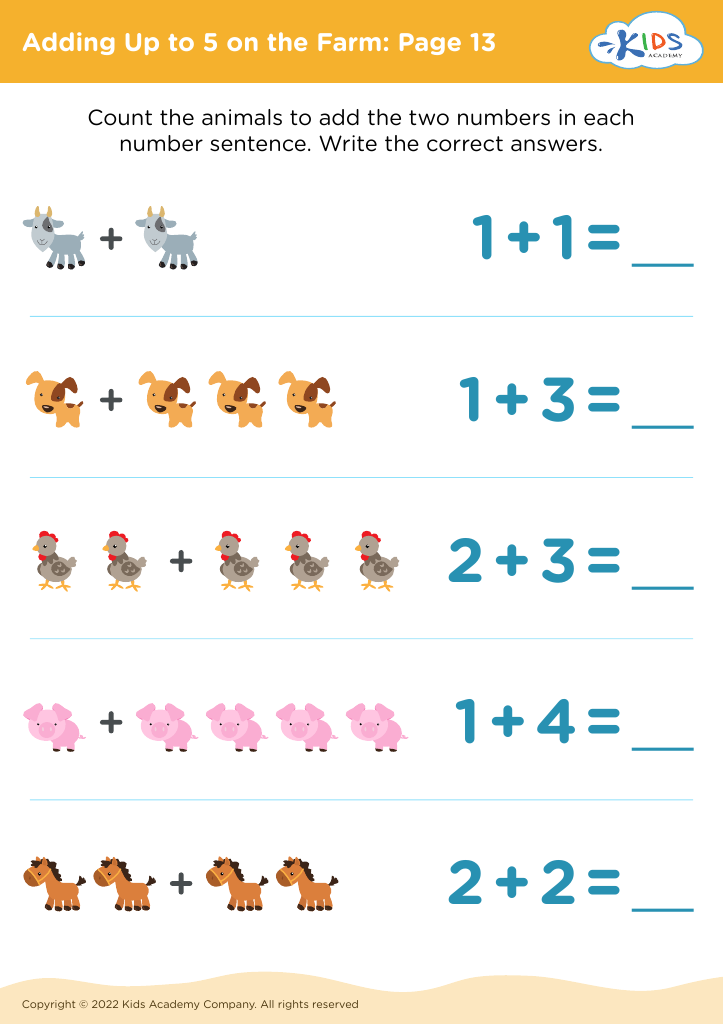
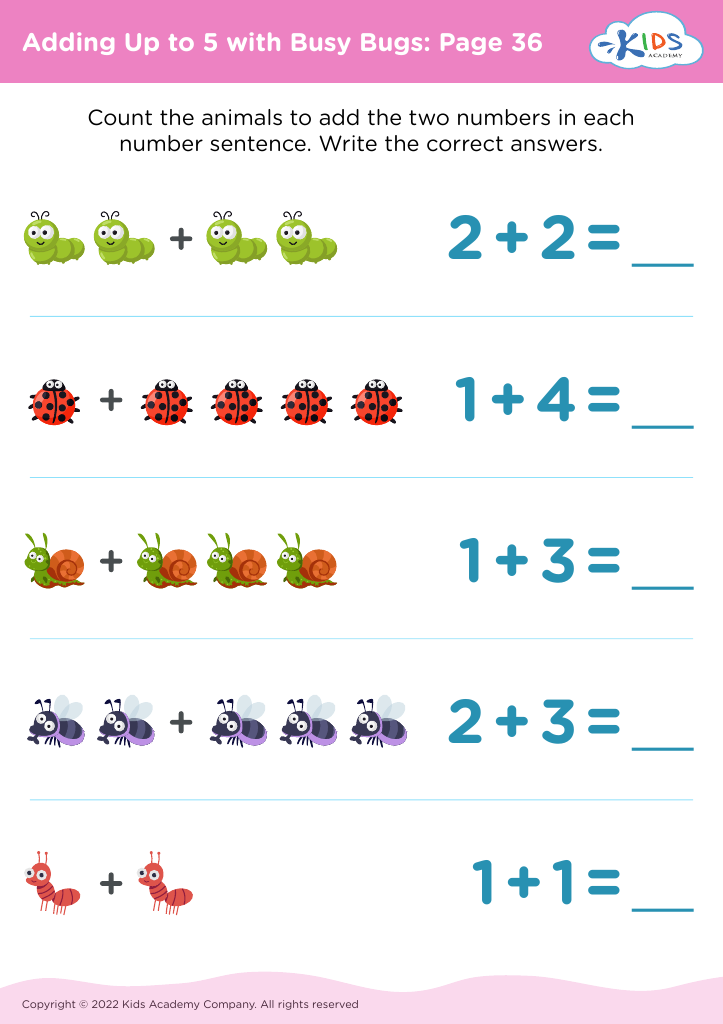
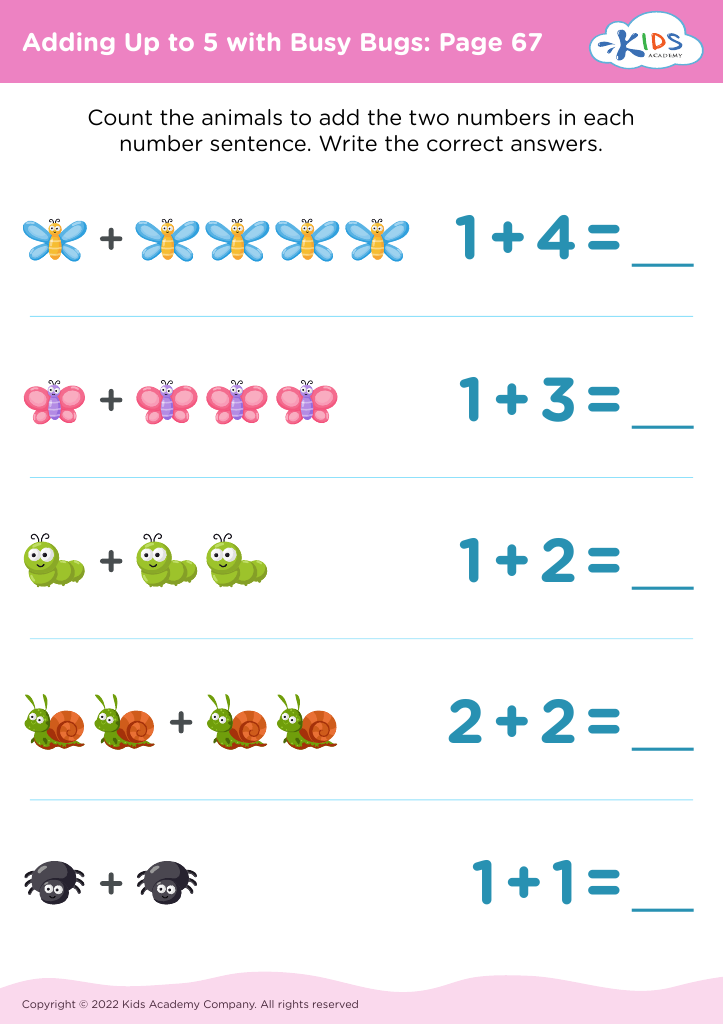
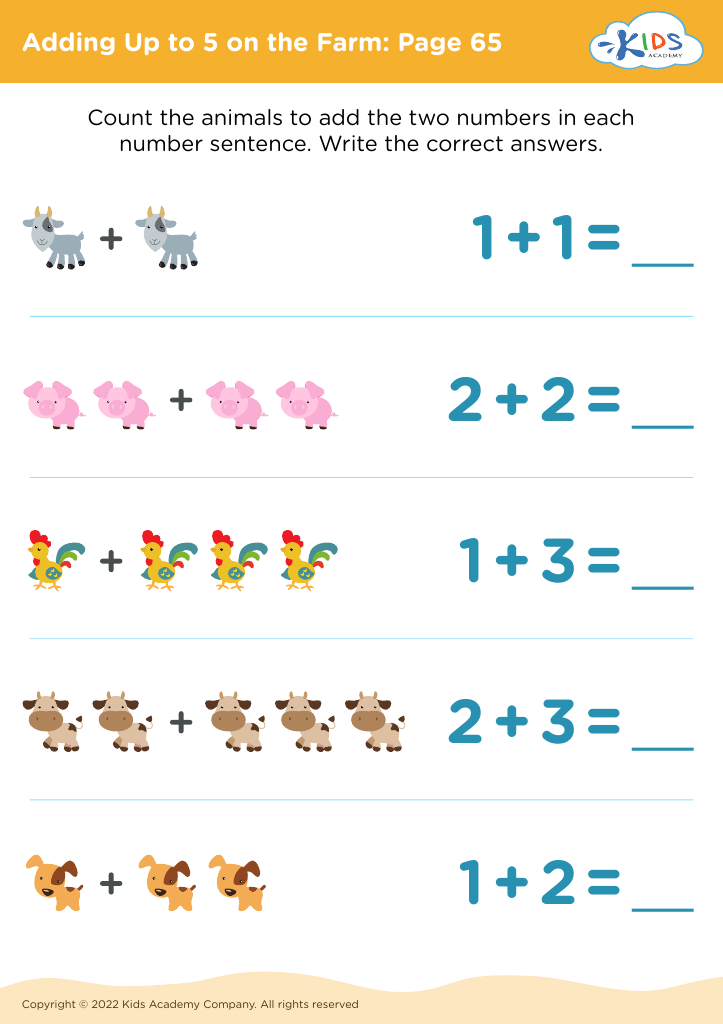
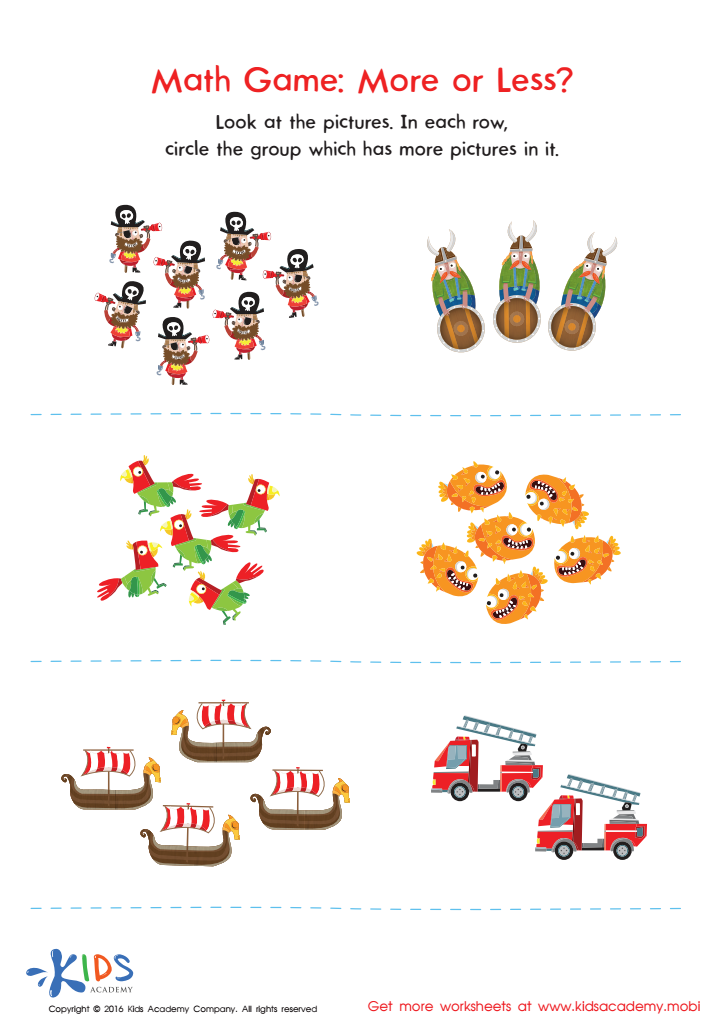
More or Less Worksheet
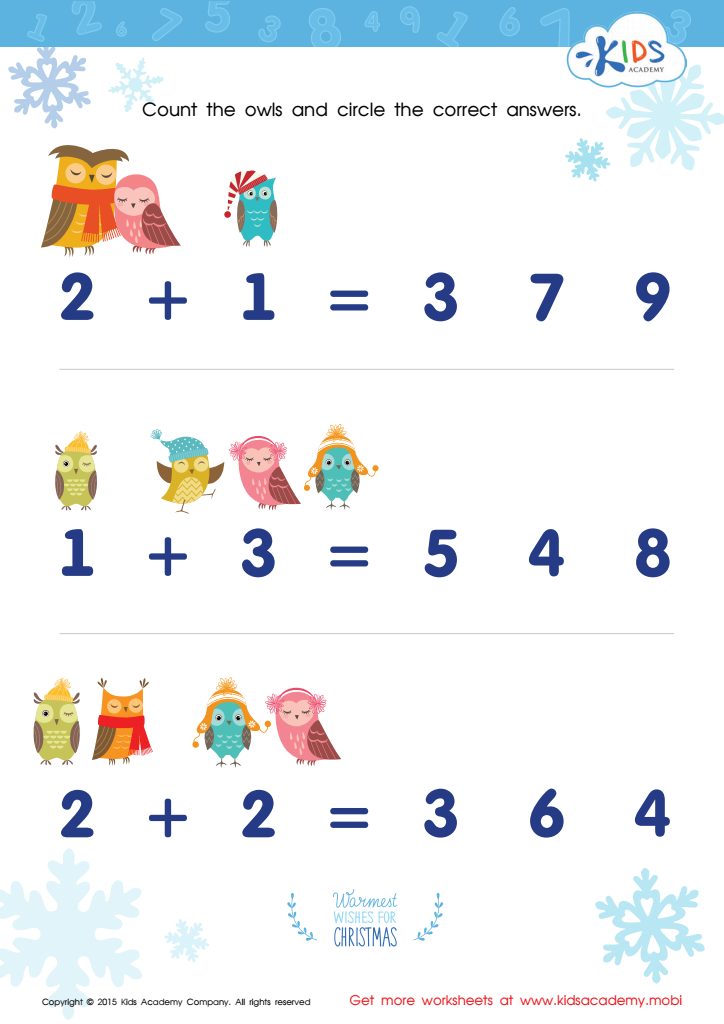
Count Little Owls Worksheet
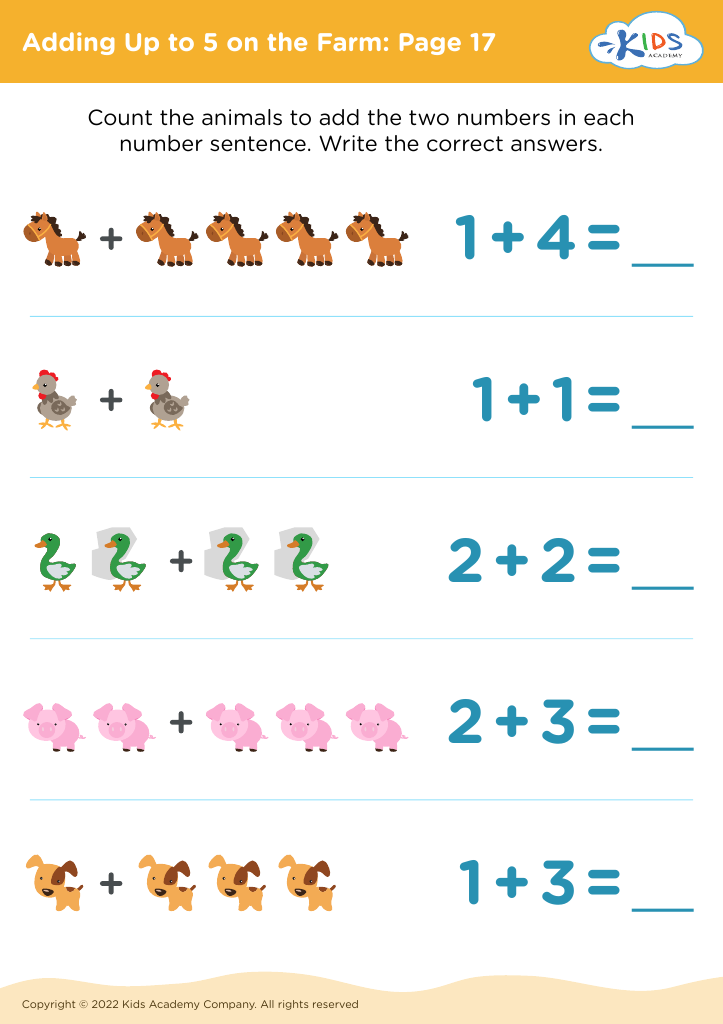
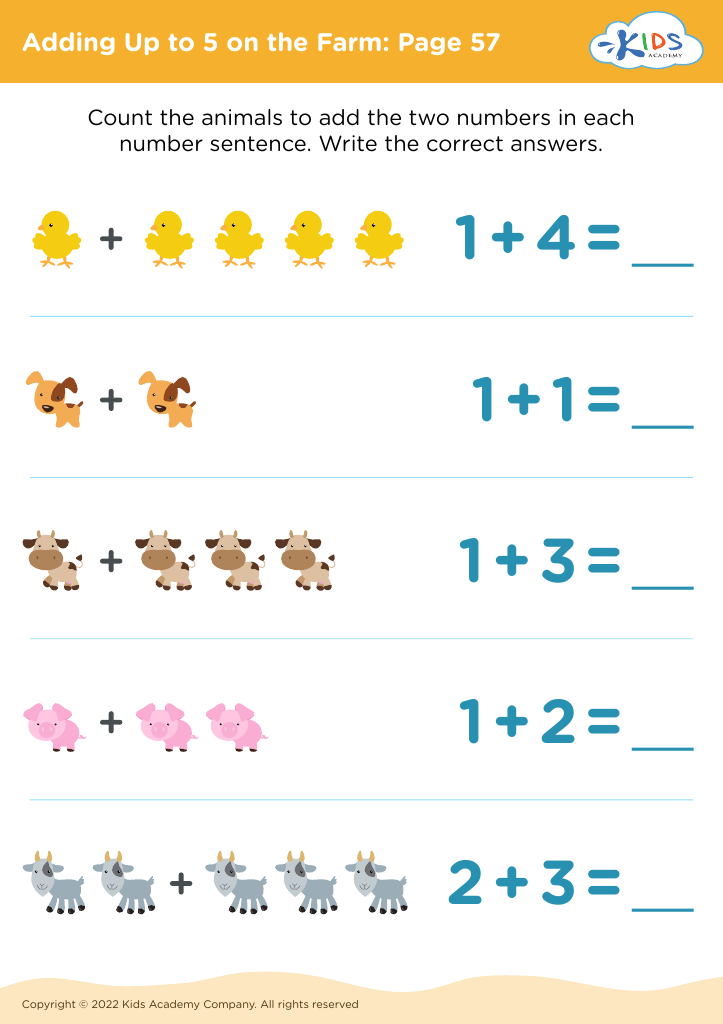
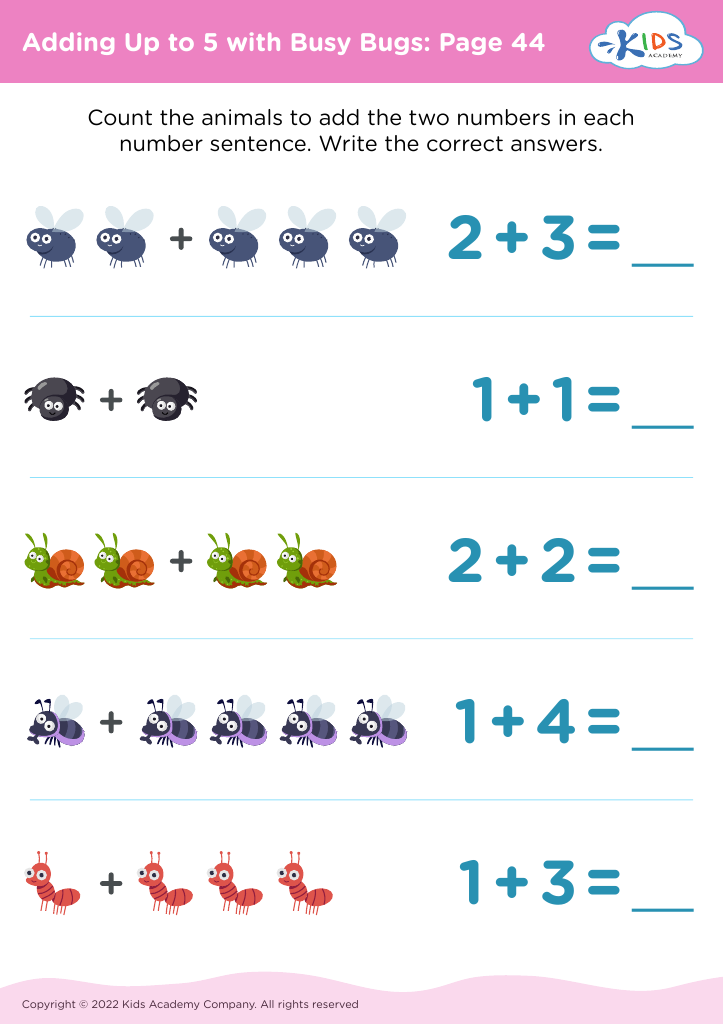
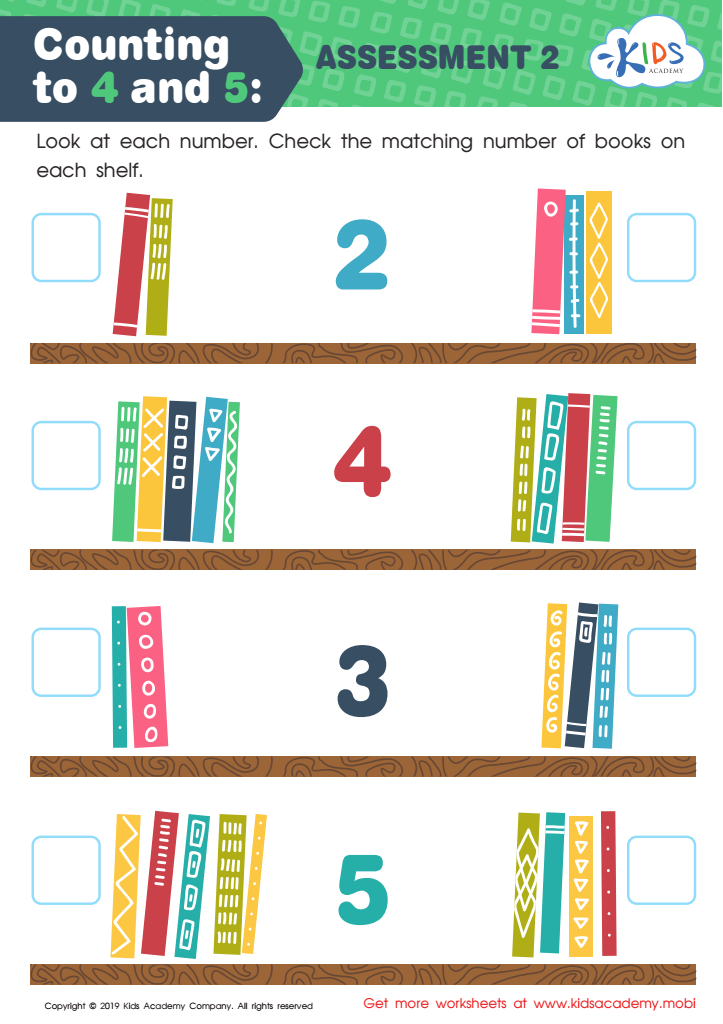
Counting to 4 and 5: Assessment 2 Worksheet
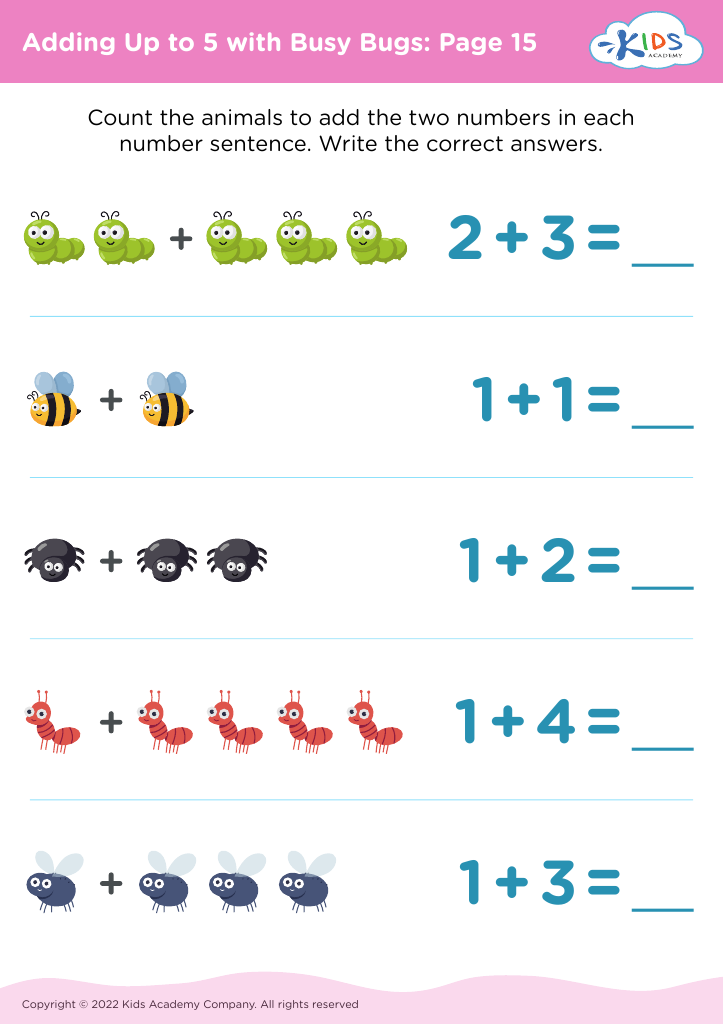








Understanding quantity in math is crucial for children ages 4-5 as it lays the foundation for their future mathematical learning and problem-solving abilities. At this age, children are naturally curious and eager to explore numbers and their meanings. By focusing on quantity, parents and teachers help young learners develop vital skills such as counting, comparing amounts, and recognizing numerical relationships.
Early comprehension of quantity supports not only math readiness but also enhances critical thinking skills. It enables children to make connections between numbers and the world around them, fostering a sense of confidence and competence in mathematics. This foundational knowledge encourages them to tackle more complex concepts later, such as addition and subtraction.
Moreover, nurturing an understanding of quantity through play and hands-on activities makes learning enjoyable and engaging. Parents and teachers can incorporate everyday experiences, such as cooking or shopping, to reinforce these concepts in practical settings.
In summary, prioritizing an understanding of quantity in early education equips children with essential skills, promotes a positive attitude toward math, and prepares them for academic success in their future educational journey. This early investment in their mathematical skills is key to building lifelong learners.








