Visual perception Math Worksheets for Ages 4-5 - Page 2
47 filtered results
-
From - To
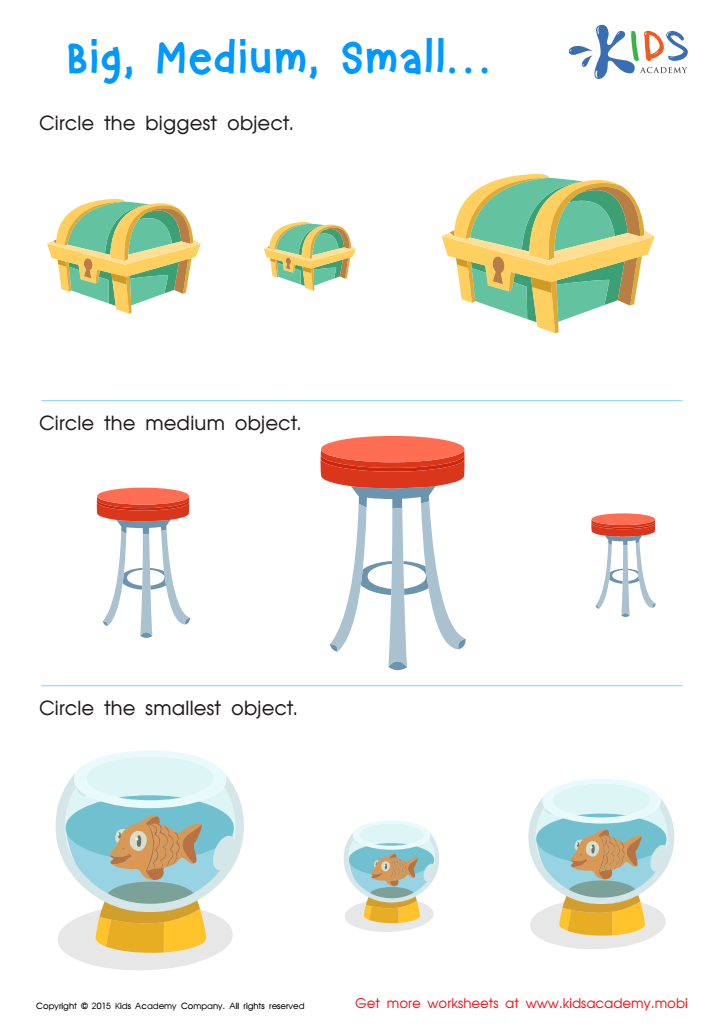
Big Medium Small Worksheet
 Assign to My Students
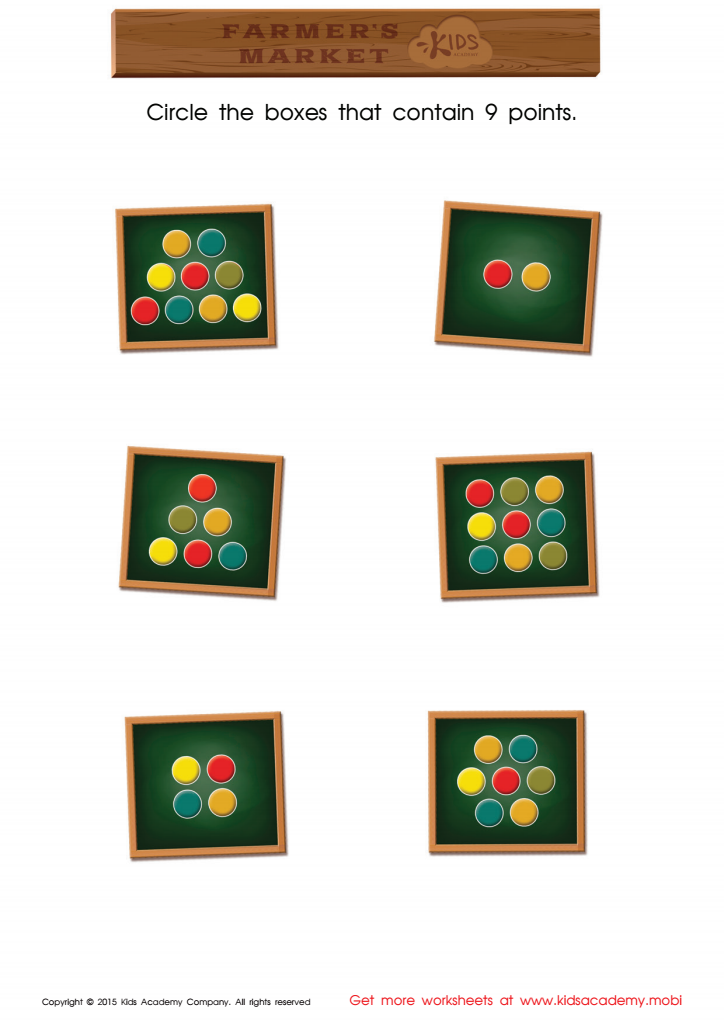
Count and Match Points 9 Math Worksheet
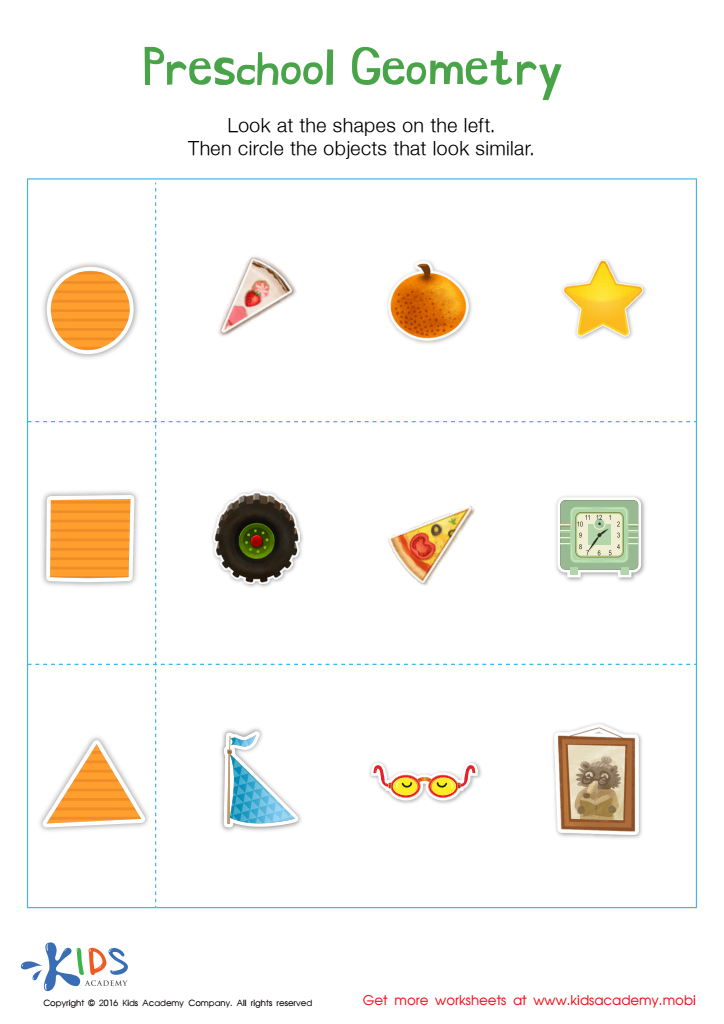
Preschool Geometry Match Up Worksheet
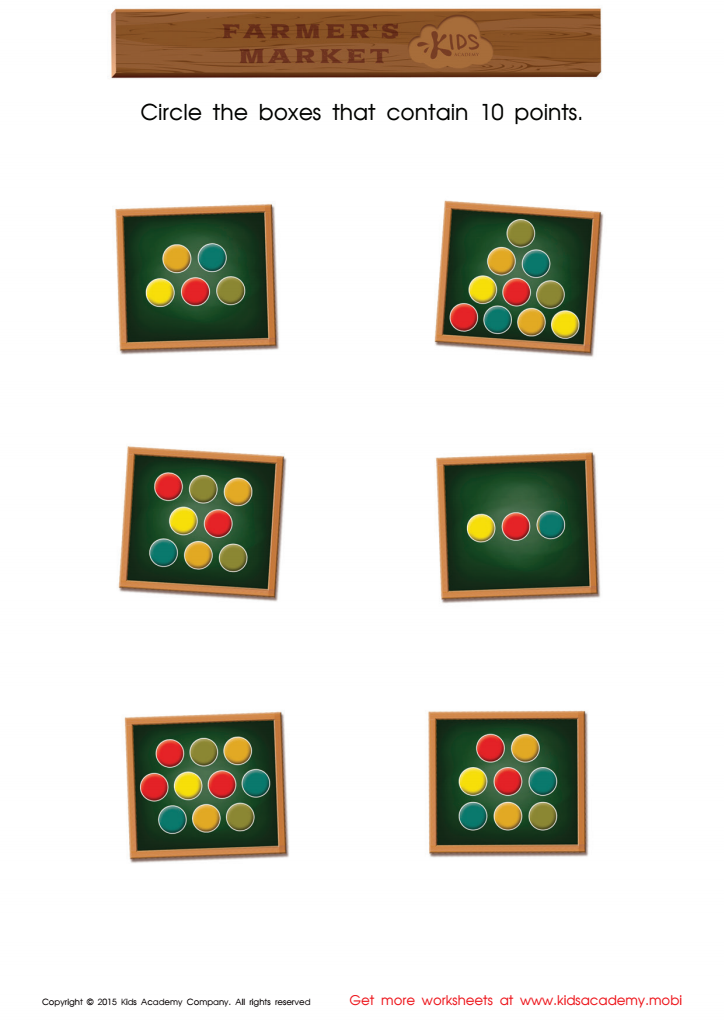
Count and Match Points 10 Math Worksheet
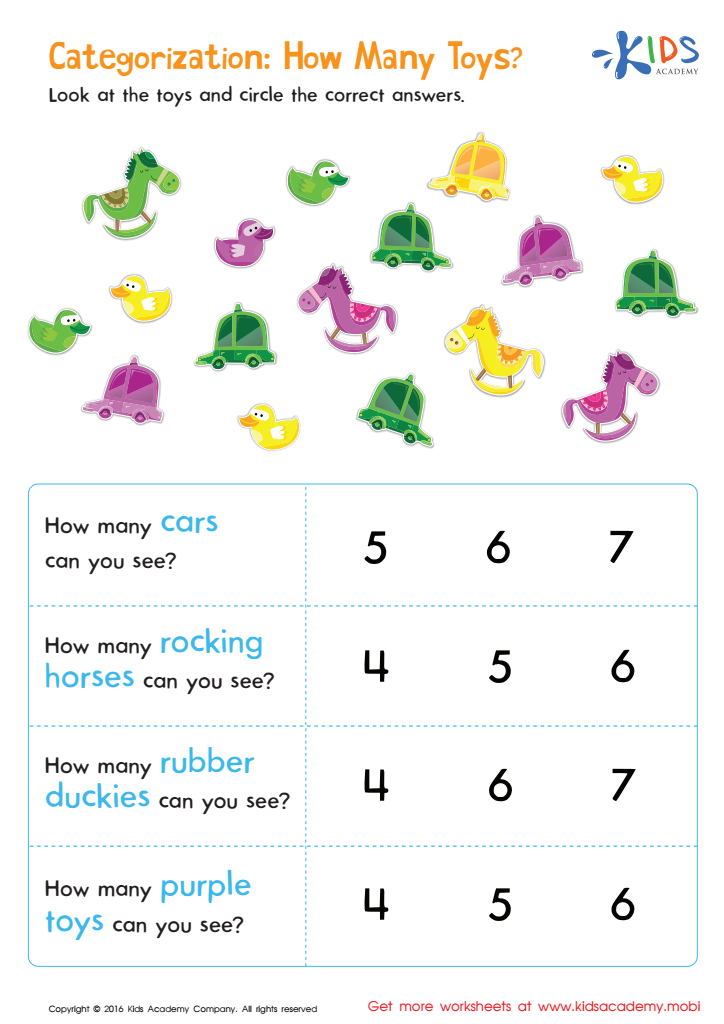
Classifying Toys by Type and Color Sorting Worksheet
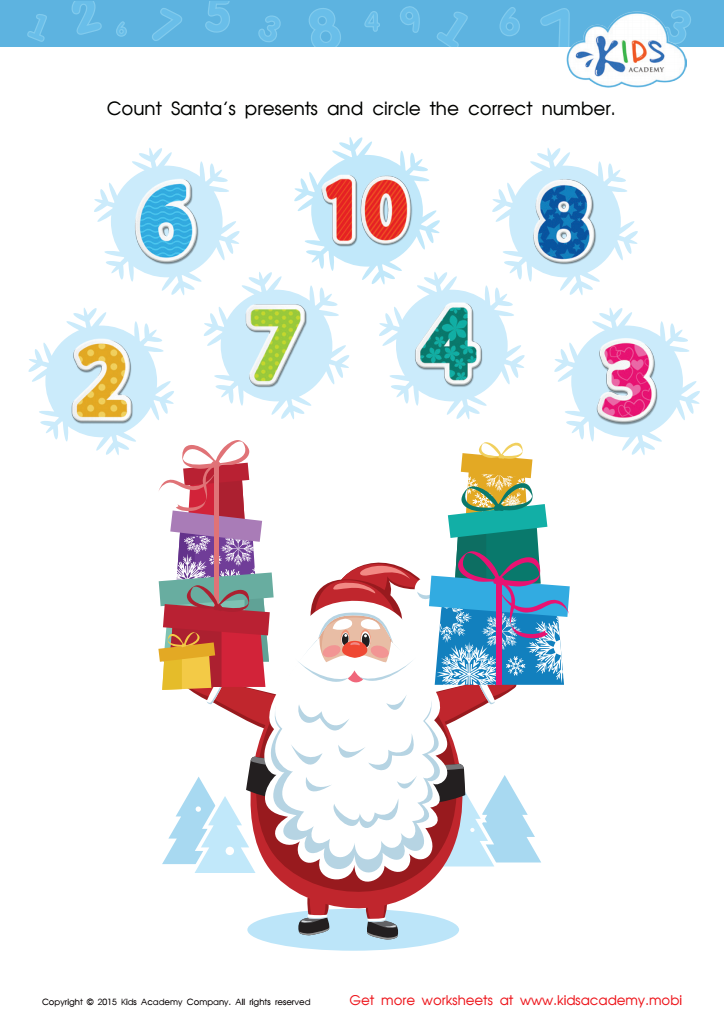
Count Santa's Presents Worksheet
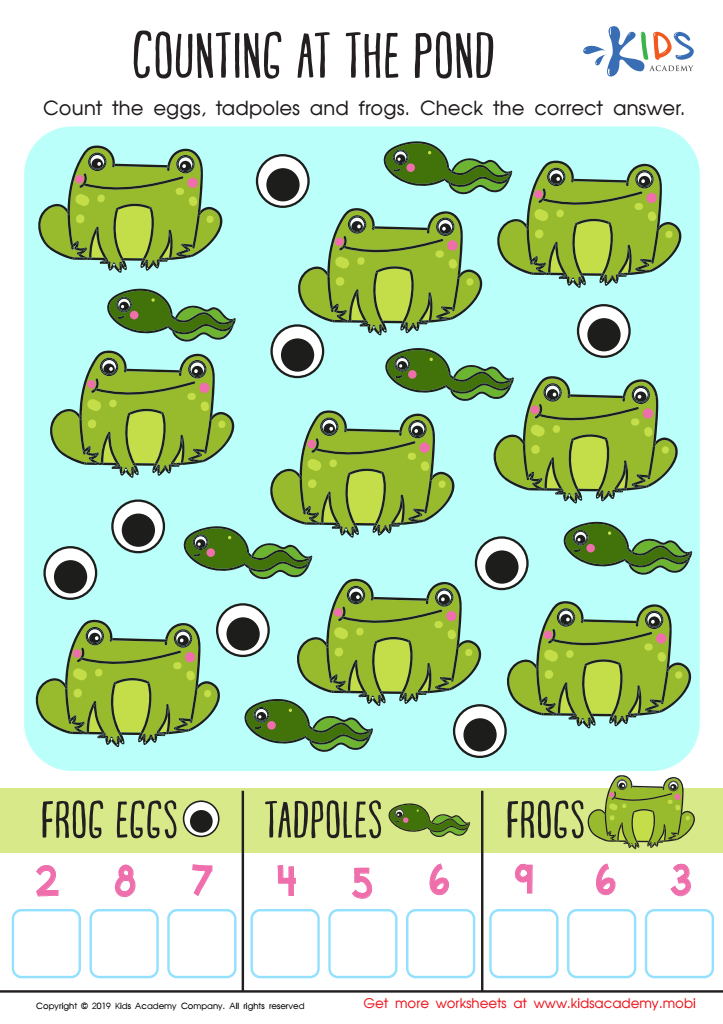
Counting at the Pond Worksheet
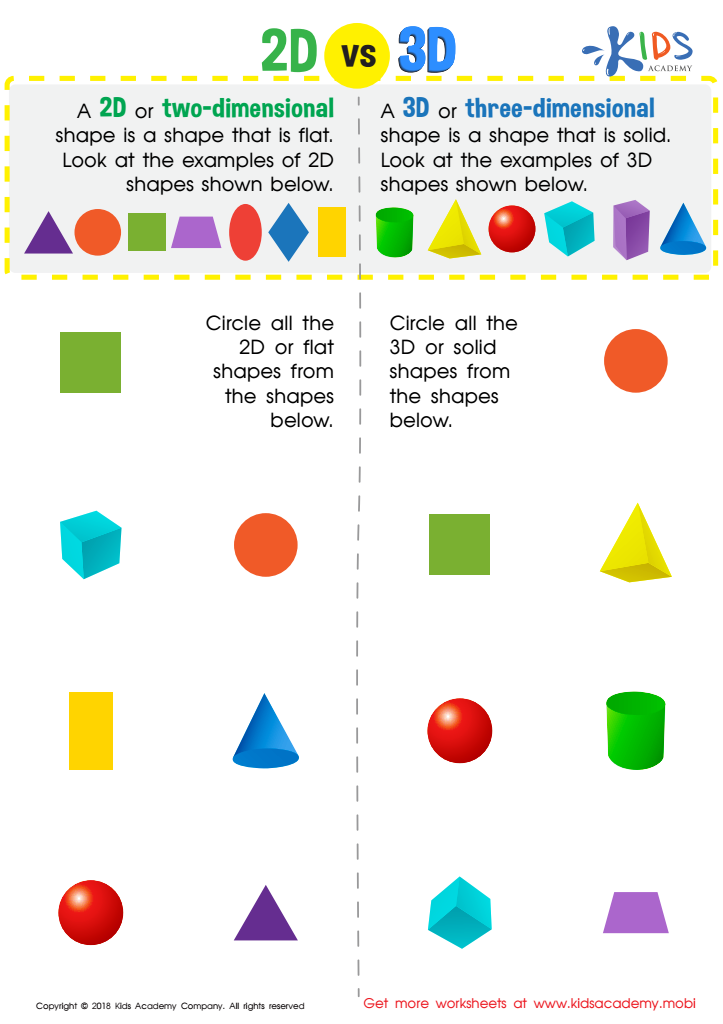
2D vs 3D Shapes Worksheet
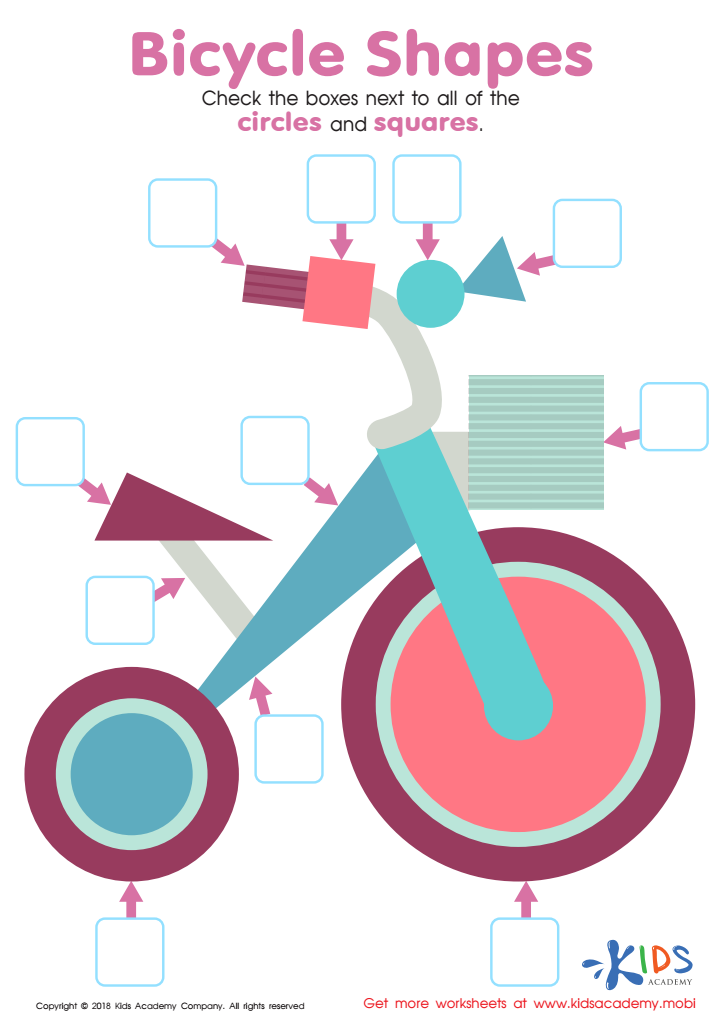
Bicycle Shapes Worksheet
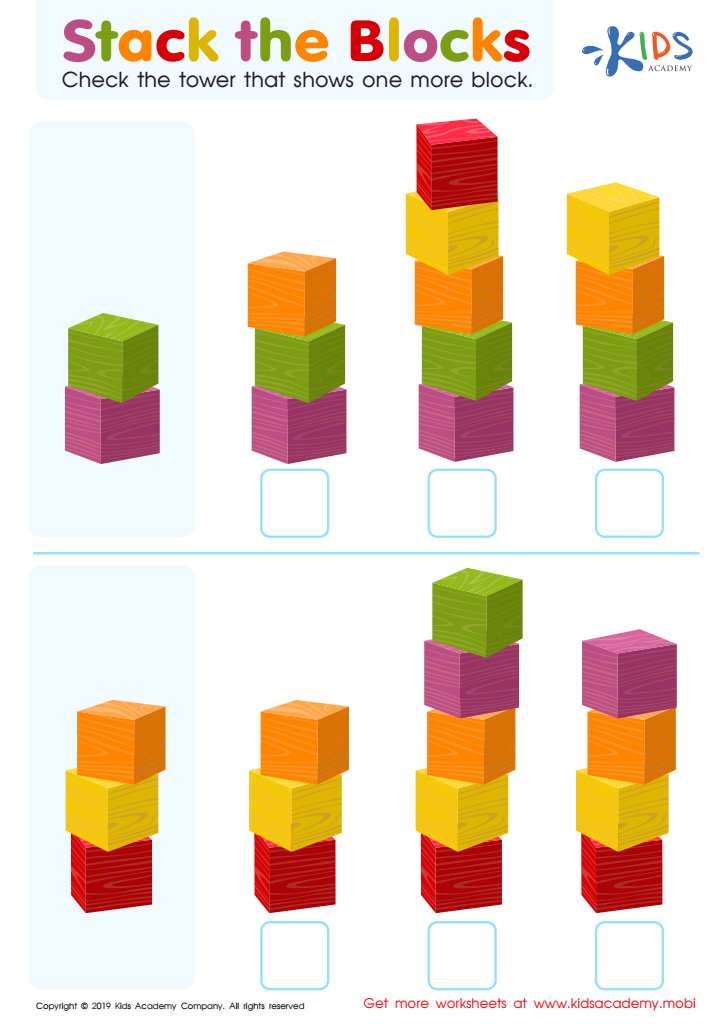
Stack the Blocks Worksheet
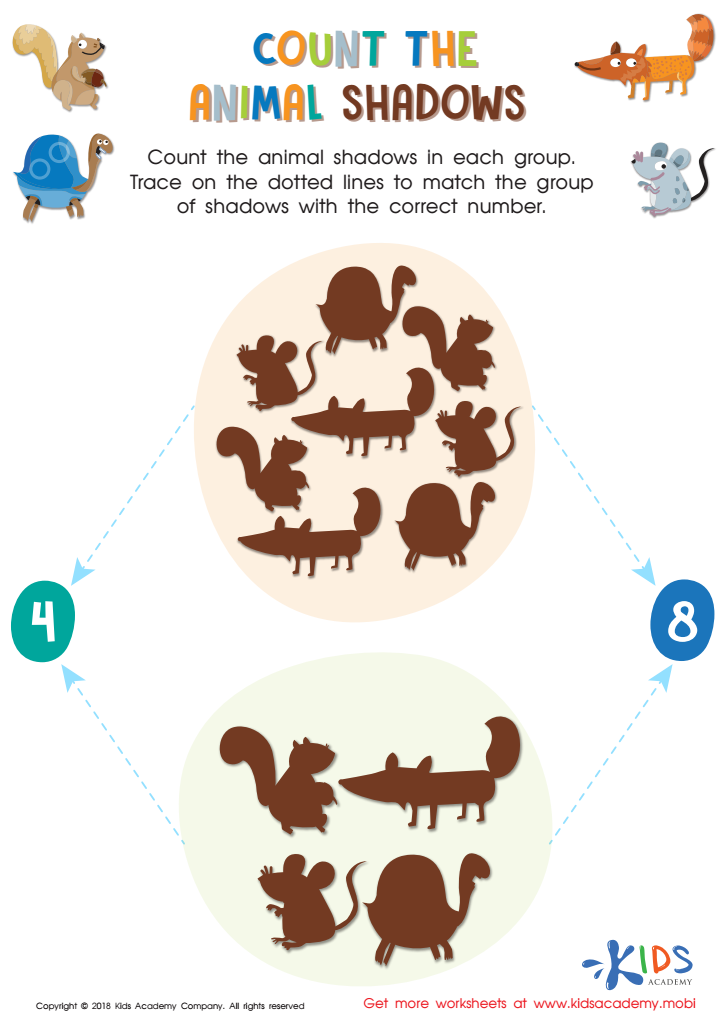
Count the Animal Shadows Worksheet
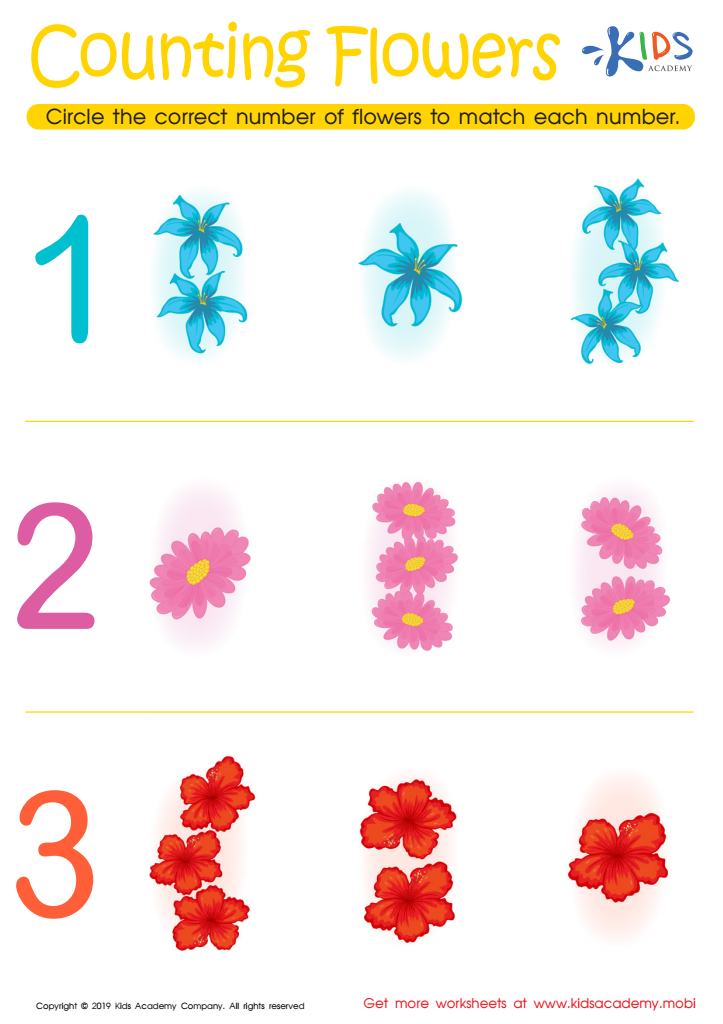
Counting Flowers Worksheet
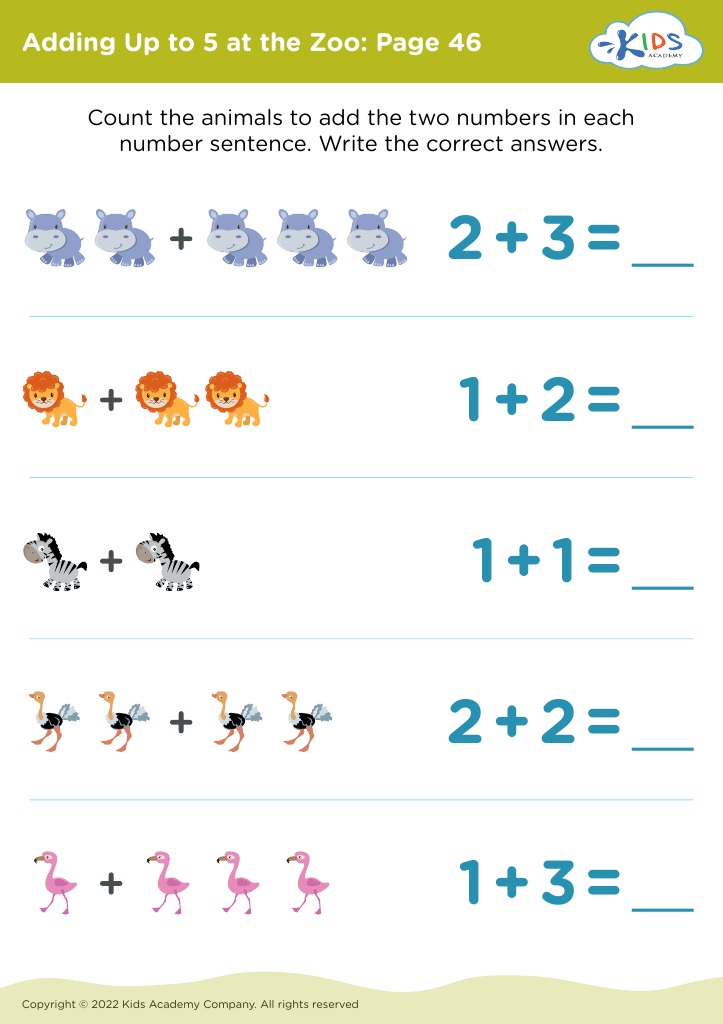
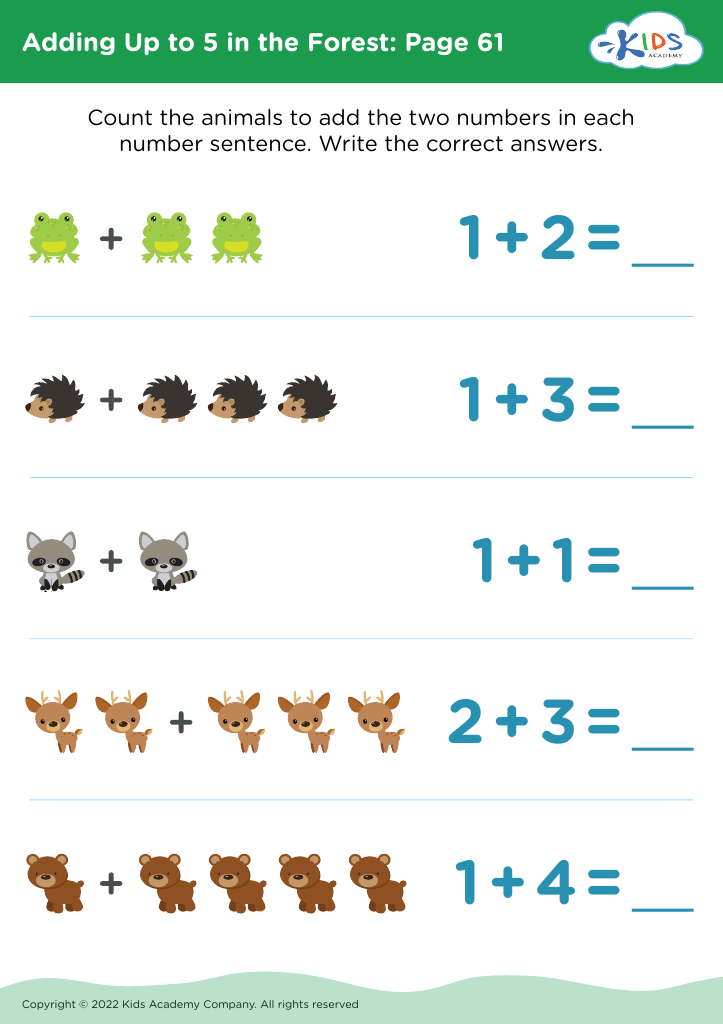
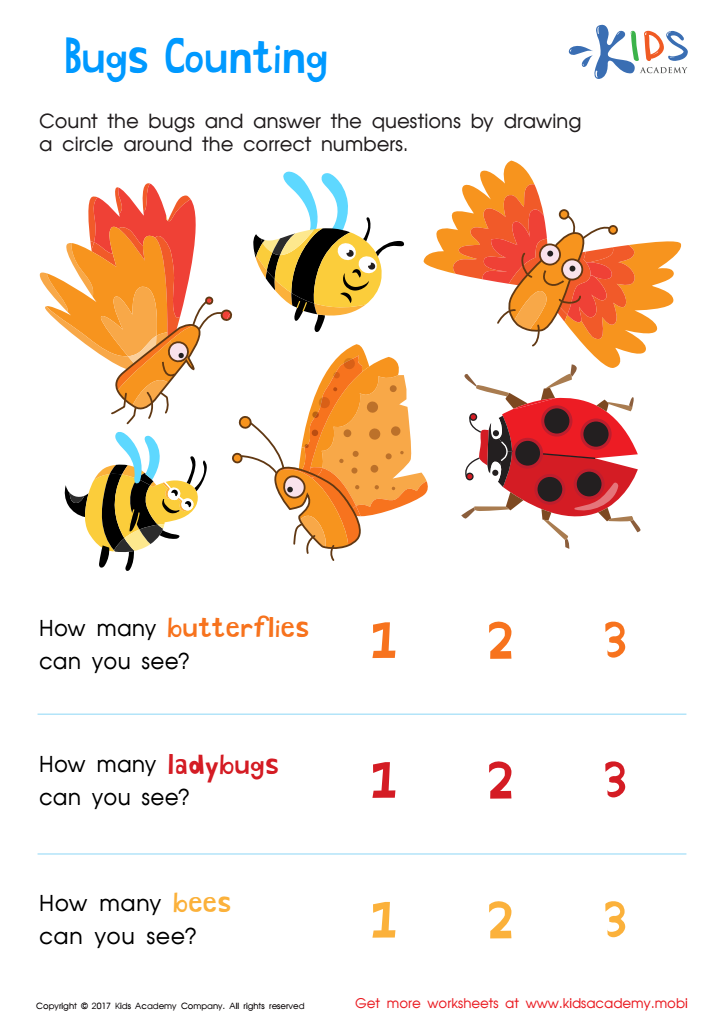
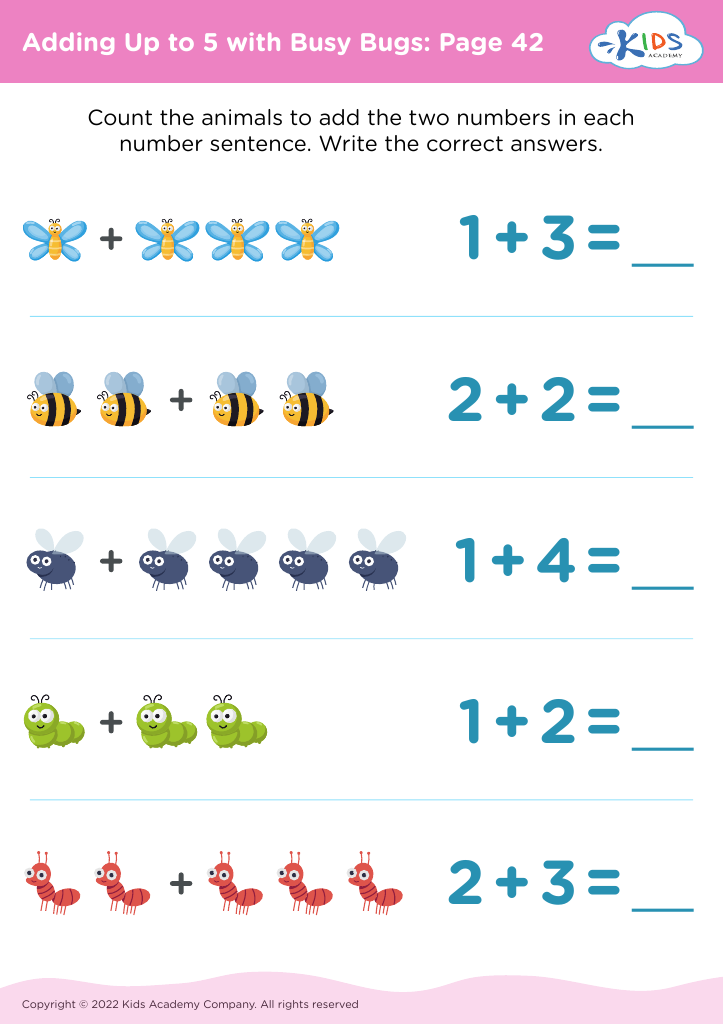
Bugs Counting Worksheet
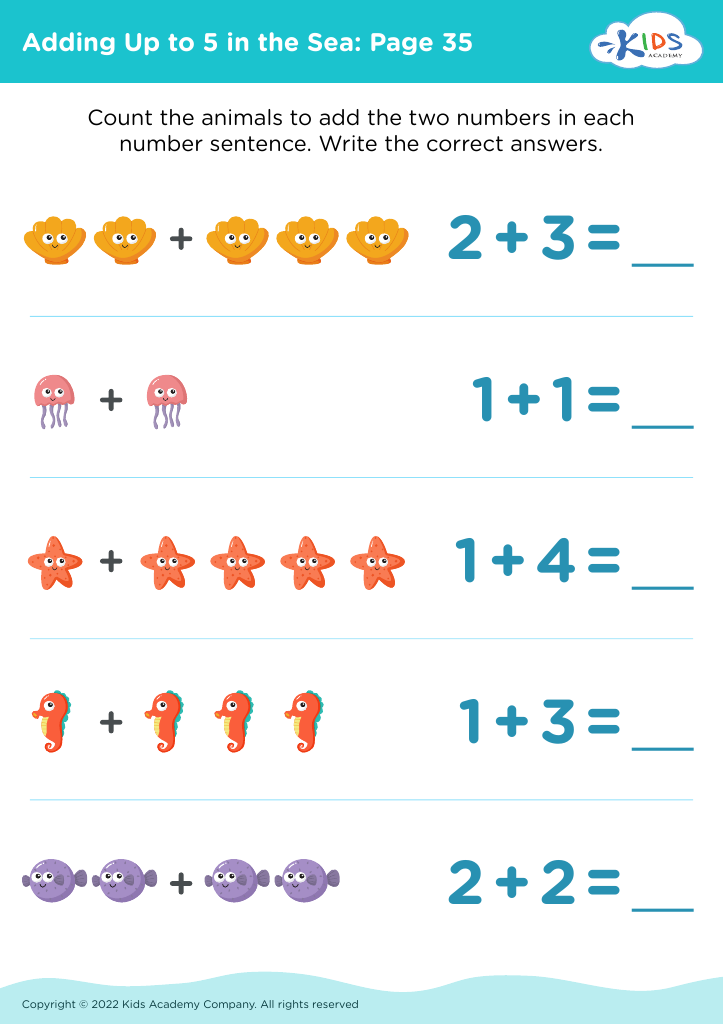
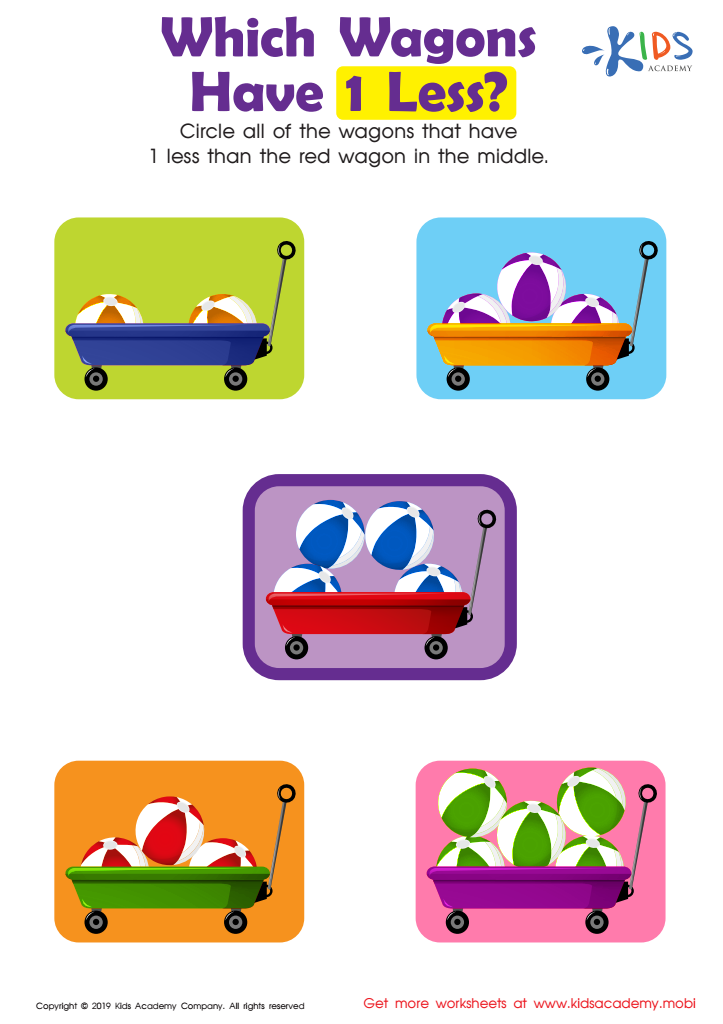
Which Wagons Have 1 Less? Worksheet
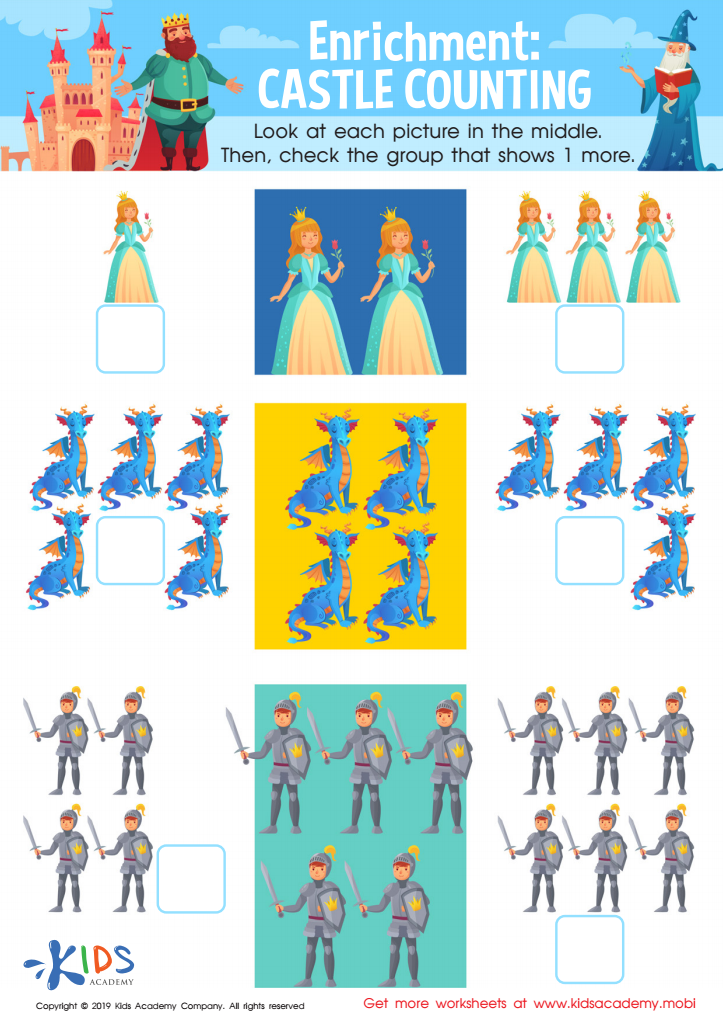
Enrichment: Castle Counting Worksheet

Count and Match Vegetables 1 – 5 Math Worksheet
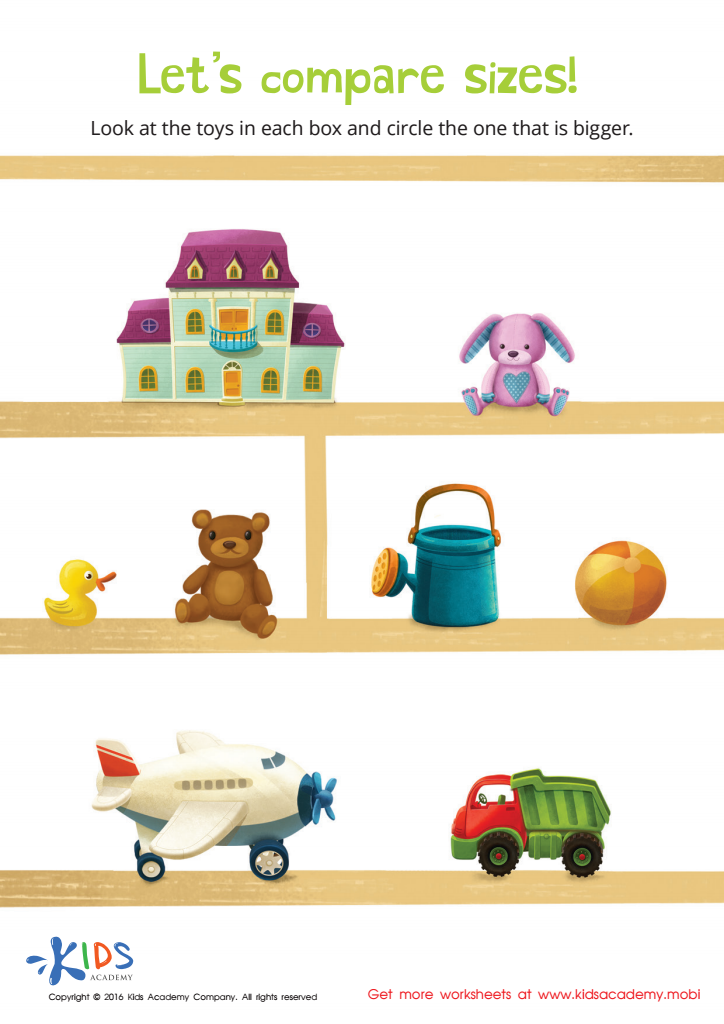
Classifying by Size Sorting Worksheet
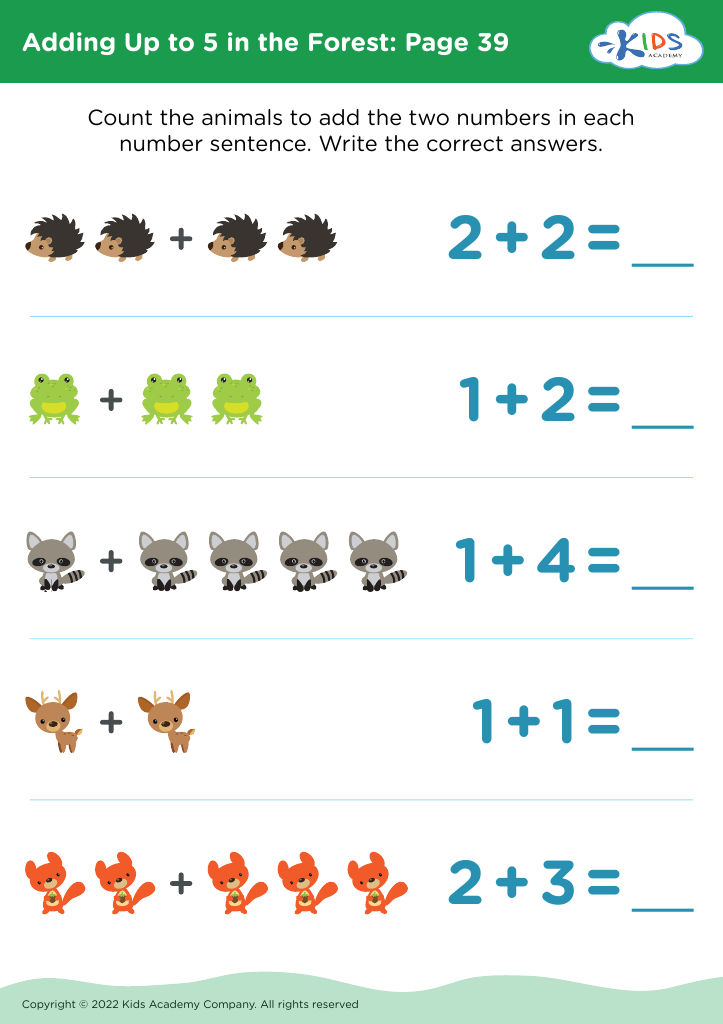








Visual perception is a crucial skill for young children, particularly in the realm of mathematics. For ages 4-5, visual perception involves the ability to interpret and understand visual information, which underpins many foundational math concepts. Parents and teachers should care about this skill because it influences children's ability to recognize patterns, shapes, sizes, and spatial relationships—all essential components of early math learning.
When children can accurately perceive visual information, they become more adept at counting, sorting objects, recognizing numbers, and eventually tackling basic arithmetic. Furthermore, strong visual perception skills help children develop problem-solving abilities since they can visualize and manipulate objects in their minds, enabling them to approach math tasks more effectively.
Additionally, fostering visual perception can promote confidence in young learners. When children succeed in identifying and manipulating visual elements, they are likely to feel more positive about math learning, laying a solid foundation for future academic success. Engaging in simple activities like puzzles, pattern recognition games, and shape sorting can enhance these skills, making math both enjoyable and accessible. Ultimately, by prioritizing visual perception in early education, parents and teachers can equip children with vital tools they will use throughout their educational journey.








