Filters

7 filtered results

Clear all filters
Favorites
With answer key
Interactive

7 filtered results

Difficulty Level

Grade


Discover our engaging Vocabulary Expansion Math Worksheets designed specifically for children aged 4-5! These worksheets blend math and language skills, helping young learners build their vocabulary while exploring basic mathematical concepts. Each activity is crafted to enhance word recognition, promote comprehension, and facilitate essential language development through fun and interactive exercises. Your child will love tracing numbers, identifying shapes, and solving simple problems, all while learning new words. Perfect for at-home learning or supplementary practice in the classroom, our printed resources offer a comprehensive approach to early education. Boost your child's confidence and love for learning today!

Check out this FREE Trial Lesson on Math for age 4-5!

Draw it Out and Write an Equation

Favorites
With answer key
Interactive
  • 4-5
  • Vocabulary expansion
  • Math
Geometric Shapes for Kids: Practice Drawing Hexahedrons And a Rhombus PDF

Practice Drawing Hexahedrons And a Rhombus Worksheet

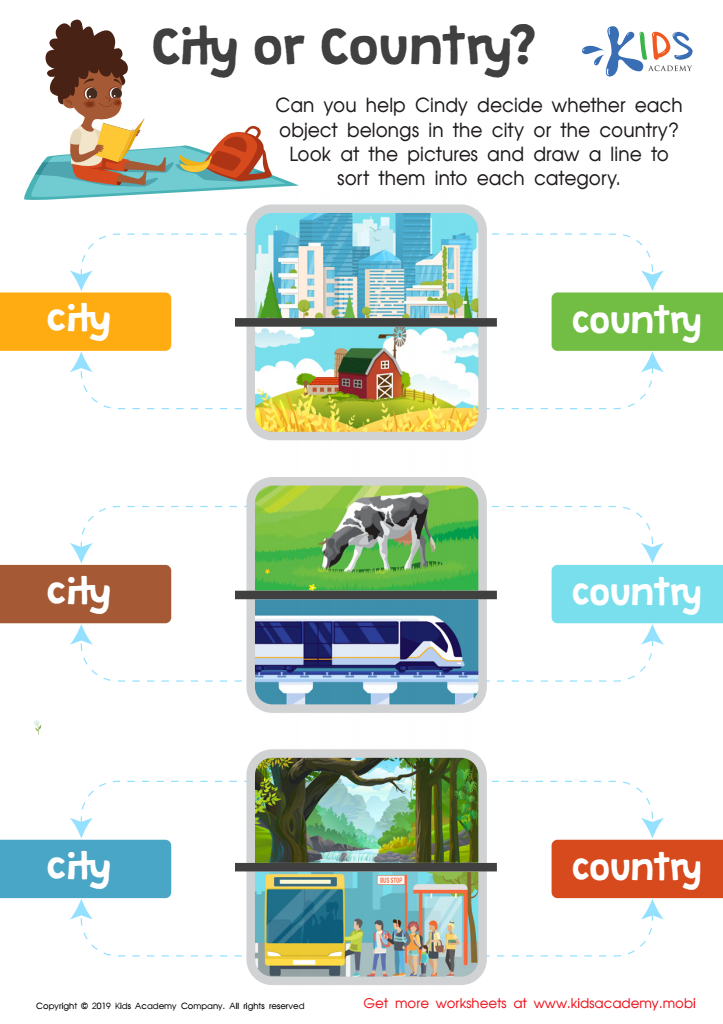
Trace the Robot's face, draw hexahedron and rhombus shapes, then trace again. Our tracing shapes worksheets make it easy for kids to learn geometry. Get more materials from Kids Academy to practice all the shapes.
Practice Drawing Hexahedrons And a Rhombus Worksheet
Worksheet
City or Country? Worksheet

City or Country? Worksheet

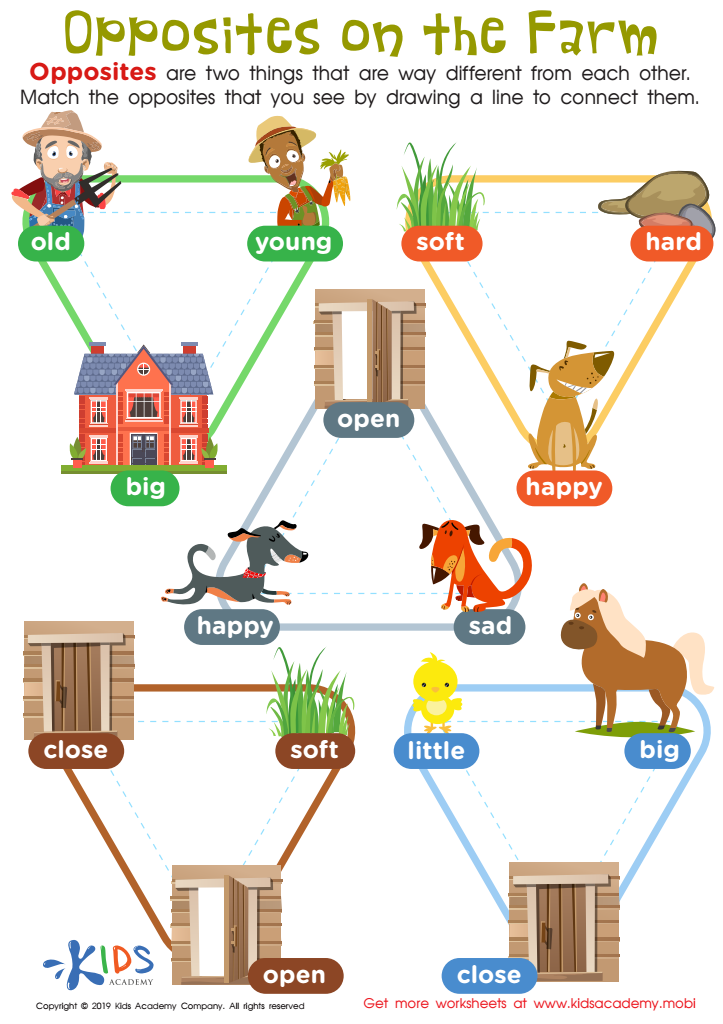
Whether city or country, both have distinct attributes. Cities have skyscrapers, public transport, and many business people, whereas the countryside is rural and full of nature, often farms. Download this PDF to help your child and Cindy use traced lines to decide which picture fits city or country.
City or Country? Worksheet
Worksheet
Opposites on the Farm Worksheet

Opposites on the Farm Worksheet

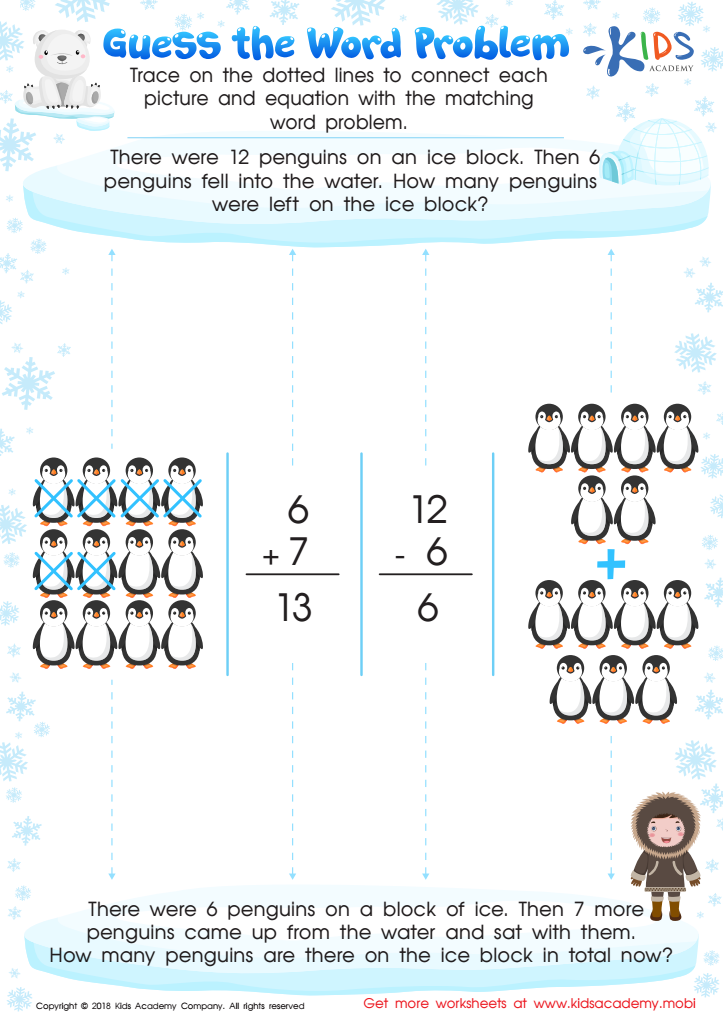
Teaching children the concept of opposites is important for their development. This worksheet offers a fun way to practice. Kids can use traceable lines to match farm imagery with pairs of opposites. It's a great way to help them compare and contrast, a key skill for reading, math, writing and more.
Opposites on the Farm Worksheet
Worksheet
Guess the Word Problem Worksheet

Guess the Word Problem Worksheet

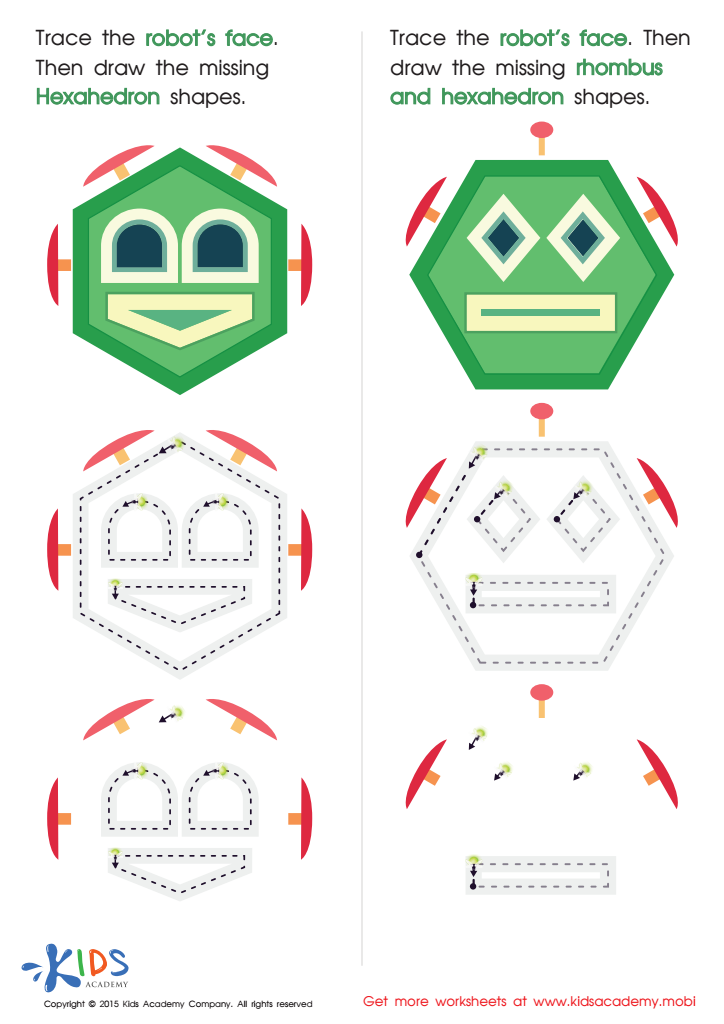
Head to the Arctic Circle for math word problems with penguins, bears, and eskimos! This winter printable worksheet helps kids enjoy math with cute images. Guide kids through addition and subtraction in standard form with the penguins. Compare word problems to its written and pictorial forms for an enjoyable lesson!
Guess the Word Problem Worksheet
Worksheet
Let's Look! Part 1 Worksheet

Let's Look! Part 1 Worksheet

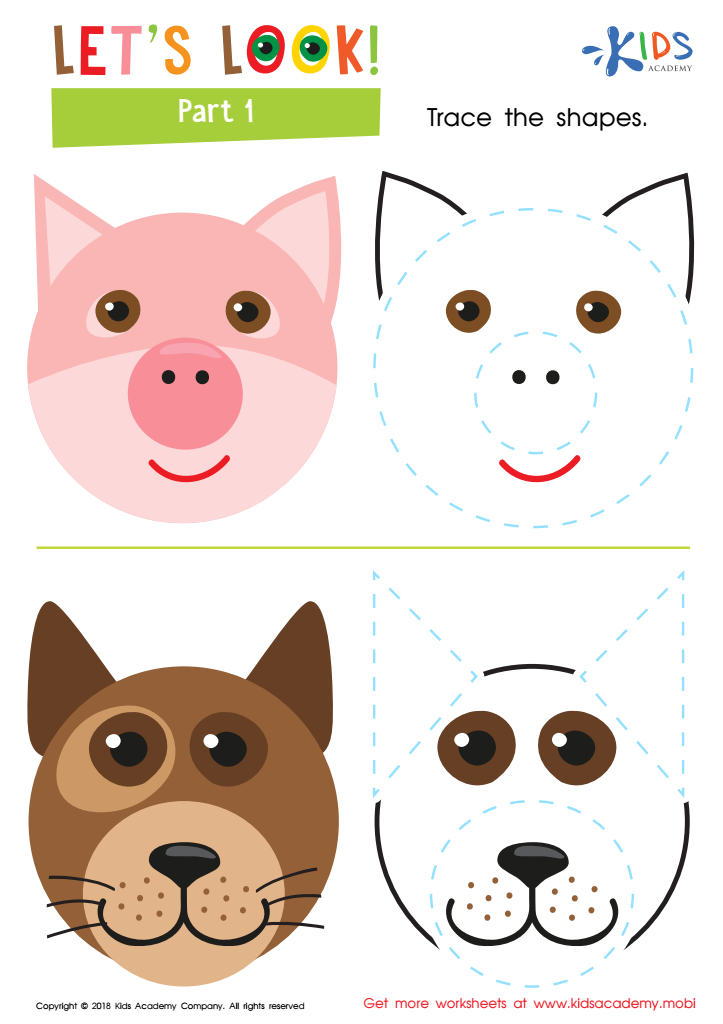
If your kids love animals or have a pet at home, they'll get a kick out of this tracing worksheet. It tests their ability to imitate shapes, starting with a pig and followed by a dog. Beside each of these pictures is a space for tracing the shapes. Unleash your child's creativity and see what they come up with!
Let's Look! Part 1 Worksheet
Worksheet
Transportation: Steps Worksheet

Transportation: Steps Worksheet

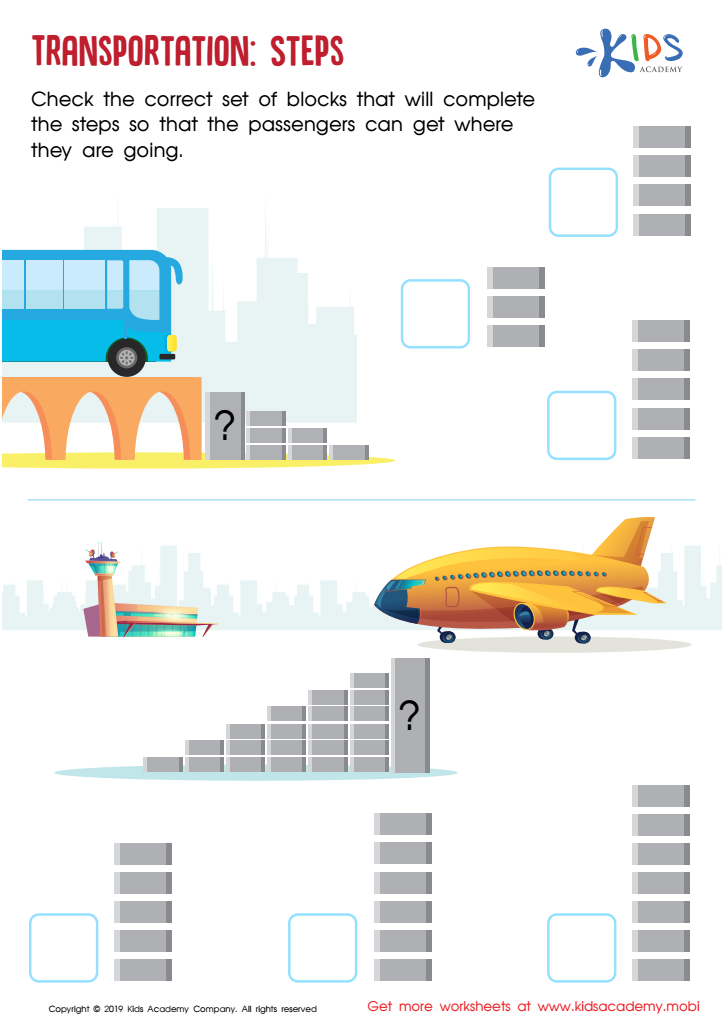
Trips are important to all - transportation and its modes have made travelling easier and quicker. Ask your kids to identify the transport in the picture then help them check the right blocks so passengers can reach their destination.
Transportation: Steps Worksheet
Worksheet
Groups in the Town Worksheet


Groups in the Town Worksheet

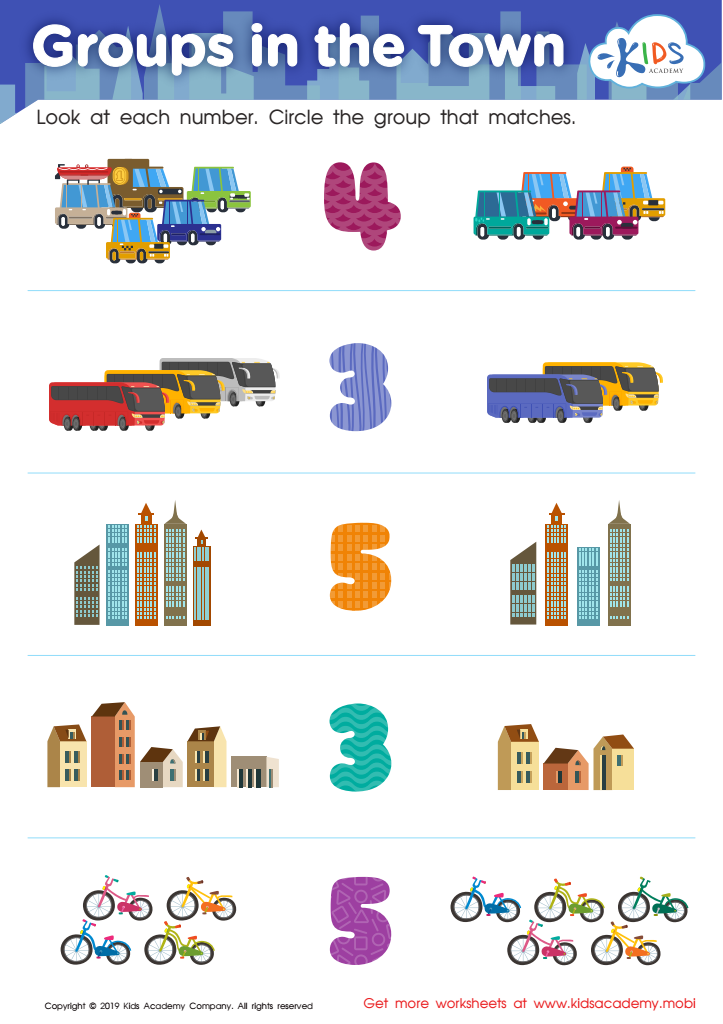
Help your kids learn to count with this worksheet! Look at each number of objects and circle the group that matches. This simple activity can give them extra practice to support what they learn in school. Learning doesn't have to be a struggle; make it fun and interactive with this worksheet.
Groups in the Town Worksheet
Worksheet


Vocabulary expansion in math for preschoolers (ages 4-5) is crucial for several reasons. At this developmental stage, children are naturally curious and eagerly explore their surroundings. Teaching mathematical vocabulary enhances their ability to articulate their thoughts, understand instructions, and engage in problem-solving activities. A rich math vocabulary fuels cognitive and linguistic development, enabling children to make connections between concepts, which lays a strong foundation for future learning.

Moreover, incorporating math vocabulary encourages the use of precise language, helping children express mathematical ideas confidently. Words like "add," "subtract," "more," "less," and "equal" become essential tools they can leverage in everyday encounters with numbers, fostering a positive attitude toward math as they grow.

Focusing on vocabulary in early math education also reinforces comprehension skills. As children begin to encounter more complex math operations and concepts in later grades, their foundational vocabulary will enable them to grasp these topics more readily.

Ultimately, engaging with math vocabulary enriches early learning experiences and builds enthusiasm for academic exploration. By prioritizing vocabulary expansion, parents and teachers contribute significantly to a child's overall educational journey, aiding not only in math success but in fostering a lifelong love for learning.