Vocabulary enhancement Reading Comprehension Worksheets for Ages 4-5
14 filtered results
-
From - To
Boost your child's language skills with our engaging Vocabulary Enhancement Reading Comprehension Worksheets for ages 4-5. Designed to spark curiosity and build foundational reading abilities, these worksheets introduce young learners to new words, helping them expand their vocabulary while fostering improved comprehension. Fun and interactive activities keep kids captivated as they explore colorful illustrations and relatable stories. Each worksheet is expertly crafted to suit preschool and kindergarten learning, ensuring a perfect balance between challenge and enjoyment. Watch your child gain confidence and develop a love for reading with our essential vocabulary-building resources. Discover more now on Kids Academy!
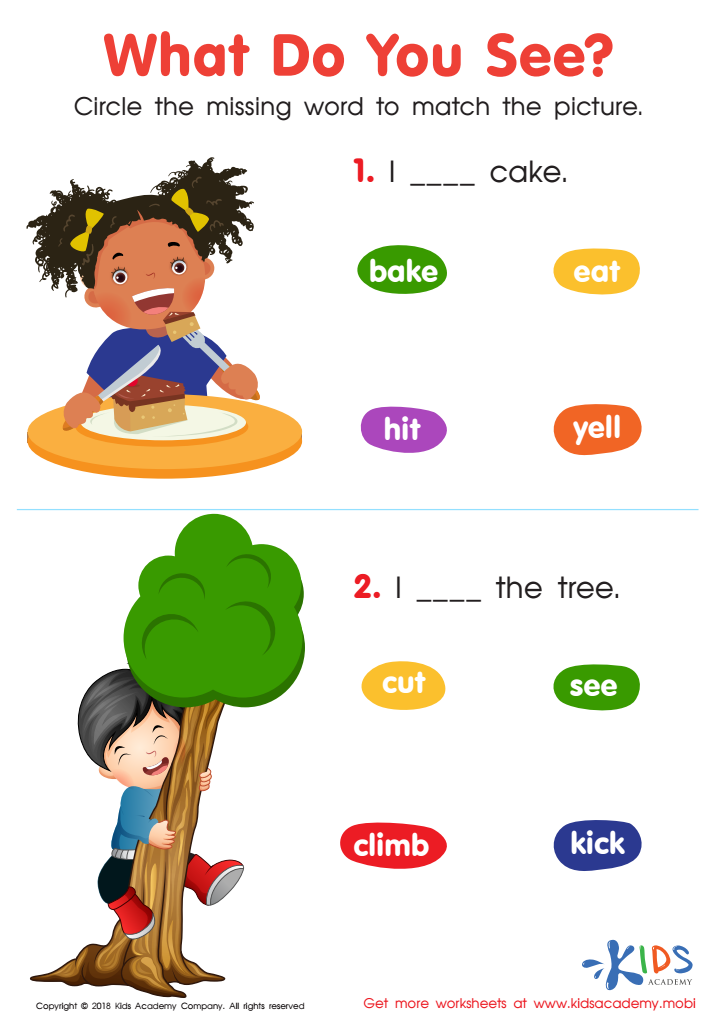
What Do You See? Reading Worksheet
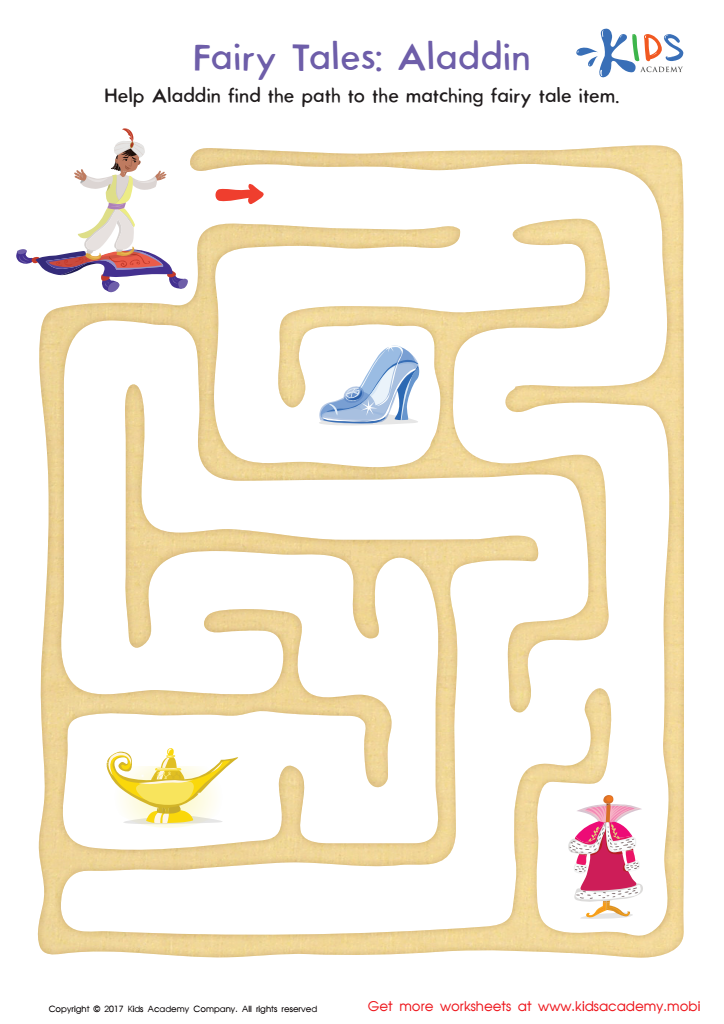
Fairy Tales Aladdin Printable
Folktales Printable PDF Worksheet: The 3 Little Pigs
 Assign to My Students
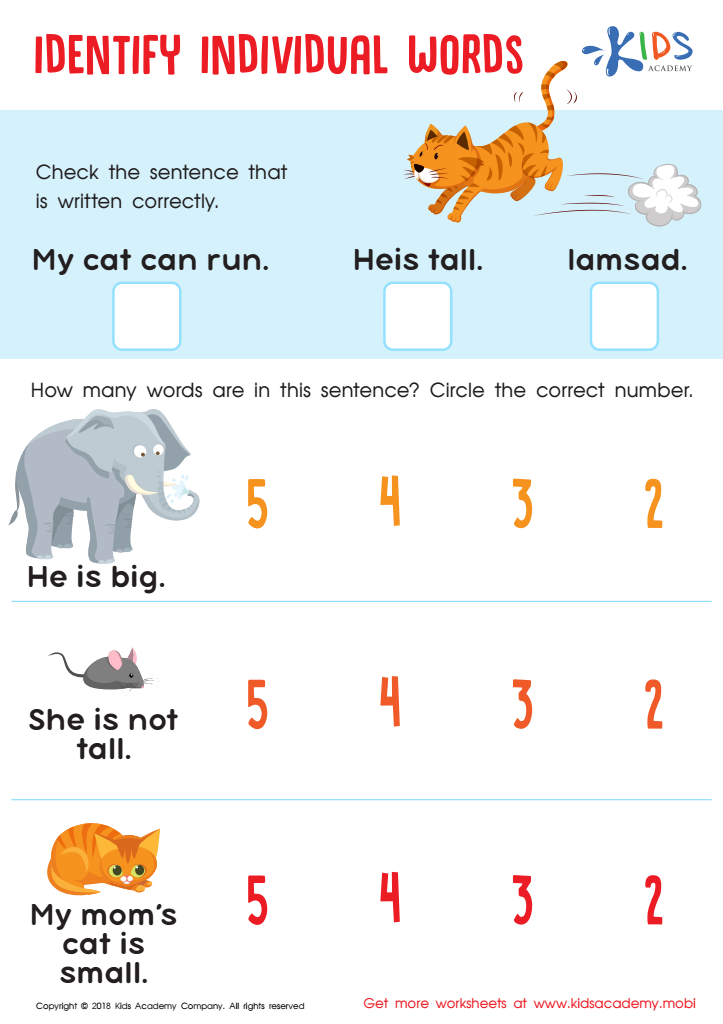
Identify Individual Words Worksheet
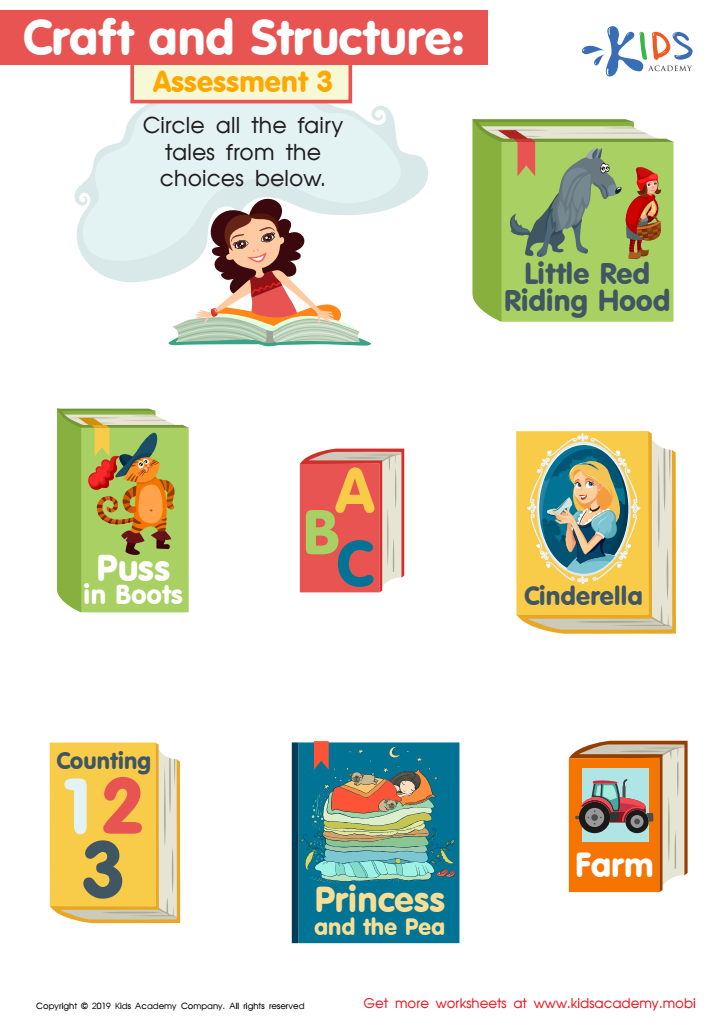
Craft and Structure: Assessment 3 Worksheet
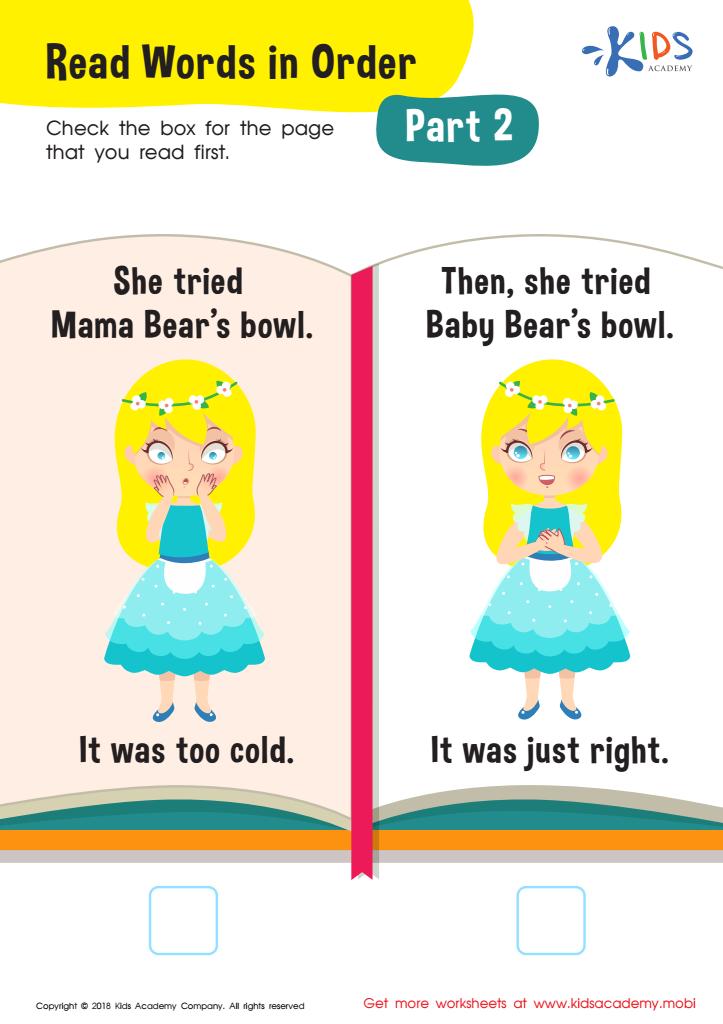
Read Words Order Part 2 Worksheet
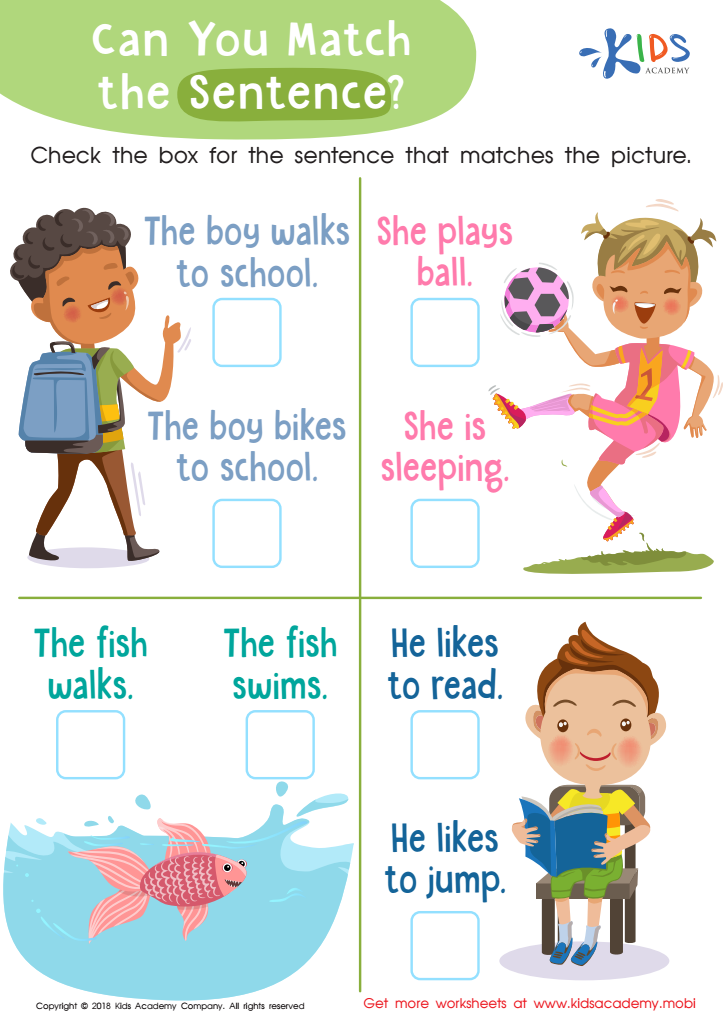
Can You Match the Sentence? Worksheet
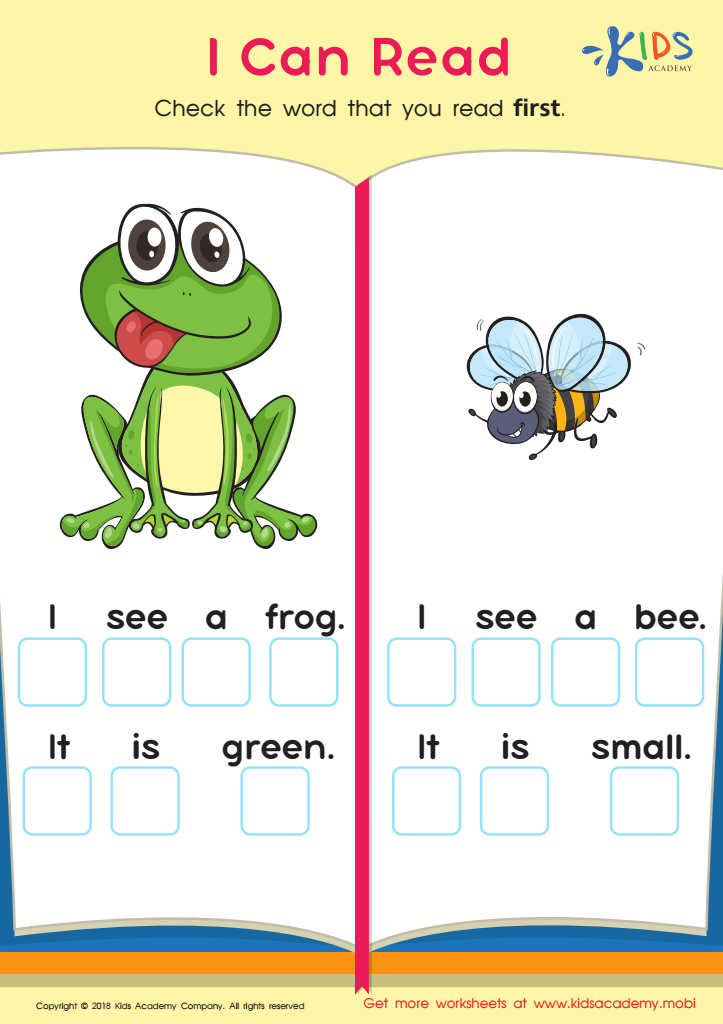
I Can Read Worksheet
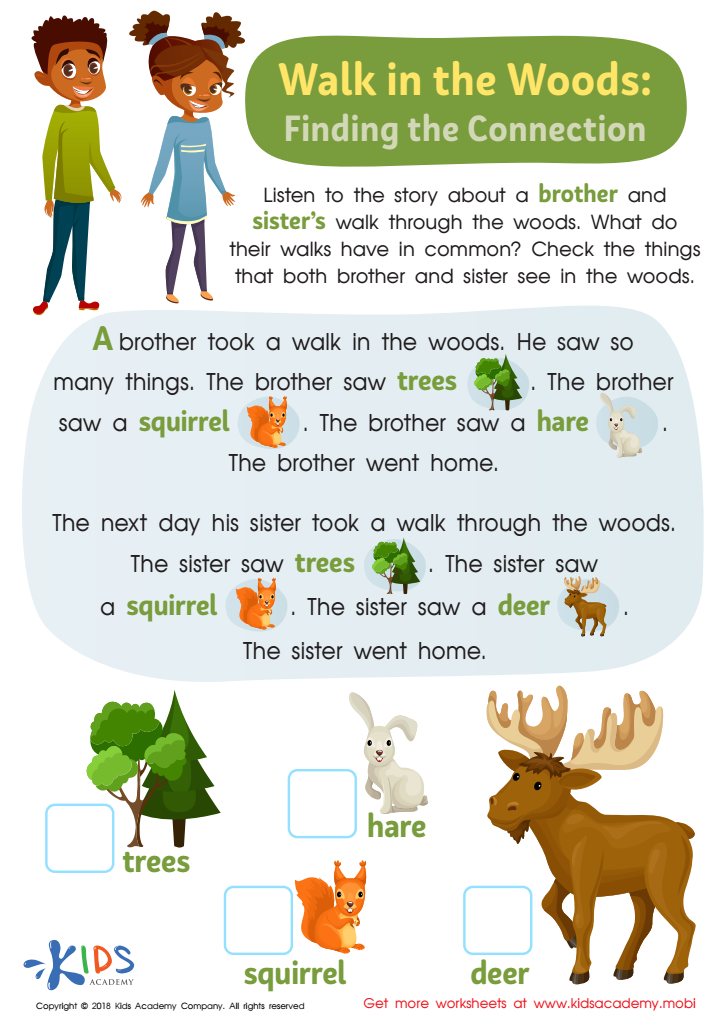
Walk In the Woods: Finding Connections Worksheet
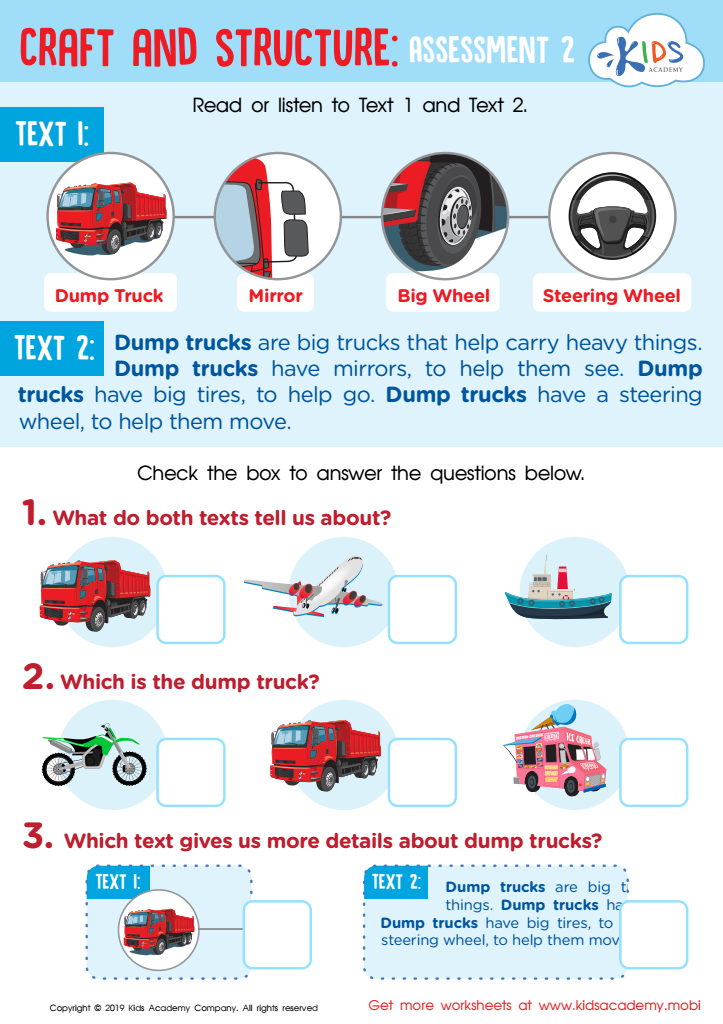
Craft and Structure: Assessment 2 Worksheet
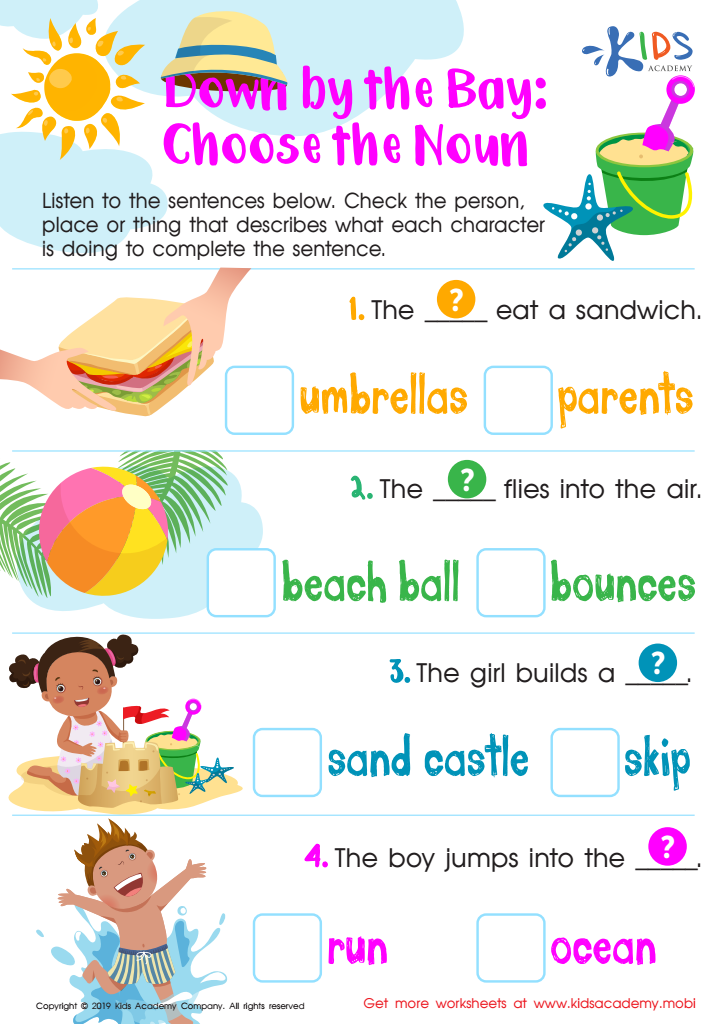
Down by the Bay: Choose the Noun Worksheet
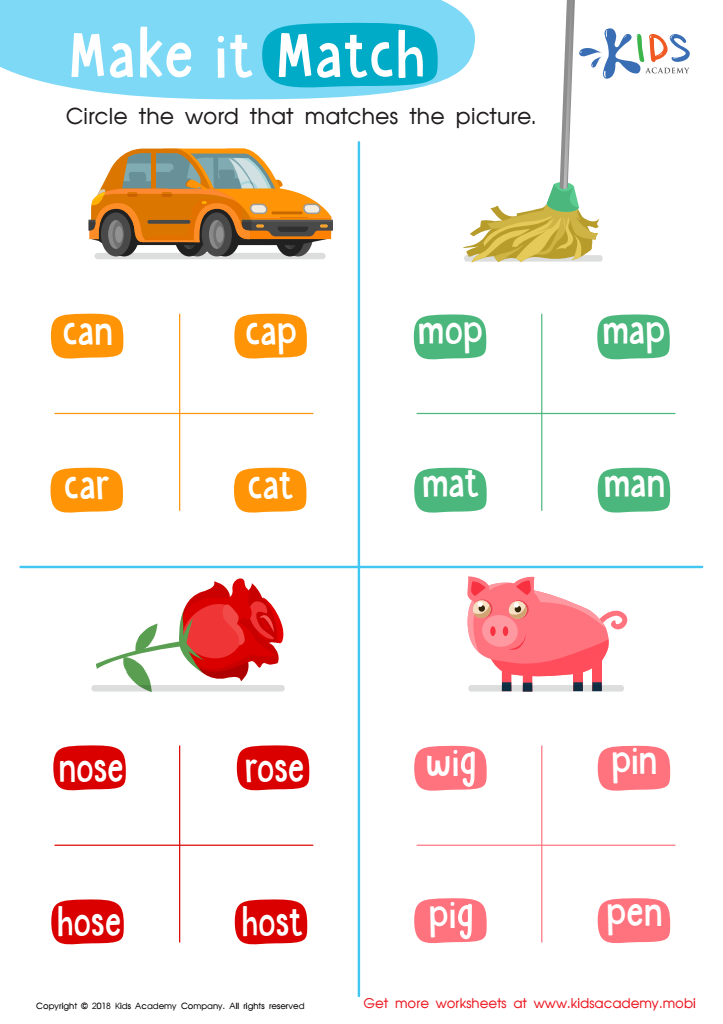
Make It Match Worksheet
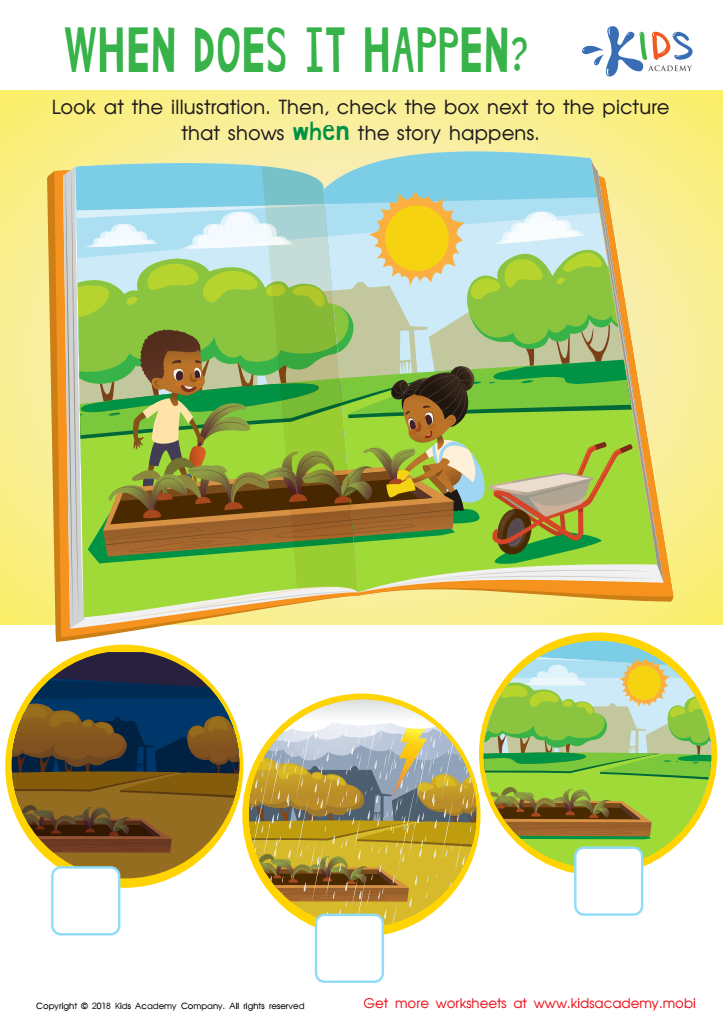
When Does It Happen? Worksheet
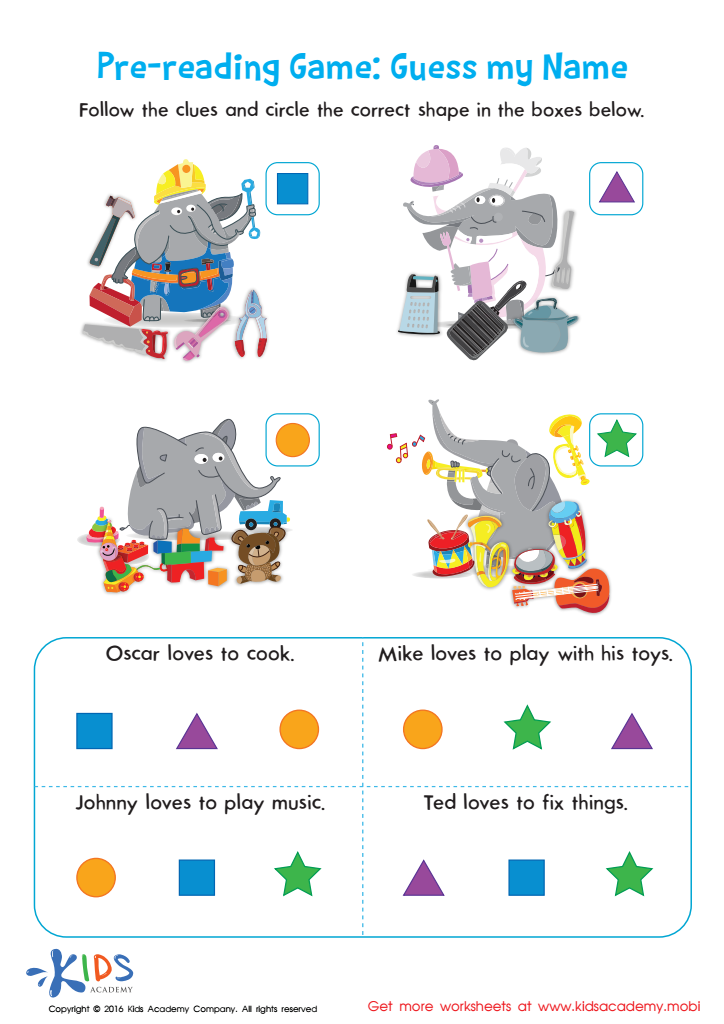
Pre Reading Worksheet Guess My Name







Understanding vocabulary and improving reading comprehension for children ages 4-5 are pivotal to their early cognitive development and future academic success. At this critical stage, young brains are highly receptive to absorbing language and new words, laying the foundation for advanced literacy skills. Children with a robust vocabulary are better equipped to understand stories and instructions, fostering independent learning and critical thinking.
Early vocabulary growth not only benefits reading comprehension but also greatly impacts a child’s ability to express thoughts, needs, and emotions clearly. By strengthening their vocabulary, children can become more engaged in conversations, thereby developing stronger social relationships and emotional intelligence. When parents and teachers actively promote vocabulary enhancement, they open the door for richer interactions and more meaningful engagement in educational activities.
Moreover, research indicates that children with stronger early vocabulary skills perform better in school across various subjects, not just language arts. This foundational skill truly propels overall academic achievement, making it a valuable focus area for educators and caregivers. Therefore, consistent and engaging efforts in vocabulary building—even simple everyday conversations or reading picture books together—set the stage for a lifetime of learning and curiosity. For ages 4-5, these practices establish not just immediate understanding, but also long-term educational and social advantages.








