
Animal identification Science Worksheets for Ages 4-5
4 filtered results
Difficulty Level
Grade
Age
-
From - To
Subject
Activity
Standards
Discover our engaging Animal Identification Science Worksheets designed for ages 4-5! These interactive resources help young learners explore the diverse world of animals while building essential identification skills. Each worksheet features vibrant images and simple activities that encourage children to label, match, and classify different animals. Ideal for fostering curiosity about nature, our worksheets support early science education within a fun and approachable framework. Whether at home or in the classroom, these printables promote hands-on learning and enhance critical thinking. Embrace the joy of discovering wildlife and support your child's educational journey with our thoughtfully crafted worksheets!
Favorites
With answer key
Interactive
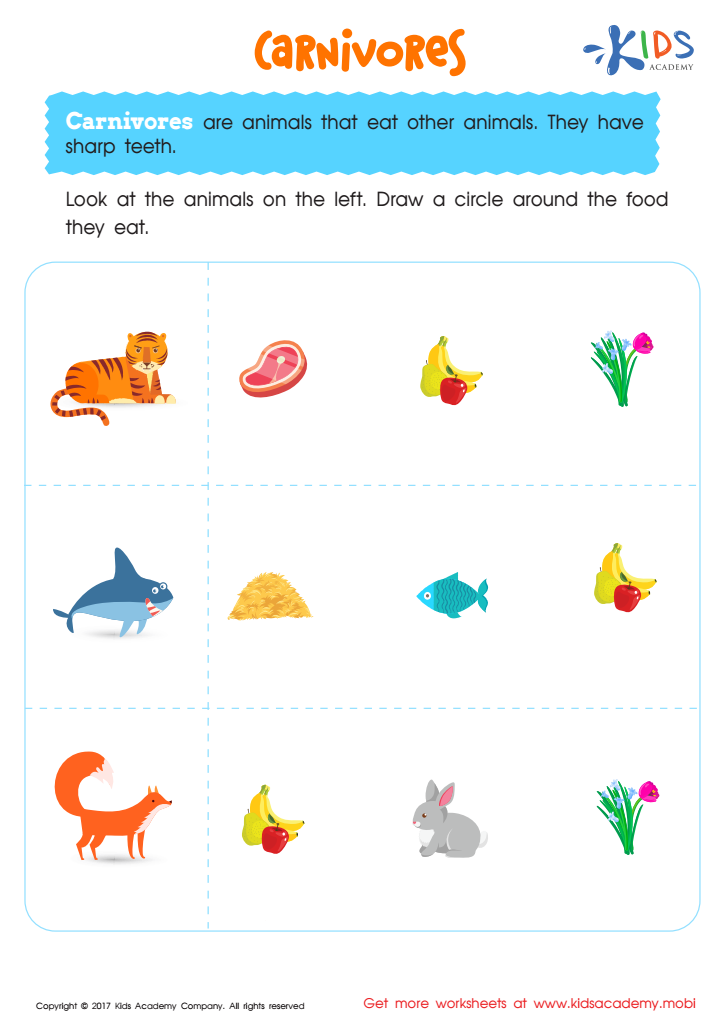
Carnivores Worksheet
Boost their vocabulary and help them explore the incredible world of carnivores.
 Assign to My Students
Carnivores Worksheet
Worksheet
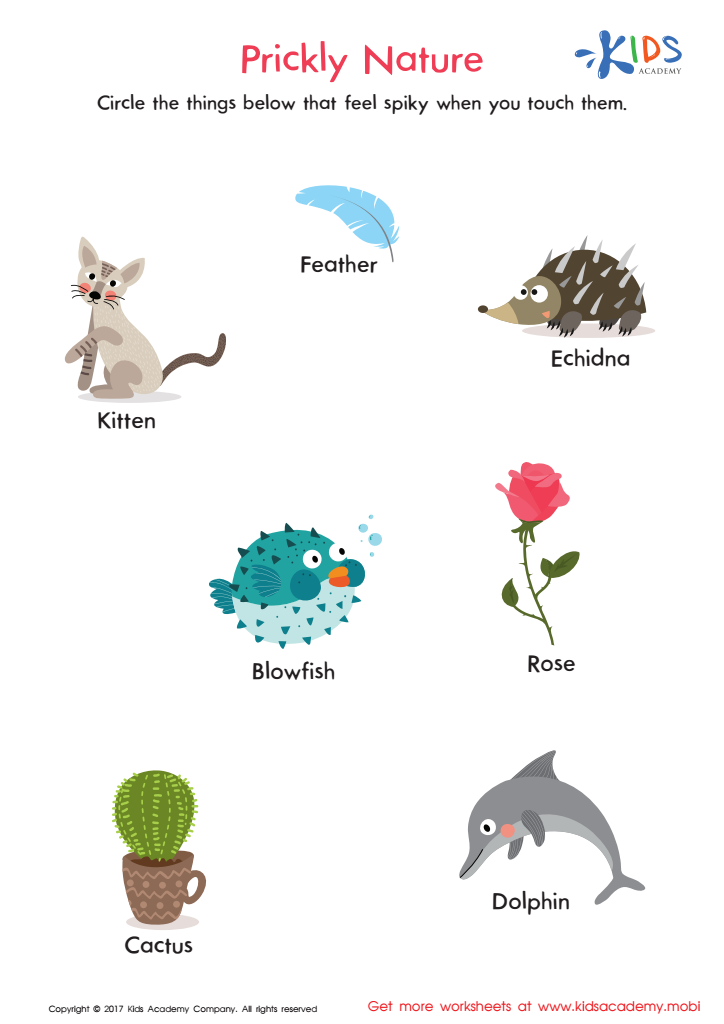
Prickly Nature Worksheet
Help your child stay safe and enhance critical thinking skills with this prickly nature worksheet. It can help them recognize spiky objects in their environment by teaching them to differentiate between prickly and soft textures. Plus, your kid will learn how to admire and avoid them. Get started today!
Prickly Nature Worksheet
Worksheet
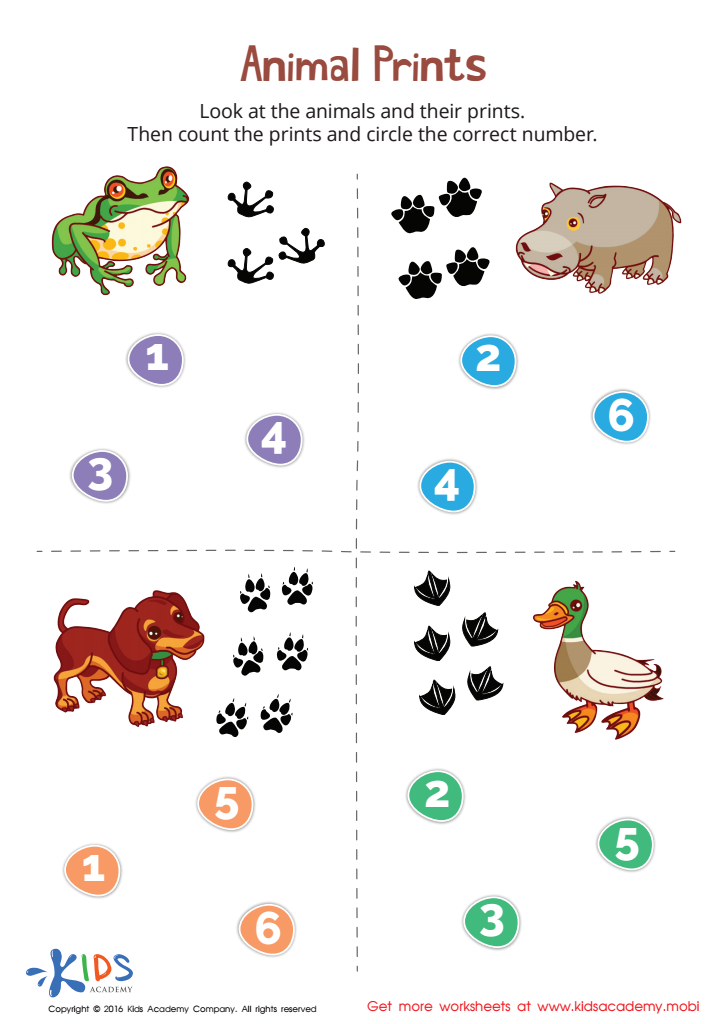
Animal Prints Match-Up Worksheet
Help your little learner build early math skills with this fun animal paw prints worksheet. With it, they'll count, recognize numbers, and learn about the animals that make the paw prints. Talk to them about the prints and ask them to count. They'll love exploring and learning about the different animals, all while sharpening essential math skills!
Animal Prints Match-Up Worksheet
Worksheet
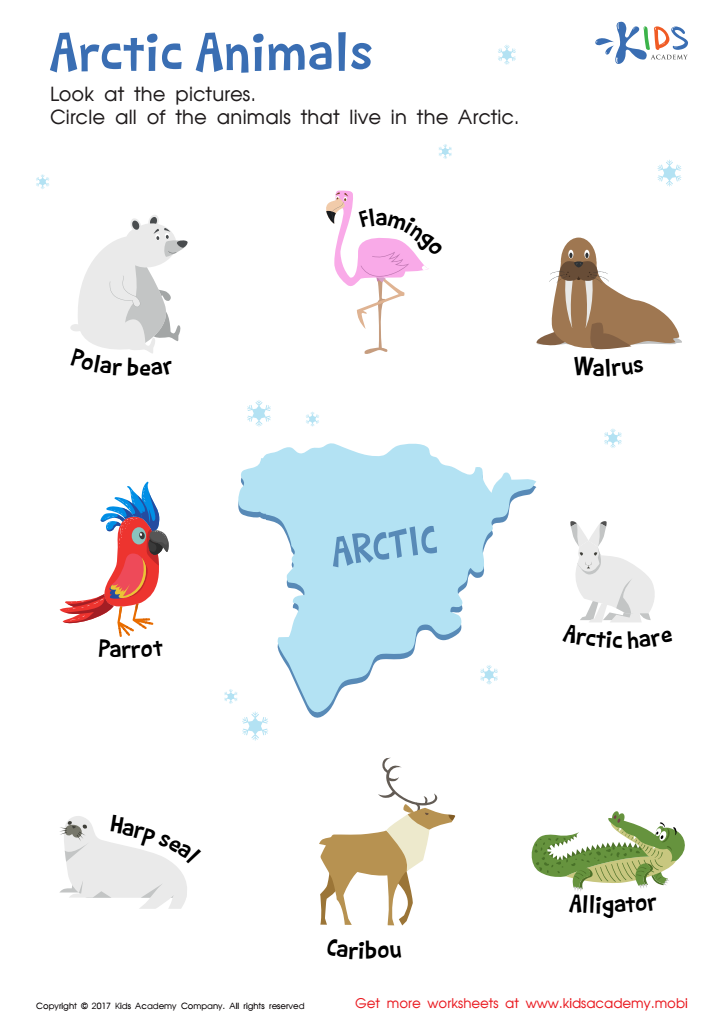
Arctic Animals Worksheet
Kids love animals and this worksheet is a great way to teach them where they live. It reinforces classification skills and introduces new animals, like the Arctic hare. Use it to discuss the Arctic climate and how these animals live, then ask your child where other animals live to keep the conversation going.
Arctic Animals Worksheet
Worksheet
Join Kids Academy for Free
Who is primarily going to use this learning content?








Animal identification science is a vital educational topic for young children, especially ages 4-5, as it ignites curiosity about the natural world. Engaging with this subject helps children develop critical cognitive skills, such as observation, classification, and communication. Identifying different animals reinforces early literacy by expanding vocabulary; children learn names and characteristics, fostering language development.
Understanding animals also promotes emotional intelligence and empathy. As children learn about various species, they begin to appreciate the roles these animals play in ecosystems, nurturing a sense of responsibility toward their care. It inspires compassion and encourages discussions about habitats and conservation at an early age, instilling values of stewardship.
Furthermore, the sensorial experiences involved in animal identification—through pictures, toys, or field trips—can enhance motor skills and coordination. These activities offer hands-on learning, making lessons more engaging and memorable. For parents and teachers, integrating animal identification science into early education creates opportunities for interdisciplinary learning that links science with art, language, and social studies.
Ultimately, fostering a foundational understanding of animals and their environments can cultivate a lifelong interest in nature and science, shaping informed, conscientious citizens of the future.







