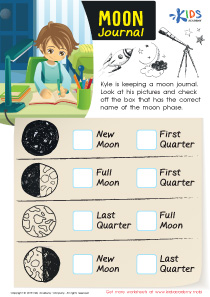
Critical thinking skills Plants and Animals Worksheets for Ages 4-5
3 filtered results
Difficulty Level
Grade
Age
-
From - To
Subject
Activity
Standards
Enhance your child's cognitive development with our "Critical Thinking Skills: Plants and Animals Worksheets" designed specifically for ages 4-5. Our engaging and fun activities foster critical thinking and problem-solving abilities through exploring the fascinating worlds of plants and animals. Each worksheet encourages young learners to observe, analyze, and question, helping them draw connections between living organisms and their environments. Perfect for early learners, these worksheets build foundational science skills while promoting curiosity and a love of learning. Ideal for both classroom use and at-home enrichment, these printable resources are a must-have for any budding naturalist. Explore and enjoy learning today!
Favorites
With answer key
Interactive
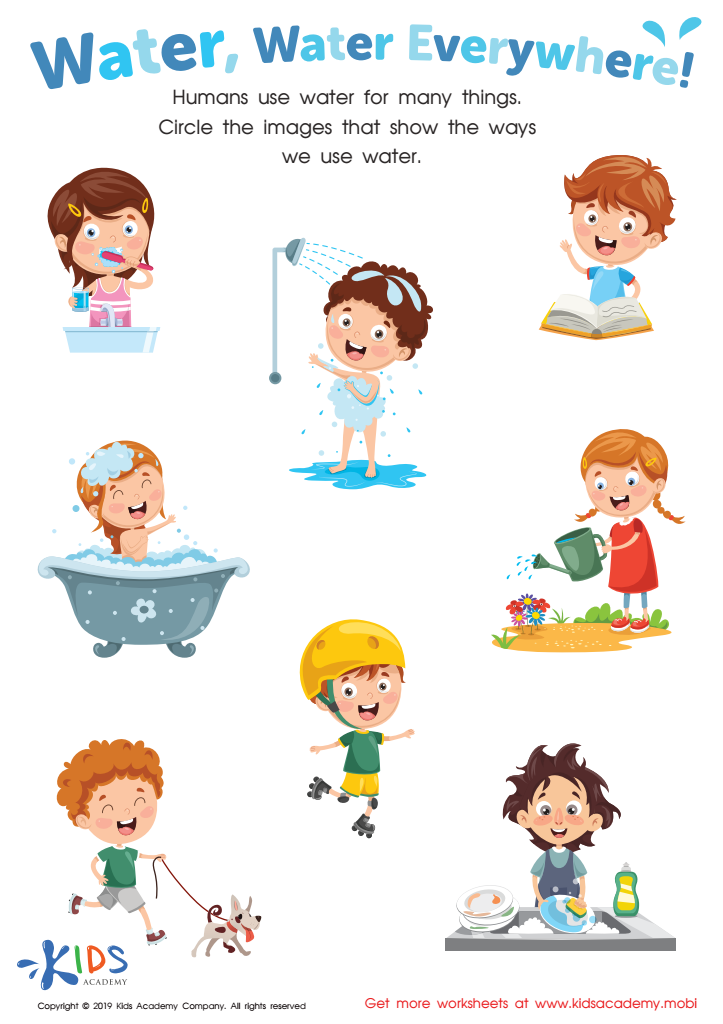
Water, Water Everywhere! Worksheet
Ask your kids how we use water daily. Point out how vital it is to the environment, as many living things couldn't exist without it. Show them this worksheet with kids doing different things that involve water. Ask them to identify what each one is doing, then help them circle the images which show the ways we use the water.
 Assign to My Students
Water, Water Everywhere! Worksheet
Worksheet
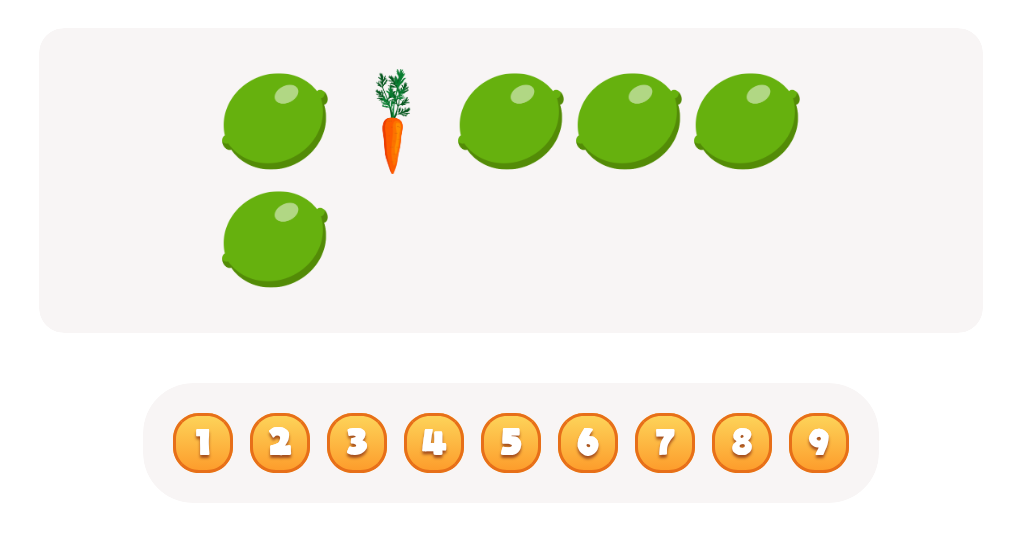

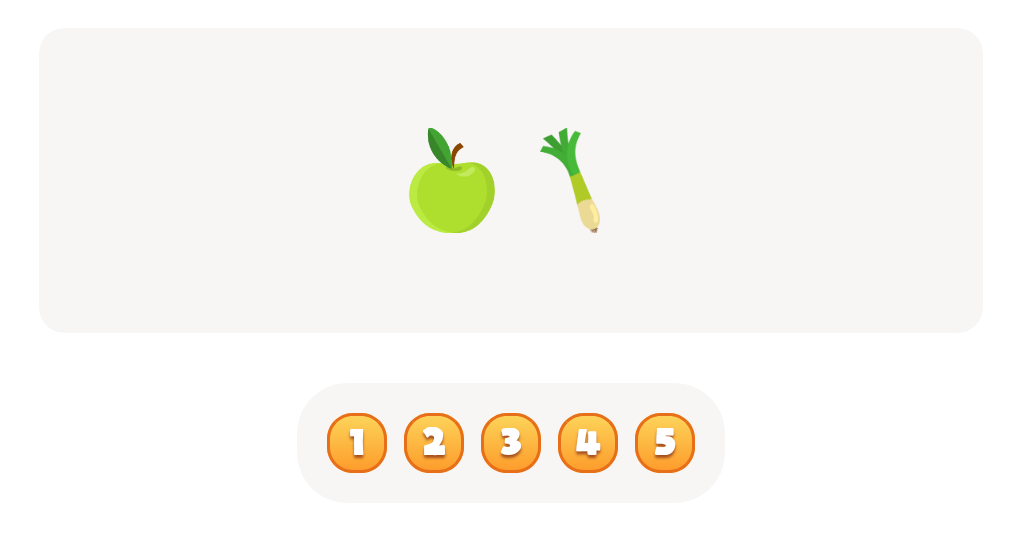
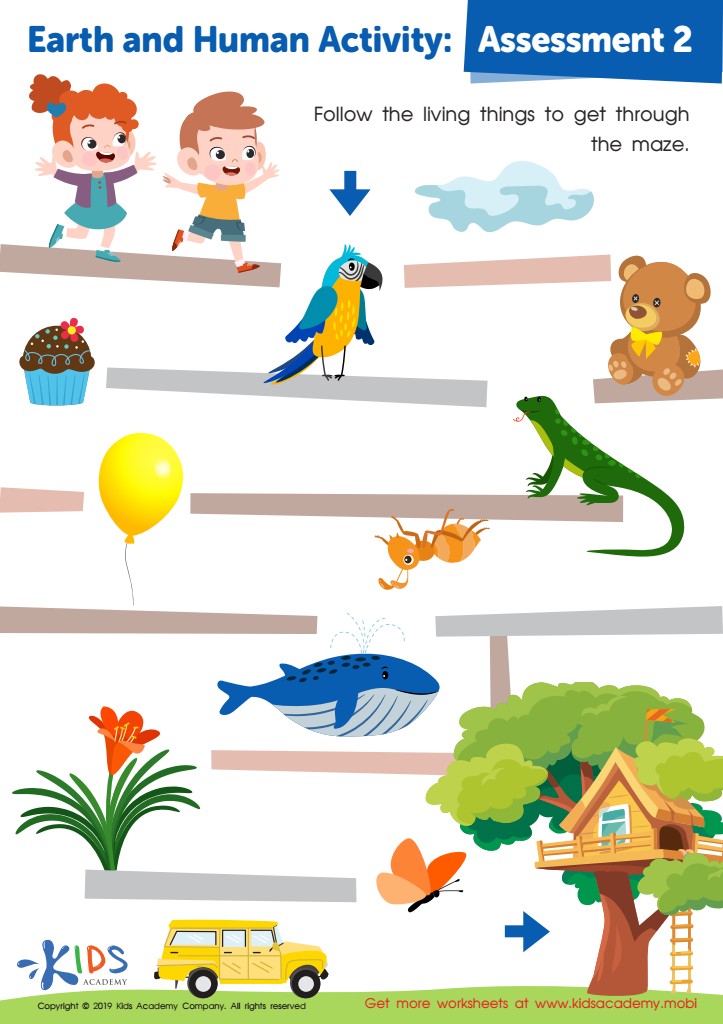
Earth and Human Activity: Assessment 2 Worksheet
Earth is alive with birds, trees, insects, and animals. Explain to your kids that the environment on Earth supports life. Ask for examples, then use the worksheet pictures to help them identify living things and complete the maze.
Earth and Human Activity: Assessment 2 Worksheet
Worksheet
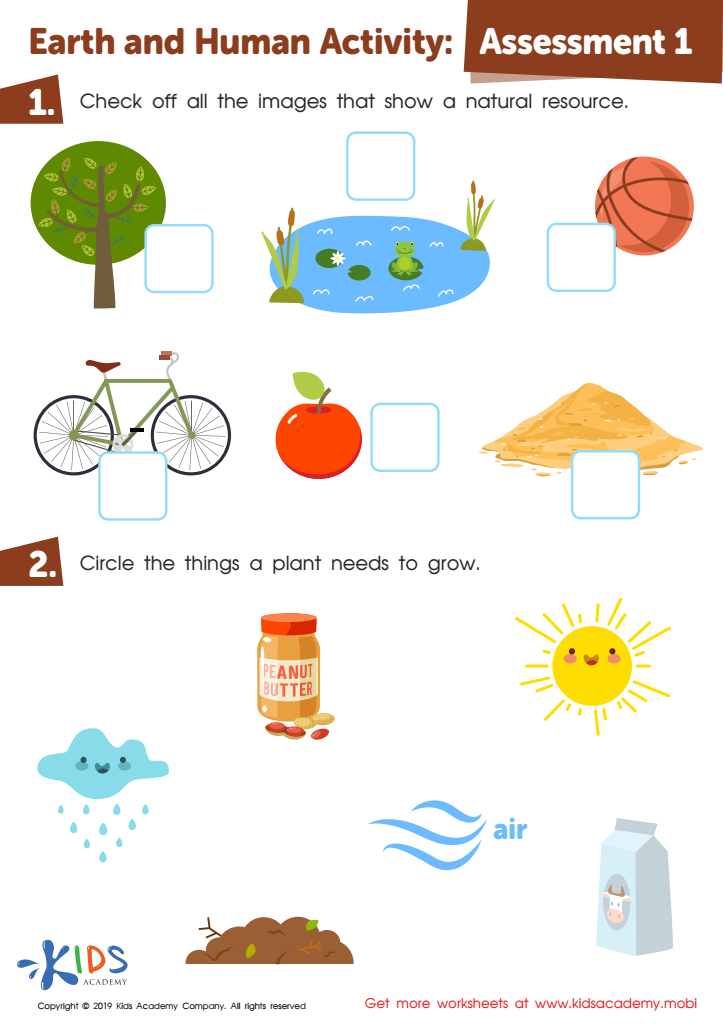
Earth and Human Activity: Assessment 1 Worksheet
Natural resources are gifts from Mother Nature that exist without man-made intervention. We use them to make essential items we use daily. Ask your kids for examples and have them check off images of natural resources on this worksheet.
Earth and Human Activity: Assessment 1 Worksheet
Worksheet
Join Kids Academy for Free
Who is primarily going to use this learning content?





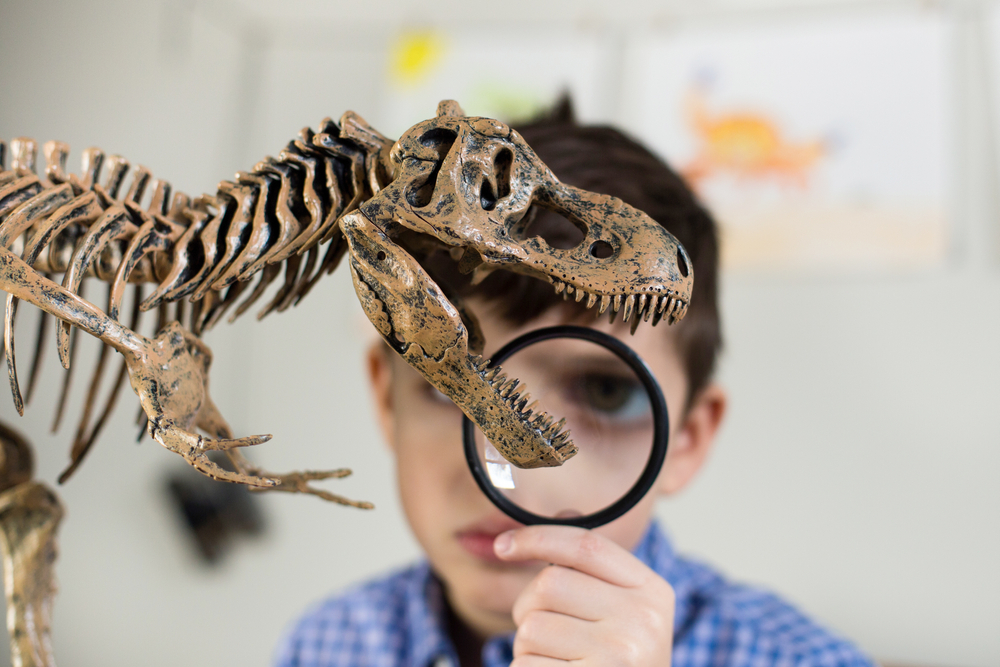


Critical thinking skills, including the ability to observe, analyze, and question, are foundational for young children's cognitive development. Introducing these skills through engaging topics like plants and animals provides a natural and effective way to nurture young minds.
For ages 4-5, children are naturally curious about the world around them. Discussing plants and animals taps into this curiosity and encourages them to make observations, ask questions, and seek answers. For example, observing how plants grow or how animals behave fosters a sense of inquiry and nurtures their innate love for learning. This sets the groundwork for skills like problem-solving, reasoning, and decision-making.
Parents and teachers who emphasize critical thinking through plants and animals are not only helping children understand ecological concepts but are also developing their cognitive abilities that are vital for academic success. This approach enhances their vocabulary, improves their attention spans, and fosters creativity.
Furthermore, understanding the natural world helps children develop empathy and respect for living things. This promotes environmental stewardship and a sense of responsibility toward Earth, which is essential for sustainable living. By integrating critical thinking with lessons on plants and animals, adults are preparing children for a future where they can make informed and respectful choices about the world they inhabit.