Vocabulary expansion Plants and Animals Worksheets for Ages 4-5
3 filtered results
-
From - To
Explore our engaging vocabulary expansion worksheets tailored for ages 4-5, focusing on plants and animals! These fun and interactive activities help young learners develop essential language skills while discovering the fascinating world of nature. With colorful illustrations and easy-to-follow instructions, children will enhance their vocabulary as they name, categorize, and connect different plants and animals. Perfect for both home and classroom use, our worksheets promote cognitive growth and foster a love for learning. Start your child's educational journey today by downloading our vocabulary expansion worksheets, designed to enrich their understanding of the environment and support their early literacy development!
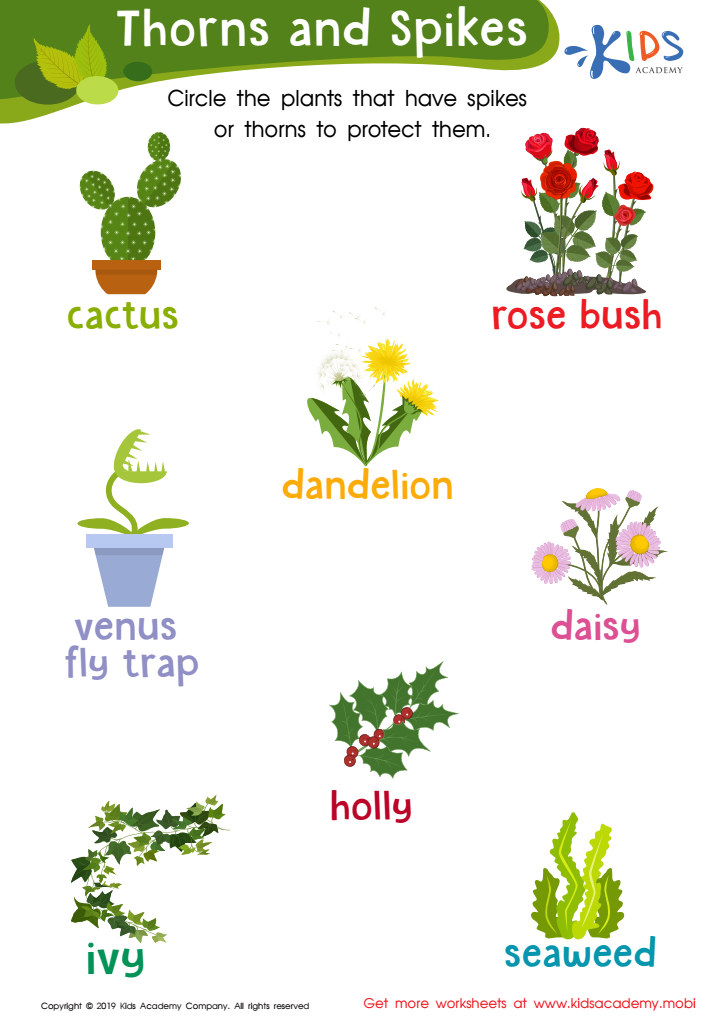
Thorns and Spikes Worksheet

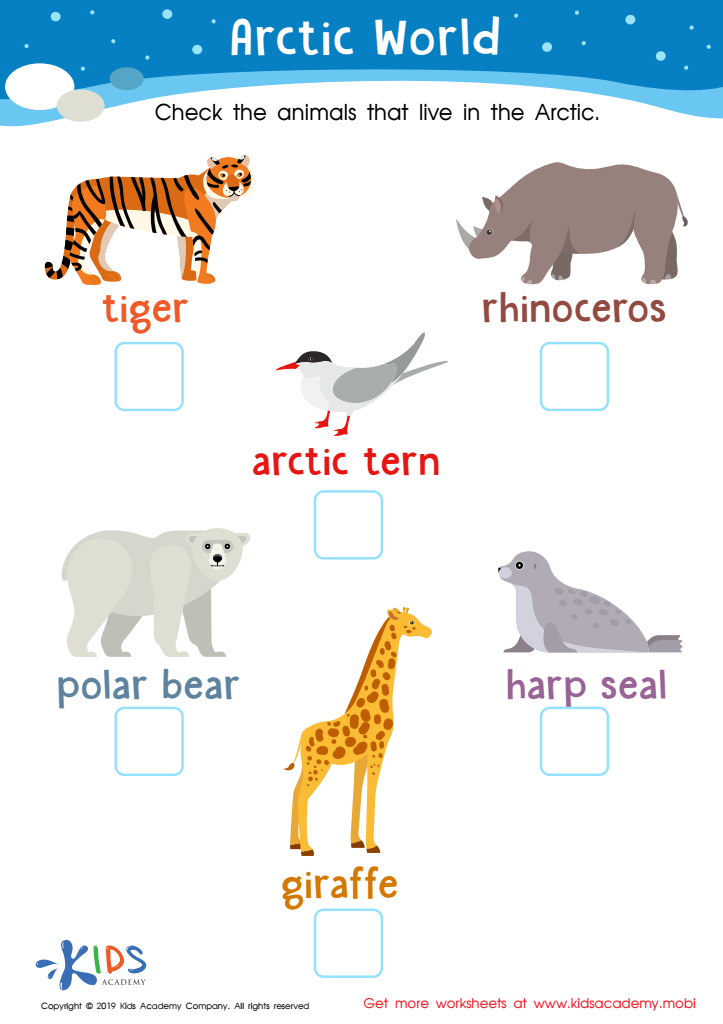
Arctic World Worksheet
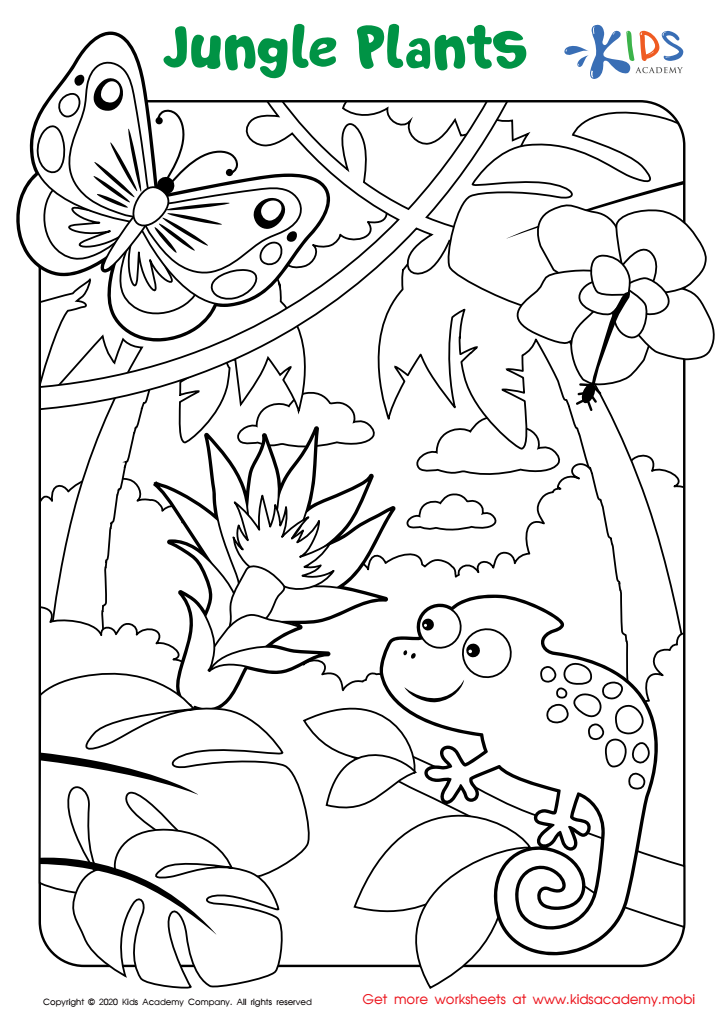
Jungle Plants Worksheet
 Assign to My Students








Vocabulary expansion in young children, especially related to plants and animals, is crucial for several reasons. For ages 4-5, this foundational stage of language development significantly shapes a child's cognitive growth and overall learning. Understanding the vocabulary associated with plants and animals helps children make sense of the world around them, fostering curiosity and encouraging exploration.
When children learn terms like "photosynthesis," "habitat," or "predator," they not only expand their language skills but also enhance their comprehension skills, enabling more effective communication. Furthermore, discussing plants and animals promotes scientific thinking, as children begin to ask questions, make observations, and understand basic ecological concepts.
From a social perspective, this vocabulary development can enhance social interactions, facilitating conversations about nature and experiences in the environment. Parents and teachers can use hands-on activities, storytelling, and play to make learning engaging and enriching. Additionally, early vocabulary exposure contributes to later academic success, including reading and literacy skills, setting the stage for lifelong learning. Therefore, prioritizing vocabulary expansion related to plants and animals not only enriches language skills but also nurtures children's cognitive and social-emotional development, fostering a holistic approach to education.








