Color recognition Social Studies Worksheets for Ages 4-5
4 filtered results
-
From - To
Explore our engaging Color Recognition Social Studies Worksheets designed for children ages 4-5! These fun and educational resources help preschoolers learn about colors while developing their social awareness. Through vibrant visuals and interactive activities, kids will identify colors in various social contexts, enhancing their understanding of the world around them. Our worksheets promote critical thinking and creativity, making learning enjoyable and effective. Perfect for use in the classroom or at home, these tools foster early development skills and prepare young learners for future educational success. Visit our website today to discover the joy of learning through colors!

Happy Diwali Printable
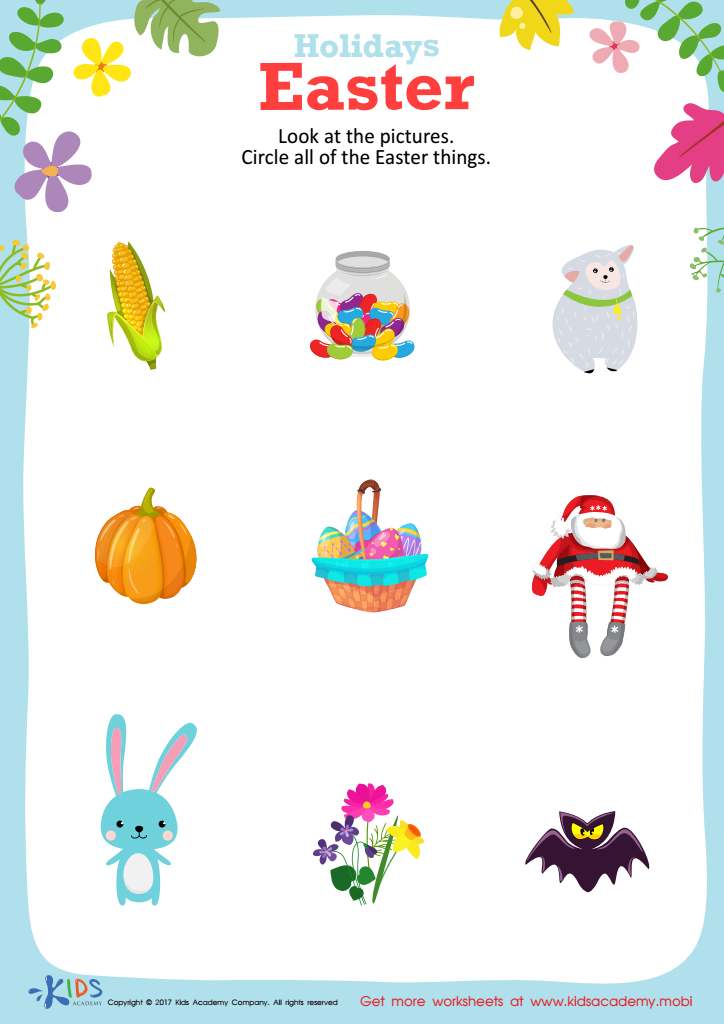
Easter Holiday Printable


Globe Coloring Page Worksheet
 Assign to My Students








Color recognition is a foundational skill for young children, particularly in the context of Social Studies for ages 4-5. This age group begins to explore their environment, build relationships, and understand community dynamics. Recognizing colors is a crucial part of developing observation skills, which help children categorize their surroundings and enable them to express themselves and share experiences more effectively.
Teachers and parents play a vital role in this developmental phase. When children recognize and name colors, they also learn to associate colors with emotions, cultures, and societal roles. For instance, colors can be linked to symbols in their community, such as flags or uniforms, prompting discussions on identity and diversity.
Furthermore, color activities can serve as an entry point for conversations about social awareness and inclusivity. Engaging children in activities that incorporate colors—like arts and crafts, storytelling, or nature walks—can stimulate their curiosity and encourage social interactions.
Ultimately, fostering color recognition enriches children's cognitive and emotional skills, expands their vocabulary, and supports their emerging understanding of the social world. Thus, prioritizing color recognition in early education is essential for holistic development and meaningful engagement with the society around them.