Logical thinking Reading Worksheets for Ages 4-6
6 filtered results
-
From - To
Enhance your child's cognitive skills with our "Logical Thinking Reading Worksheets for Ages 4-6." Designed to stimulate young minds, these engaging worksheets combine fun reading activities with logical reasoning exercises. Each worksheet presents an exciting challenge that encourages children to think critically, solve puzzles, and draw conclusions. Perfect for preparing your little ones for future academic success, these worksheets will boost their problem-solving abilities and foster early reading skills. With vibrant visuals and age-appropriate content, our worksheets provide both education and entertainment. Discover the perfect blend of learning and fun to set the foundation for your child's bright future.
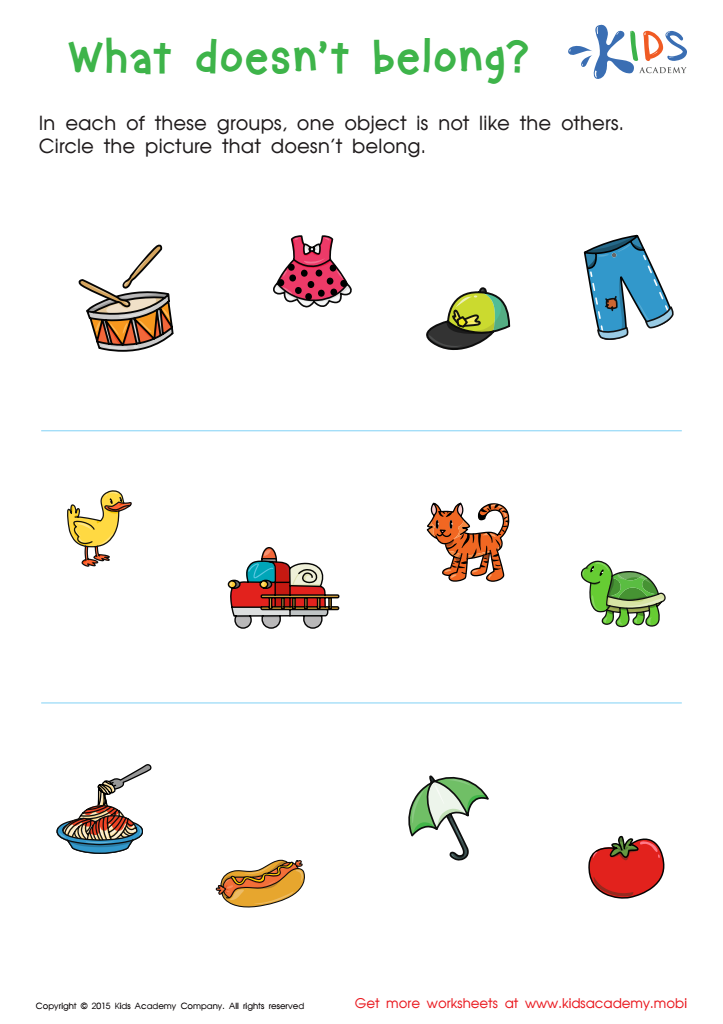
First Words: What Doesn't Belong Worksheet
 Assign to My Students
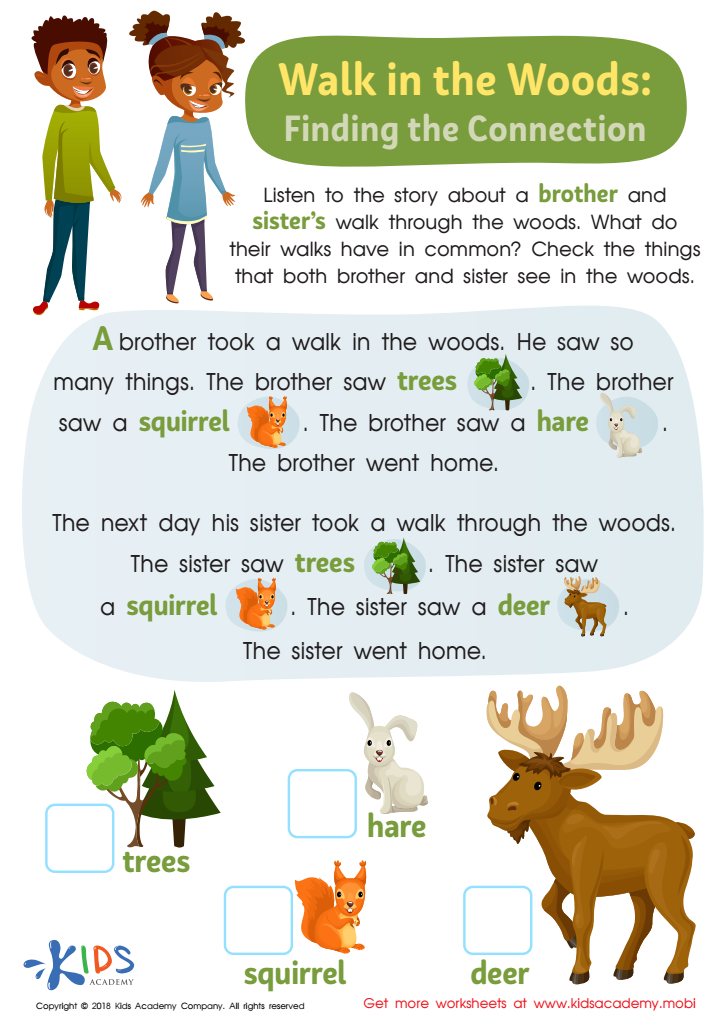
Walk In the Woods: Finding Connections Worksheet
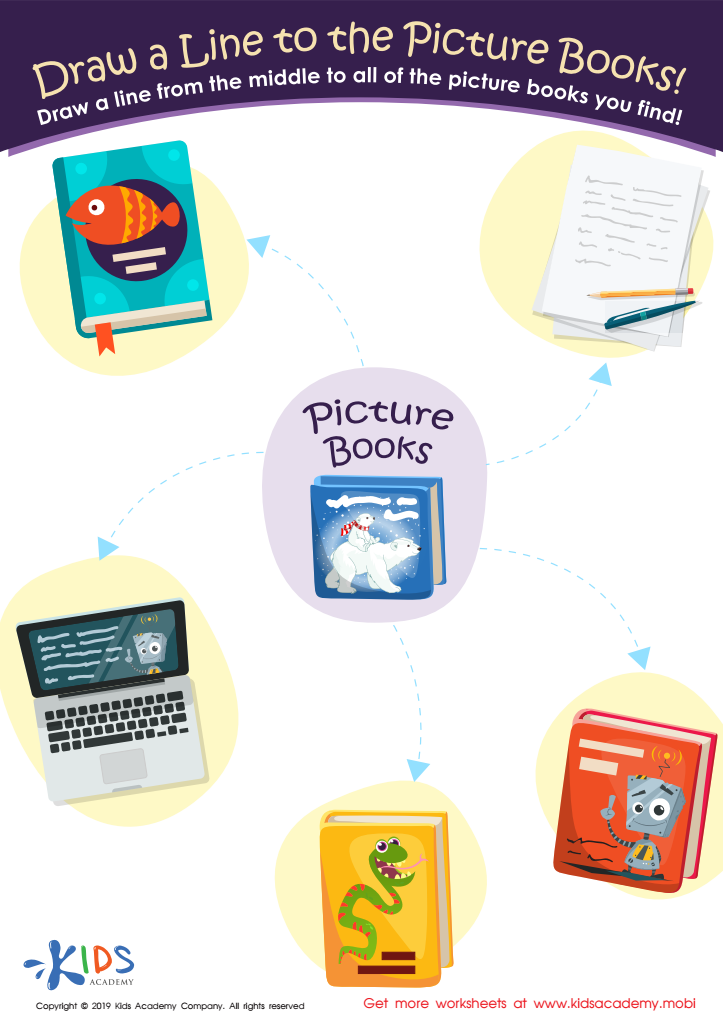
Draw a Line to the Picture Books Worksheet
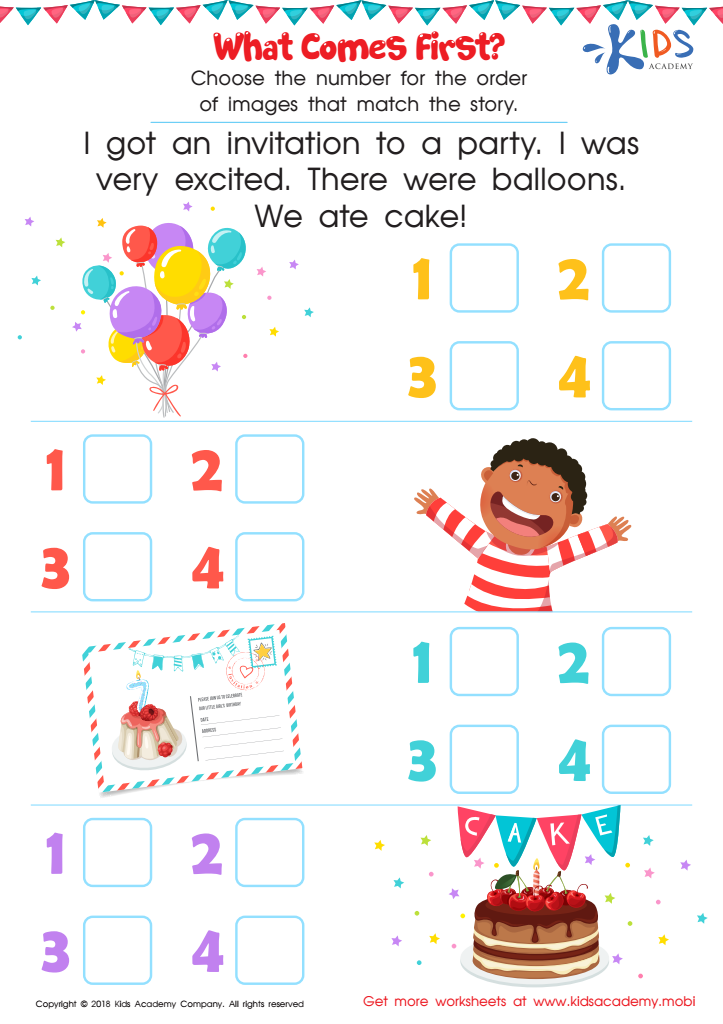
What Comes First Worksheet
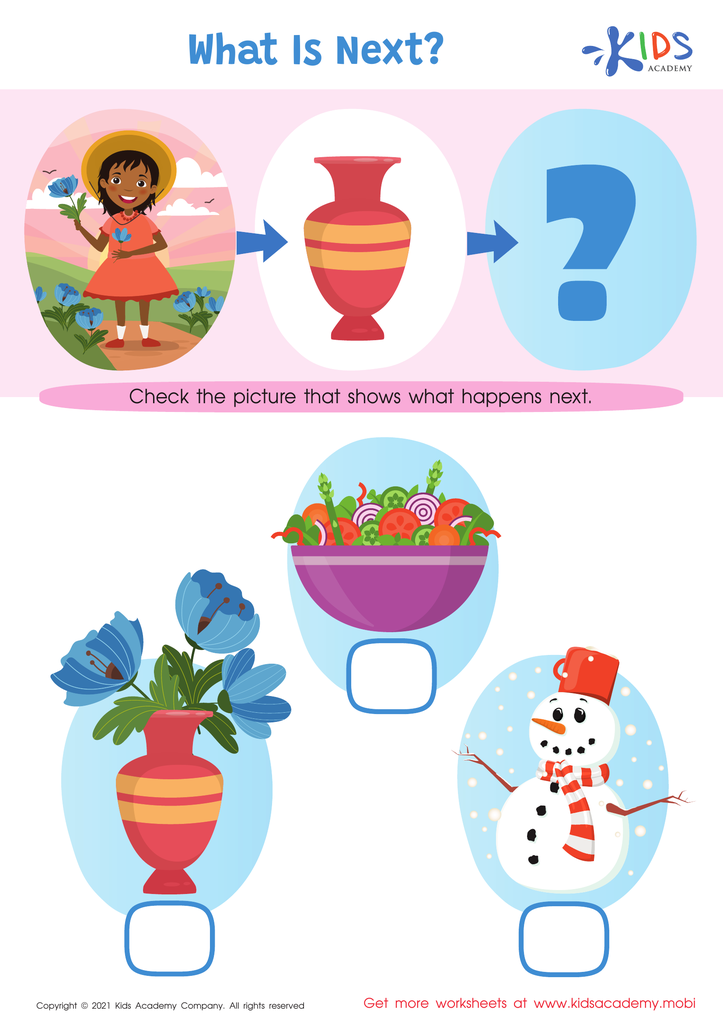
What is Next? Worksheet








Parents and teachers should prioritize logical thinking and reading skills in children aged 4-6 because these foundational abilities support cognitive development and lifelong learning. At this stage, children are highly impressionable, and their brains are rapidly developing, making it an ideal time to nurture critical thinking and comprehension capabilities.
Logical thinking enhances problem-solving skills by encouraging children to make connections and understand sequences, patterns, and relationships. These cognitive skills are critical not only for academic success but also for everyday decision-making and future problem-solving scenarios. Moreover, they lay the groundwork for subjects like mathematics and science, which rely heavily on logical analysis.
Reading, on the other hand, expands vocabulary, enhances language comprehension, and fosters imagination. When intertwined with logical thinking exercises, reading helps children understand complex narratives, follow storylines, and predict outcomes. Books that challenge their reasoning abilities encourage children to ask questions, hypothesize, and critically evaluate situations, which cultivates a love for learning and curiosity.
Together, logical thinking and reading build a strong educational foundation. Parents and teachers who invest in these skills early on help children develop confidence, cultivate resilience in learning new concepts, and prepare them for academic and personal success throughout their lives.








