Basic geometry understanding Math Worksheets for Ages 4-7
12 filtered results
-
From - To
Explore our engaging "Basic Geometry Understanding Math Worksheets" designed specifically for children ages 4-7! These worksheets make learning fun as they introduce young learners to fundamental geometric concepts such as shapes, angles, and patterns. Each activity fosters critical thinking and enhances spatial awareness, essential skills for their developmental stage. Ideal for home or classroom use, these worksheets blend playful illustrations with educational content, ensuring that children remain captivated while honing their math abilities. Promote your child's early learning with these printable resources that nurture curiosity and understanding in geometry. Get ready to watch their confidence and math skills grow!
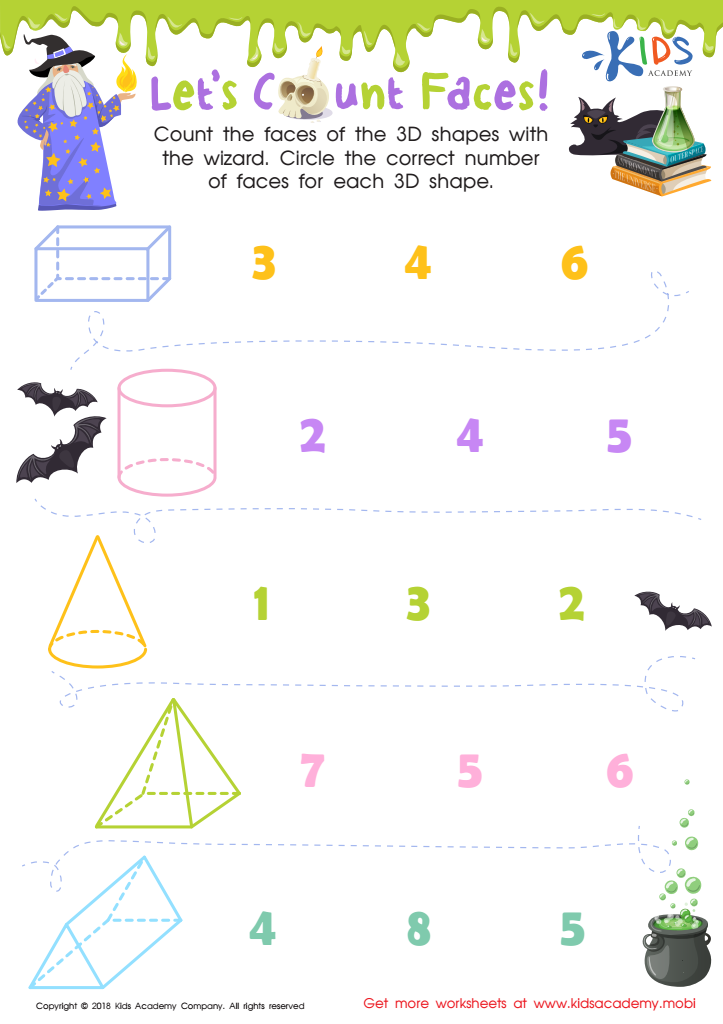
Let's Count Faces! Worksheet
 Assign to My Students
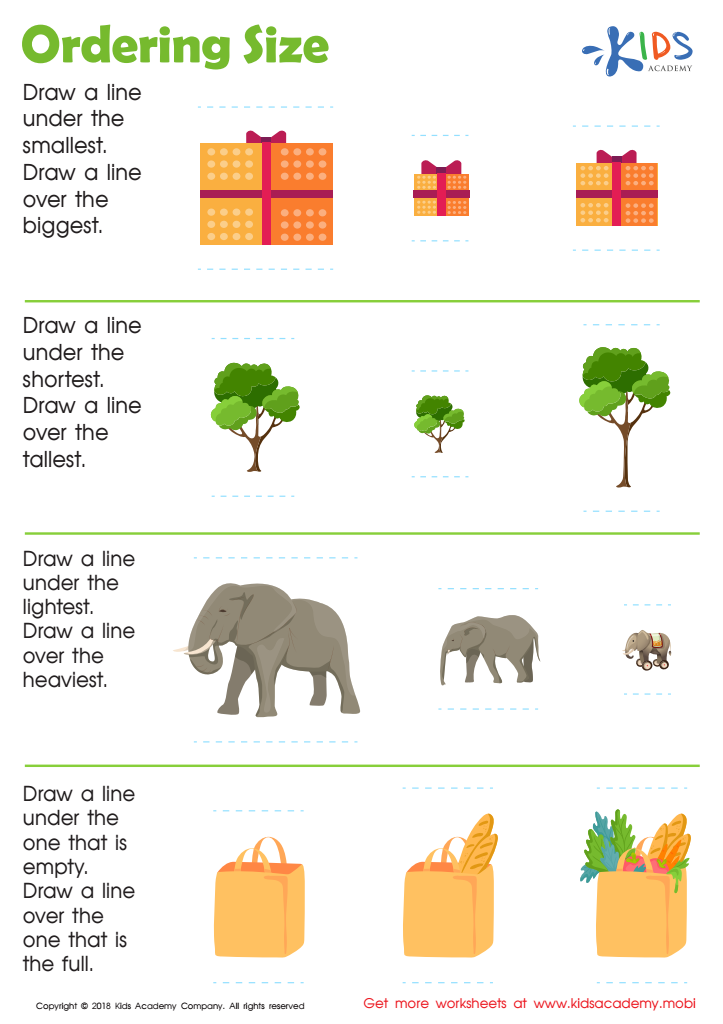
Ordering Size Worksheet
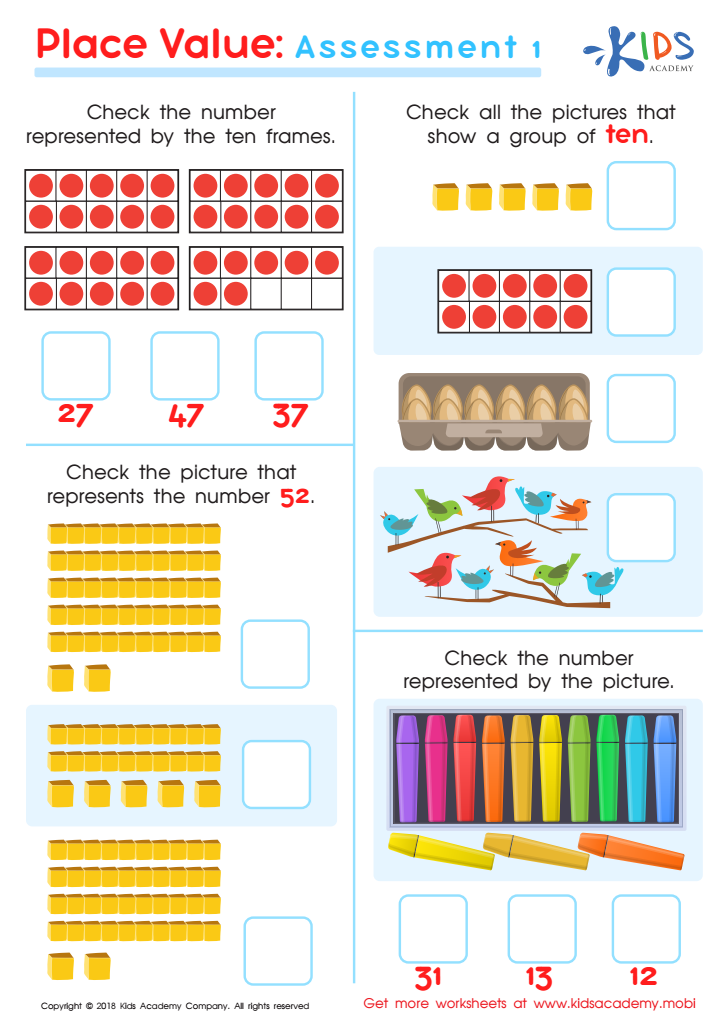
Place Value: Assessment 1 Worksheet
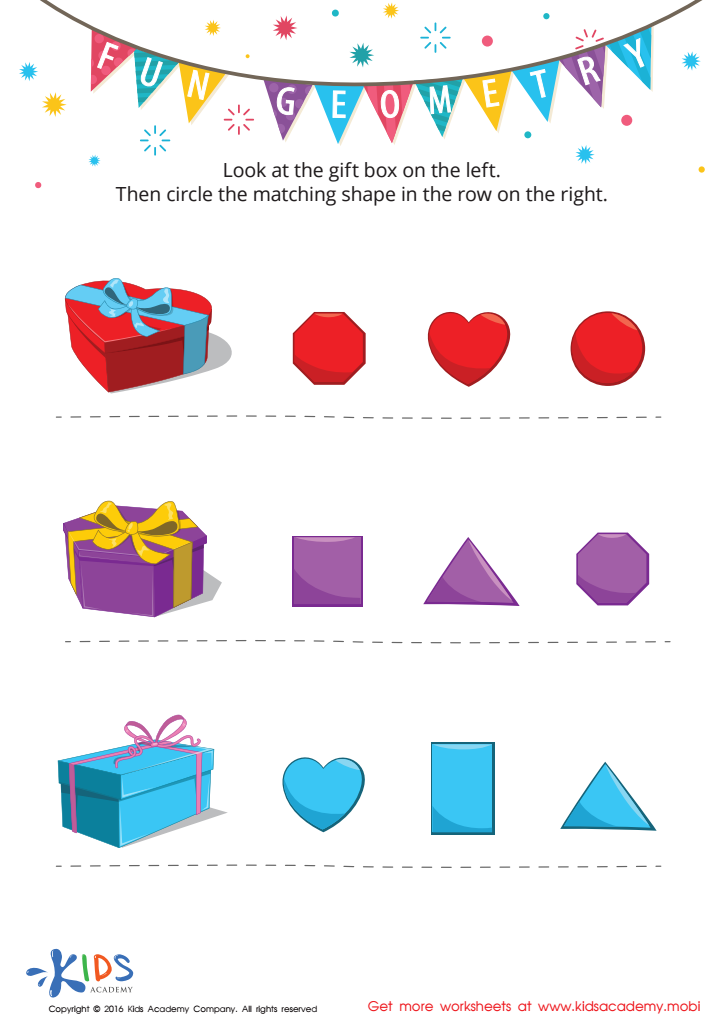
Fun Geometry Worksheet
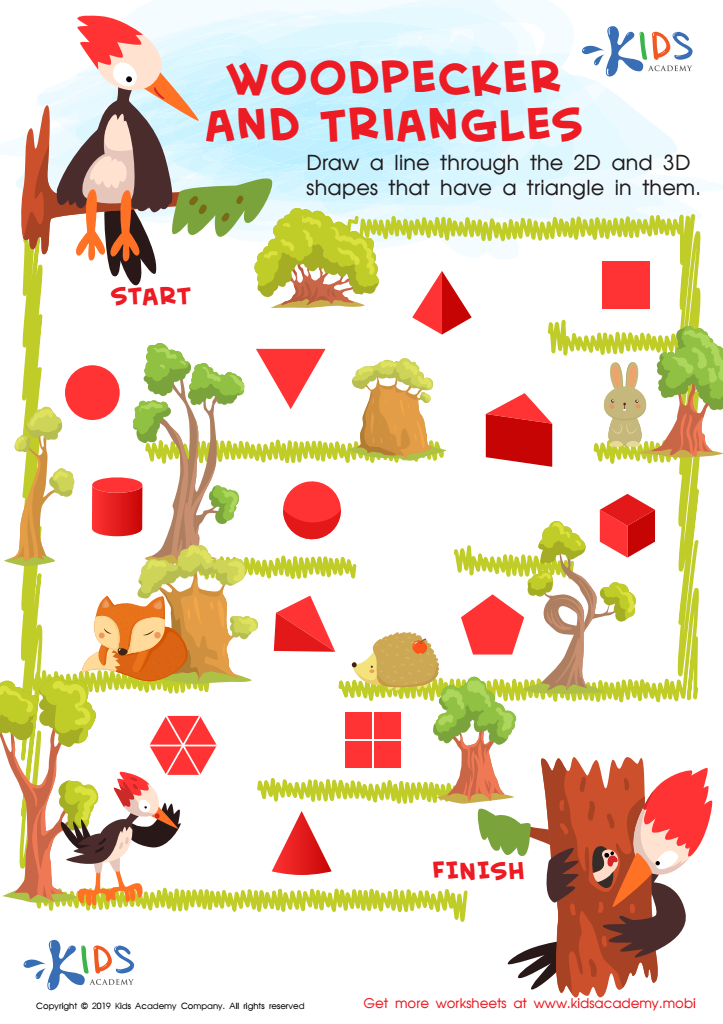
Woodpecker and Triangles Worksheet
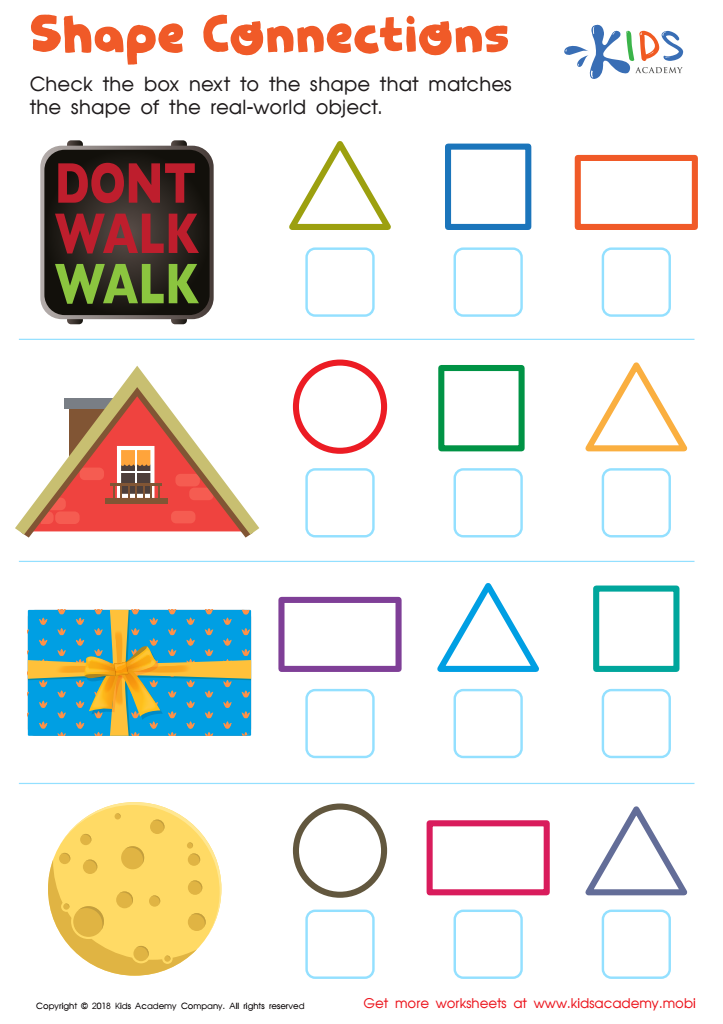
Shape Connections Worksheet
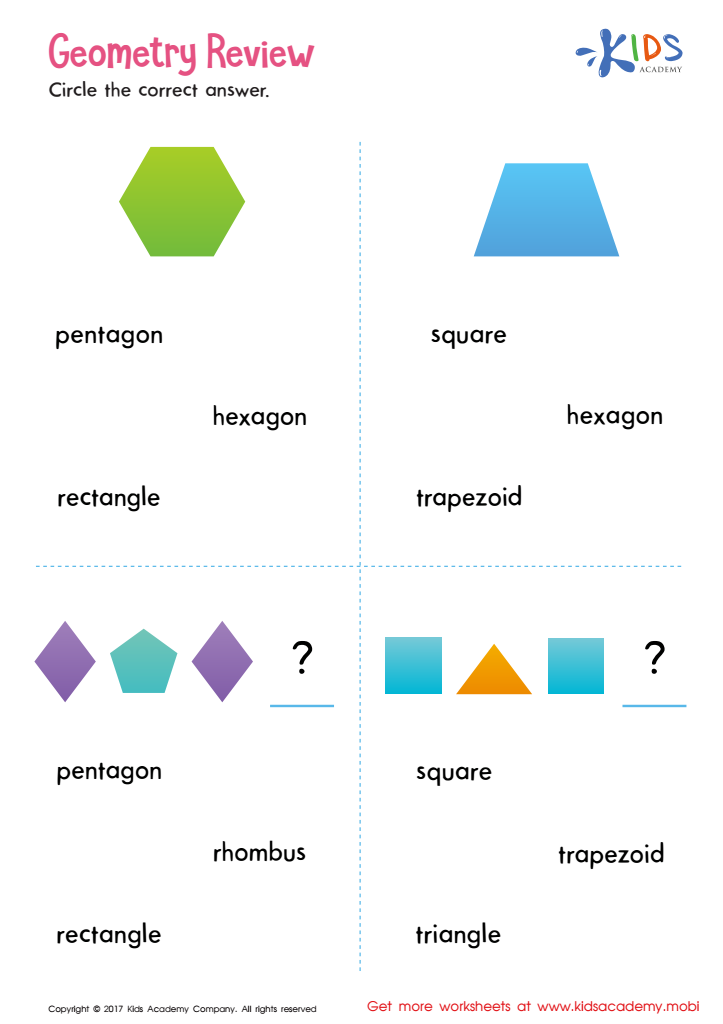
Geometry Review Printable
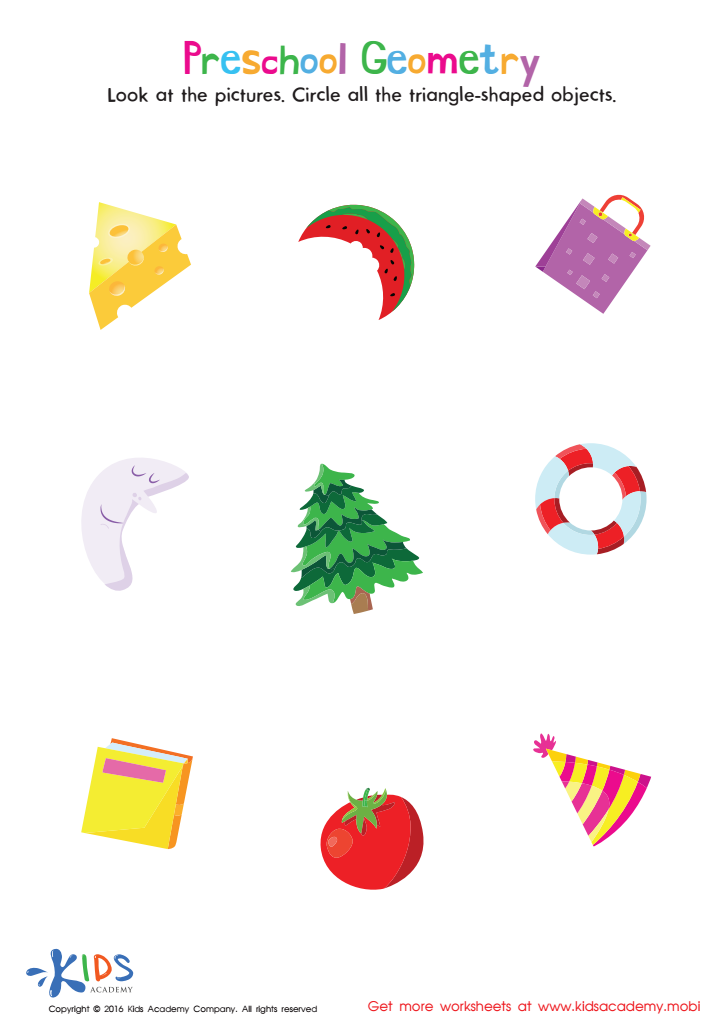
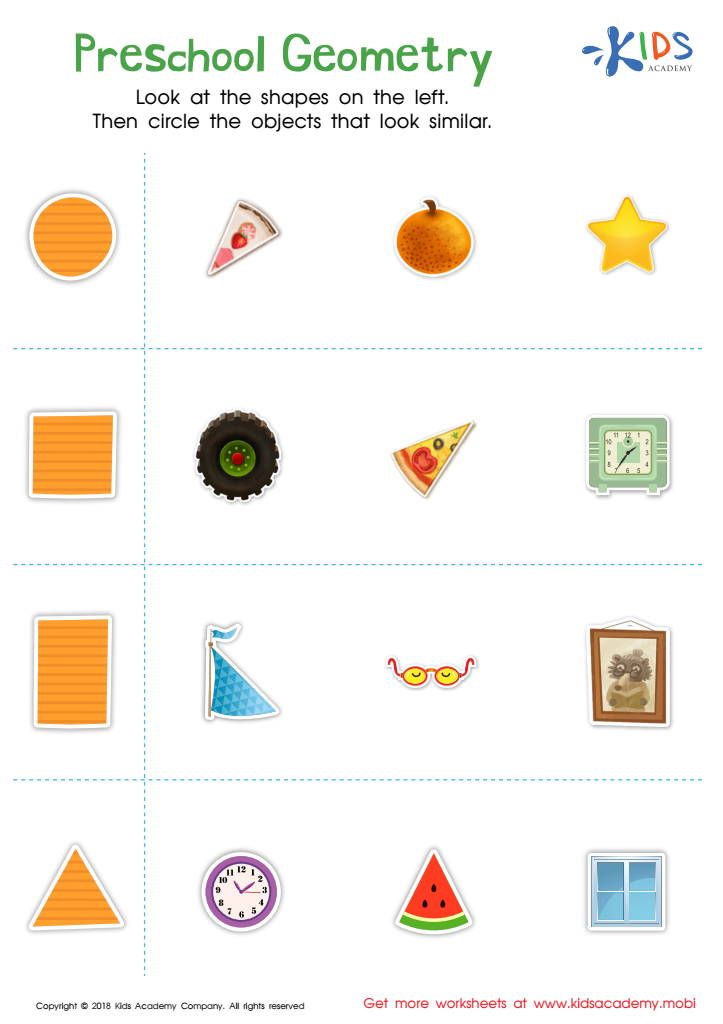
Preschool Geometry Worksheet
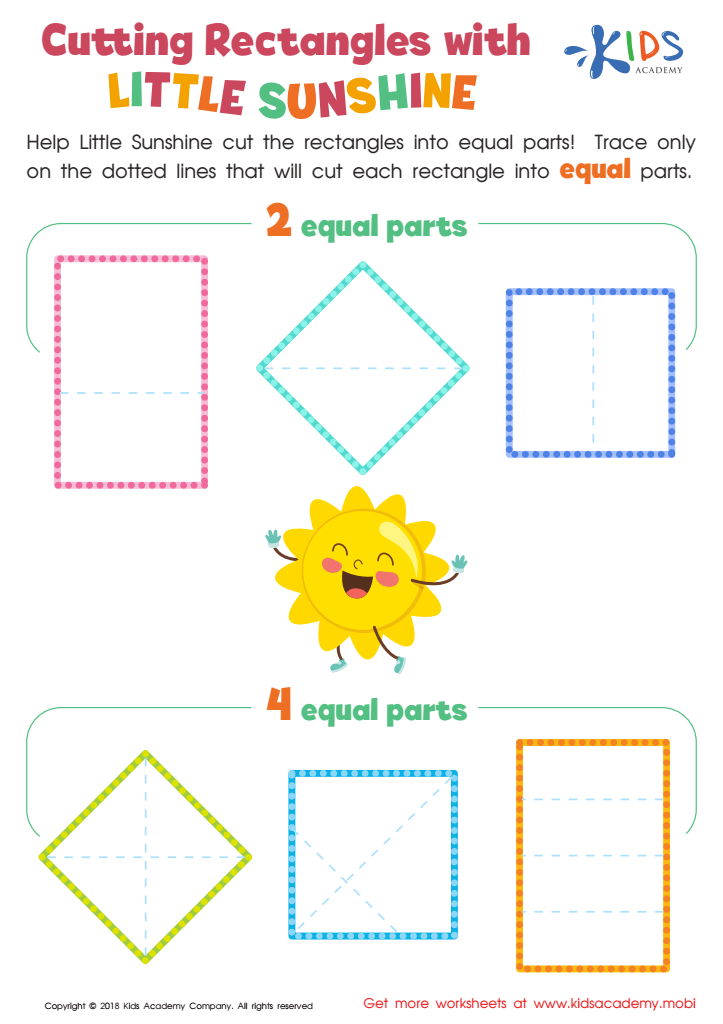
Cutting Rectangles with Little Sunshine Worksheet
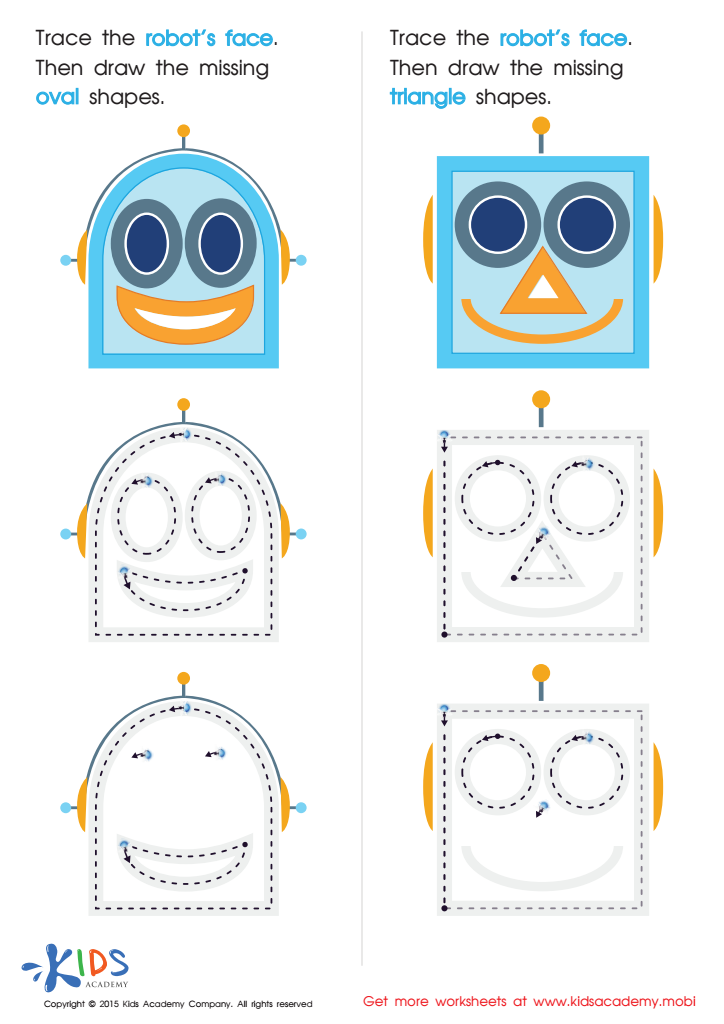
Drawing Ovals And Triangles with Fun Printable
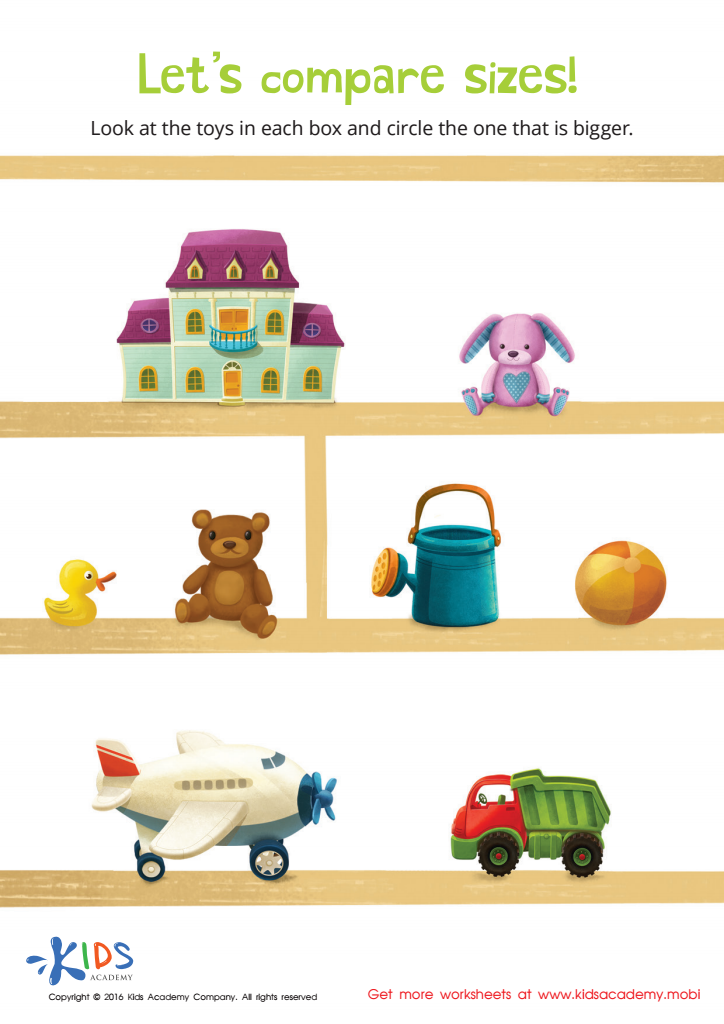
Classifying by Size Sorting Worksheet





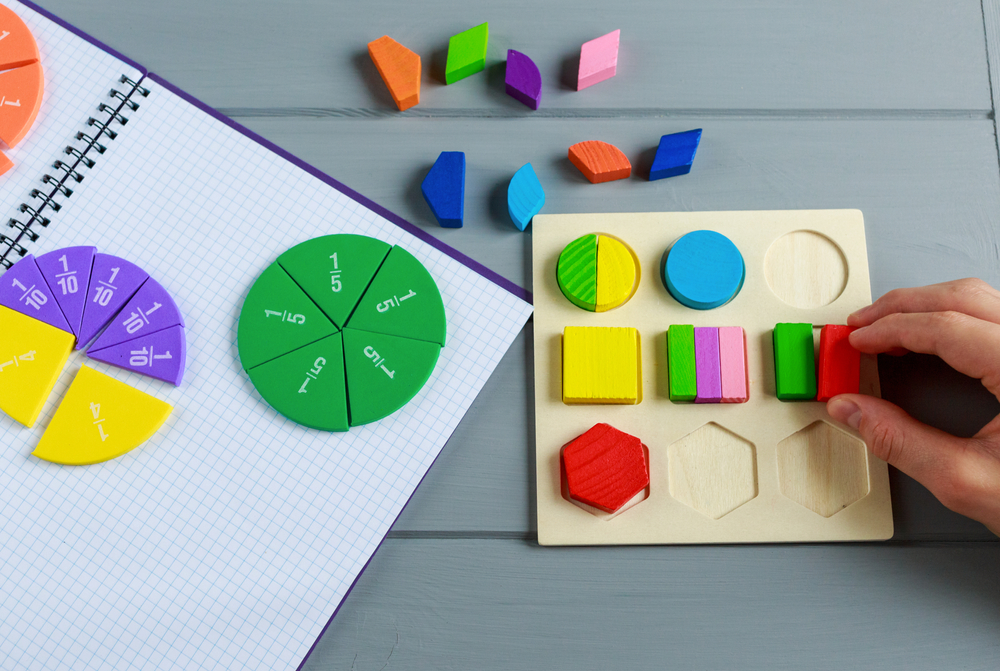

Understanding basic geometry is vital for children aged 4-7 as it lays the groundwork for both mathematical skills and cognitive development. During these formative years, children are naturally curious and highly receptive to learning through exploration and play. Engaging with geometry enhances their ability to recognize shapes, understand spatial relationships, and develop problem-solving skills.
For parents and teachers, fostering this understanding cultivates critical thinking and reasoning abilities that are essential in later mathematical learning. Geometry introduces concepts such as symmetry, angles, and dimensions, helping children appreciate mathematical principles in the real world. For example, when children identify shapes in their environment or understand how to combine them to form new figures, they make connections between math and everyday life.
Early exposure to geometry also supports language development as children learn specific vocabulary, such as “square,” “circle,” and “above,” expanding their expressive skills. Furthermore, incorporating geometry in fun, playful activities encourages enthusiasm for math and builds a strong foundation for future learning.
Overall, investing time in basic geometry education for young learners promotes a holistic development that benefits their academic journey and day-to-day experiences, making it a crucial area of focus for parents and teachers alike.








