Visual perception improvement Math Worksheets for Ages 4-7
14 filtered results
-
From - To
Enhance your child's math skills with our Visual Perception Improvement Math Worksheets, tailor-made for ages 4-7. These engaging worksheets are designed to boost visual recognition, spatial awareness, and logical thinking through enjoyable, kid-friendly activities. Each sheet challenges young learners with puzzles, patterns, and matching games that are both educational and fun. By focusing on visual perception, these worksheets lay a strong foundation for mathematical concepts and problem-solving abilities. Parents and teachers can easily integrate these worksheets into daily routines, ensuring consistent progress and confidence in early math learning. Download for free at Kids Academy!
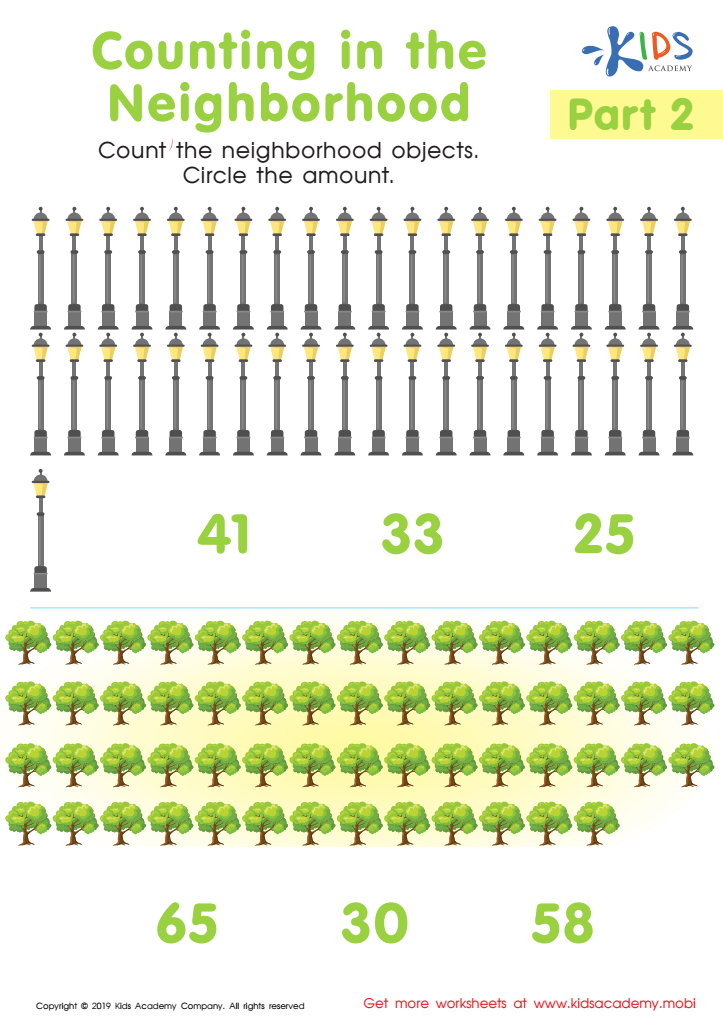
Counting In The Neighborhood Part 2 Worksheet
 Assign to My Students
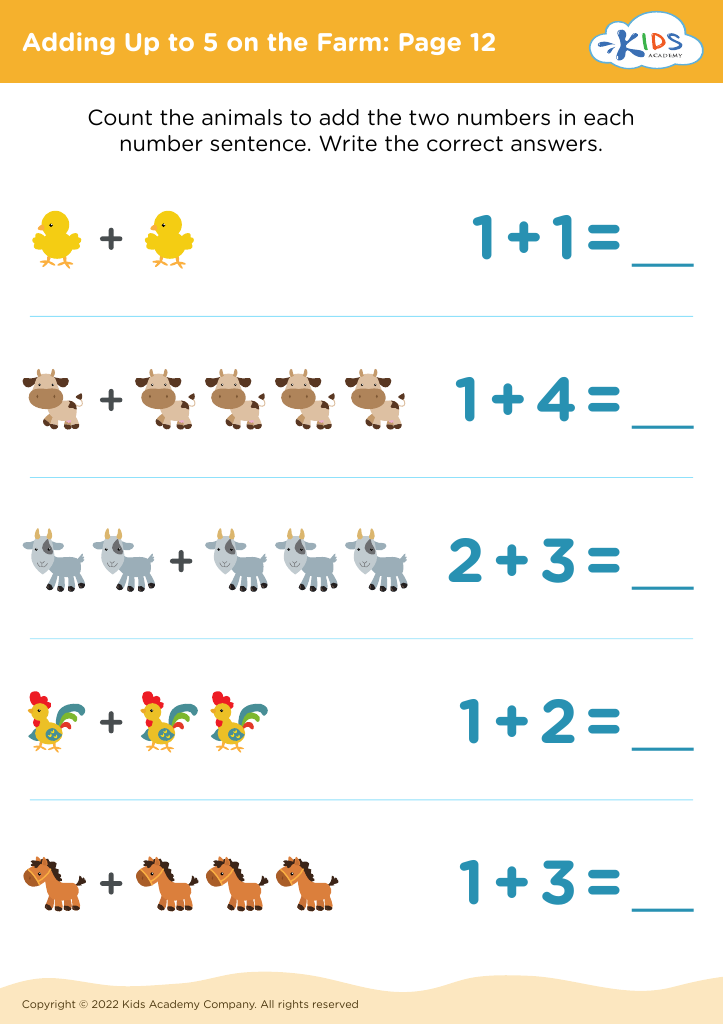
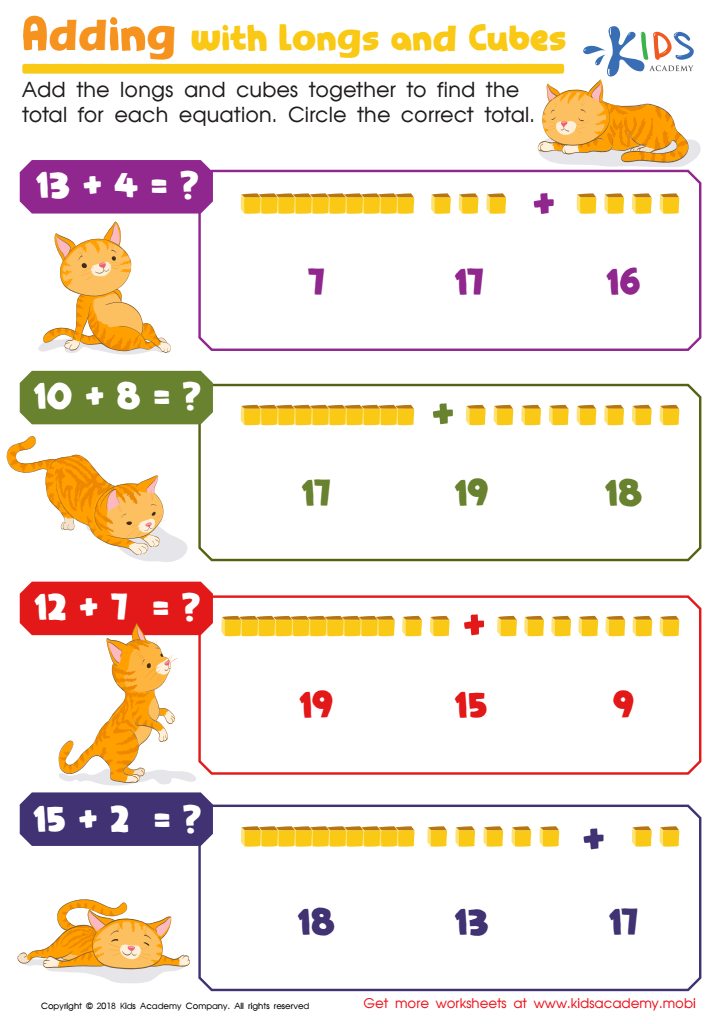
Adding With Longs and Cubes Worksheet
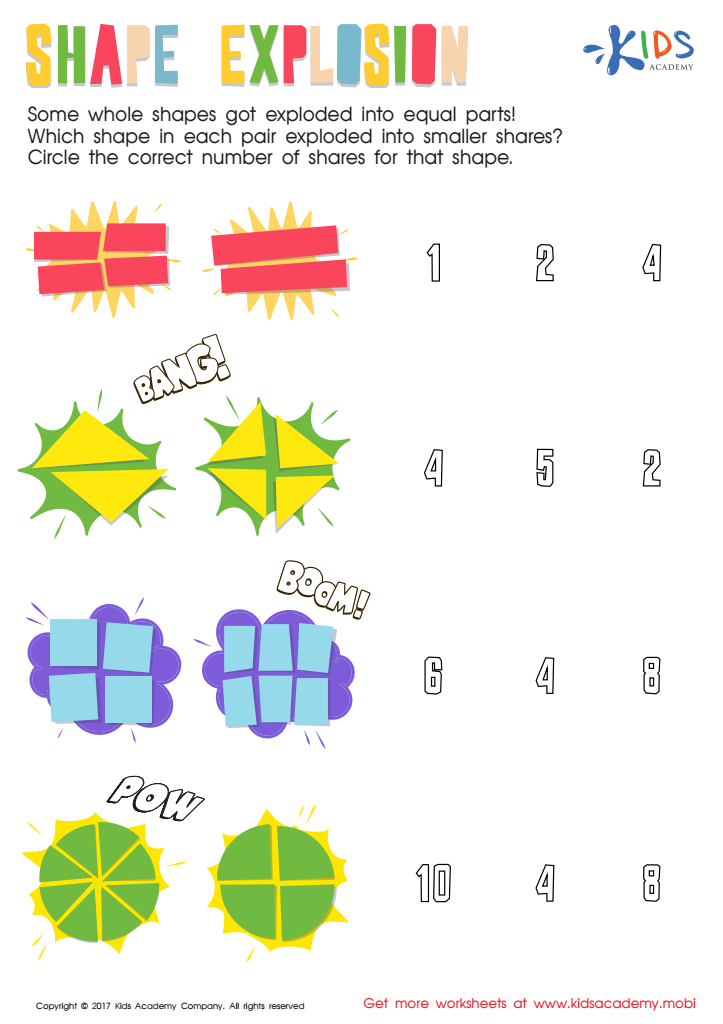
Shape Explosion Worksheet
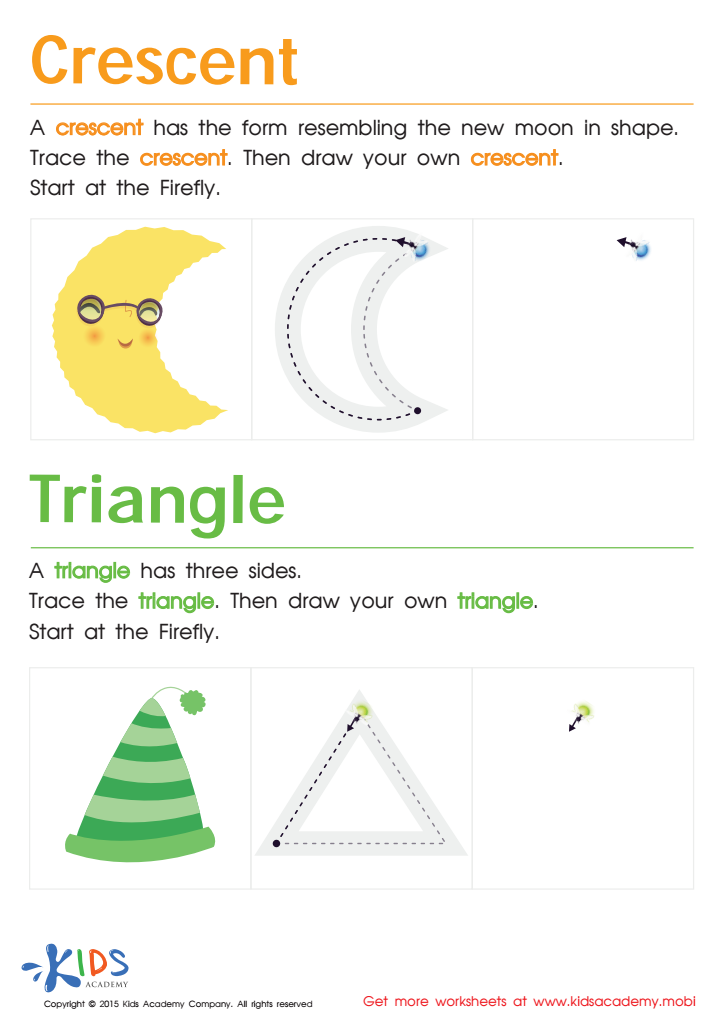
Learning to Draw Crescents And Triangles Worksheet
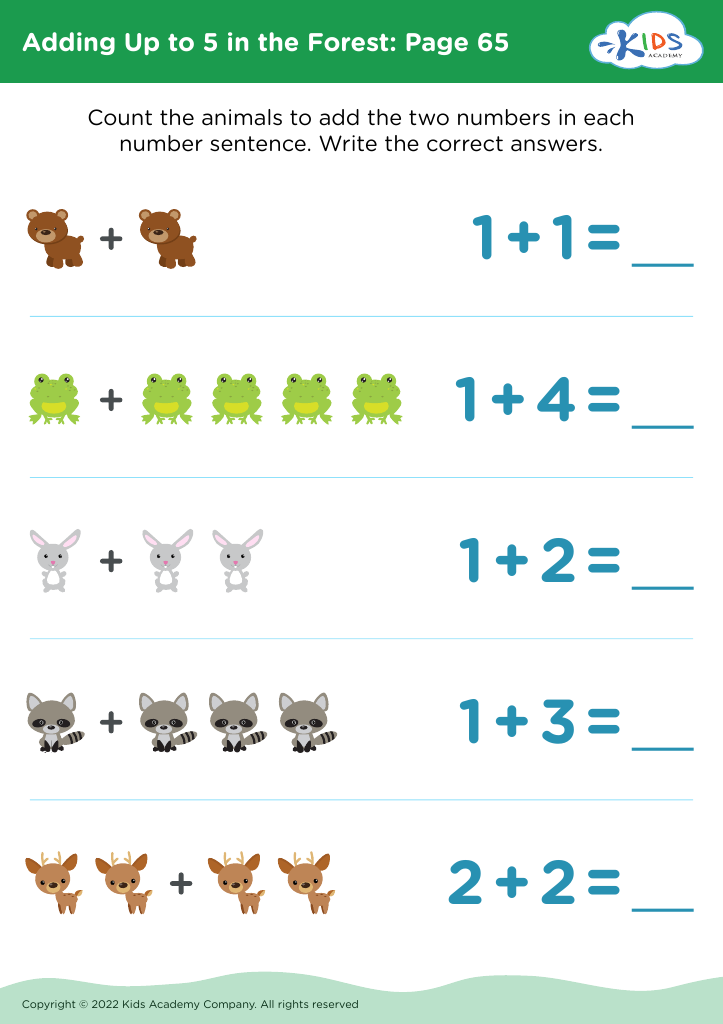
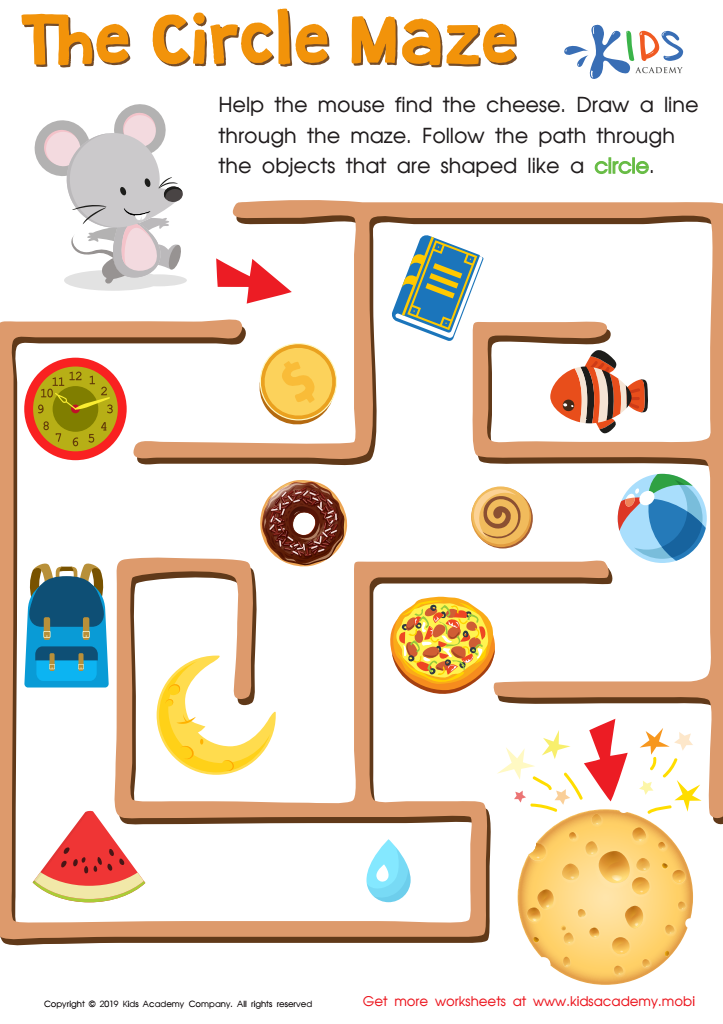
The Circle Maze Worksheet
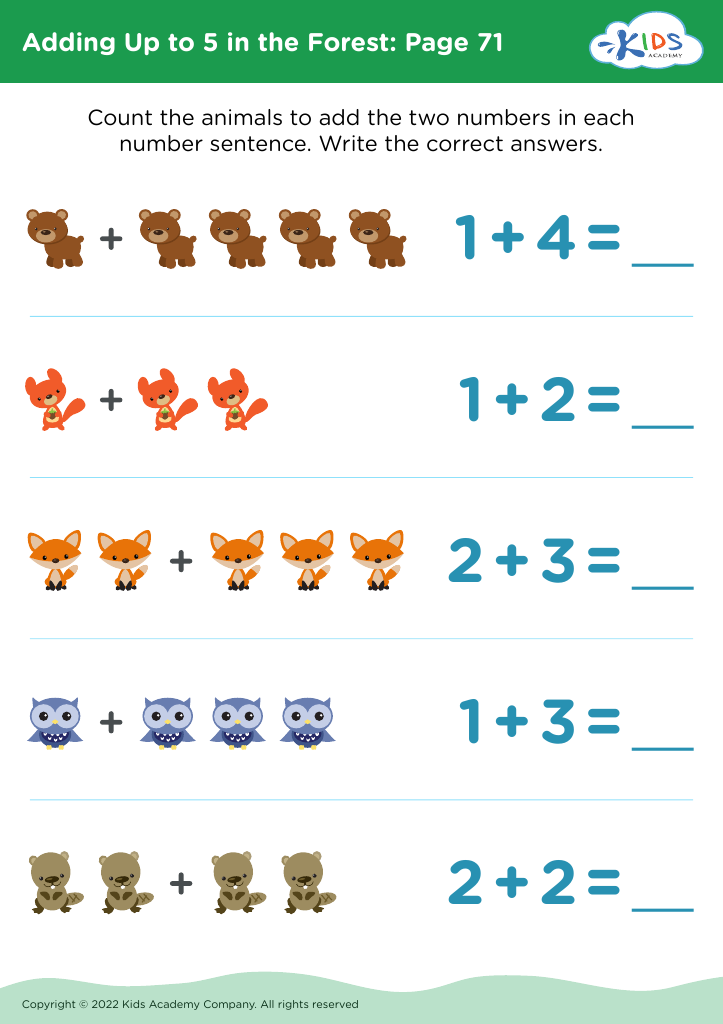
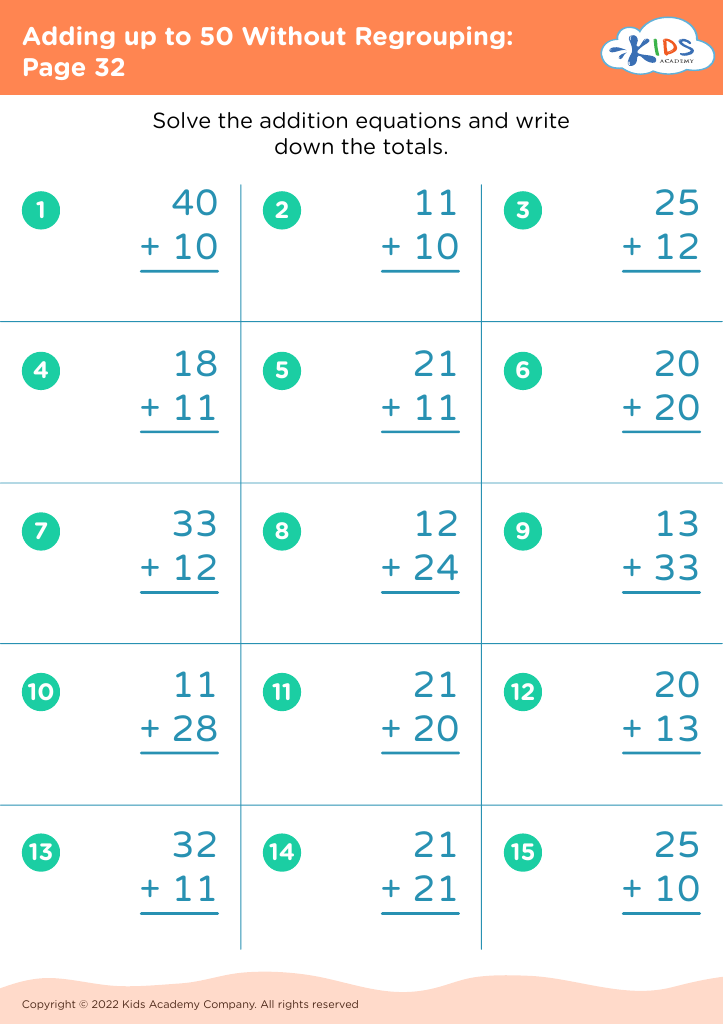
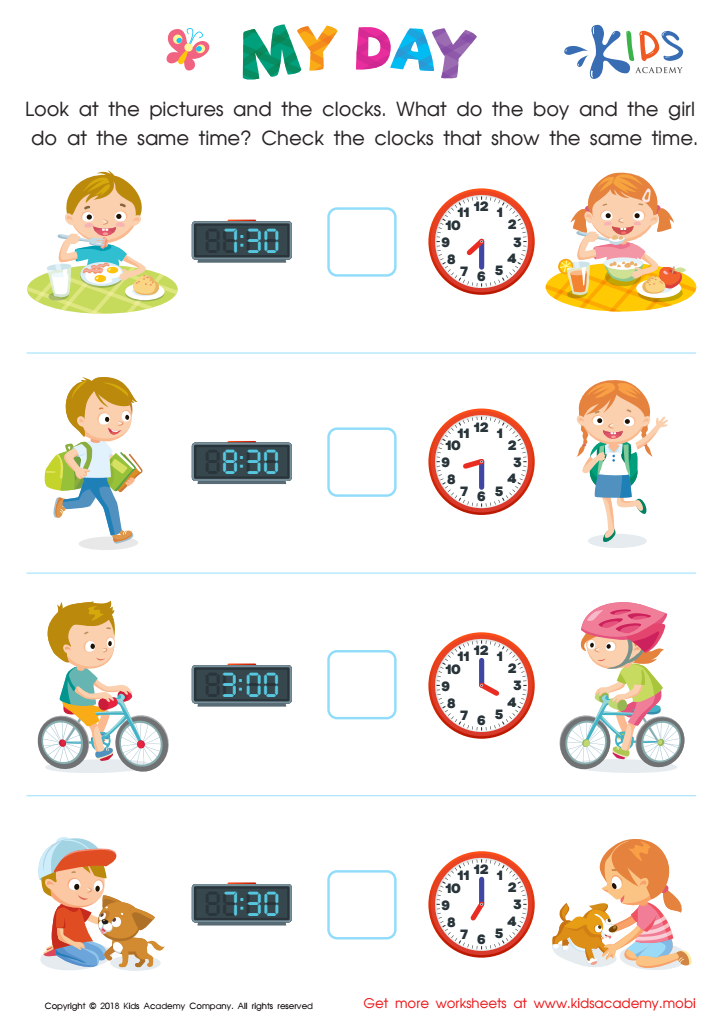
My Day Worksheet
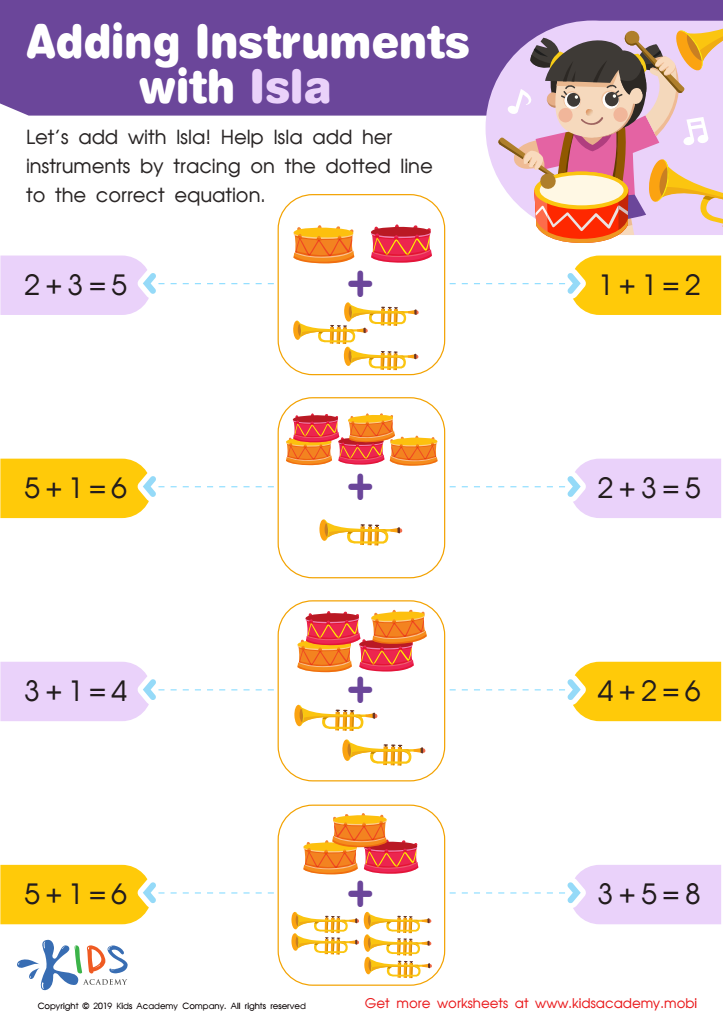
Adding Instruments with Isla Worksheet





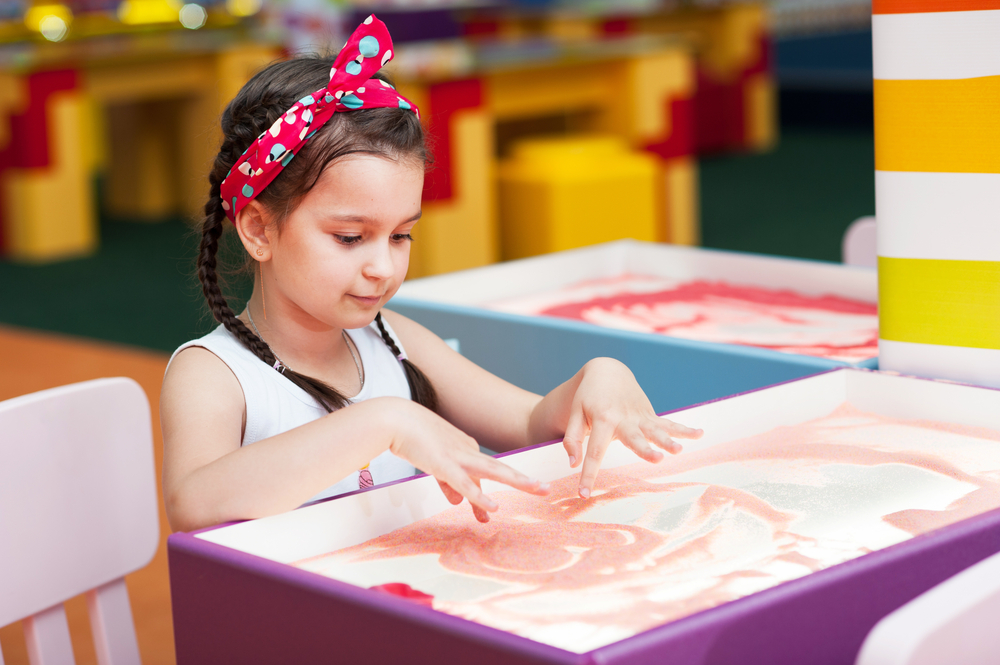


Visual perception improvement is crucial for children ages 4-7, and it significantly impacts their math learning. At this developmental stage, kids are honing their ability to process and interpret visual information—skills essential for acquiring foundational math concepts.
Firstly, math is highly visual. Understanding shapes, patterns, sizes, quantities, and spatial relationships relies heavily on a child's visual perception. For example, distinguishing between different numbers, comprehending the difference between “more” and “less,” and recognizing geometric shapes all involve visual processing. Improvement in this area can lead to better number sense and early problem-solving abilities.
Secondly, early years are critical for cognitive development. Young children’s brains are extraordinarily plastic and can adapt quickly. Enhancements in visual perception during these years have a lasting impact, laying a strong foundation for more complex mathematical thinking encountered in higher grades.
Furthermore, visual perception skills extend beyond math. They also play a fundamental role in reading, writing, and day-to-day tasks like following directions and organizing materials. Strengthening these skills can aid in overall academic performance and classroom behavior, boosting a child's confidence and engagement in school.
Therefore, parents and teachers should prioritize visual perception improvement to support holistic educational development and foster essential life-long learning skills in young children.








