Number Recognition Reading Worksheets for Ages 4-7 - Page 2
34 filtered results
-
From - To
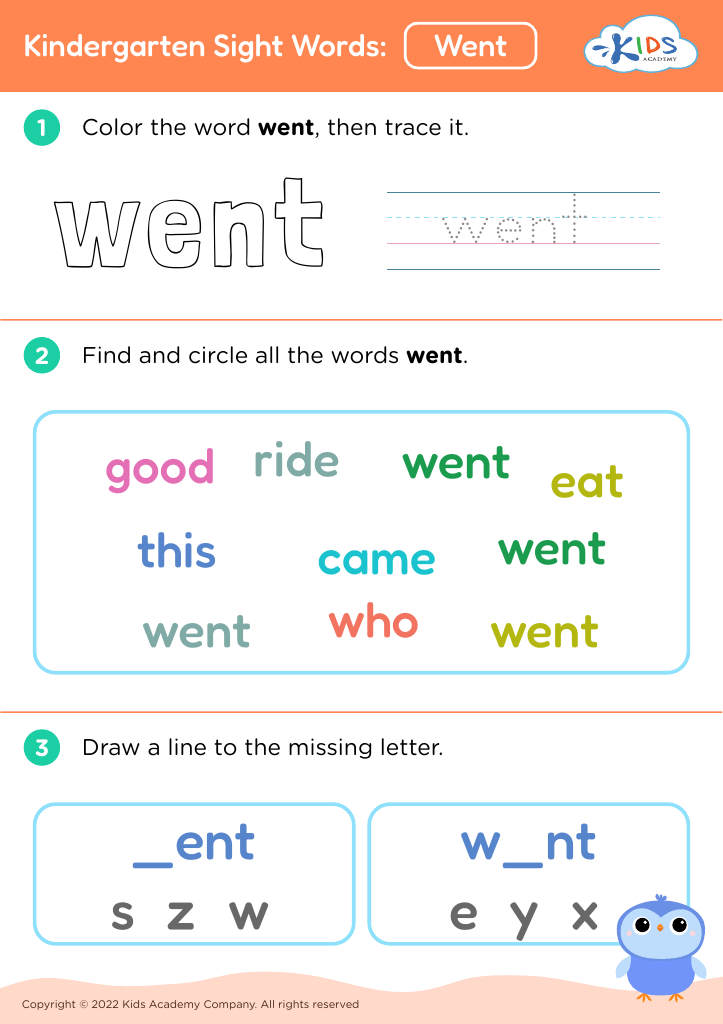
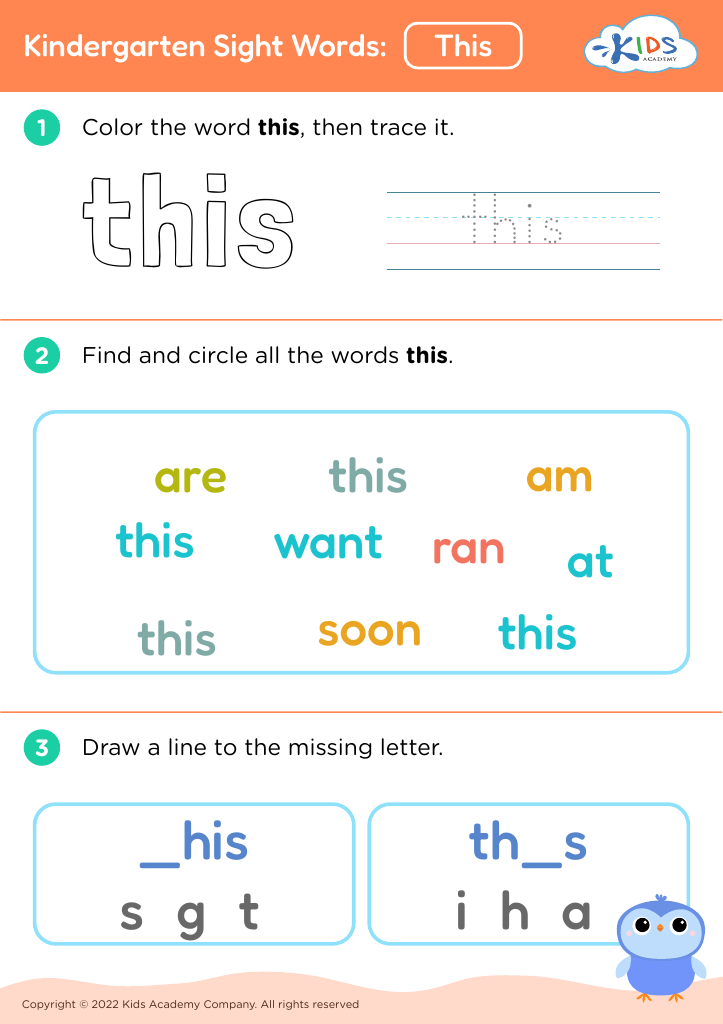
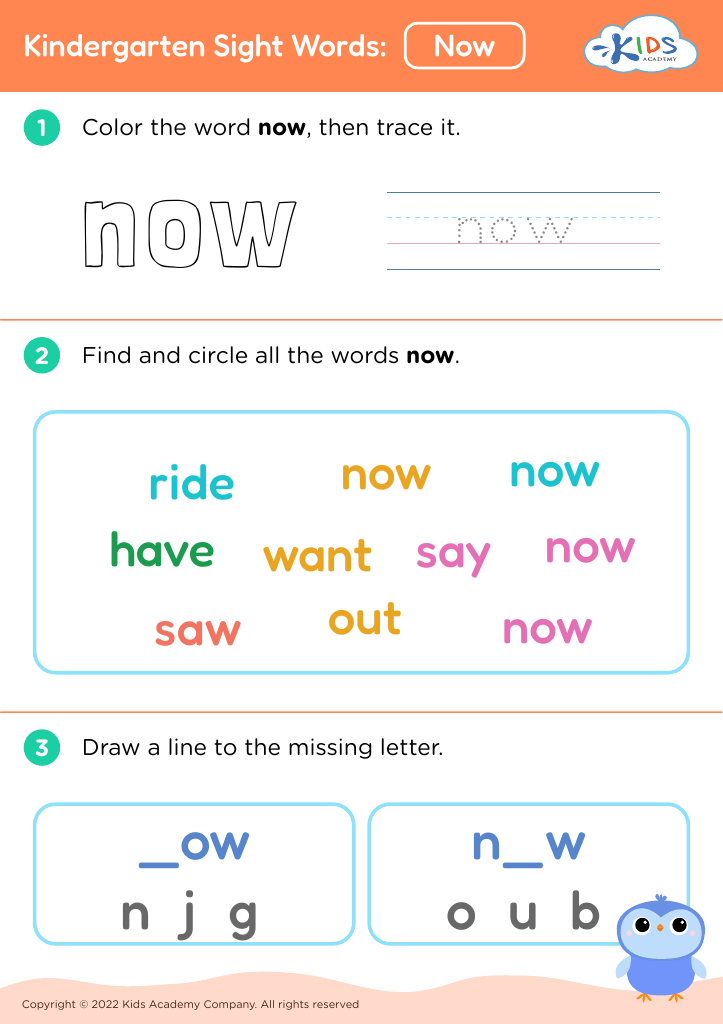
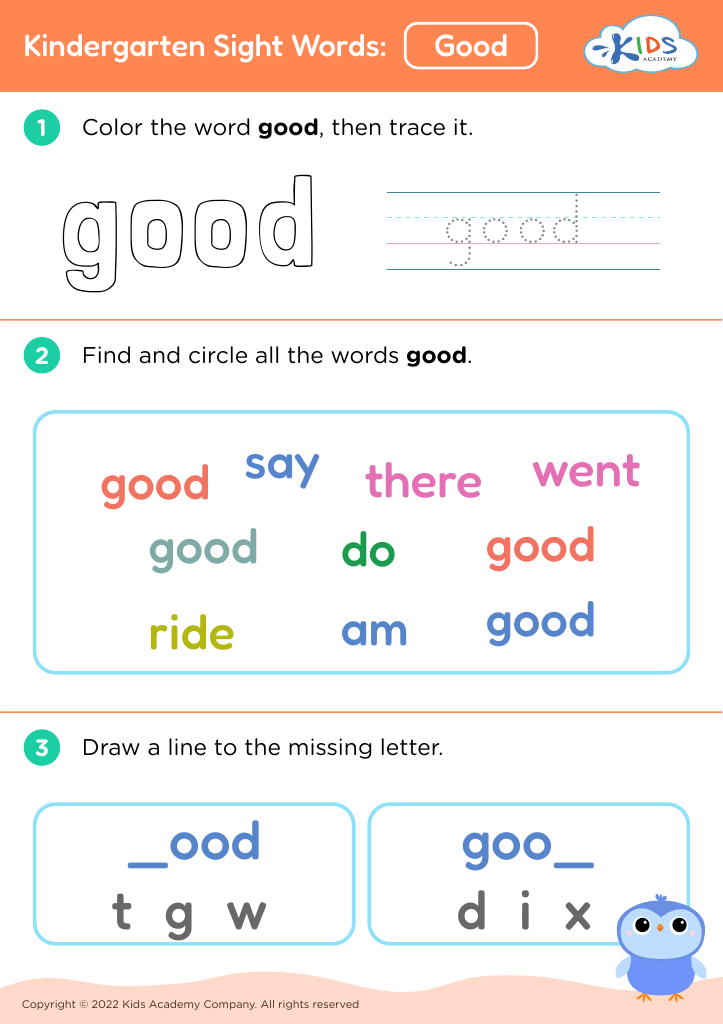
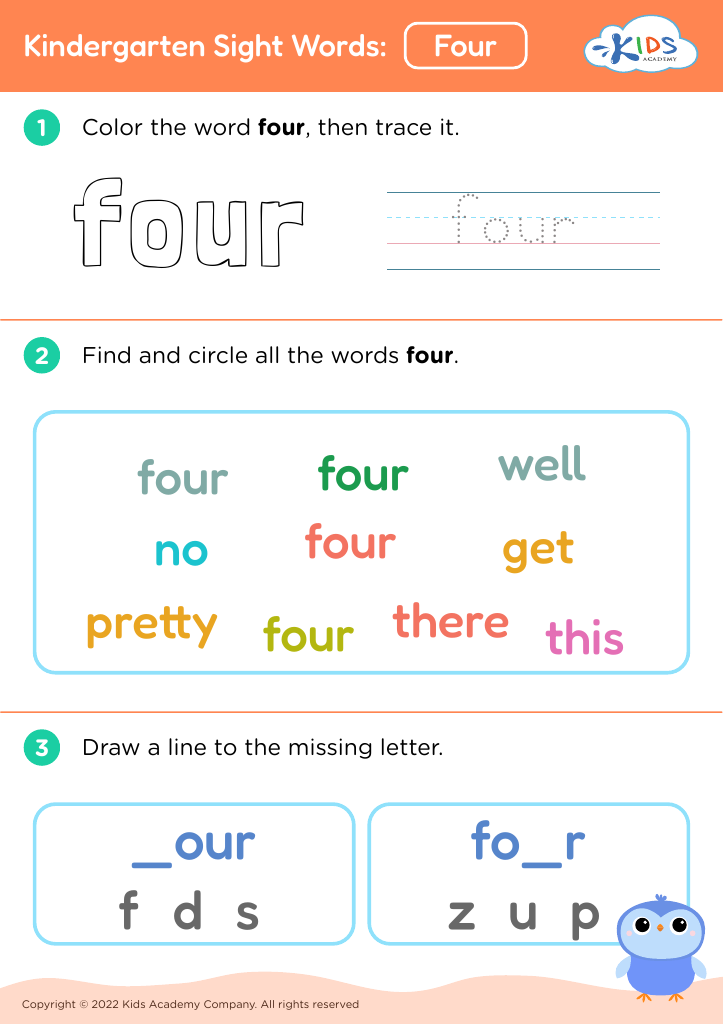
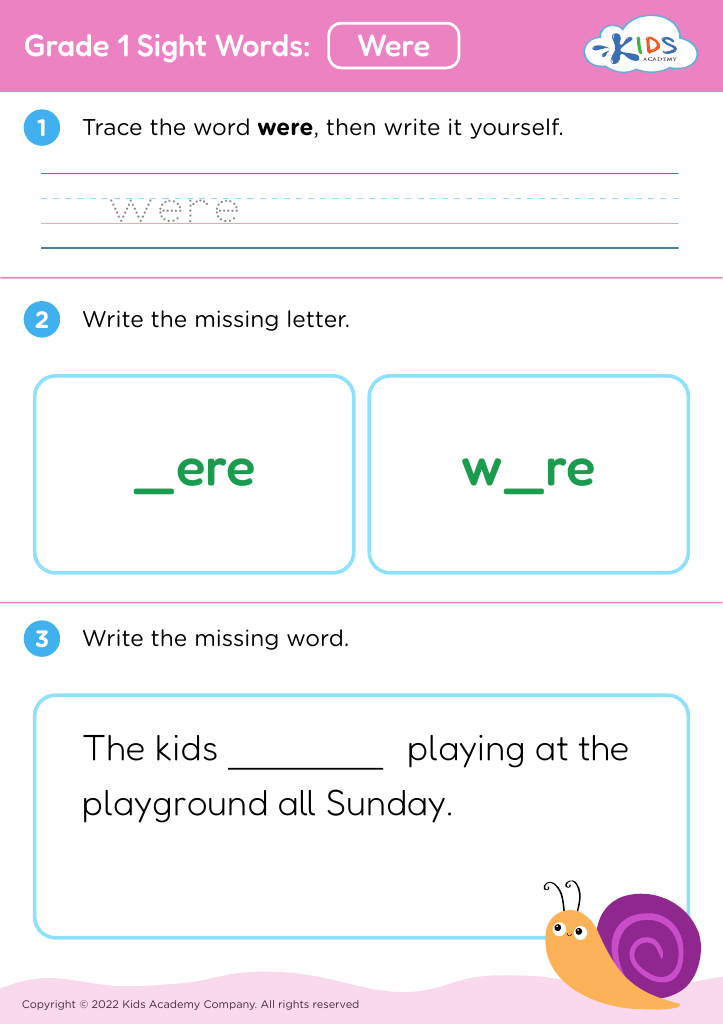







Number recognition is a foundational skill in early childhood education, crucial for children aged 4-7 as it lays the groundwork for future mathematical concepts. For parents and teachers, fostering this skill is essential because it influences a child's overall numeracy development. Recognizing and understanding numbers helps young learners build confidence in math, which is vital for their academic success.
For parents, promoting number recognition at home can create engaging learning opportunities through everyday activities, such as counting items during grocery shopping or reading number-based storybooks. This reinforces the importance of numbers in real-life contexts.
Teachers play a pivotal role in providing structured learning environments that encourage number recognition through hands-on activities, games, and visual aids. Such interactive methods capture children's interest and cater to varied learning styles, making the learning experience enjoyable.
Furthermore, early number recognition supports cognitive development by enhancing problem-solving skills and critical thinking. It also forms a bridge to other core subjects, such as science and reading, as mathematical reasoning is increasingly integrated across curricula. By prioritizing number recognition, both parents and teachers ensure that children acquire essential skills that will serve them throughout their educational journey and beyond.








