Spelling practice Reading Worksheets for Ages 4-7 - Page 2
50 filtered results
-
From - To
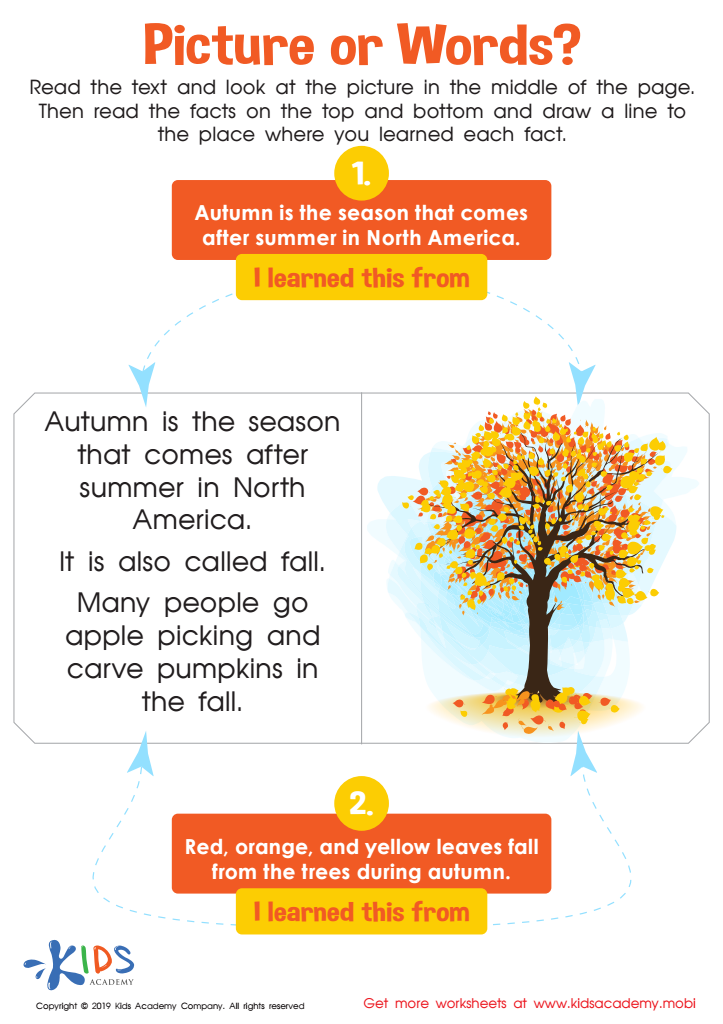
Picture Words Worksheet
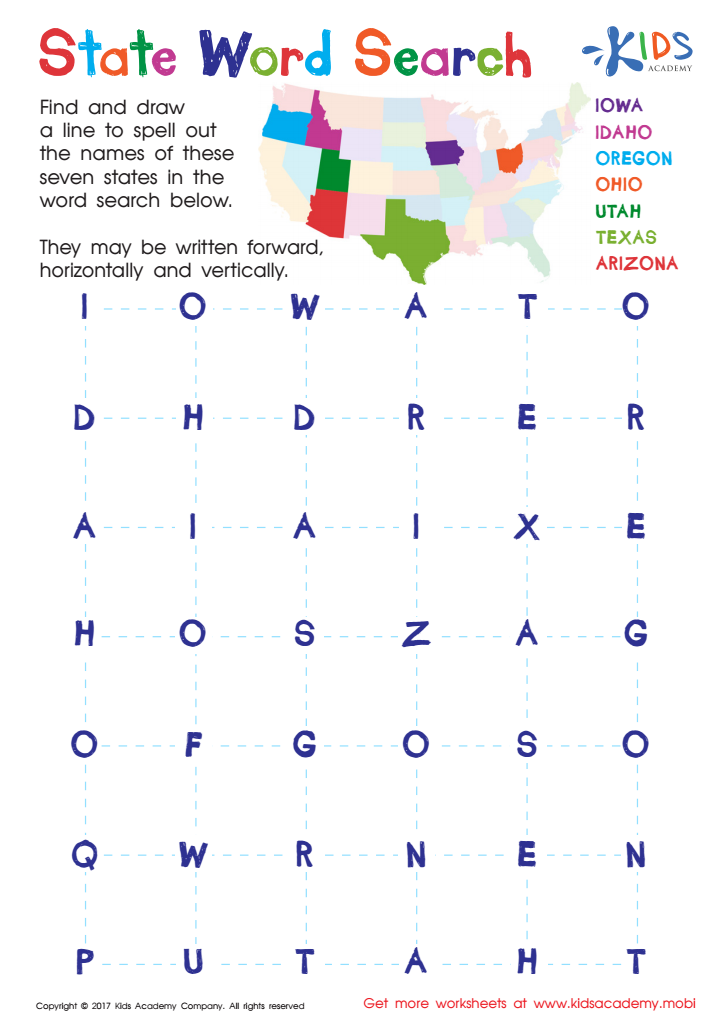
State Word Search Worksheet
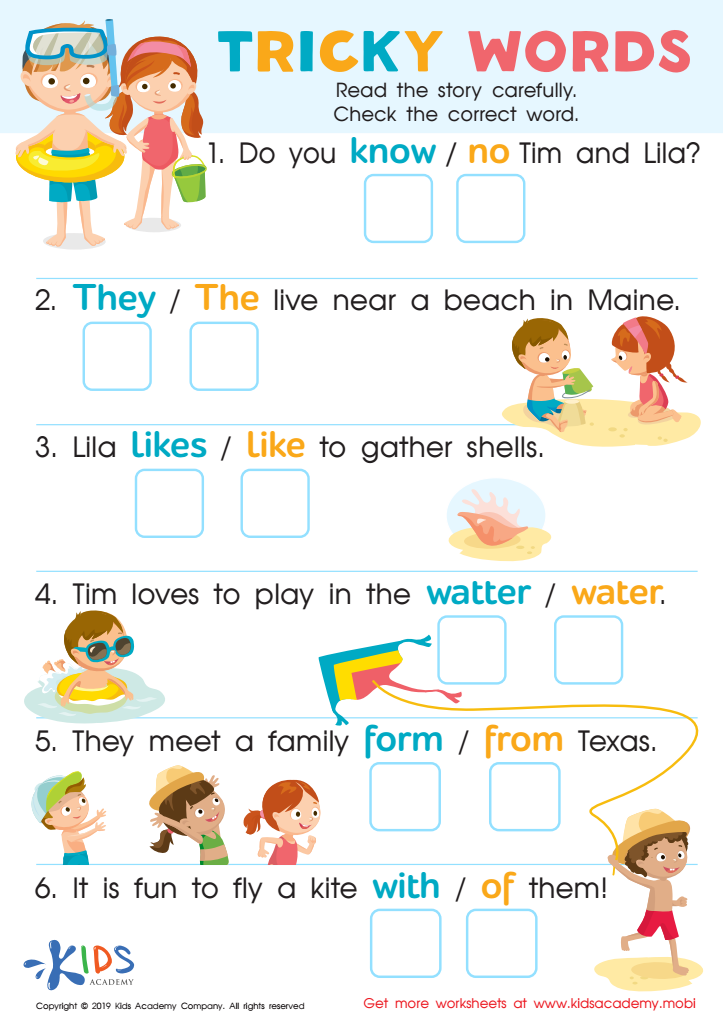
Tricky Words Worksheet
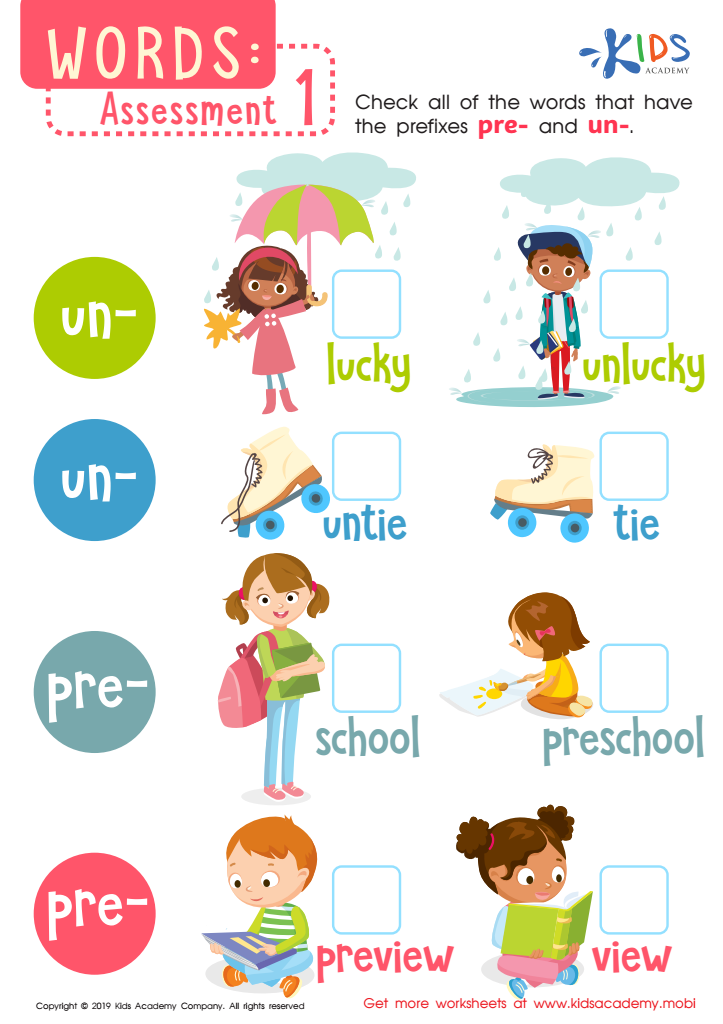
Words: Assessment 1 Worksheet
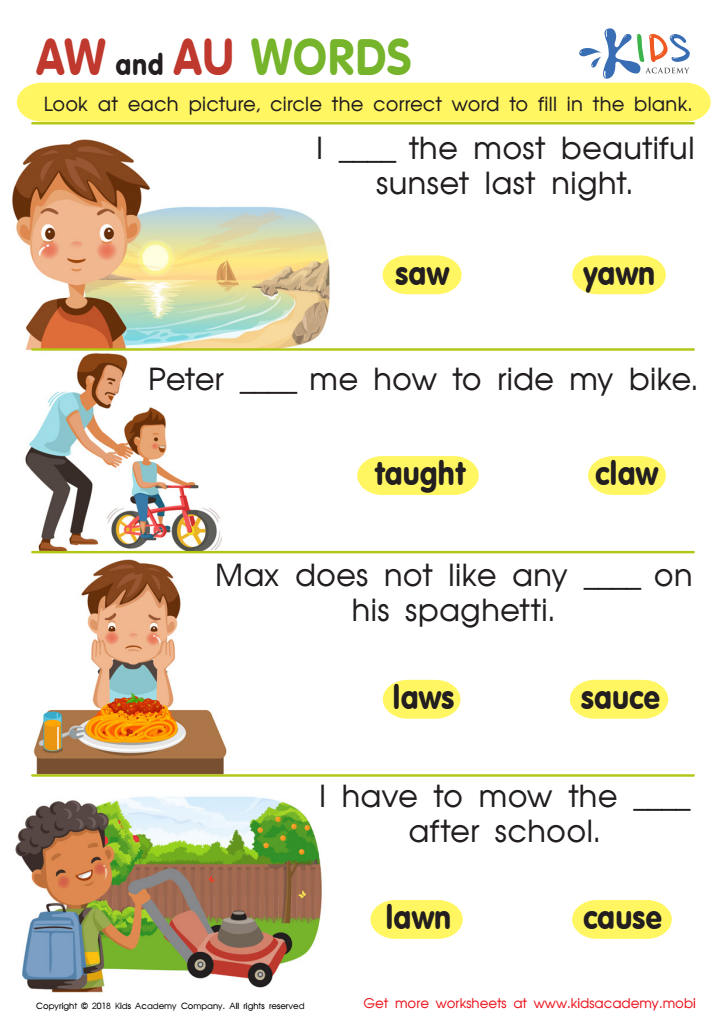
Reading: AW and AU Words Worksheet
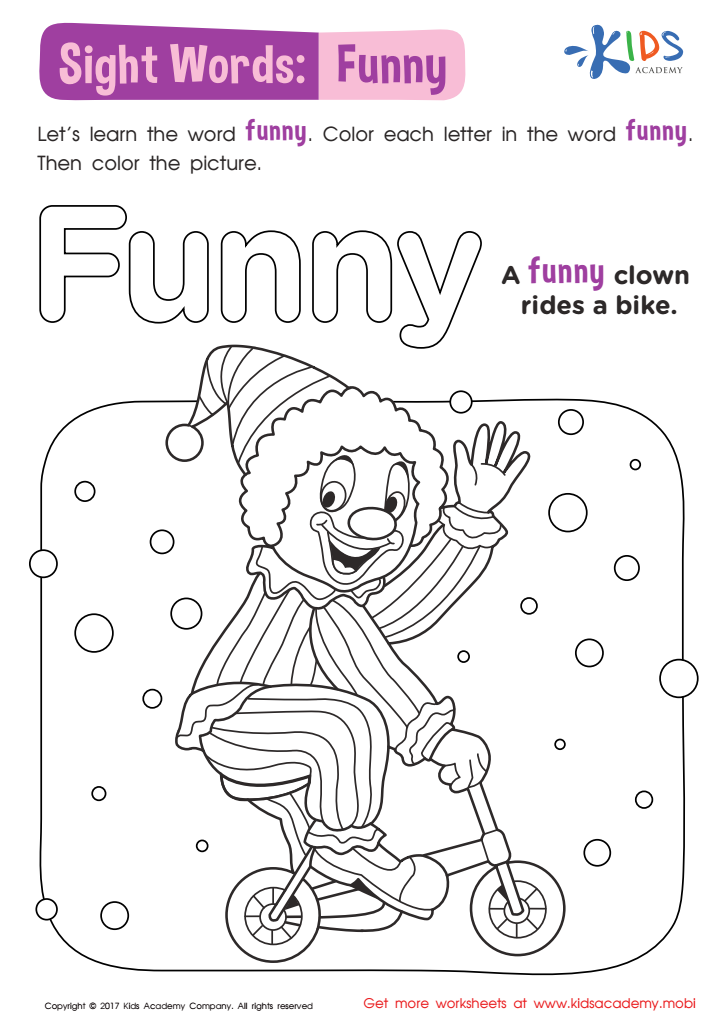
Funny Worksheet Sight Words Worksheet
 Assign to My Students
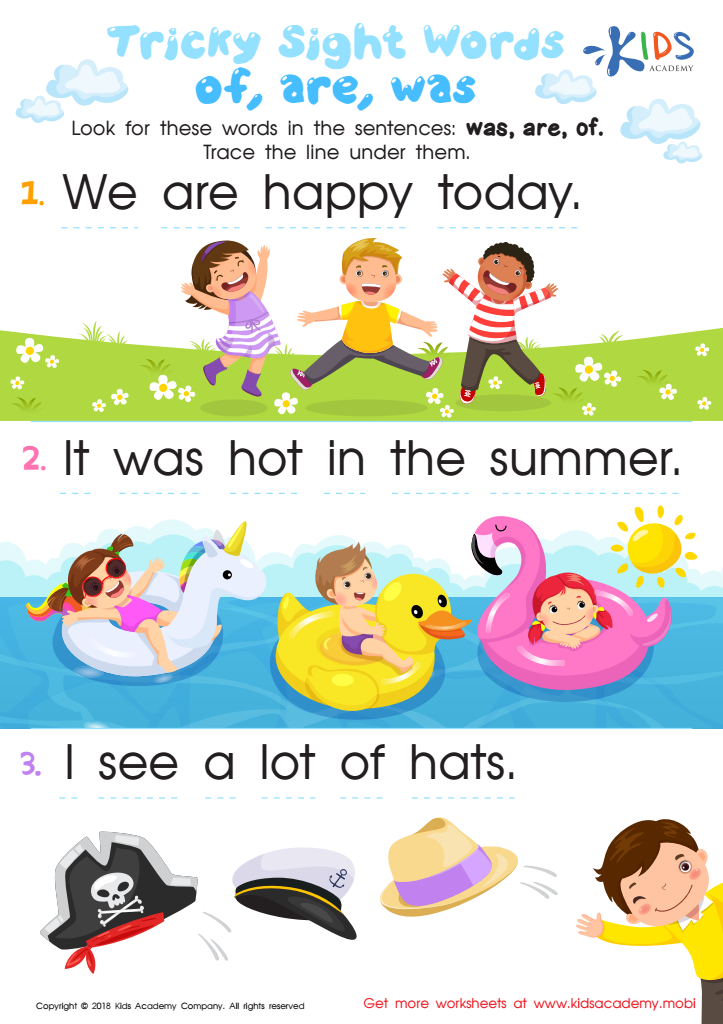
Tricky Sight Words Worksheet
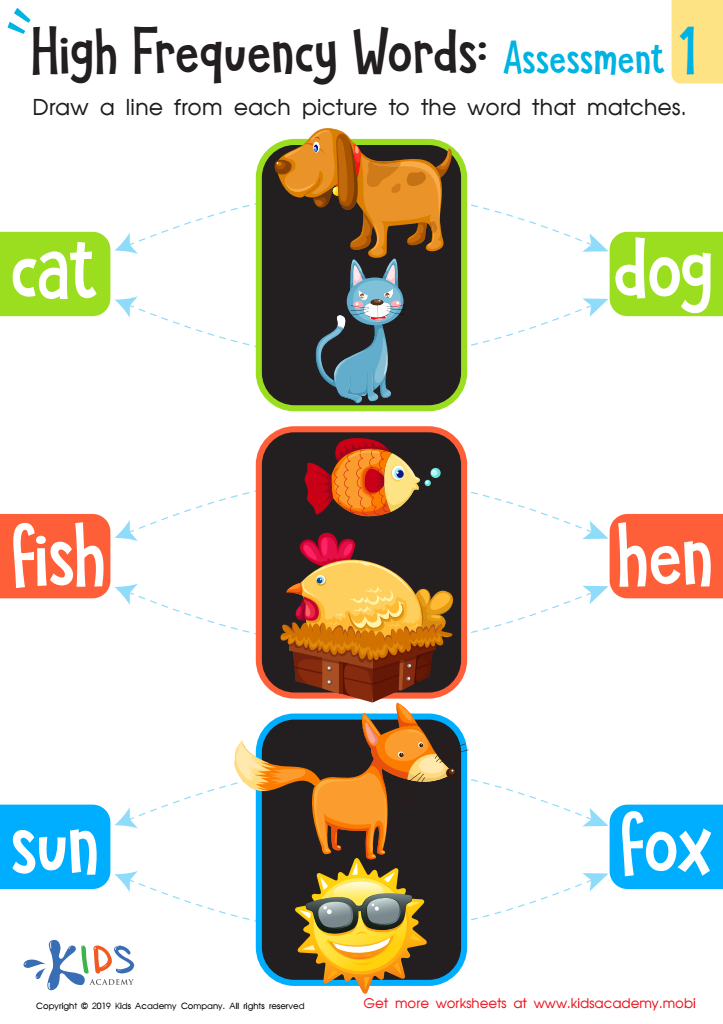
High Frequency Words: Assessment 1 Worksheet
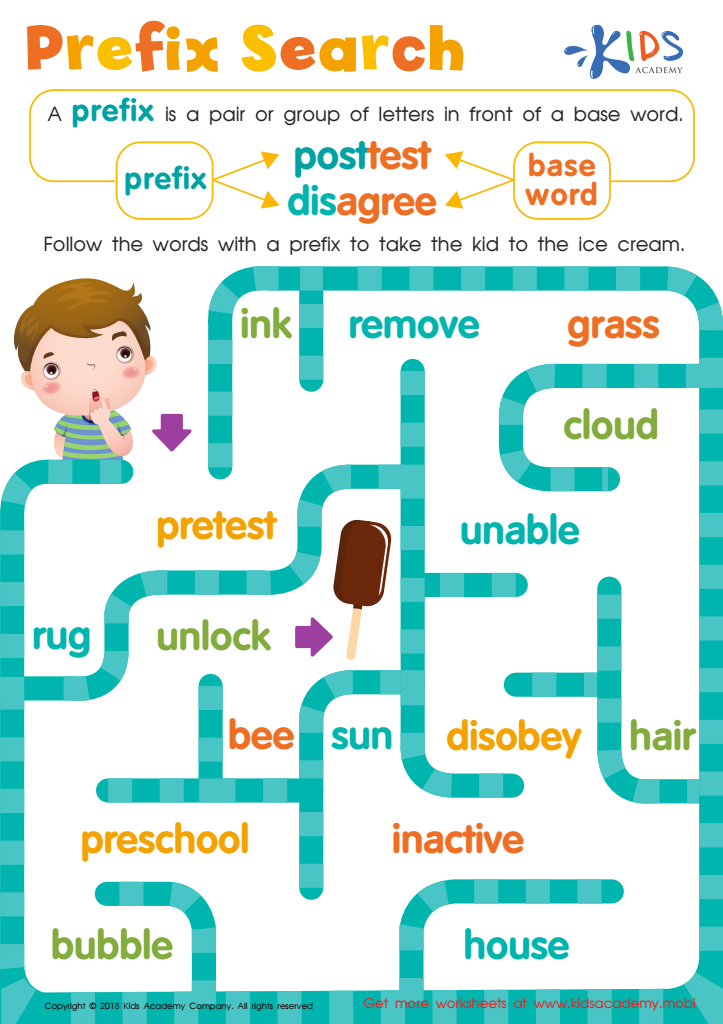
Reading: Prefix Search Worksheet

Long Vowel Sound A Worksheet Worksheet
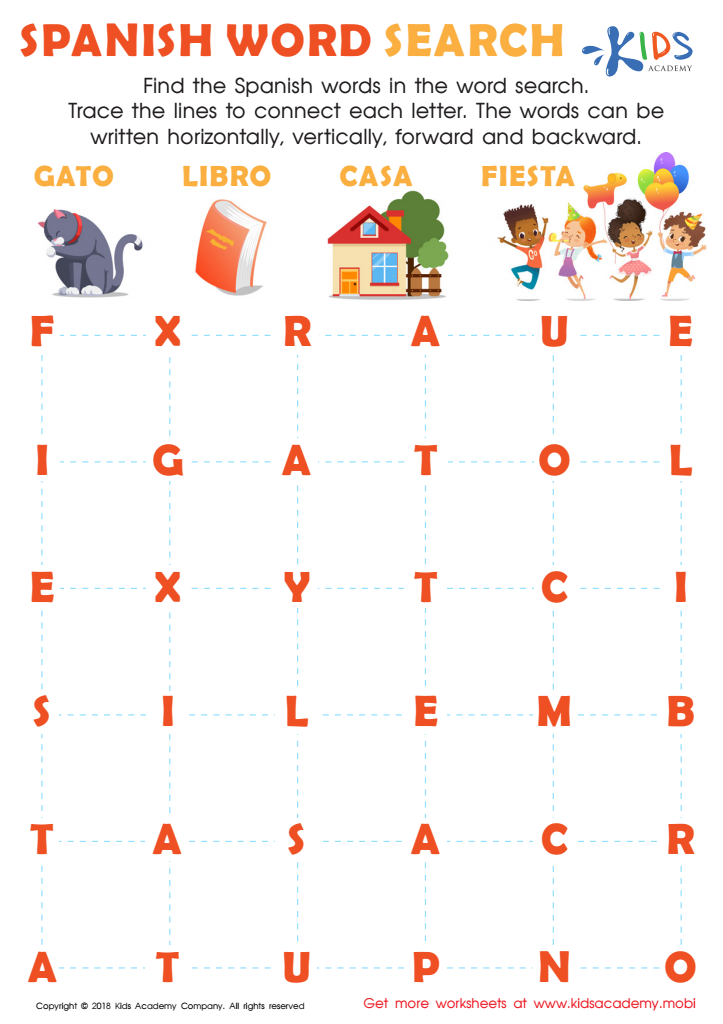
Spanish Word Search Worksheet
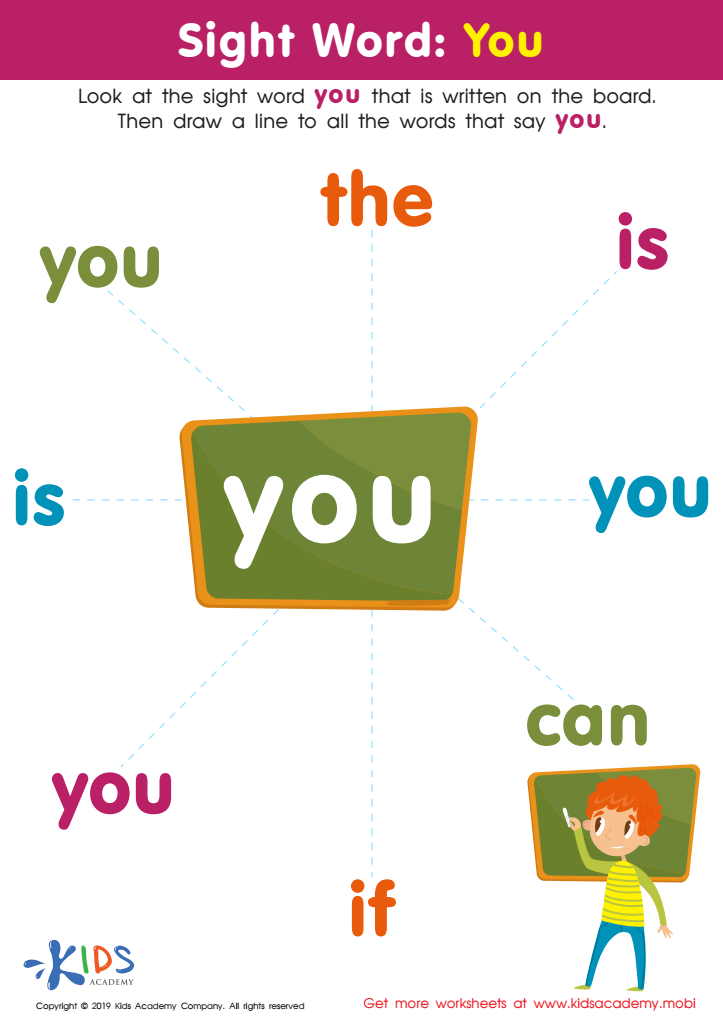
Sight Word You Worksheet
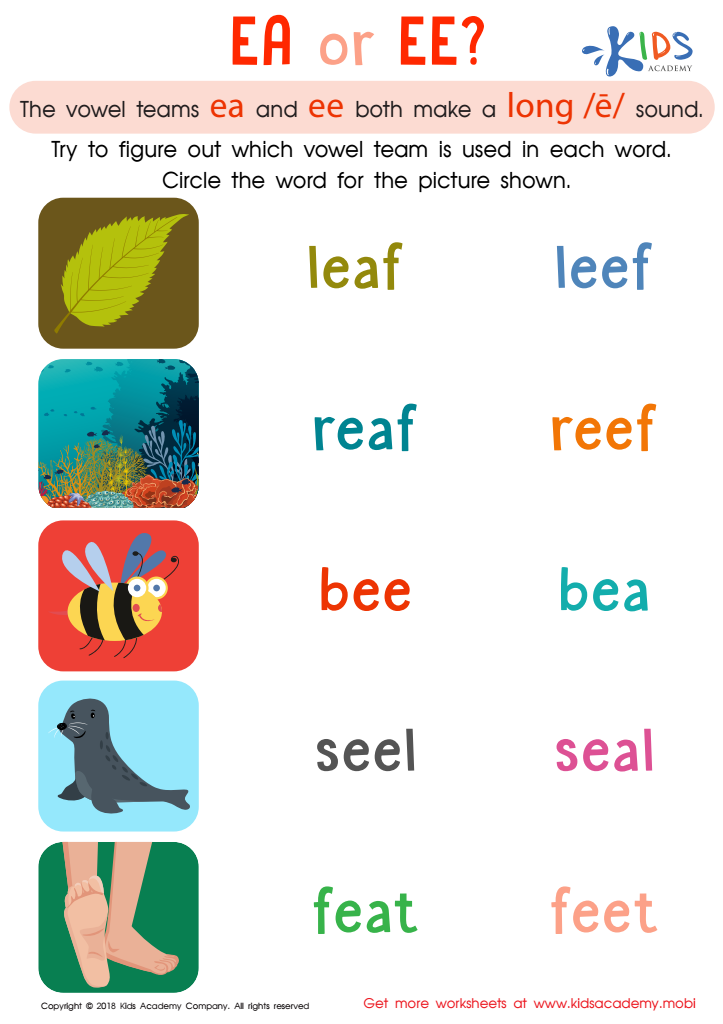
Reading: EA and EE Worksheet
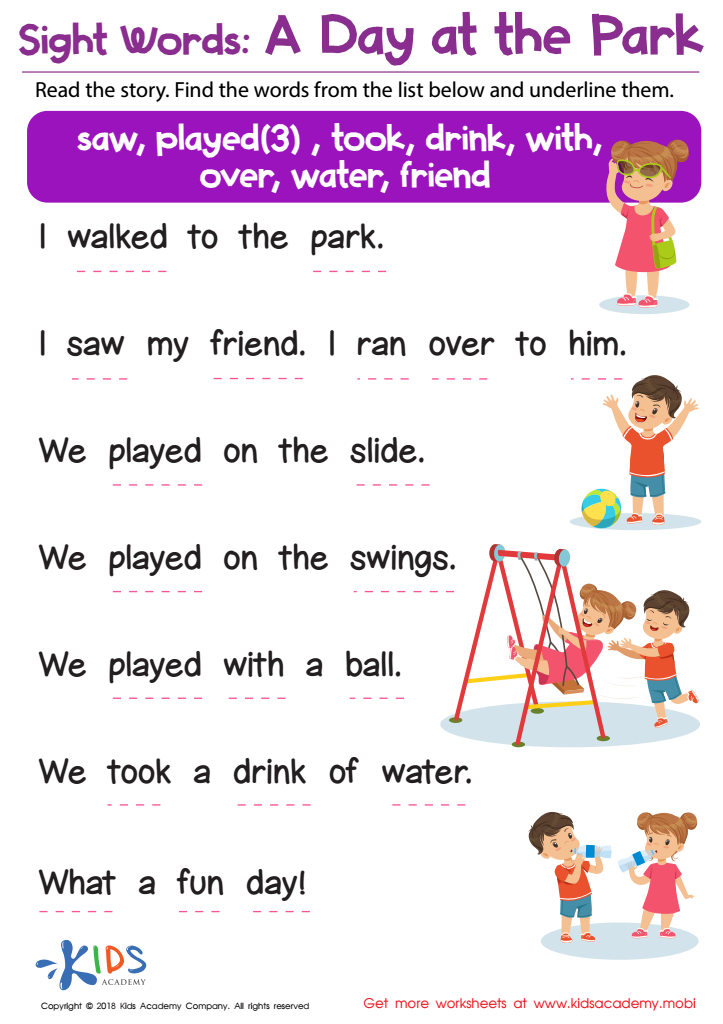
Sight Words: A Day at the Park Worksheet
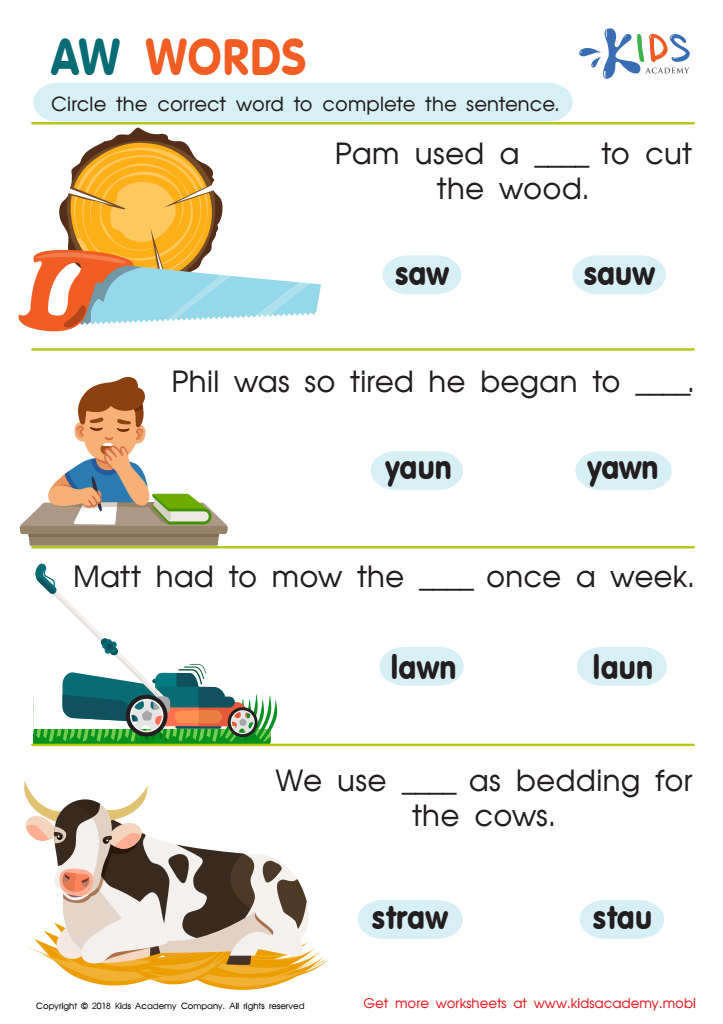
Reading: AW Words Worksheet
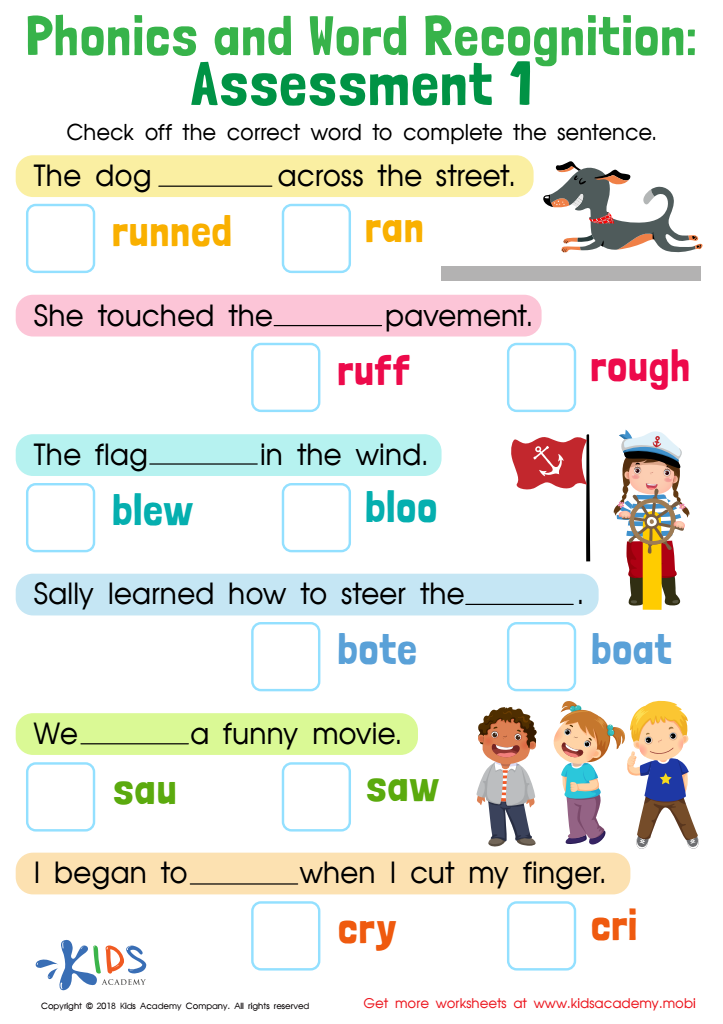
Phonics and Word Recognition: Assessment 1 Worksheet
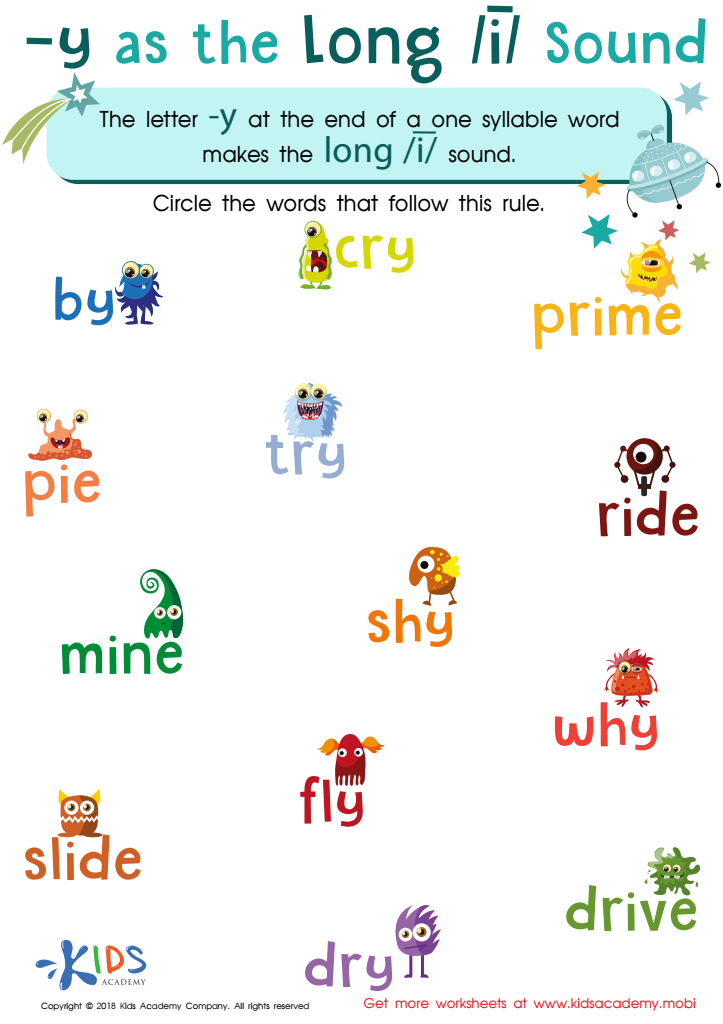
Reading: Y as Long I Worksheet
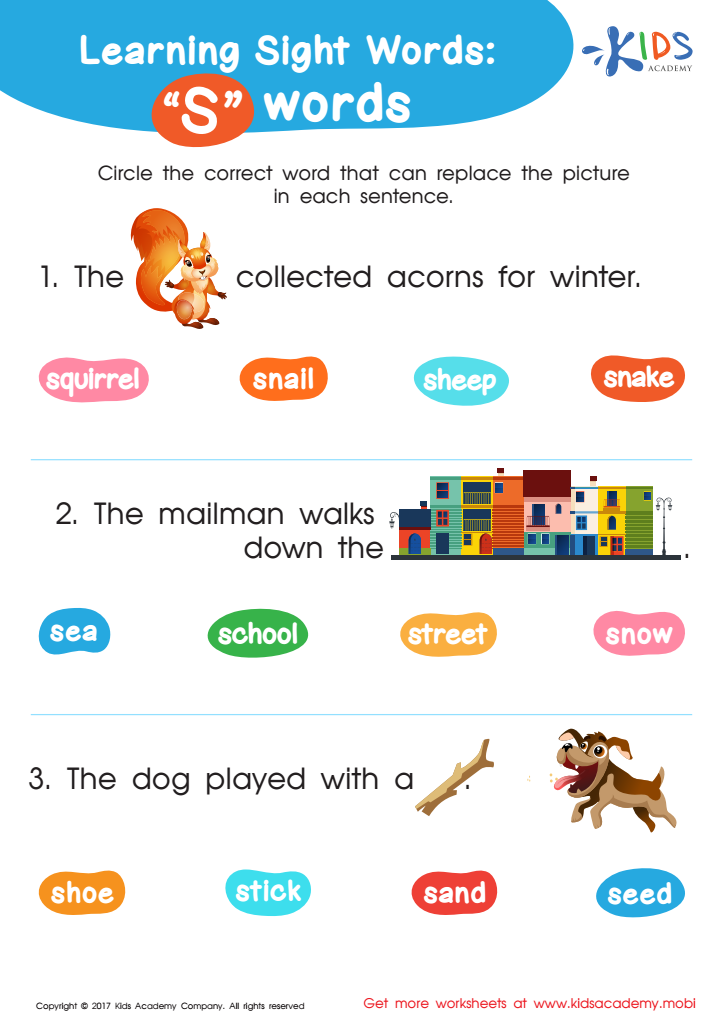
S Words Sight Words Worksheet
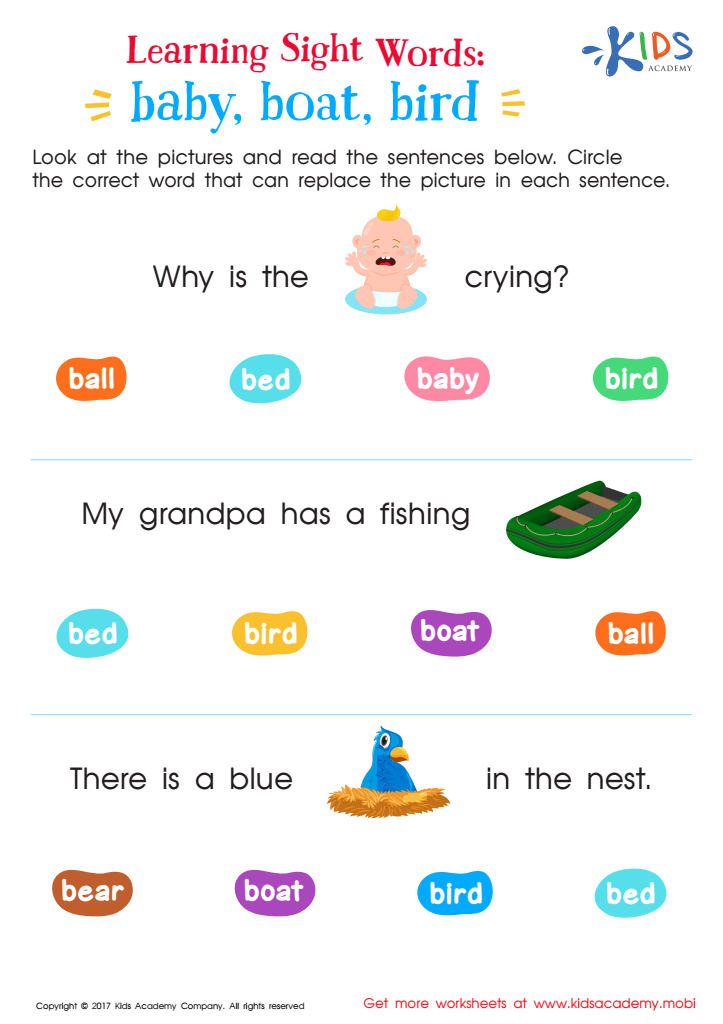
Baby, Boat, Bird Worksheet Sight Words Worksheet
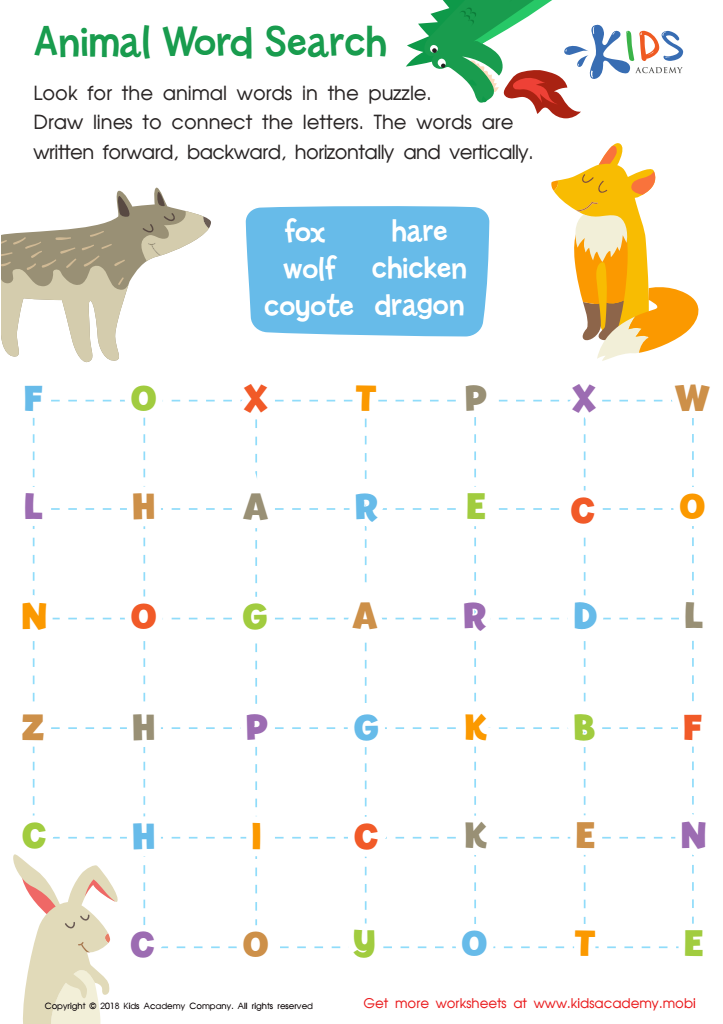
Animal Word Search Worksheet
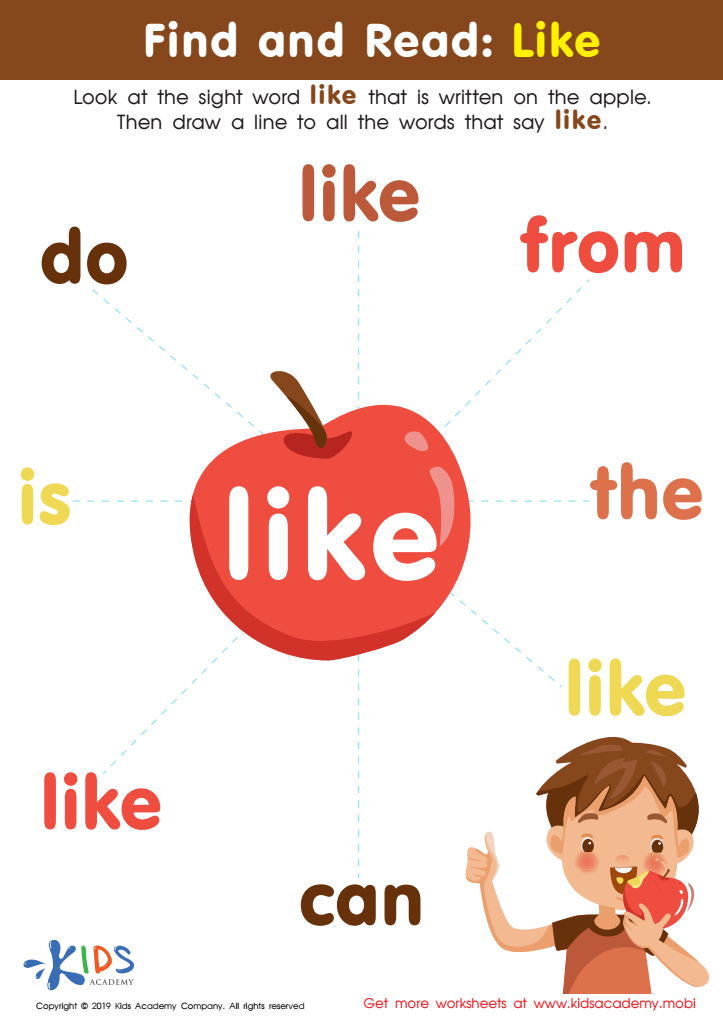
Find and Read: Like Worksheet
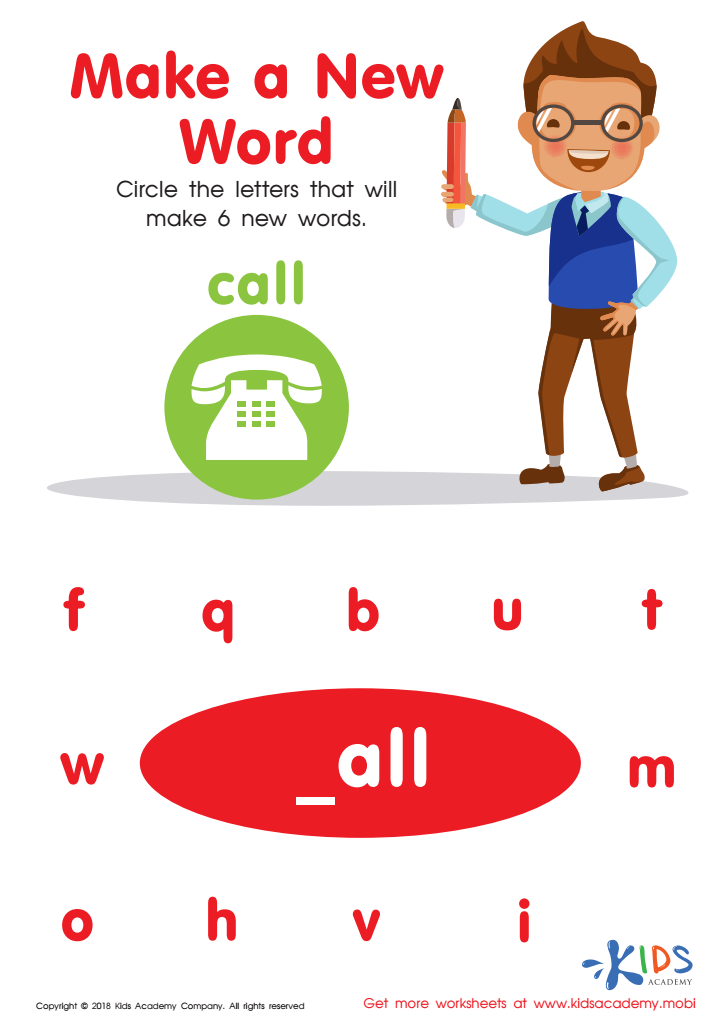
Make a New Word Worksheet
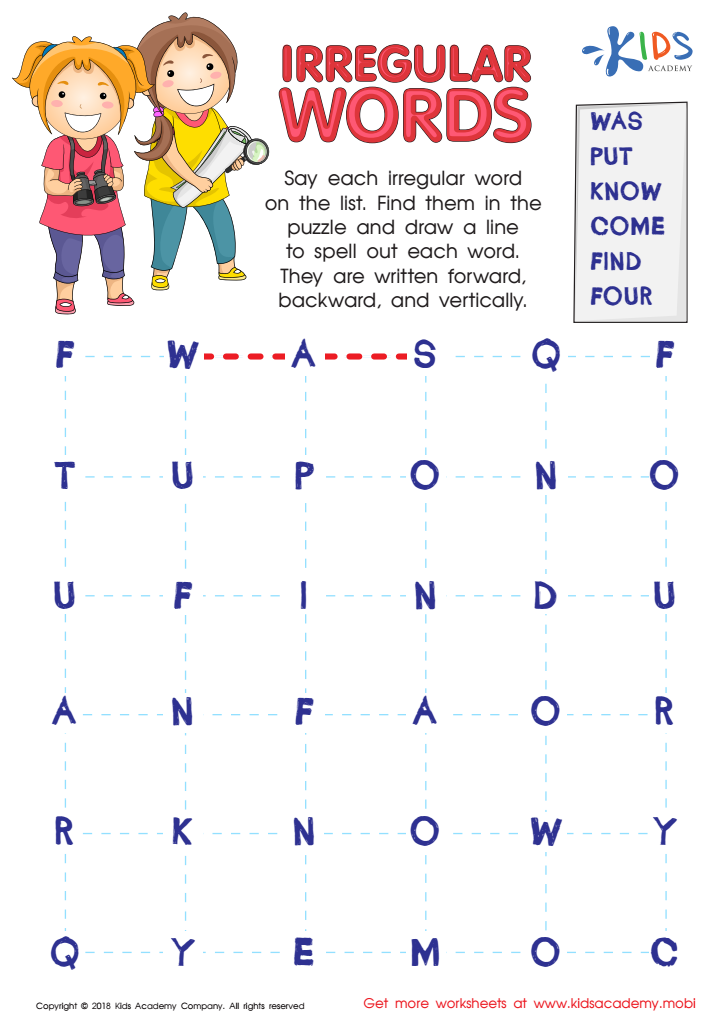
Irregular Words Worksheet
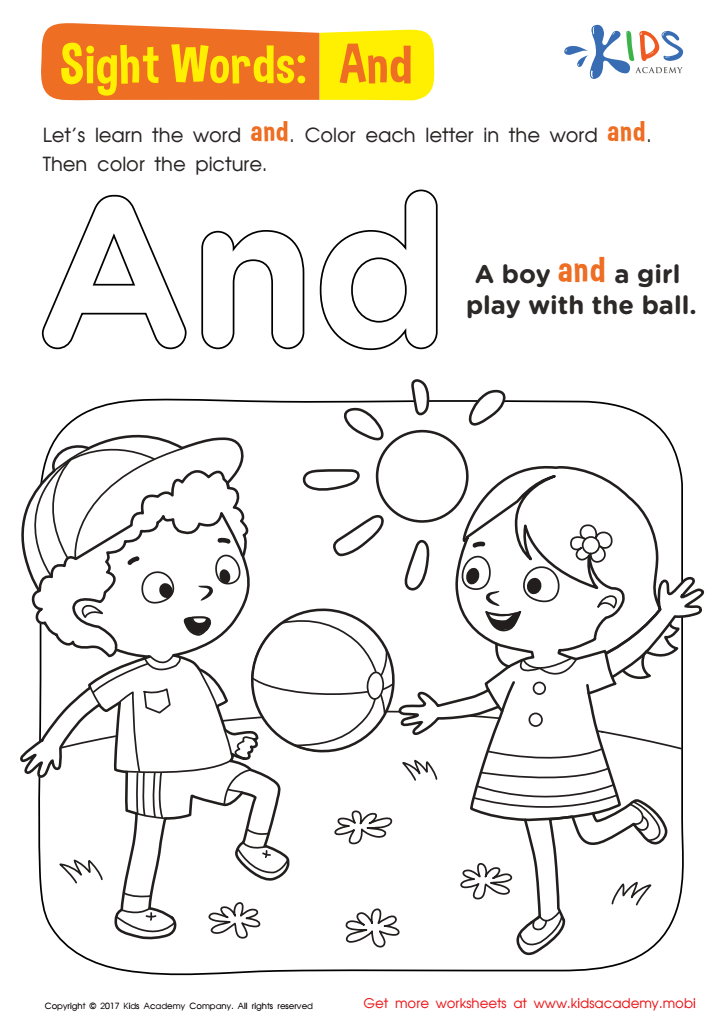
And Worksheet Sight Words Worksheet
Assign to My Students








Spelling practice in reading for children aged 4-7 is crucial for several reasons. First, it fosters literacy development by strengthening phonemic awareness—the ability to hear, identify, and manipulate sounds in words. For young learners, mastering spelling helps them connect sounds to letters, building the foundation for reading proficiency. As they practice spelling, students can decode words more effectively, enhancing their reading fluency and comprehension skills.
Second, engaging in spelling practice enhances vocabulary acquisition. Young children are naturally inquisitive and exposed to new words daily. By emphasizing spelling, parents and teachers can help children recognize and use these words in context. This boosts their overall language skills and confidence in communication.
Furthermore, spelling practice promotes cognitive skills such as critical thinking, memory, and pattern recognition. As children learn rules and exceptions in spelling, they develop problem-solving abilities that benefit all areas of learning.
Lastly, fostering a habit of regular spelling practice instills discipline and a sense of achievement. Celebrating progress can motivate children to take pride in their learning journey. Ultimately, parents and teachers play a vital role in cultivating foundational auditory and visual skills that serve as essential building blocks for lifelong literacy.








