Filters

12 filtered results

Clear all filters
Favorites
With answer key
Interactive

12 filtered results

Difficulty Level

Grade


Enhance your child's learning experience with our Fine Motor Skills Science Worksheets designed for ages 4-7! These engaging resources are perfect for developing essential fine motor skills through fun, hands-on science activities. Each worksheet offers a blend of exciting tasks that promote dexterity, coordination, and concentration. Young learners will enjoy using crayons and scissors while exploring scientific concepts in a playful manner. Ideal for home or classroom use, our worksheets encourage creativity and critical thinking, making learning an enjoyable adventure. Foster your child's skills and curiosity about the world around them with our thoughtfully crafted science worksheets!

Check out this FREE Trial Lesson on Science for age 4-7!

Gathering Information

Favorites
With answer key
Interactive
  • 4-7
  • Fine Motor Skills
  • Science
Parts of the Body Worksheet

Robot Printable

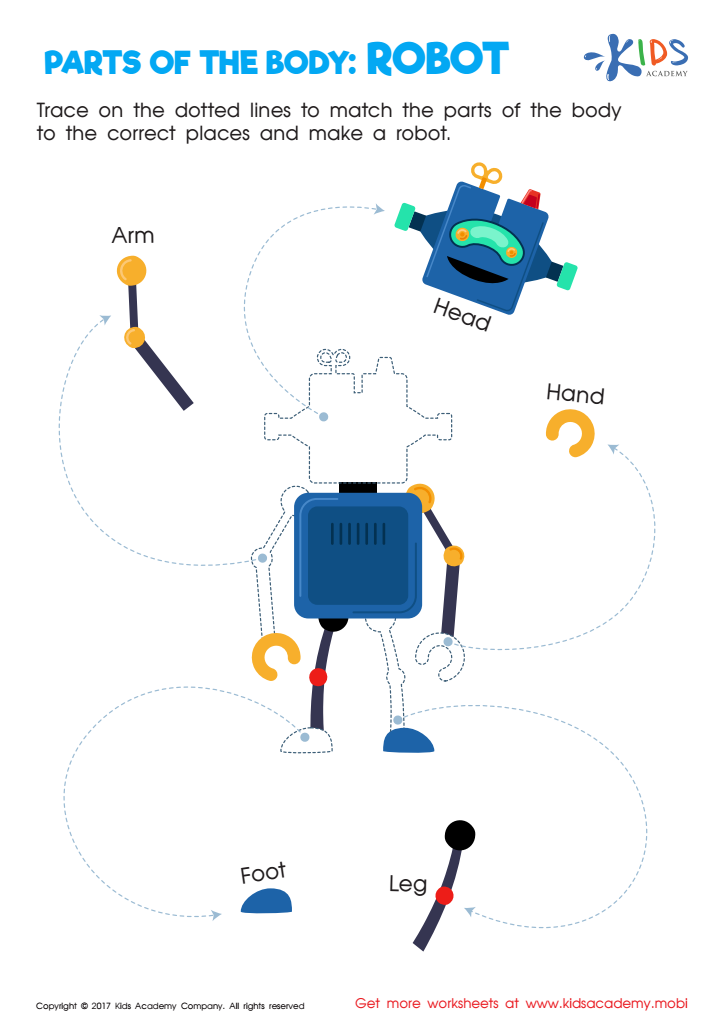
Introduce your child to a fun robot and help her hone her matching skills with this parts of the body worksheet! Your child will trace dotted lines to match the robot's body parts to the right place, helping her focus, use abstract thinking and reason better. This worksheet is sure to get your child excited and help her build essential skills for future success!
Robot Printable
Worksheet
Shapes in the Real World Worksheet

Shapes in the Real World Worksheet

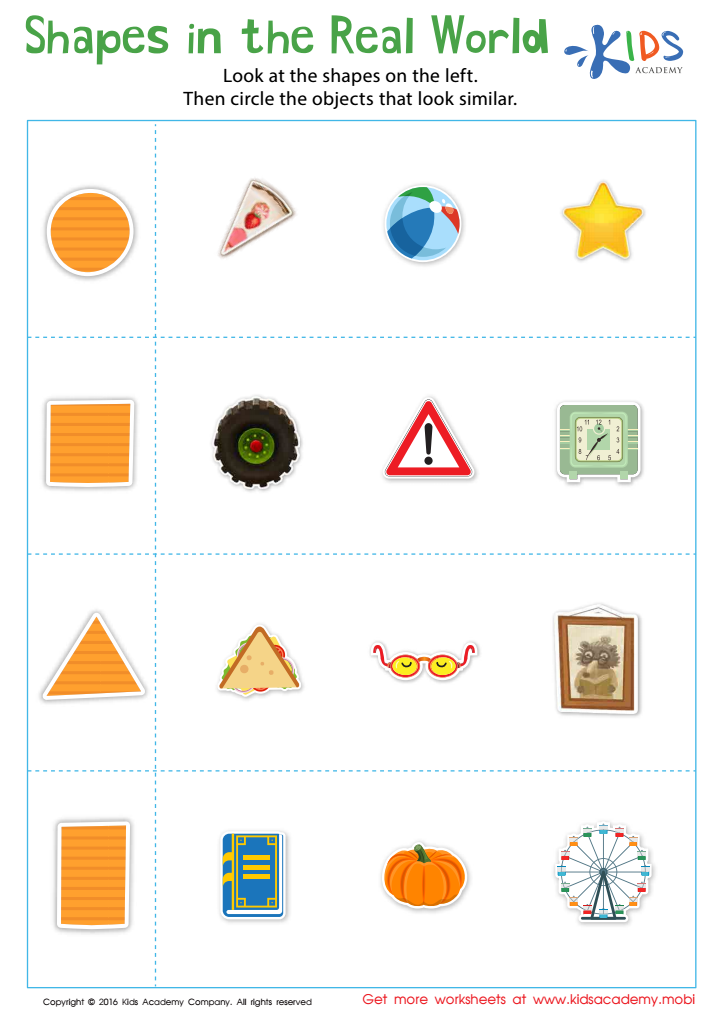
Teach kids math in real-world context with this fun and inviting PDF. Let them explore geometric shapes and match them with everyday objects, giving them practice with fine motor skills and reinforcing basic shapes. Help them understand that math is everywhere in their lives!
Shapes in the Real World Worksheet
Worksheet
More Octopus Facts Worksheet

More Octopus Facts Worksheet

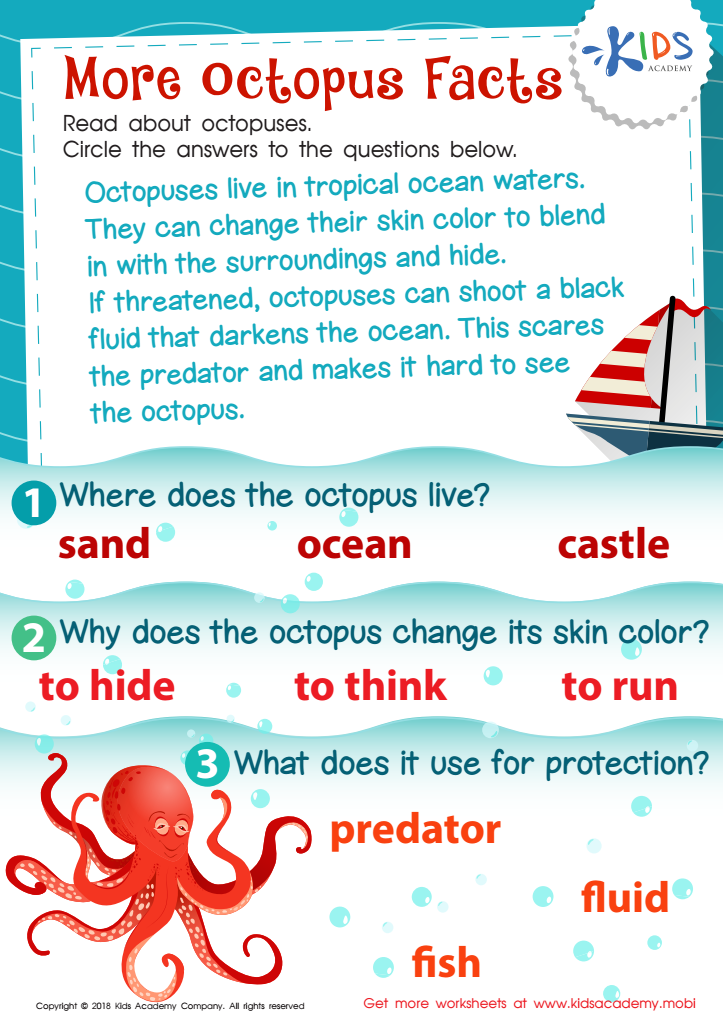
This worksheet will help your kids learn about the Octopus. Read the text carefully and have kids read with you. Now, ask them questions based on it and help them answer them by circling the right choices. Teaching your kids facts about animals will help them in the long run.
More Octopus Facts Worksheet
Worksheet
Counting Birds Worksheet

Counting Birds Worksheet

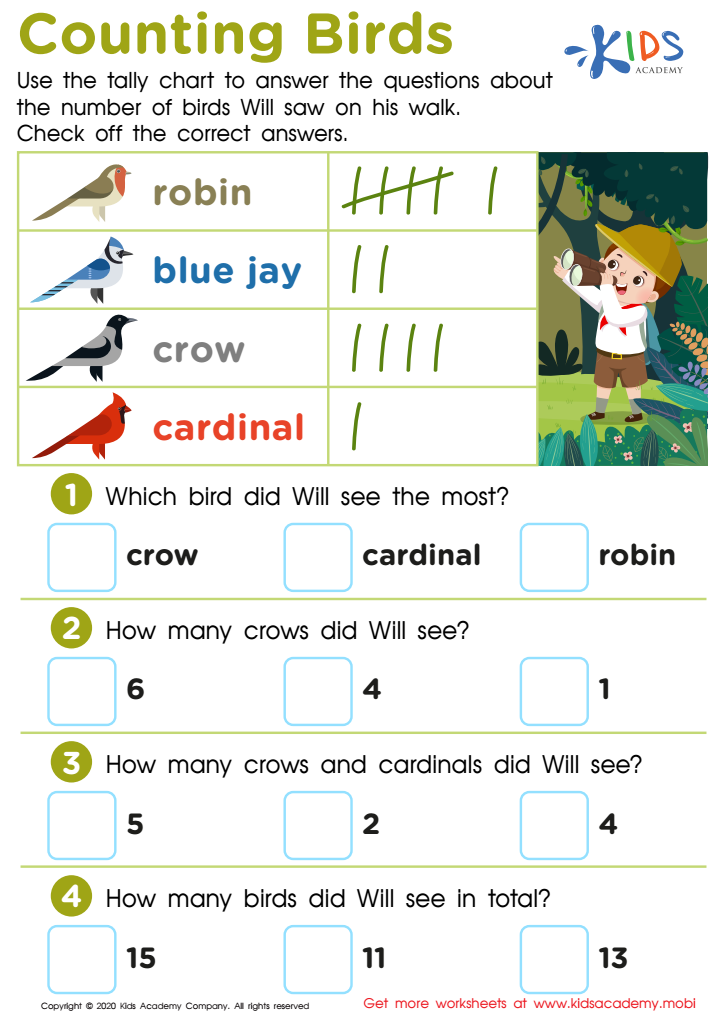
Introduce your child to the exciting activity of bird watching! This PDF worksheet features a tally chart of the different types of birds Will saw on his walk. Have your kid use the tally chart to organize information and use it to answer the questions that follow, thus boosting early science and math skills.
Counting Birds Worksheet
Worksheet
Body Parts Worksheet

Alien Worksheet

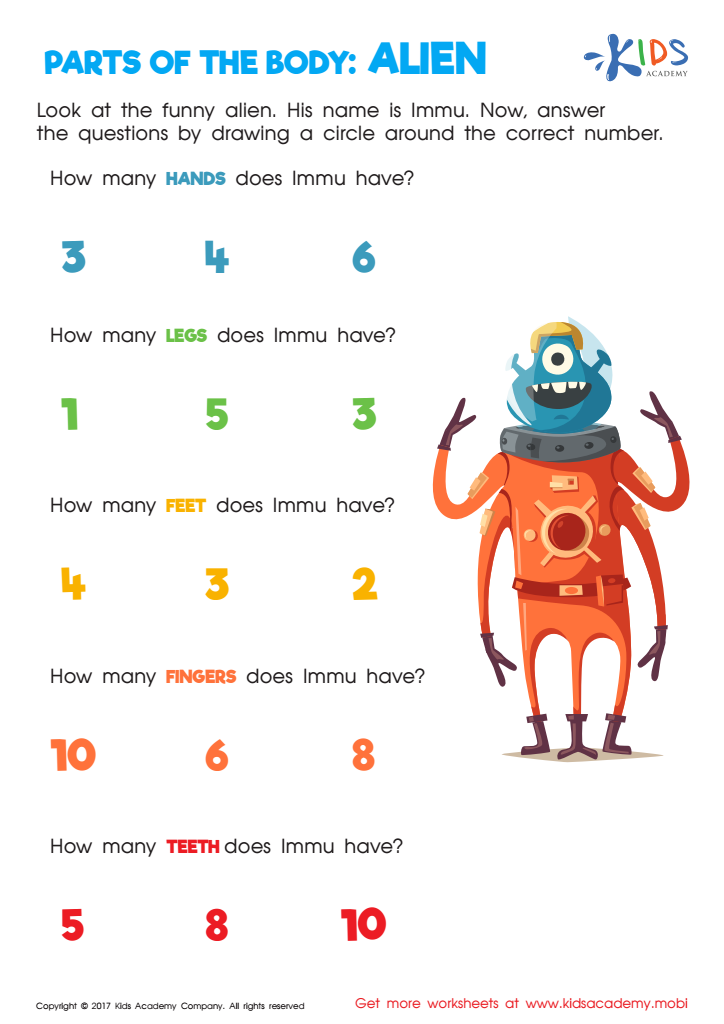
Take your child on an out-of-this-world learning adventure with Immu, our friendly alien! This worksheet helps your child practice counting, recognize body parts and sharpen problem solving skills. Get started with this fun, educational activity today and watch as they learn and grow. Print it now and blast off to outer space!
Alien Worksheet
Worksheet
Horses Worksheet
Horses Worksheet

Horses Worksheet

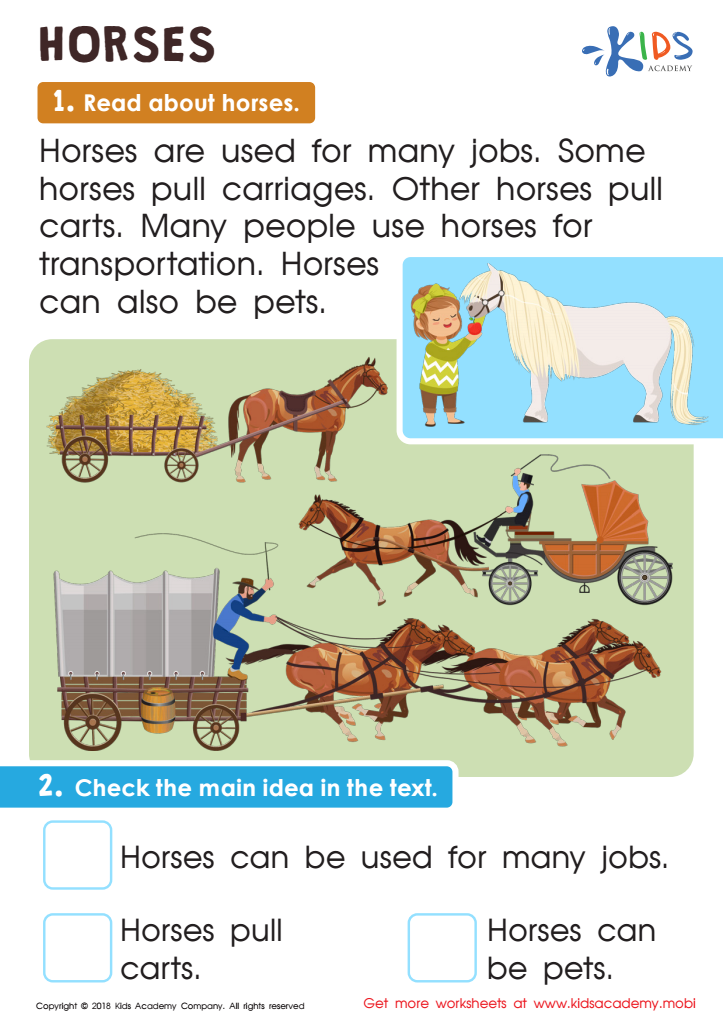
Help your little reader differentiate between details and the main idea with this fun worksheet about horses. Kids will be excited to learn about the different roles horses play. To ensure they understand the overall concept, discuss it before having them choose the right statement at the end.
Horses Worksheet
Worksheet
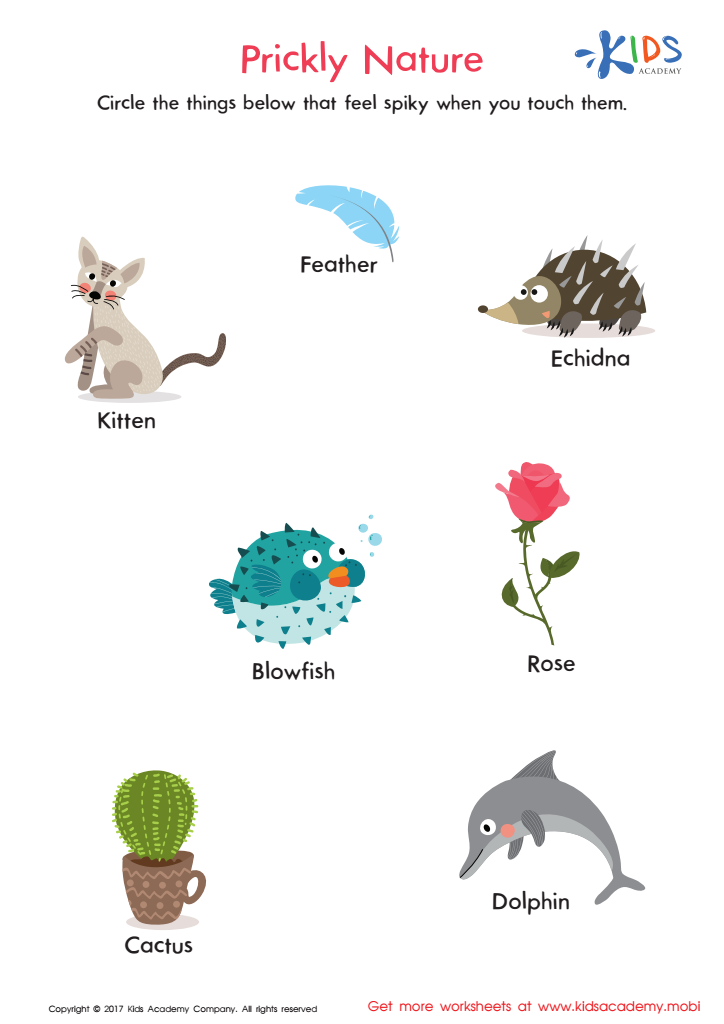
Prickly Nature Printable Worksheet

Prickly Nature Worksheet

Help your child stay safe and enhance critical thinking skills with this prickly nature worksheet. It can help them recognize spiky objects in their environment by teaching them to differentiate between prickly and soft textures. Plus, your kid will learn how to admire and avoid them. Get started today!
Prickly Nature Worksheet
Worksheet
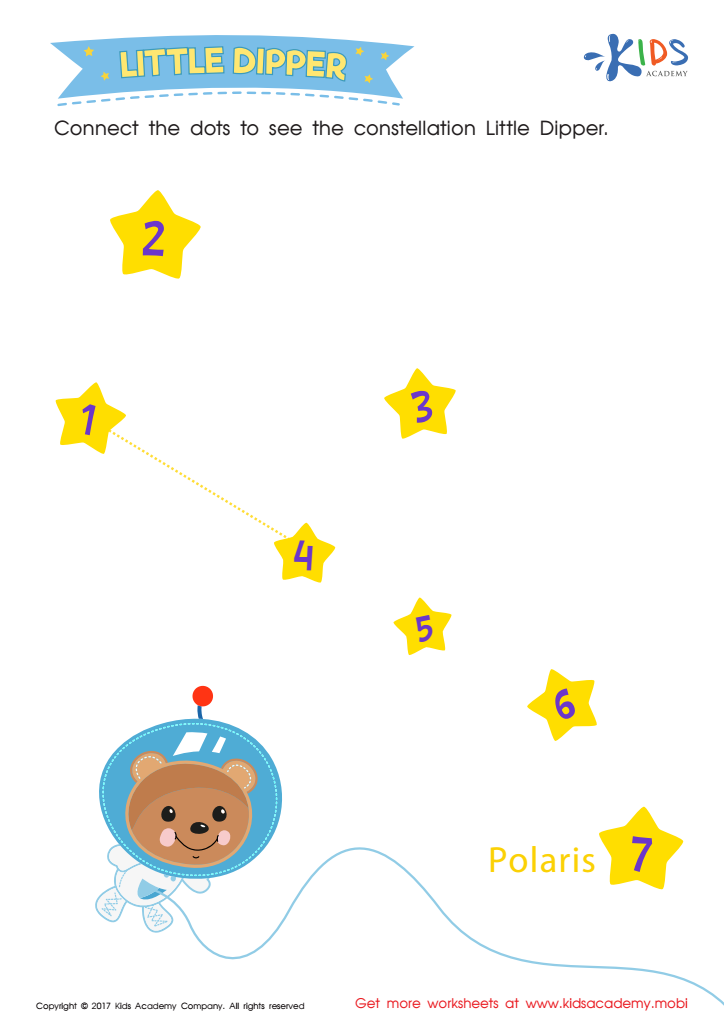
Connect the Dots Math Worksheet

Little Dipper Worksheet

Little Dipper Worksheet
Worksheet
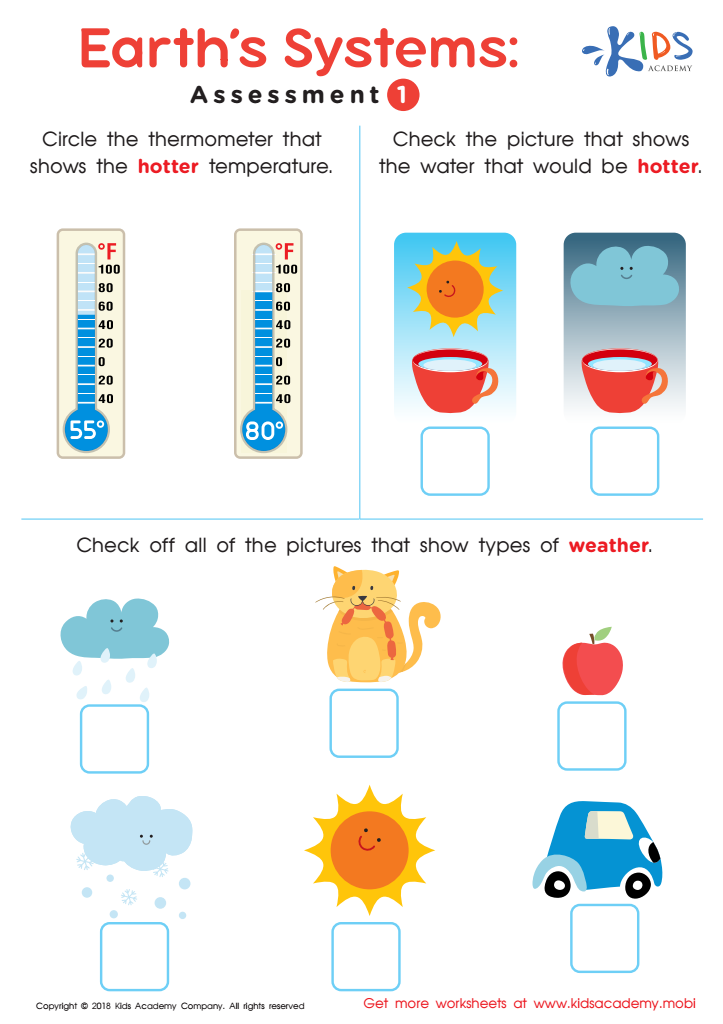
Earth's Systems: Assessment 1

Earth's Systems: Assessment 1

Check your child's knowledge of weather basics with this quick printable worksheet! Using colorful pictures, instruct them to determine which thermometer shows a hotter reading and if water would be warmer in the sun or under clouds. Encourage kids to identify types of weather on the bottom of the page. Assess their readiness to move on!
Earth's Systems: Assessment 1
Worksheet
Underwater Creatures with Shells Worksheet

Underwater Creatures with Shells Worksheet

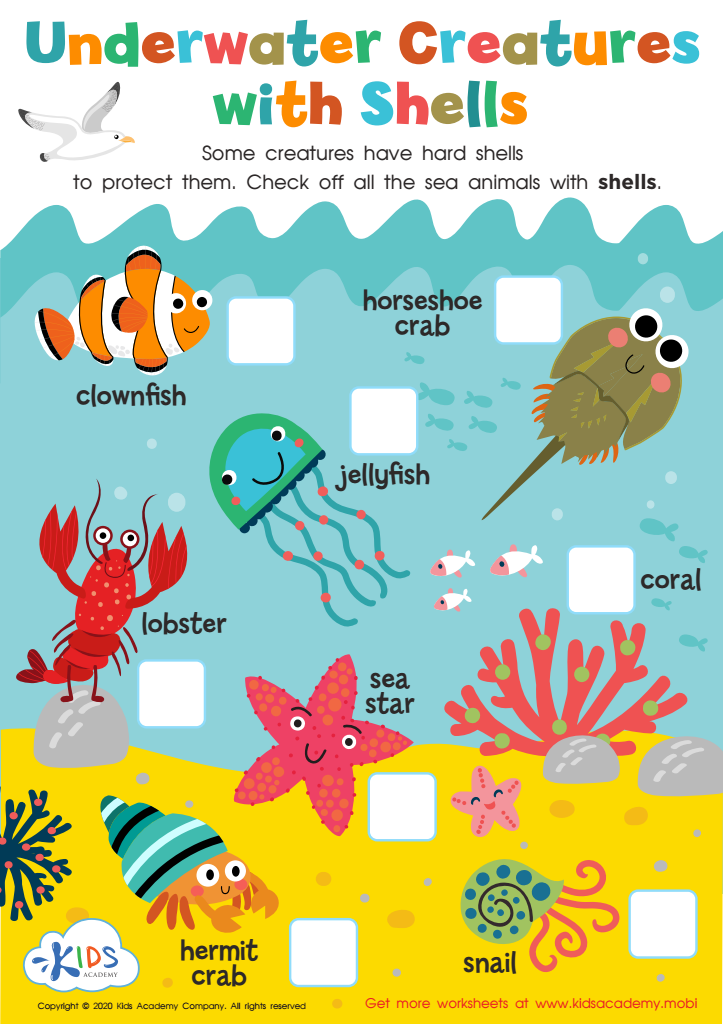
Teach your child about sea creatures with this vibrant PDF science worksheet! Comb through the colorful image to identify animals with shells; compare them to others and check them off. Let them know shells don't just wash up on beach, they serve as protection for sea creatures!
Underwater Creatures with Shells Worksheet
Worksheet
Rainy Day Printable Maze

Rainy Day Maze Worksheet

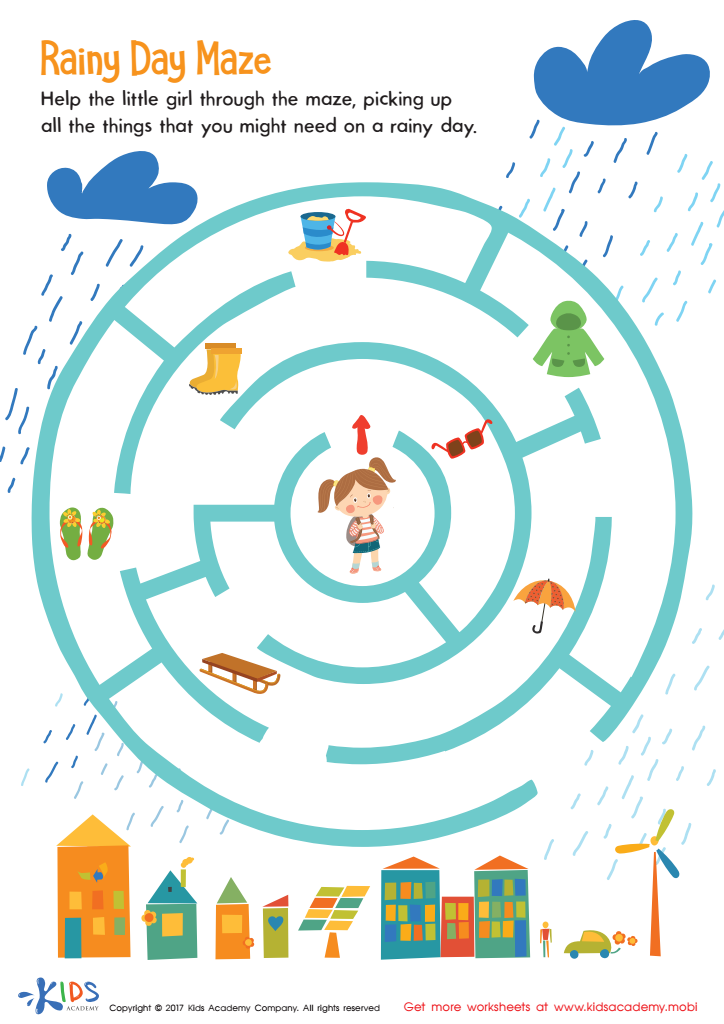
Help your child use critical and problem solving skills to choose the right items! With this fun rainy day worksheet, they'll have a blast helping the character in the maze while learning about weather. Let’s get started!
Rainy Day Maze Worksheet
Worksheet
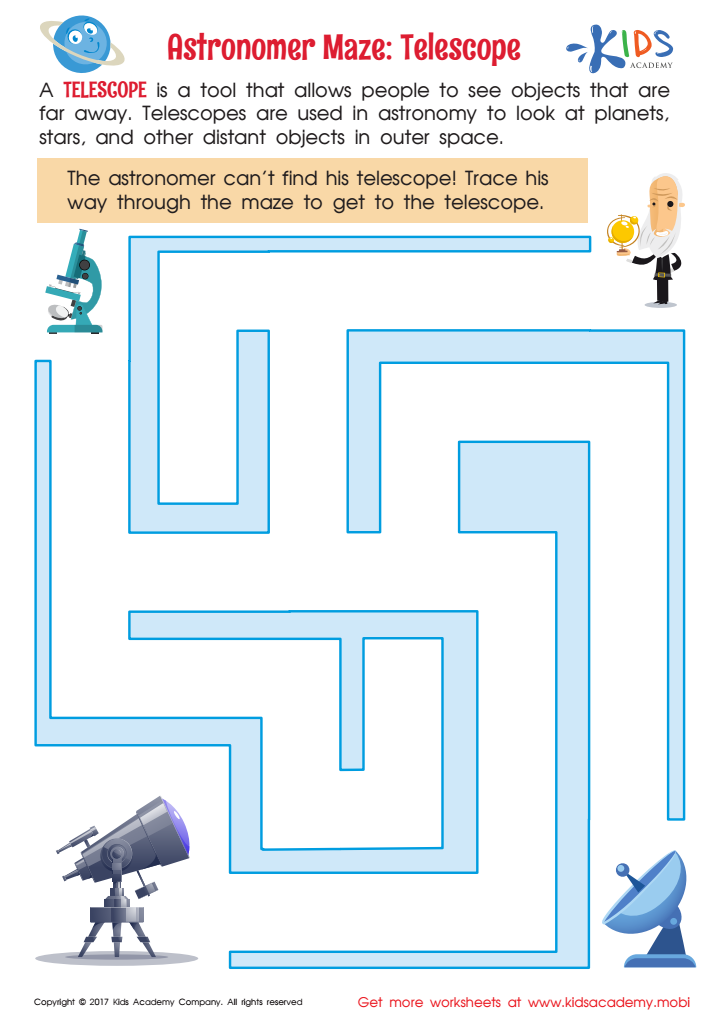
Space maze worksheet: Telescope

Astronomer Maze: Telescope Worksheet

Let your mini astronomer explore the galaxy with this fun and puzzling space maze worksheet – Telescope! Your child will have a great time navigating the maze, while learning how telescopes help scientists study the stars.
Astronomer Maze: Telescope Worksheet

Worksheet


Fine motor skills are crucial for children's overall development, especially for those aged 4-7. These skills involve the coordination of small muscle movements in hands and fingers, which are essential for everyday tasks. Parents and teachers should care about fine motor skills because they lay the foundation for a child's academic success and life skills.

By developing fine motor skills, children enhance their ability to write, draw, cut, and manipulate objects—activities they will engage in throughout their education. Furthermore, strong fine motor skills lead to increased confidence in these tasks, fostering a positive attitude toward learning.

In this age group, children are just beginning to develop independence, and good fine motor skills contribute to their self-help abilities, such as buttoning clothes, tying shoelaces, and using utensils effectively. Engaging in activities that enhance fine motor skills, such as crafting, playing with building blocks, or practicing with tools, not only promotes physical development but also encourages cognitive skills, problem-solving abilities, and creativity.

Ultimately, supporting fine motor skill development in young children equips them for future challenges and supports their emotional and social growth as they become more competent and self-reliant individuals.