
Critical Thinking Plants and Animals Worksheets for Ages 4-7
9 filtered results
Difficulty Level
Grade
Age
-
From - To
Subject
Activity
Standards
Explore our engaging "Critical Thinking Plants and Animals Worksheets for Ages 4-7" designed to inspire young minds. These interactive worksheets—crafted for children aged 4 to 7—promote critical thinking through fun activities centered on plants and animals. Kids will develop essential skills, including observation, comparison, and reasoning, as they explore the natural world. Perfect for early learners, parents, and teachers seeking educational, hands-on resources, these worksheets support learning in a captivating and effective way. Dive into our collection to help your child uncover the wonders of nature while enriching their critical thinking abilities.
Favorites
With answer key
Interactive
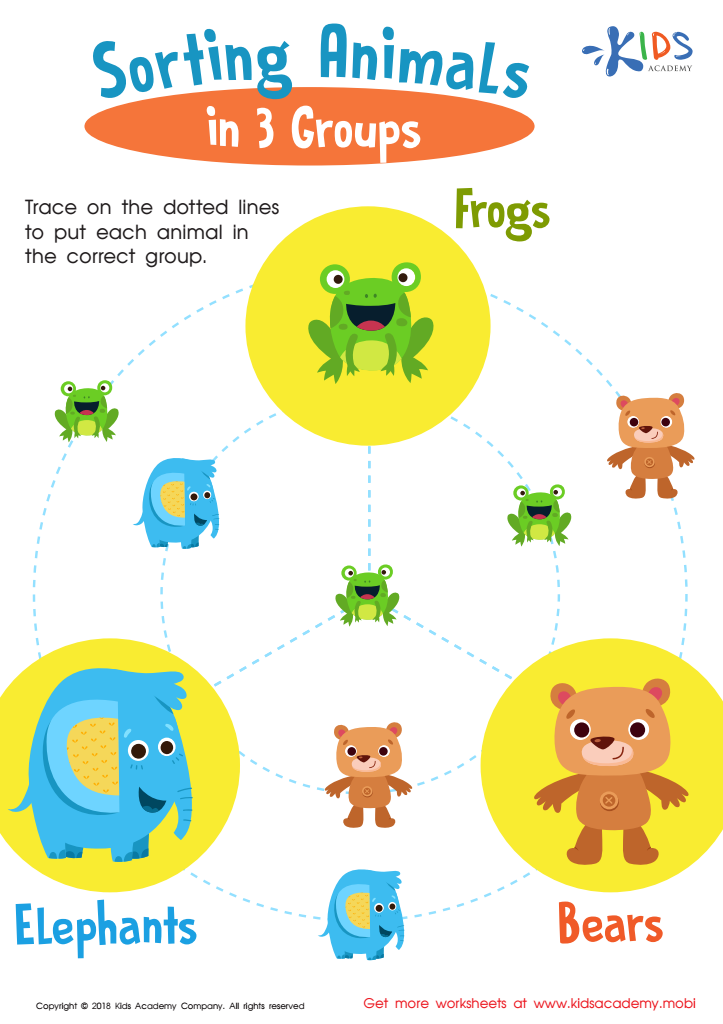
Sorting Animals in 3 Groups Worksheet
Let your kids practice and build skills for future Venn Diagrams with this PDF worksheet. They'll trace lines to match and group animals, and learn the differences and similarities of animals by categorizing with pictures and words. Plus, it's a great way to develop fine motor skills.
 Assign to My Students
Sorting Animals in 3 Groups Worksheet
Worksheet











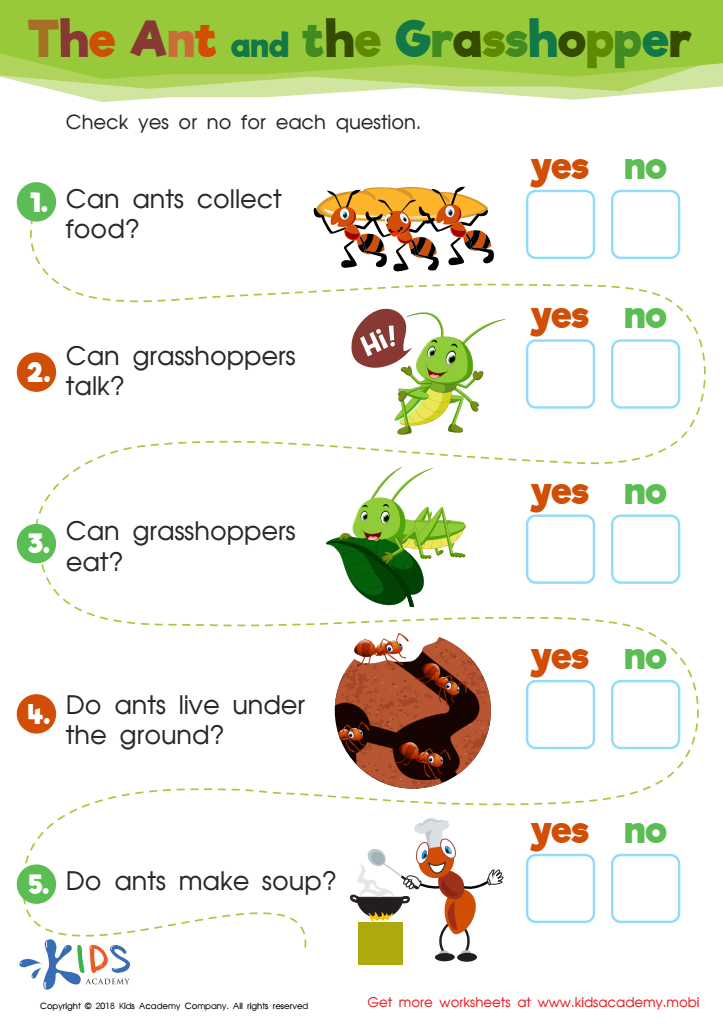
The Ant and The Grasshopper Worksheet
Does your child know about insects? If they're a nature lover or scared of them, use this worksheet to learn more. Read each of the questions and help them fill in the yes or no boxes. This may help them become less scared of insects.
The Ant and The Grasshopper Worksheet
Worksheet
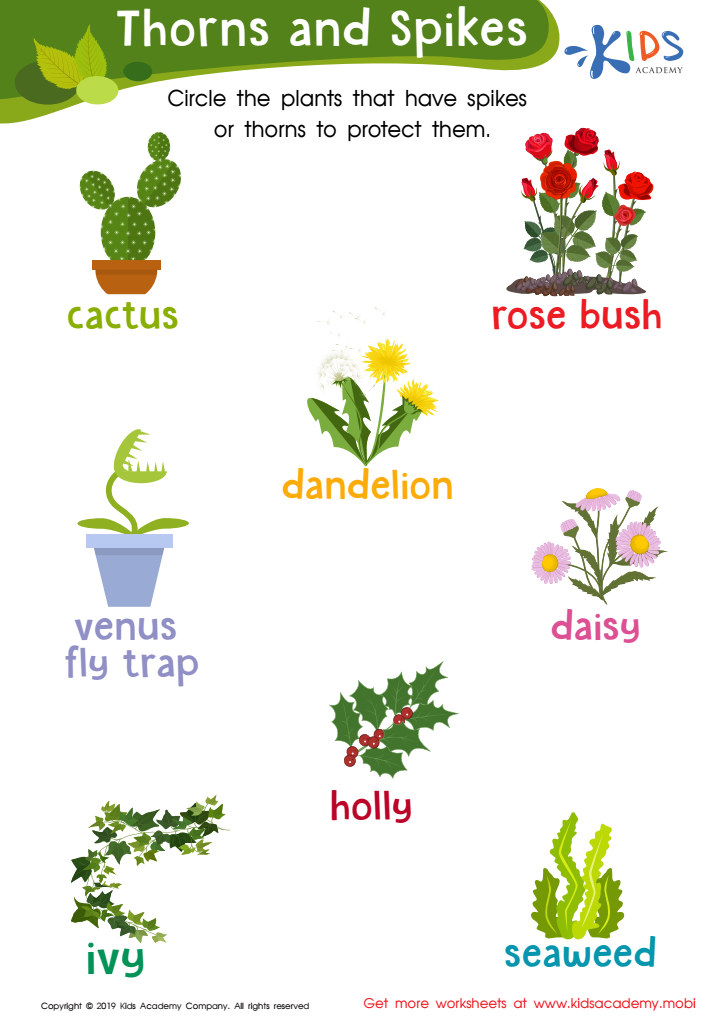
Thorns and Spikes Worksheet
Can your students name and identify the plants and flowers in this worksheet? Ask them to read out the names and circle the ones with spikes or thorns. Help them appreciate nature's beauty and understand how plants protect themselves.
Thorns and Spikes Worksheet
Worksheet
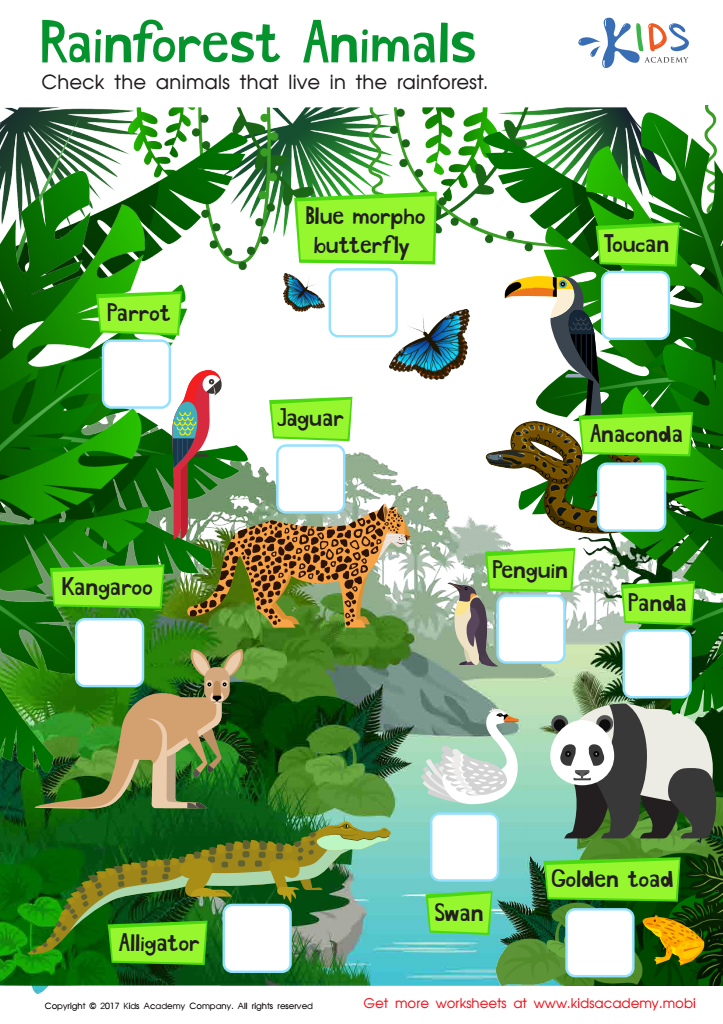
Rainforest Animals Worksheet
Kids love the bright, vivid pics of rainforest animals in this worksheet. It fuels their interest in life science and brings joy to their learning. It encourages them to study these animals in detail.
Rainforest Animals Worksheet
Worksheet
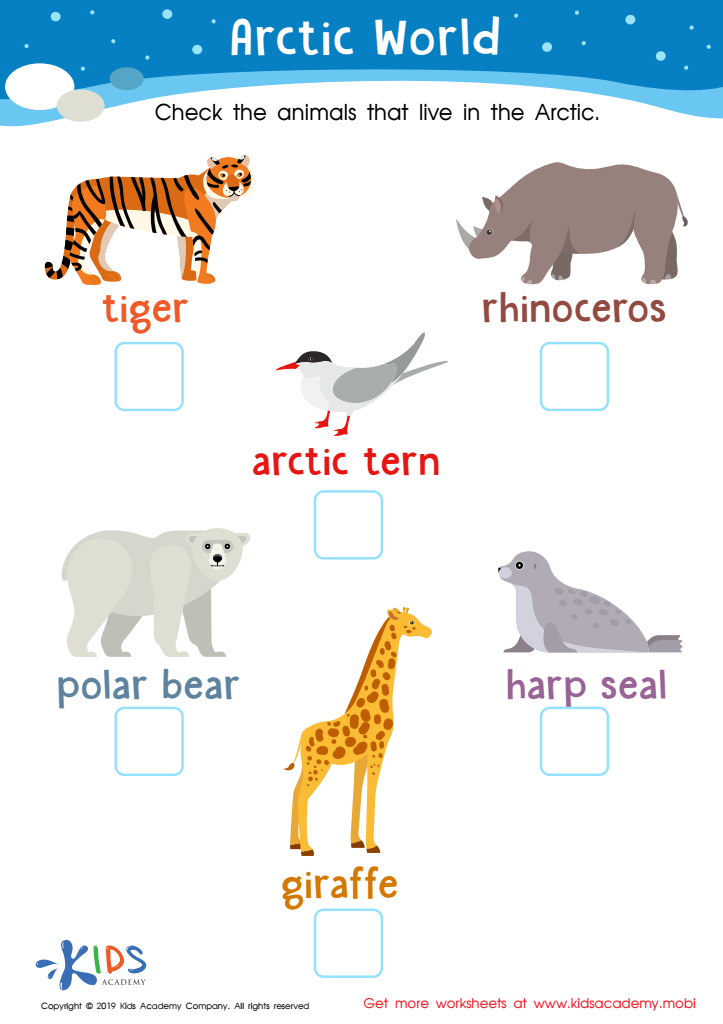
Arctic World Worksheet
Ask your students if they know where the Arctic is located and what lives there. If not, use a world atlas to show them. The Arctic is very cold and snow-covered; native animals have adapted to survive the harsh conditions. Look at the animals in the worksheet and help your students decide which ones live in the Arctic.
Arctic World Worksheet
Worksheet
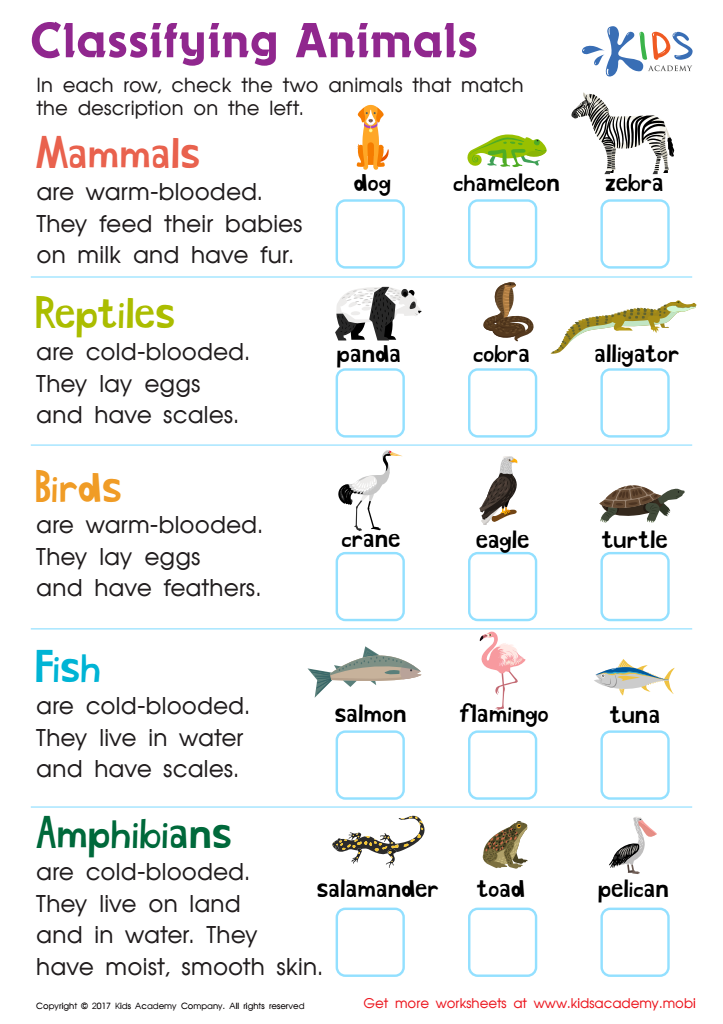
Classifying Animals Worksheet
Print the 2nd grade animal classification worksheet and help kids study the differences between mammals, reptiles, birds, fish and amphibians. Let them pick two examples from the options given.
Classifying Animals Worksheet
Worksheet
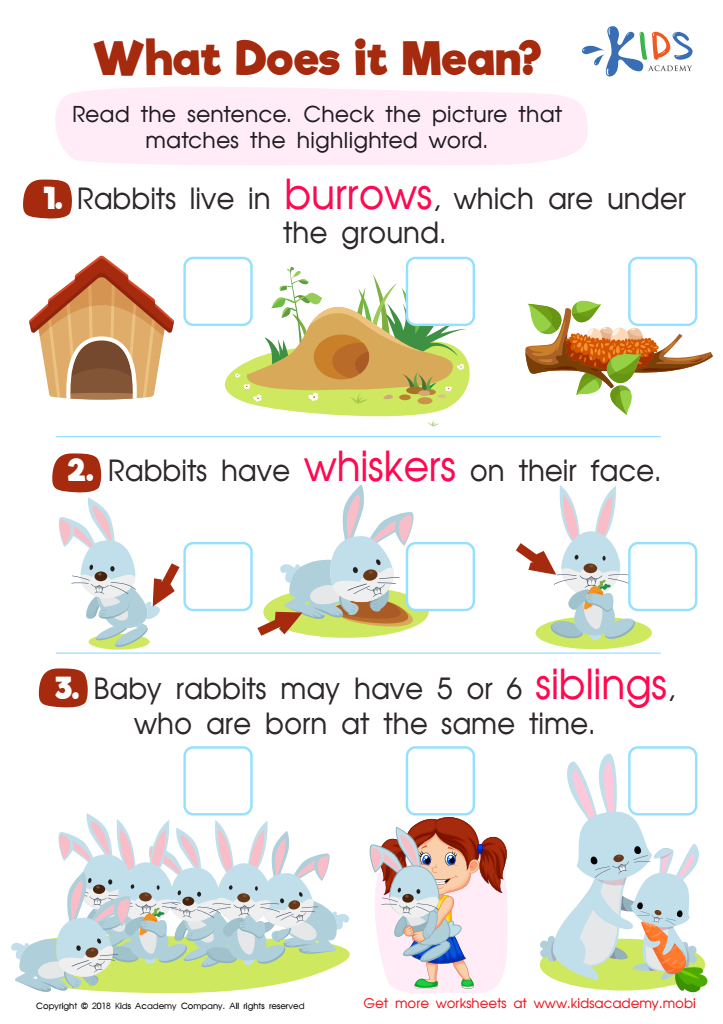
What Does It Mean? Worksheet
Teach your child to use context clues with this engaging Kids Academy worksheet. Read the sentences and find the pink-highlighted word. Use the other words in the sentence to figure out the meaning, then check the box next to the picture that represents it.
What Does It Mean? Worksheet
Worksheet
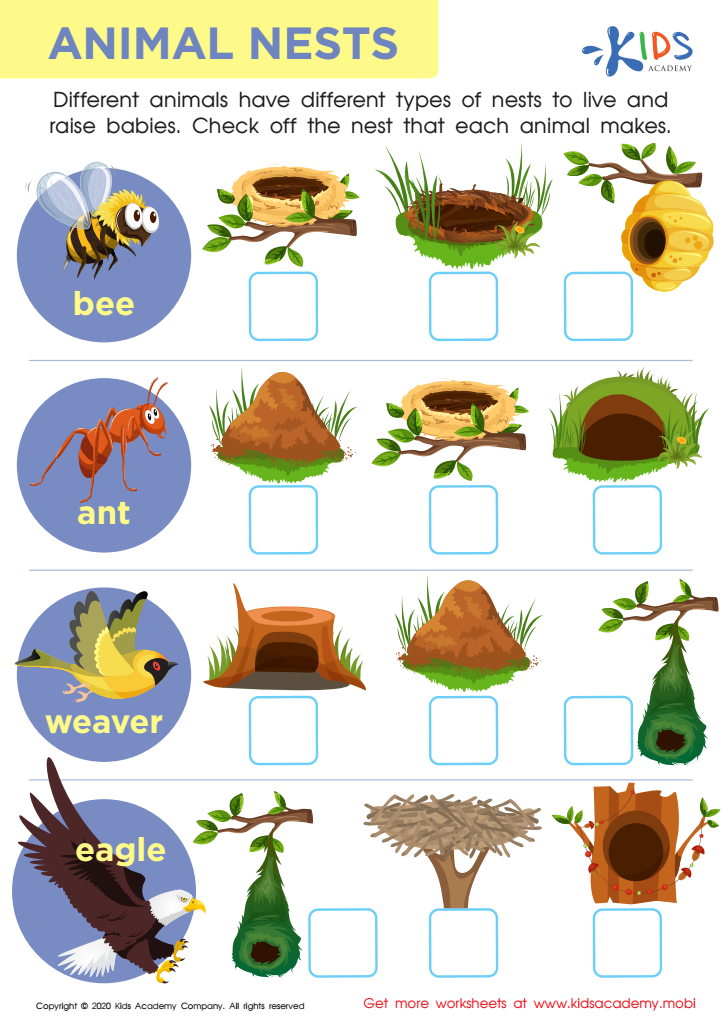
Animal Nests Worksheet
Animals need homes to sleep and stay safe. Look at the animal on the left and examine the nests and hives to the right. Check off the correct one for each animal to complete the worksheet! From birds to bees, it's a great way to show different types of homes animals make!
Animal Nests Worksheet
Worksheet
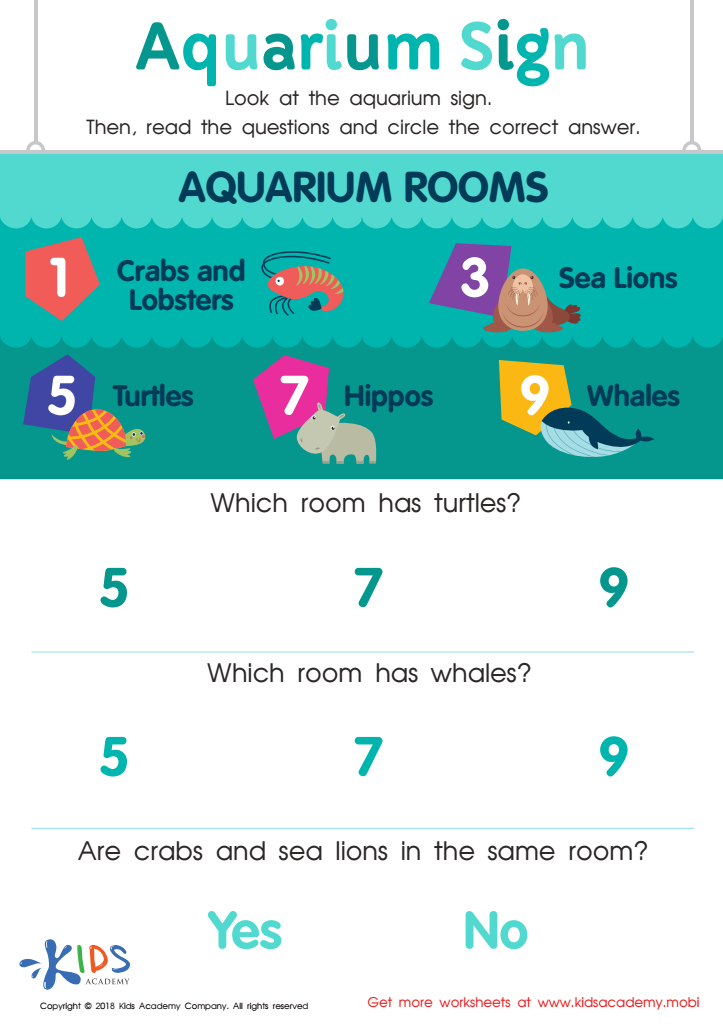
Assessment: Aquarium Sign Worksheet
Take your kids to an aquarium and marvel at the sea creatures! Help them identify the animals they see, and ask them which one is their favorite. Look at the aquarium sign and point to each creature. Ask your kids the questions and help them circle the right answer.
Assessment: Aquarium Sign Worksheet
Worksheet
Join Kids Academy for Free
Who is primarily going to use this learning content?




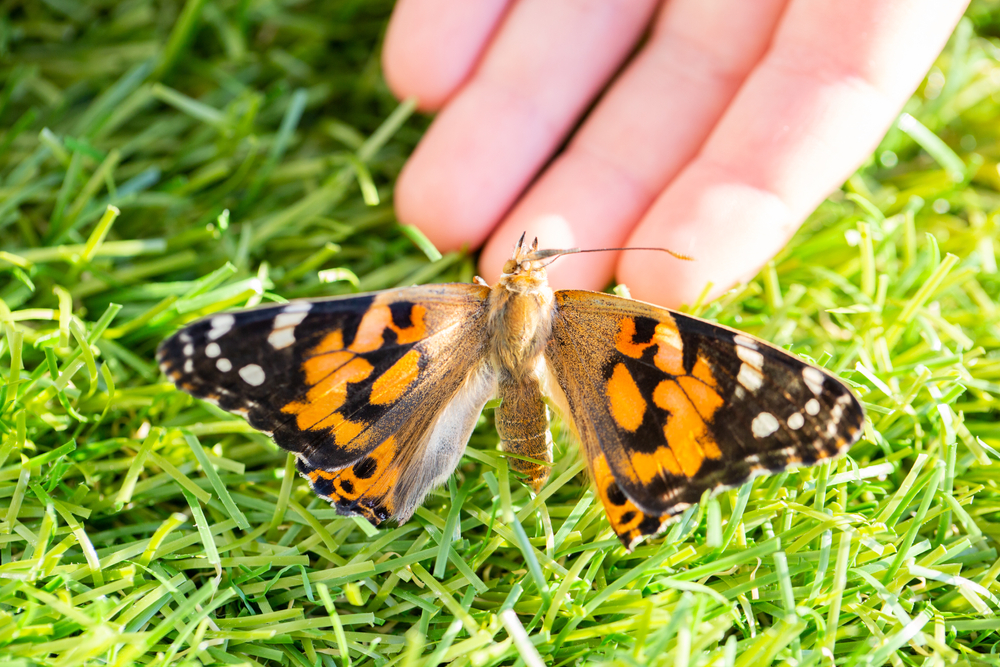
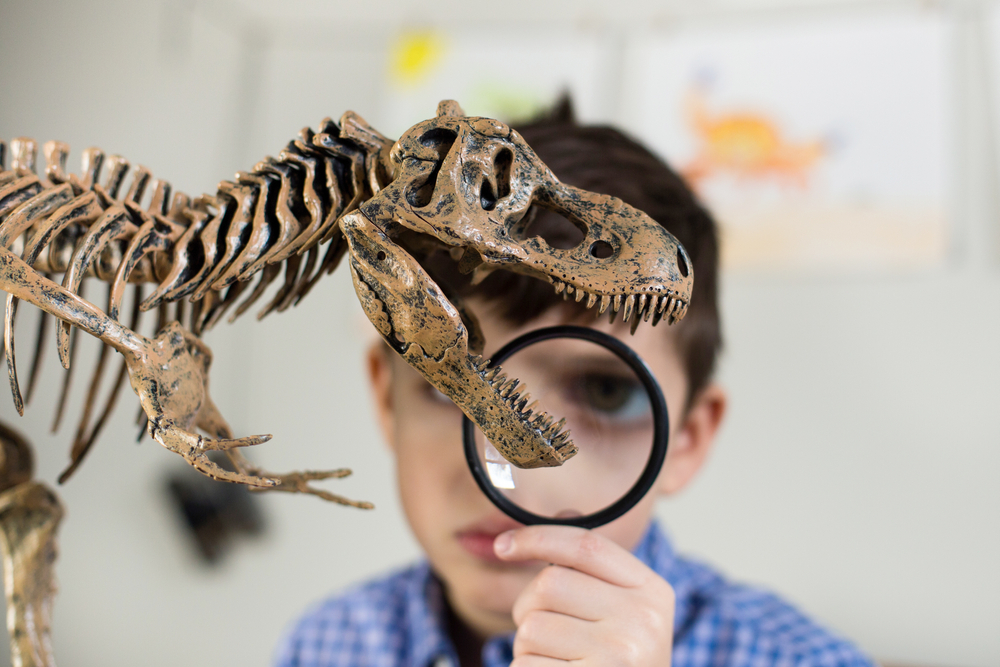


Parents and teachers should care about fostering critical thinking skills relating to plants and animals in children aged 4-7 because this formative period is crucial for cognitive development. Introducing young children to the natural world enhances curiosity and encourages observation, categorization, and analysis—key components of critical thinking. Through interactive activities like nature walks, planting seeds, and observing animal behavior, children learn to ask questions, make predictions, and draw conclusions, which helps them develop problem-solving skills.
Understanding plants and animals also promotes environmental stewardship. Young children who develop a love and appreciation for nature are more likely to become environmentally conscious adults. Moreover, these activities can boost vocabulary and comprehension as kids learn new terms and concepts, supporting language development.
Additionally, engaging with plants and animals supports emotional and social growth. Caring for a garden or a class pet teaches responsibility, empathy, and the importance of taking care of living things. Collaborative projects enhance teamwork and communication skills.
Finally, critical thinking about plants and animals provides a multidisciplinary learning experience that integrates science, math, language arts, and social studies, making education dynamic and holistic. In summary, prioritizing critical thinking around natural elements enriches a child's intellectual, social, and emotional development, laying a solid foundation for future learning.








