Handwriting practice Tracing Words Worksheets for Ages 4-7
14 filtered results
-
From - To
Discover our Handwriting Practice Tracing Words Worksheets, specially designed for ages 4-7. These engaging worksheets help young learners develop fine motor skills, letter recognition, and word formation. Perfect for beginners, each printable sheet provides ample tracing activities that guide children step-by-step, fostering confidence and precision in their handwriting. Ideal for both classroom use and at-home practice, our worksheets support your child's learning journey in a fun and interactive way. Enhance their writing skills with our expertly crafted resources and watch them excel in their early education milestones. Start their handwriting adventure today!
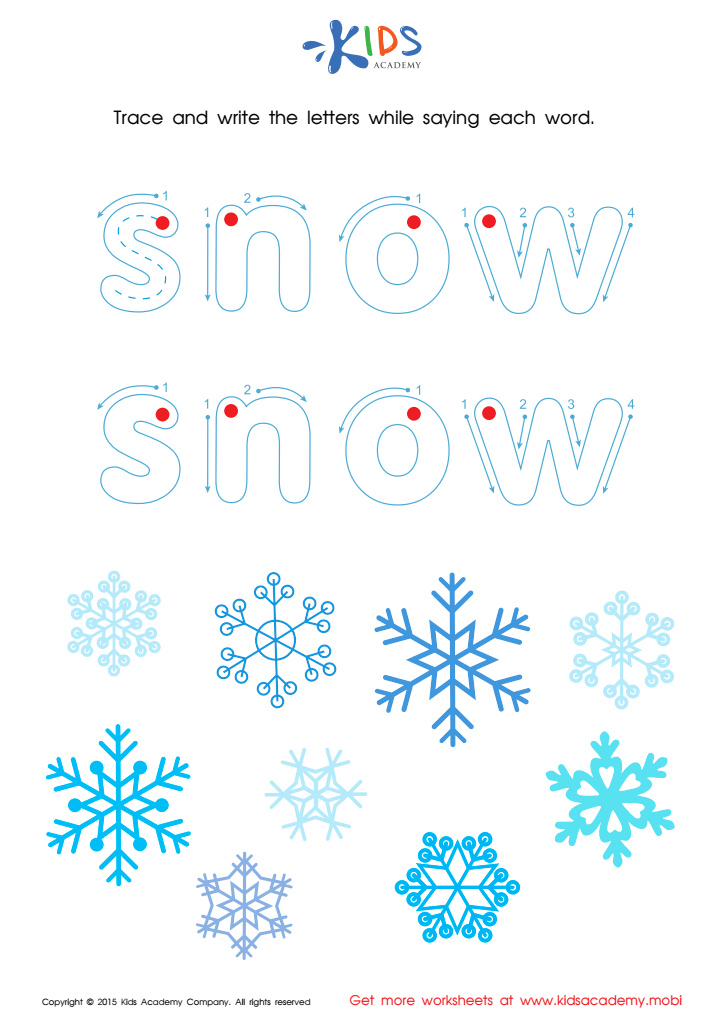
Snowflake Tracing Winter Words Worksheet
 Assign to My Students
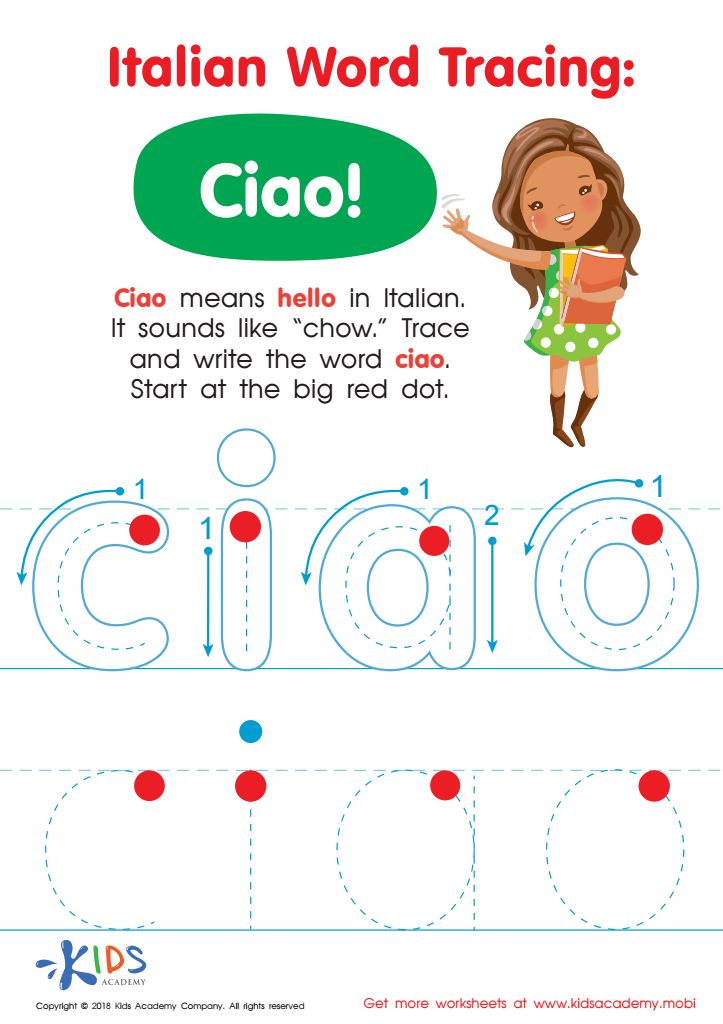
Italian Word Tracing: Ciao Worksheet
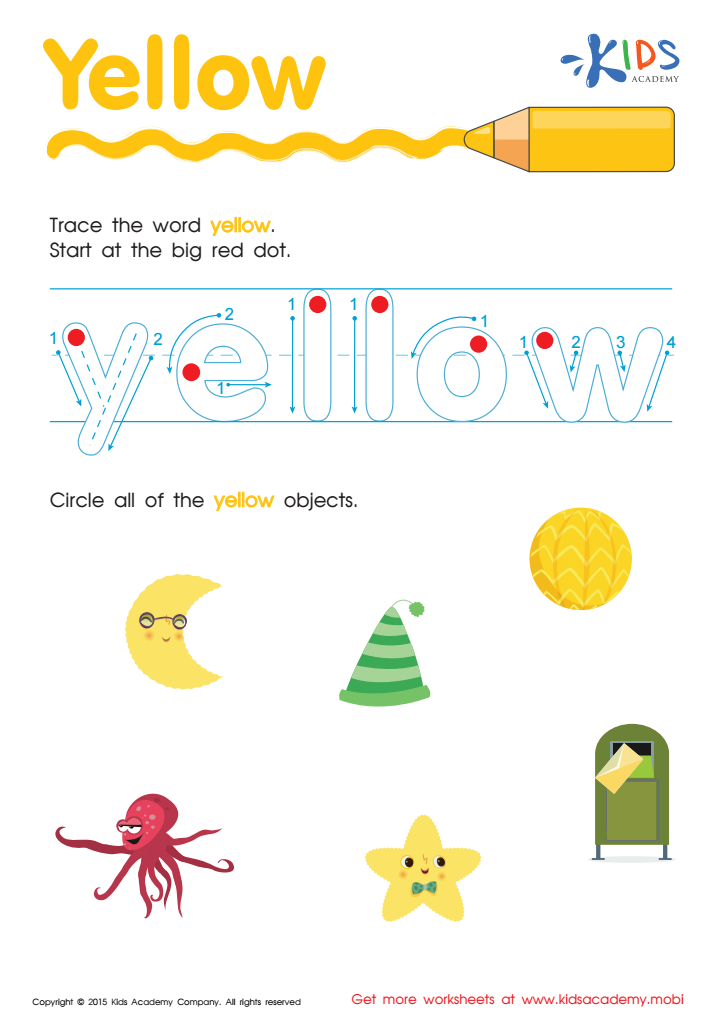
Yellow Tracing Color Words Worksheet
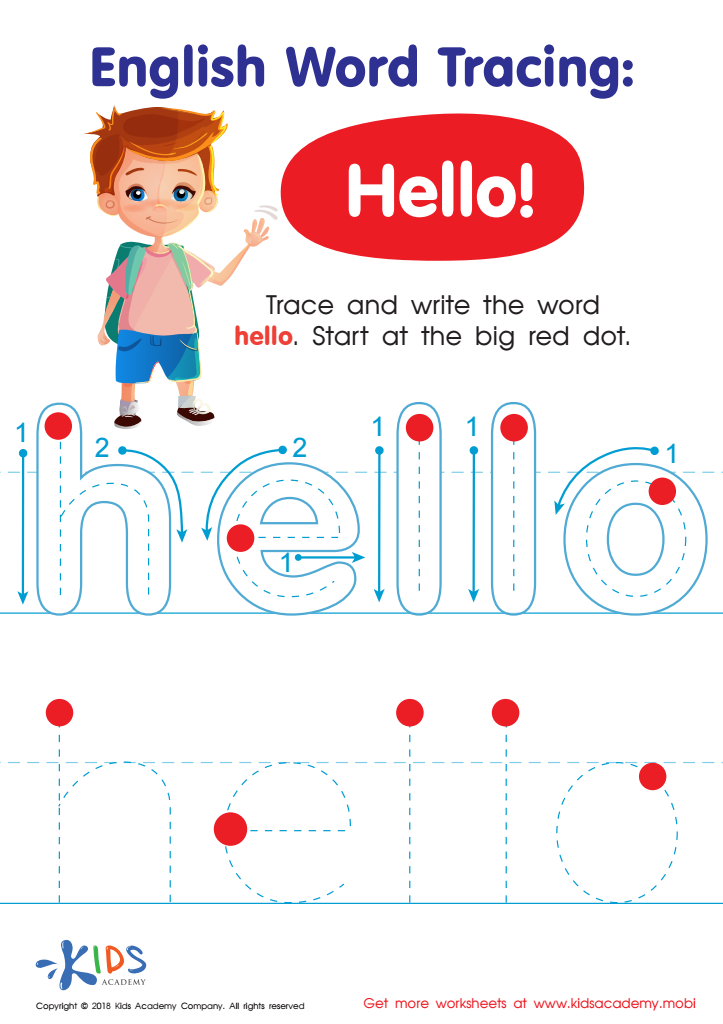
English Word Tracing: Hello Worksheet
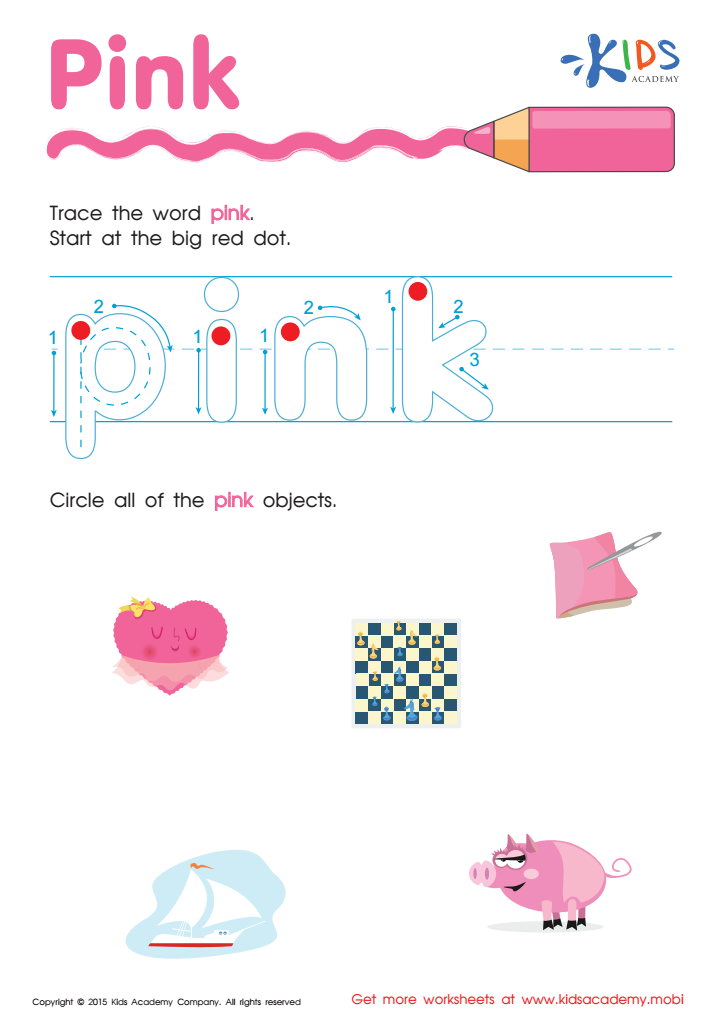
Pink Tracing Color Words Worksheet
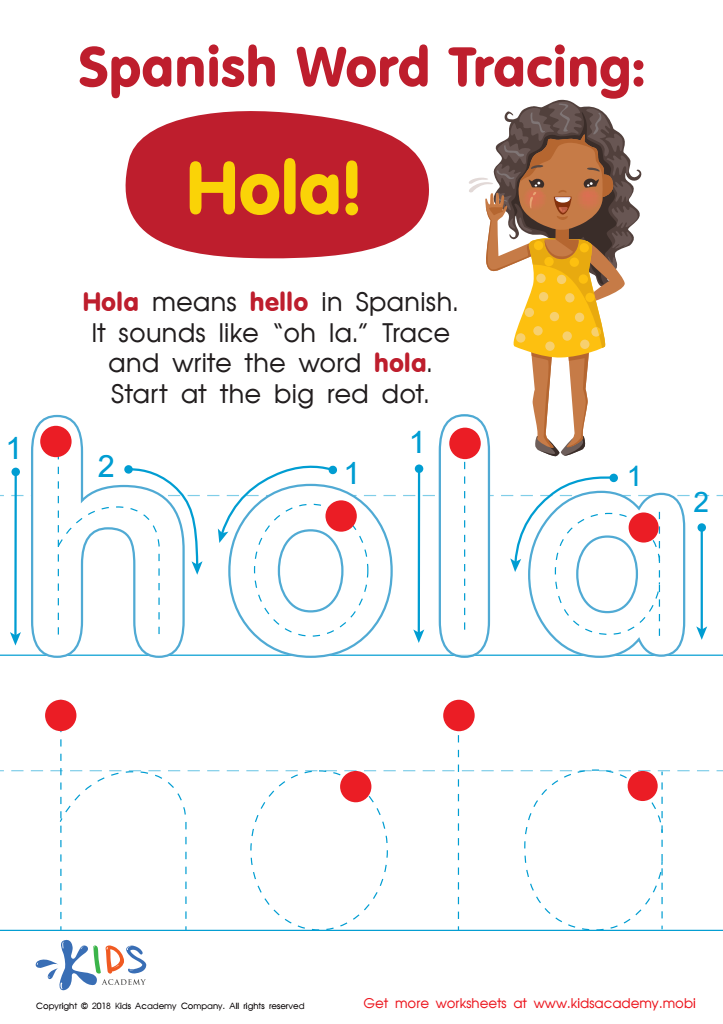
Spanish Word Tracing: Hola Worksheet
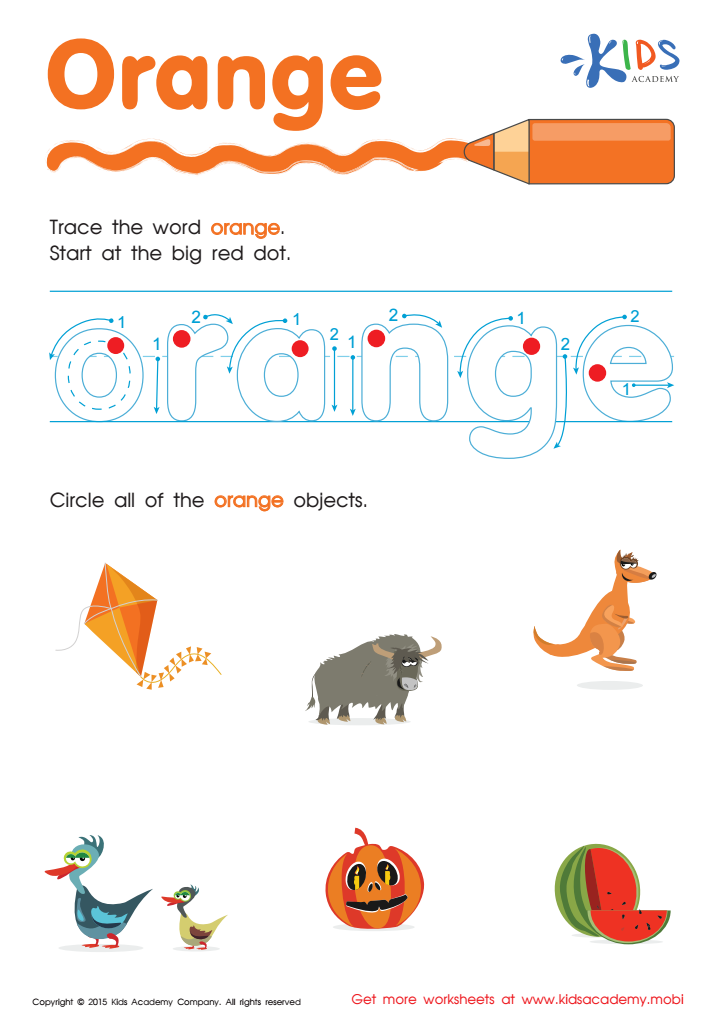
Orange Tracing Color Words Worksheet
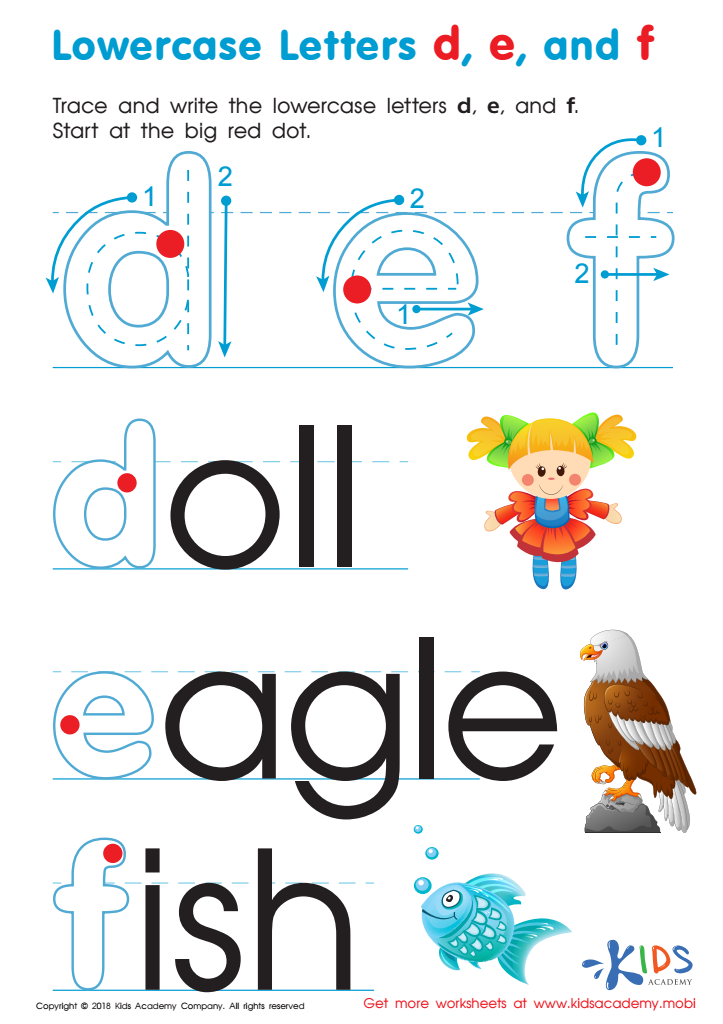
Lowercase Letters d e f Worksheet
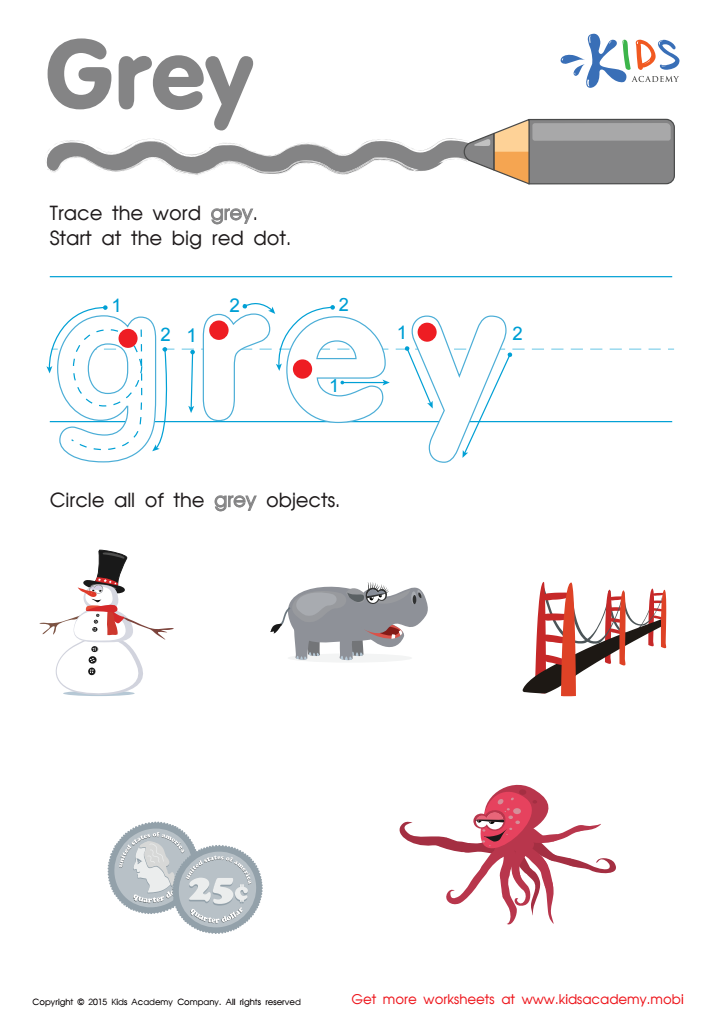
Grey Tracing Color Words Worksheet
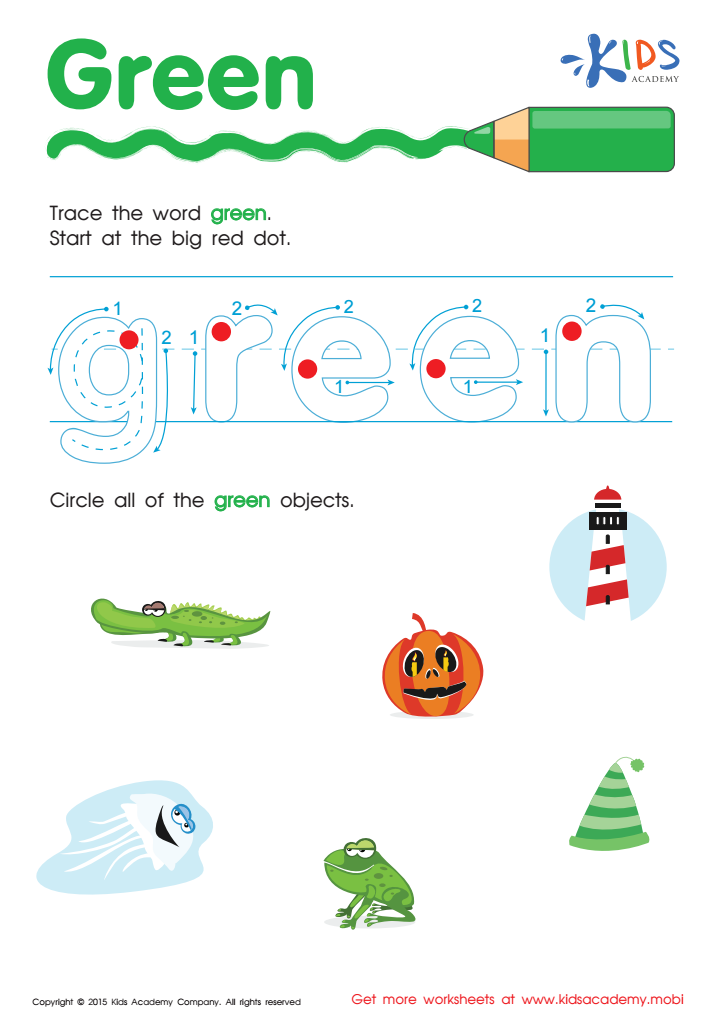
Green Tracing Color Words Worksheet
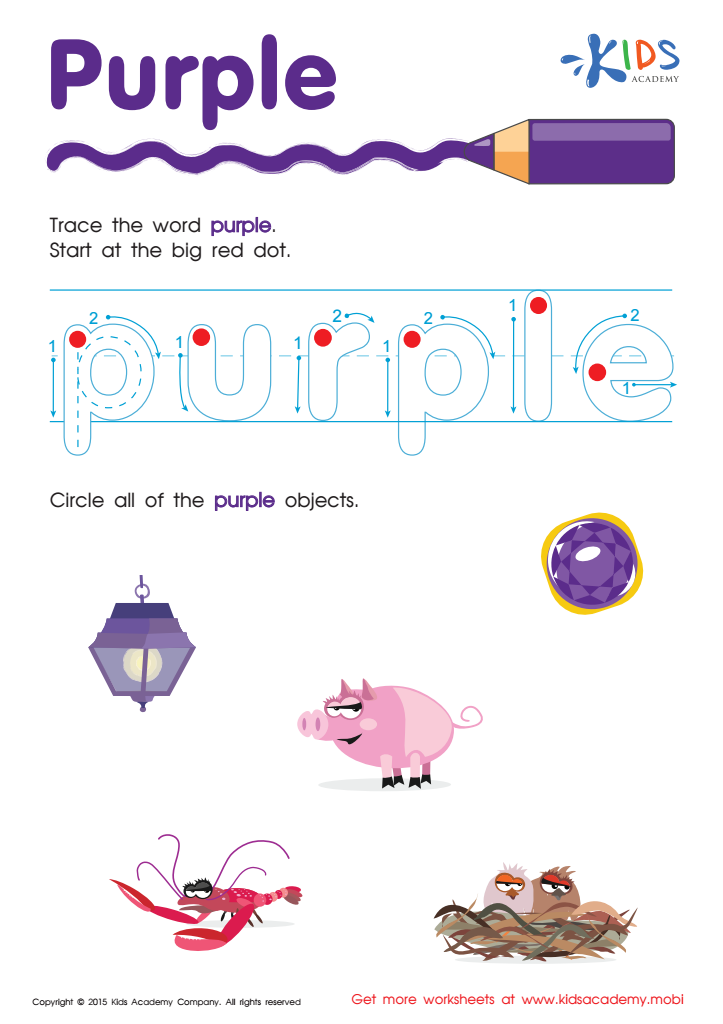
Purple Tracing Color Words Worksheet
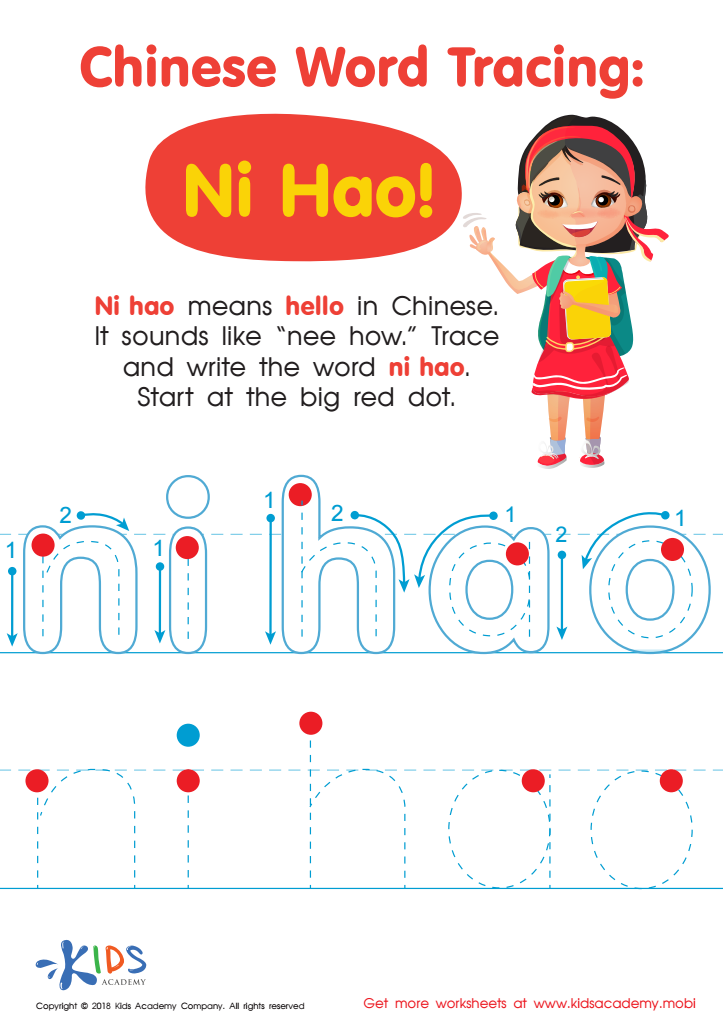
Chinese Word Tracing: Ni Hao Worksheet
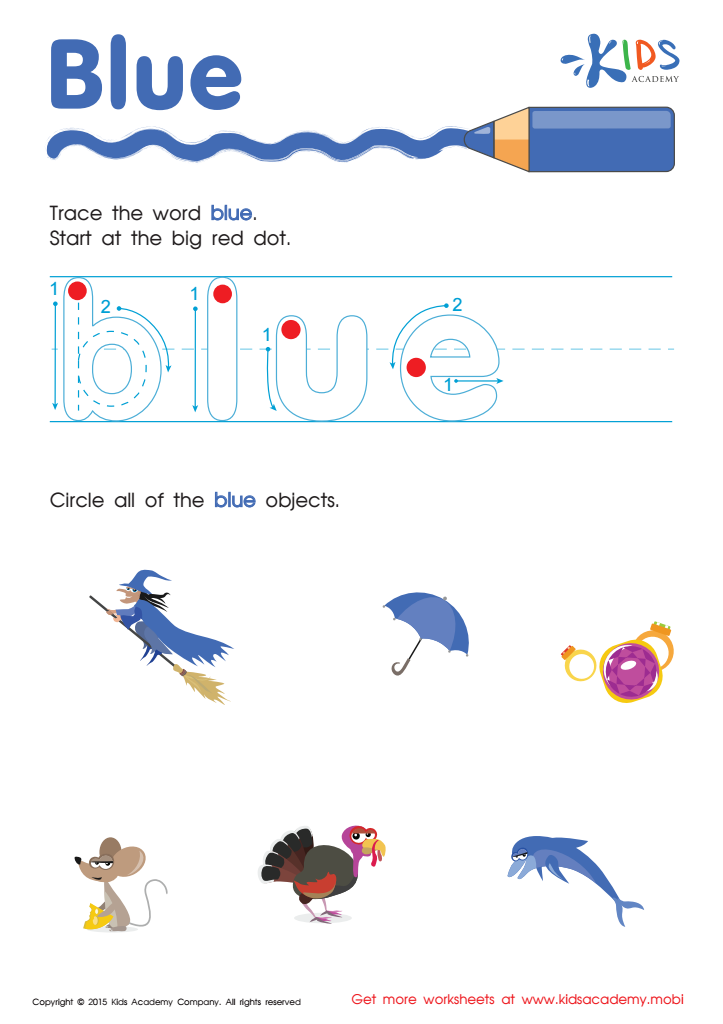
Blue Tracing Color Words Printable
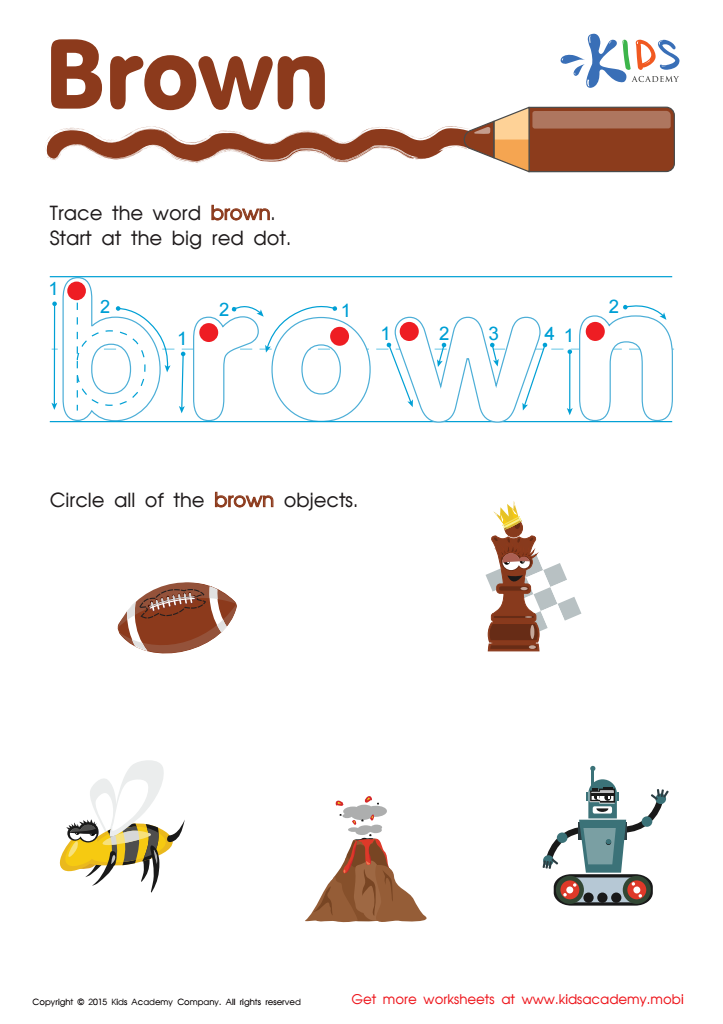
Brown Tracing Color Words Worksheet








Handwriting practice and tracing words are crucial activities for children ages 4-7 as they serve as foundational skills that significantly impact various aspects of a child's development. At this young age, fine motor skills are still developing, and activities like tracing words help to enhance precision and control in hand movements. This not only aids in forming letters correctly but also supports other skills such as tying shoelaces, buttoning clothes, and even playing musical instruments.
Moreover, engaging in handwriting practice promotes cognitive development. The act of tracing and writing letters stimulates brain connections that aid in the understanding of letter shapes, patterns, and the association between what they see (the letter) and the sound it makes. This boosts literacy skills, making it easier for children to advance in reading and writing.
Additionally, handwriting practice helps foster concentration and patience. Completing tasks like word tracing requires focus and persistence, skills that are beneficial for overall academic achievement. It's also a confidence booster: as children see their progress, they gain a sense of accomplishment.
Structured handwriting practice, including word tracing, thus plays an integral role in a child’s educational trajectory, impacting their academic, motor, and cognitive development in profoundly positive ways. Therefore, parents and teachers should prioritize and actively encourage this practice.








