Fine Motor Skills Alphabet Worksheets for Ages 4-8 - Page 3
85 filtered results
-
From - To
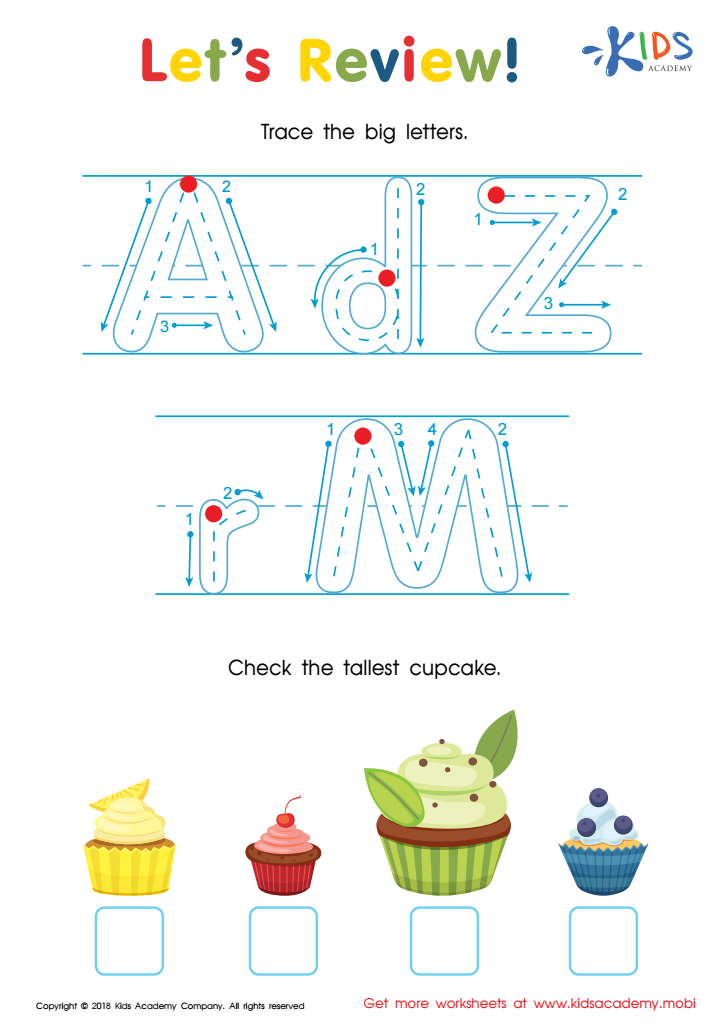
Let's Review! Big Letters Worksheet
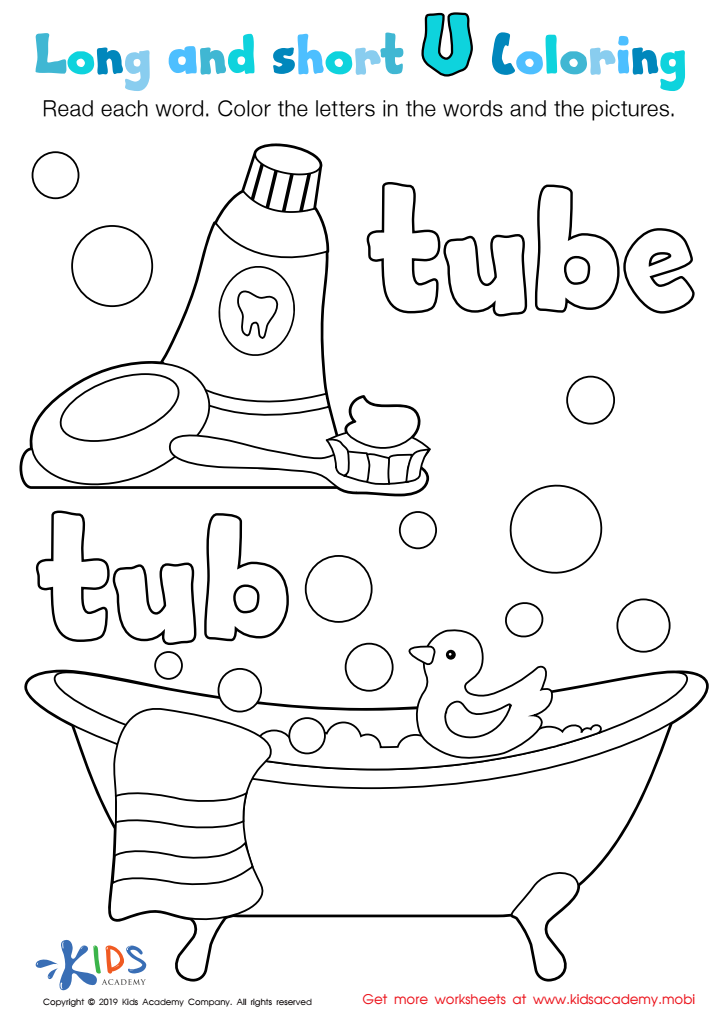
Long and Short U Worksheet
 Assign to My Students
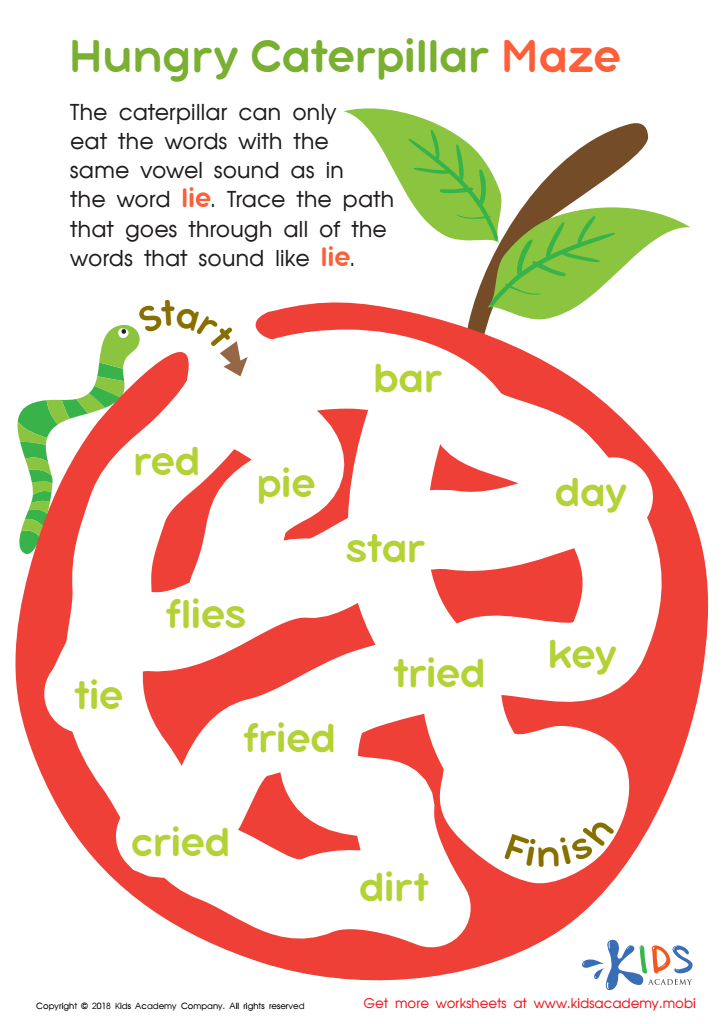
Hungry Caterpillar Maze Worksheet
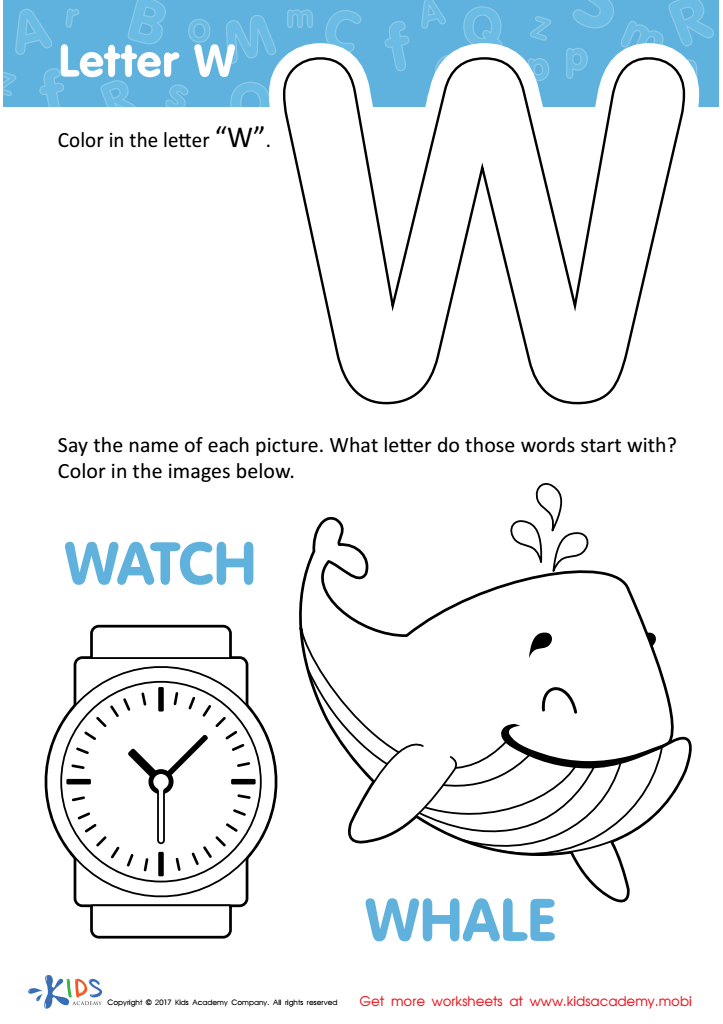
Letter W Coloring Sheet
Assign to My Students
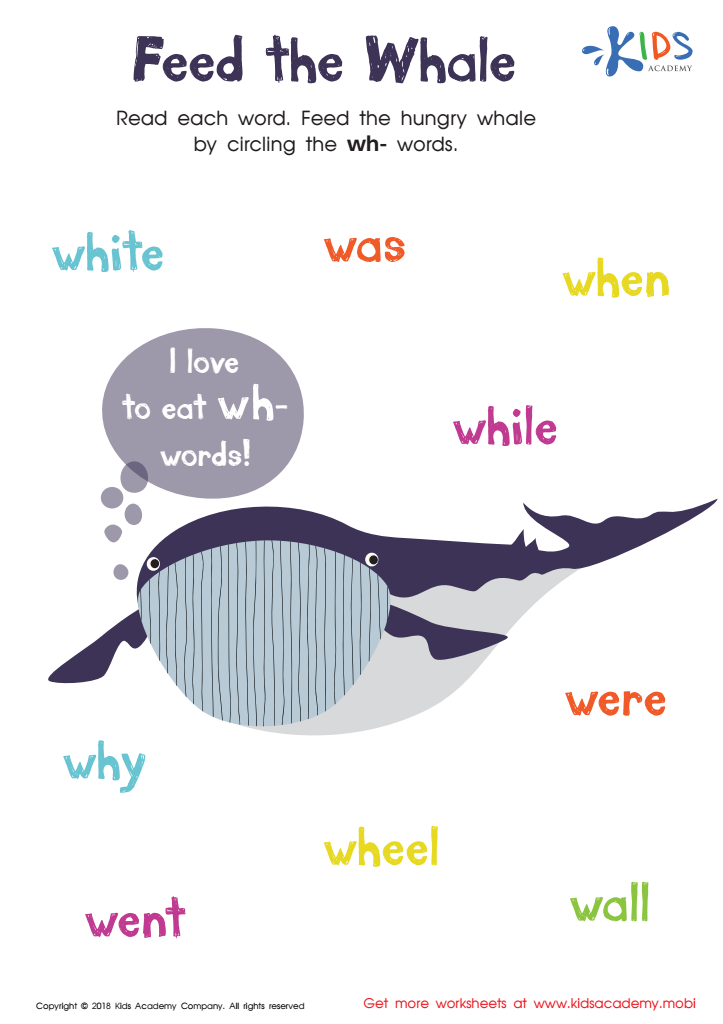
Feed the Whale Worksheet
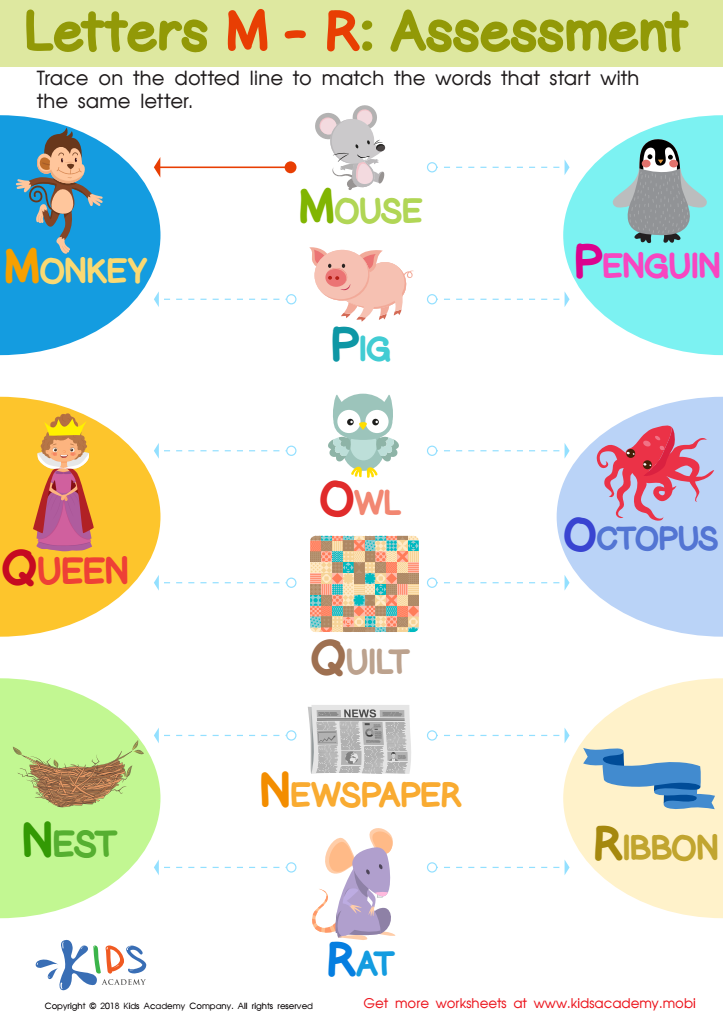
Letters M-R Tracing Worksheet
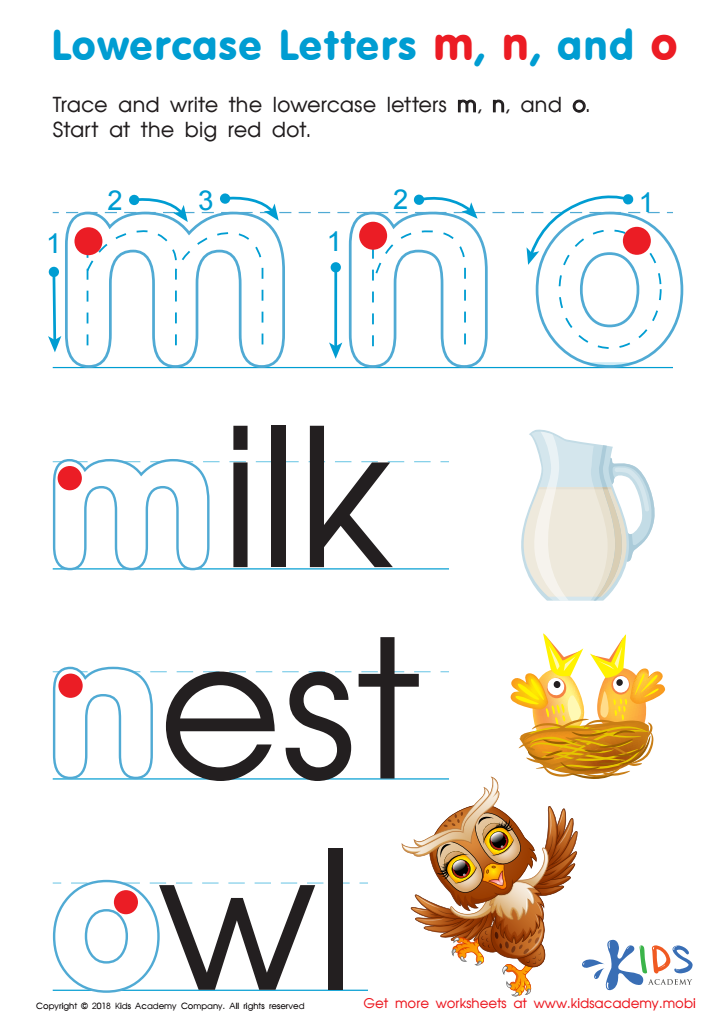
Lowercase Letters m n o Worksheet
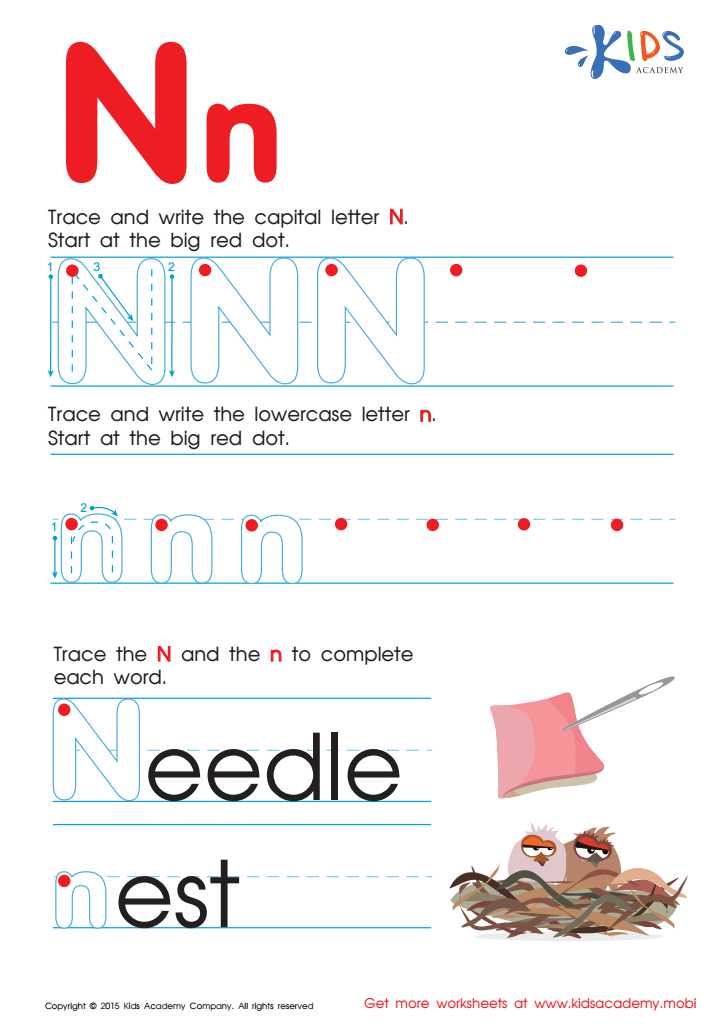
Letter N Tracing Page
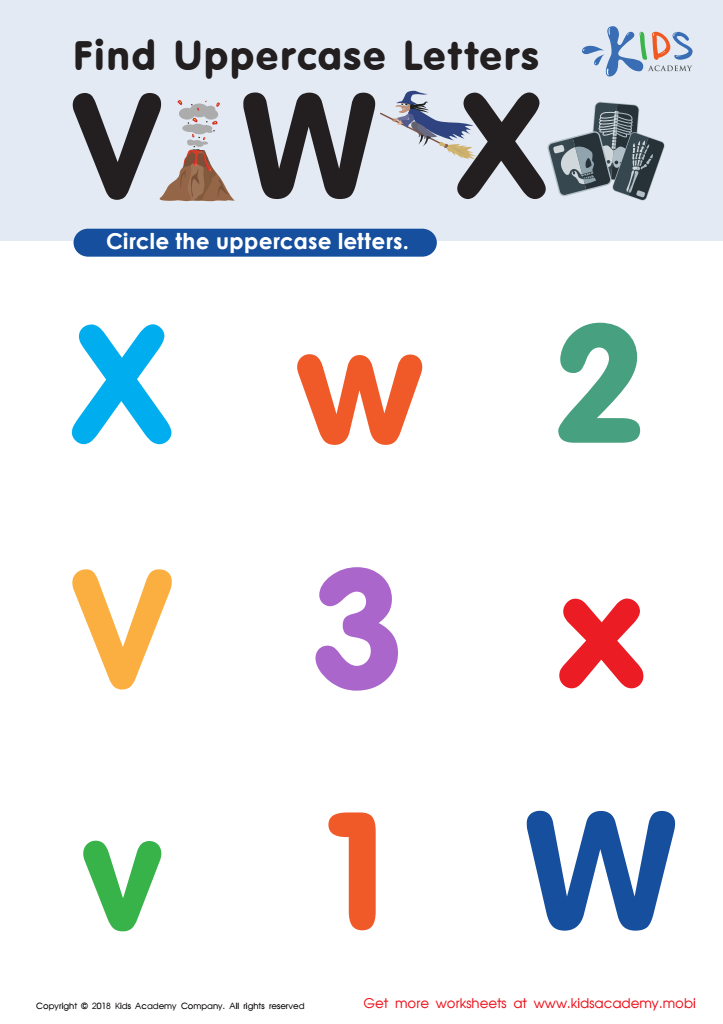
Find Uppercase Letters V, W, X Worksheet
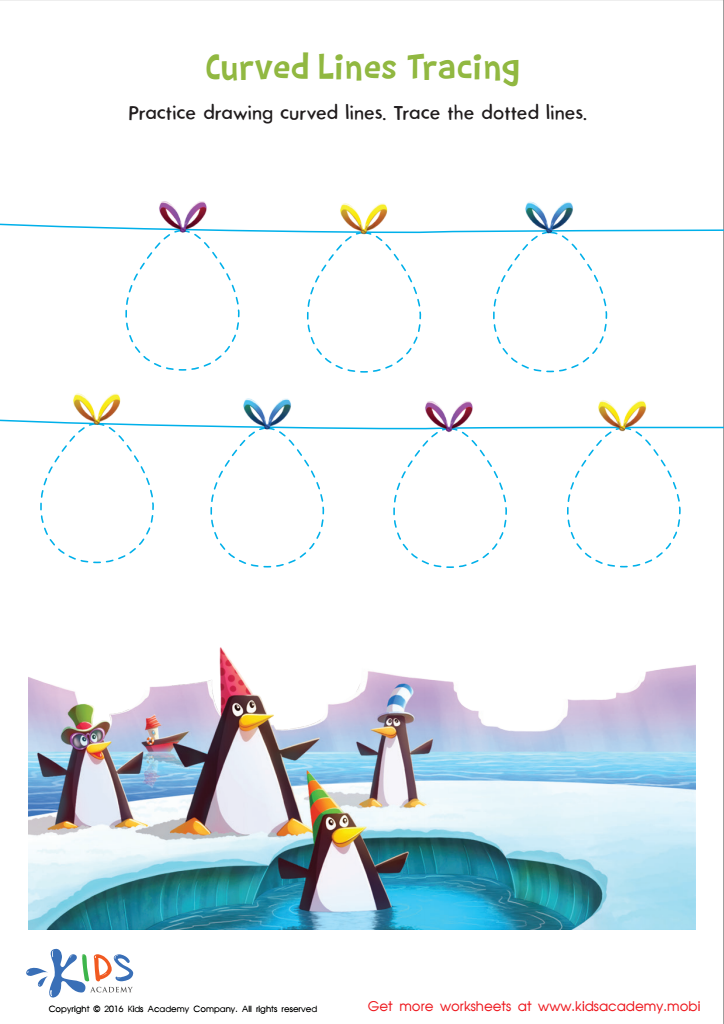
Curved Lines Tracing Worksheet
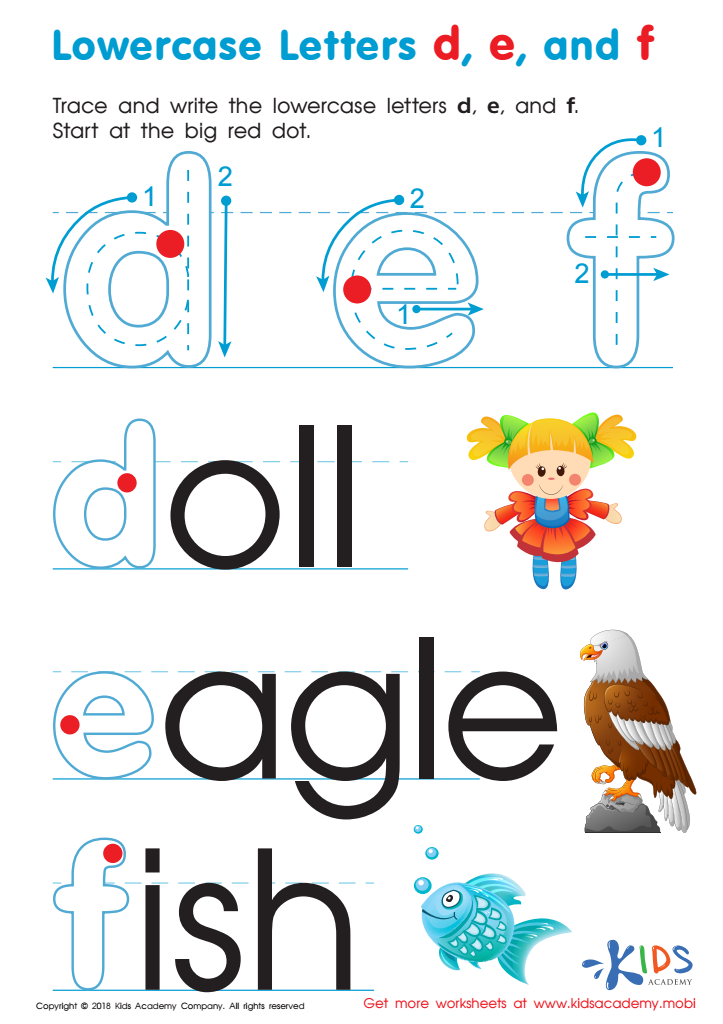
Lowercase Letters d e f Worksheet
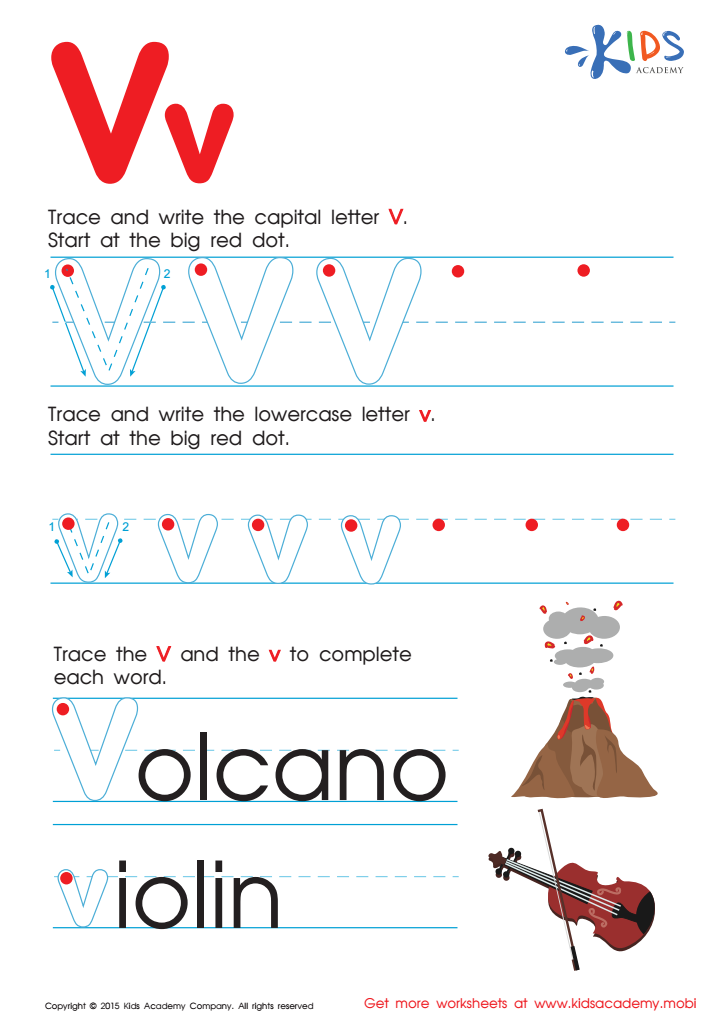
Letter V Tracing Page
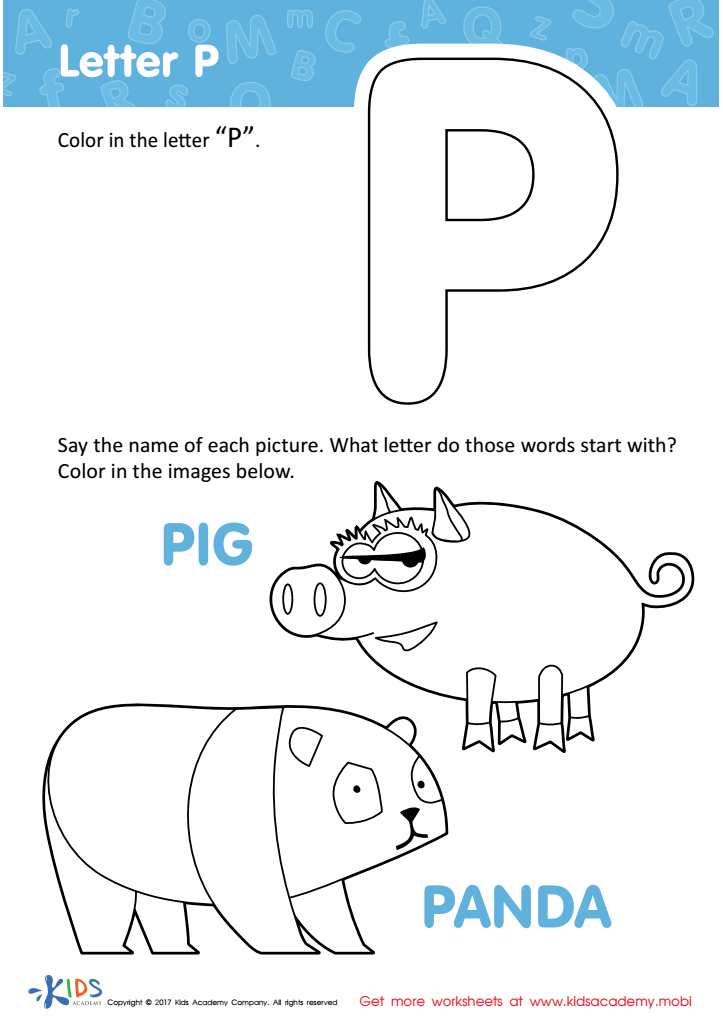
Letter P Coloring Sheet
Assign to My Students
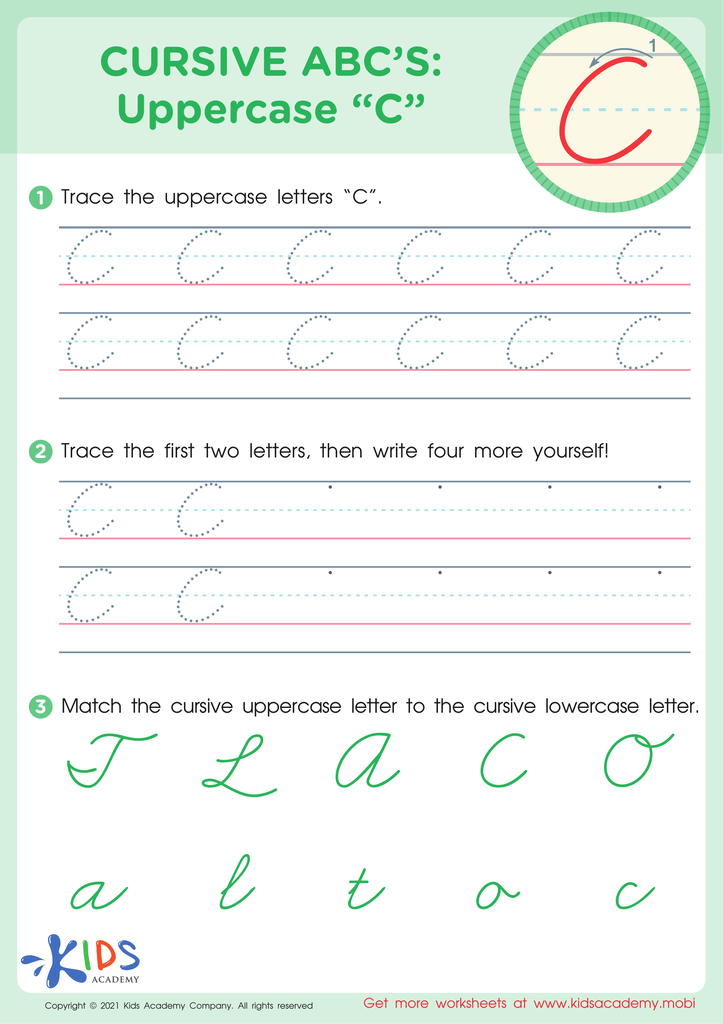
Cursive ABCs: Uppercase C
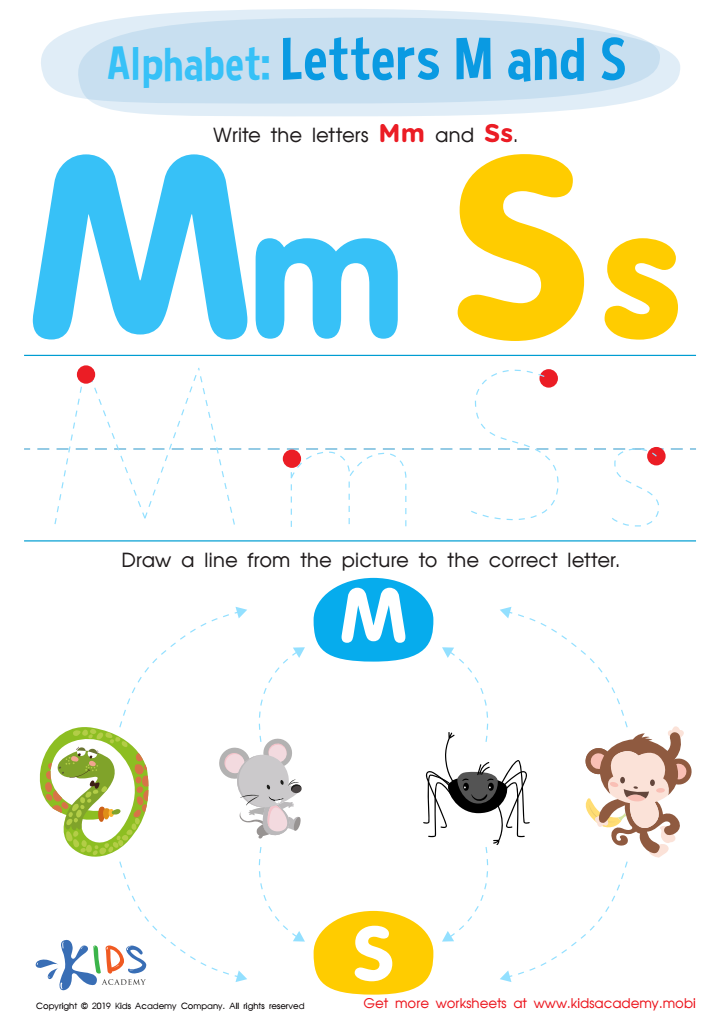
Letters M and S Tracing Worksheet
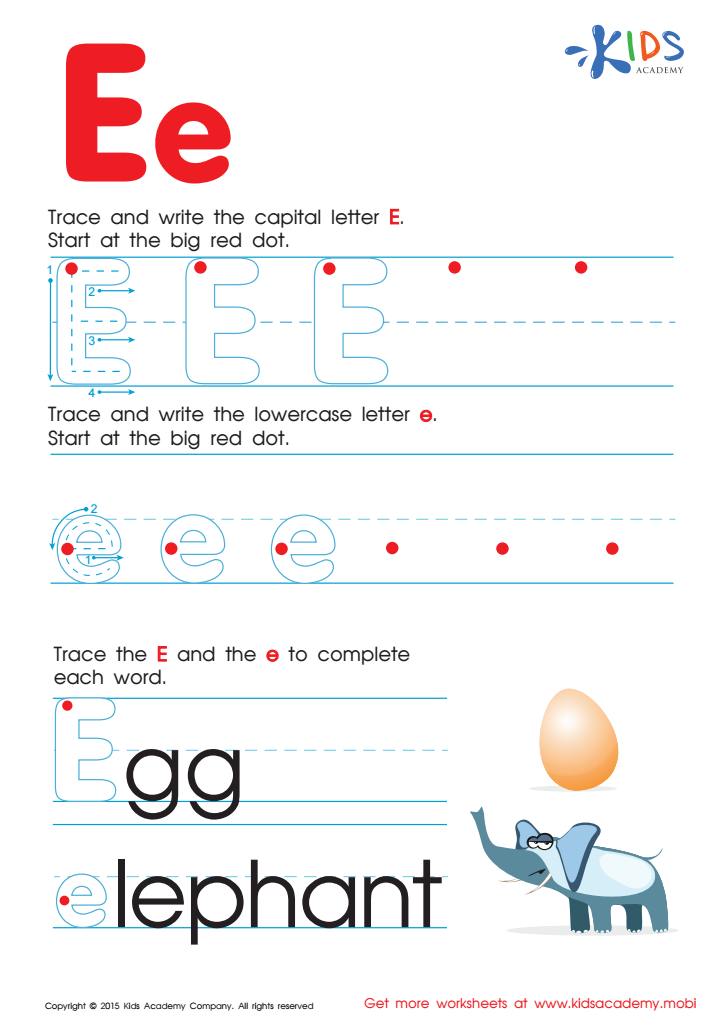
Letter E Tracing Page
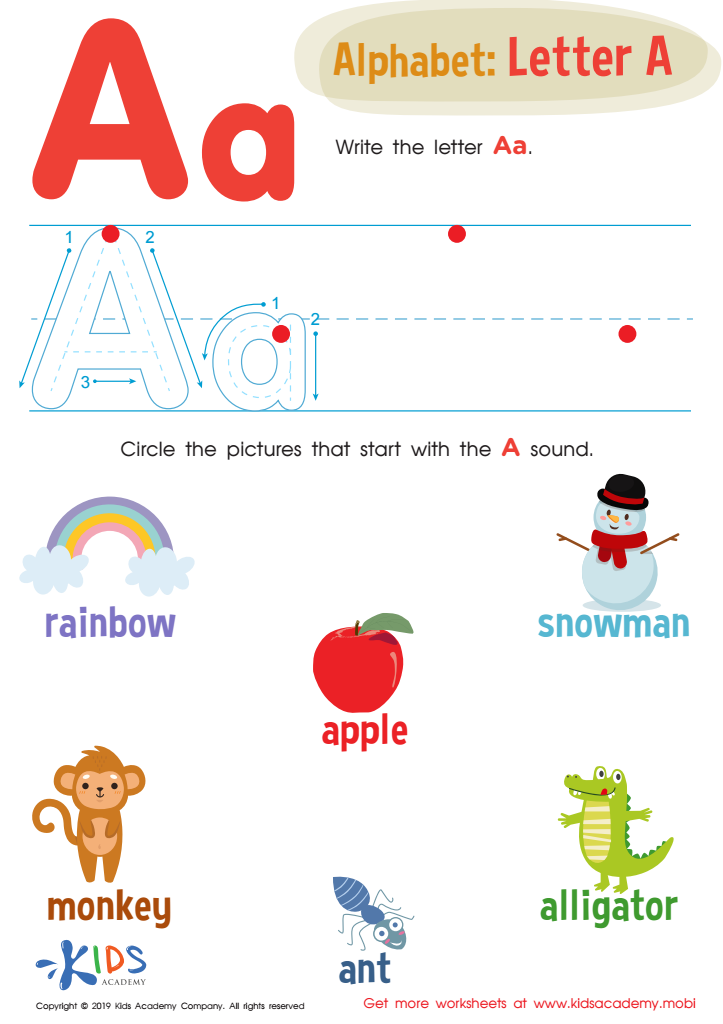
Letter A Tracing Worksheet
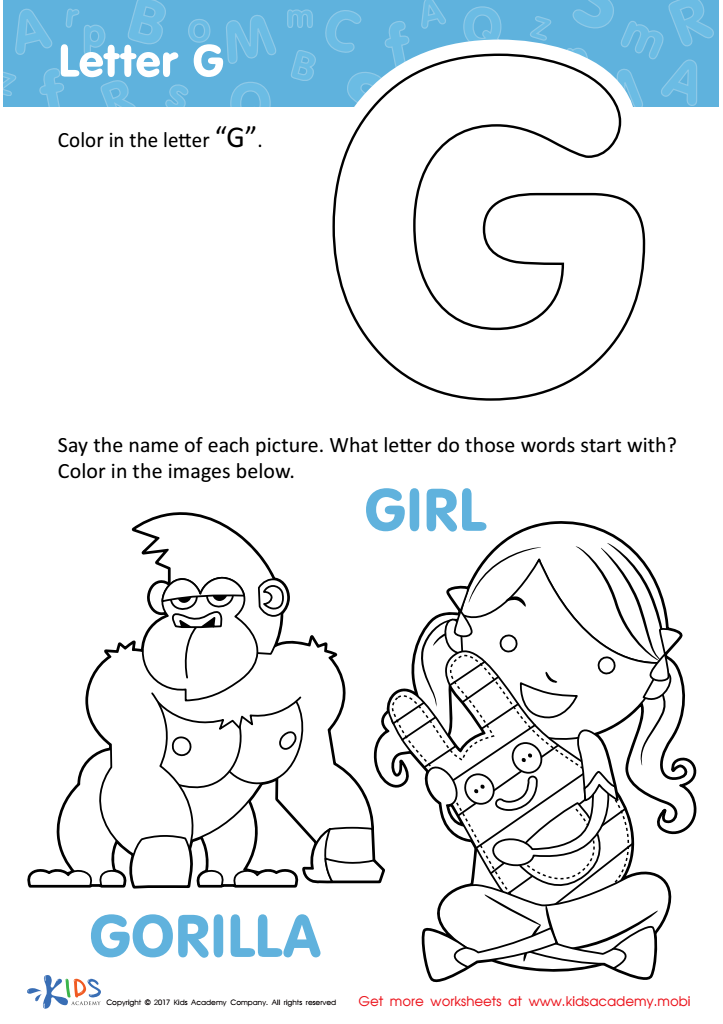
Letter G Coloring Sheet
Assign to My Students
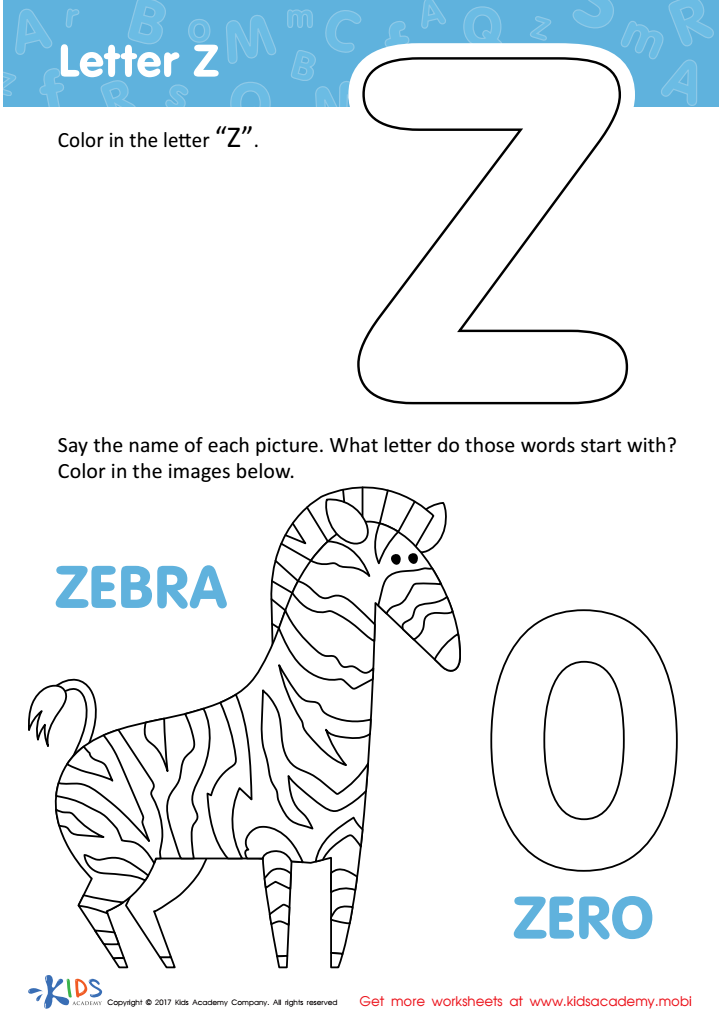
Letter Z Coloring Sheet
Assign to My Students
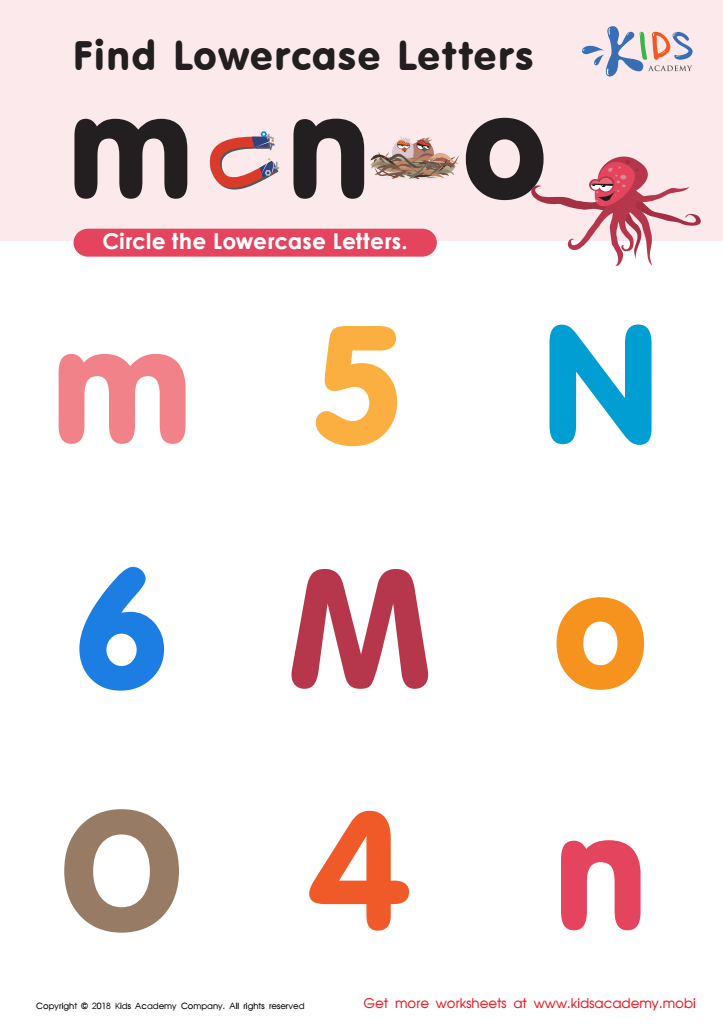
Find Lowercase Letters m n o Worksheet
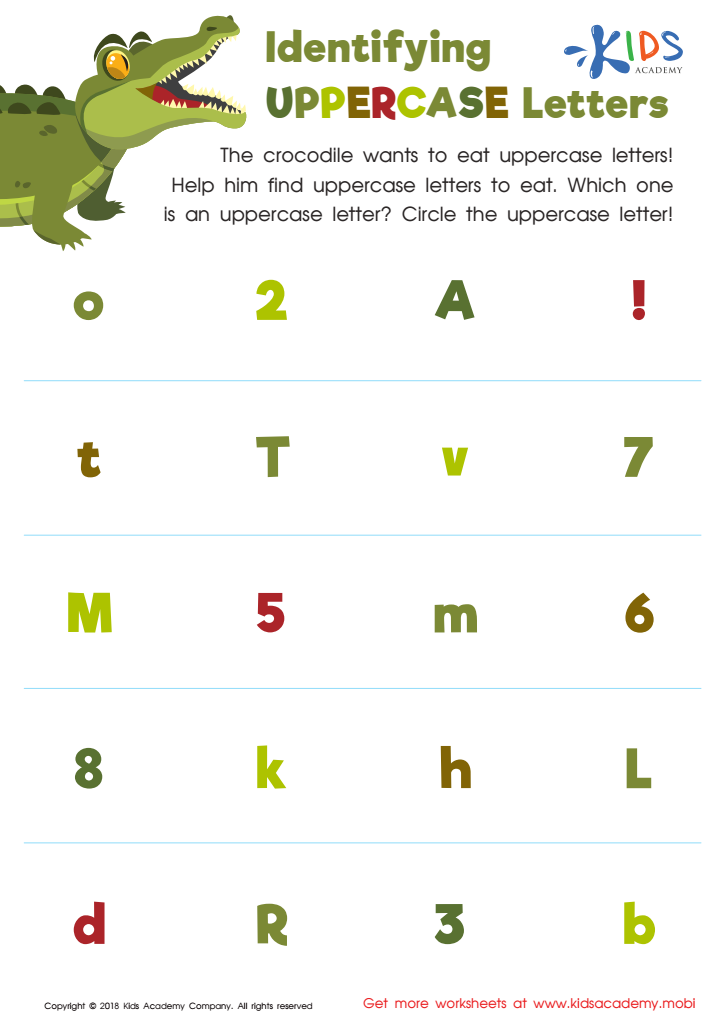
Identifying Uppercase Letters Worksheet
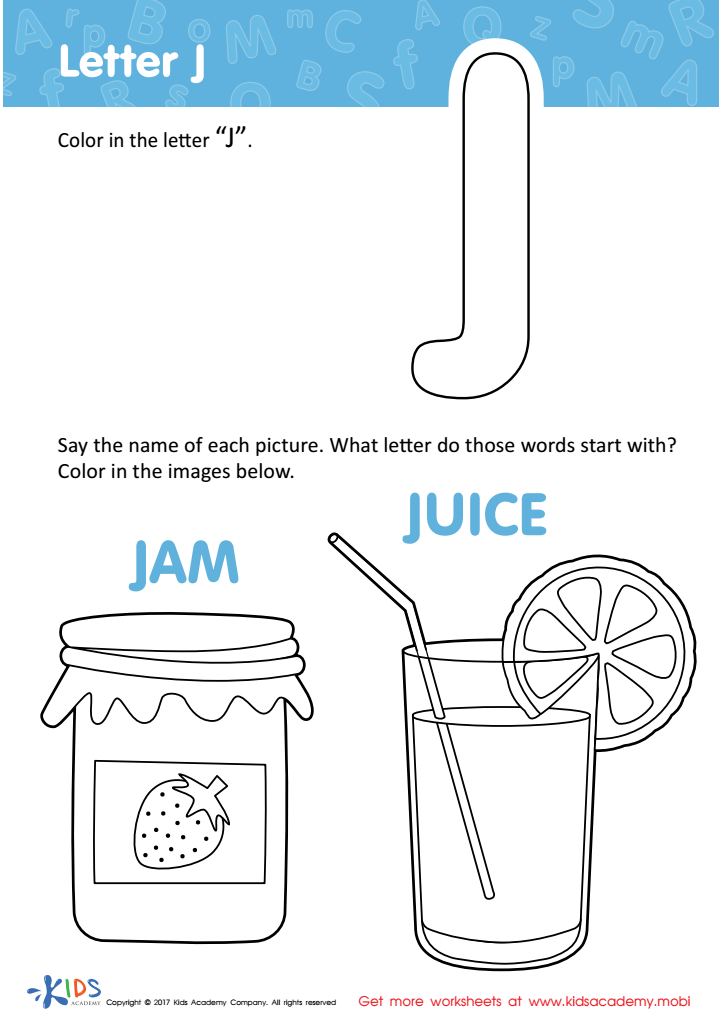
Letter J Coloring Sheet
Assign to My Students
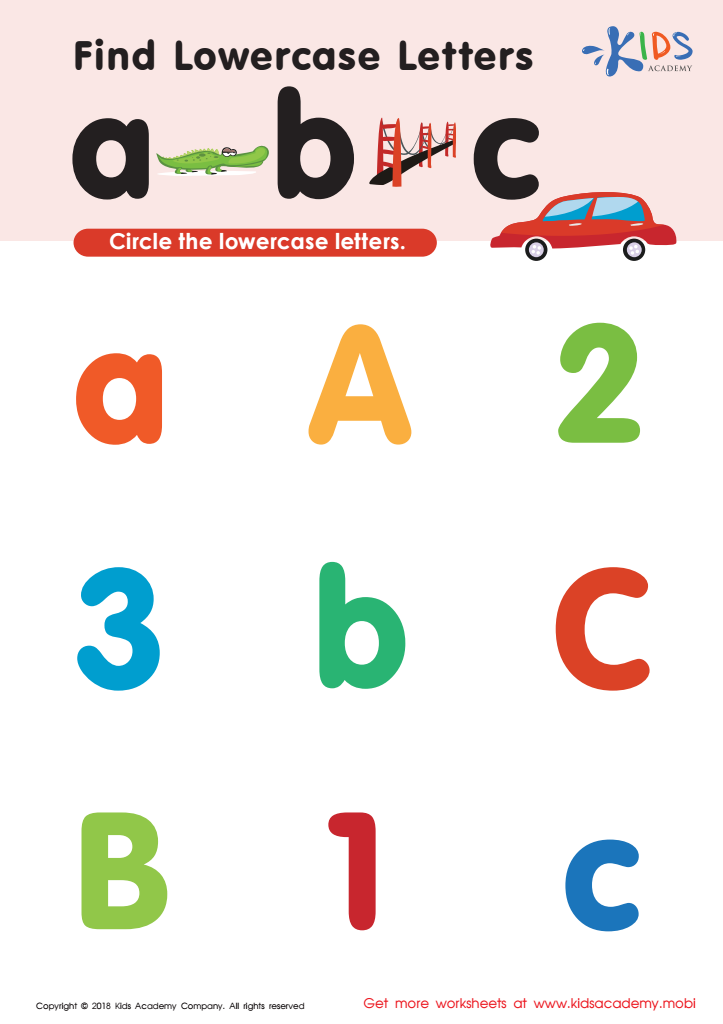
Find lowercase letters a b c Worksheet
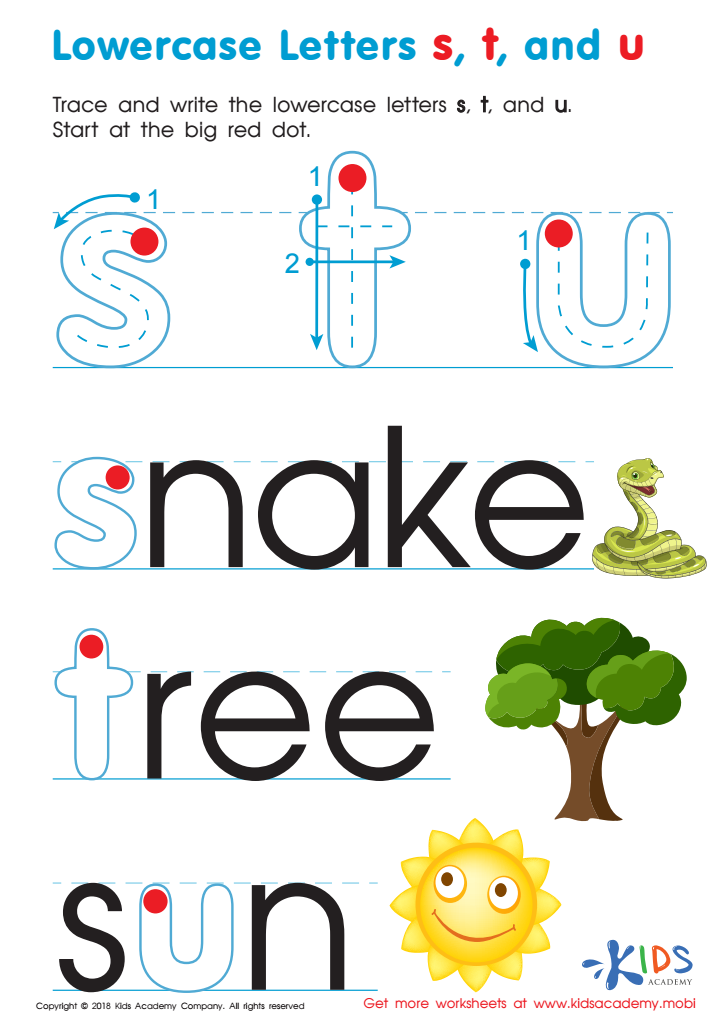
Lowercase Letters s t u Worksheet






Fine motor skills are crucial for children aged 4-8 as they form the foundation for essential tasks and learning. These skills involve the coordination of small muscles, particularly in the hands and fingers, which enable children to perform various tasks such as writing, drawing, cutting, and tying shoelaces. Fostering fine motor skills helps improve hand-eye coordination, control, and dexterity.
Parents and teachers should care about fine motor skills development because they directly impact a child's academic success and independence. Strong fine motor skills build confidence in tasks that are vital for school readiness, such as writing letters of the alphabet, which are essential in early literacy and communication. In addition, fine motor proficiency enhances cognitive development, as it encourages creative expression and problem-solving.
Additionally, engaging in activities that enhance fine motor skills provides children with enjoyable and structured opportunities for practice. Using tools such as playdough, scissors, and art supplies make learning engaging and fun. By prioritizing the development of fine motor skills, parents and teachers provide children with the tools they need for lifelong success, both academically and personally.







