Letter formation Alphabet Worksheets for Ages 4-8
10 filtered results
-
From - To
Discover our engaging Letter Formation Alphabet Worksheets, specially designed for children ages 4-8! These colorful and educational printables make learning to write letters fun and effective. With a variety of activities focused on tracing, matching, and writing, your child will build essential fine motor skills while mastering the alphabet. Our worksheets inspire confidence and creativity, ensuring a smooth transition to proficient writing. Perfect for both classroom and home use, these resources cater to young learners at all skill levels, making education an enjoyable experience. Start the path to handwriting success today with our Letter Formation Alphabet Worksheets!
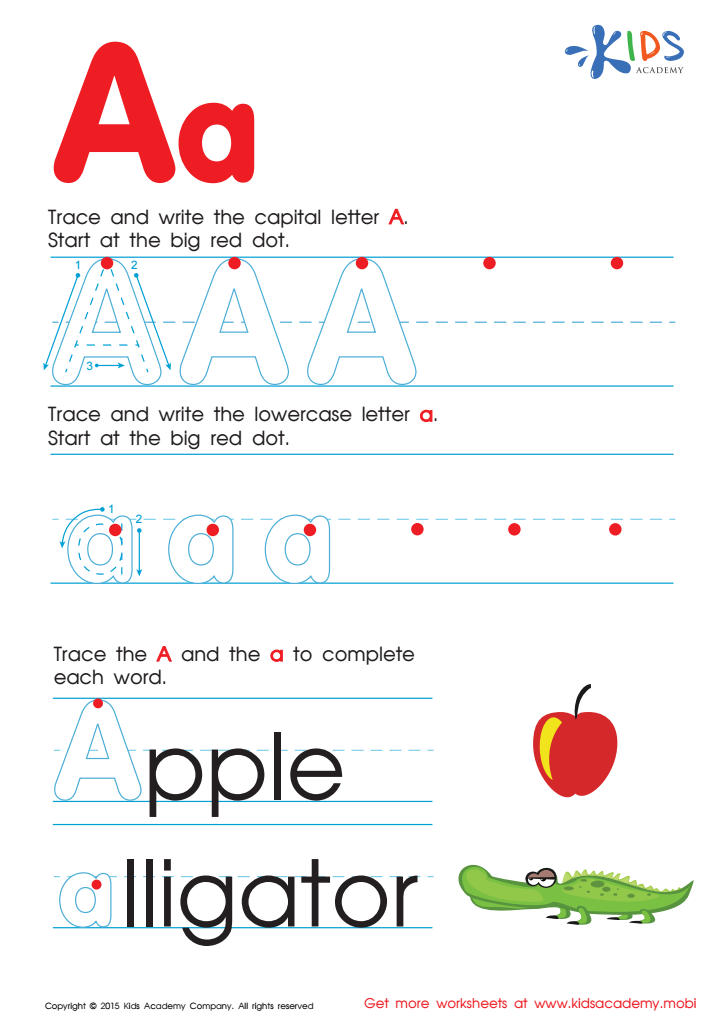
Letter A Tracing Page
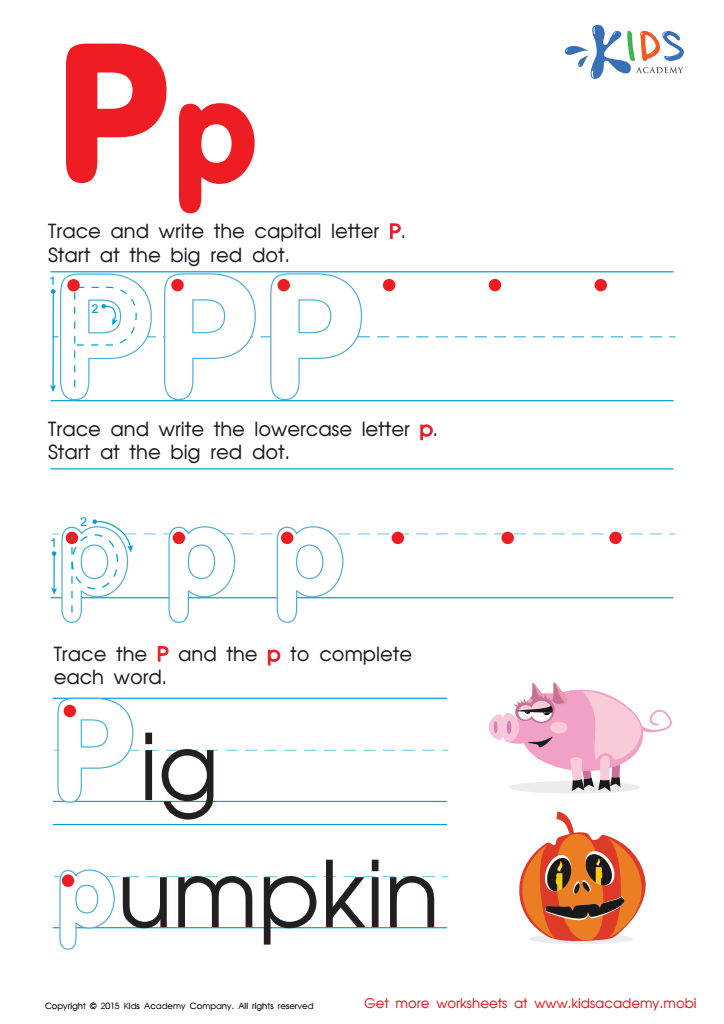
Letter P Tracing Page
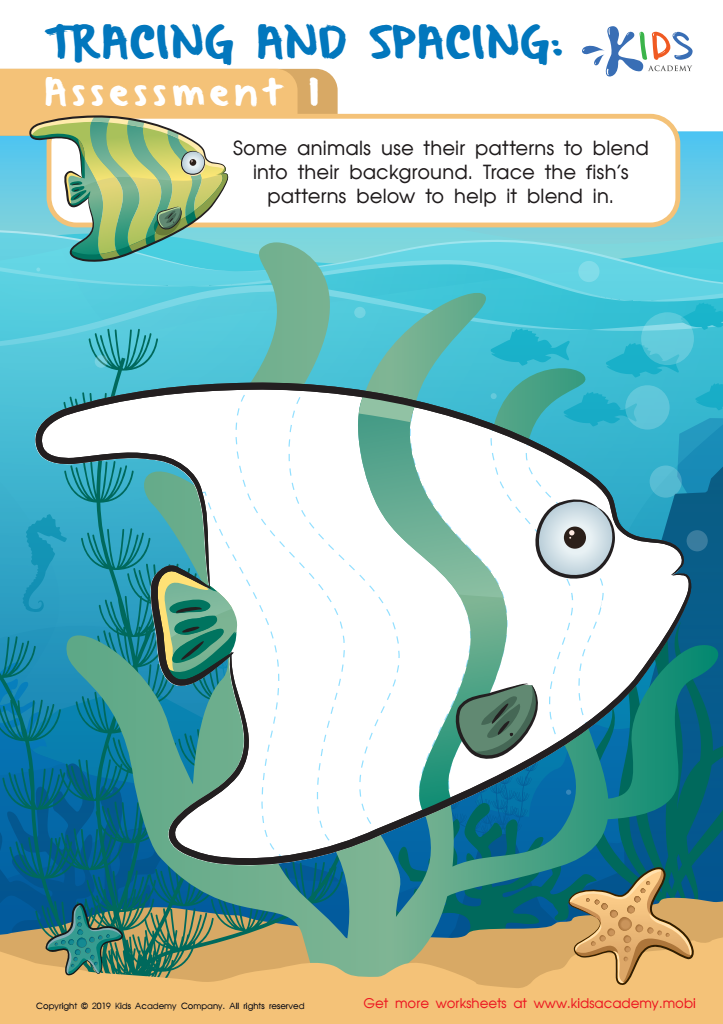
Tracing and Spacing: Assessment 1 Worksheet
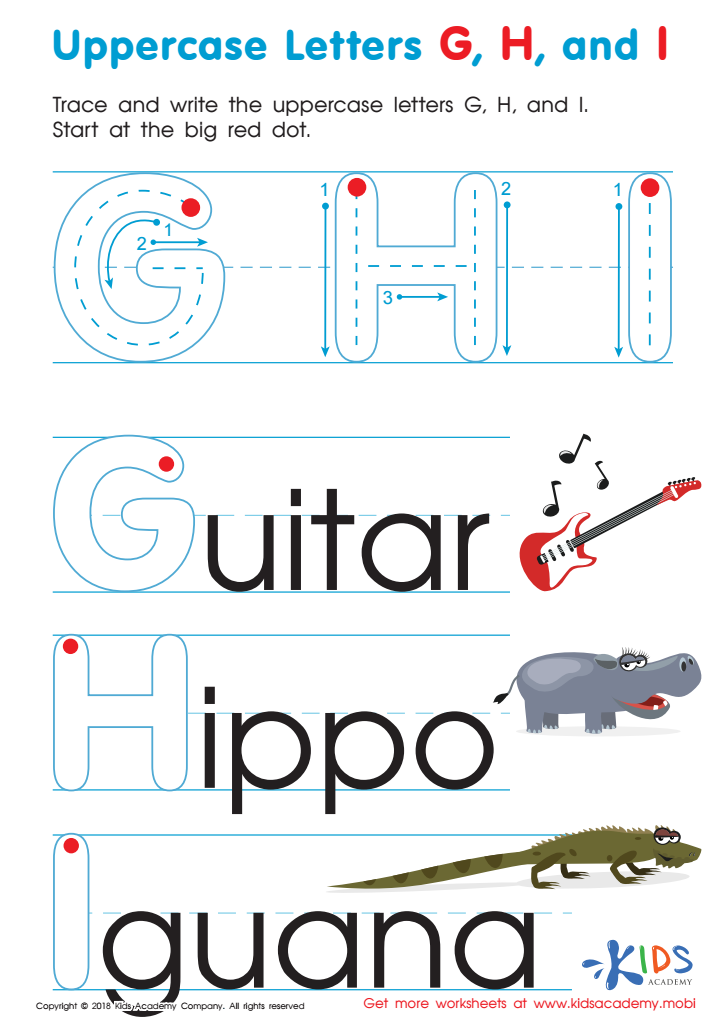
Uppercase Letters G, H, and I Worksheet

Letter G Tracing Page
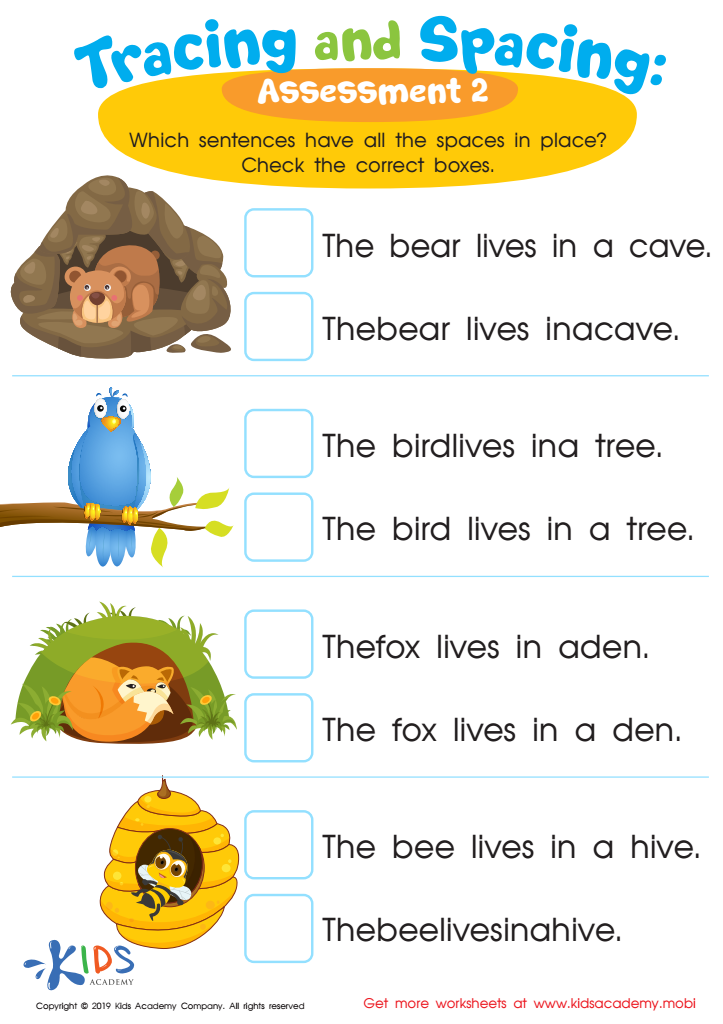
Tracing and Spacing: Assessment 2 Worksheet
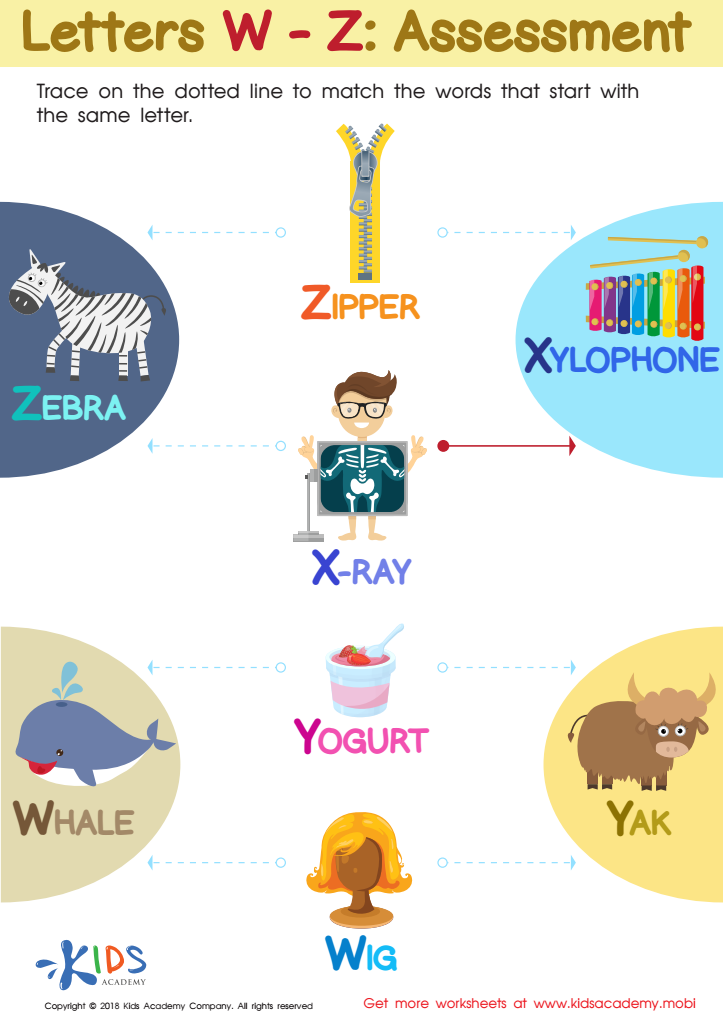
Letters W–Z Tracing Worksheet
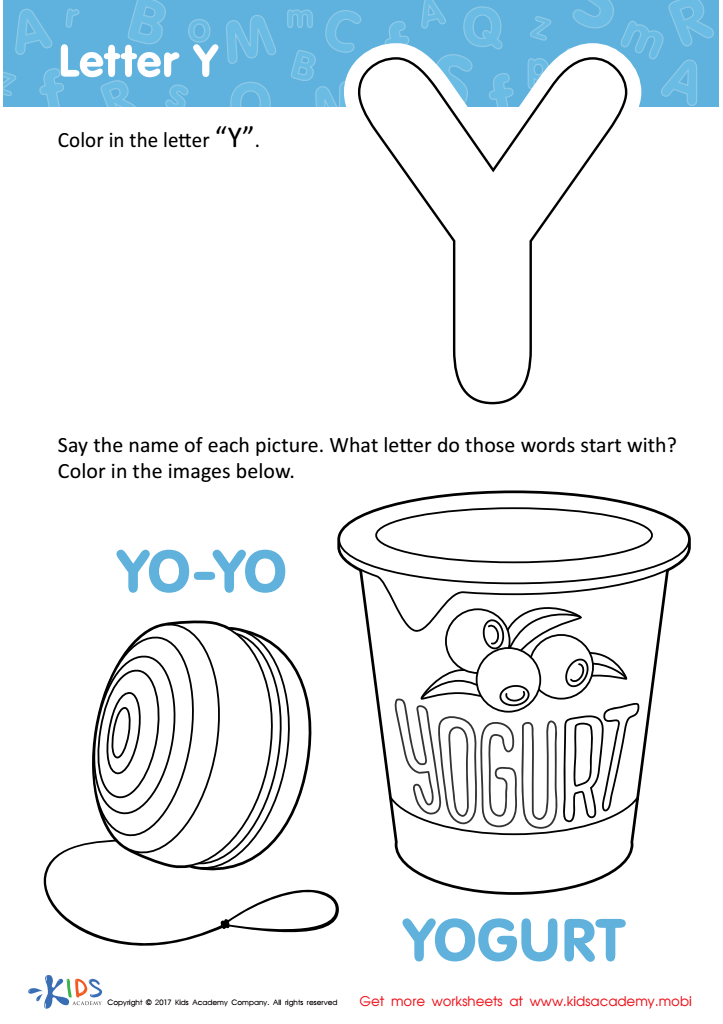
Letter Y Coloring Sheet
 Assign to My Students
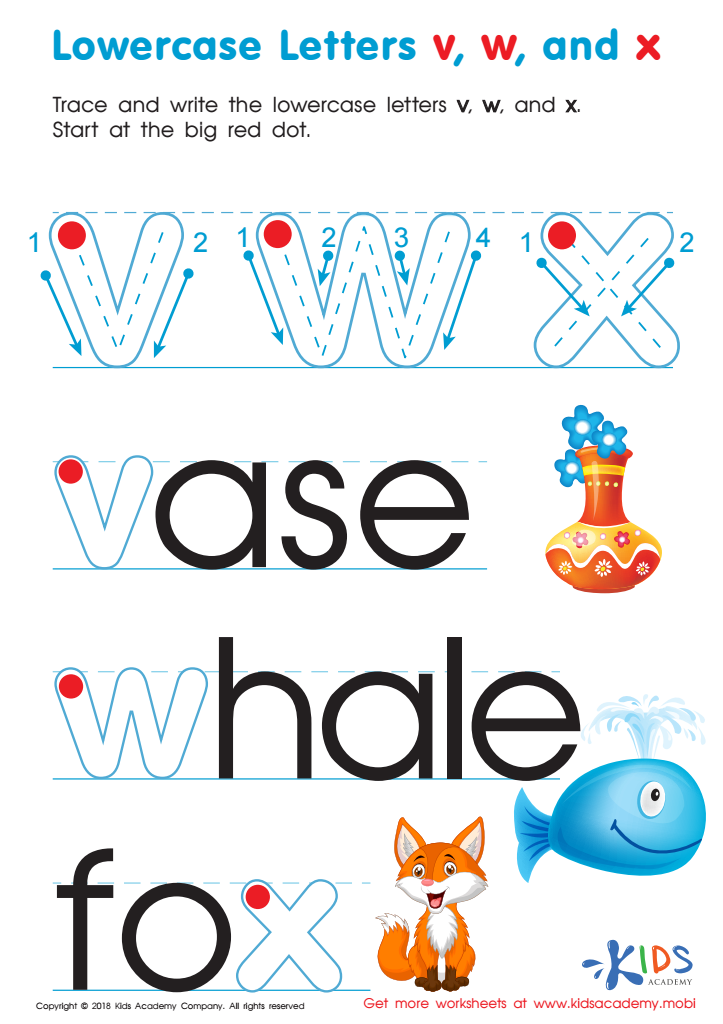
Lowercase Letters v w x Worksheet
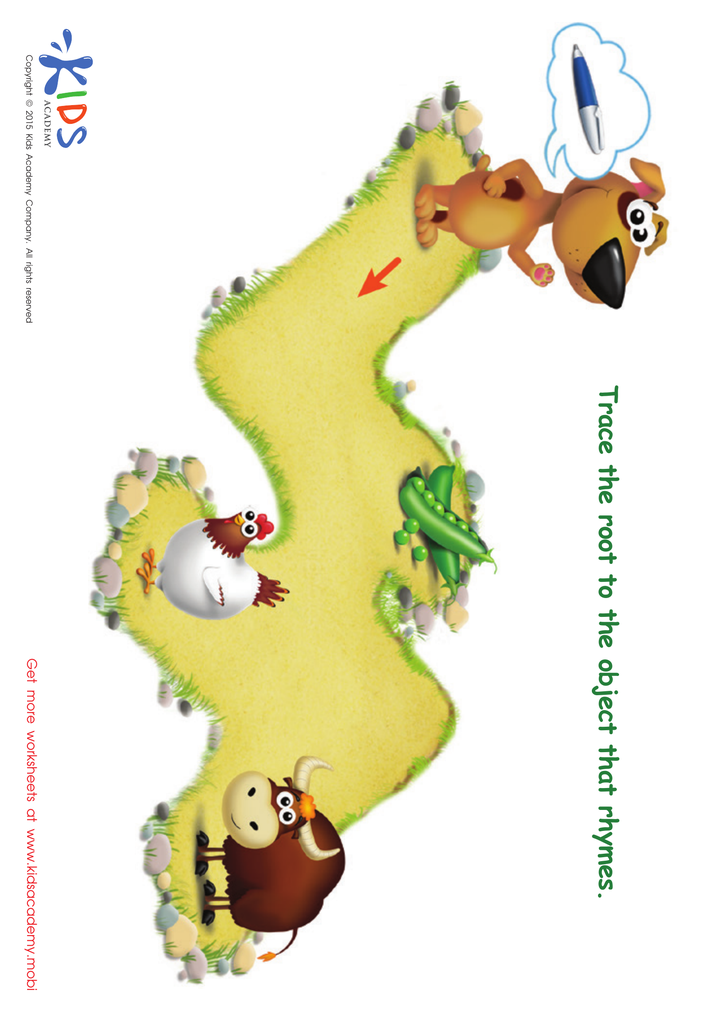
Pen Rhyming Words Worksheet





Letter formation is a critical foundational skill for children aged 4-8, and both parents and teachers have essential roles in fostering its development. Proper letter formation lays the groundwork for effective communication and leads to long-term academic success. When children learn to write letters correctly, they can more easily grasp the mechanics of writing, reducing future challenges in literacy.
Good letter formation enhances legibility, which is crucial for ensuring that written work is readable by both the child and others. This readability is especially important in the classroom, where clear communication of ideas boosts confidence and academic performance. Moreover, mastering letter formation at an early age supports cognitive development, fine motor skills, and hand-eye coordination. These skills are fundamental not only for writing but also for various daily tasks and advanced learning areas like mathematics and science.
Additionally, involving parents in monitoring and encouraging writing practice at home complements school activities, resulting in a more cohesive learning experience. Positive reinforcement from both parents and teachers fosters a child’s self-esteem and enthusiasm for learning. Ultimately, strong letter formation skills contribute to a smoother transition to higher grades, where writing becomes a critical tool for learning and expressing ideas. Taking an active interest in this early skill sets the stage for lifelong literacy and academic achievement.







