Letter recognition Alphabet Worksheets for Ages 4-8
91 filtered results
-
From - To
Discover our engaging Letter Recognition Alphabet Worksheets designed for children aged 4-8! These fun and interactive worksheets help young learners identify and differentiate letters, enhancing their literacy skills. With a variety of activities—such as tracing, coloring, and matching—kids will enjoy practicing both uppercase and lowercase letters. Perfect for classrooms and home learning, our worksheets cater to different learning styles, fostering a love for reading and writing. Encourage your child's early literacy journey with our carefully crafted resources that make learning enjoyable and effective. Start exploring today to build a strong foundation in letter recognition and language skills!
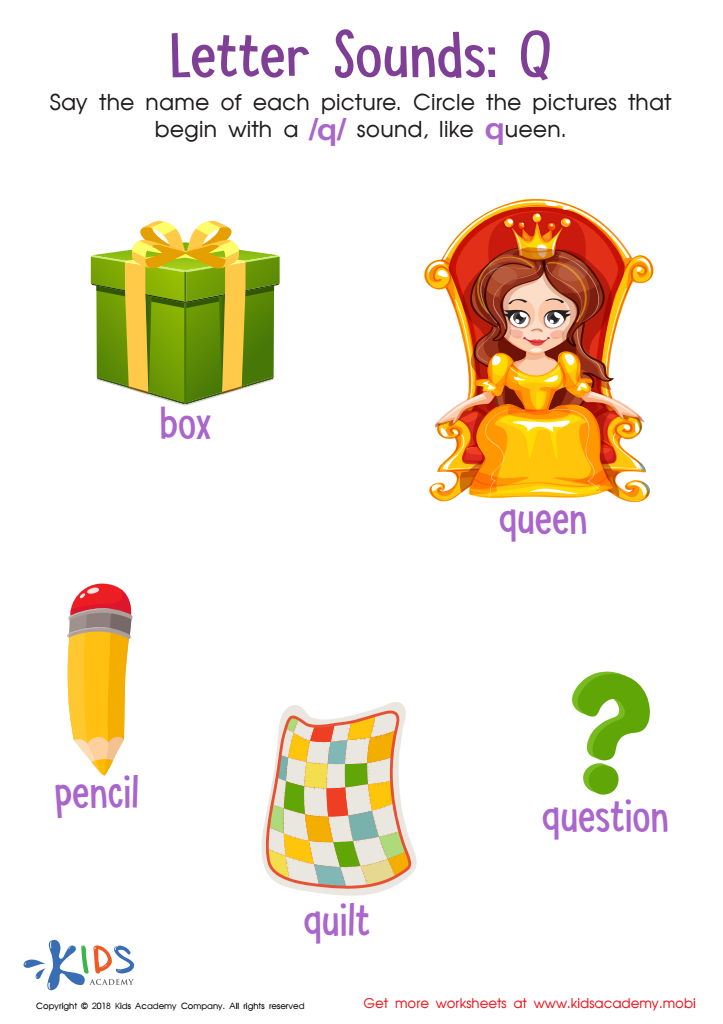
Letter Q Sounds Worksheet
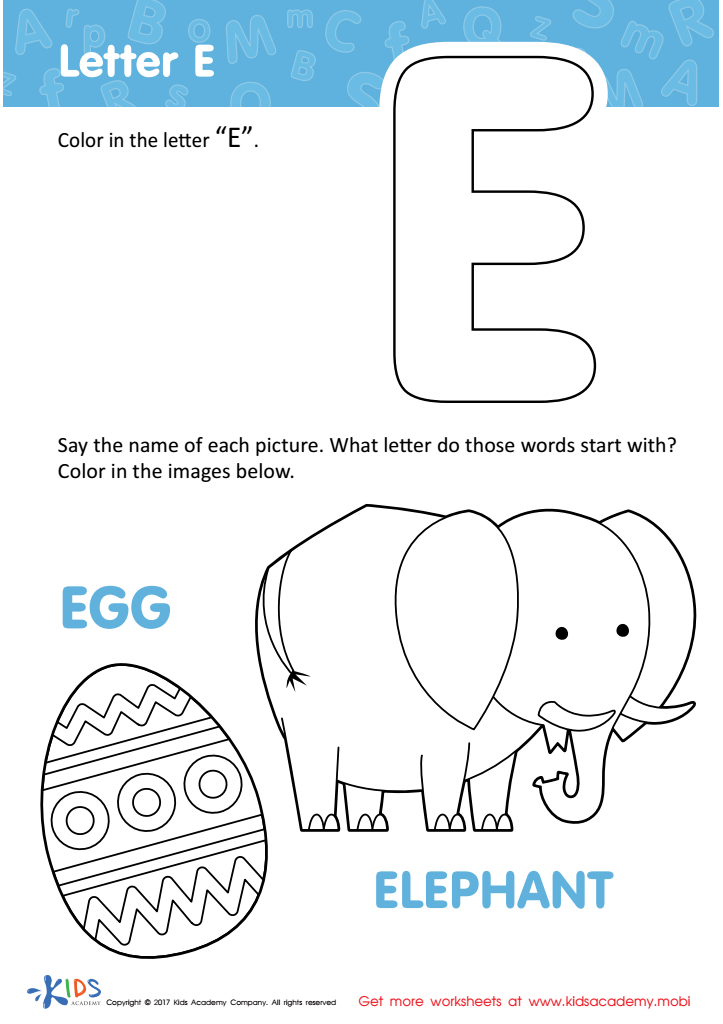
Letter E Coloring Sheet
 Assign to My Students
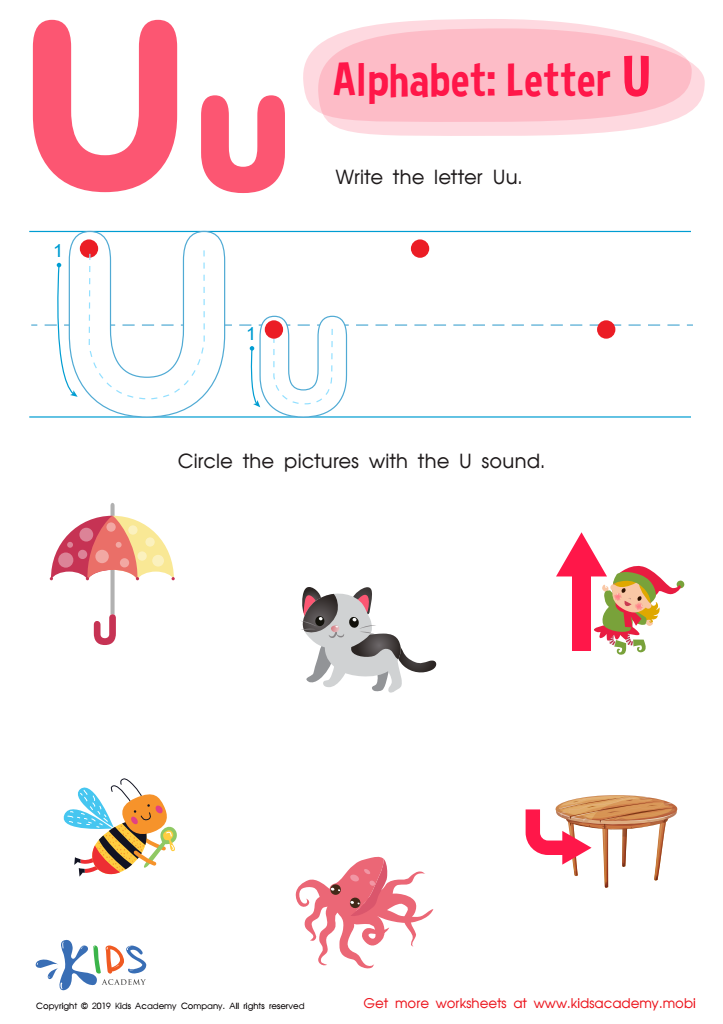
Letter U Tracing Worksheet
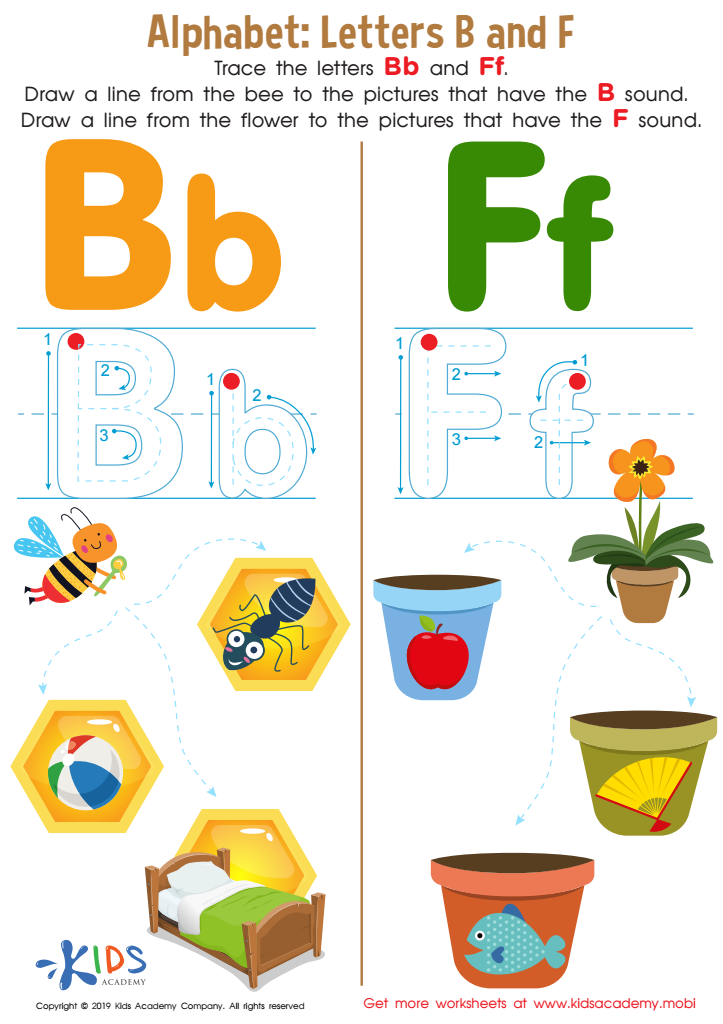
Letters B and F Tracing Worksheet
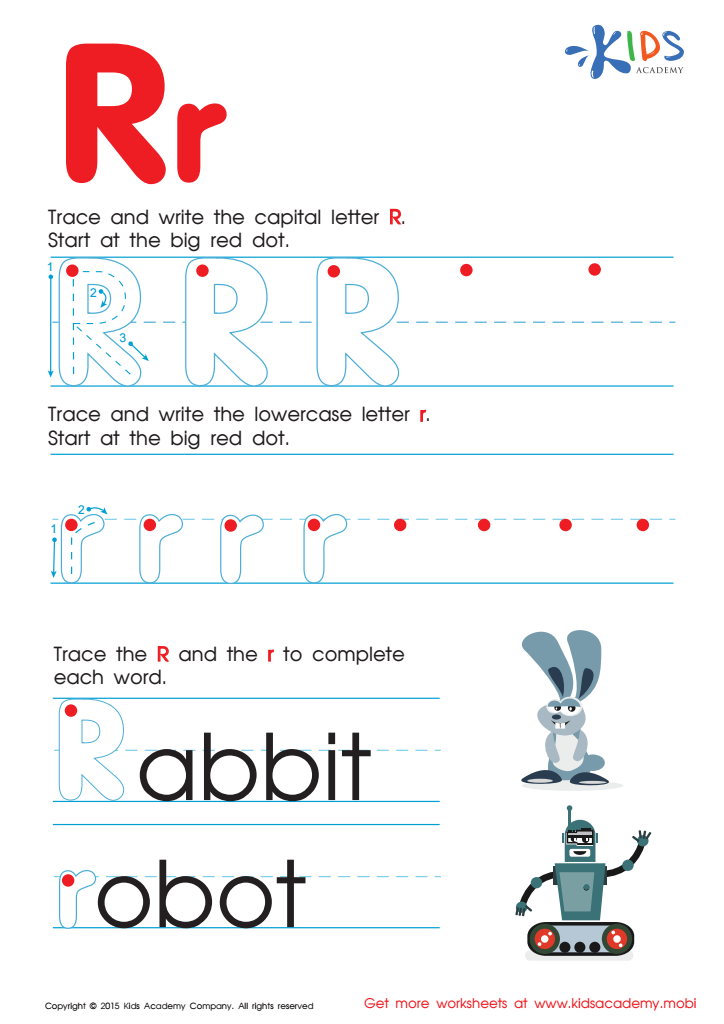
Letter R Tracing Page
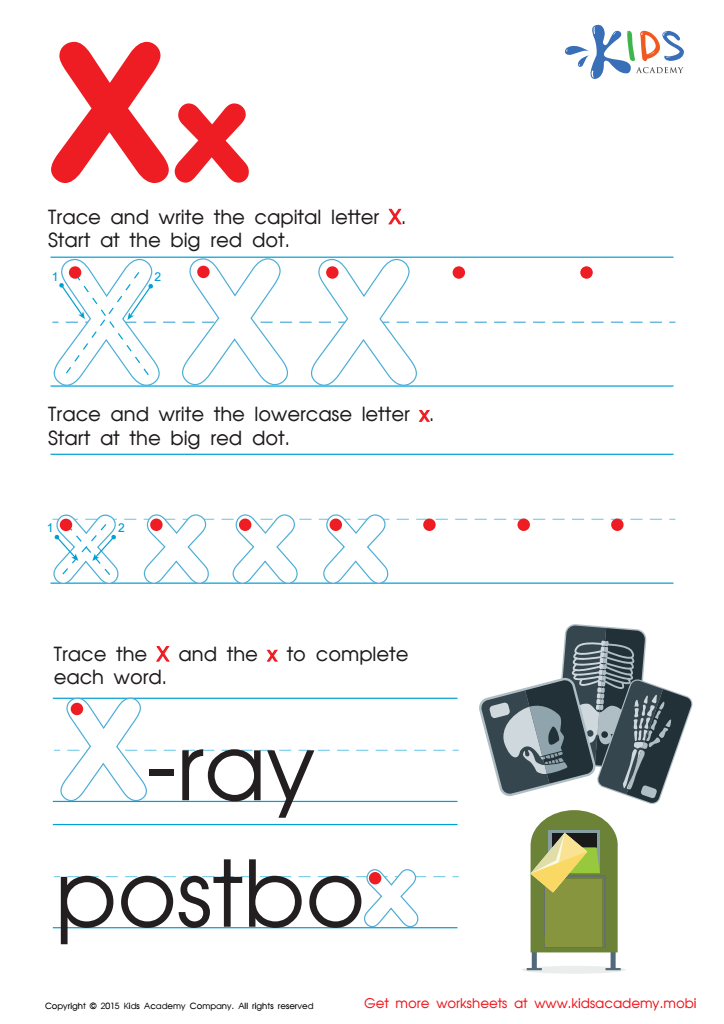
Letter X Tracing Page
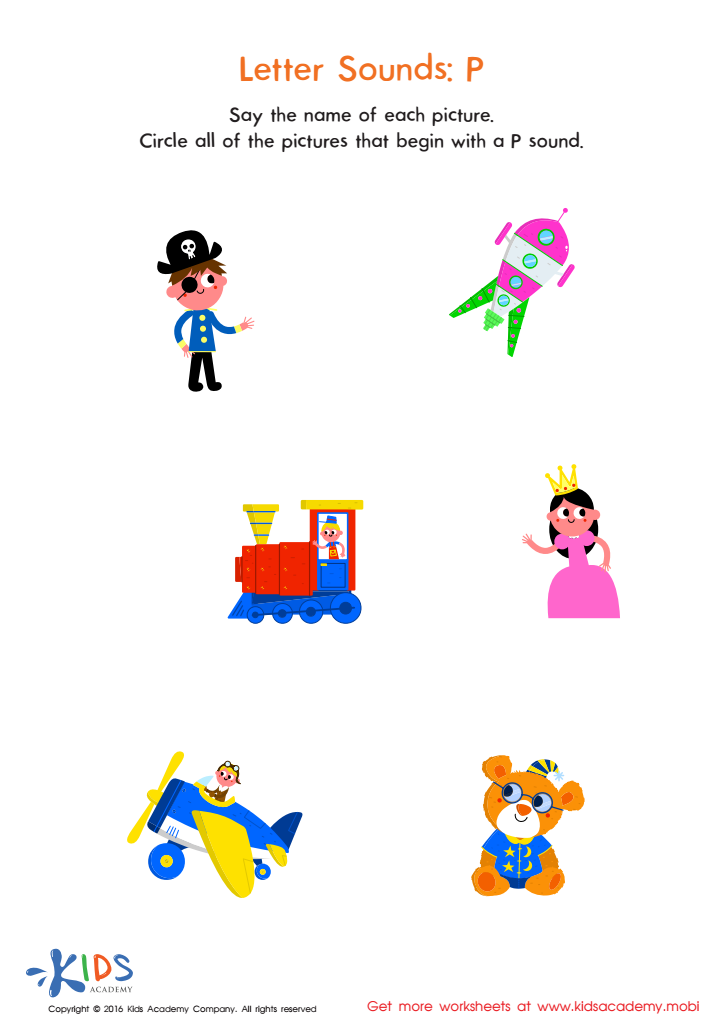
Letter P Sound Worksheet
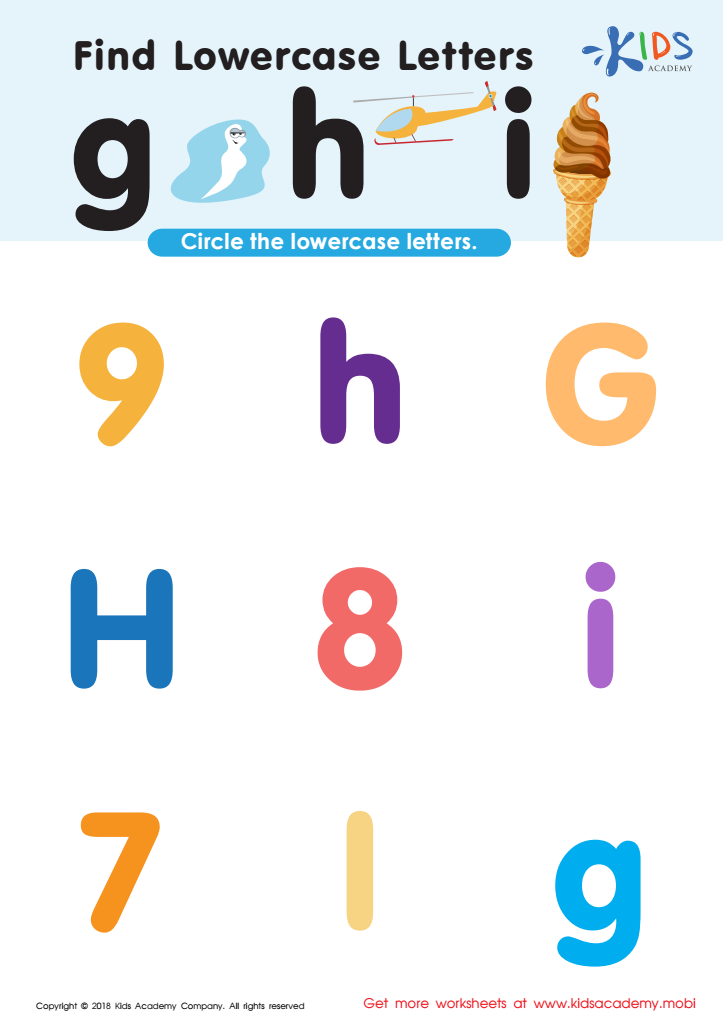
Find Lowercase Letters g h i Worksheet
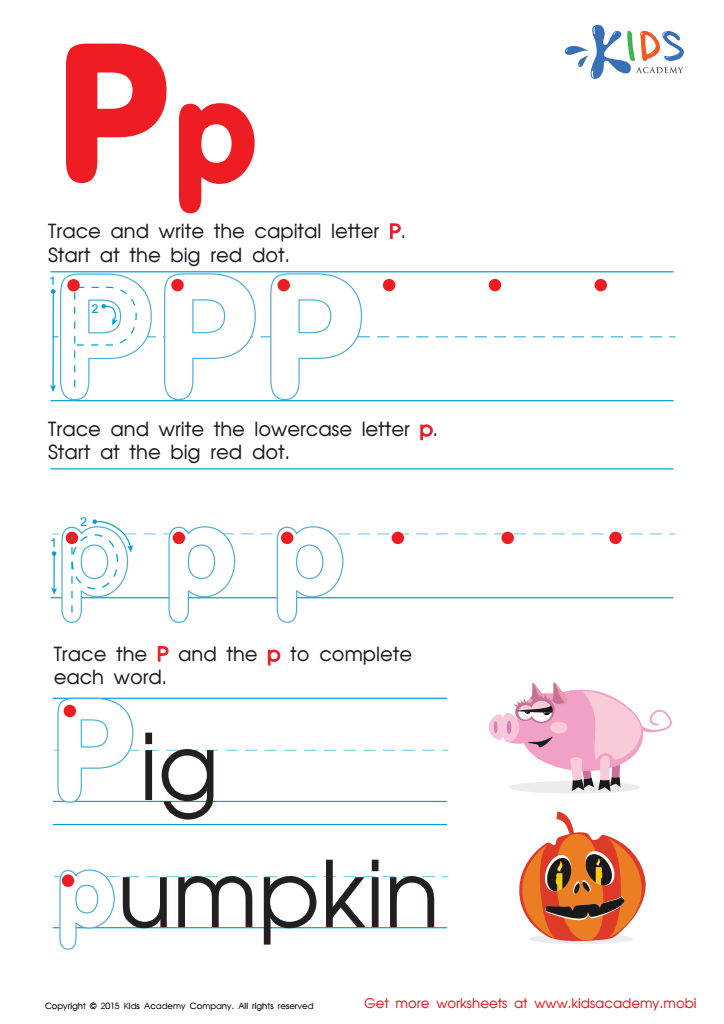
Letter P Tracing Page
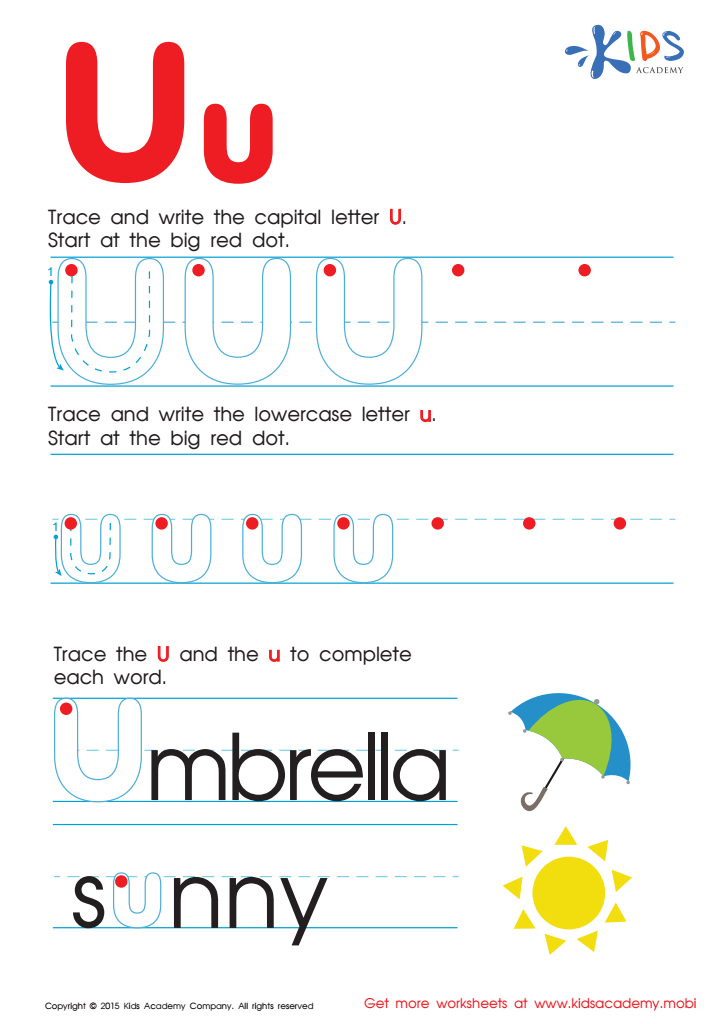
Letter U Tracing Page
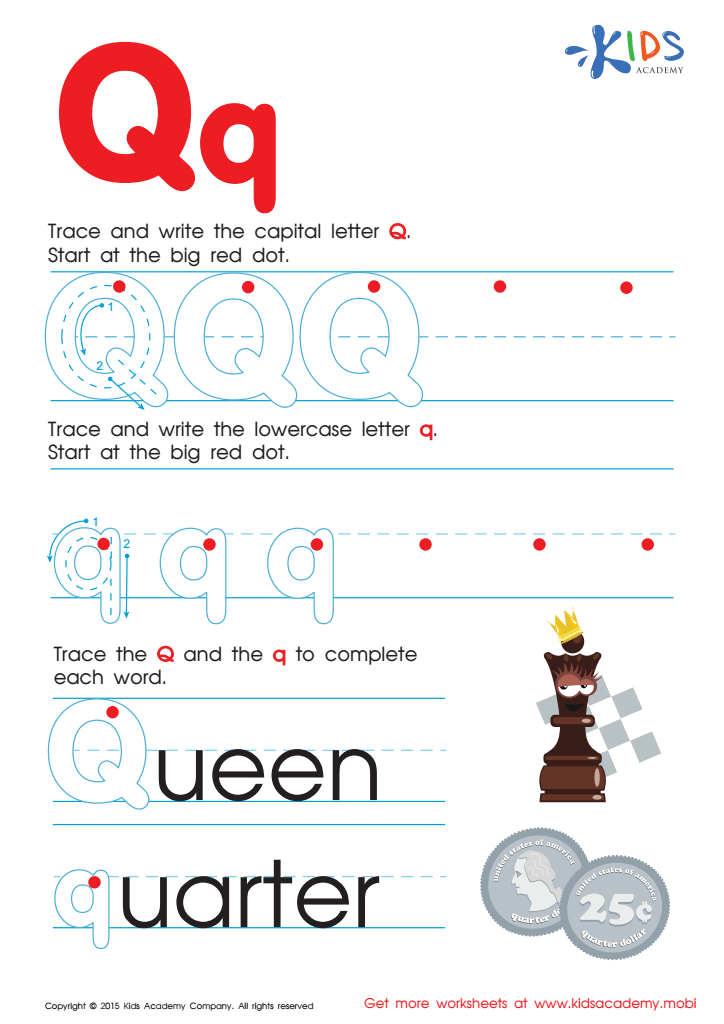
Letter Q Tracing Page
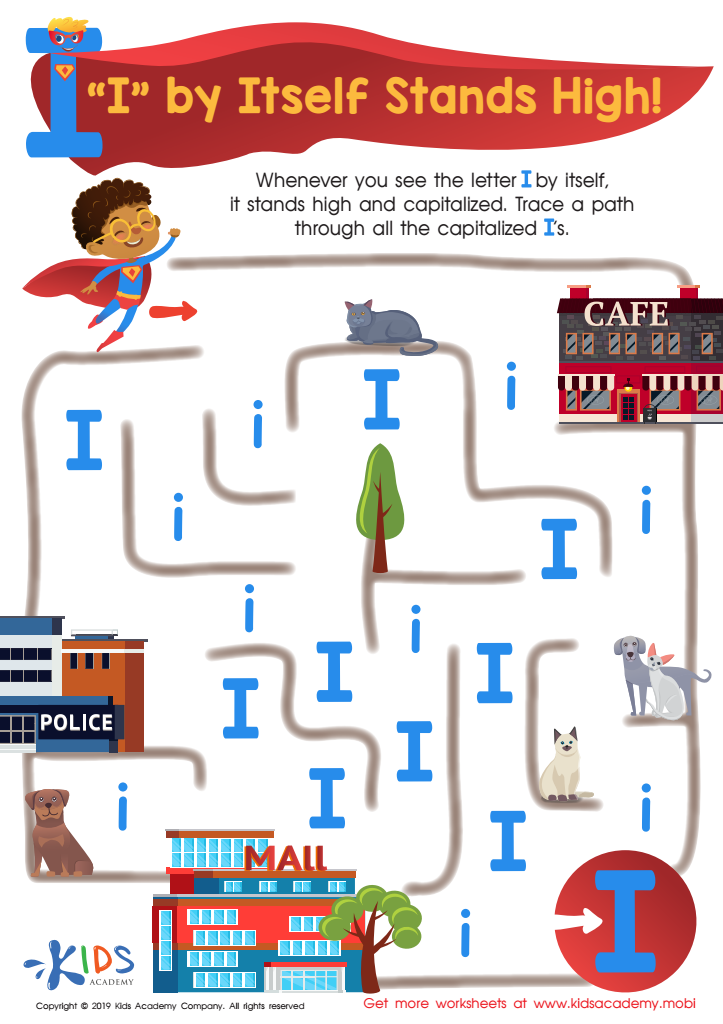
I Stands High Worksheet
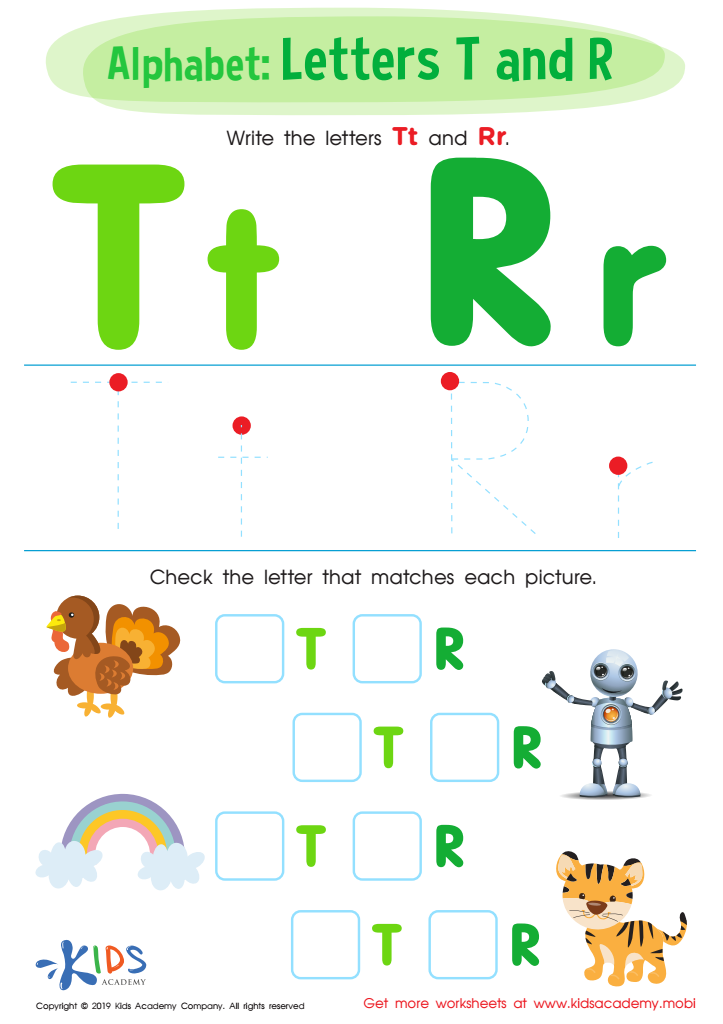
Letters T and R Worksheet
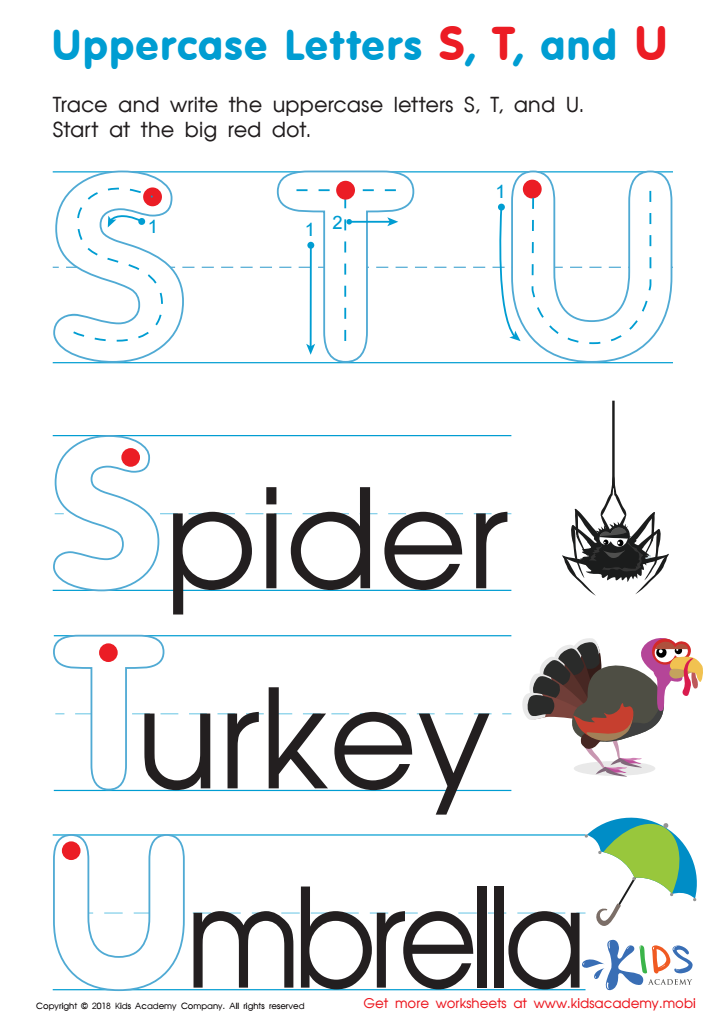
Uppercase Letters S, T, and U Worksheet
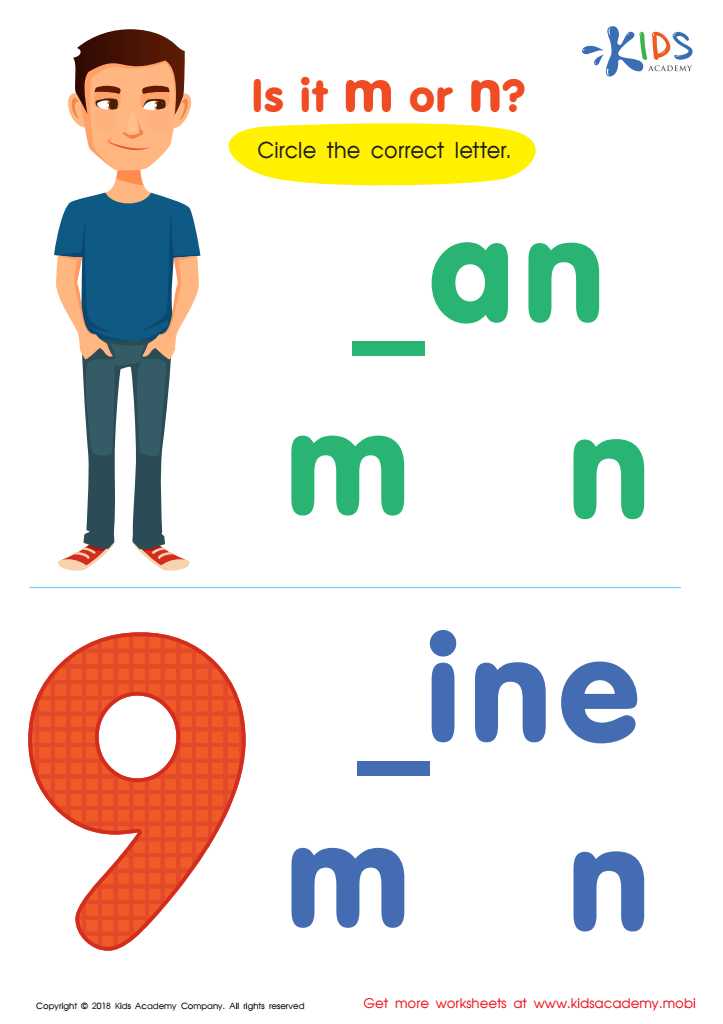
Is It m or n? Worksheet
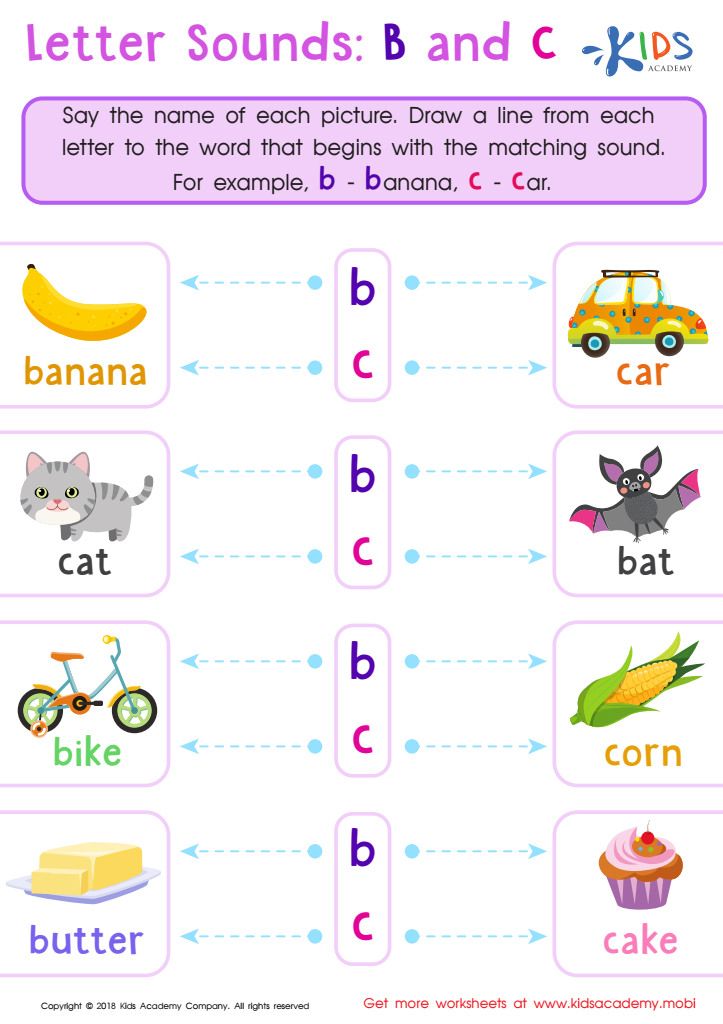
Letter B and C Sounds Worksheet
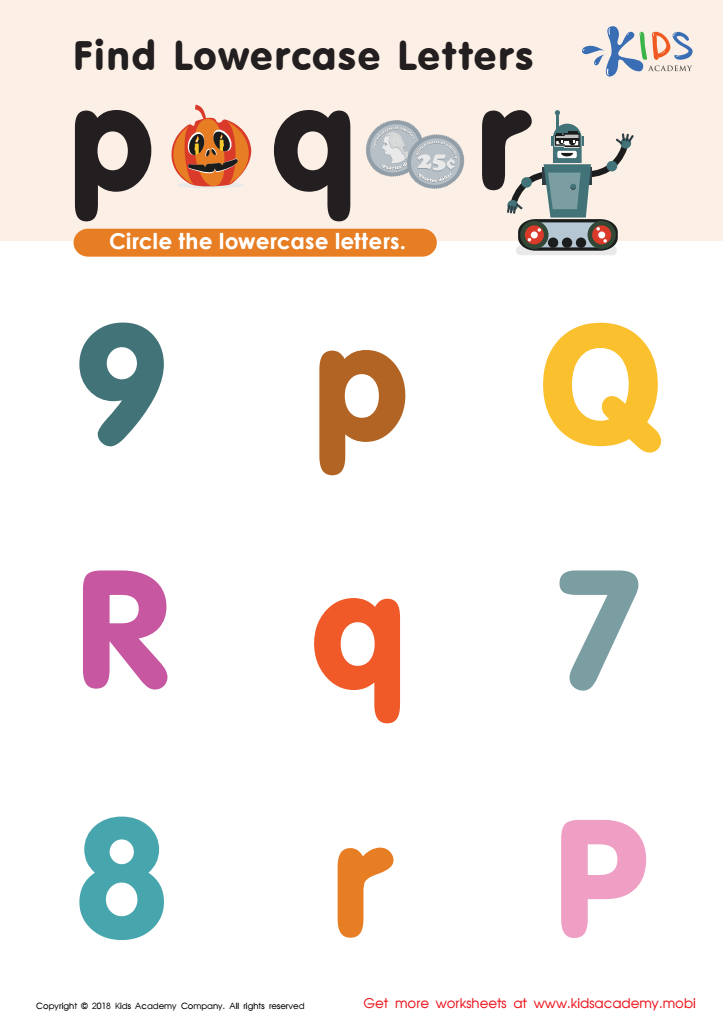
Find lowercase Letters p q r Worksheet
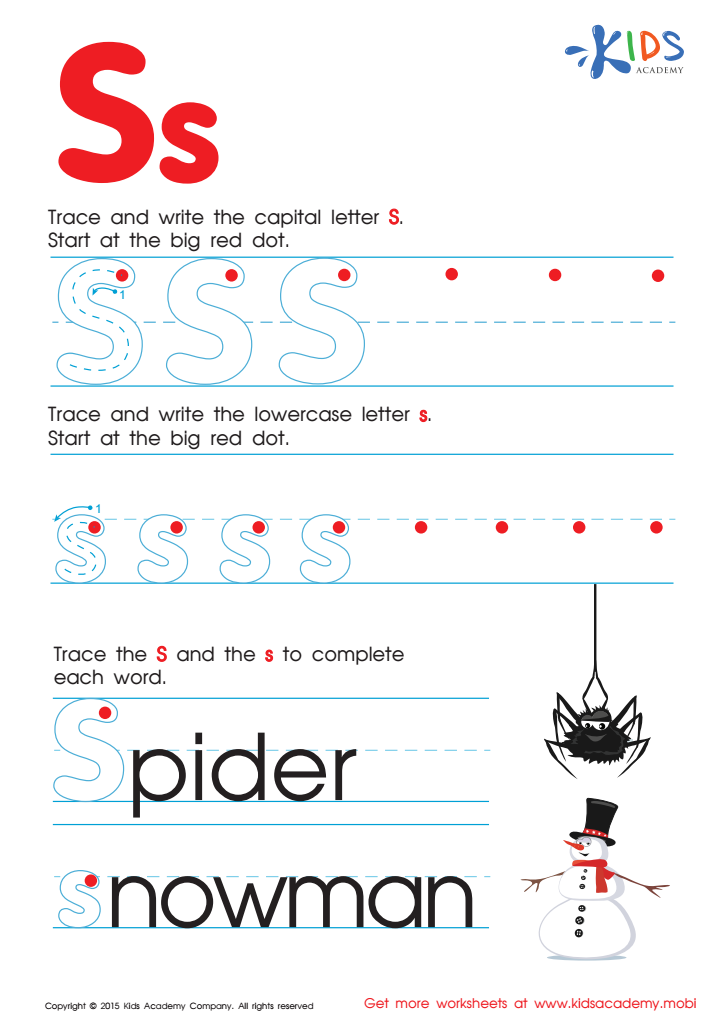
Letter S Tracing Page
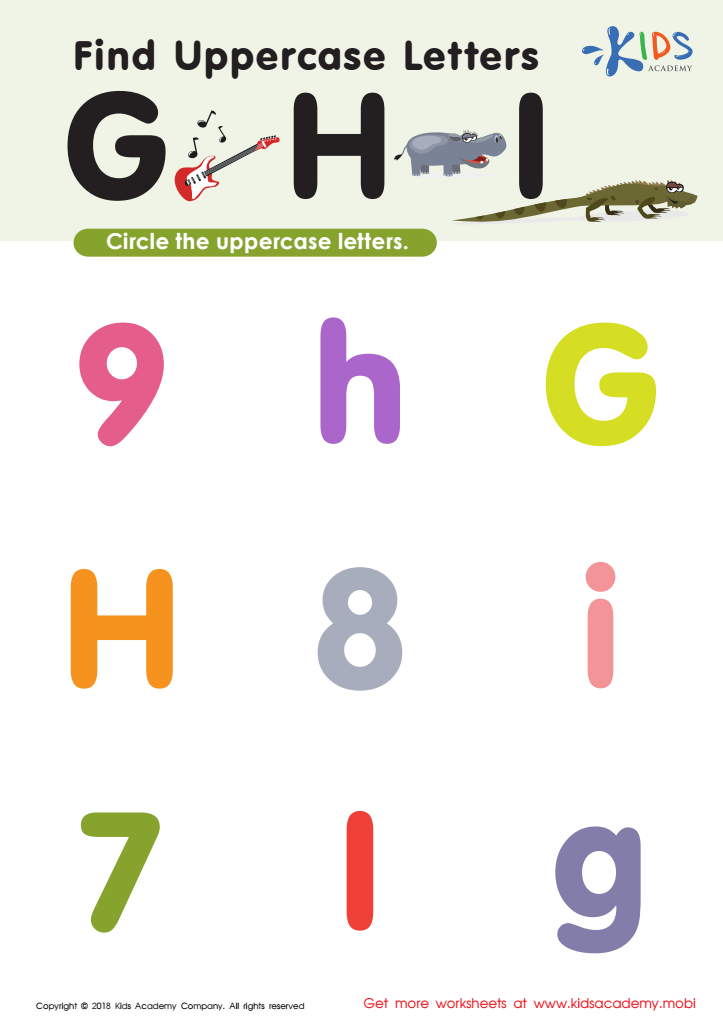
Find Uppercase Letters G, H, and I Worksheet
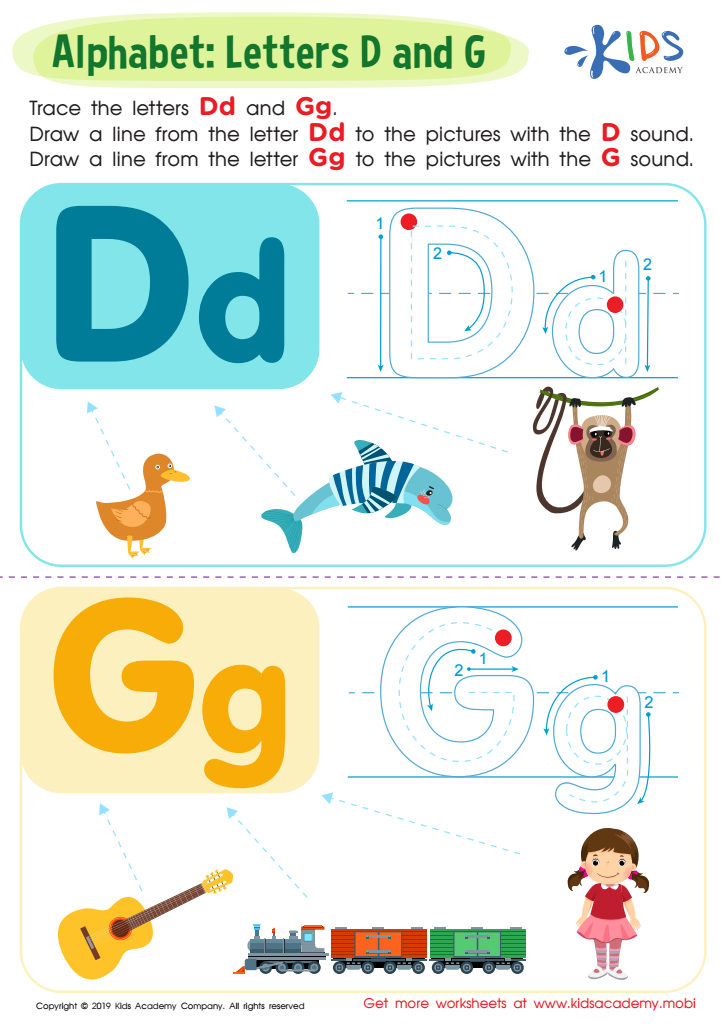
Letter D and G Tracing Worksheet
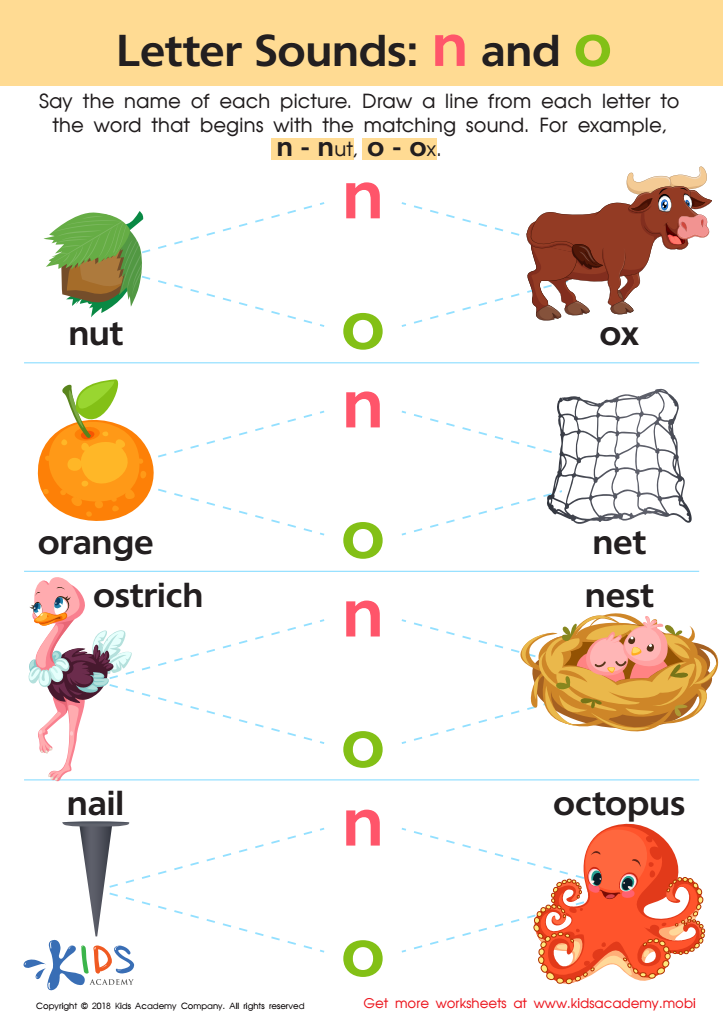
Letter N and O Sounds Worksheet
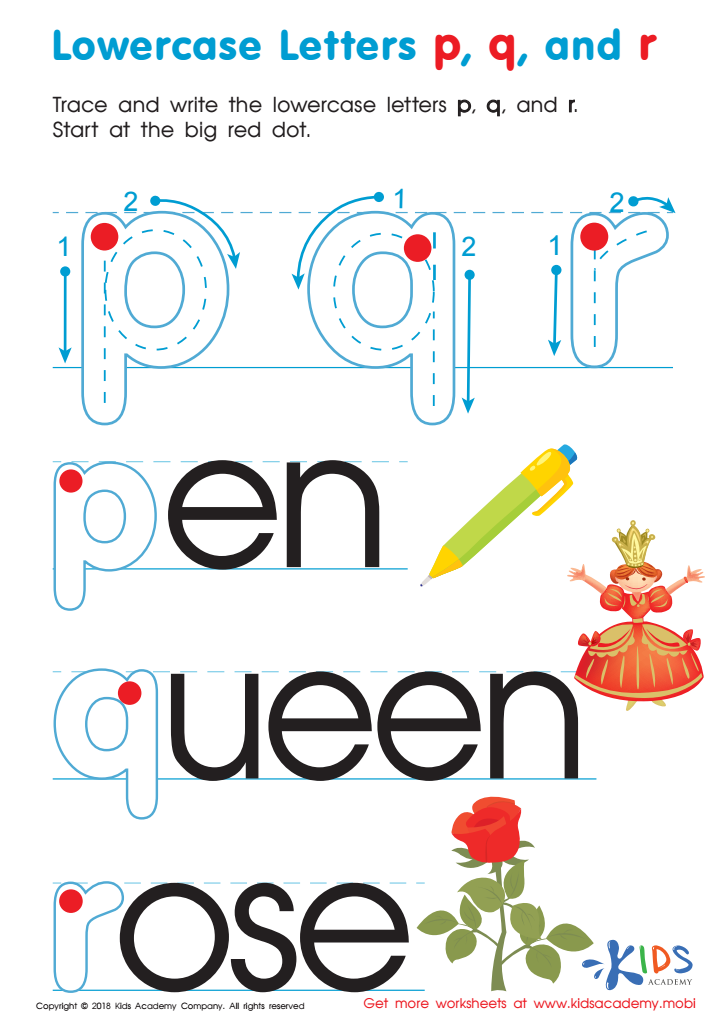
Lowercase Letters p q r Worksheet
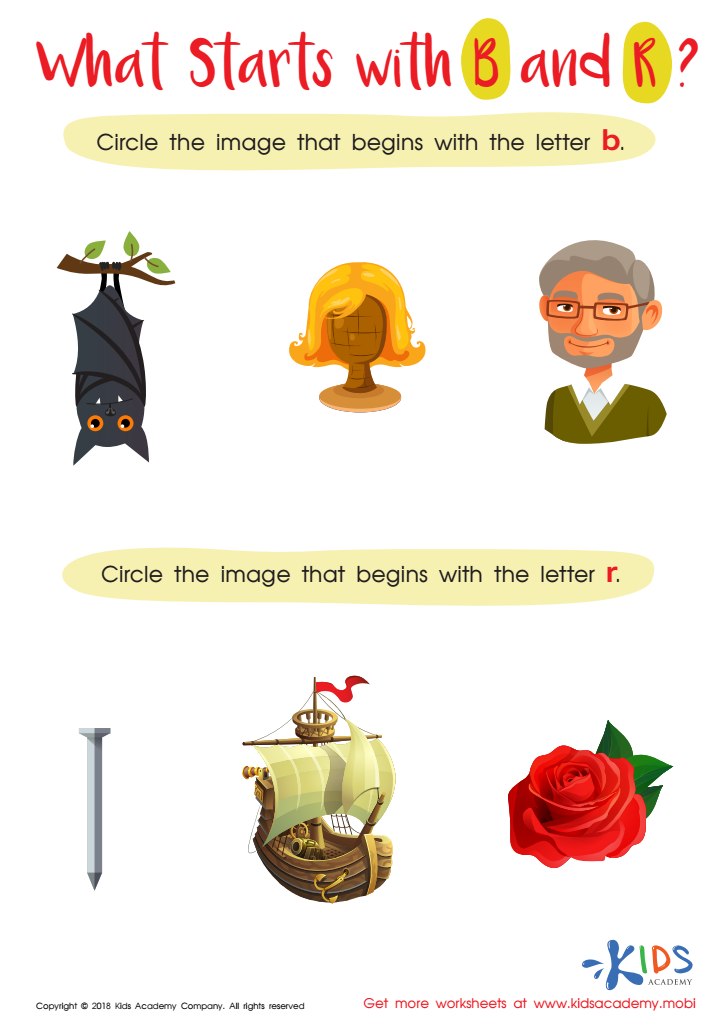
What Starts with B and R? Worksheet
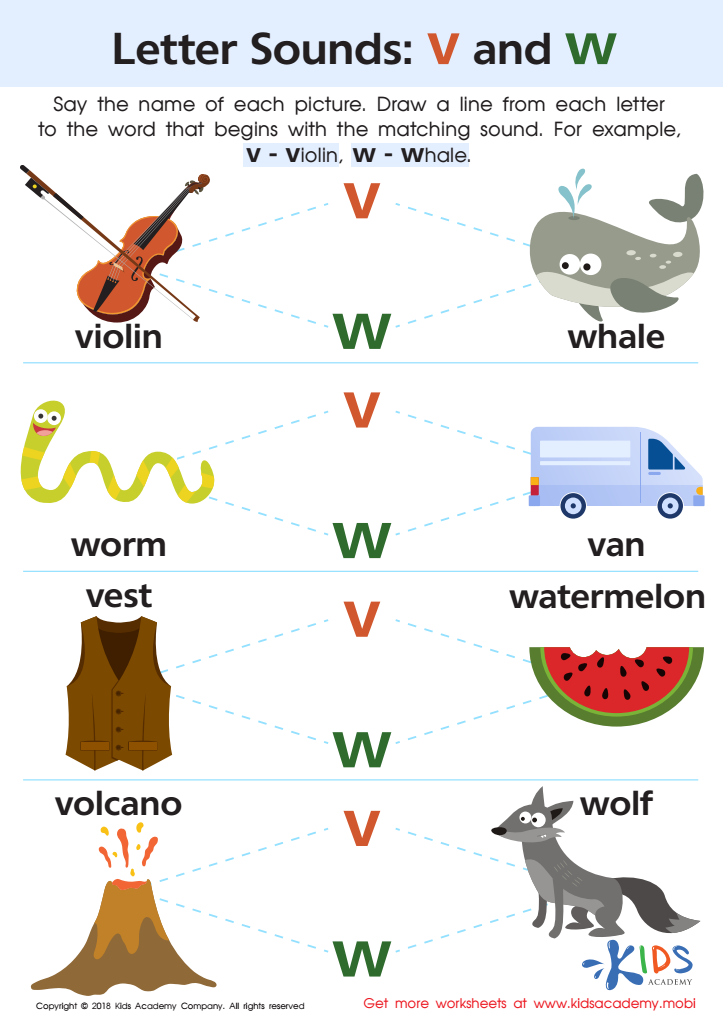
Letter V and W Sounds Worksheet





Letter recognition is crucial for children aged 4-8, as it serves as the foundation for reading and literacy skills. When children can identify and differentiate between letters, they gain confidence in their ability to decode words. This early success fosters a love for reading and encourages further exploration of language.
Parents and teachers should prioritize letter recognition because it enhances cognitive development and supports overall academic achievement. Mastery of the alphabet not only aids in reading but also influences writing and spelling skills. As children enter school, strong letter recognition equips them to tackle more complex literacy tasks, setting the stage for improved comprehension and expression.
Additionally, social skills benefit when children participate in group reading activities. Understanding the alphabet promotes collaboration and communication amongst peers, nurturing a positive learning environment.
Moreover, recognizing letters can bolster a child's self-esteem, making them more likely to engage in classroom activities and discussions. Engaging with letter recognition also provides an opportunity for parents and teachers to bond over fun, interactive learning experiences, creating a love for education that can last a lifetime. In short, fostering letter recognition during these formative years is vital for children’s linguistic and social growth.







