Letter E Worksheets for Ages 4-8
5 filtered results
-
From - To
Welcome to our "Letter E Worksheets" page, specifically designed for children aged 4-8! Our engaging and interactive worksheets help young learners master the letter E through diverse activities that enhance their reading and writing skills. Featuring fun letter recognition exercises, coloring pages, and tracing activities, these resources make learning enjoyable. Our worksheets support early literacy development by integrating visuals and hands-on practice. Parents and educators will find our materials easy to use, whether at home or in the classroom. Start your child's alphabet journey today with our creatively crafted Letter E worksheets, ensuring a strong foundational skill set!
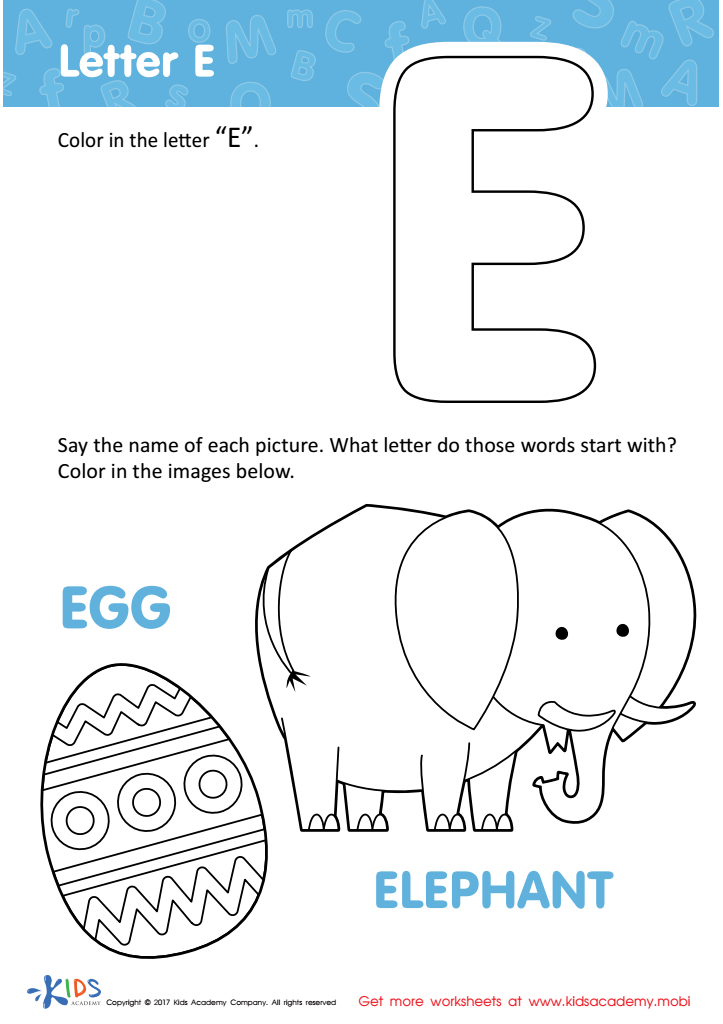
Letter E Coloring Sheet
 Assign to My Students
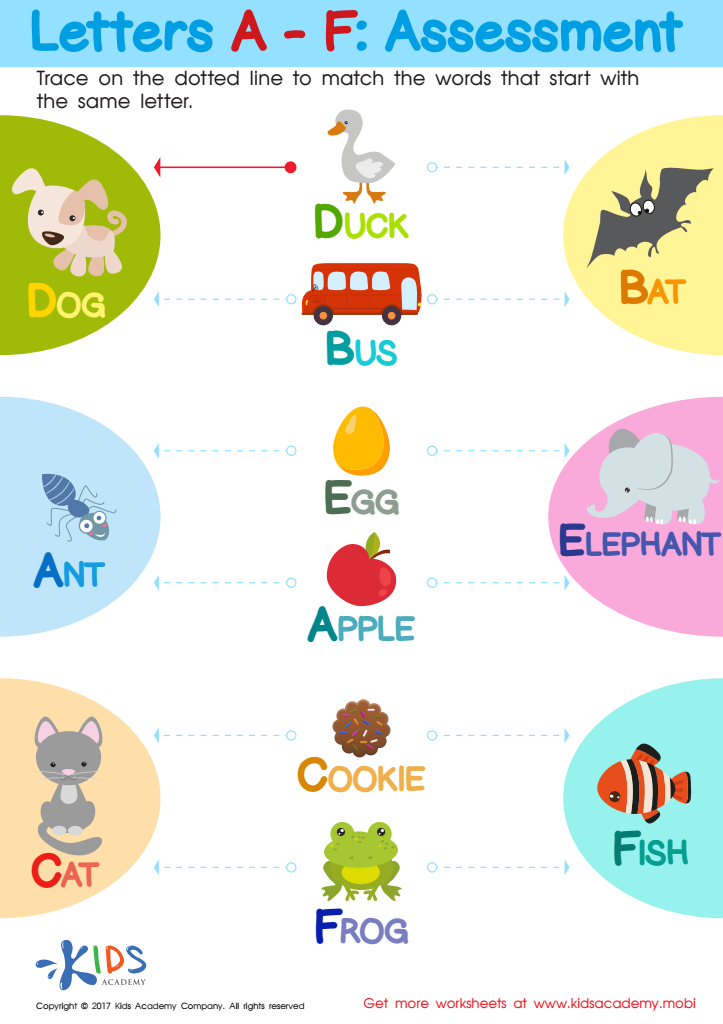
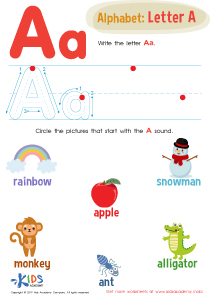
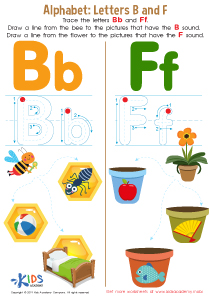
Letters A - F Worksheet
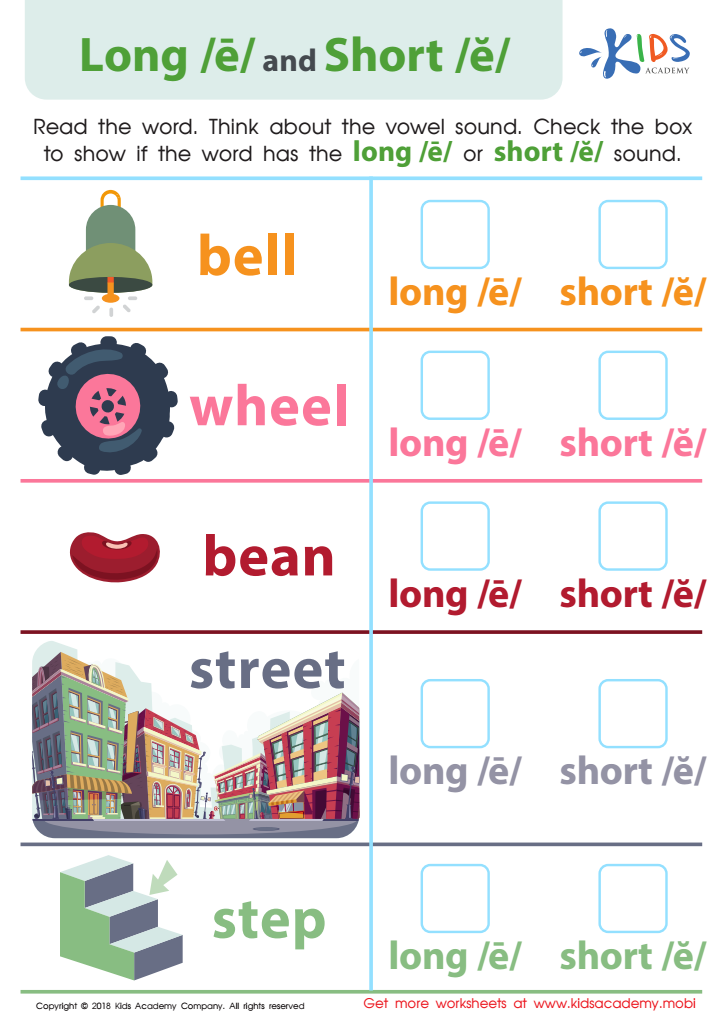
Reading: Long E and Short E Worksheet
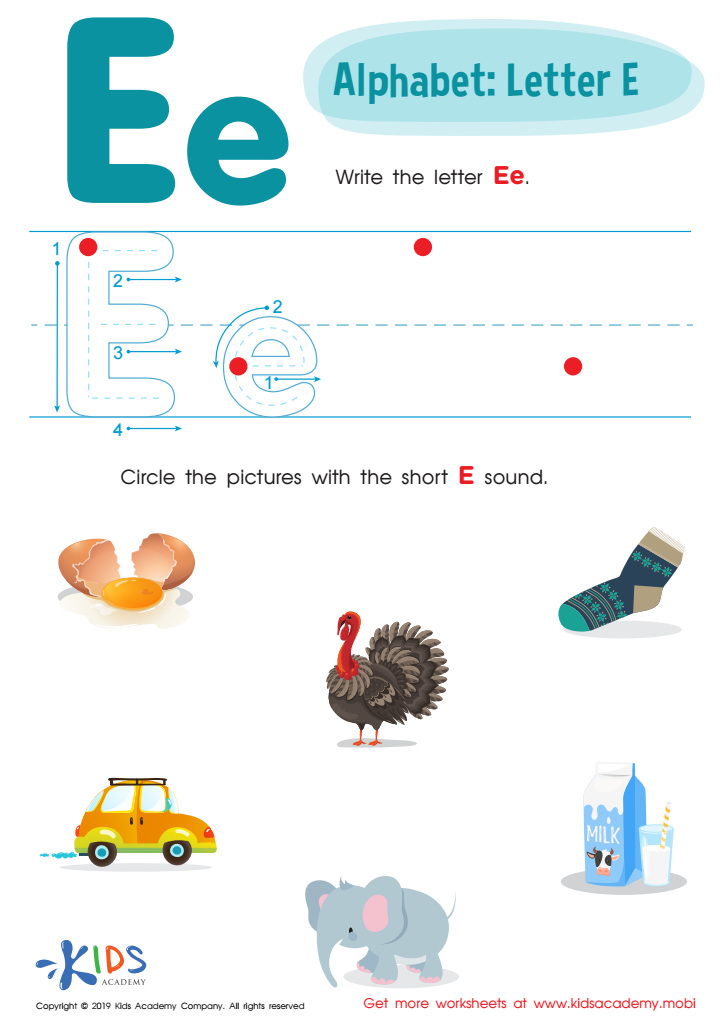
Letter E Tracing Worksheet

Letter E Tracing Page






Letter E is fundamental for early literacy and language development, making it essential for parents and teachers to prioritize its teaching for children aged 4-8. As one of the most commonly used vowels in the English language, understanding and recognizing the letter E is crucial for decoding words, which in turn supports reading fluency.
Children encounter letter E in countless familiar words, such as "elephant," "egg," and "eat," fostering both vocabulary development and phonemic awareness. By emphasizing letter E, caregivers can help children grasp the concept of vowels, setting the foundation for spelling and writing as they progress.
Additionally, letter E plays a pivotal role in creating a positive learning environment. Engaging activities, like singing songs, playing games, or crafting projects centered on the letter E, can ignite a child's enthusiasm for learning. This early introduction enhances cognitive skills like memory and critical thinking while also encouraging social interaction and teamwork.
Moreover, understanding letter E’s sound helps children make connections between spoken and written language, boosting their confidence as readers. As educators or parents focus on this aspect of literacy, they empower children with essential tools for academic success and a lifelong love of reading.