Letter Recognition Worksheets for Ages 4-8
126 filtered results
-
From - To
Boost your child's early reading skills with our Letter Recognition Worksheets for Ages 4-8! These engaging worksheets are designed to help young learners identify and learn each letter of the alphabet through fun, interactive activities. Featuring a variety of exercises like matching letters, tracing, and coloring, our printable worksheets make learning both enjoyable and educational. Ideal for preschool and early elementary students, these sheets help build a solid foundation in reading and writing. Start your child on the path to literacy success today with our easy-to-use and effective letter recognition worksheets!
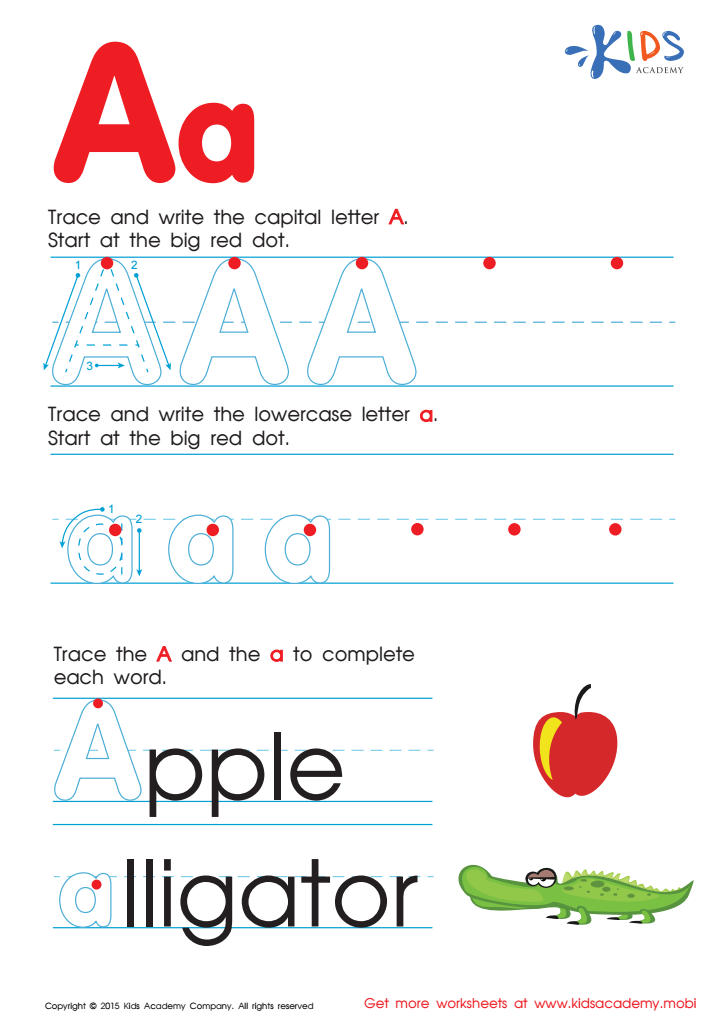
Letter A Tracing Page
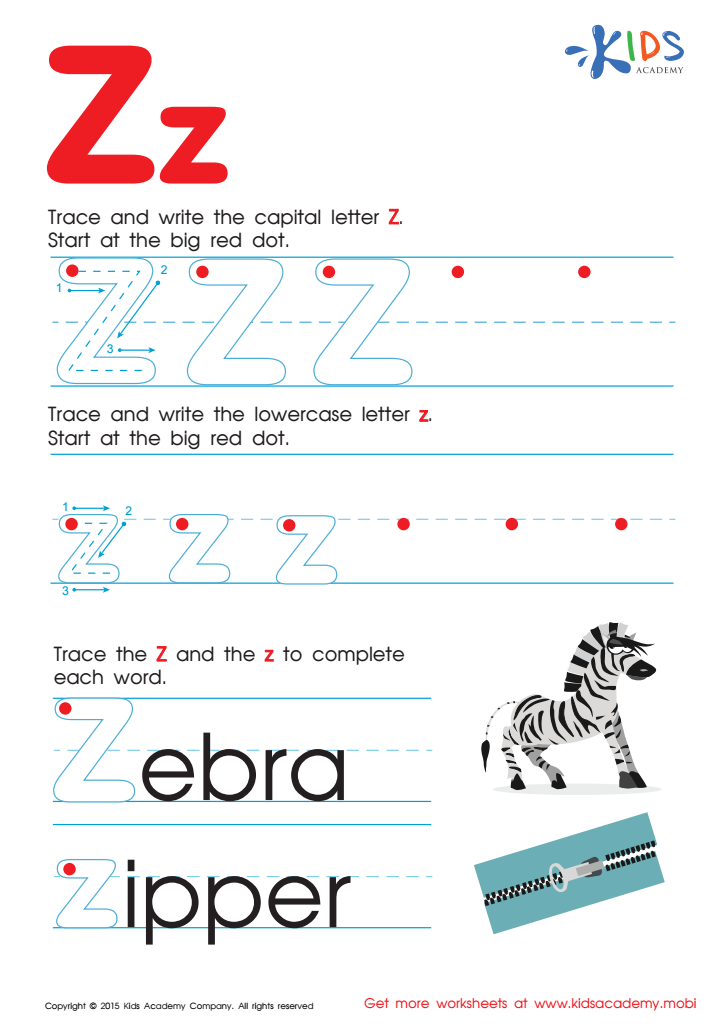
Letter Z Tracing Page
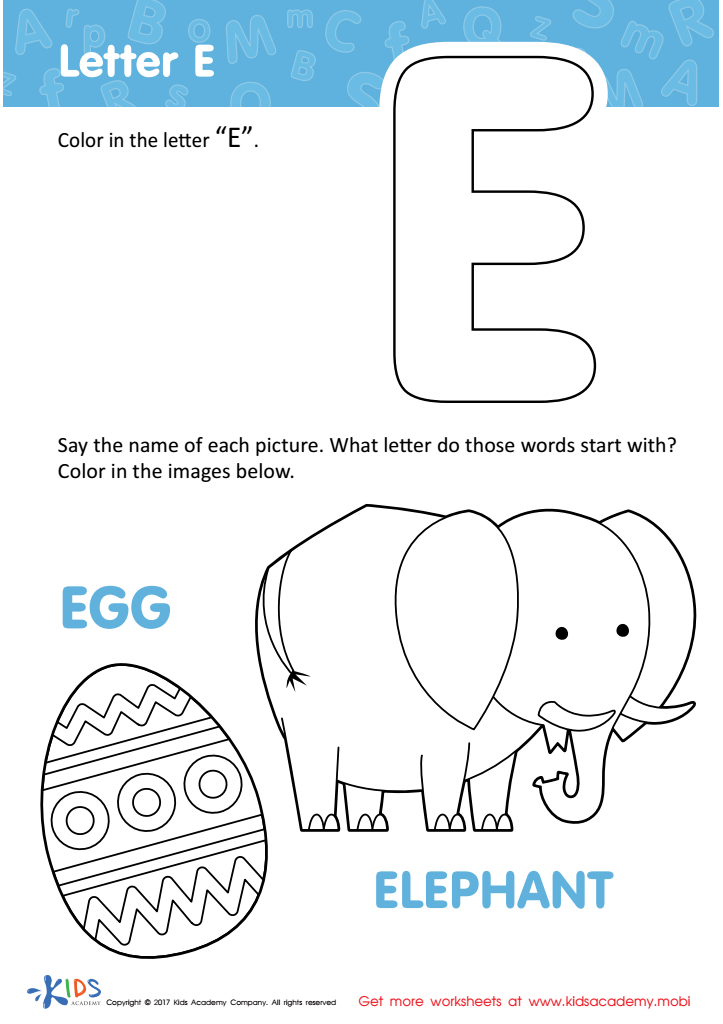
Letter E Coloring Sheet
 Assign to My Students
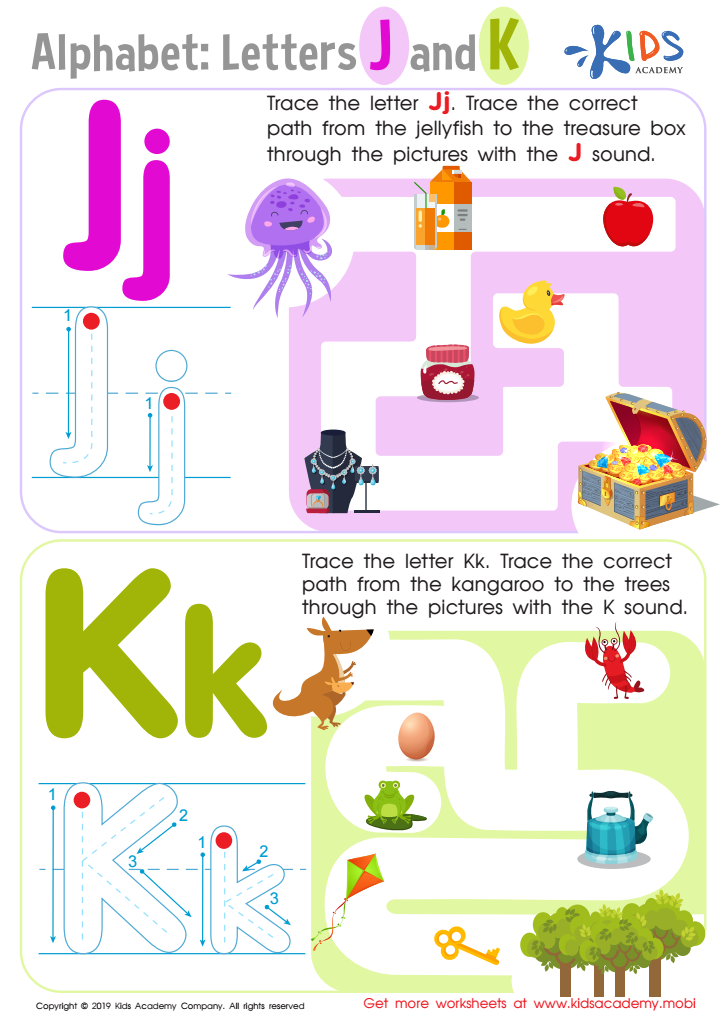
Letters J and K Tracing Worksheet
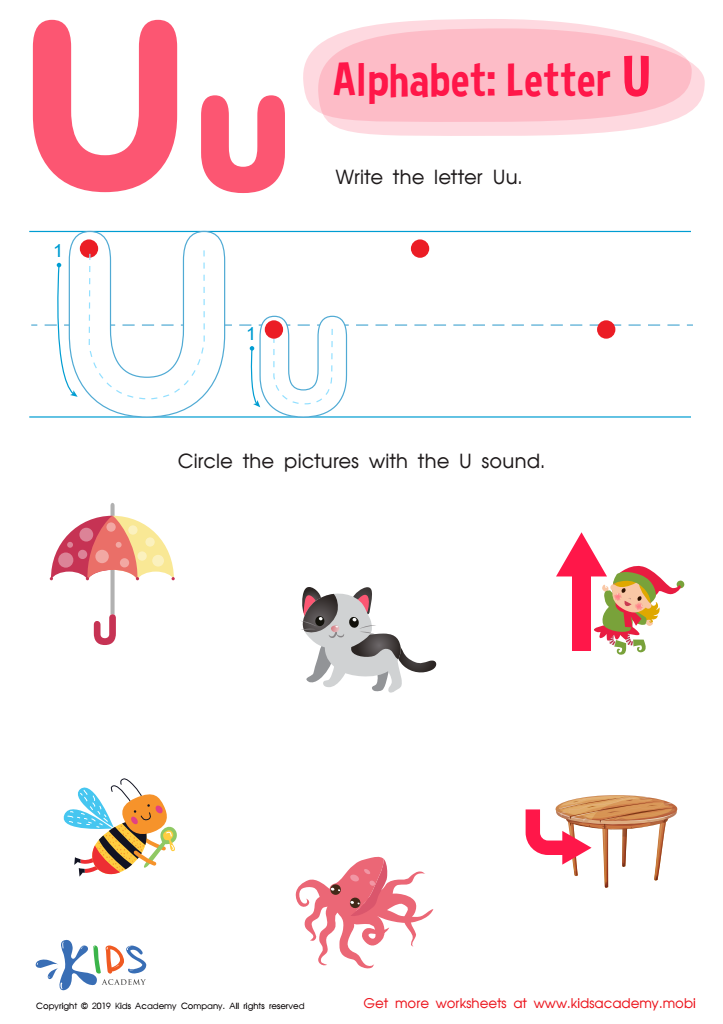
Letter U Tracing Worksheet
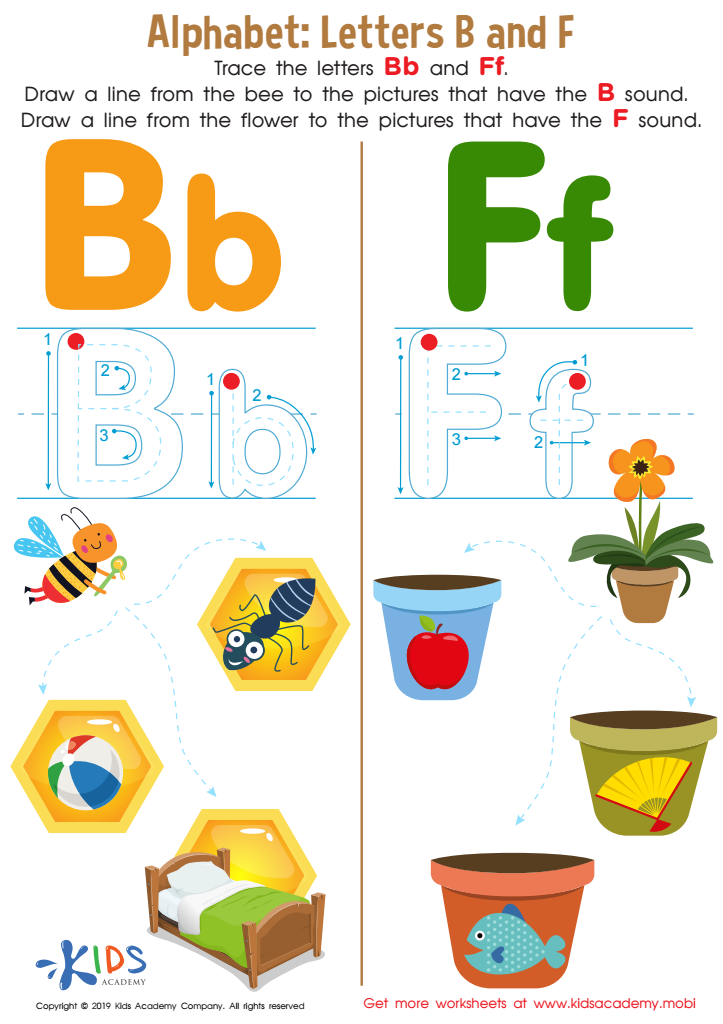
Letters B and F Tracing Worksheet
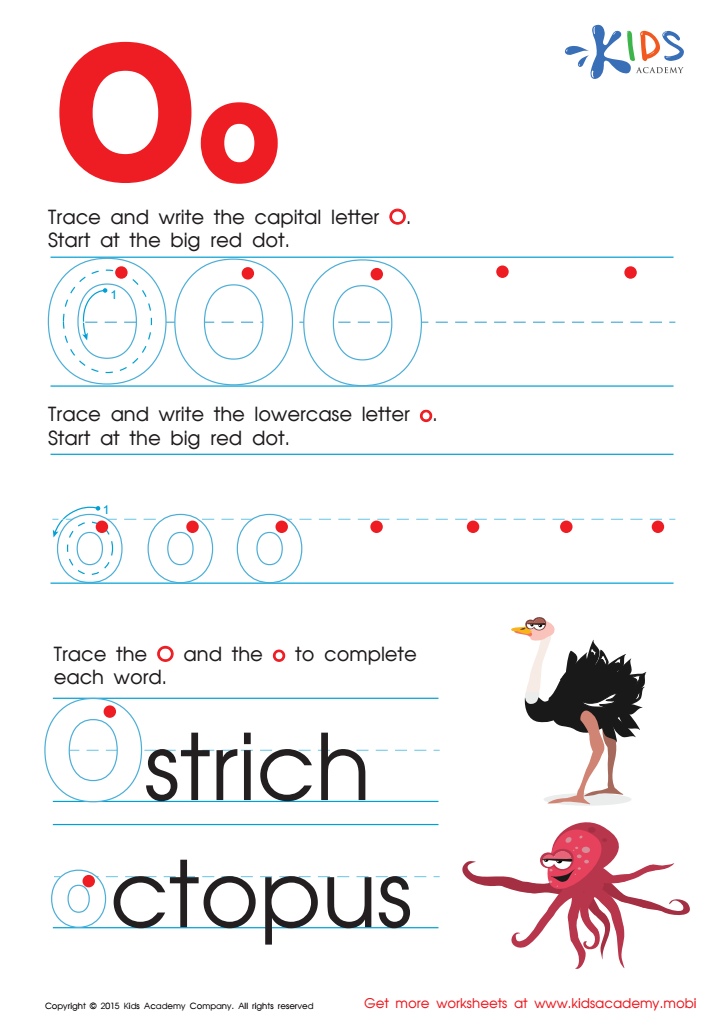
Letter O Tracing Page
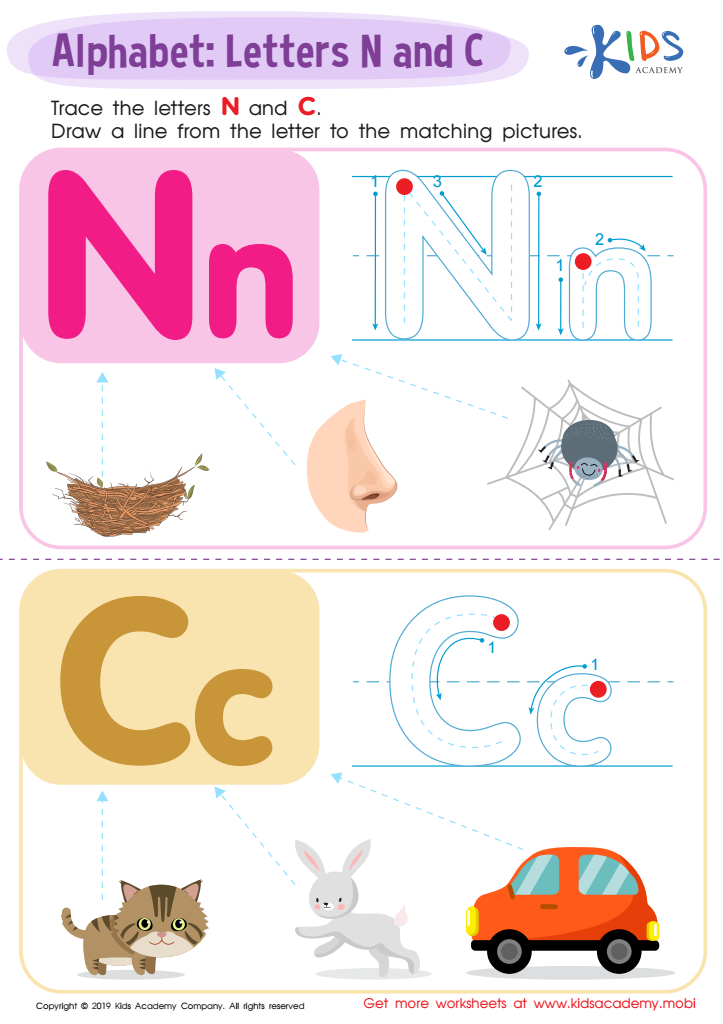
Letter N and C Tracing Worksheet
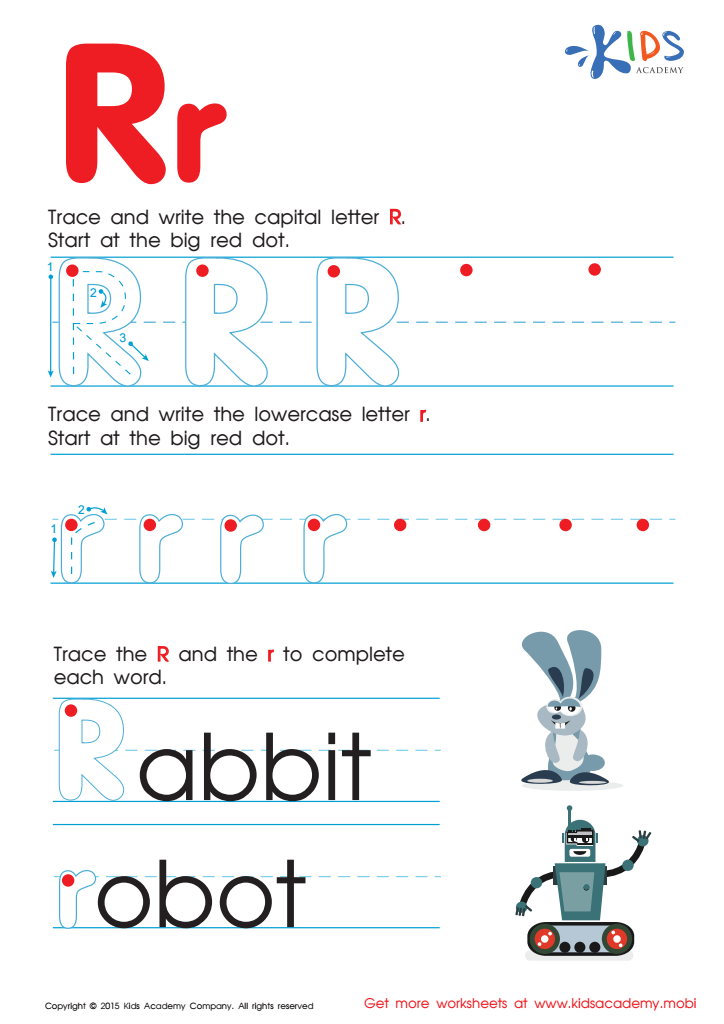
Letter R Tracing Page
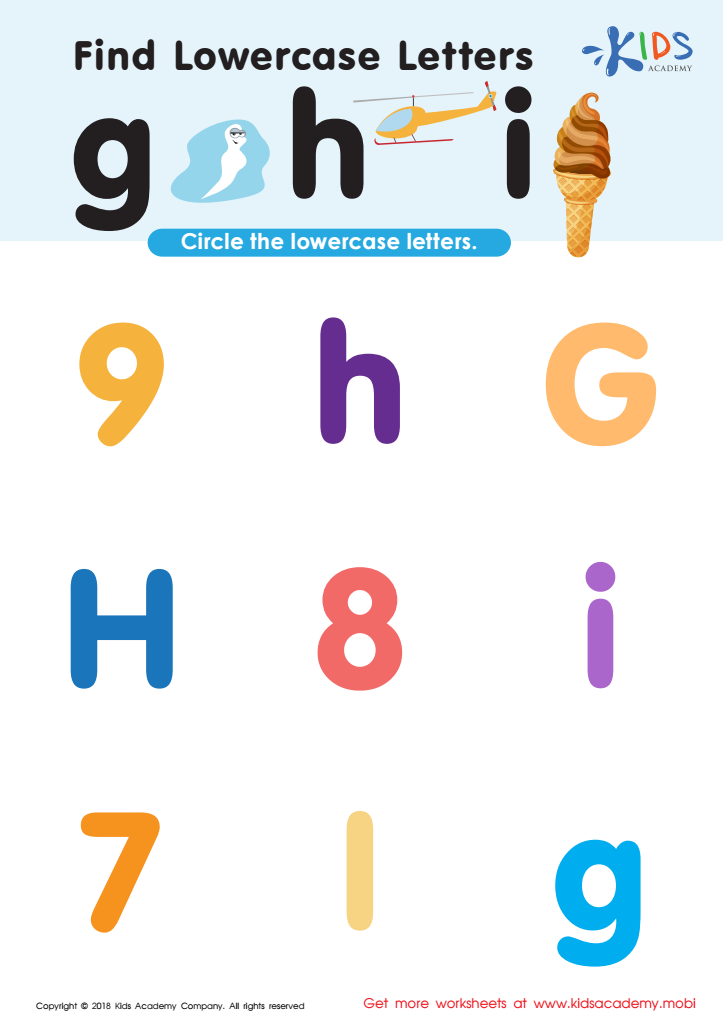
Find Lowercase Letters g h i Worksheet
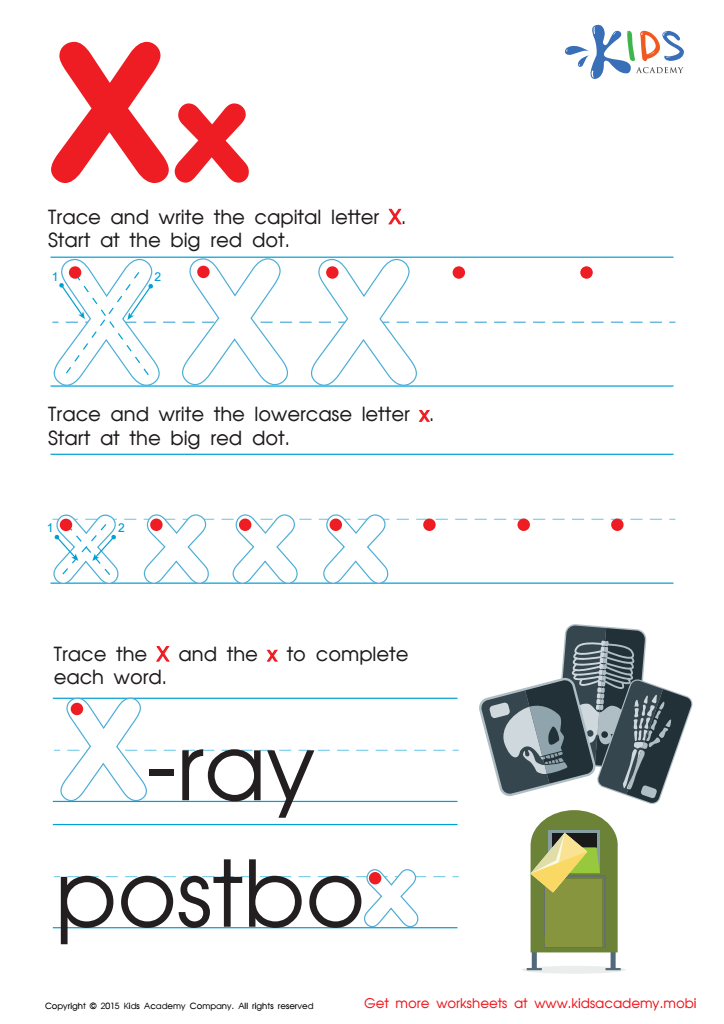
Letter X Tracing Page
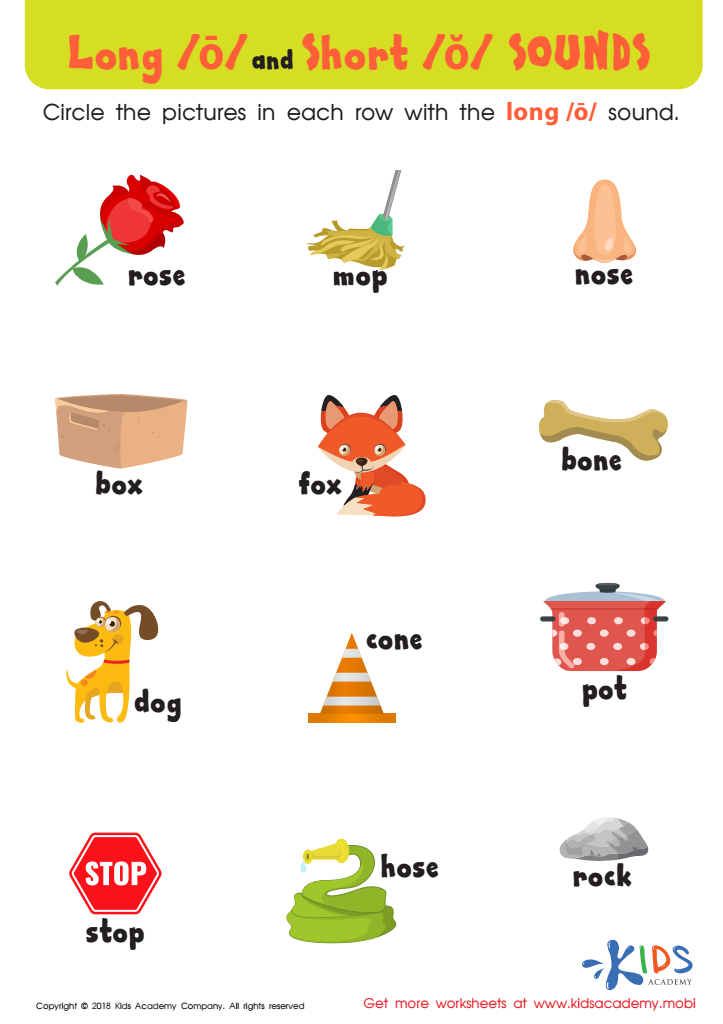
Reading: Long O and Short O Sounds Worksheet
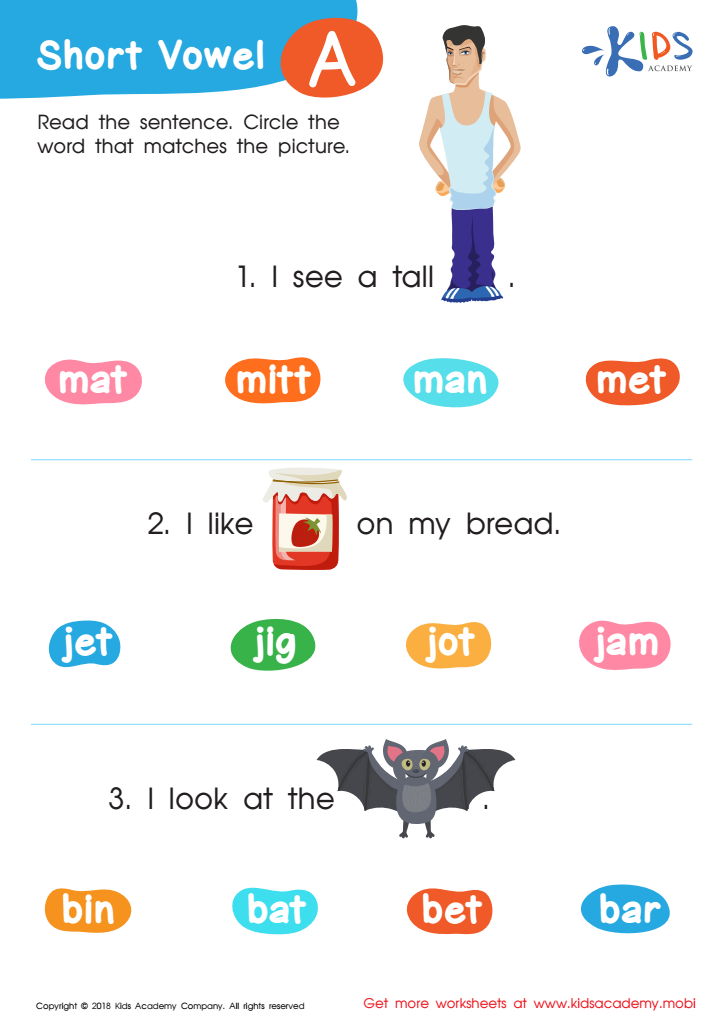
Short Vowel /a/ Worksheet
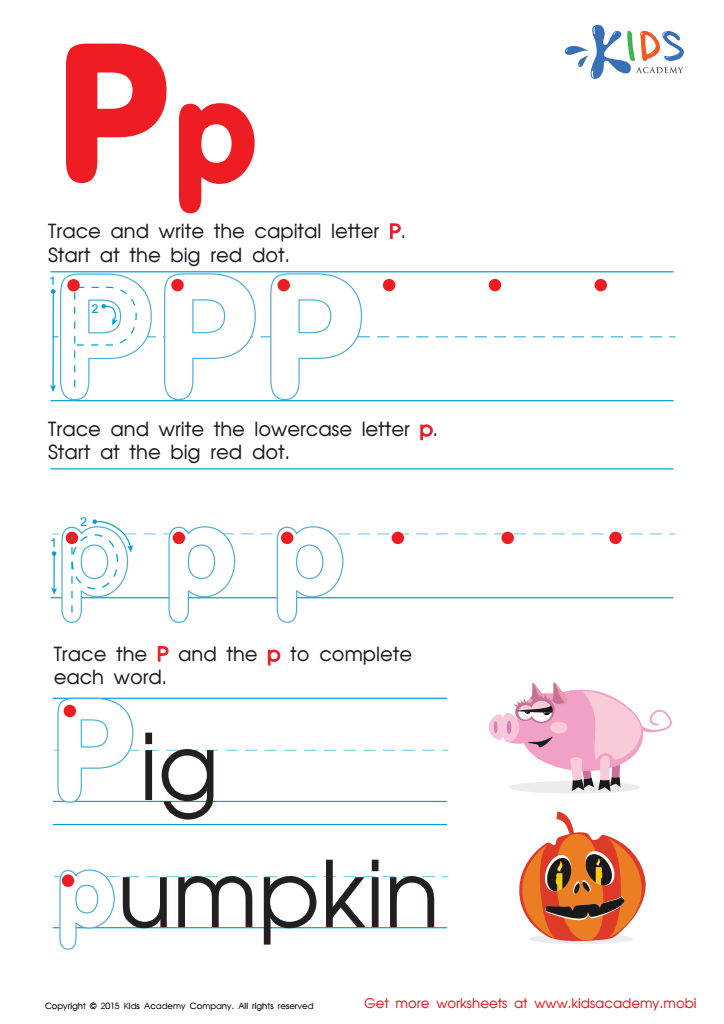
Letter P Tracing Page
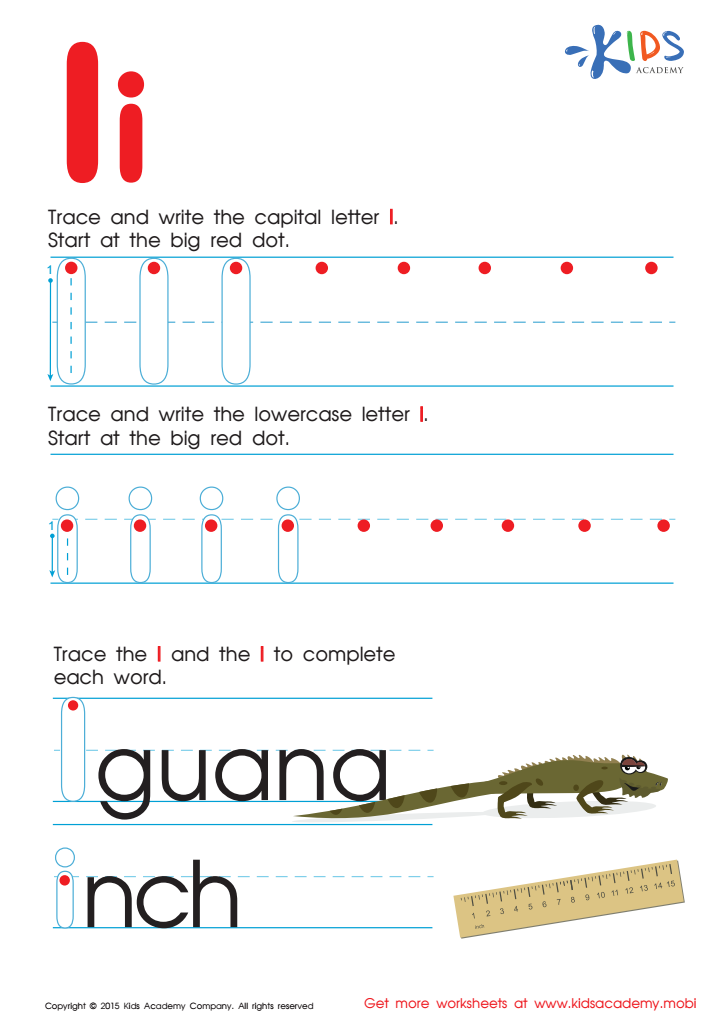
Letter I Tracing Page
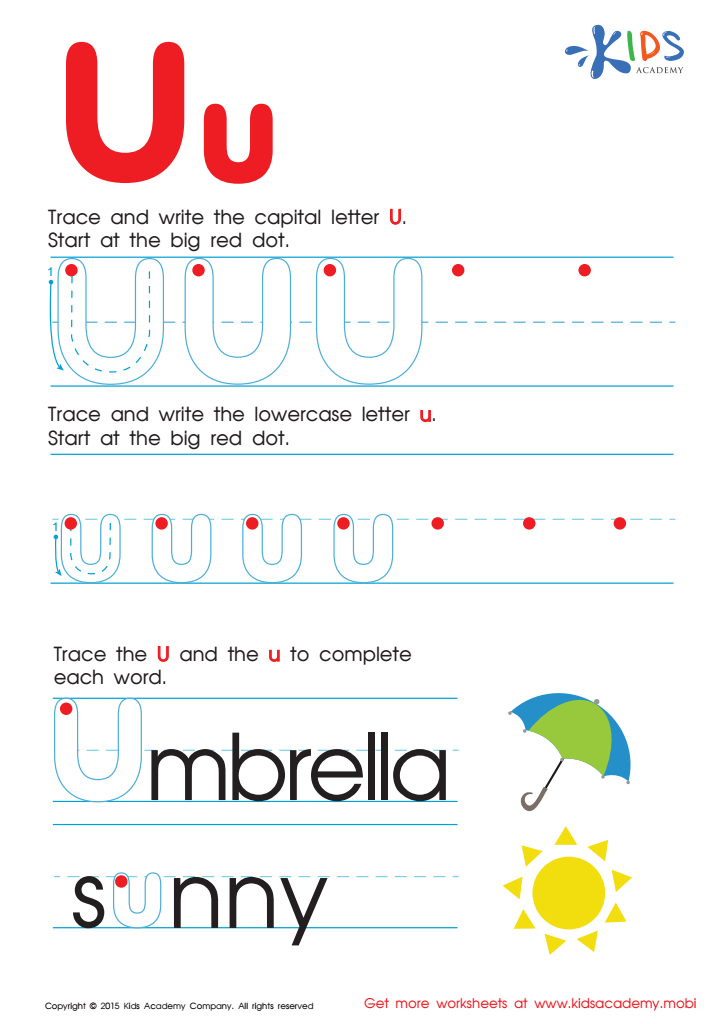
Letter U Tracing Page
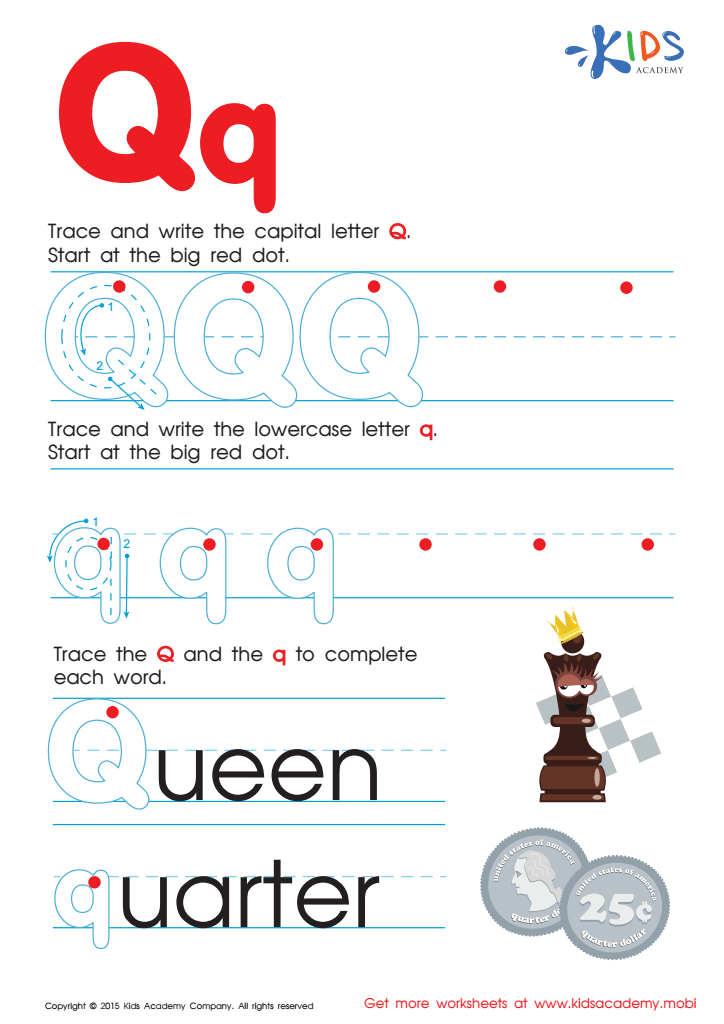
Letter Q Tracing Page
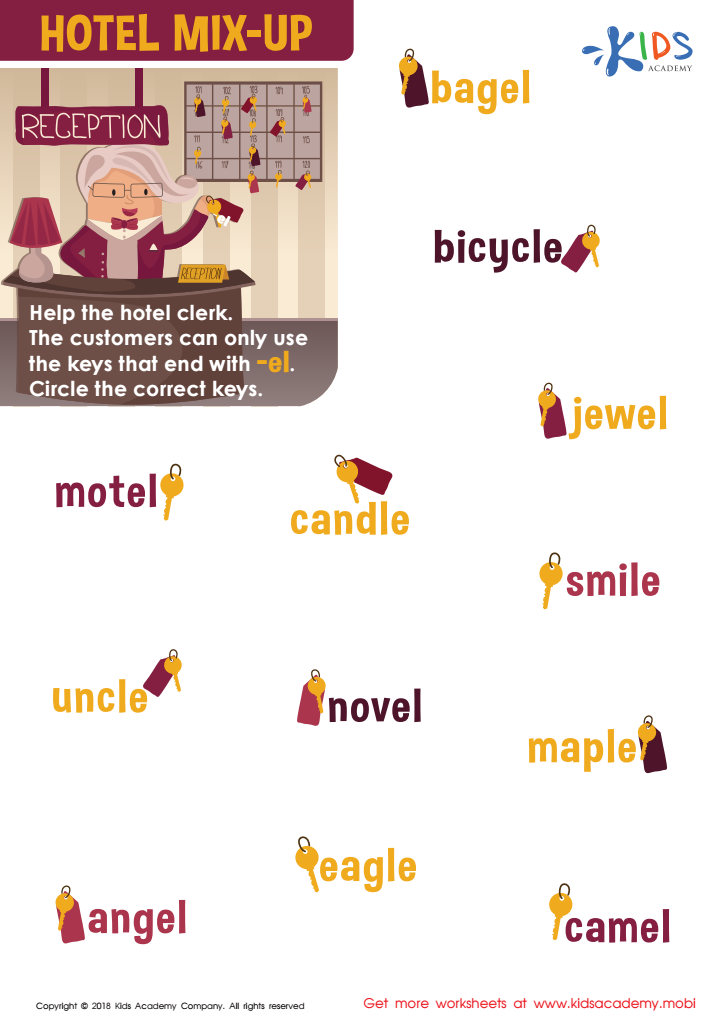
Hotel Mix-up Worksheet
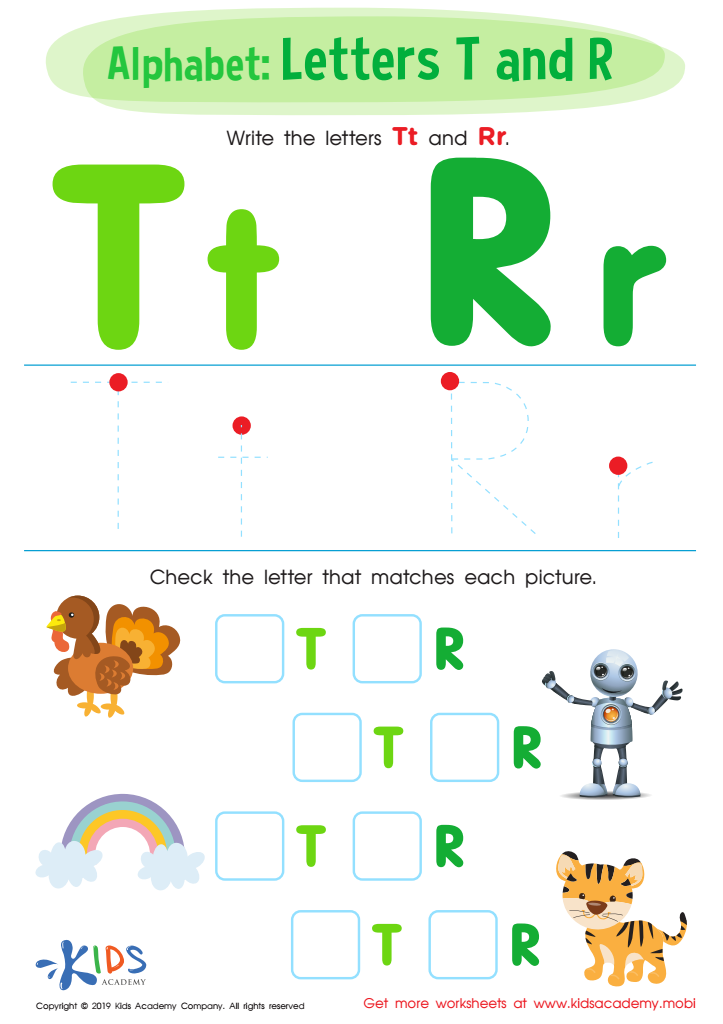
Letters T and R Worksheet
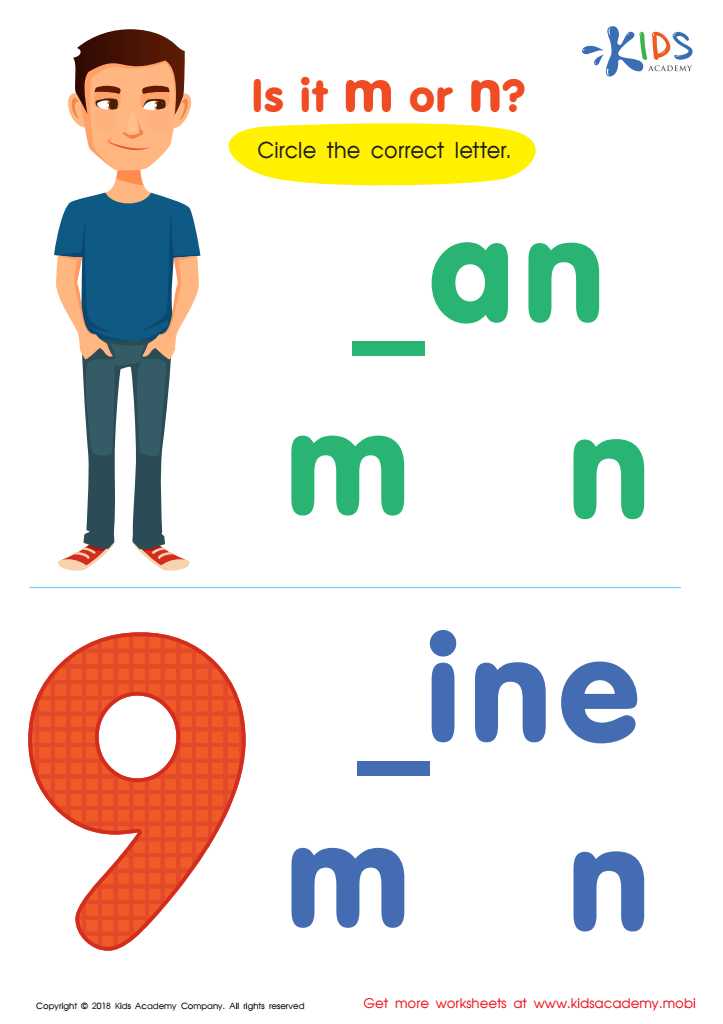
Is It m or n? Worksheet
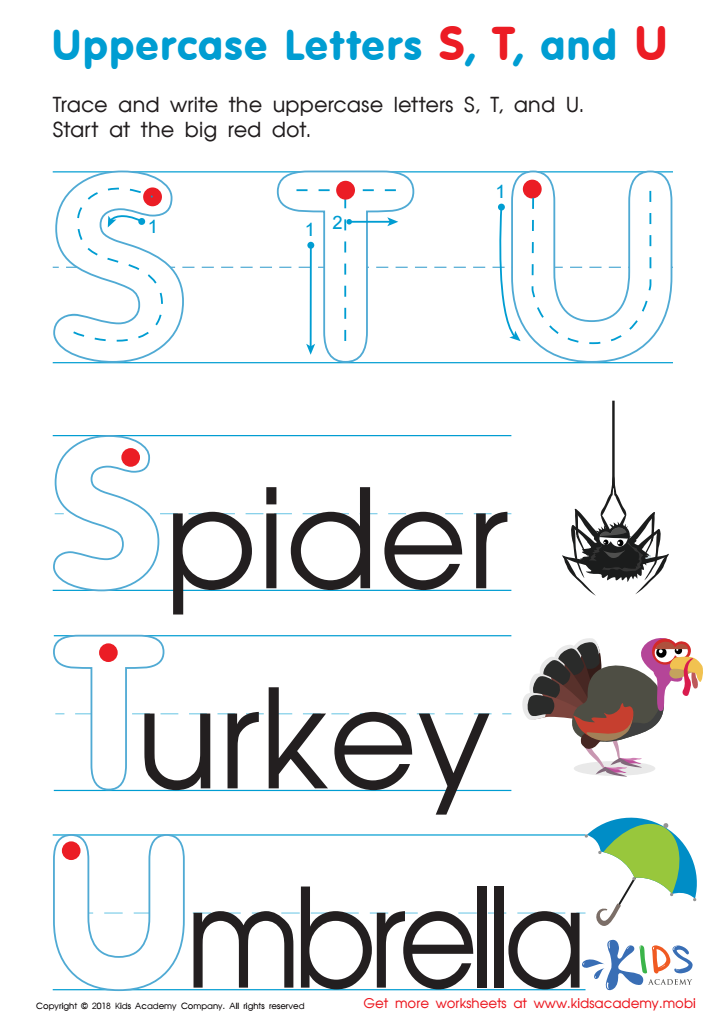
Uppercase Letters S, T, and U Worksheet
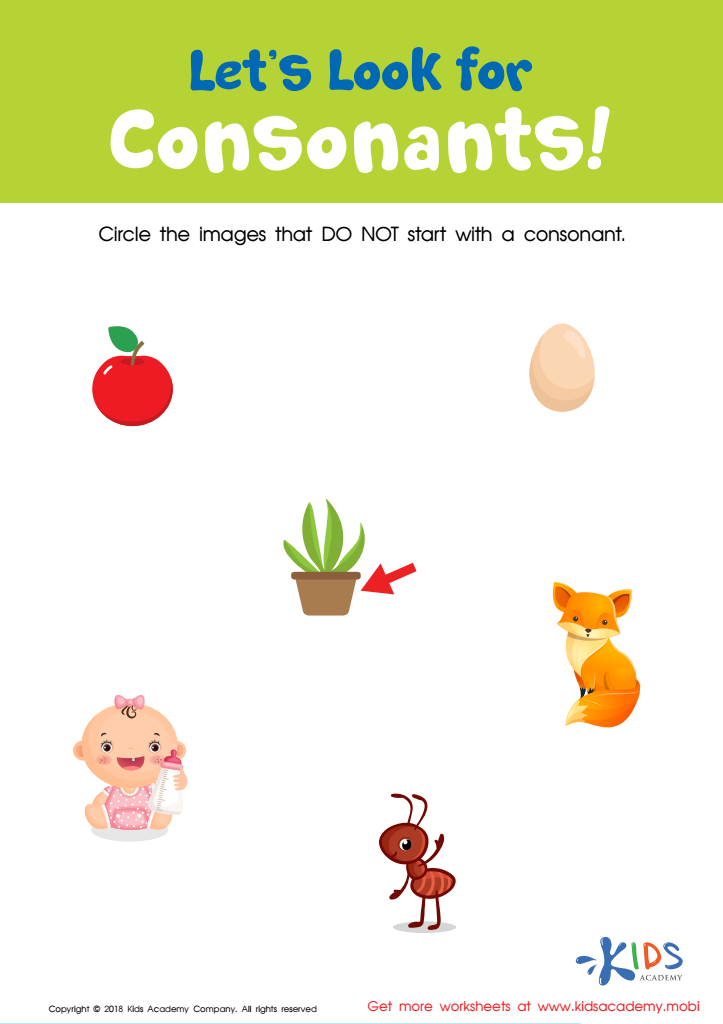
Let's Look for Consonants Worksheet
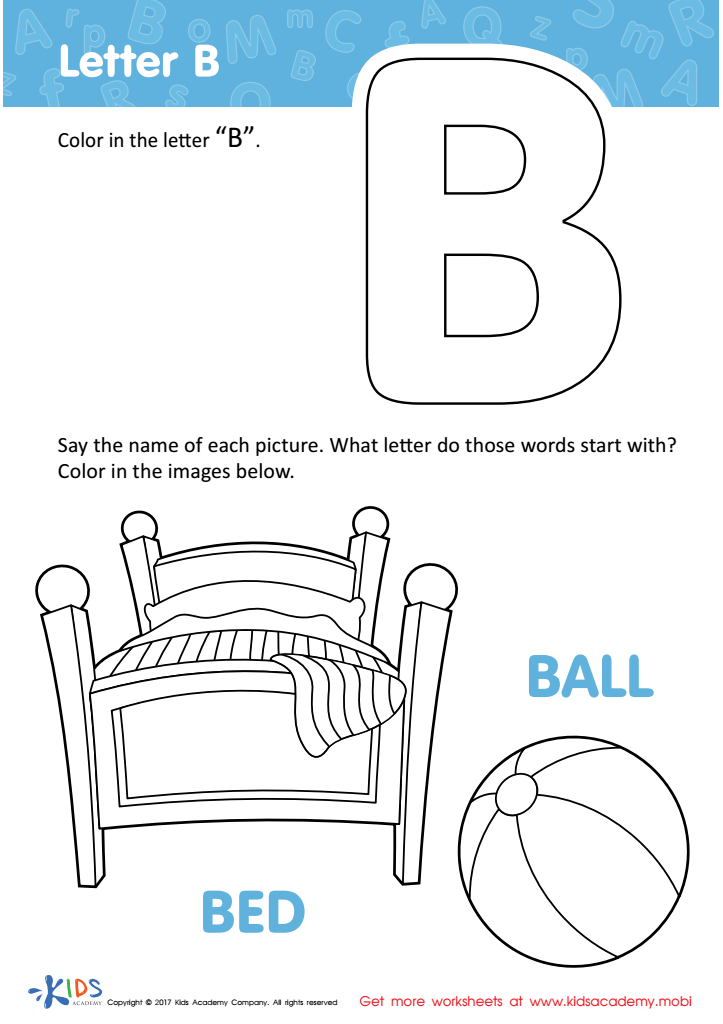
Letter B Coloring Sheet
Assign to My Students
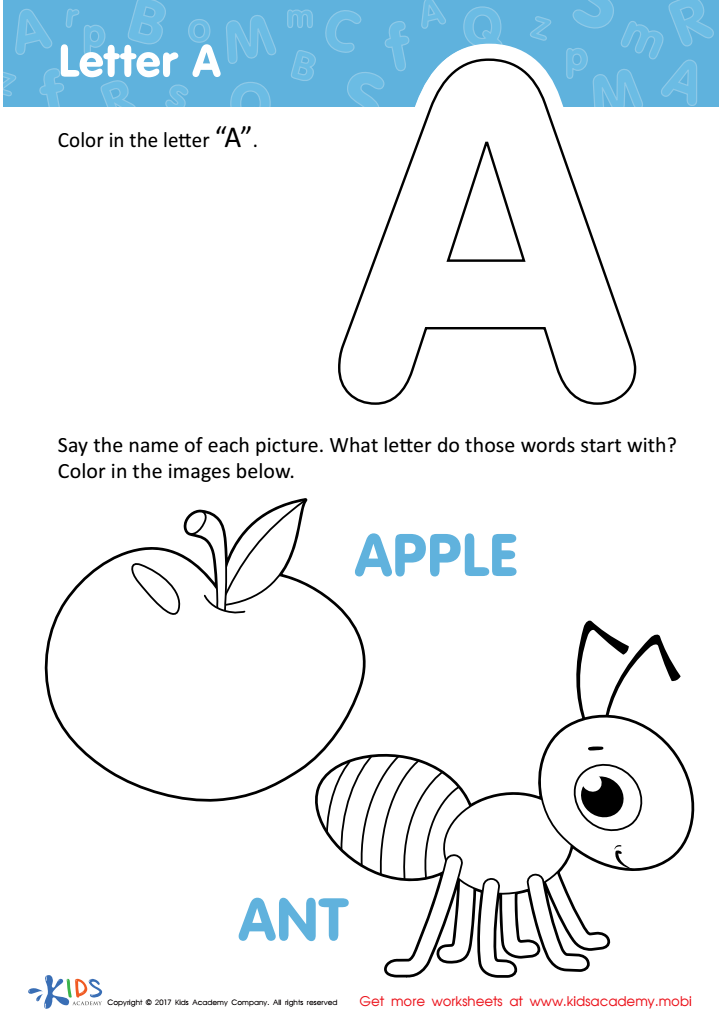
Letter A Coloring Sheet
Assign to My Students








Letter recognition is crucial for children aged 4-8 as it forms the foundation for reading and writing skills, essential components of their educational development. During these formative years, recognizing letters and understanding their sounds is the bedrock upon which language and literacy skills are built. Mastering letter recognition ensures that children can start to make sense of the words they encounter, aiding in their ability to decode written language.
For teachers and parents, investing time and effort in teaching letter recognition can profoundly impact a child’s academic future. Early proficiency in letter identification correlates strongly with later reading success. Through recognizing and differentiating letters, children can begin to associate them with their corresponding sounds (phonemic awareness), spell simple words, and eventually read.
Moreover, letter recognition enhances cognitive abilities such as memory, attention to detail, and pattern recognition, all of which are vital for broader academic success. It fosters confidence and encourages a positive attitude towards learning, reducing the likelihood of future reading difficulties.
In practice, understanding letter recognition transcends academic benefits, enabling children to navigate a text-rich world. Whether it’s reading signs, instructions, or stories, the ability to recognize letters opens doors to knowledge, communication, and independence, making it an indispensable skill for young learners.







