Animals Worksheets for Ages 4-8 - Page 2
26 filtered results
-
From - To
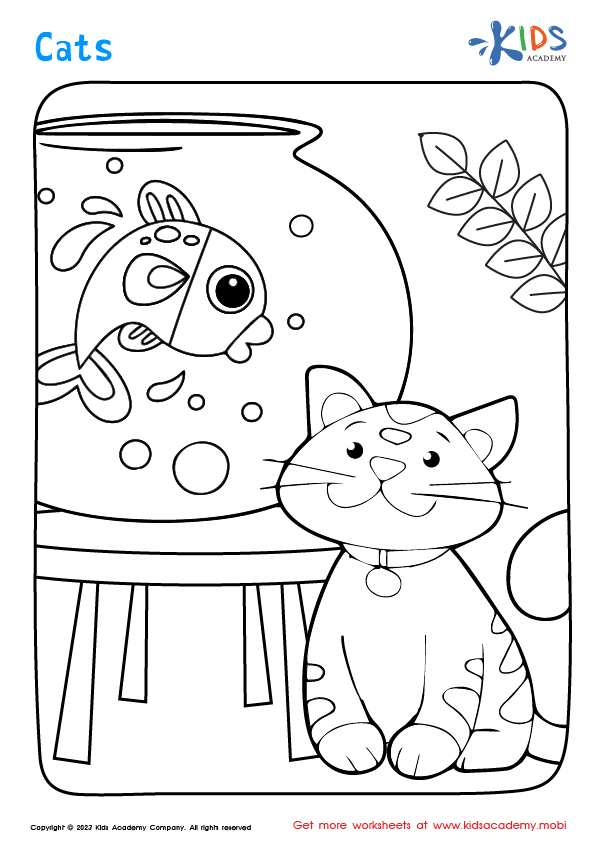
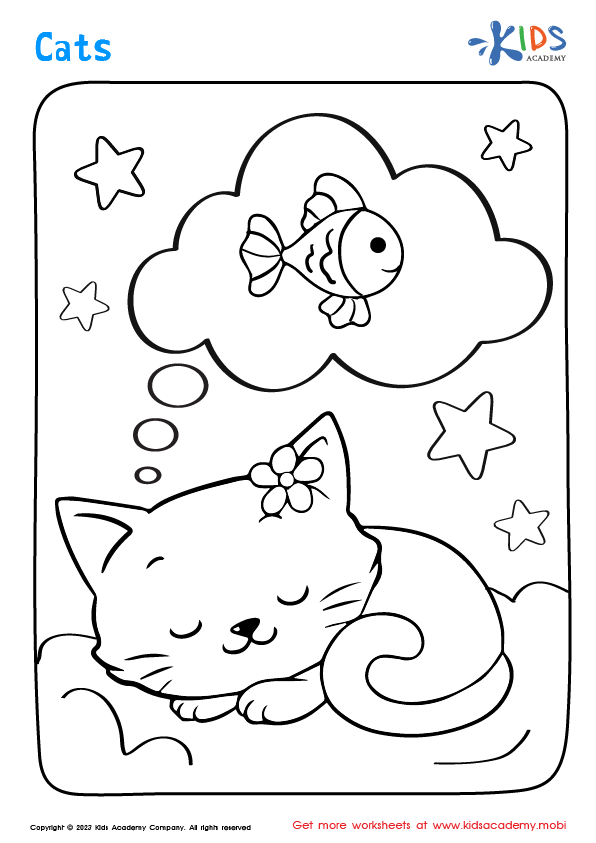








Parents and teachers should care about animals for children ages 4-8 because it plays a pivotal role in a child's development and understanding of the world. Engaging with animals teaches compassion, empathy, and responsibility. When children learn to care for pets or interact with animals, they develop strong social and emotional skills. They learn that living beings have feelings and needs, which can spark discussions about kindness and respect for all creatures.
Animals also provide valuable learning opportunities. Observing animals helps children grasp basic scientific concepts like habitats, life cycles, and ecosystems in a fun and engaging way. It can inspire curiosity and encourage exploration of nature. Furthermore, caring for animals can promote a sense of routine and responsibility, teaching children the importance of commitments.
In storytelling and play, animals can stimulate creativity and imagination. They serve as relatable characters that can help convey moral lessons. By incorporating animals into education, parents and teachers can foster a loving attitude towards the environment and awareness of conservation.
In summary, advocating for animals in the lives of young children enriches their emotional, social, and cognitive development, creating a well-rounded foundation for their growth and understanding of the world around them.