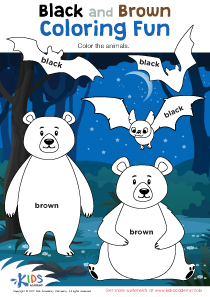
Handwriting practice English for Beginners Worksheets for Ages 4-8 - Page 2
43 filtered results
-
From - To
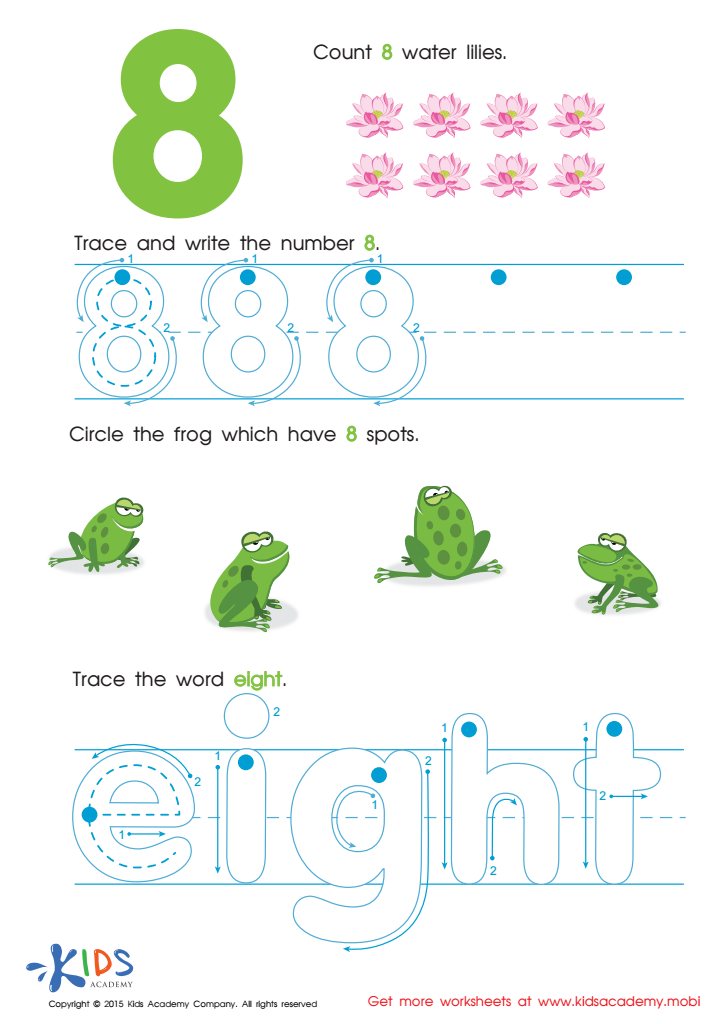
Learn Number 8 Easily Worksheet
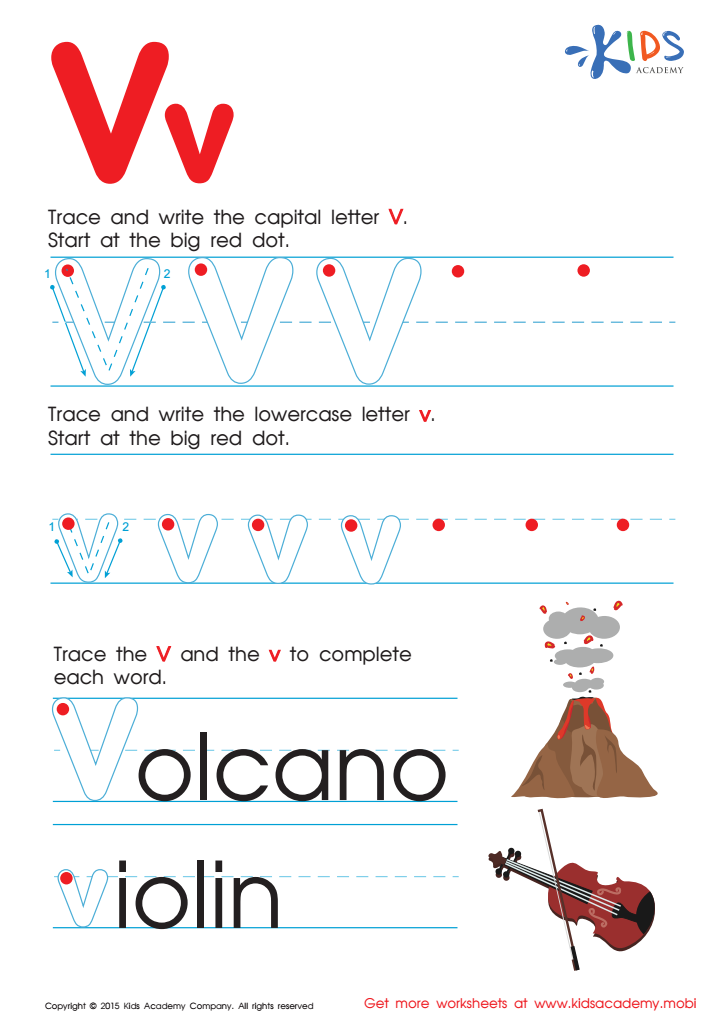
Letter V Tracing Page
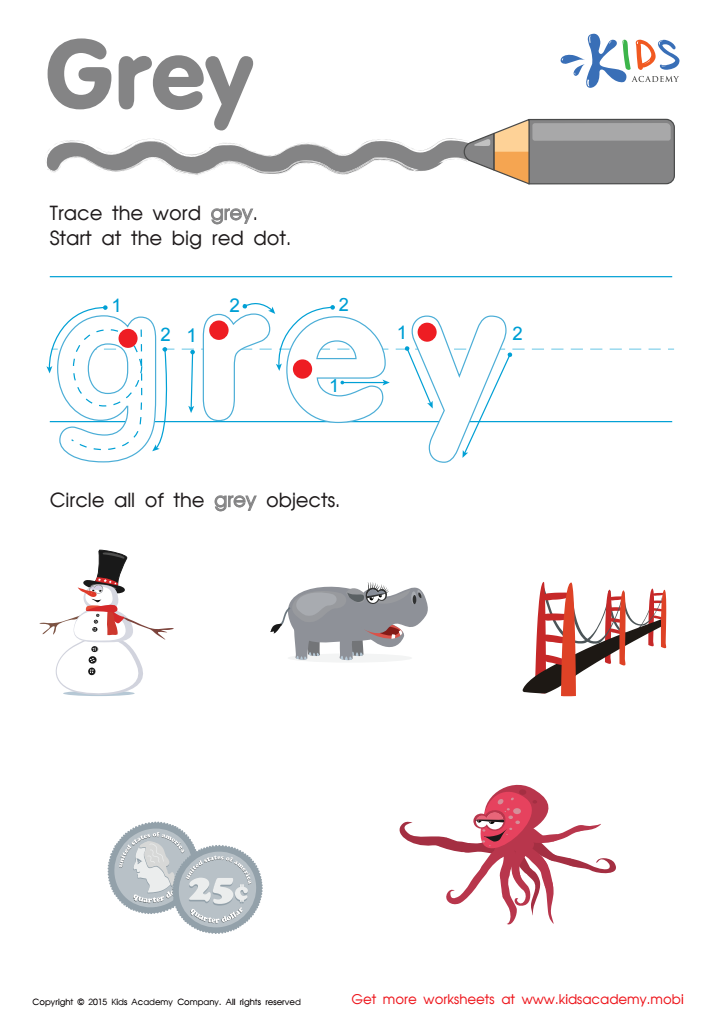
Grey Tracing Color Words Worksheet
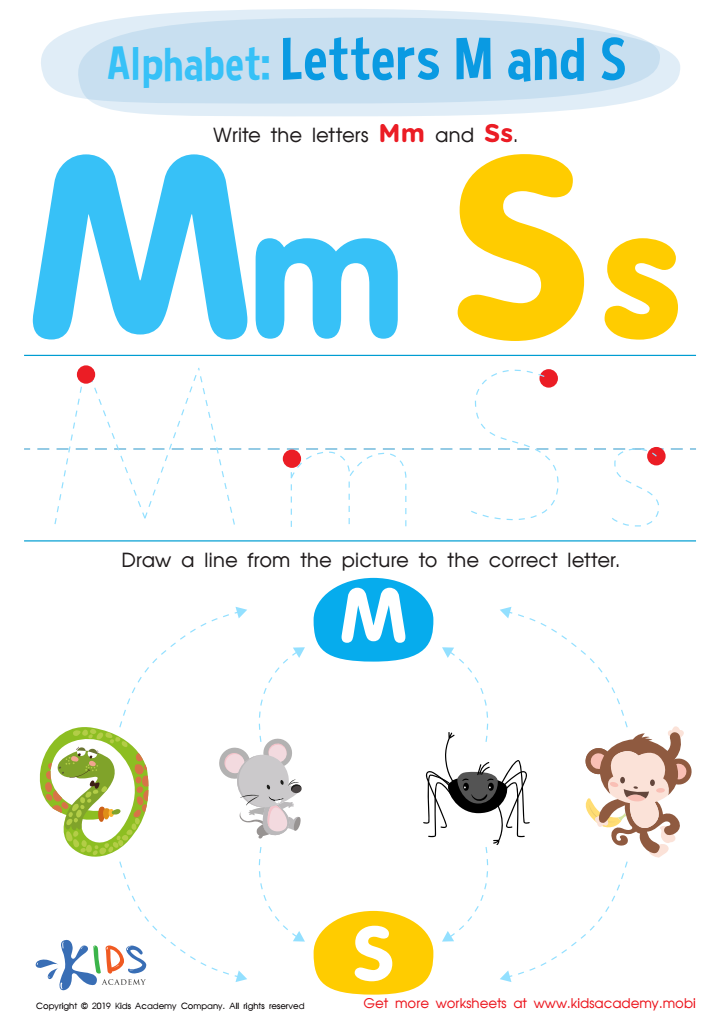
Letters M and S Tracing Worksheet
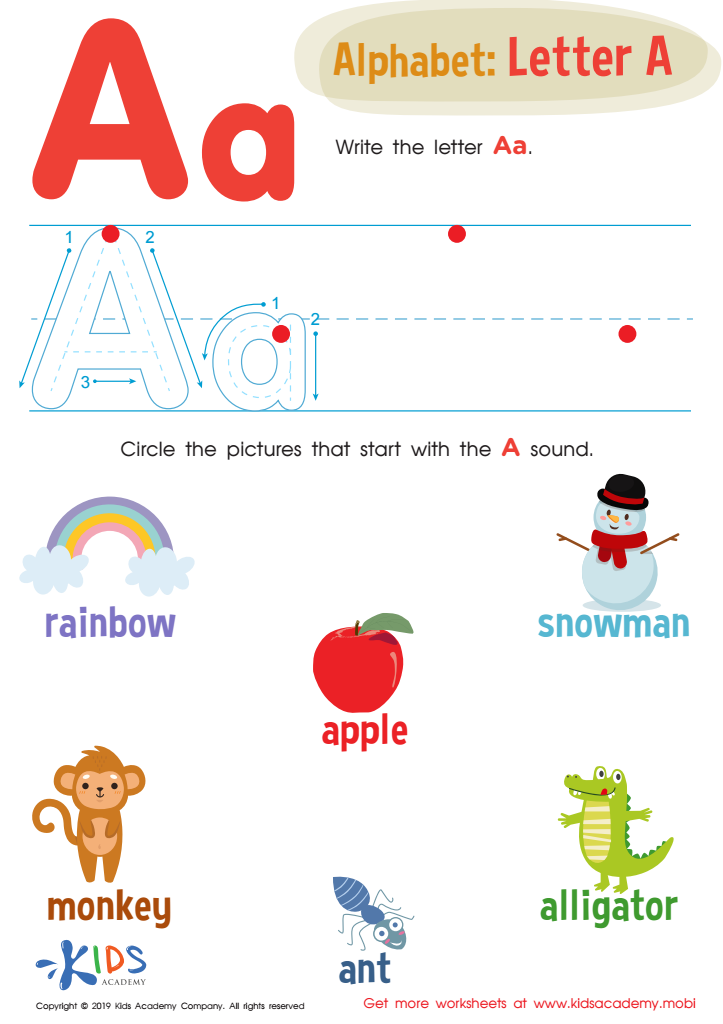
Letter A Tracing Worksheet
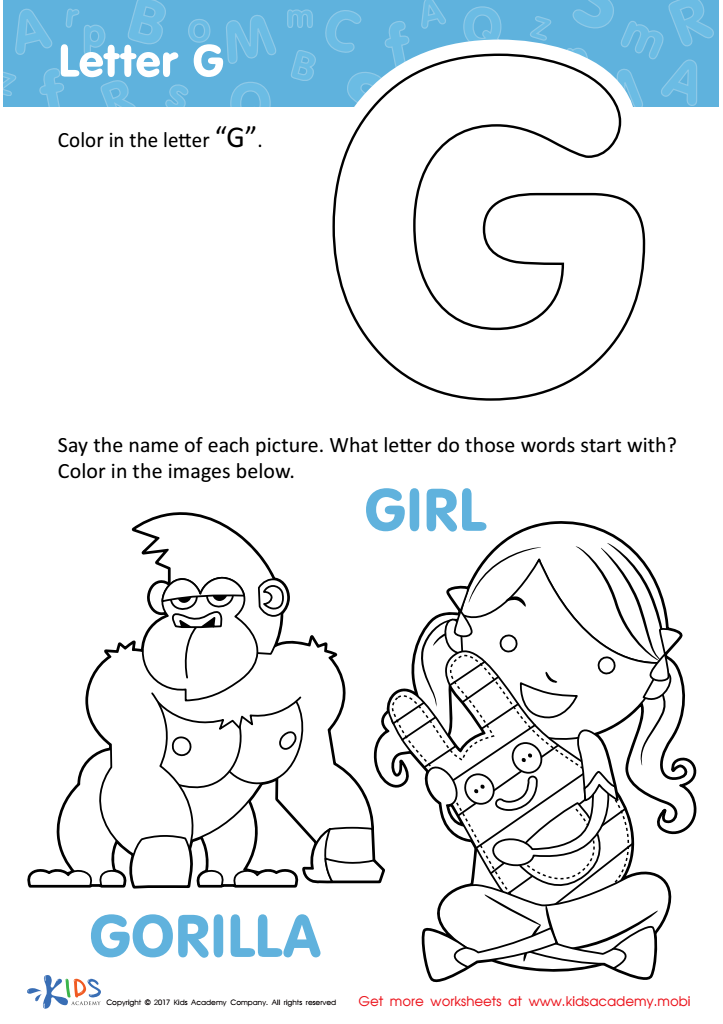
Letter G Coloring Sheet
 Assign to My Students
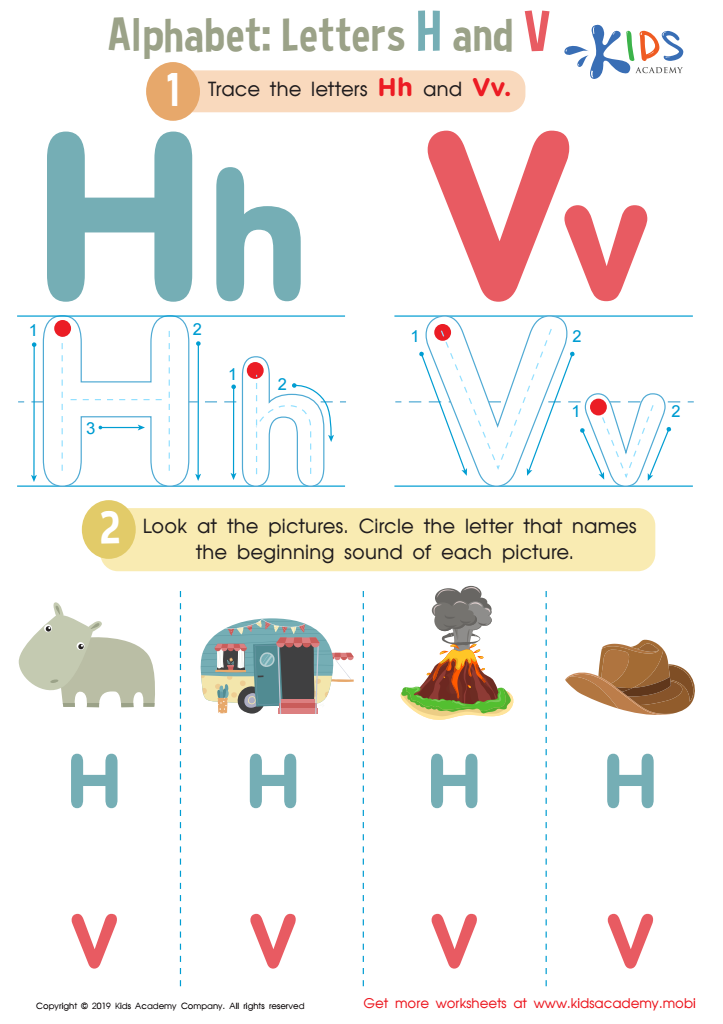
Letters H and V Tracing Worksheet
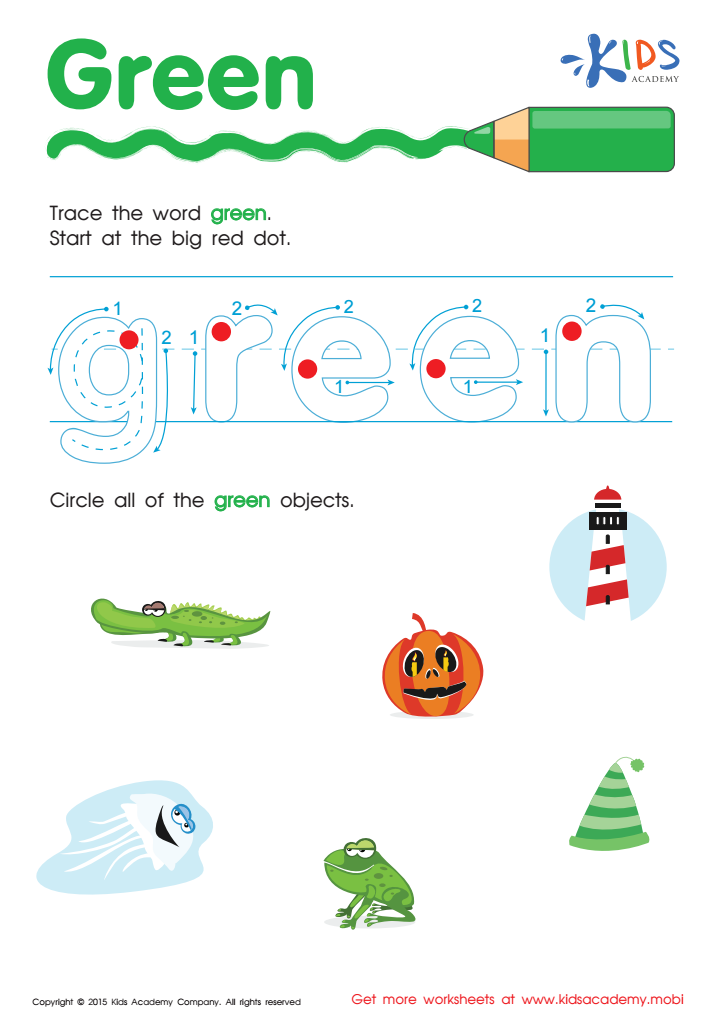
Green Tracing Color Words Worksheet
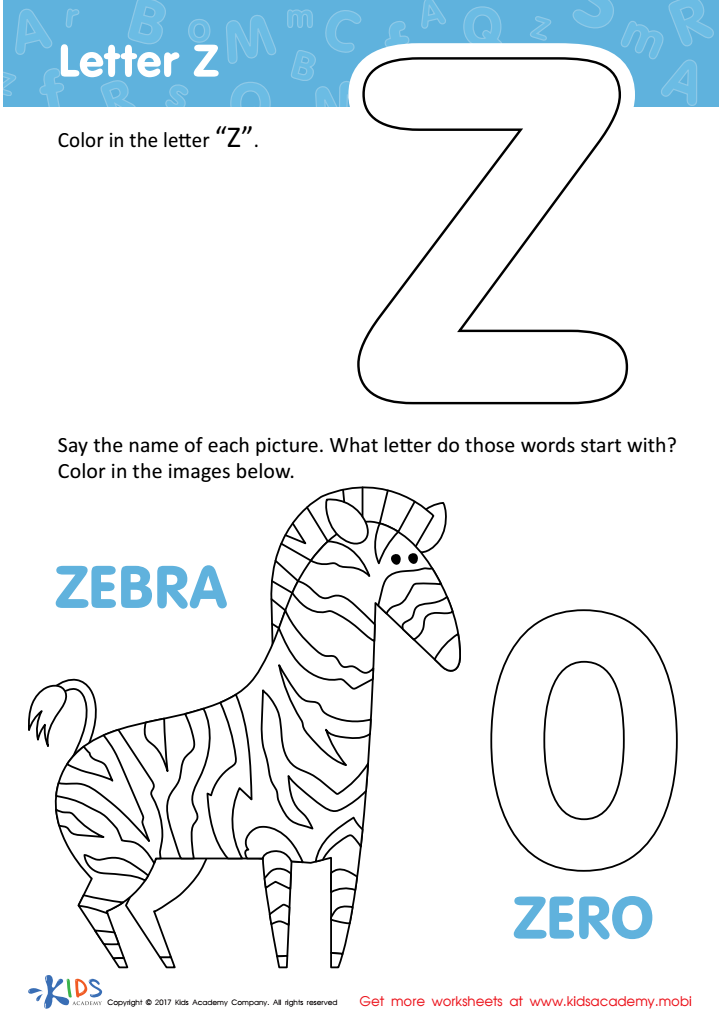
Letter Z Coloring Sheet
Assign to My Students
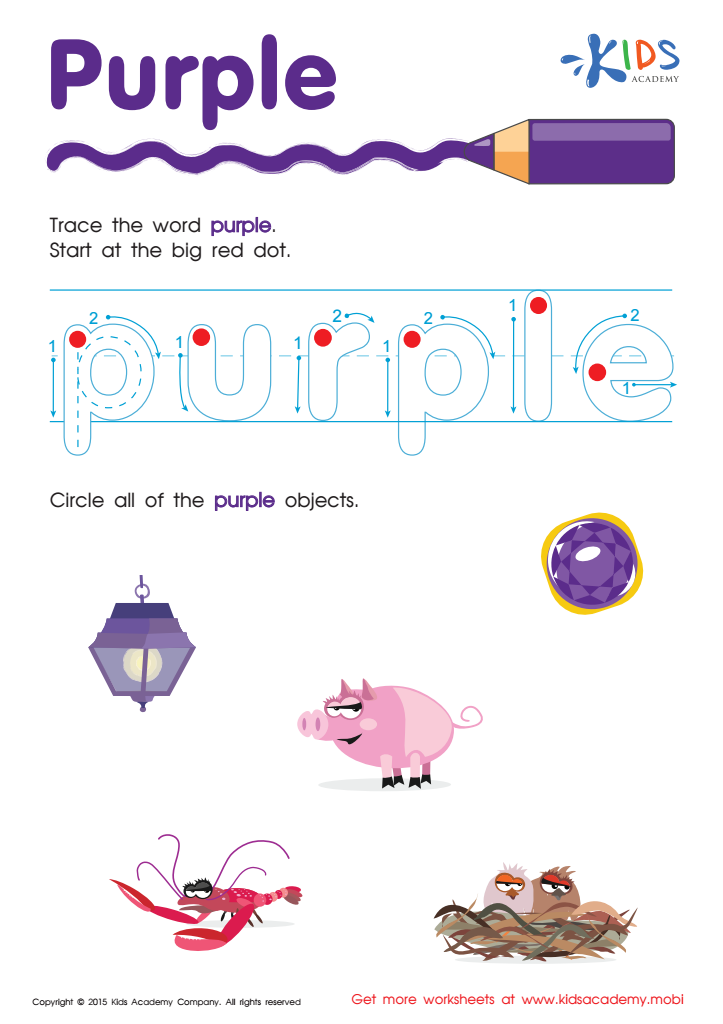
Purple Tracing Color Words Worksheet
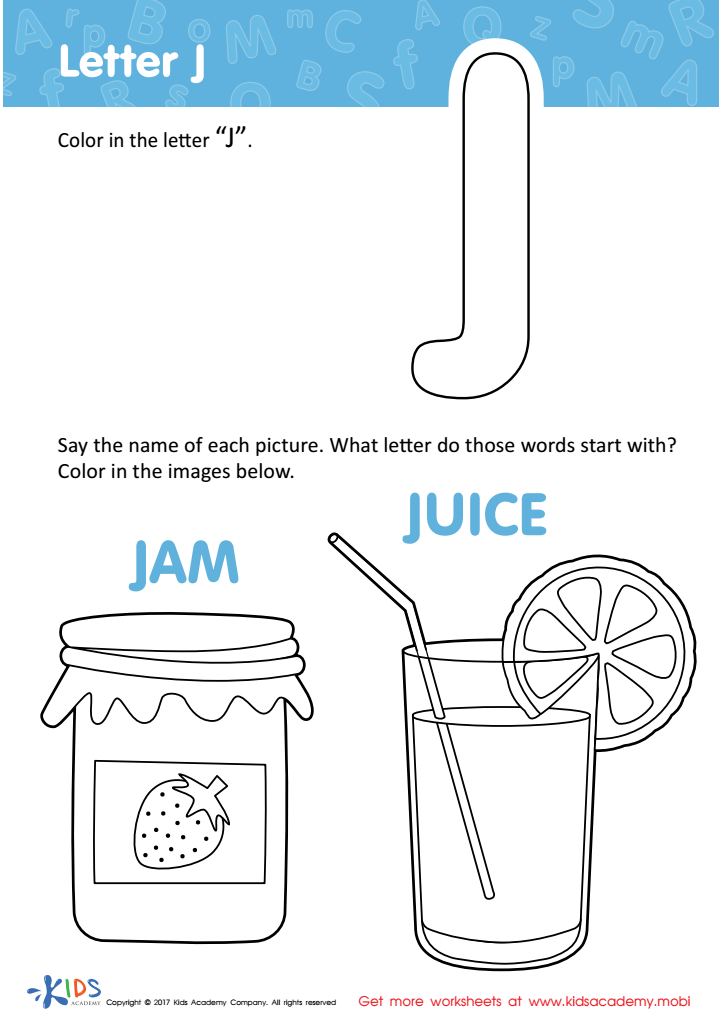
Letter J Coloring Sheet
Assign to My Students
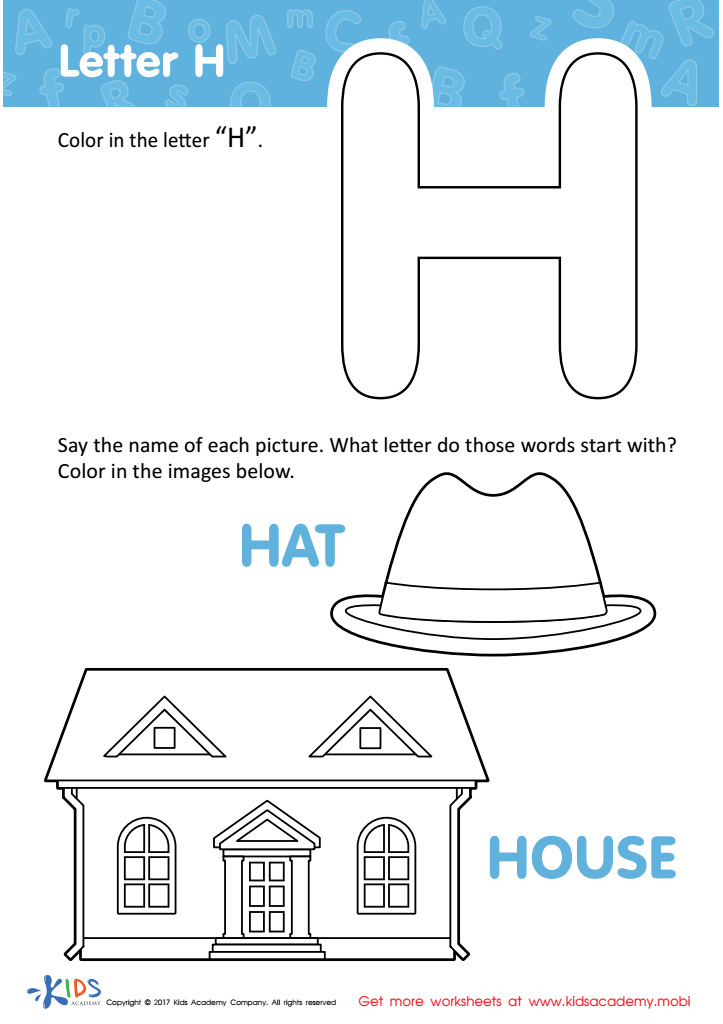
Letter H Coloring Sheet
Assign to My Students
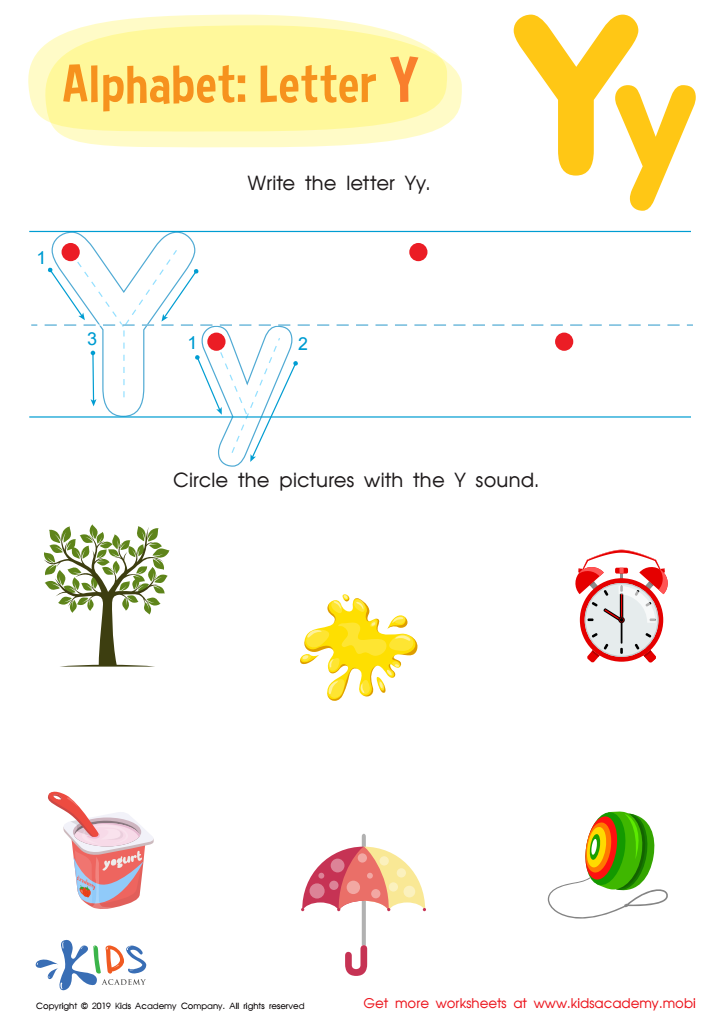
Letter Y Tracing Worksheet
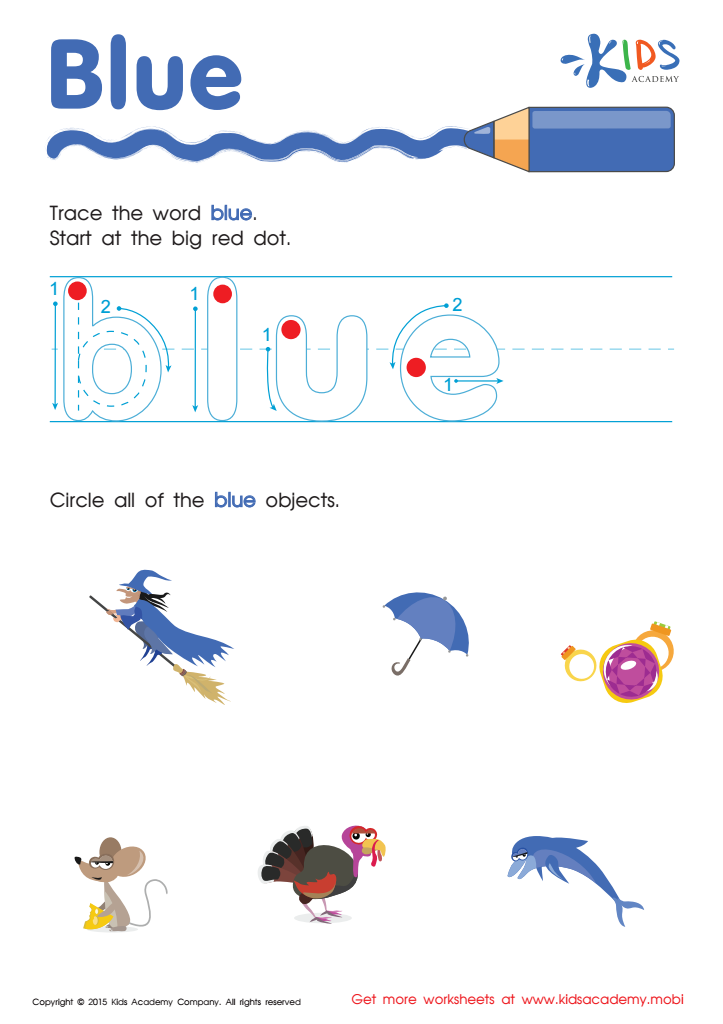
Blue Tracing Color Words Printable
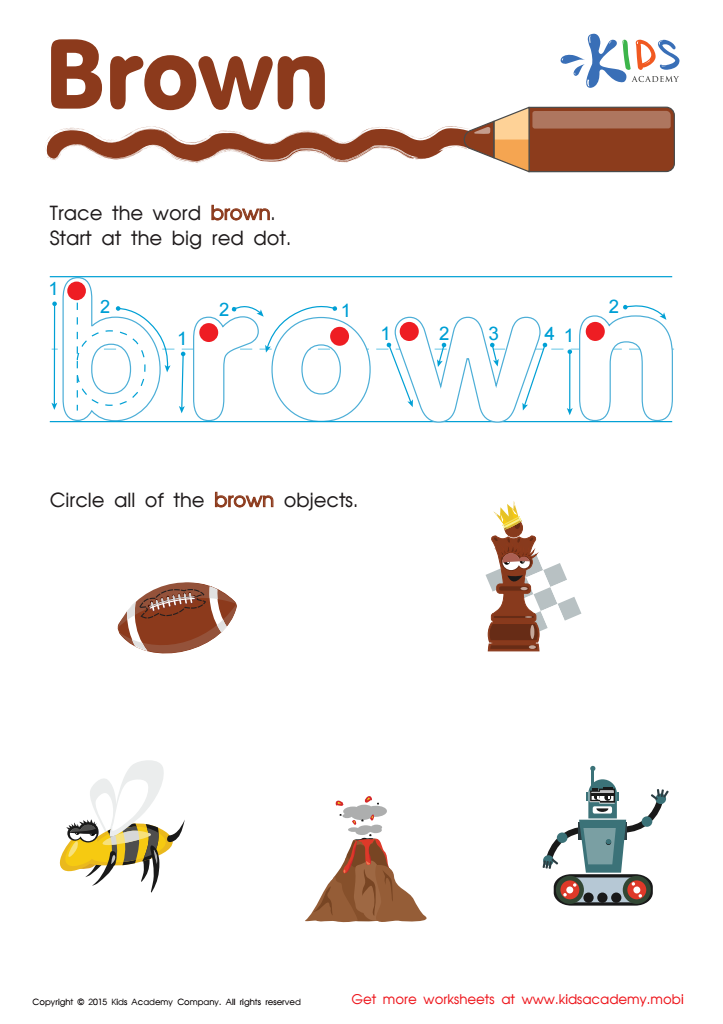
Brown Tracing Color Words Worksheet
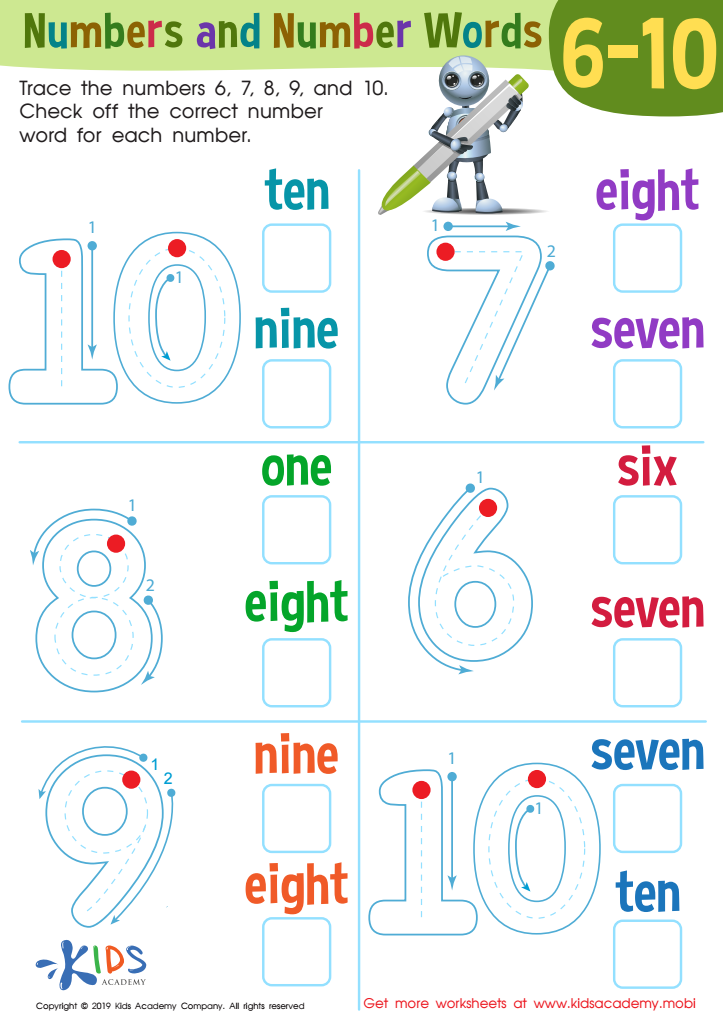
Numbers and Number Words 6–1 Worksheet
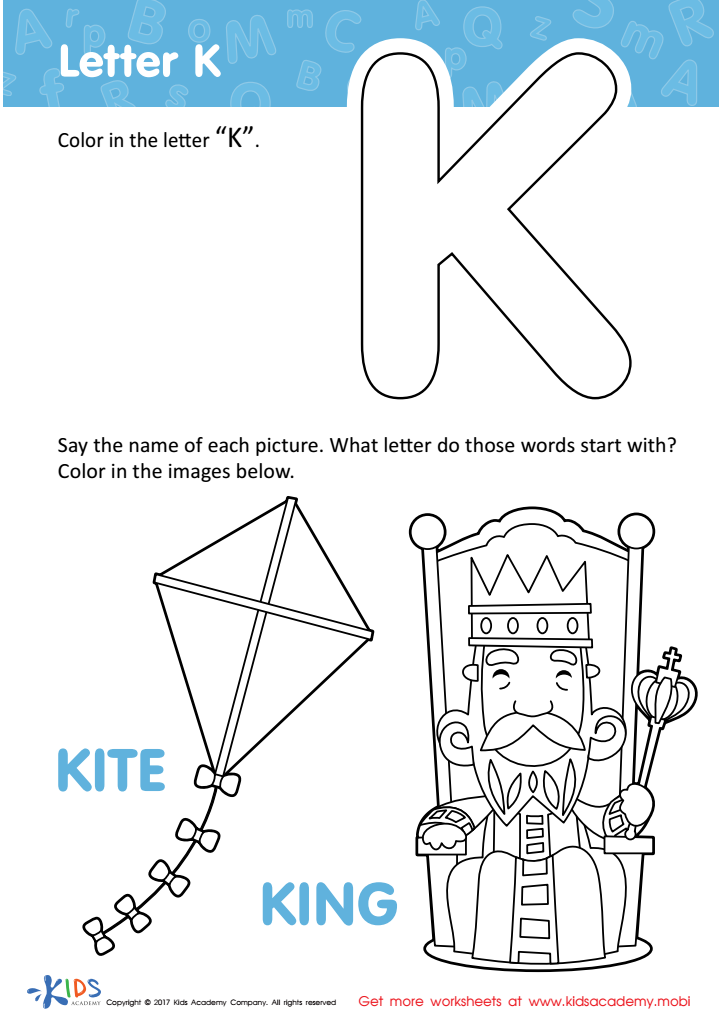
Letter K Coloring Sheet
Assign to My Students
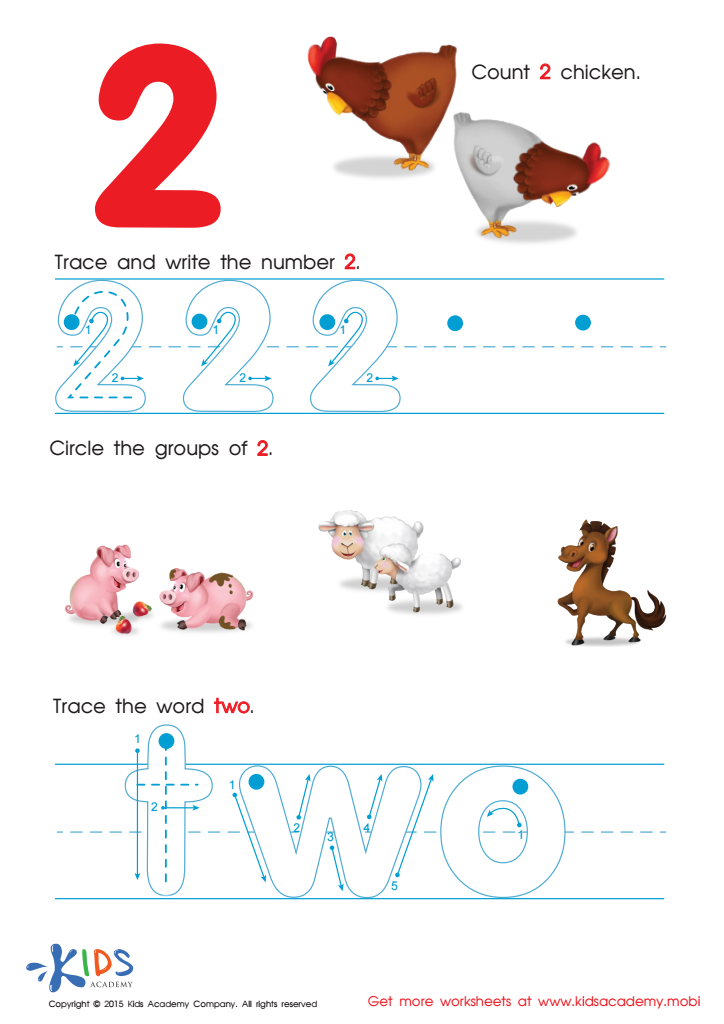
Learn to Write the Number 2 Worksheet

Letter N Coloring Sheet
Assign to My Students





Handwriting practice for young learners, particularly ages 4-8, is essential for several reasons. First, these formative years are crucial for developing fine motor skills and hand-eye coordination, which are fundamental for children as they start to write. Practicing handwriting helps children strengthen their fingers and improve their dexterity, laying the groundwork for more advanced writing tasks.
Second, handwriting is closely tied to literacy development. When children engage in handwriting exercises, they connect letters with sounds, which enhances their understanding of phonics and improves spelling. A solid grasp of letters and their formation aids in reading, boosting overall literacy skills.
Moreover, neat handwriting fosters confidence. As children see their written words take shape, they gain a sense of accomplishment, encouraging them to express their thoughts and ideas more freely. This can foster a love for writing and storytelling.
Lastly, consistent handwriting practice helps develop attention to detail and patience, skills that are vital for academic success and personal growth. In an increasingly digital world, writing by hand remains a valuable skill, reinforcing cognitive development and creativity. Parents and teachers should prioritize handwriting practice to nurture well-rounded, capable learners.