Basic math application Worksheets for Ages 4-8
5 filtered results
-
From - To
Boost your child's math skills with our Basic Math Application Worksheets for ages 4-8! Designed to make learning fun, these engaging worksheets cover essential math concepts like addition, subtraction, counting, and number recognition. Tailored for young learners, each worksheet promotes critical thinking and problem-solving in an interactive way. Our resources are perfect for homeschooling, classroom settings, or extra practice at home. Foster a love for math through colorful illustrations and manageable exercises that cater to various learning styles. Explore our collection today to help your child build confidence and proficiency in basic math, setting a strong foundation for future success!
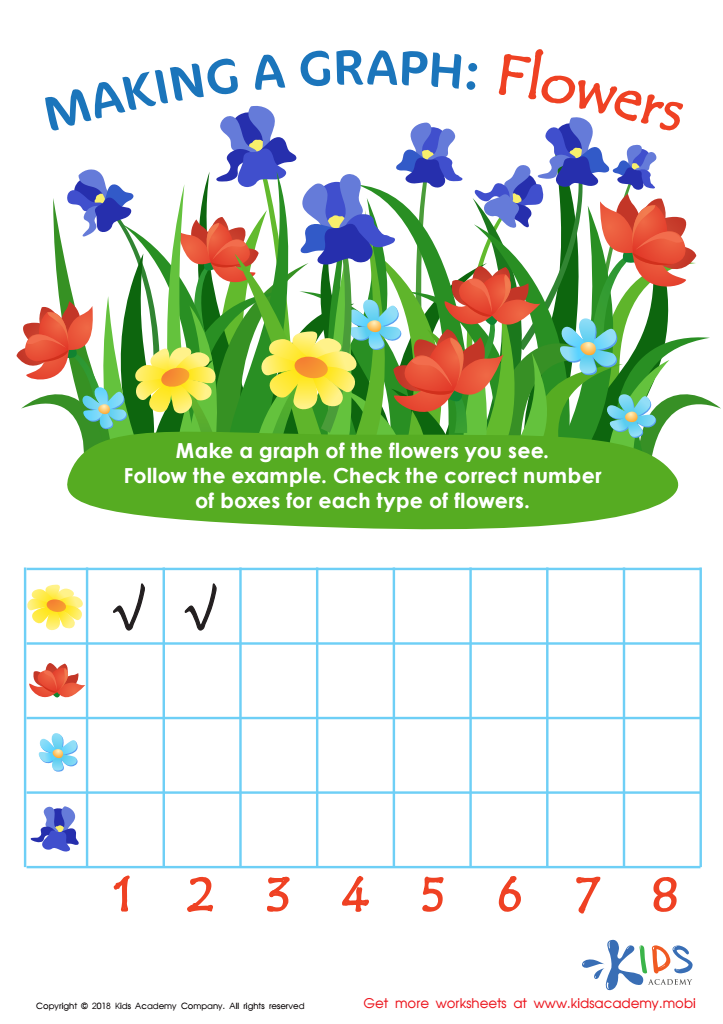
Making a Graph: Flowers Worksheet
 Assign to My Students
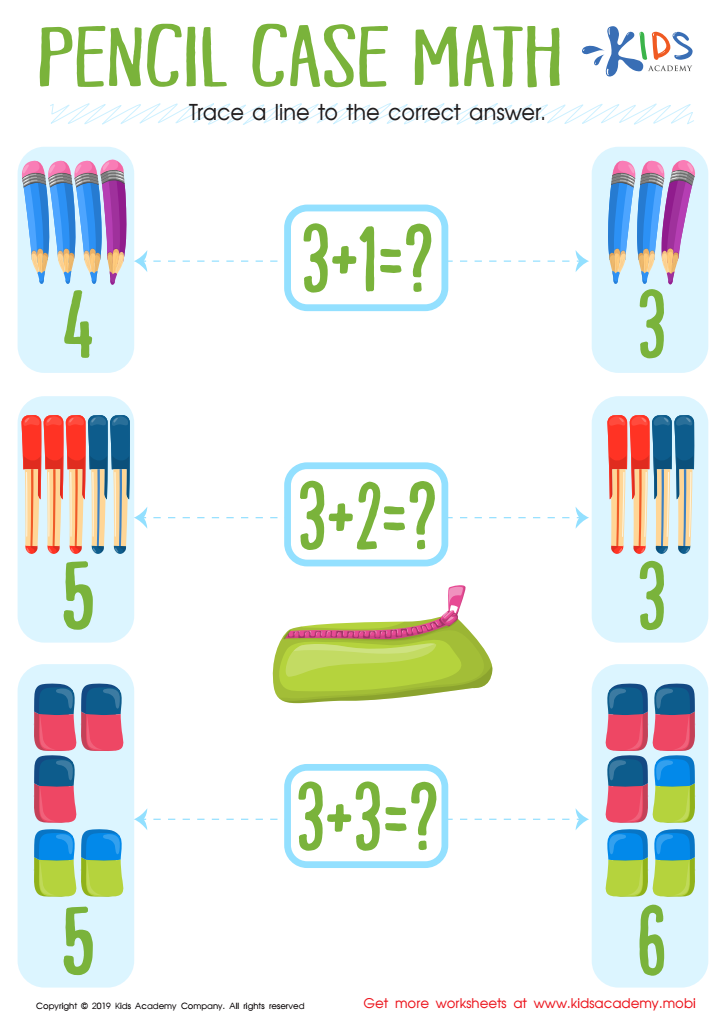
Pencil Case Math Worksheet
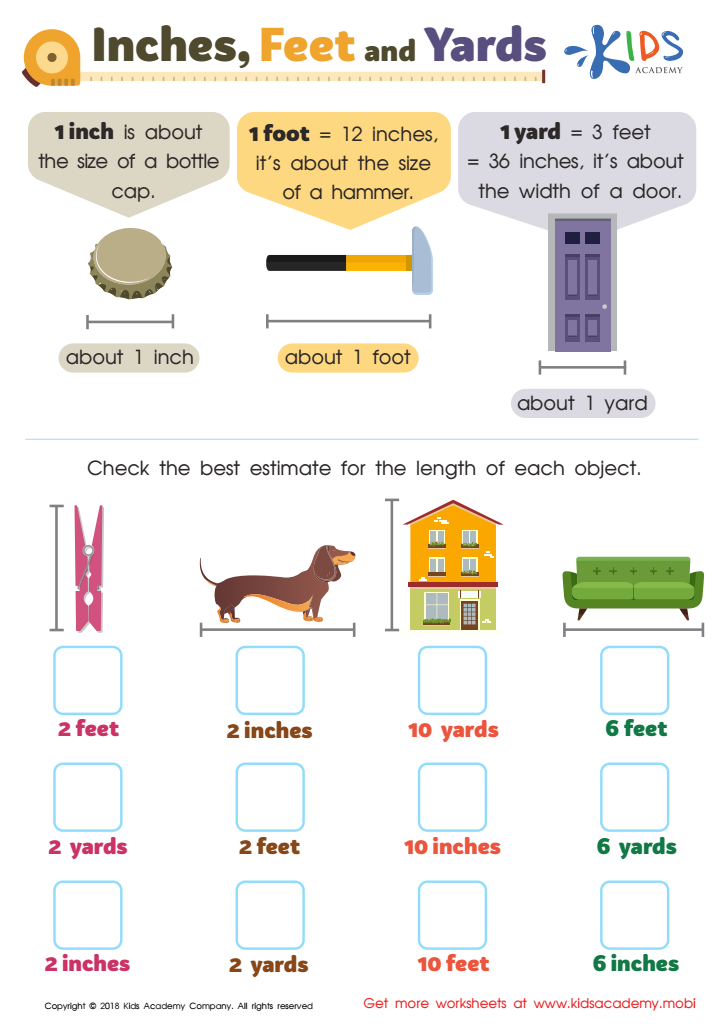
Inches, Feet and Yards Worksheet
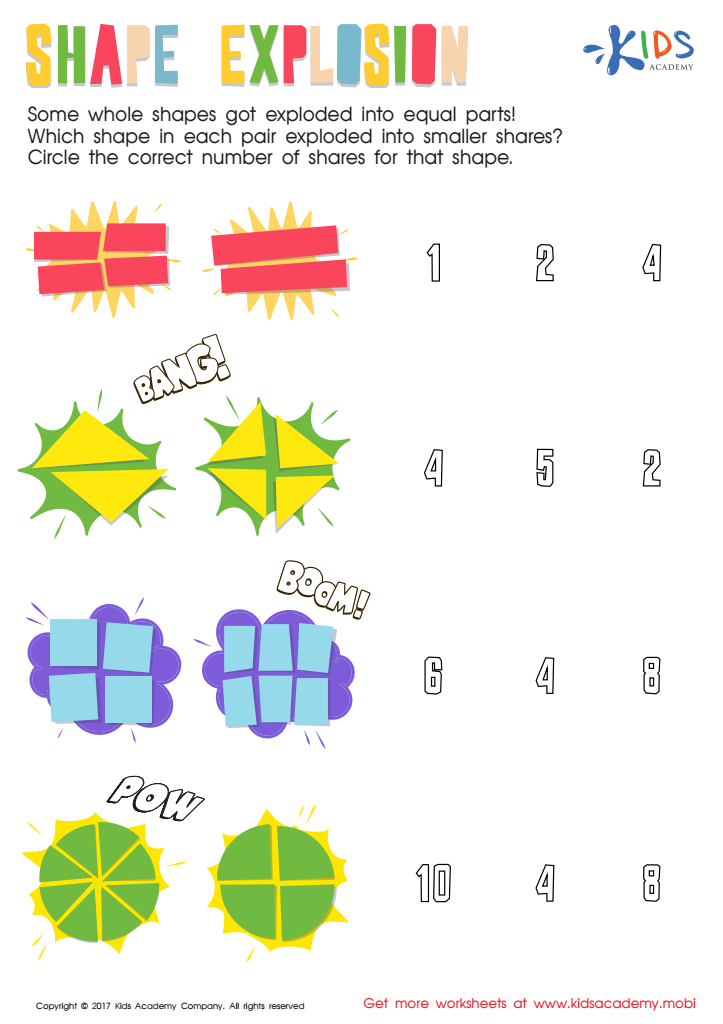
Shape Explosion Worksheet
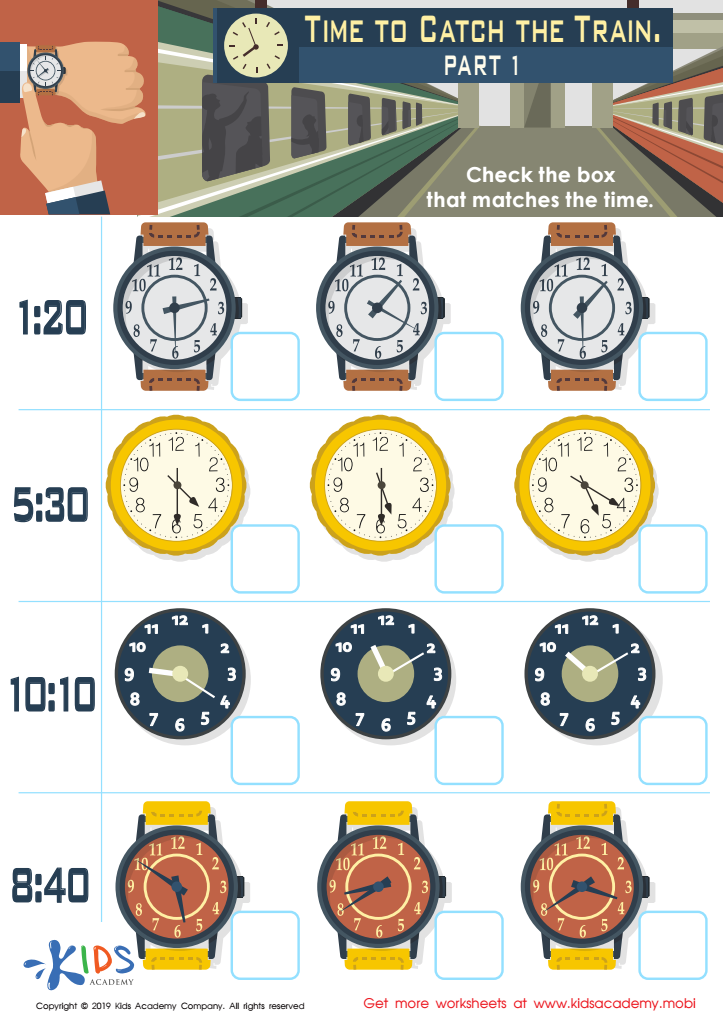
Time to Catch the Train Part 1 Worksheet






Parents and teachers should prioritize basic math application for children aged 4-8 because this is a crucial developmental stage where foundational skills are established. Early math skills serve as building blocks for future learning and everyday problem-solving. Engaging children in basic math through fun activities, games, and real-life situations cultivates their ability to recognize patterns, understand quantities, and comprehend basic operations like addition and subtraction.
Moreover, learning math at a young age boosts children’s confidence and critical thinking skills. It encourages them to develop a positive attitude towards mathematics, reducing anxiety later in their educational journey. Early math experiences also support literacy development, as children learn to associate words and numbers, enhancing their overall language skills.
Incorporating math into daily routines—such as counting snacks, measuring ingredients while cooking, or figuring out how many toys can fit into a box—makes math relatable and accessible, while fostering a love for learning. Understanding the significance of basic math application enables parents and teachers to better guide children, ensuring they cultivate essential skills that serve them not only academically but throughout life. Ultimately, investing in early math education lays the groundwork for children to thrive in a numerically driven world.








