Data interpretation Worksheets for Ages 4-8
24 filtered results
-
From - To
Unlock the power of data with our Data Interpretation Worksheets designed for kids aged 4-8. Tailored to inspire young minds, these engaging activities help children master essential skills such as understanding graphs, realizing patterns, and making connections from data. Through fun and interactive exercises, your child will develop critical thinking abilities and enhance their problem-solving skills. Ideal for early learners, these worksheets make data interpretation an exciting and accessible subject. Girls and boys alike will enjoy discovering how numbers and information come together to tell a story. Boost your child's learning today with our comprehensive, skill-building worksheets!
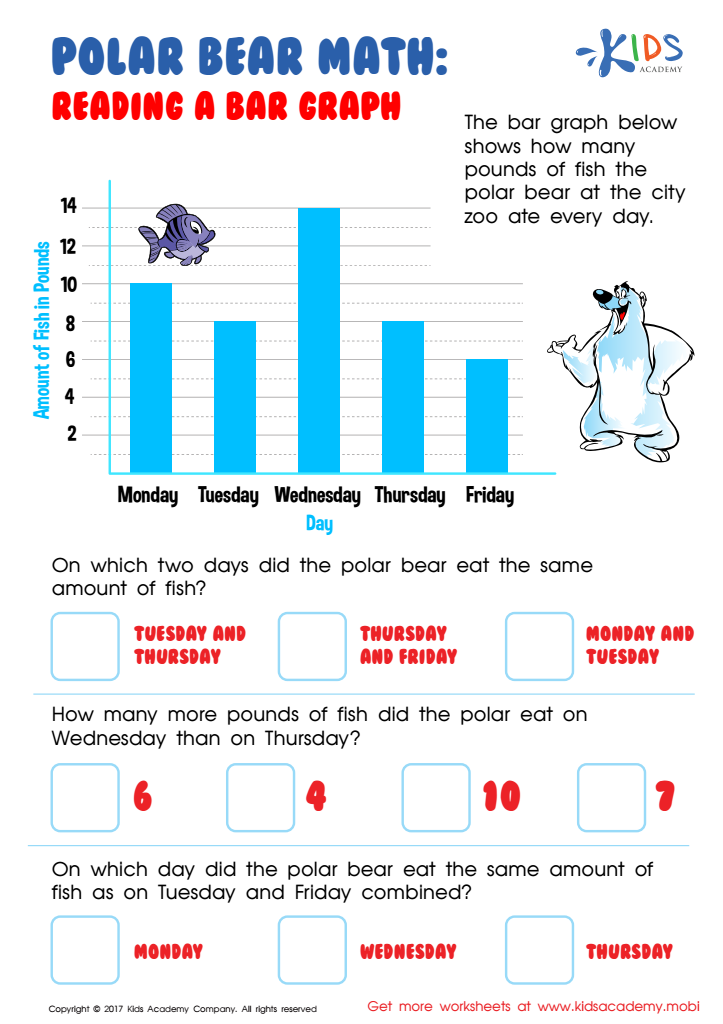
Reading Bar Graph Worksheet
 Assign to My Students
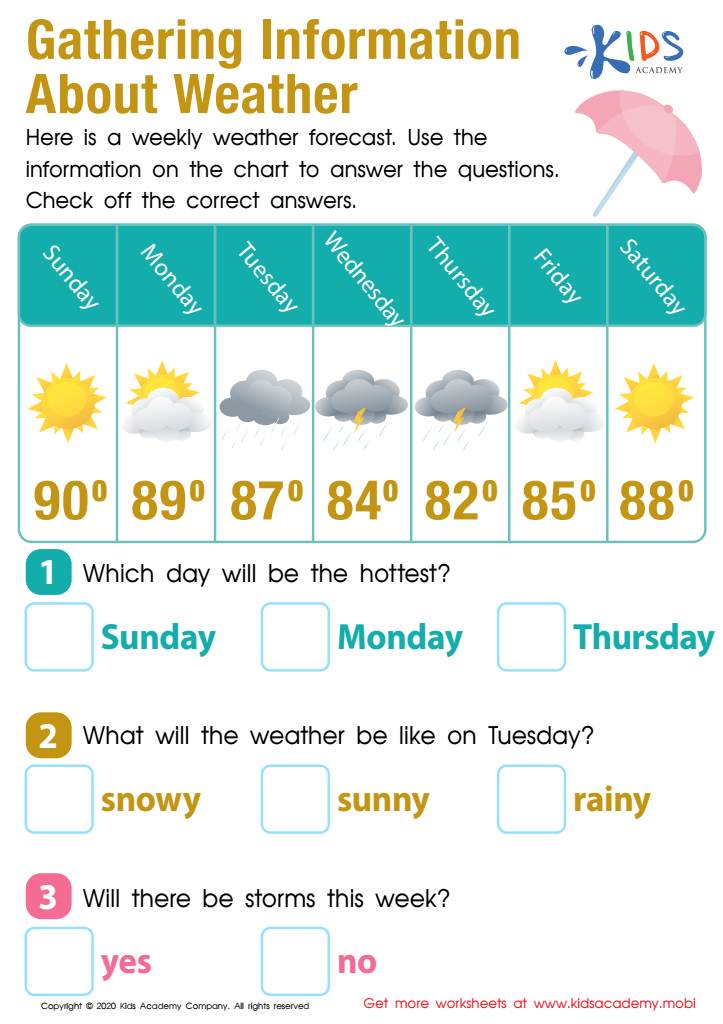
Gathering Information About the Weather Worksheet
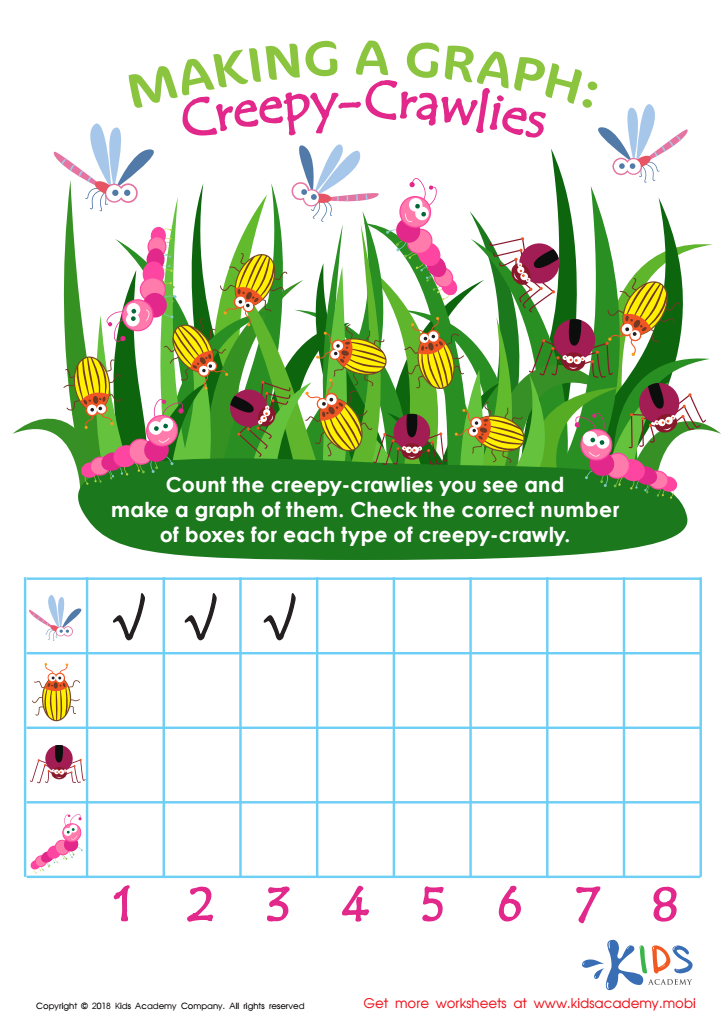
Making a Graph: Creepy Crawlies Worksheet
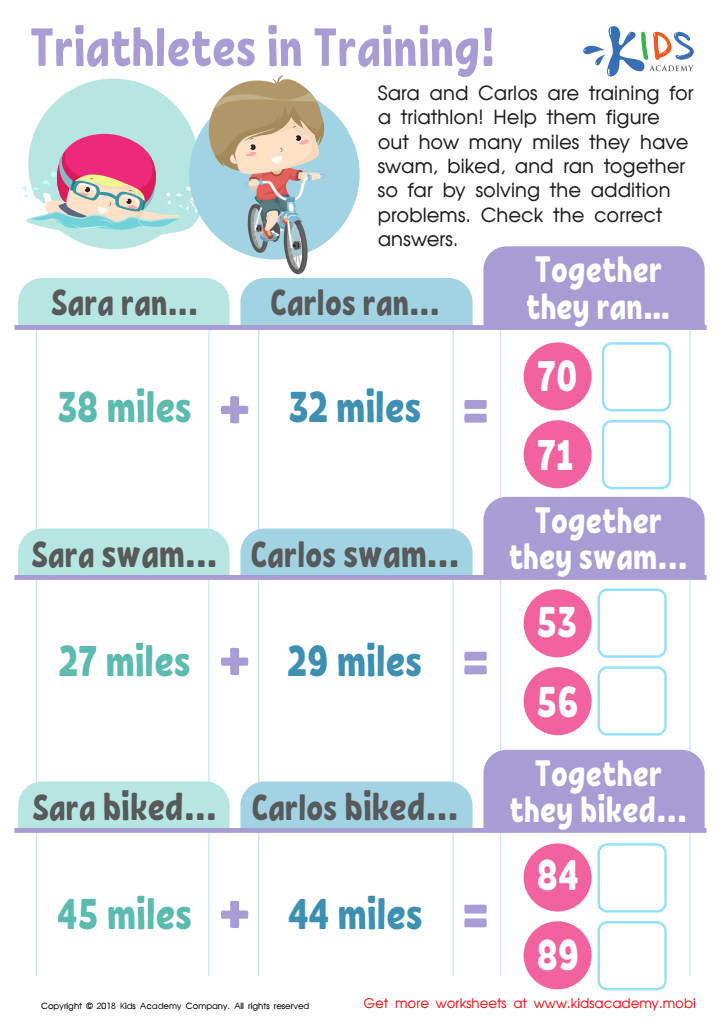
Triathletes in Training Worksheet
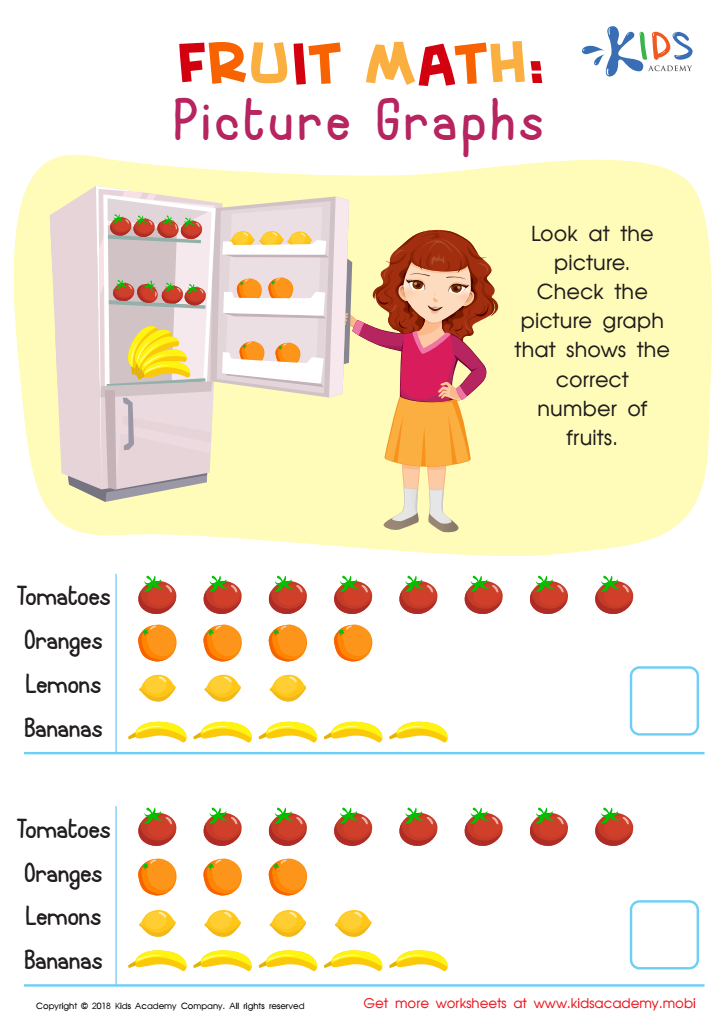
Fruit Math: Picture Graphs Worksheet
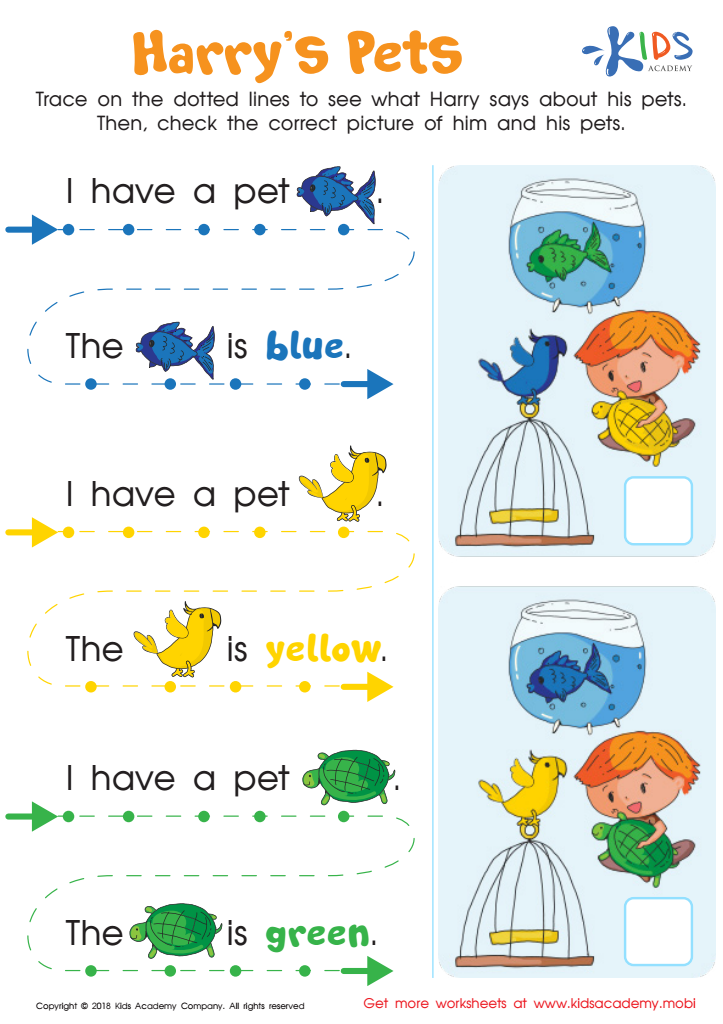
Read from Left to Right: Harry's Pets Worksheet
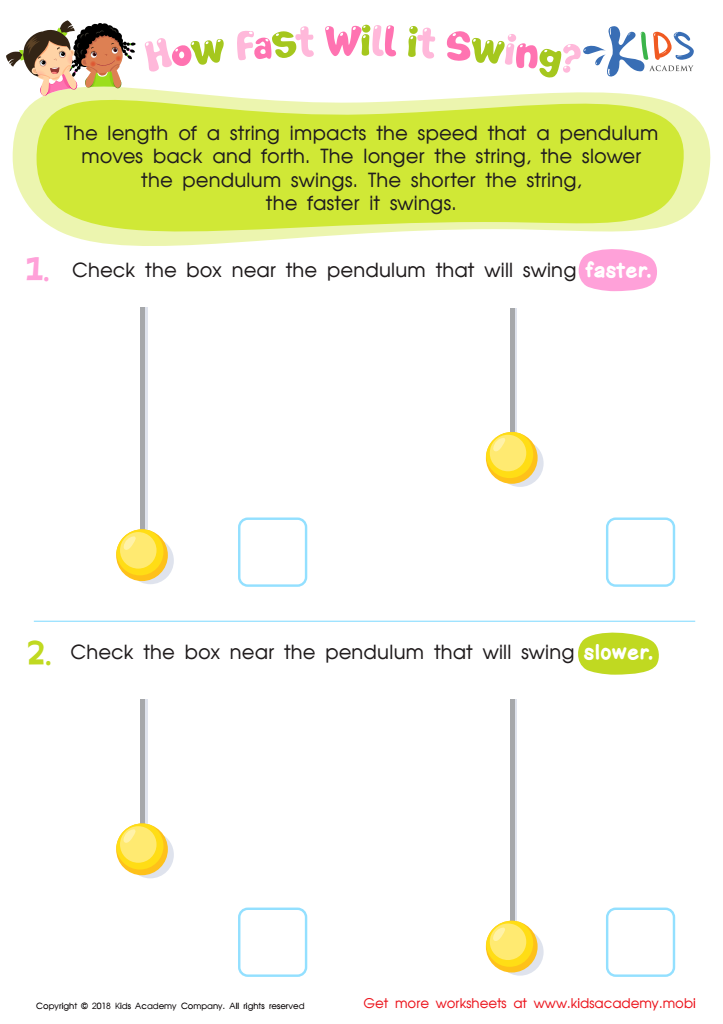
Pendulum Experiment Worksheet For 3rd Grade
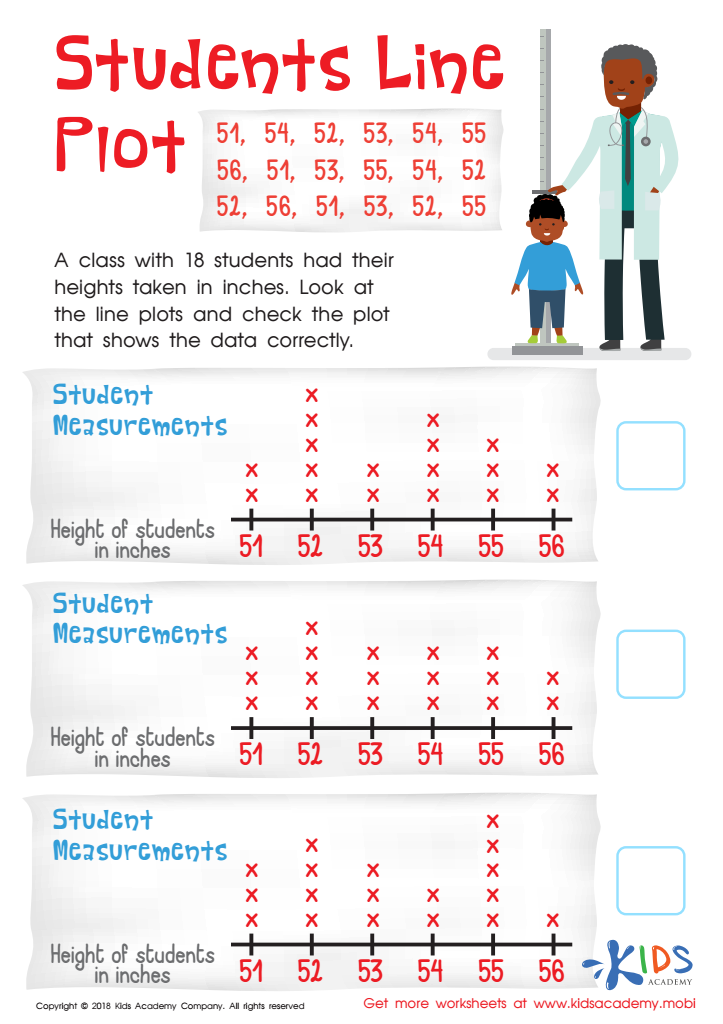
Students Line Plot Worksheet
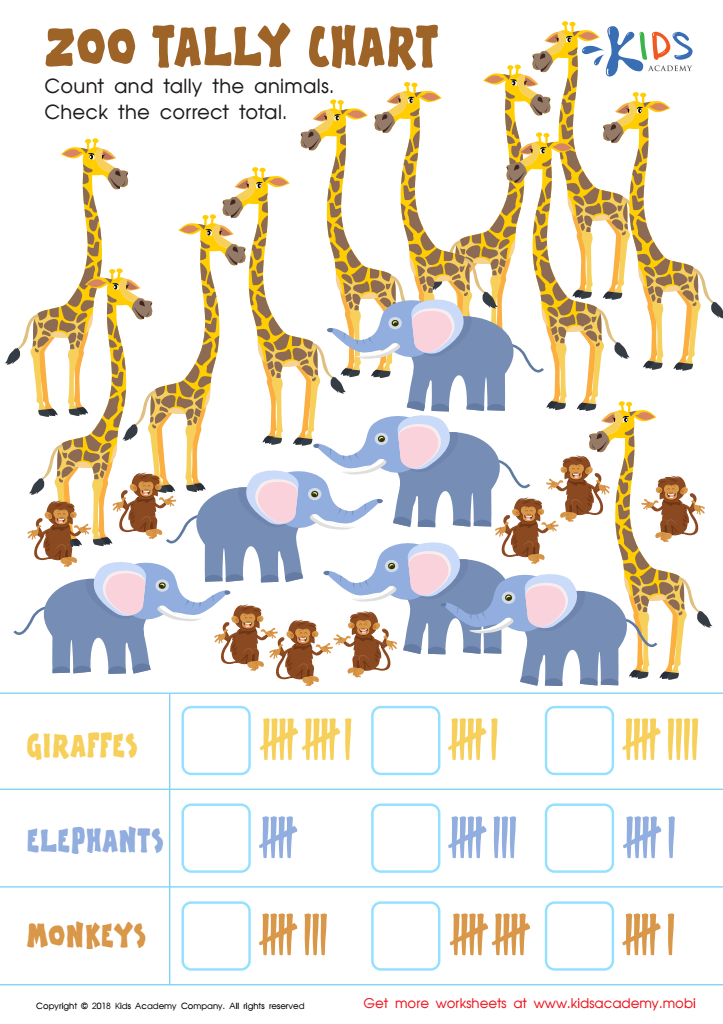
Zoo Tally Chart Worksheet
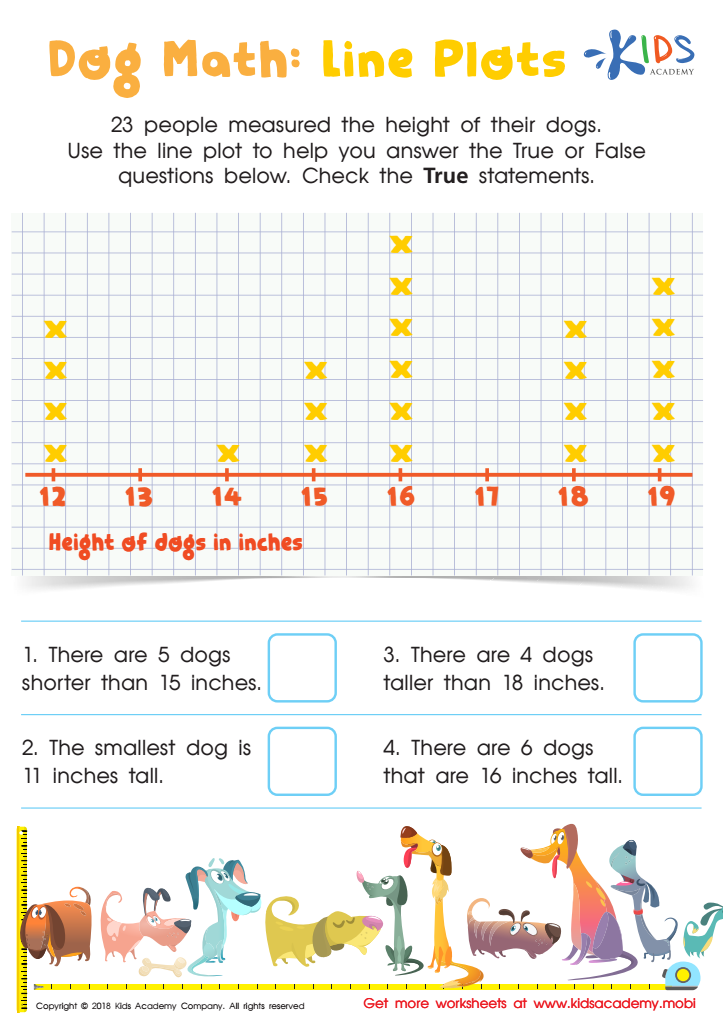
Dog Math: Line Plots Worksheet
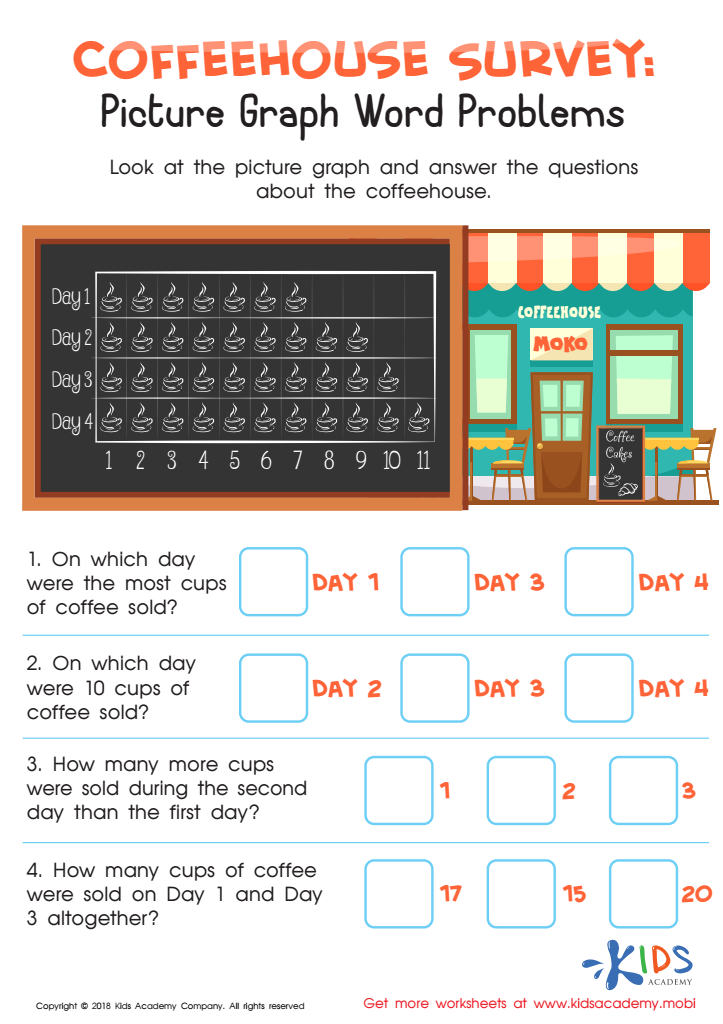
Coffeehouse Survey: Picture Graph Word Problems Worksheet
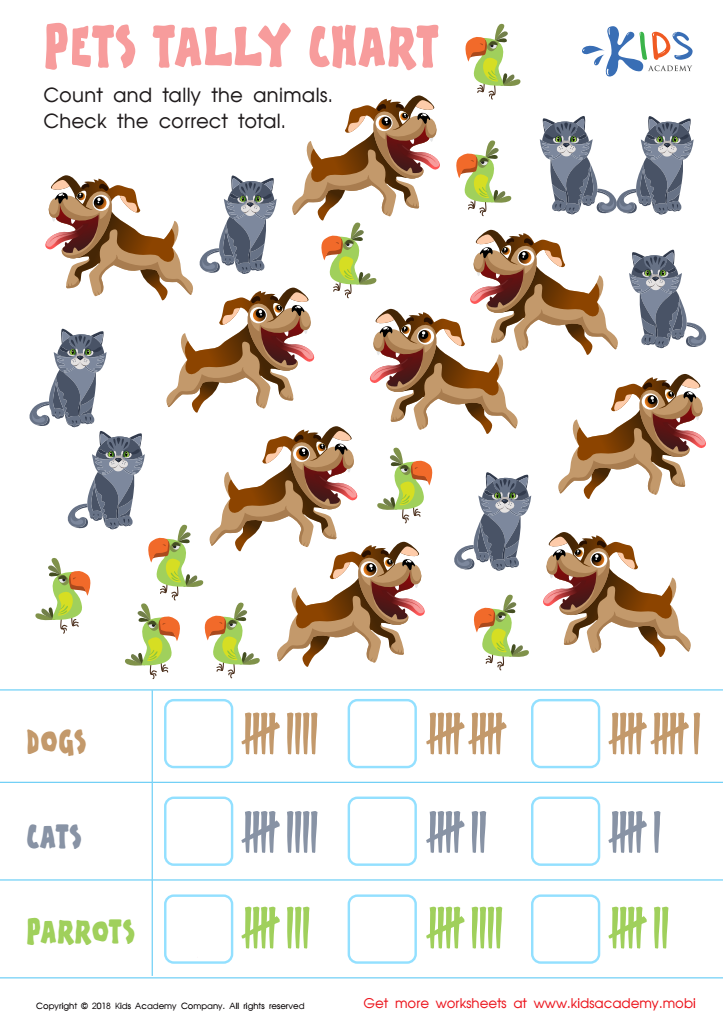
Pets Tally Chart Worksheet
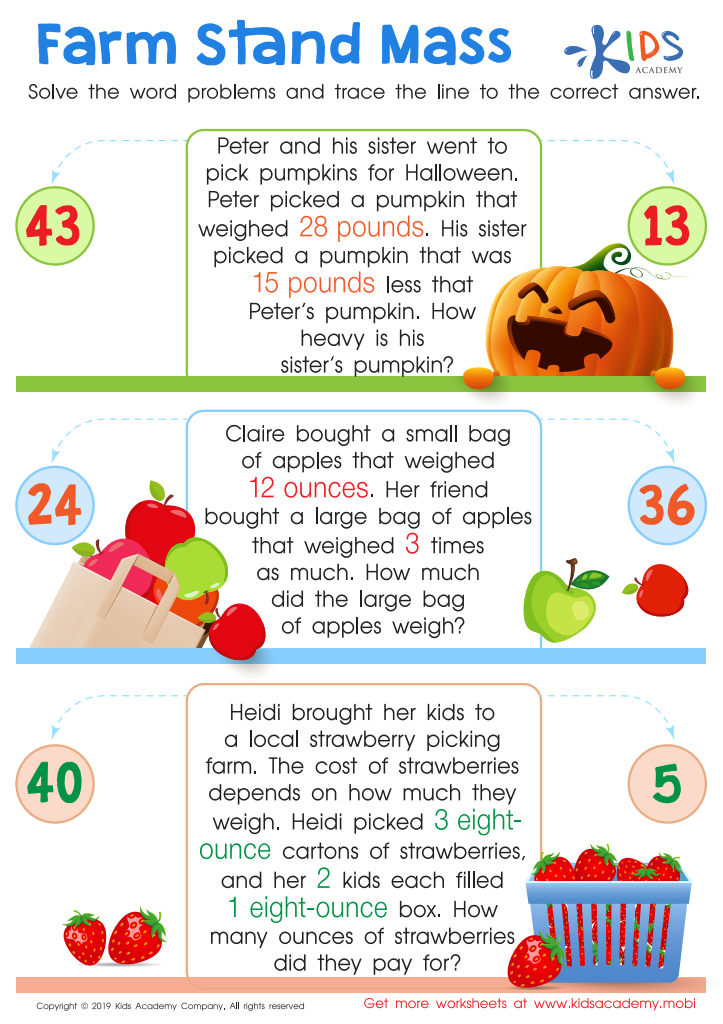
Farm Stand Mass Worksheet
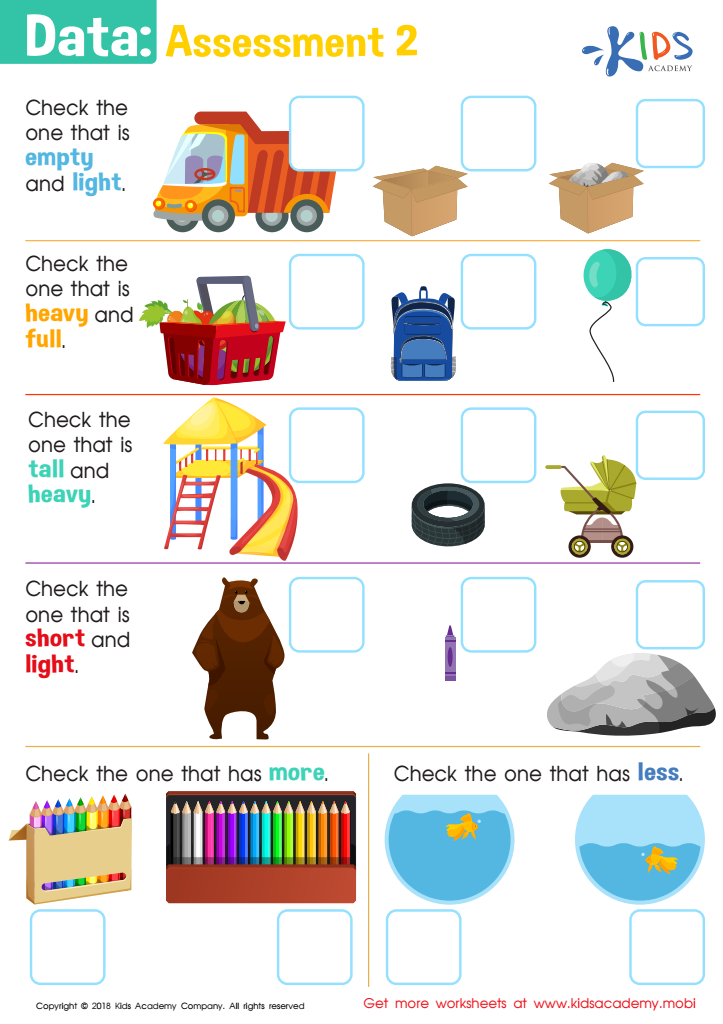
Data: Assessment 2 Worksheet
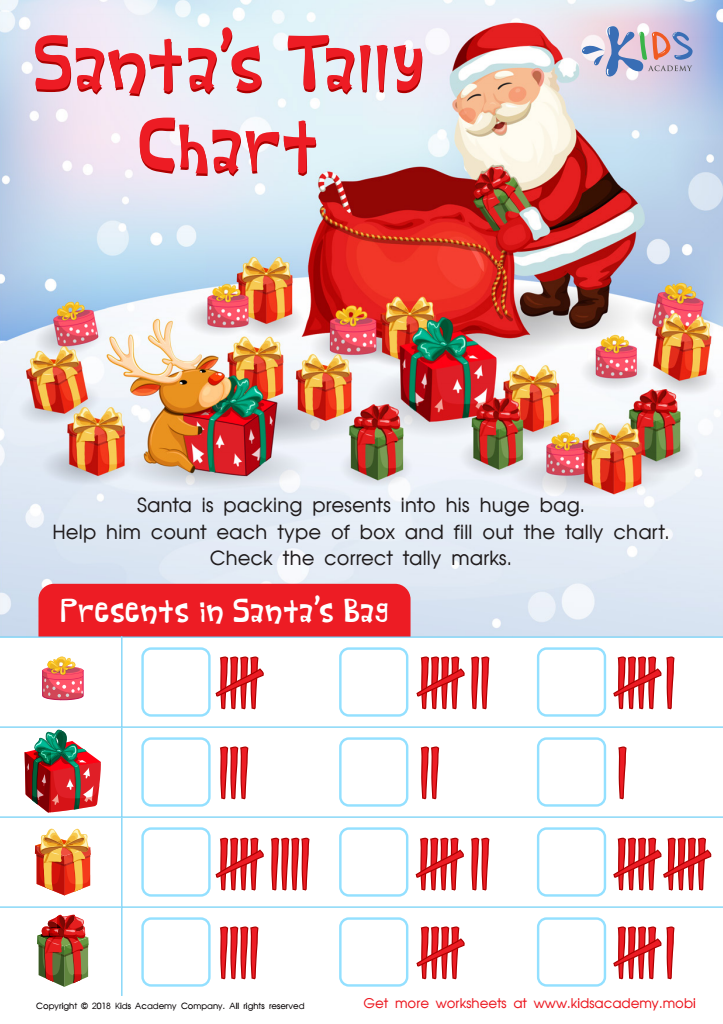
Santa Tally Chart Worksheet
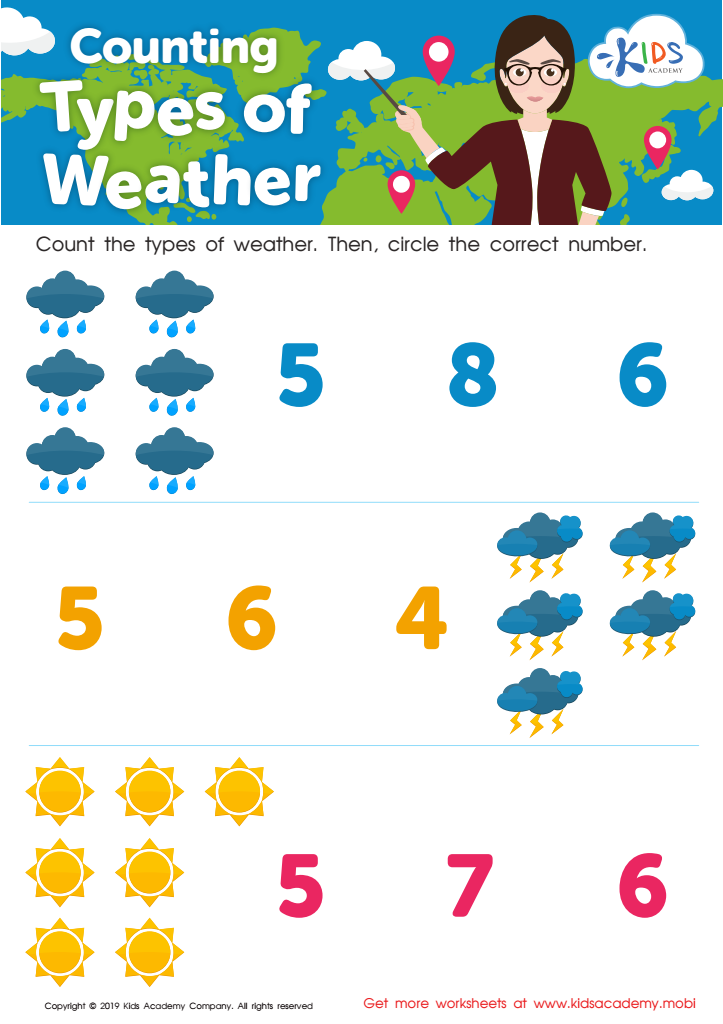
Counting Types of Weather Worksheet
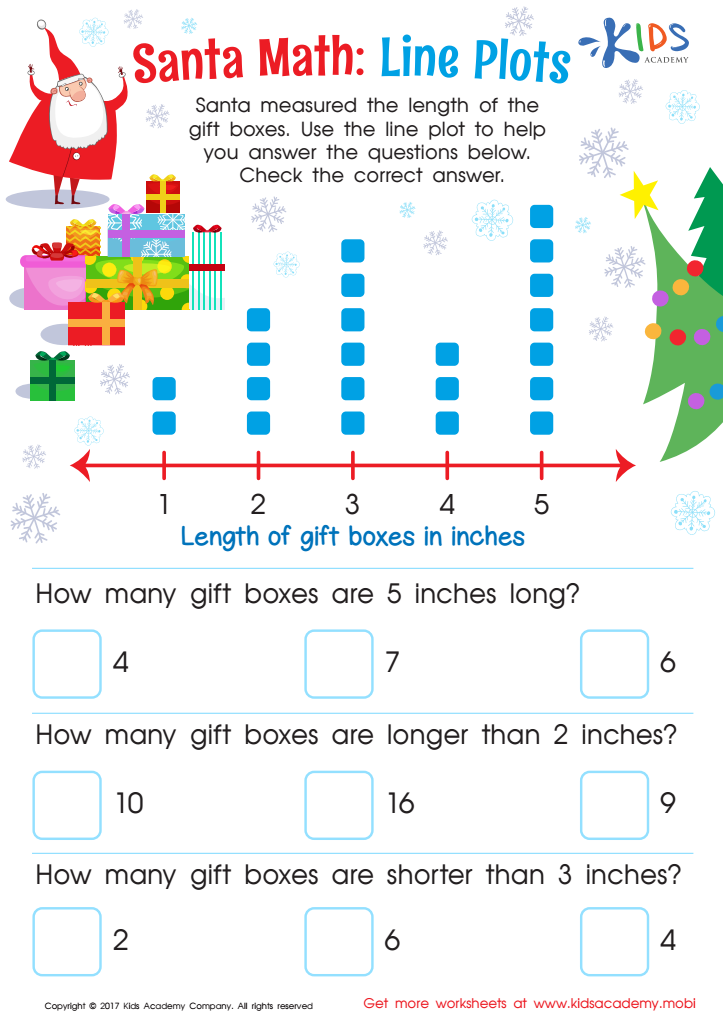
Line Plot Worksheet

Aircraft Carrier Picture Graphs Worksheet
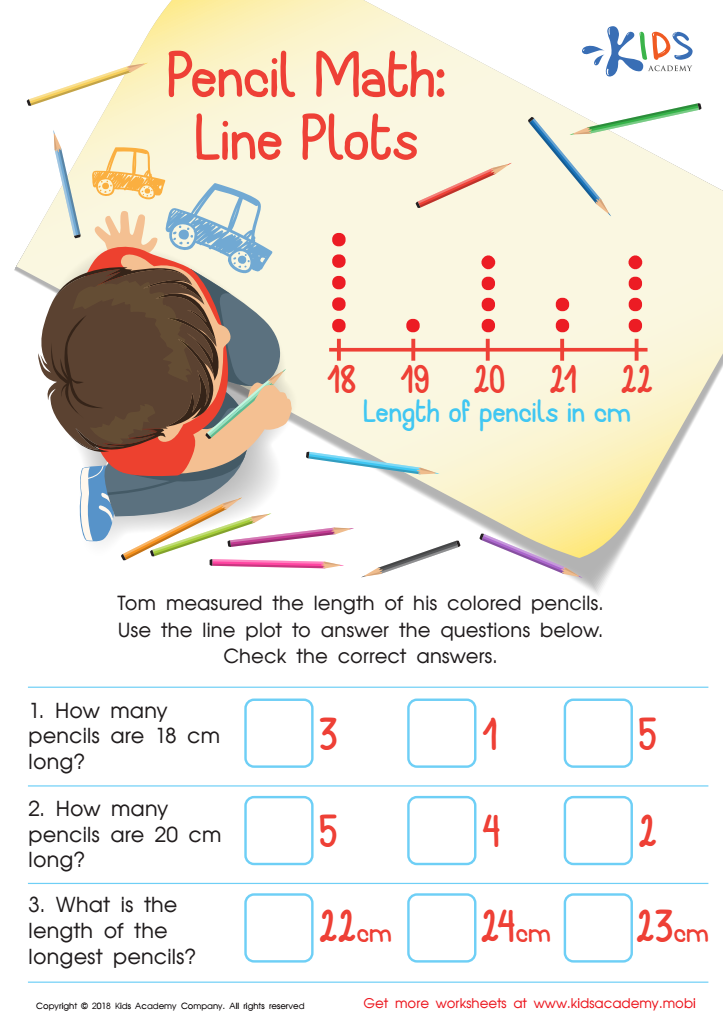
Pencil Math: Line Plots Worksheet
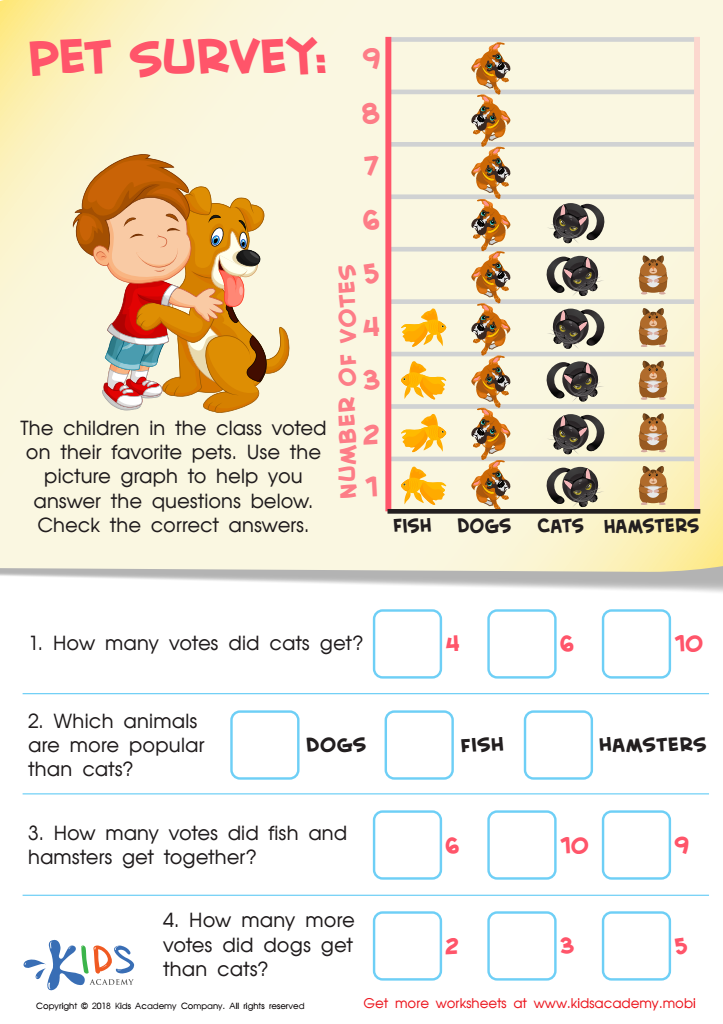
Pet Survey Worksheet
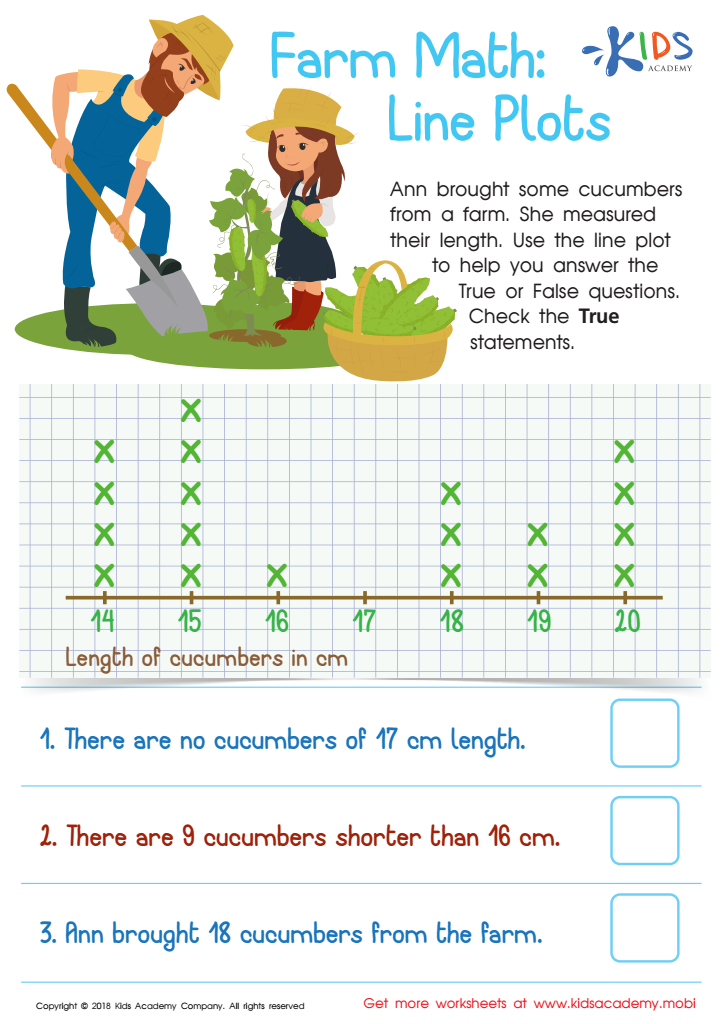
Farm Math: Line Plots Worksheet
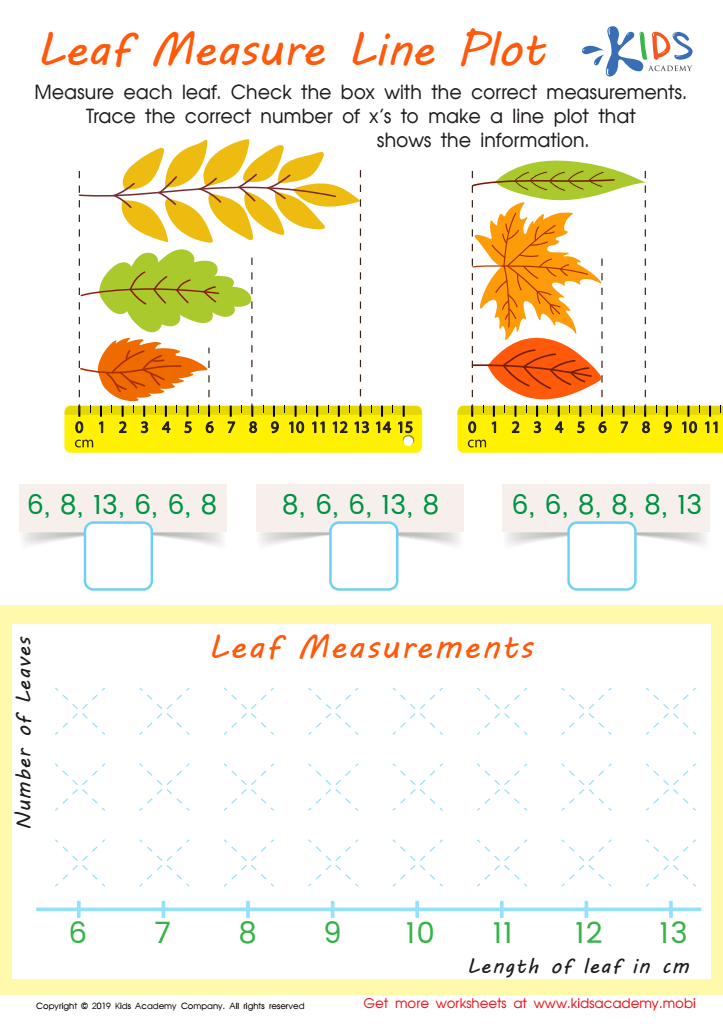
Leaf Measure Line Plot Worksheet
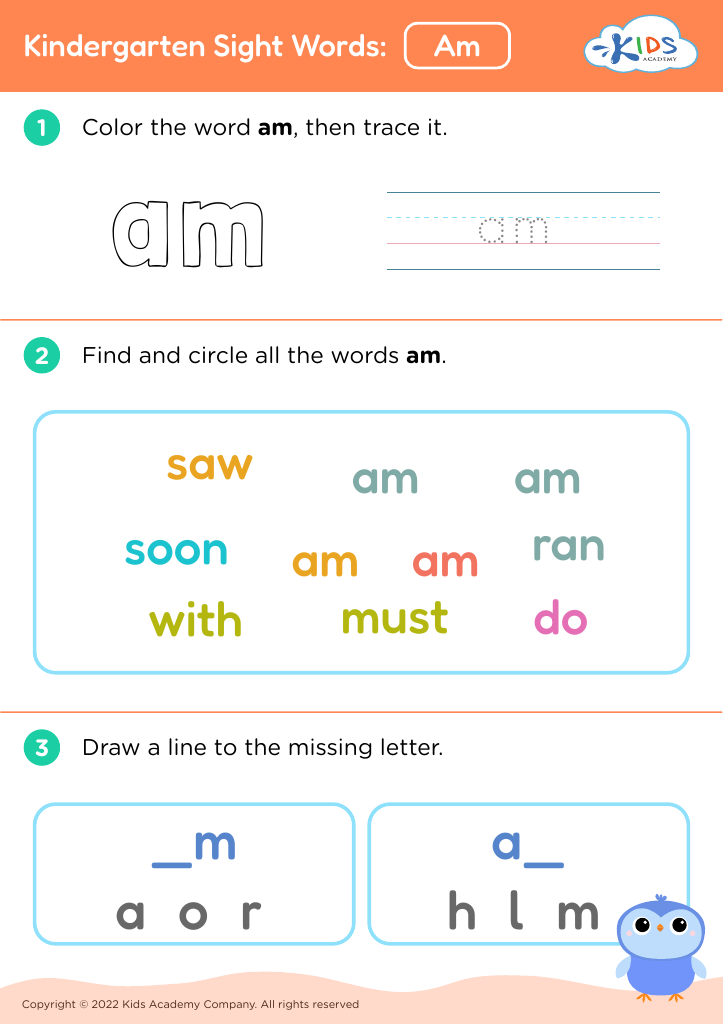
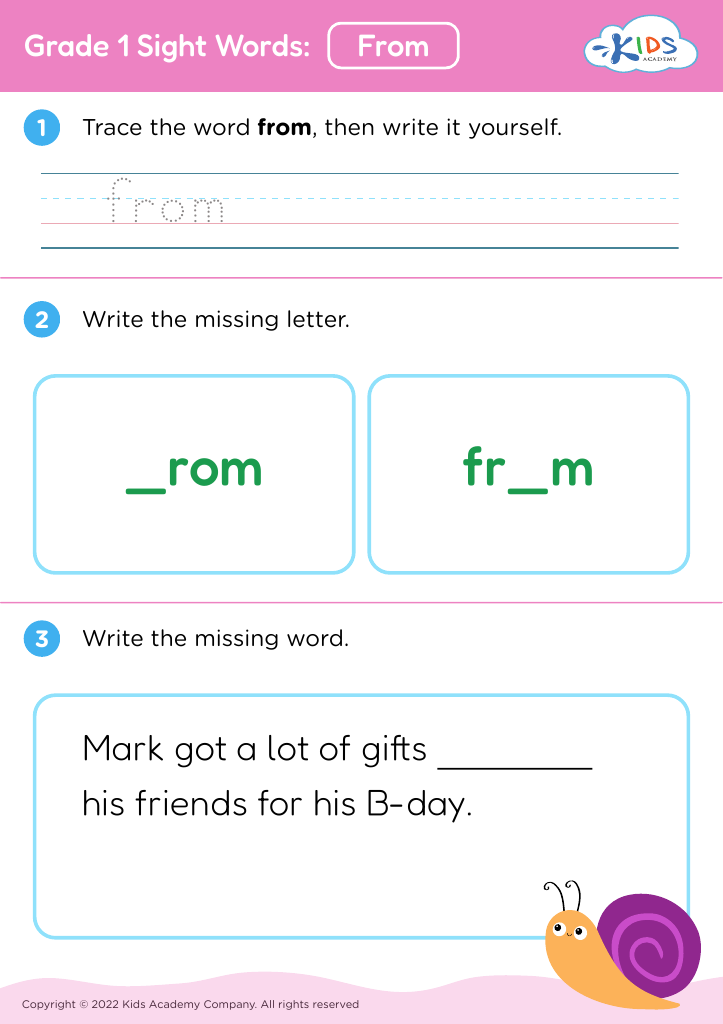





.jpg)

Data interpretation is a crucial skill that parents and teachers should emphasize for children aged 4-8 because it lays the foundation for critical thinking, problem-solving, and mathematical comprehension, which are essential for future academic success. At this young age, children are significantly more receptive to new concepts, making it an optimal time to introduce them to basic data interpretation in fun and engaging ways.
By learning to interpret data, children begin to understand patterns and relationships, enhancing their cognitive development. For instance, simple activities like counting objects, sorting shapes, or tracking daily weather on a chart help them recognize sequences and categorize information. These skills are not only fundamental to mathematics but also promote logical reasoning and the ability to make informed decisions.
Moreover, data interpretation activities encourage curiosity and inquiry, key components of scientific thinking. When children analyze simple charts or graphs, they start asking questions and seeking answers, fostering a mindset geared toward exploration and discovery.
In addition, proficiency in data interpretation empowers children as participants in an increasingly data-driven world. As they grow, a solid grounding in interpreting information will help them navigate complex systems and make sense of a multitude of data representations they will encounter in daily life and school.
Therefore, introducing data interpretation to young learners can provide lasting benefits, building a strong foundation for their educational journey and critical life skills.








