Filters

1537 filtered results

Clear all filters
Favorites
With answer key
Interactive

1537 filtered results

Difficulty Level

Grade


Subject

    Check out this FREE Trial Lesson on Addition & Subtraction for age 4-8!

    A

    Favorites
    With answer key
    Interactive
    • 4-8
    • Addition & Subtraction
    Adding up to 100 Without Regrouping: Page 24
    Adding up to 100 Without Regrouping: Page 24
    Adding up to 100 Without Regrouping: Page 24
    Worksheet
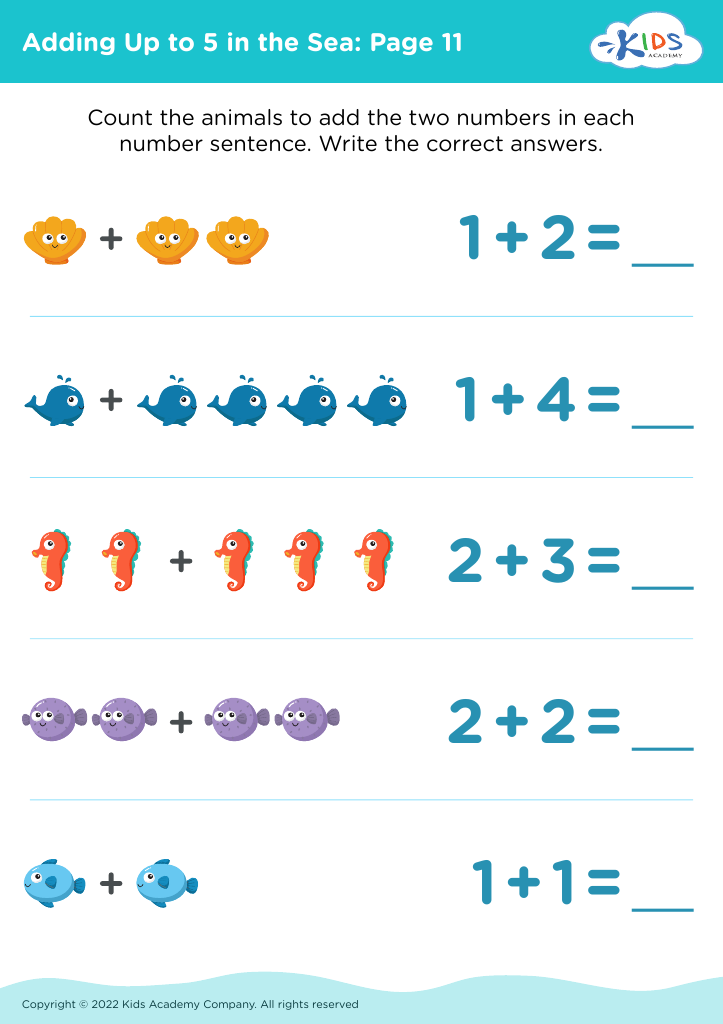
    Adding Up to 5 in the Sea: Page 11
    Adding Up to 5 in the Sea: Page 11
    Adding Up to 5 in the Sea: Page 11
    Worksheet
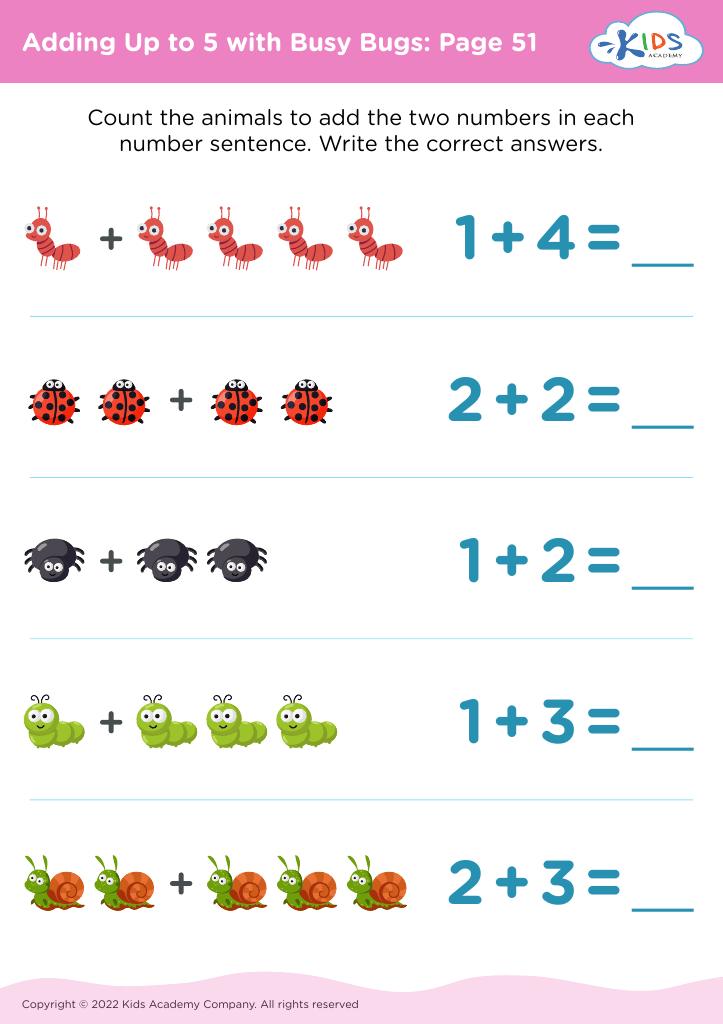
    Adding Up to 5 with Busy Bugs: Page 51
    Adding Up to 5 with Busy Bugs: Page 51
    Adding Up to 5 with Busy Bugs: Page 51
    Worksheet
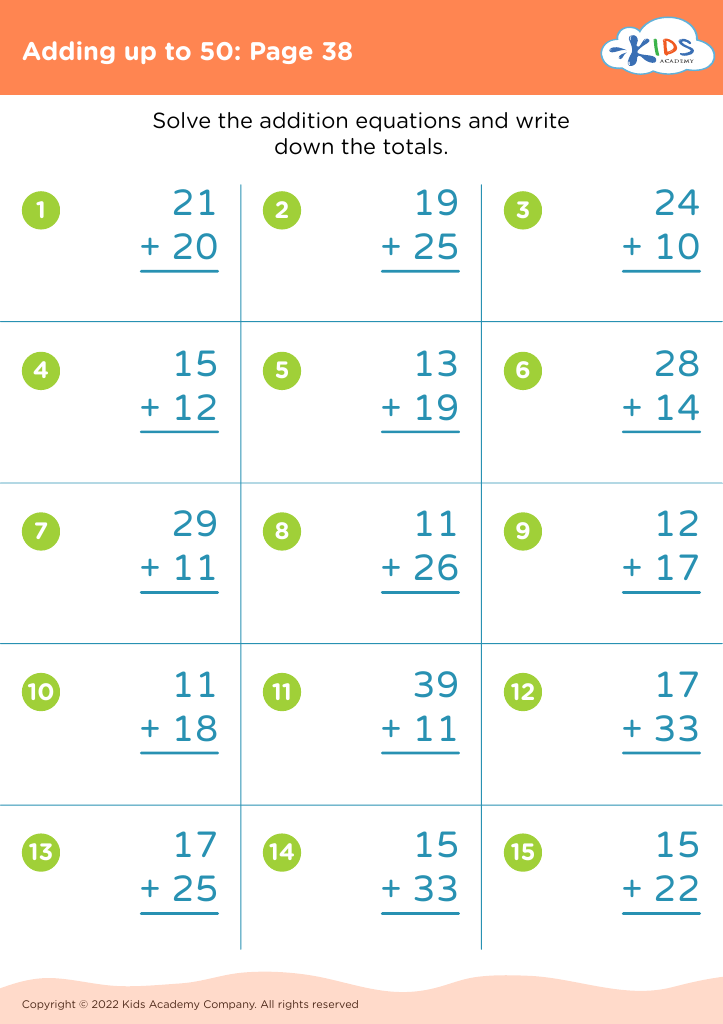
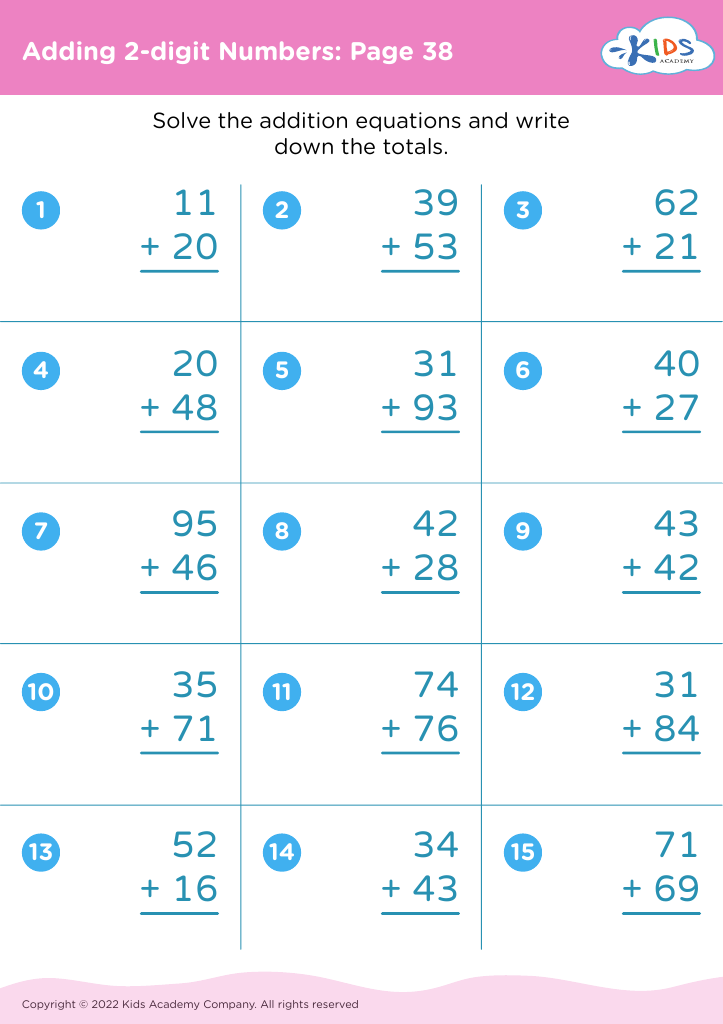
    Adding up to 50: Page 38
    Adding up to 50: Page 38

    Adding up to 50: Page 38

    Adding up to 50: Page 38
    Worksheet
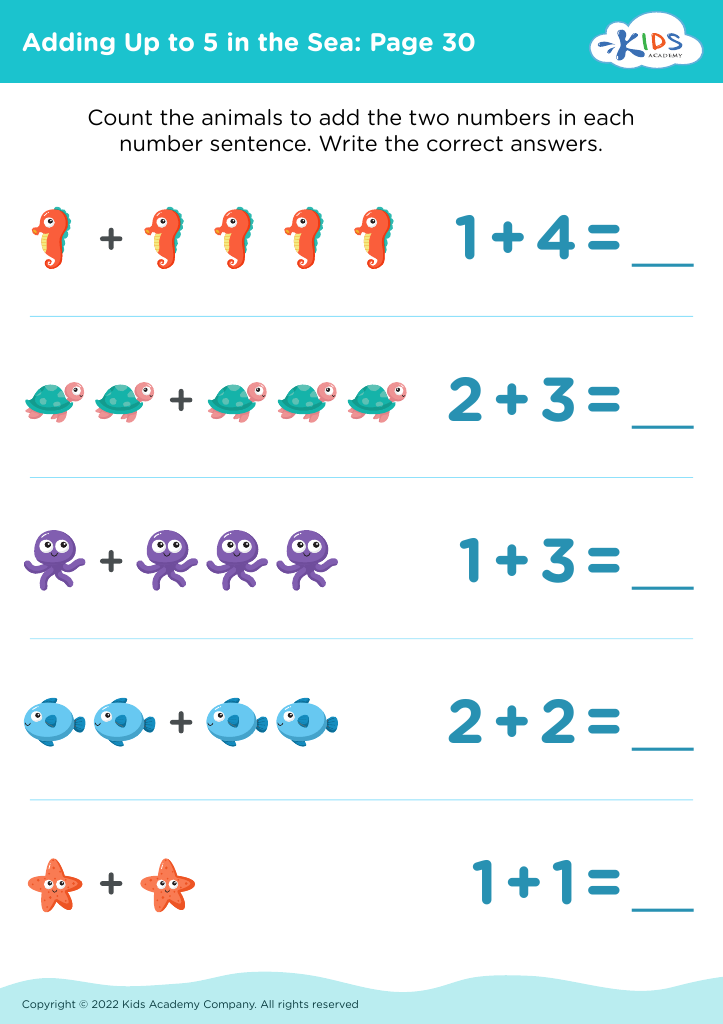
    Adding Up to 5 in the Sea: Page 30
    Adding Up to 5 in the Sea: Page 30
    Adding Up to 5 in the Sea: Page 30
    Worksheet
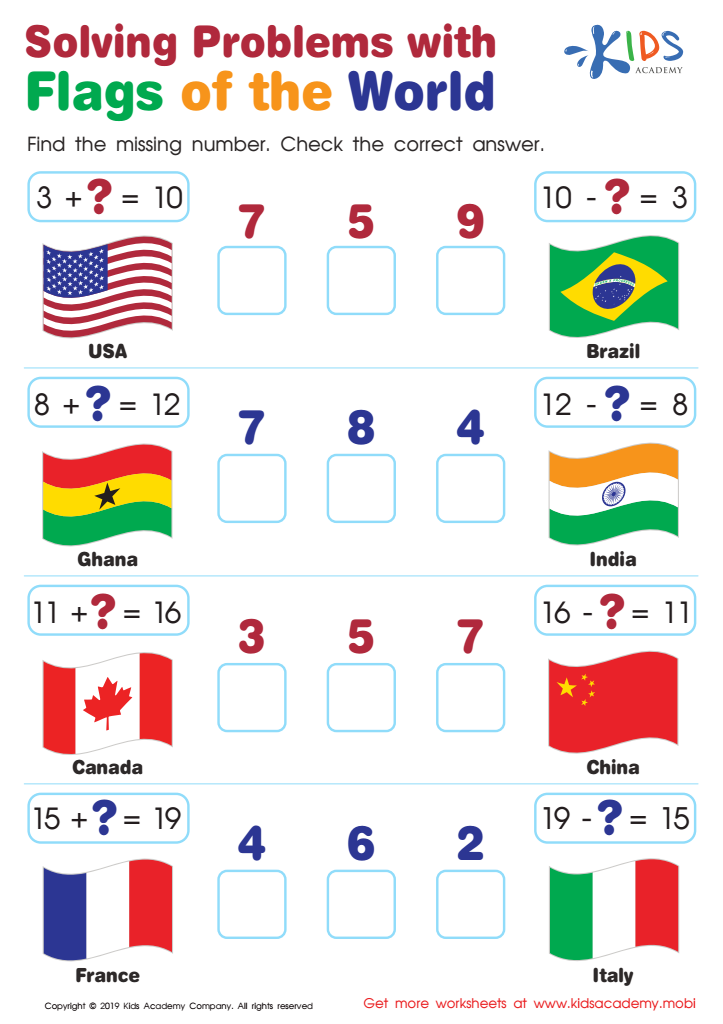
    Solving Problems with Flags of the World Worksheet
    Solving Problems with Flags of the World Worksheet
    Solving Problems with Flags of the World Worksheet
    Name some countries you know with your kids, then introduce their flags with this worksheet. Help them find the missing number in each addition problem, and then check the answer. It's a fun way to learn about different countries near and far.
    Solving Problems with Flags of the World Worksheet
    Worksheet
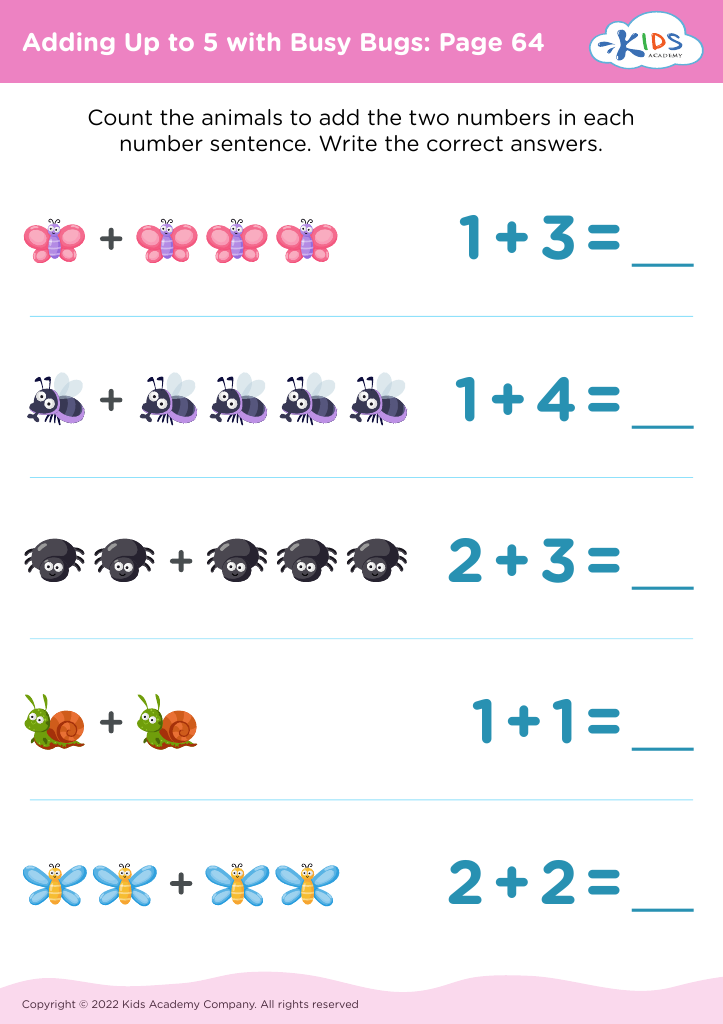
    Adding Up to 5 with Busy Bugs: Page 64
    Adding Up to 5 with Busy Bugs: Page 64
    Adding Up to 5 with Busy Bugs: Page 64
    Worksheet
    Adding Up to 5 at the Zoo: Page 60
    Adding Up to 5 at the Zoo: Page 60
    Adding Up to 5 at the Zoo: Page 60
    Worksheet
    Adding Up to 5 at the Zoo: Page 19
    Adding Up to 5 at the Zoo: Page 19
    Adding Up to 5 at the Zoo: Page 19
    Worksheet
    Adding up to 50 with Regrouping: Page 48
    Adding up to 50 with Regrouping: Page 48
    Adding up to 50 with Regrouping: Page 48
    Worksheet
    Adding Up to 5 in the Forest: Page 20
    Adding Up to 5 in the Forest: Page 20
    Adding Up to 5 in the Forest: Page 20
    Worksheet
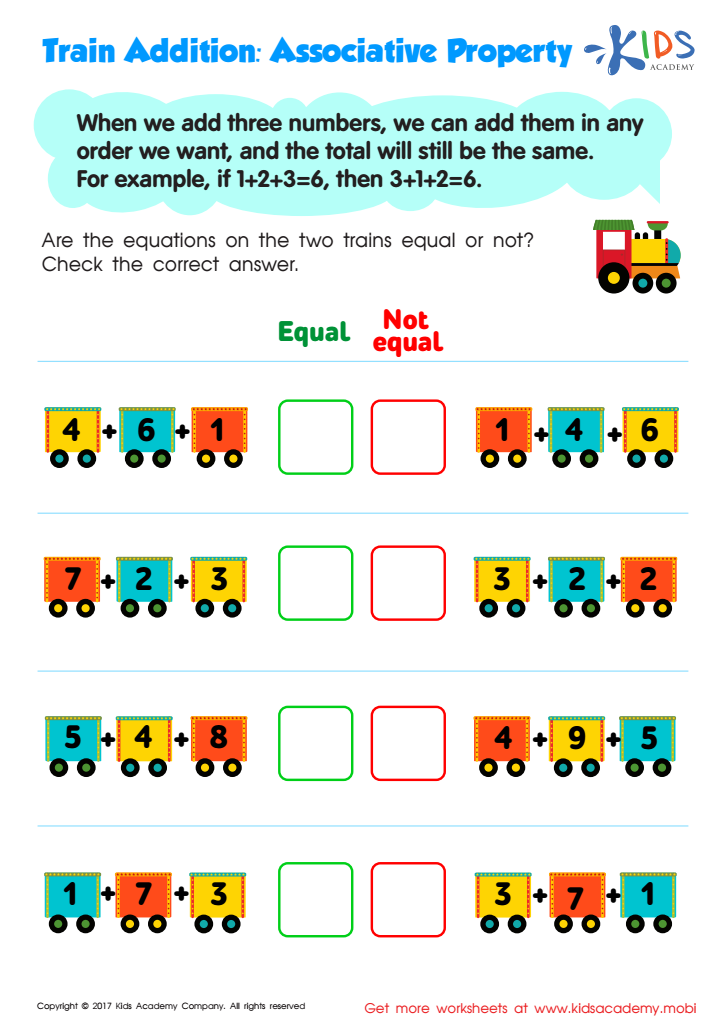
    Train Addition: Associative Property Worksheet
    Train Addition: Associative Property Worksheet
    Train Addition: Associative Property Worksheet
    The associative property of addition lets us add numbers in any order. Total will remain the same. Help kids practice this pre-algebra skill with a train-themed worksheet. It will help them understand if the equations are equal using this property.
    Train Addition: Associative Property Worksheet
    Worksheet
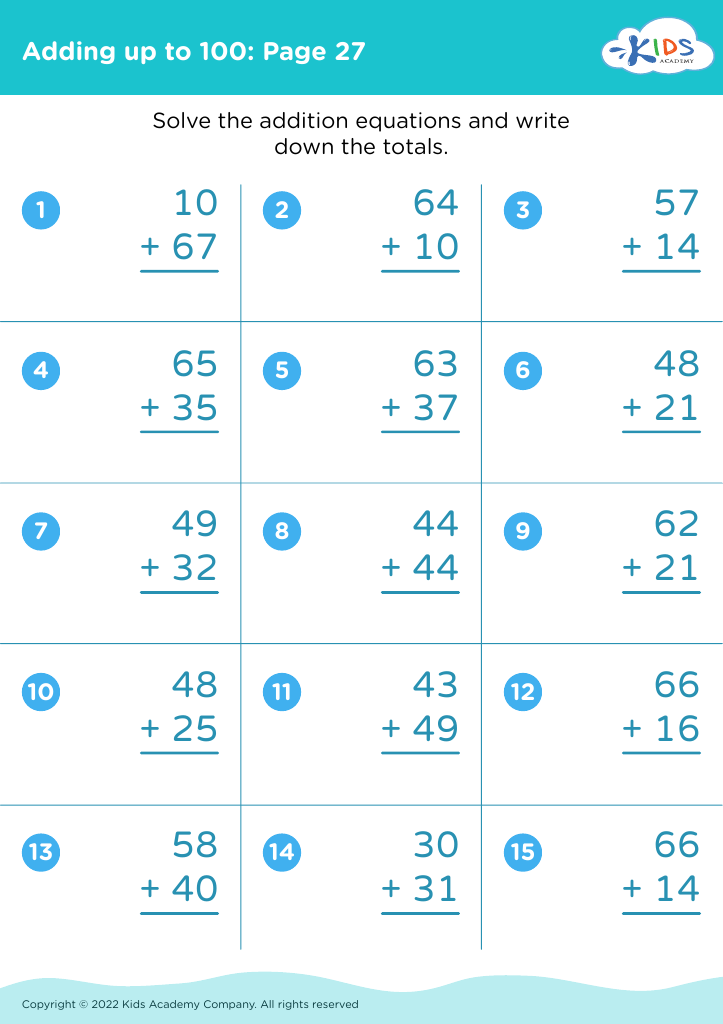
    Adding up to 100: Page 27
    Adding up to 100: Page 27

    Adding up to 100: Page 27

    Adding up to 100: Page 27
    Worksheet
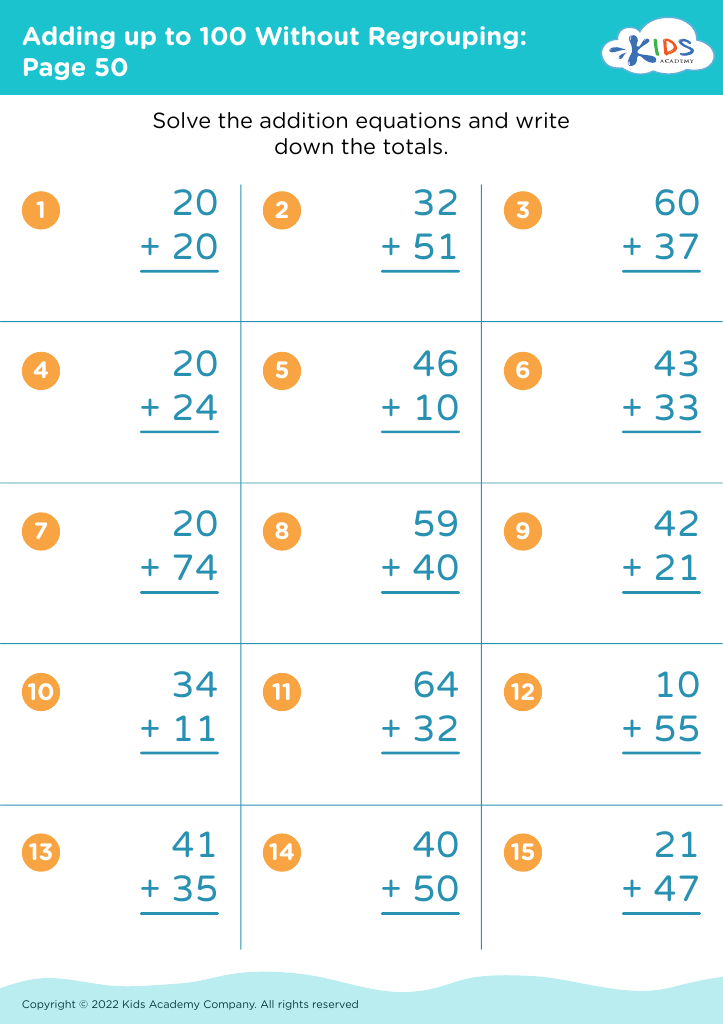
    Adding up to 100 Without Regrouping: Page 50
    Adding up to 100 Without Regrouping: Page 50
    Adding up to 100 Without Regrouping: Page 50
    Worksheet
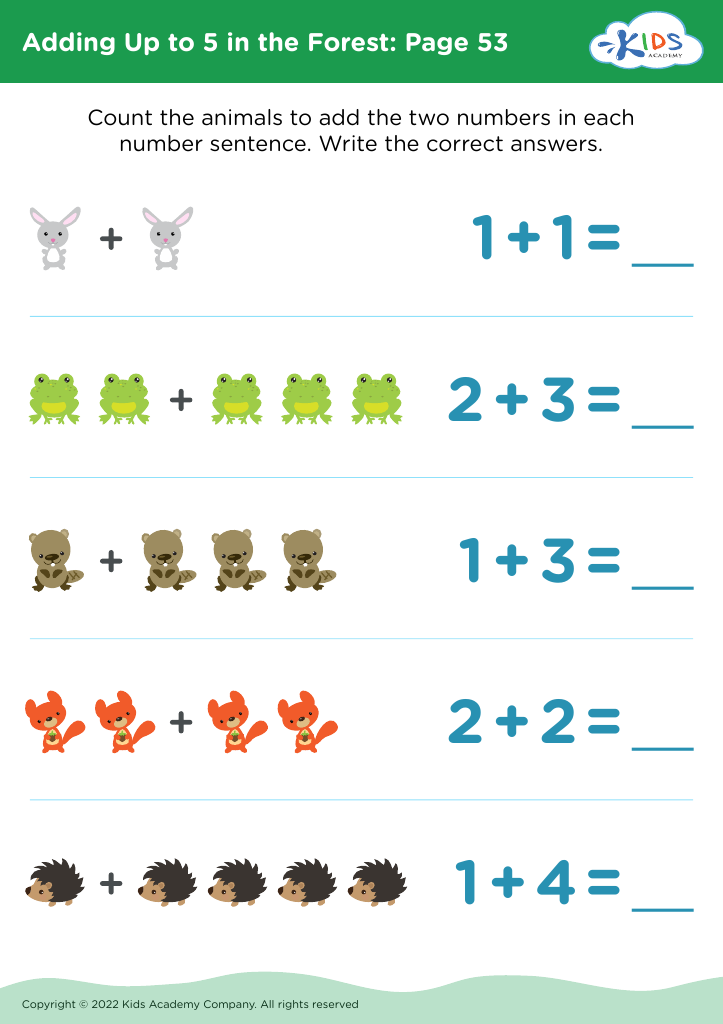
    Adding Up to 5 in the Forest: Page 53
    Adding Up to 5 in the Forest: Page 53
    Adding Up to 5 in the Forest: Page 53
    Worksheet
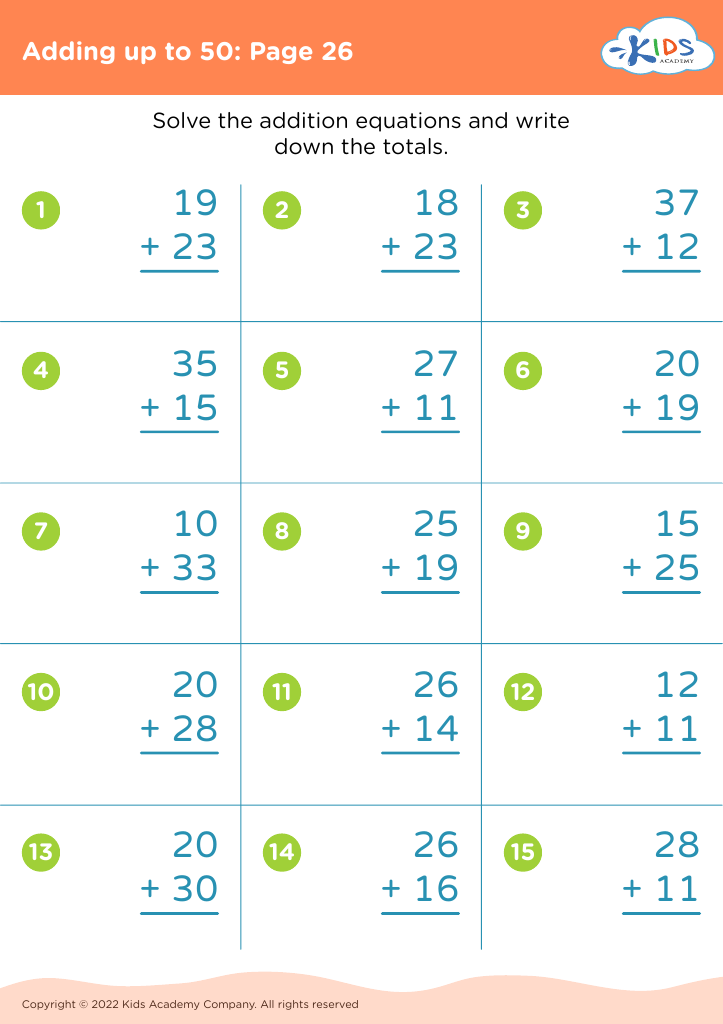
    Adding up to 50: Page 26
    Adding up to 50: Page 26

    Adding up to 50: Page 26

    Adding up to 50: Page 26
    Worksheet
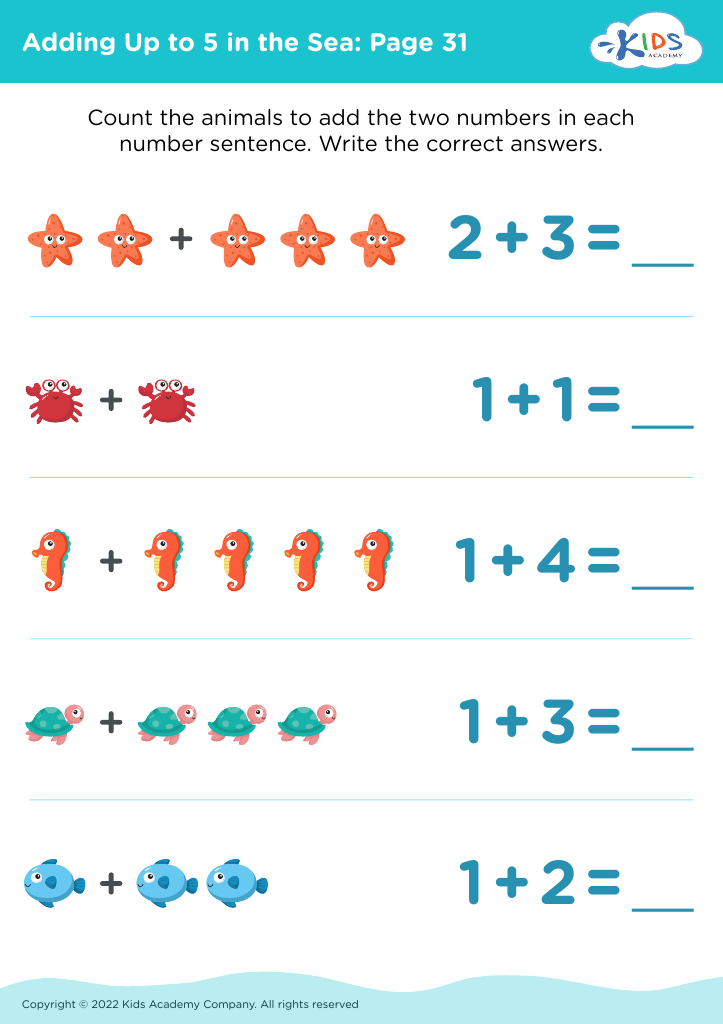
    Adding Up to 5 in the Sea: Page 31
    Adding Up to 5 in the Sea: Page 31
    Adding Up to 5 in the Sea: Page 31
    Worksheet
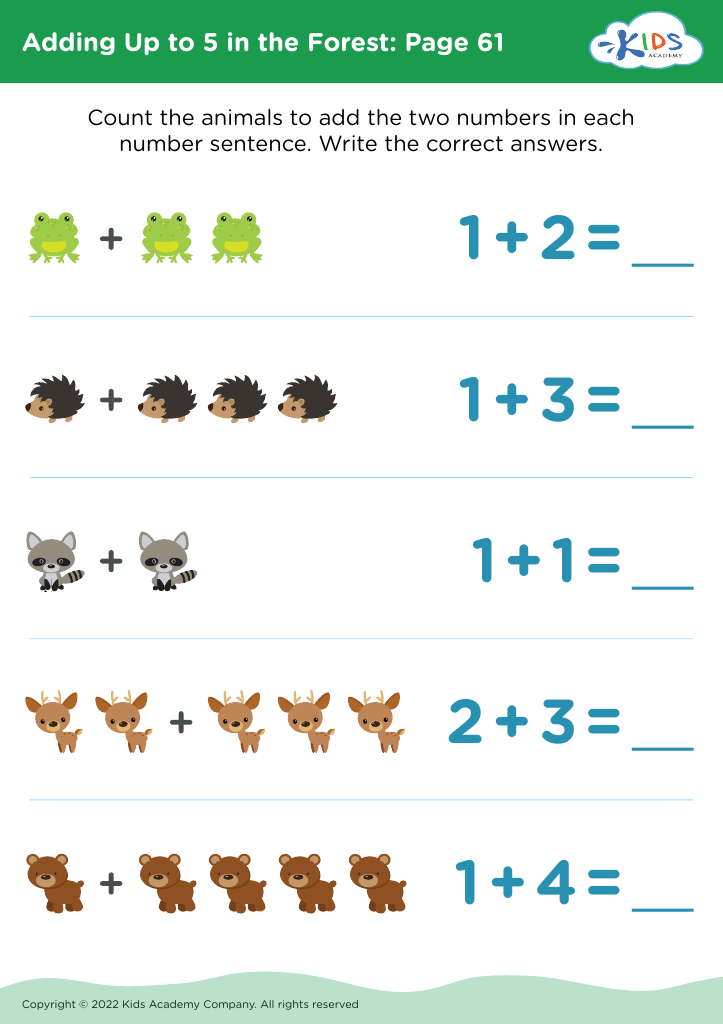
    Adding Up to 5 in the Forest: Page 61
    Adding Up to 5 in the Forest: Page 61
    Adding Up to 5 in the Forest: Page 61
    Worksheet
    Related addition and subtraction facts worksheets
    Related addition and subtraction facts worksheets

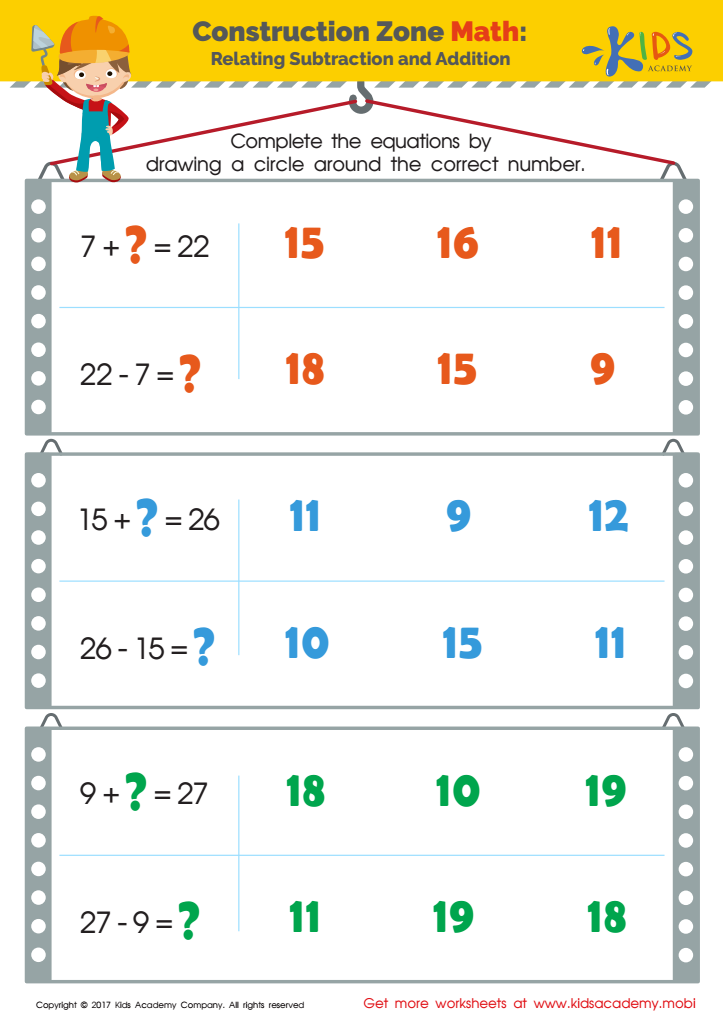
    Related Addition and Subtraction Facts Worksheet

    Help your child nurture their numeracy skills by introducing them to related addition and subtraction facts. Worksheets like this will give them a fun and easy way to learn how numbers work.
    Related Addition and Subtraction Facts Worksheet
    Worksheet
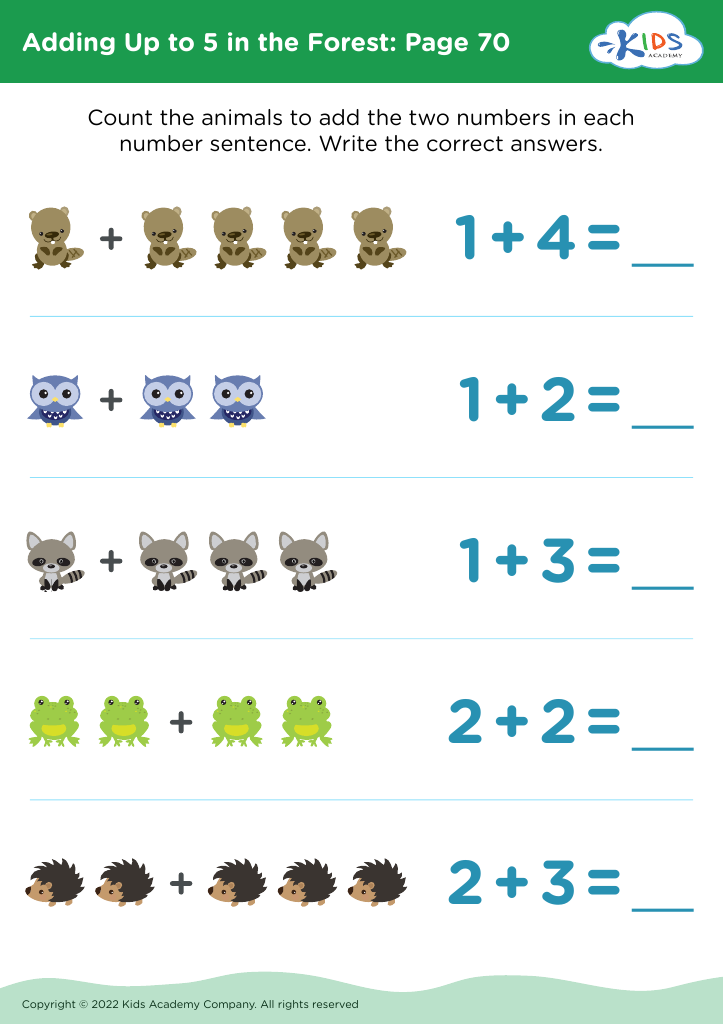
    Adding Up to 5 in the Forest: Page 70
    Adding Up to 5 in the Forest: Page 70
    Adding Up to 5 in the Forest: Page 70
    Worksheet
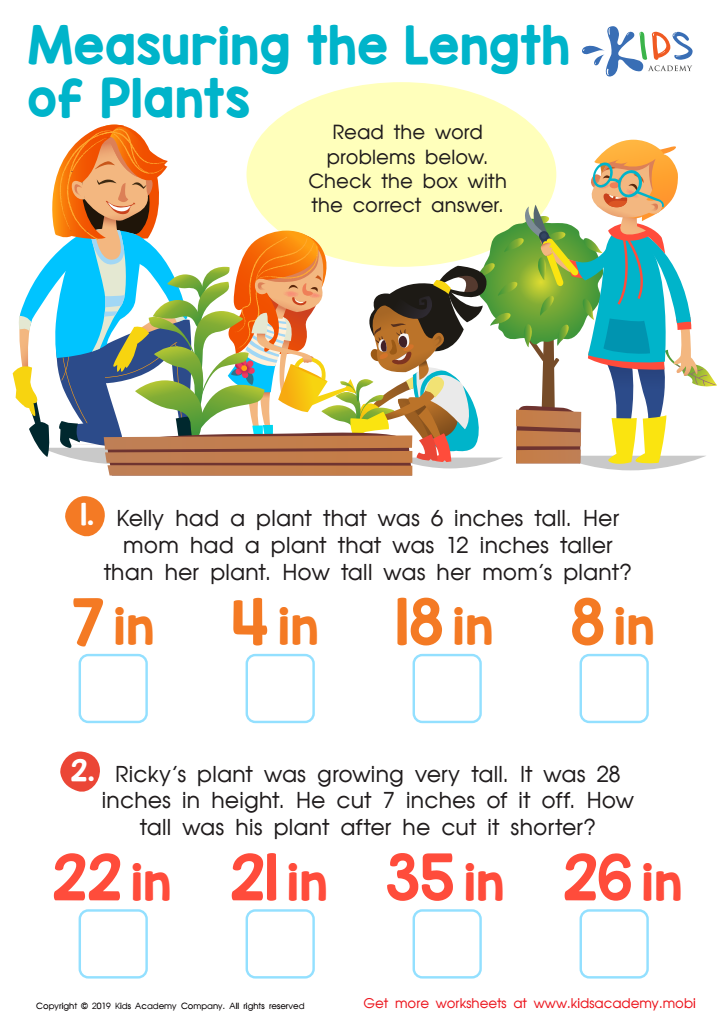
    Measuring the Length of Plants Worksheet
    Measuring the Length of Plants Worksheet

    Measuring the Length of Plants Worksheet

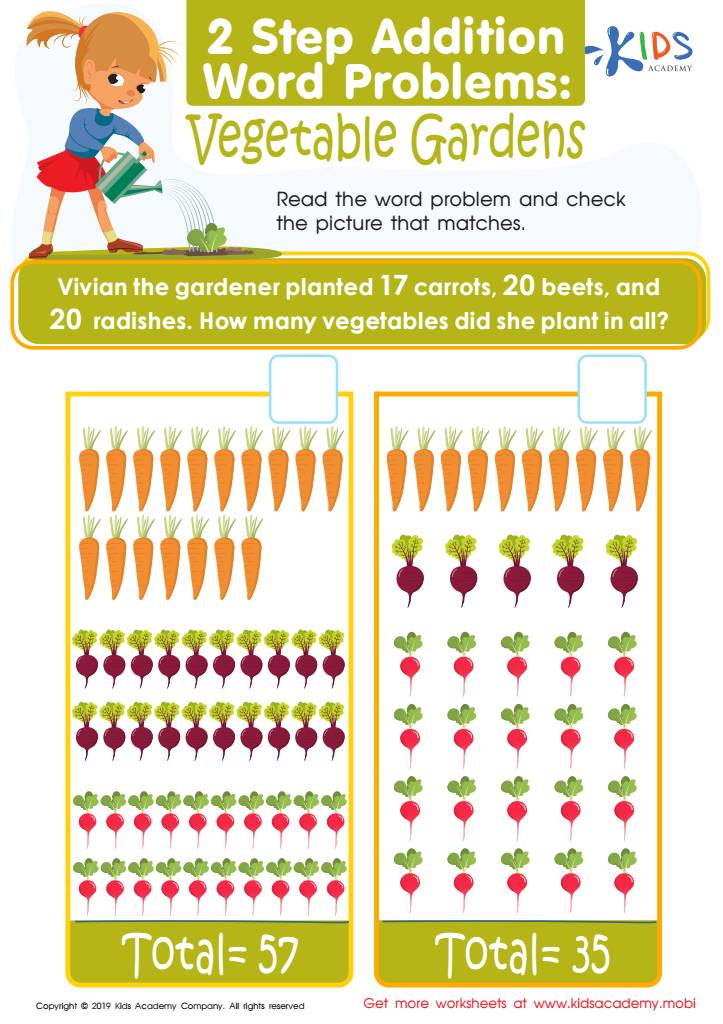
    Help your kids practice their math skills with this worksheet. Read the word problems in the picture and help them check the correct box. Word problems are equations written in sentence form, so they must be interpreted and understood to be solved correctly.
    Measuring the Length of Plants Worksheet
    Worksheet
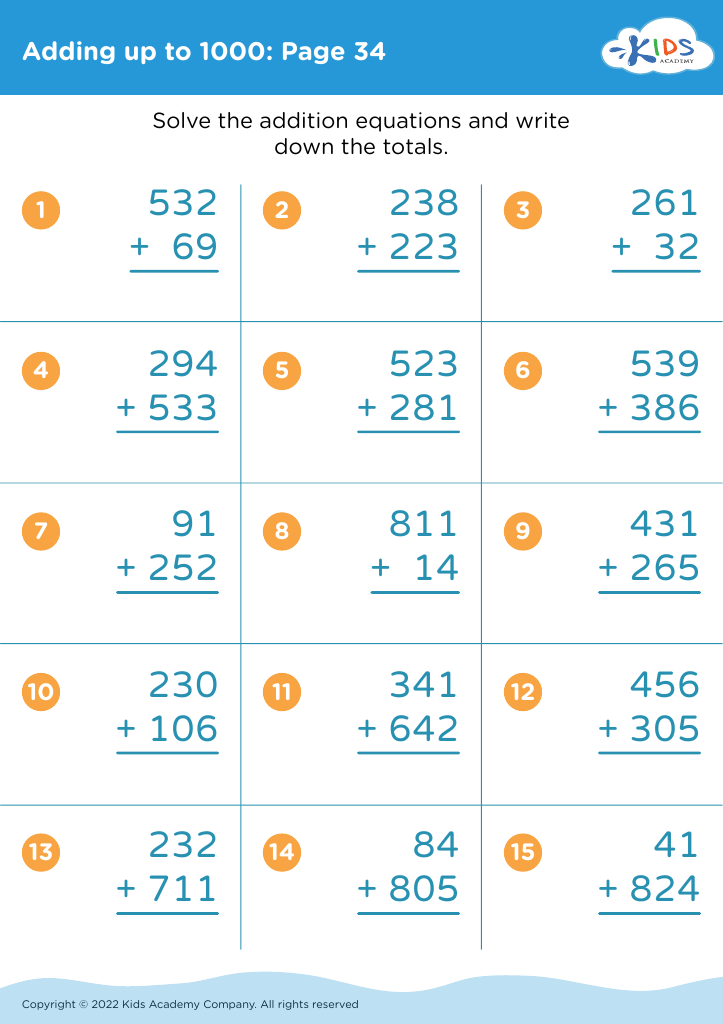
    Adding up to 1000 Without Regrouping: Page 30
    Adding up to 1000 Without Regrouping: Page 30
    Adding up to 1000 Without Regrouping: Page 30
    Worksheet
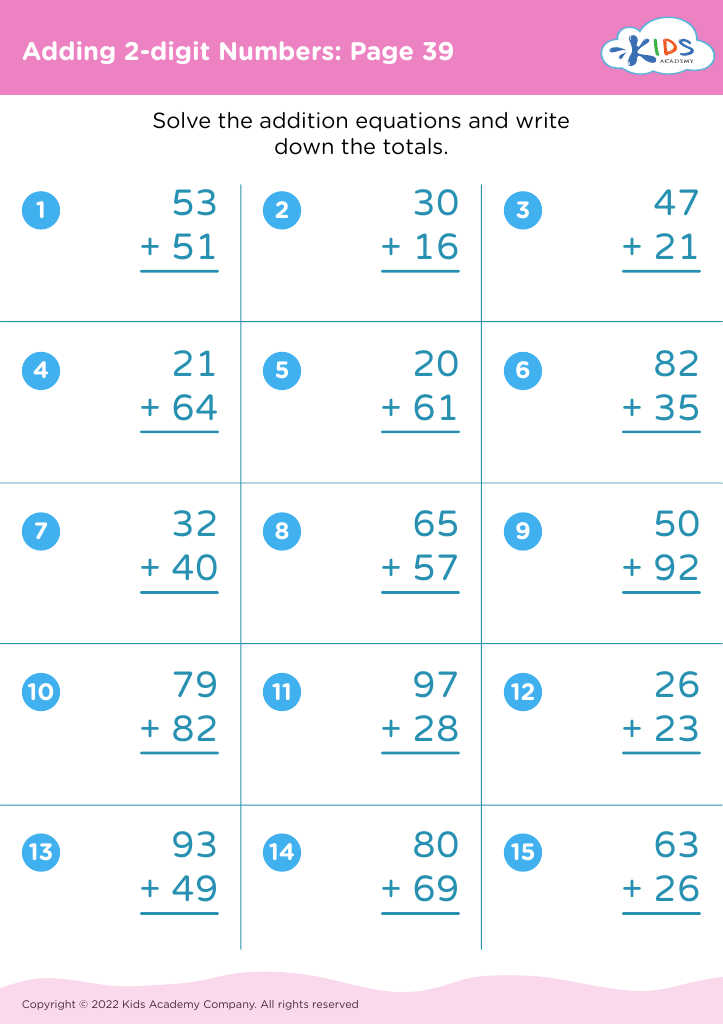
    Adding 2-digit Numbers: Page 39
    Adding 2-digit Numbers: Page 39

    Adding 2-digit Numbers: Page 39

    Adding 2-digit Numbers: Page 39
    Worksheet
    Adding Up to 5 with Busy Bugs: Page 55
    Adding Up to 5 with Busy Bugs: Page 55
    Adding Up to 5 with Busy Bugs: Page 55
    Worksheet


    Addition and subtraction serve as the foundational building blocks for mathematical understanding, making these skills pivotal for children ages 4-8. At this tender age, the brain is most receptive to learning new concepts, and mastering basic arithmetic sets the stage for more complex mathematical operations in later years, such as multiplication, division, and problem-solving strategies.

    When children develop proficiency in addition and subtraction, it bolsters their confidence in math, fostering a positive attitude towards the subject. This early success can be instrumental in mitigating math anxiety and encouraging a lifelong interest in quantitative subjects, important not just academically but also for real-world applications.

    Furthermore, these fundamental skills enhance cognitive development, including logical thinking, pattern recognition, and spatial awareness. Engaging with addition and subtraction exercises sharpens memory recall and improves attention to detail. Through fun, practical examples like counting objects, storytelling with numerical elements, or simple games, kids can grasp these concepts joyfully and effectively.

    Parents and teachers who prioritize these arithmetic basics actively contribute to a child’s overall intellectual growth and problem-solving ability. Supporting young learners in mastering addition and subtraction equips them with the tools they need to navigate everyday tasks and lays a solid groundwork for future academic achievement.