Problem-solving abilities Geometry Worksheets for Ages 4-8
5 filtered results
-
From - To
Discover our engaging Problem-Solving Abilities Geometry Worksheets designed specifically for children aged 4-8! These interactive resources are perfect for nurturing young minds as they explore fundamental geometric concepts using fun activities and problems. Each worksheet helps improve critical thinking and reasoning skills while making learning enjoyable. With vibrant visuals and age-appropriate challenges, kids will develop their understanding of shapes, patterns, and spatial reasoning through hands-on practice. Enhance your child's mathematical journey and watch them build confidence in problem solving with our thoughtfully crafted worksheets. Start exploring the world of geometry today with Kids Academy's creative learning tools!
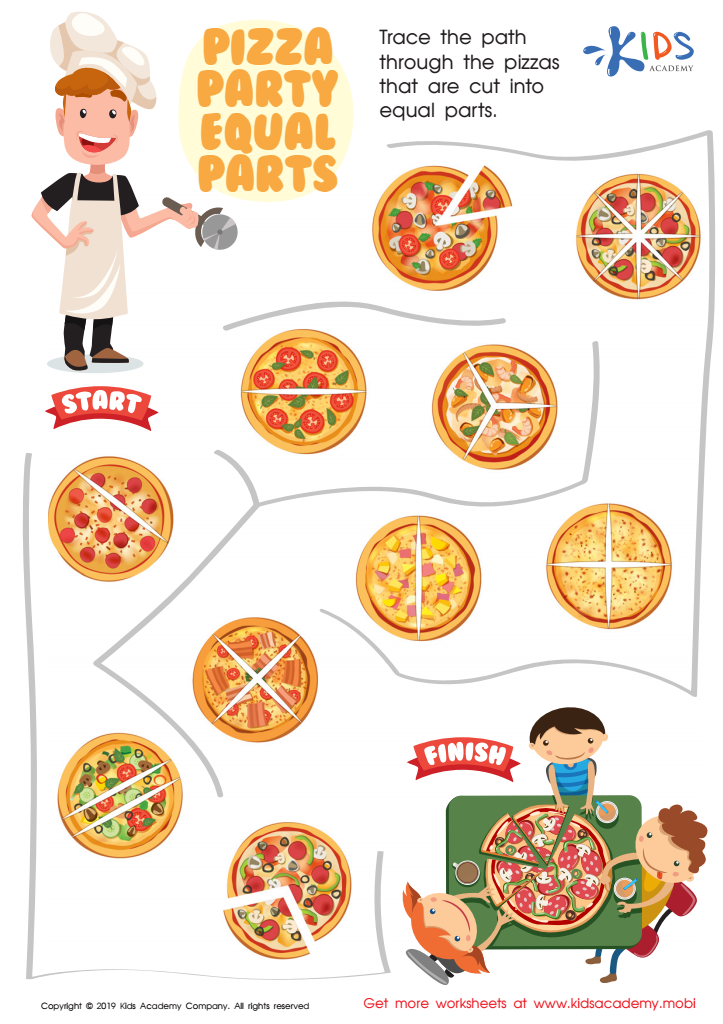
Pizza Party Equal Parts Worksheet
 Assign to My Students











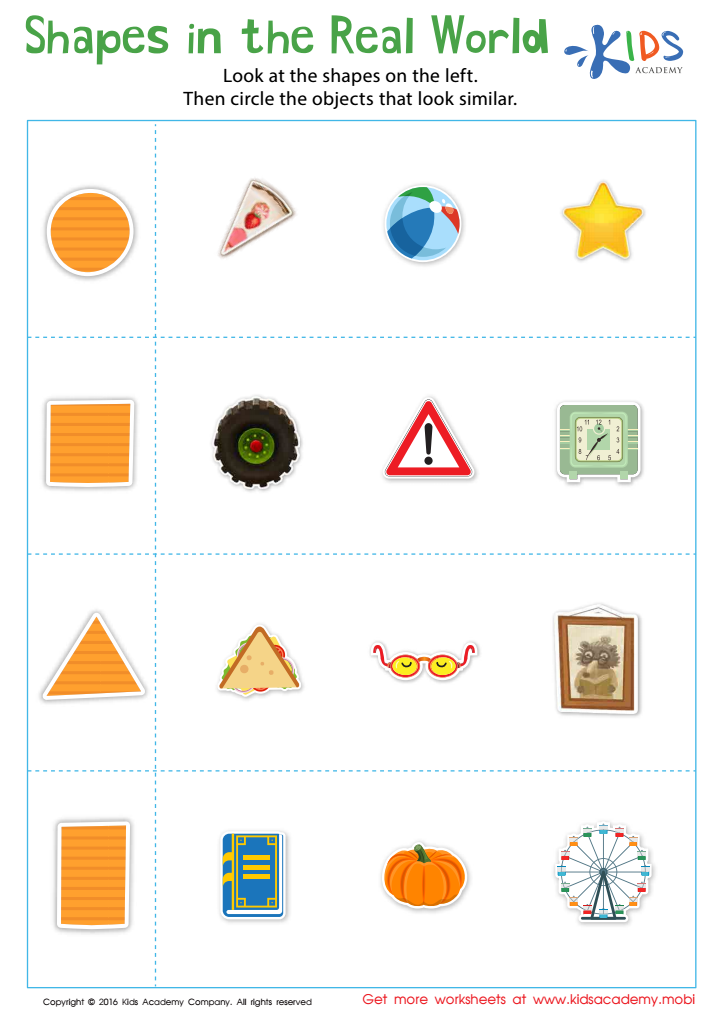
Shapes in the Real World Worksheet
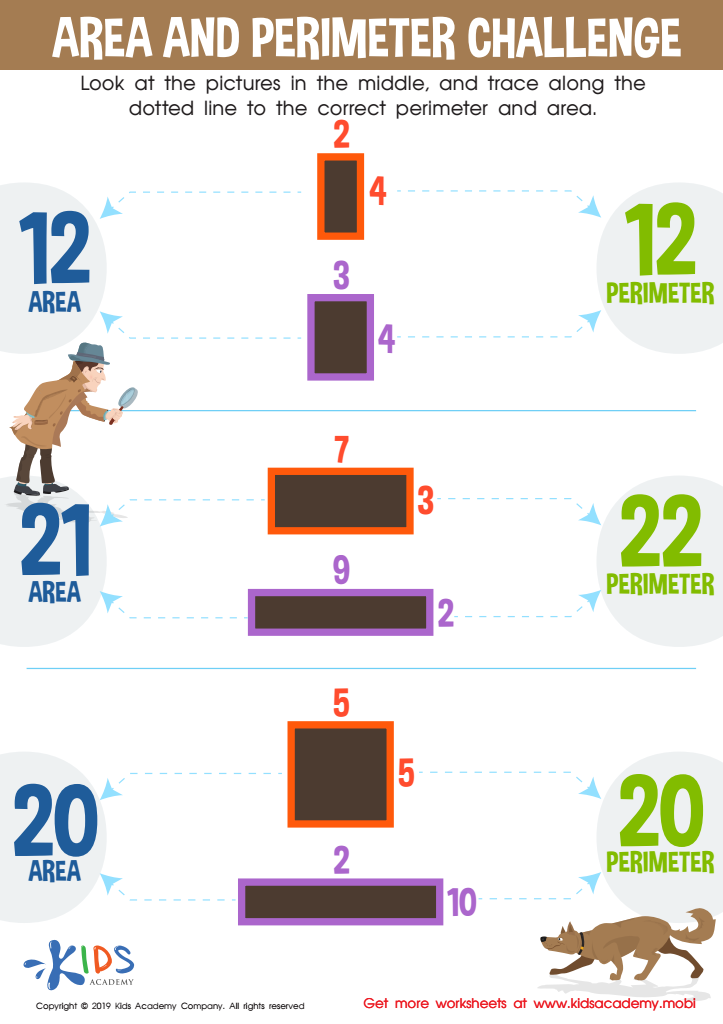
Area and Perimeter Challenge Worksheet
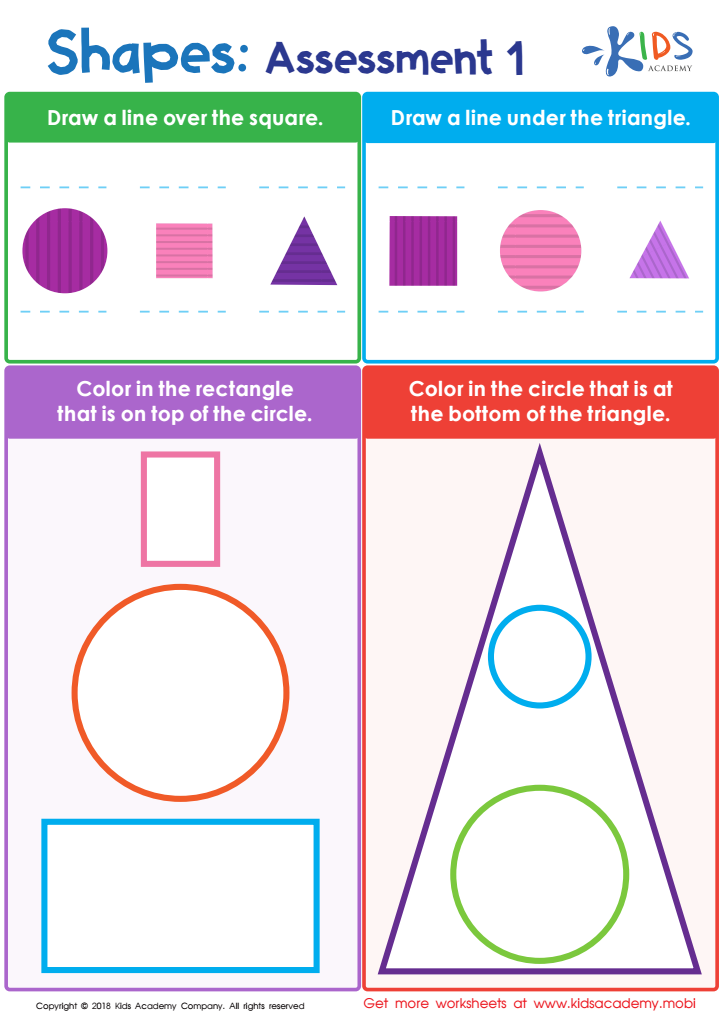
Shapes: Assessment 1 Worksheet
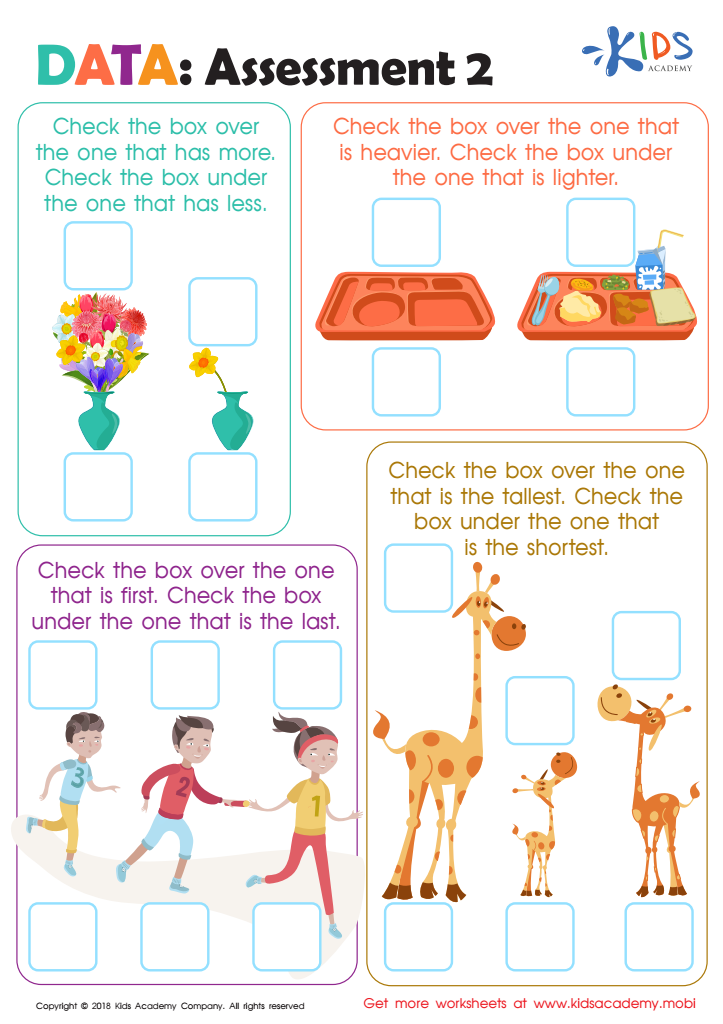
Data: Assessment 2 Worksheet








Parents and teachers should prioritize fostering problem-solving abilities in geometry for children ages 4-8, as these skills lay the foundation for critical thinking and cognitive development. Understanding geometry not only enhances children's spatial awareness but also enables them to visualize and manipulate shapes, fostering creativity and innovation.
At this age, children are naturally curious and eager to explore. Engaging them in geometry through problem-solving nurtures their inquisitive nature, encouraging them to ask questions and seek answers. Activities such as identifying shapes in their environment, sorting objects by attributes, or solving simple puzzles motivate children to think logically and critically.
Moreover, early exposure to geometric concepts supports later success in math and science, disciplines heavily reliant on spatial reasoning. As students tackle geometry at higher levels, solid problem-solving skills allow them to grasp complex ideas more effectively.
Additionally, fostering a problem-solving mindset in geometry promotes perseverance and resilience. Children learn to approach challenges with confidence, understanding that failure is a part of the learning process. In conclusion, enhancing geometric problem-solving abilities in young children equips them with essential life skills, setting the stage for lifelong learning and personal growth.








