Map reading skills Numbers Worksheets for Ages 4-8
3 filtered results
-
From - To
Enhance your child's spatial intelligence with our curated "Map Reading Skills Numbers Worksheets" for ages 4-8. These engaging activities encourage young learners to recognize numbers while developing essential map-reading abilities. Perfect for early grade students, our worksheets blend fun with education through creative map-based exercises that teach kids to identify locations, follow paths, and count landmarks. Ideal for home or classroom use, these worksheets provide a solid foundation in key numeracy and geographical concepts, fostering confidence and curiosity in young adventurers. Support your child's early learning journey with our expertly designed resources. Start exploring today on Kids Academy!
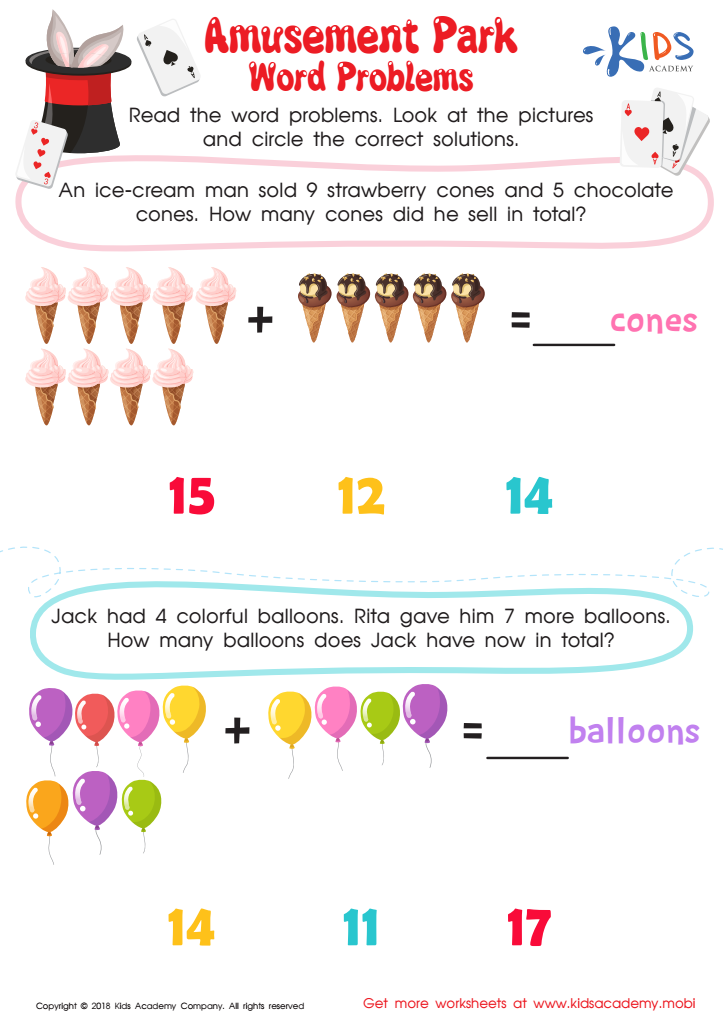
Amusement Park Word Problems Worksheet
 Assign to My Students
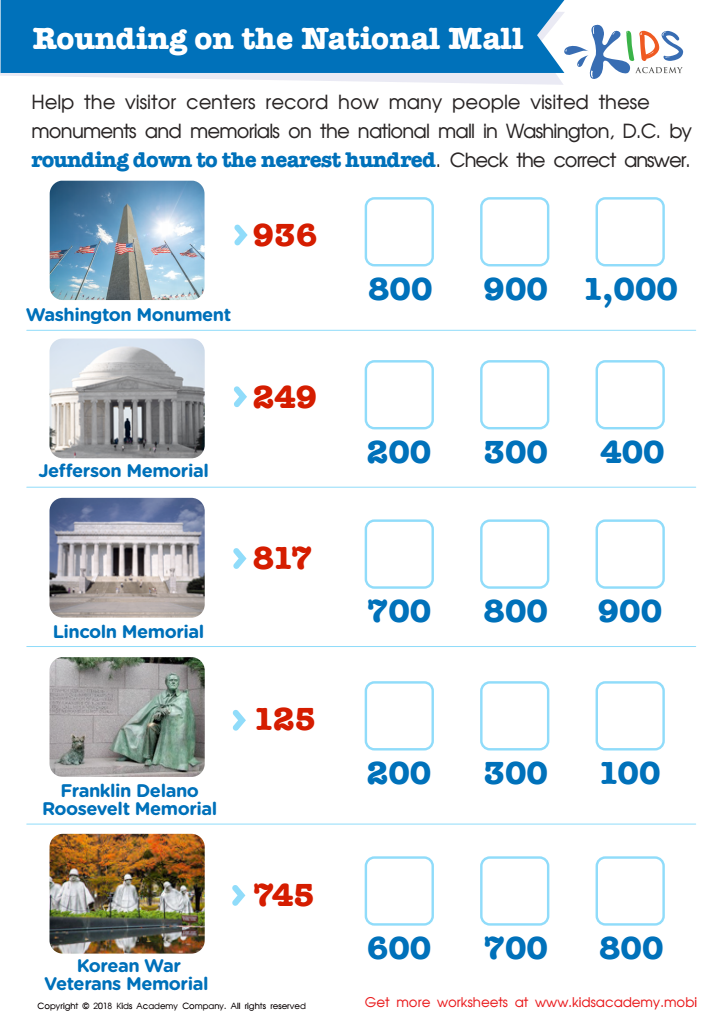
Rounding on the National Mall Worksheet
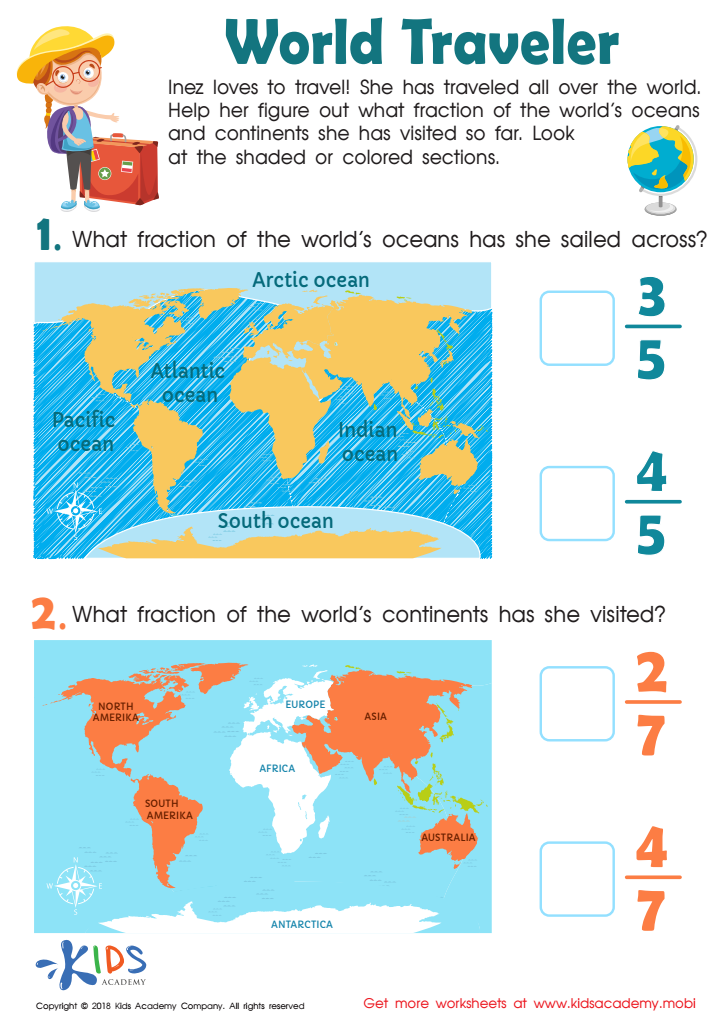
World Traveler Worksheet


%20(1).jpg)





Map reading and numerical literacy are crucial skills that lay the groundwork for a multitude of cognitive and practical abilities in children aged 4-8. From a cognitive development perspective, engaging young learners with maps and numbers enhances spatial awareness and problem-solving skills. Understanding how to navigate a map fosters an ability to visualize and manipulate spaces mentally, which is essential for subjects like geometry and even everyday tasks like organizing their room.
Numerical literacy is equally foundational, affecting not just future math performance but also logical thinking and decision-making abilities. Kids who are comfortable with numbers can better understand patterns and relationships, which are critical in both academic contexts and real-life situations such as time management and financial literacy.
Holistically, integrating map reading with numerical concepts contributes to a child's ability to contextualize information and make sense of the world around them. It also encourages a sense of exploration and curiosity. Practical applications are abundant—reading a map during a family hike or using simple coordinates can make international geography relatable and exciting.
By prioritizing these skills, parents and educators invest in the well-rounded development of their children, equipping them with the tools to navigate a diverse and information-rich world successfully. Ultimately, these foundational skills foster independence, confidence, and a lifelong love of learning.








