Matching skills Math Worksheets for Ages 4-8
24 filtered results
-
From - To
Our "Matching Skills Math Worksheets for Ages 4-8" are designed to make early math learning fun and engaging. These printables help children practice essential skills like pattern recognition, shape sorting, number pairing, and object matching, laying a solid foundation for mathematical thinking. Perfect for preschool through early elementary, each worksheet is crafted to enhance cognitive abilities and fine motor skills through interactive activities. Whether used at home or in the classroom, our worksheets provide an enjoyable way for young learners to advance their matching skills while sparking their curiosity and love for math.
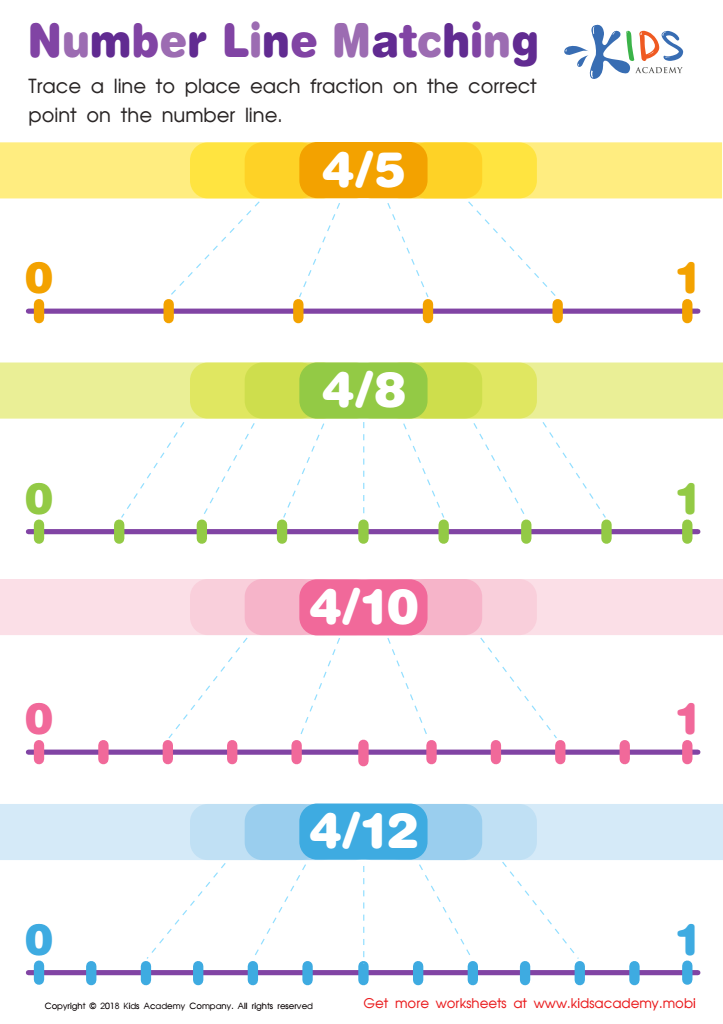
Number Line Matching Worksheet
 Assign to My Students
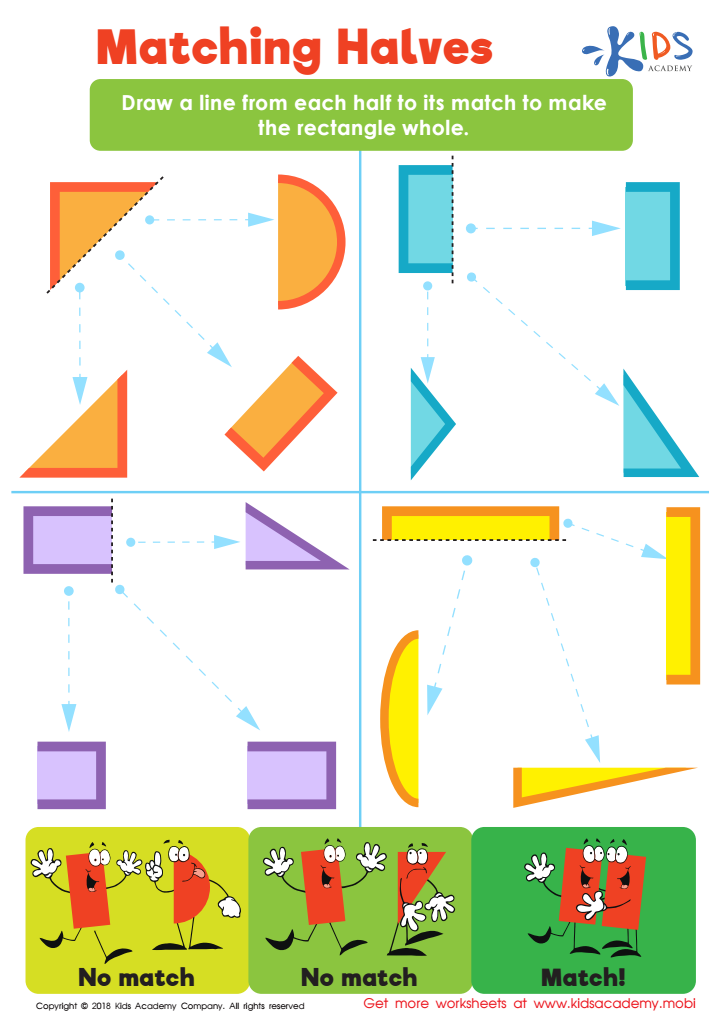
Matching Halves Worksheet
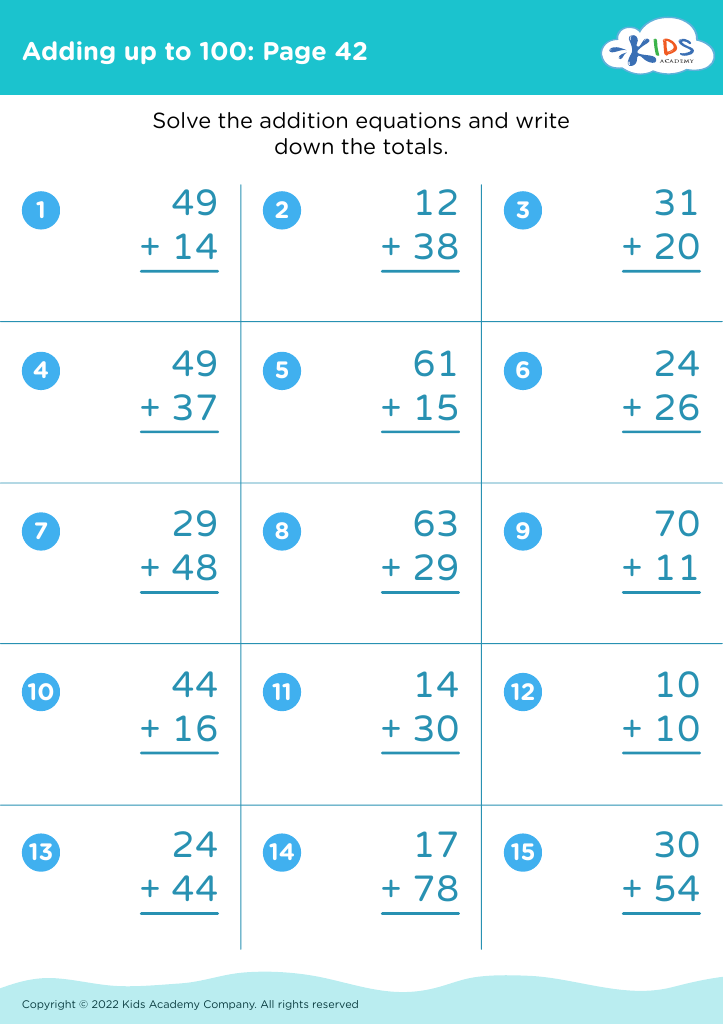
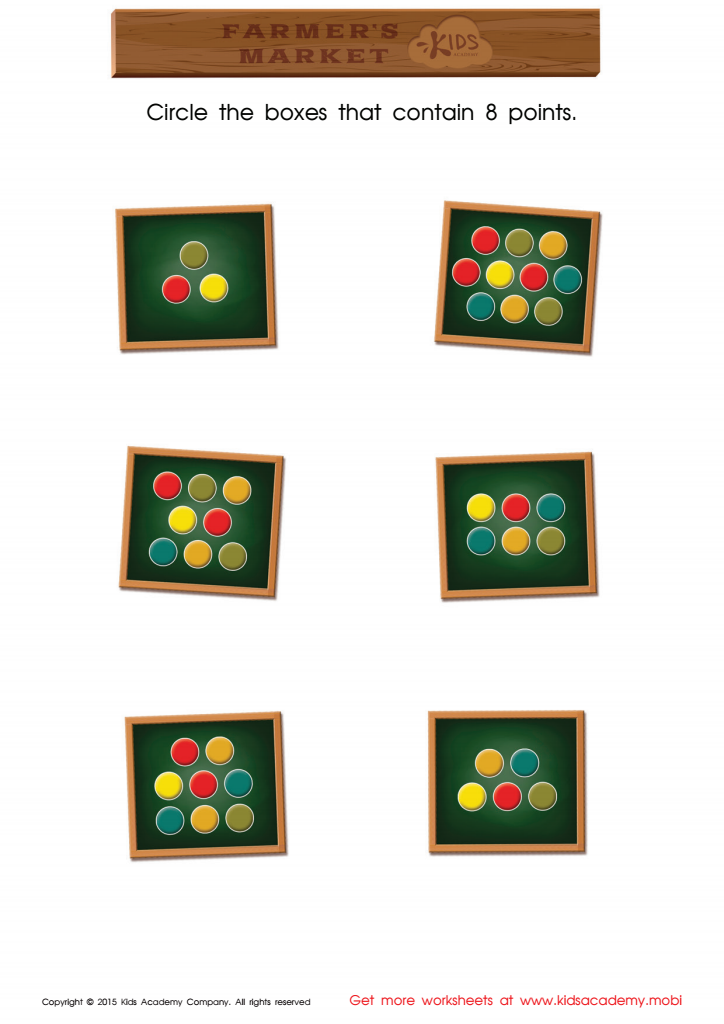
Count and Match Points 8 Math Worksheet
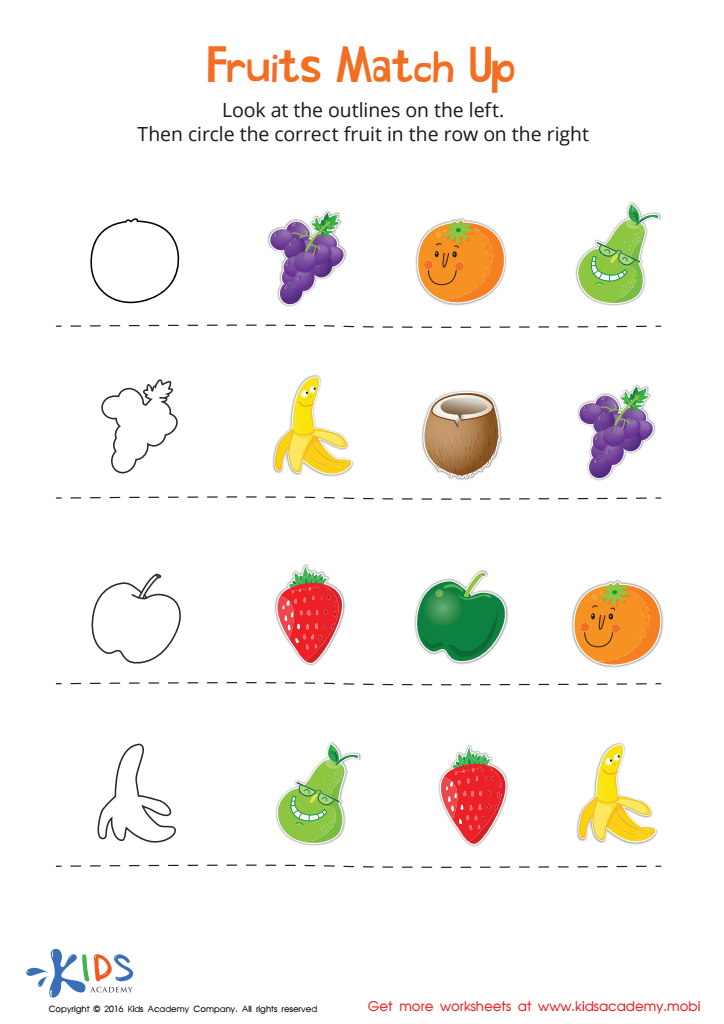
Fruits Match Up Worksheet
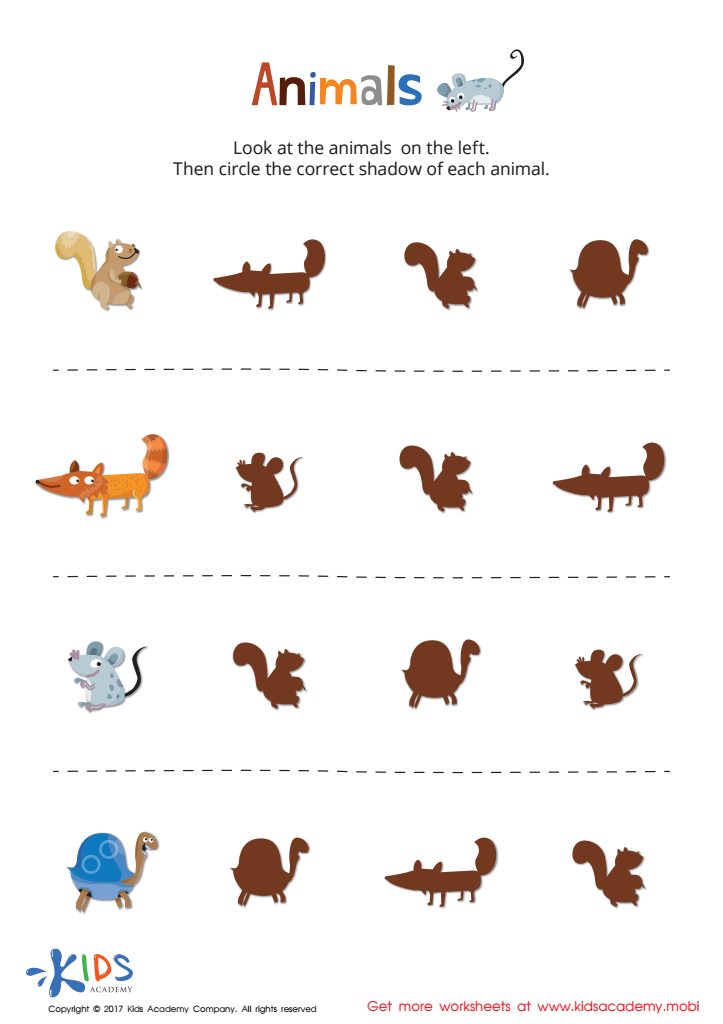
Animal Shadows Sorting Worksheet
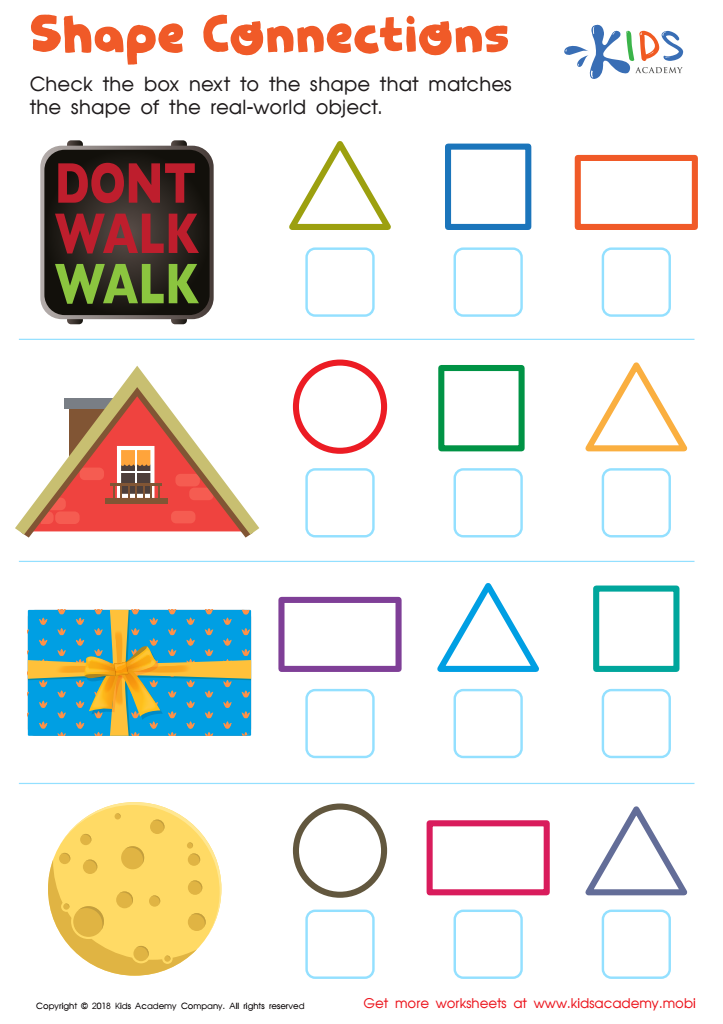
Shape Connections Worksheet
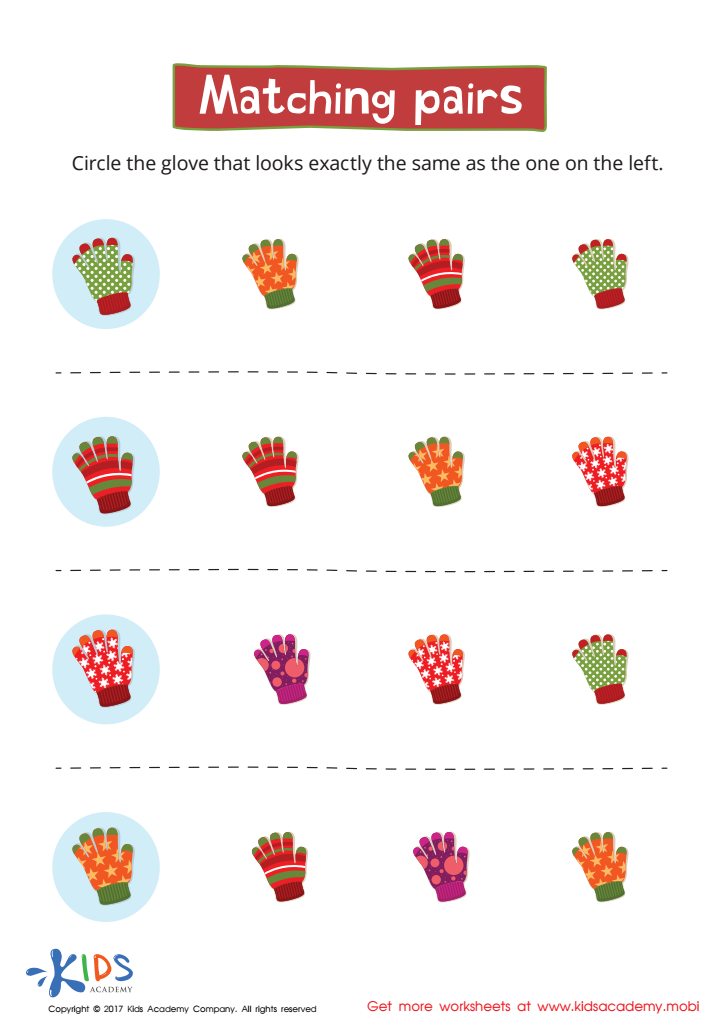
Matching: Matching Pairs Worksheet
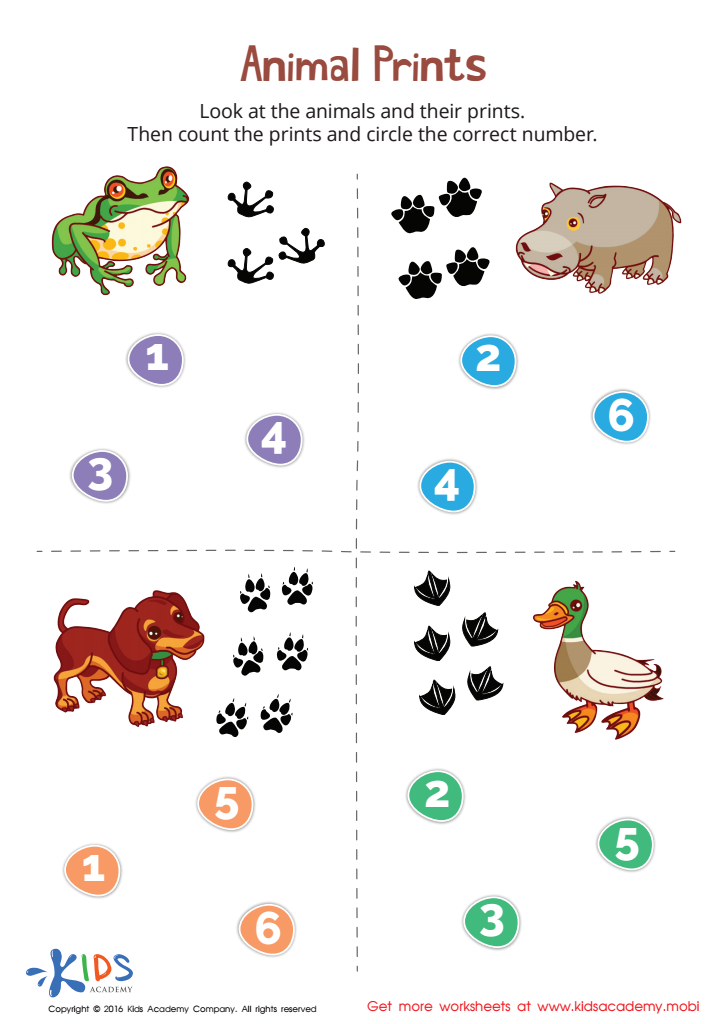
Animal Prints Match-Up Worksheet
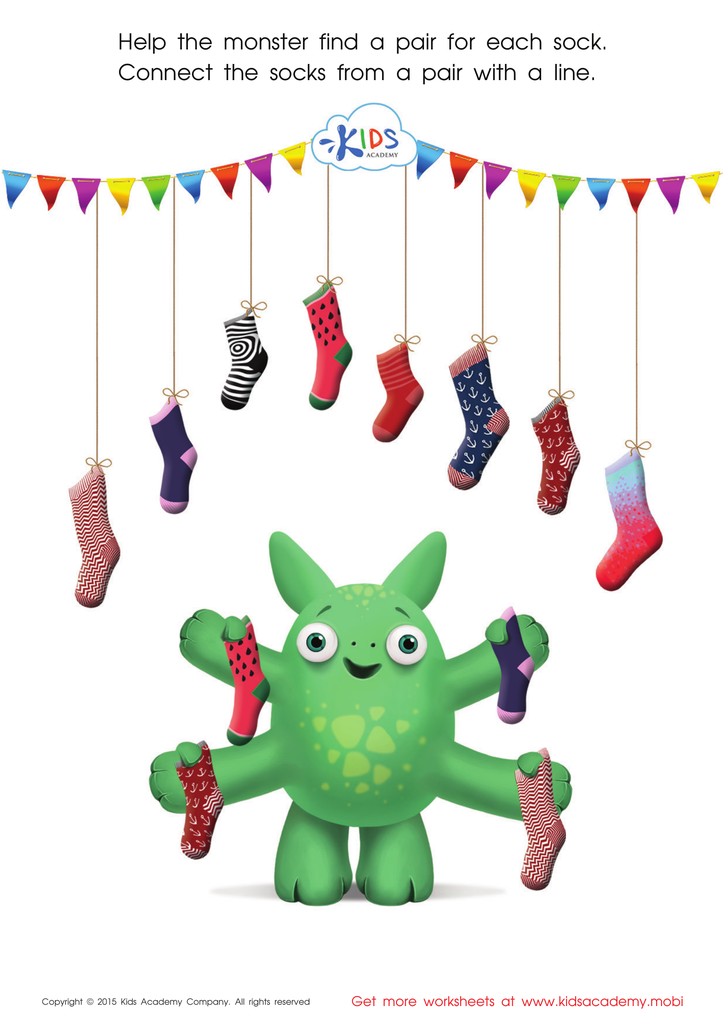
Math Matching Game: Monsterв's Socks Worksheet
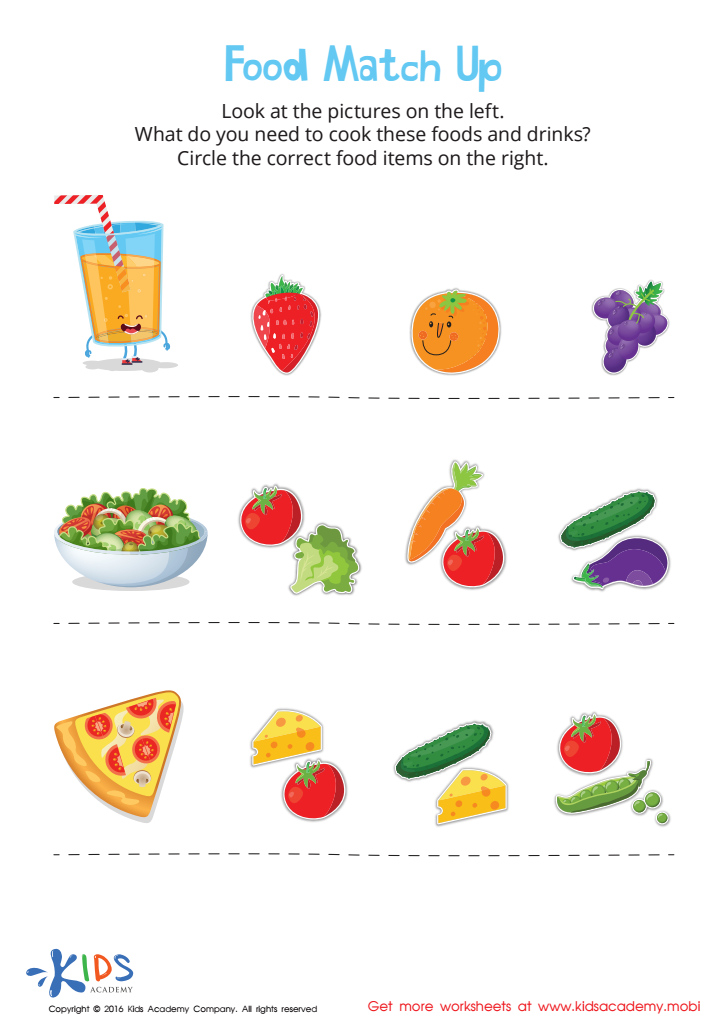
Food Match Up Worksheet
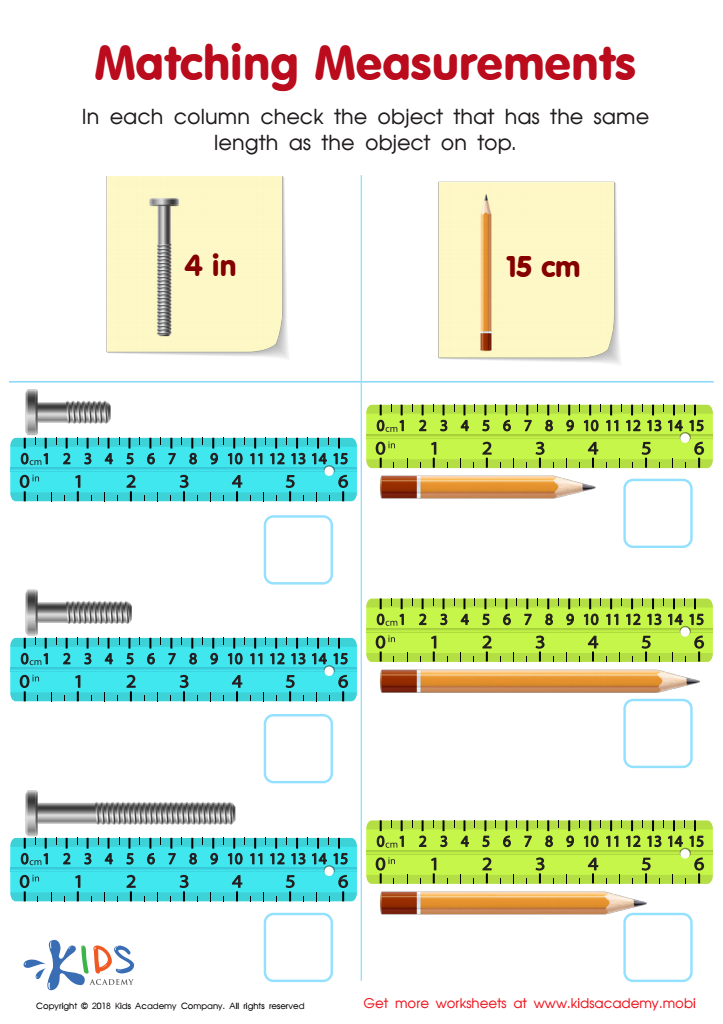
Matching Measurements Worksheet
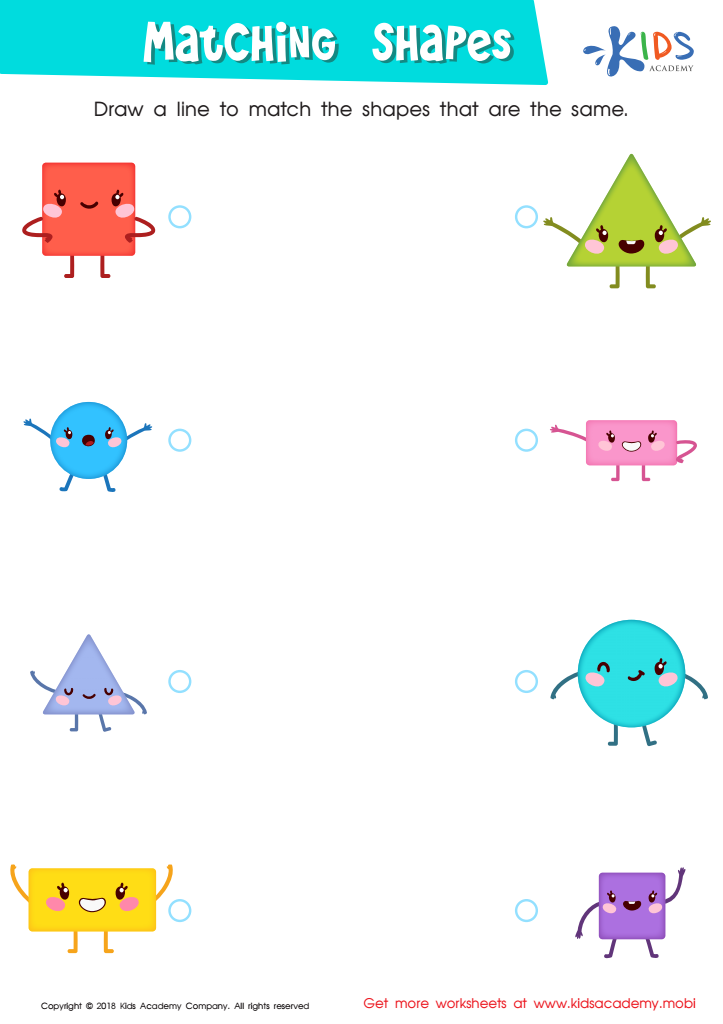
Matching Shapes Worksheet
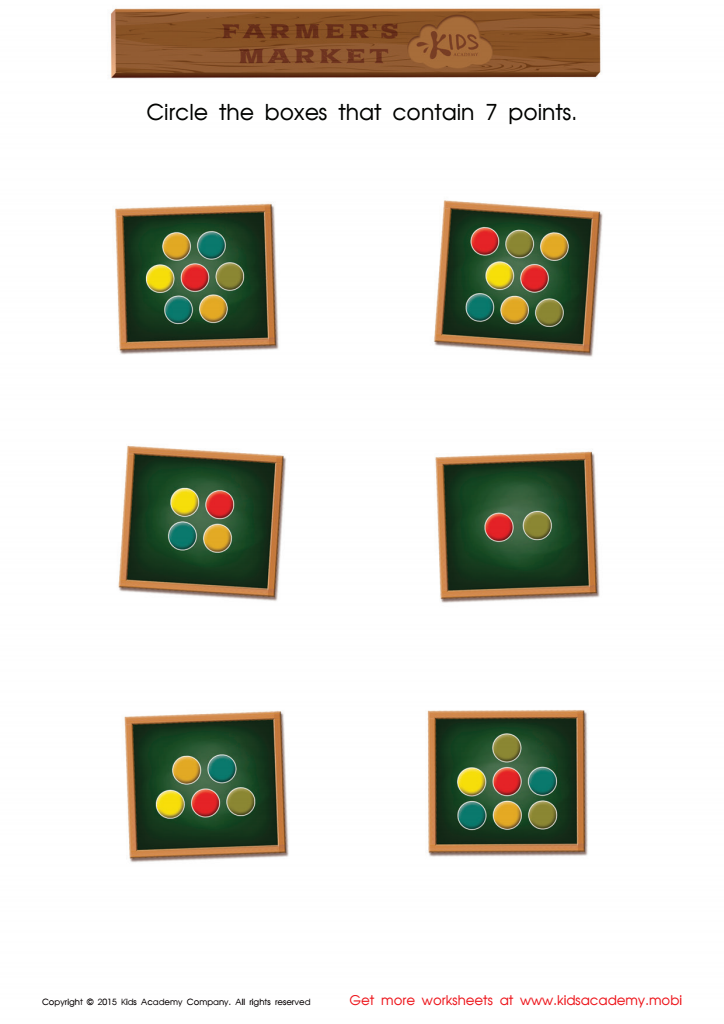
Count and Match Points 7 Math Worksheet
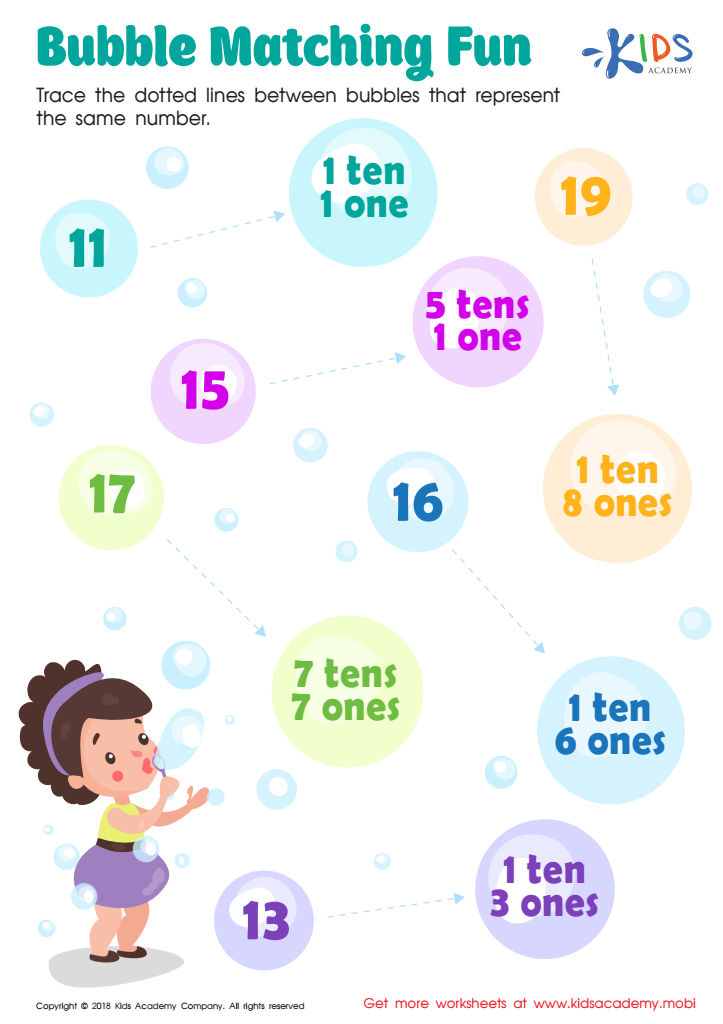
Bubble Matching Fun Worksheet
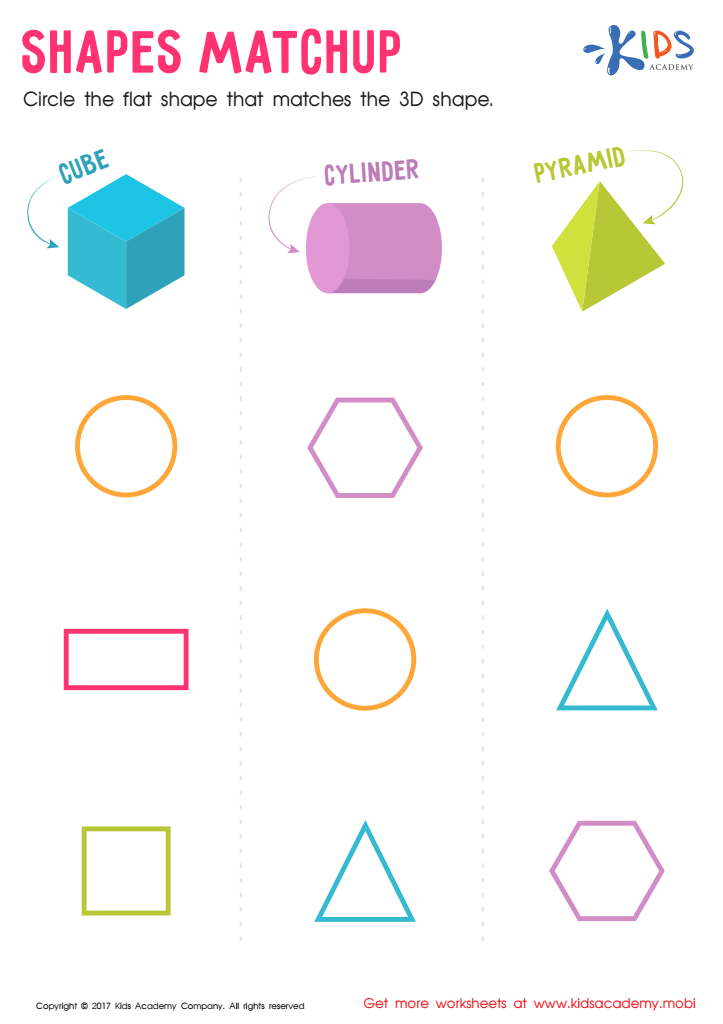
Shapes Matchup Worksheet
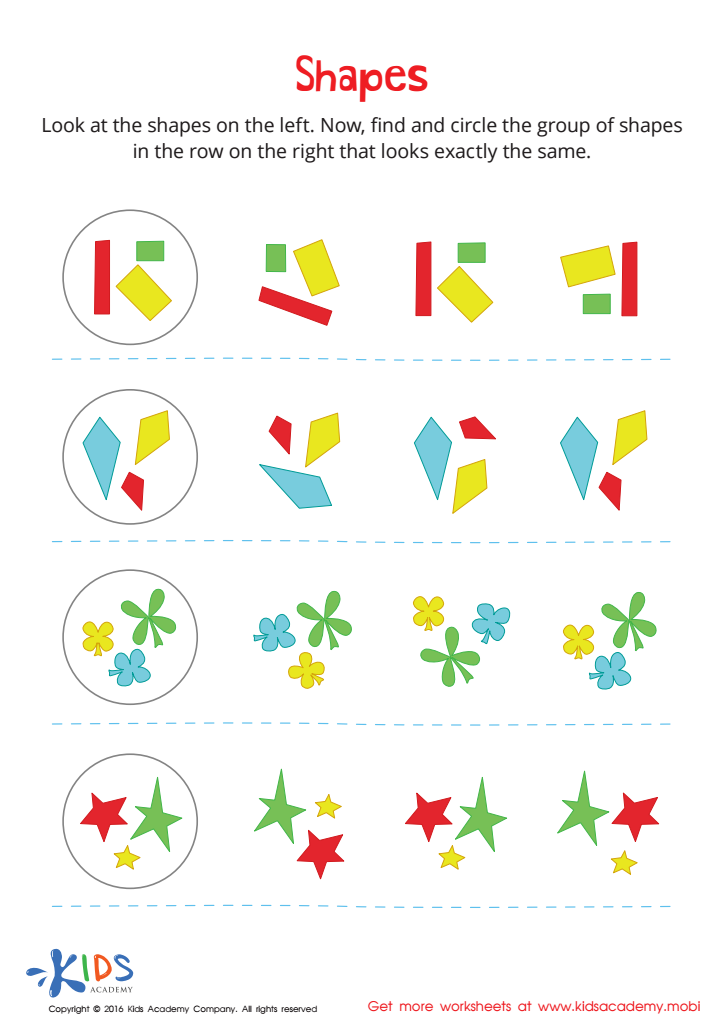
Shapes Worksheet
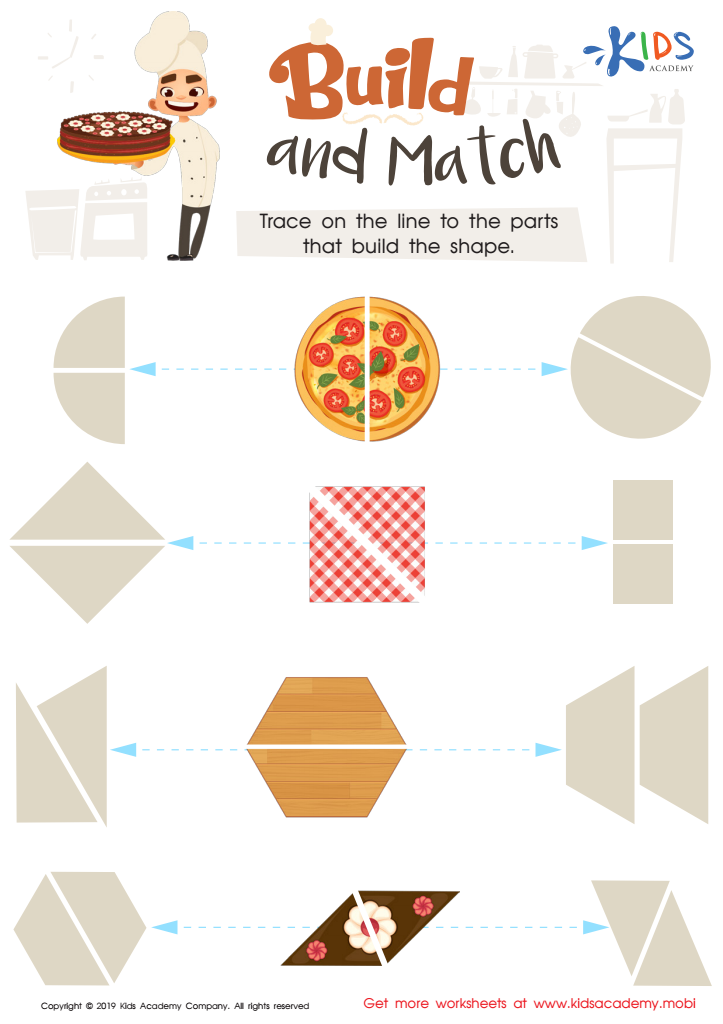
Build and Match Worksheet
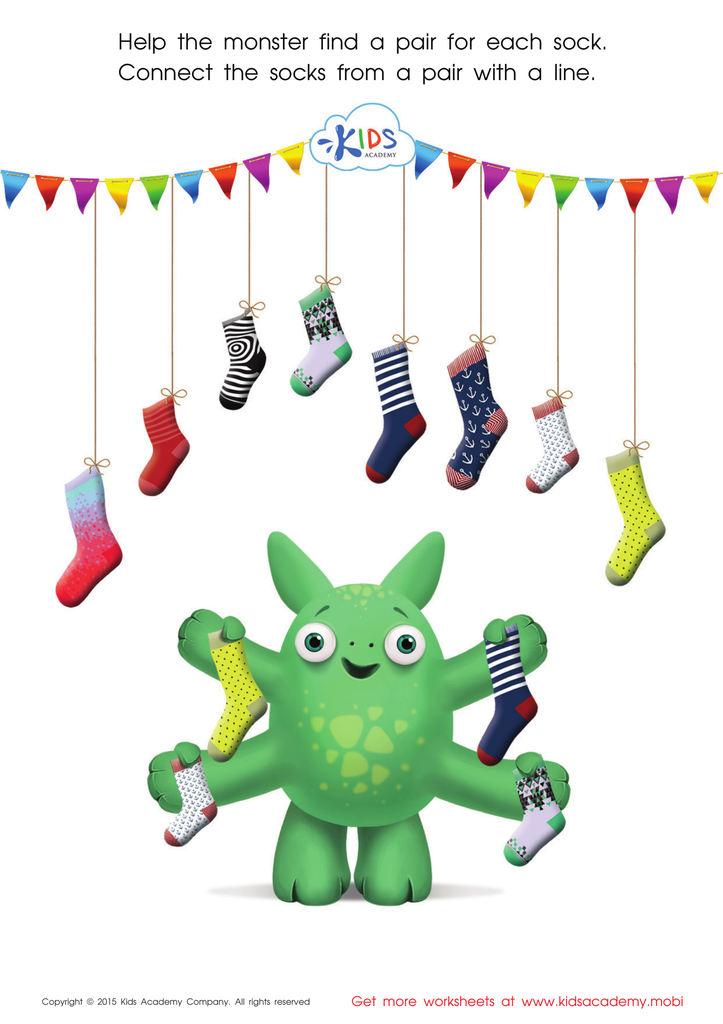
Math Matching Pairs Game: Monsterв's Socks Worksheet
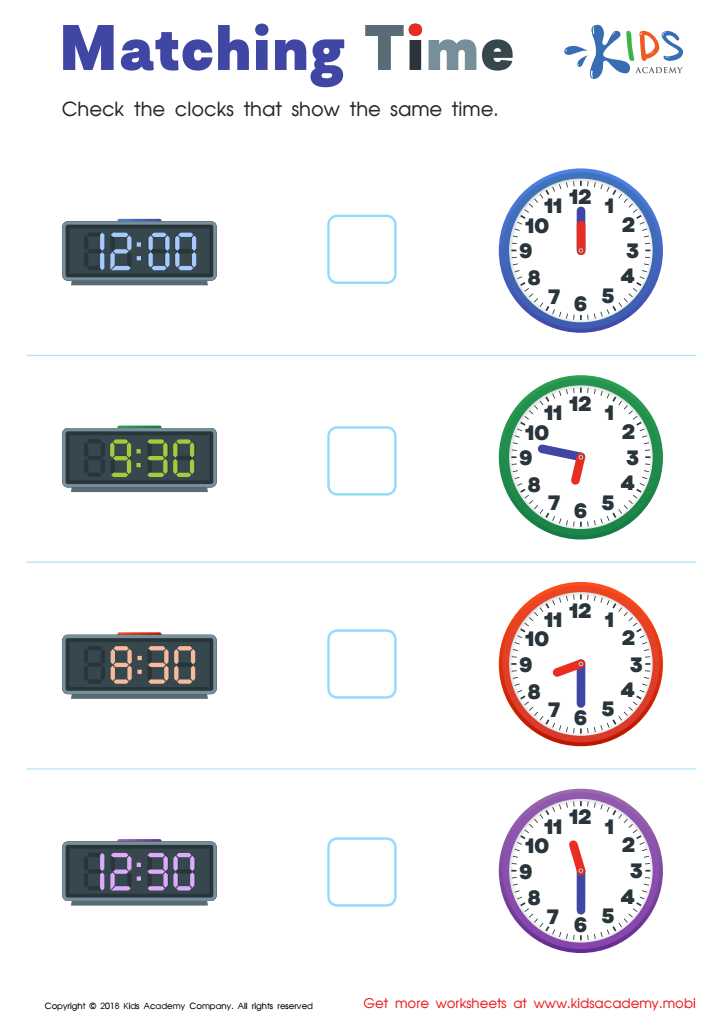
Matching Time Worksheet
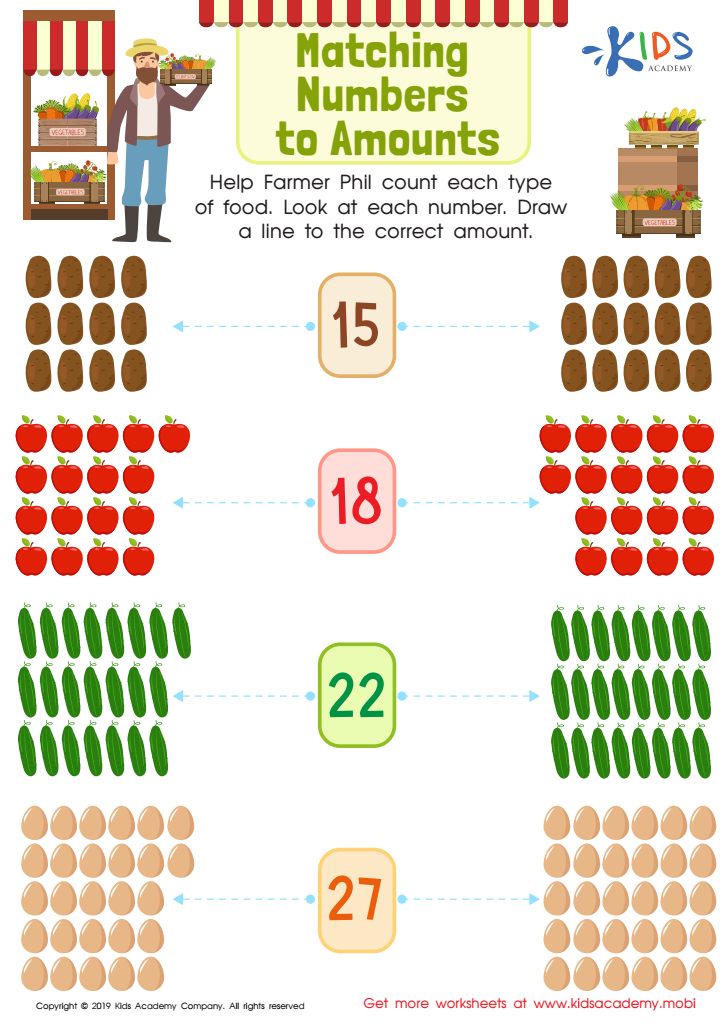
Matching Numbers to Amounts Worksheet




.jpg)



Parents and teachers play pivotal roles in the early development of a child’s cognitive abilities, and focusing on matching skills in math for ages 4-8 is immensely beneficial. Matching skills form the foundation for higher-level mathematical concepts as well as essential life skills such as problem-solving and logical thinking.
At this tender age, children are naturally curious and are developing their ability to observe, compare, and categorize objects. Tasks like matching shapes, numbers, patterns, or quantities help young learners identify relationships and establish connections between different items. For instance, matching a number to a group of objects develops an understanding of one-to-one correspondence, a vital basic math concept.
Moreover, these activities improve attention span and concentration. As children engage in matching games or exercises, they learn to focus on specific details, enhancing their visual discrimination and memory skills. This foundational ability to recognize patterns and relationships is critical in subjects like reading and science as well.
Furthermore, matching exercises can be fun and engaging for young children, fostering a love for learning and reducing anxiety associated with challenging subjects. Therefore, by emphasizing matching skills in math from a young age, parents and teachers not only prepare children for academic success, but they also equip them with crucial cognitive tools for daily life.








