
Simplifying Fractions Math Worksheets for Ages 4-8
22 filtered results
Difficulty Level
Grade
Age
-
From - To
Subject
Activity
Standards
Welcome to our "Simplifying Fractions Math Worksheets" designed specifically for children ages 4-8! These engaging and colorful worksheets make learning about fractions fun and interactive. With step-by-step guidance, kids will understand how to simplify fractions through various exercises tailored to their age group. Our worksheets include a mix of visuals and hands-on activities that support different learning styles, ensuring every child can grasp this essential math concept. Perfect for both classroom settings and at-home learning, our resources help build a solid foundation in mathematics while fostering confidence in young learners. Dive into the world of fractions with us today!
Favorites
With answer key
Interactive
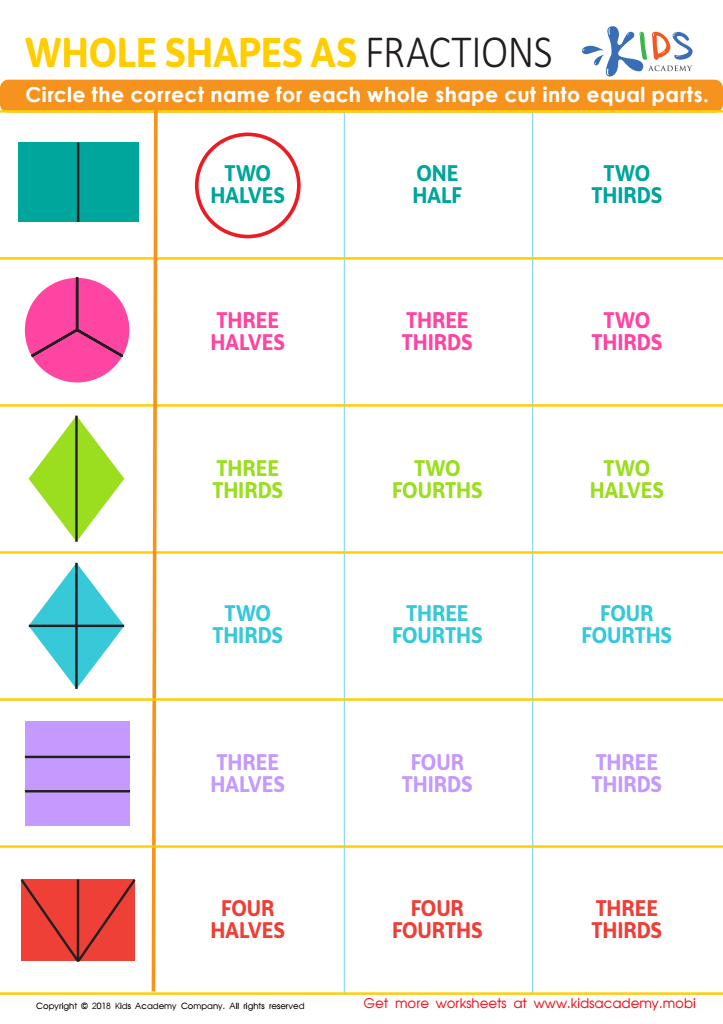
Whole Shapes as Fractions Worksheet
Introduce your child to fractions! After they can draw whole shapes, have them represent them as fractions using a simple worksheet. This will help improve their understanding of naming whole shapes cut into equal parts.
 Assign to My Students
Whole Shapes as Fractions Worksheet
Worksheet
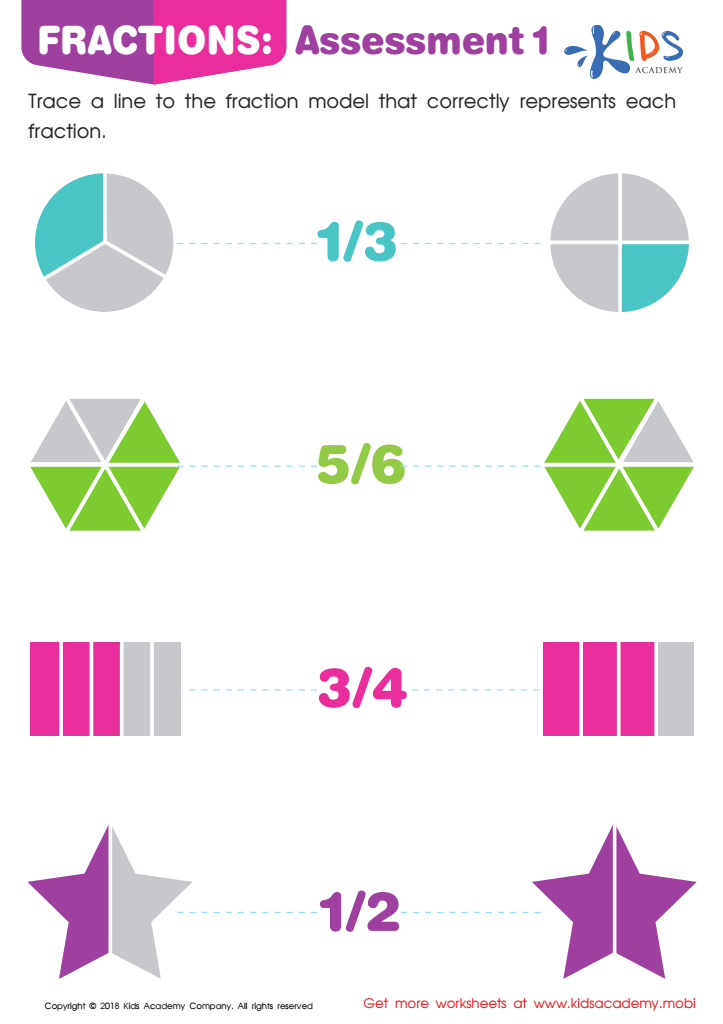
Fractions: Assessment 1 Worksheet
Master fractions easily with this worksheet! It has four sets of fraction models and fraction equations with two models each. Guide your kids to trace a line to the correct fraction model for each equation.
Fractions: Assessment 1 Worksheet
Worksheet
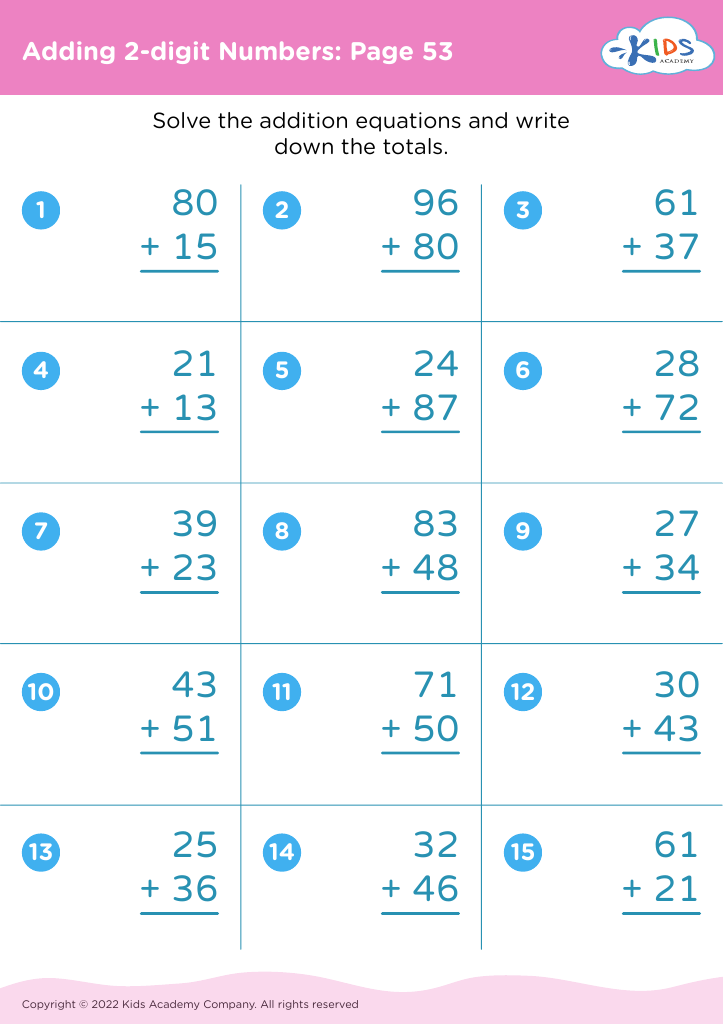
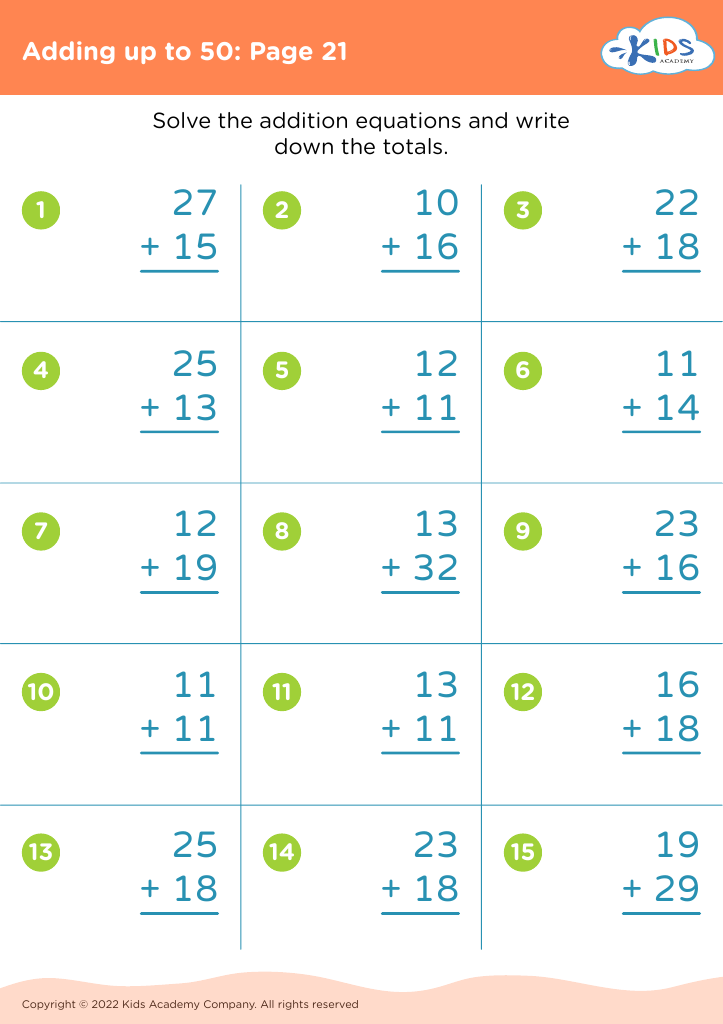
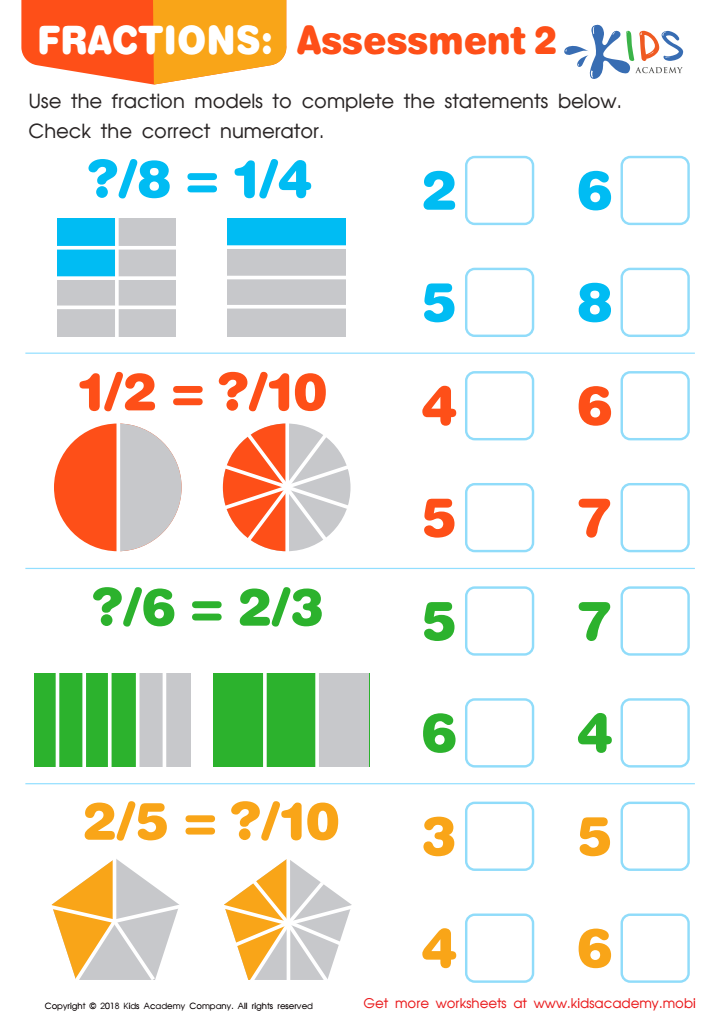
Fractions: Assessment 2 Worksheet
Help your kids understand fractions better with this worksheet. Ask them to complete the fraction statements using the fraction models on the left and then check the correct numerators. This can help clear up any confusion they may have with fractions and fraction models.
Fractions: Assessment 2 Worksheet
Worksheet
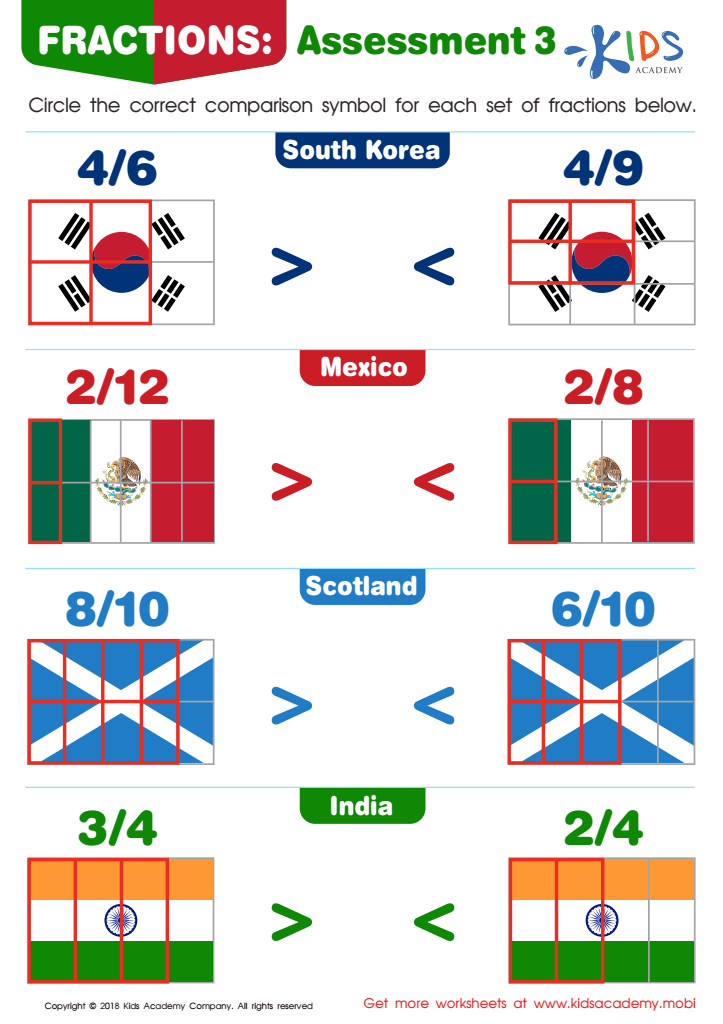
Fractions: Assessment 3 Worksheet
This worksheet helps teach kids about fractions and introduces them to countries and their flags. Have them read the country names and point to the flags. Then help them assess the fractions, and ask them to circle the symbol that shows their values.
Fractions: Assessment 3 Worksheet
Worksheet
Join Kids Academy for Free
Who is primarily going to use this learning content?







Teaching young children about simplifying fractions is essential as it lays the groundwork for their understanding of mathematics. At ages 4-8, kids are at a crucial stage of cognitive development where they are beginning to grasp abstract concepts. Simplifying fractions helps them understand the idea of part-whole relationships, which is fundamental in math.
When fractions are simplified, children learn to recognize equivalent values, enhancing their critical thinking and problem-solving skills. It promotes number sense, which is vital as they progress to more complex math topics. Moreover, engaging with fractions early can boost a child’s confidence in mathematics, making them more willing to tackle challenges in the future.
For parents and teachers, emphasizing simplified fractions means they can provide children with a stronger foundation for future math learning. This knowledge translates to better performance in school and a more positive attitude towards math as they grow. By incorporating interactive and fun methods for teaching, educators can make learning fractions an enjoyable experience, further cementing their understanding. In a world where numeracy impacts academic and life outcomes, showing care for simplifying fractions nurtures a lifelong appreciation for mathematics in children.








