Visual perception Math Worksheets for Ages 4-8 - Page 3
57 filtered results
-
From - To
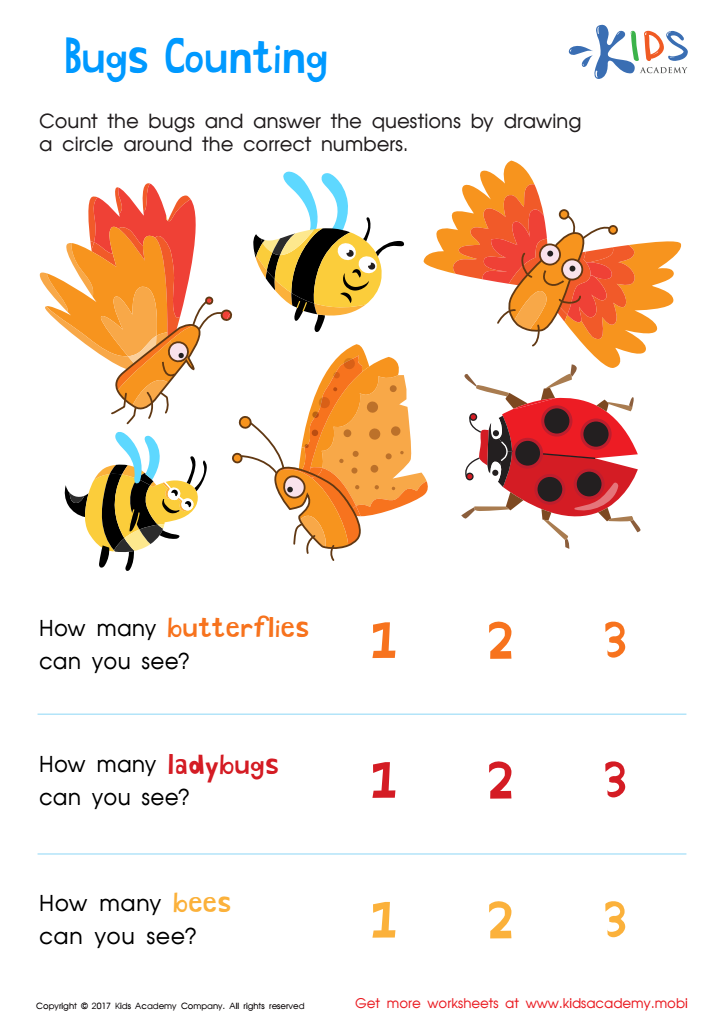
Bugs Counting Worksheet
 Assign to My Students
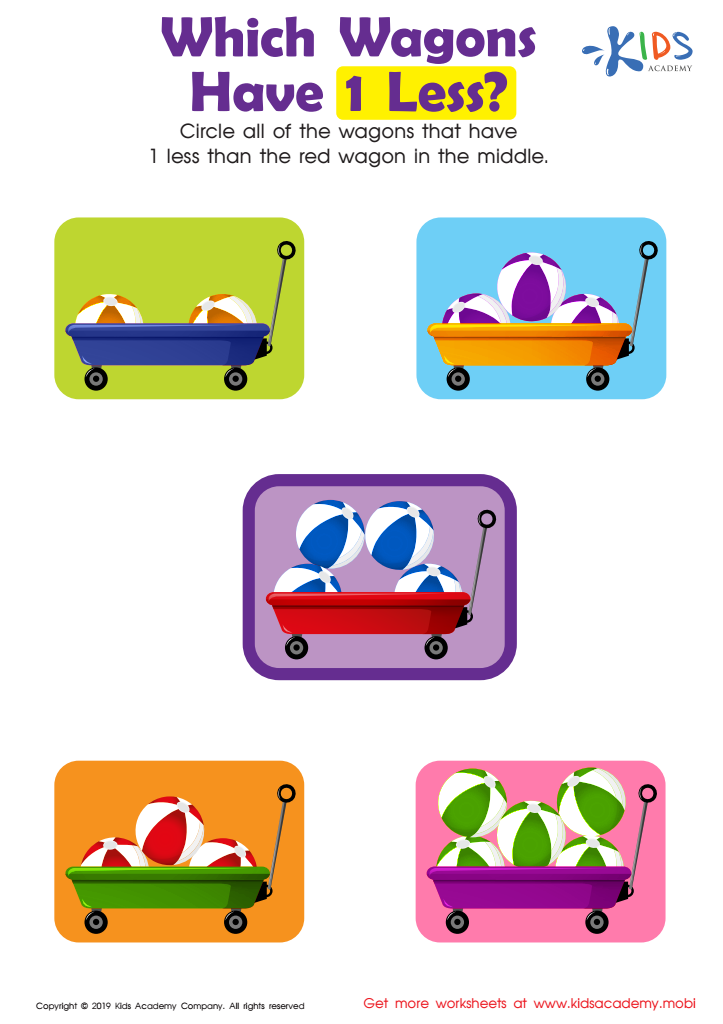
Which Wagons Have 1 Less? Worksheet
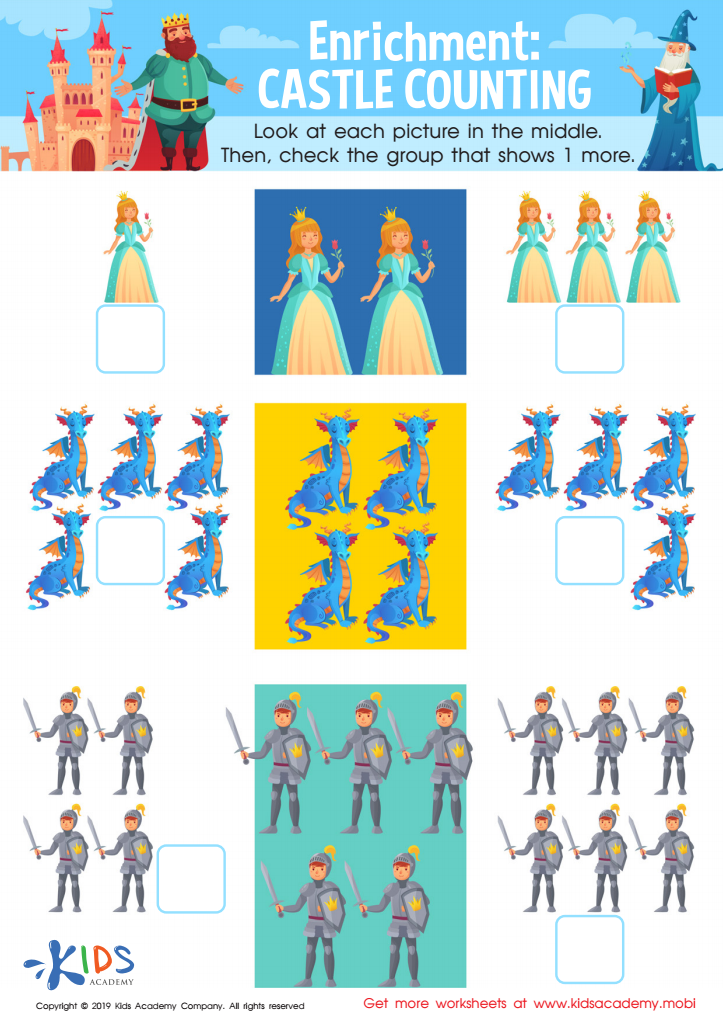
Enrichment: Castle Counting Worksheet

Count and Match Vegetables 1 – 5 Math Worksheet
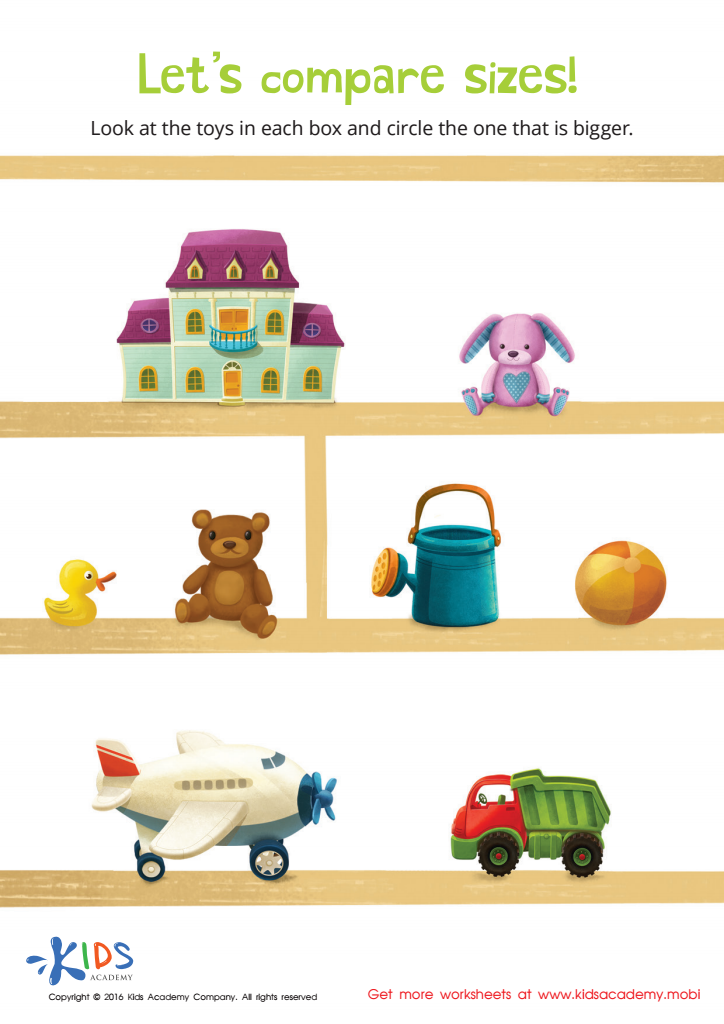
Classifying by Size Sorting Worksheet
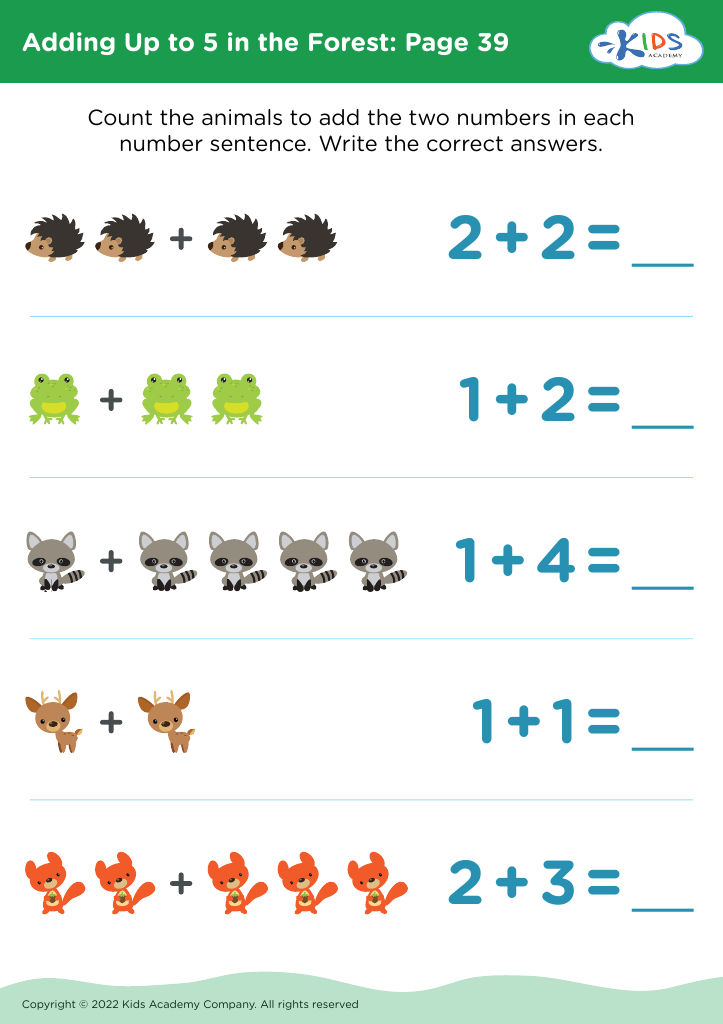








Visual perception is a critical skill that influences a child's ability to understand and engage with mathematical concepts, particularly for ages 4-8. During these formative years, children develop essential cognitive abilities that form the foundation for more complex problem-solving skills. By fostering visual perception in math, parents and teachers help children recognize patterns, shapes, and spatial relationships, which are vital components of early mathematics.
Strong visual perception aids in number recognition, measuring quantities, and understanding geometric figures. It also plays a key role in activities such as sorting, classifying, and comparing objects, which are fundamental to mathematical reasoning. When children can visually interpret information, they become more proficient at solving problems and applying mathematical concepts to real-life situations.
Moreover, cultivating strong visual perception skills can enhance a child’s confidence in their abilities, reducing math anxiety and promoting a positive attitude towards learning. By incorporating visual aids, games, and hands-on activities into learning, educators and parents can create a stimulating environment that encourages exploration and discovery. Ultimately, emphasizing visual perception in math prepares children for academic success, nurturing lifelong learners who are equipped to approach challenges with a creative mindset.








