Matching skills Matching Worksheets for Ages 4-8
6 filtered results
-
From - To
Discover our Matching Skills Worksheets designed specifically for children ages 4-8! These engaging activities help young learners enhance their cognitive abilities, improve memory, and strengthen critical thinking skills through fun matching exercises. Our worksheets cover a variety of themes, enabling kids to match numbers, letters, shapes, and objects, promoting both academic and visual recognition skills. Ideal for home or classroom use, these printables offer a great way for parents and teachers to support early childhood development. Foster a love of learning and watch as your child grows more confident in their matching abilities with our thoughtfully crafted resources!
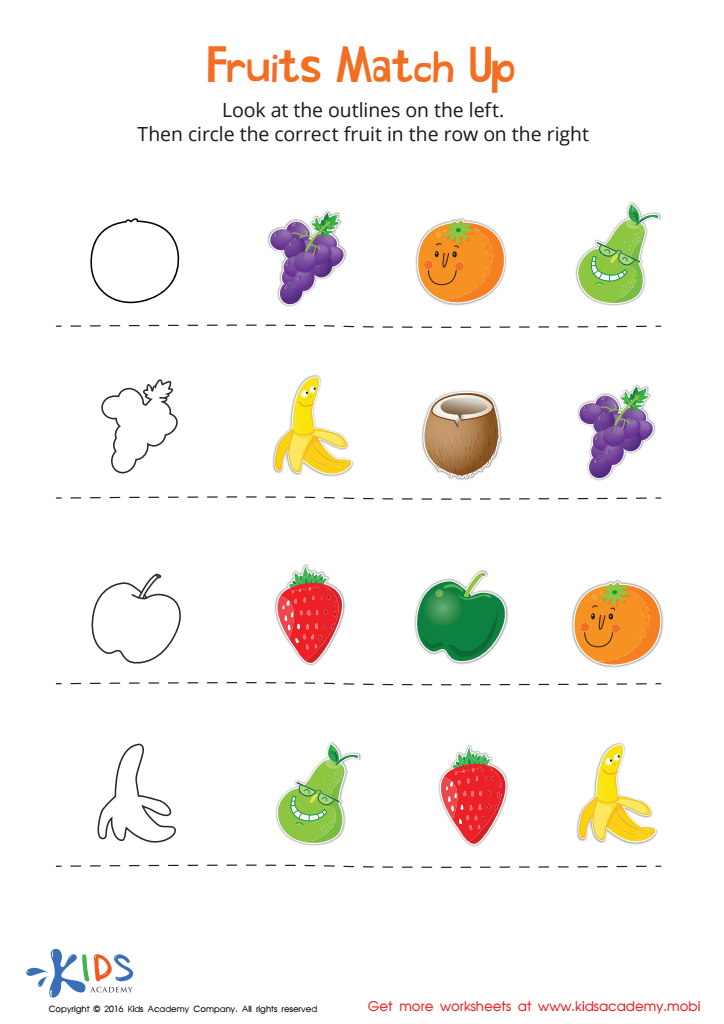
Fruits Match Up Worksheet
 Assign to My Students
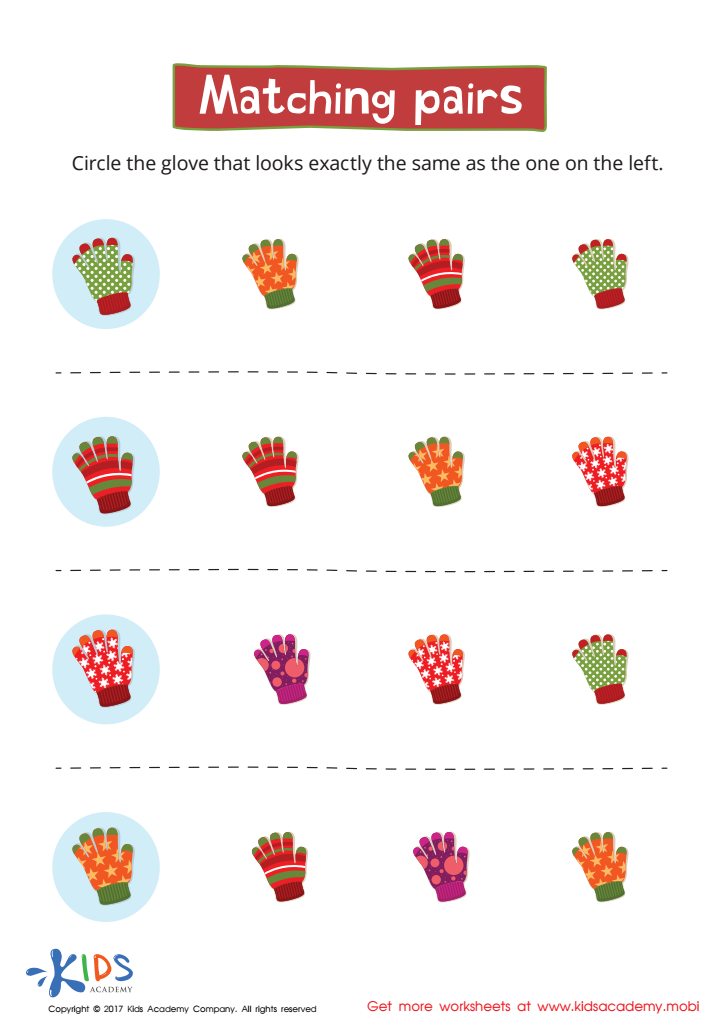
Matching: Matching Pairs Worksheet
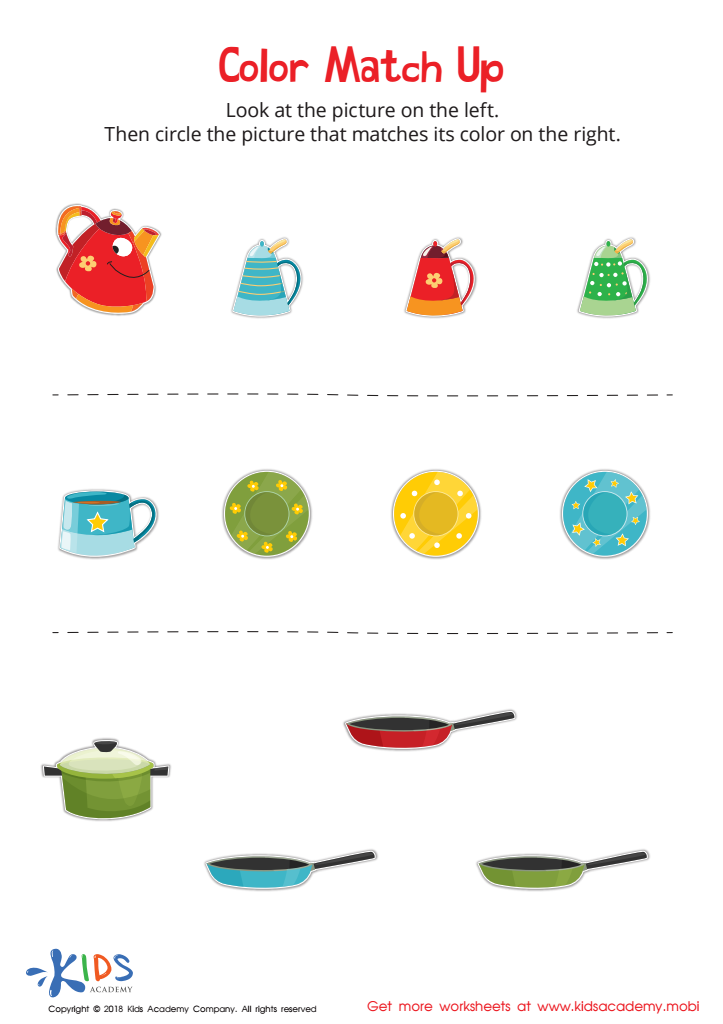
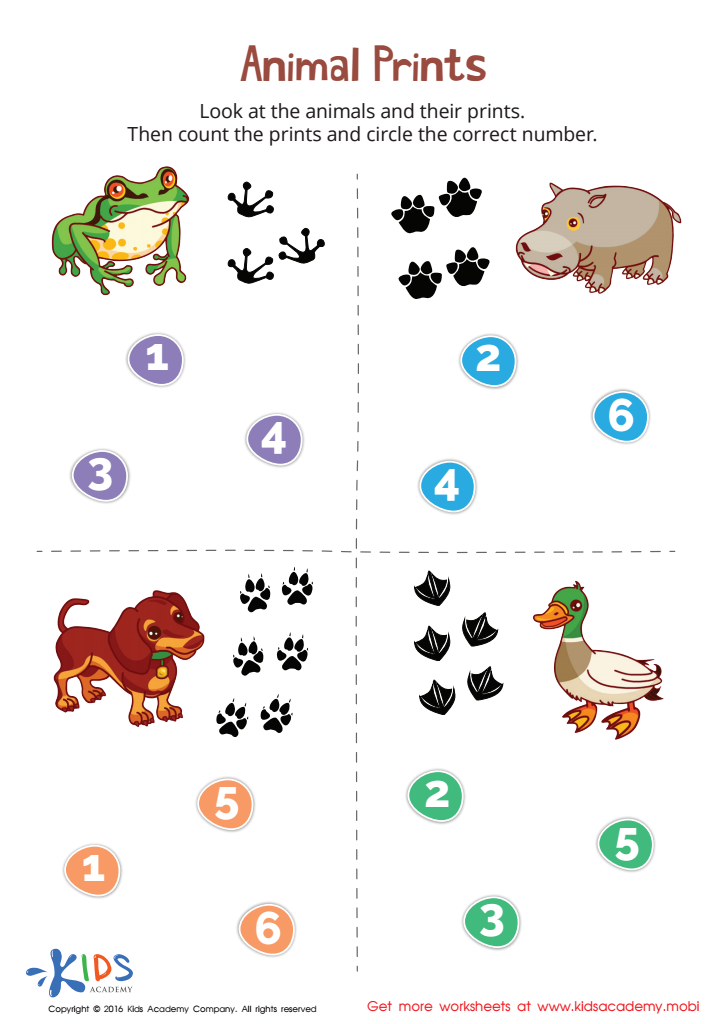
Animal Prints Match-Up Worksheet
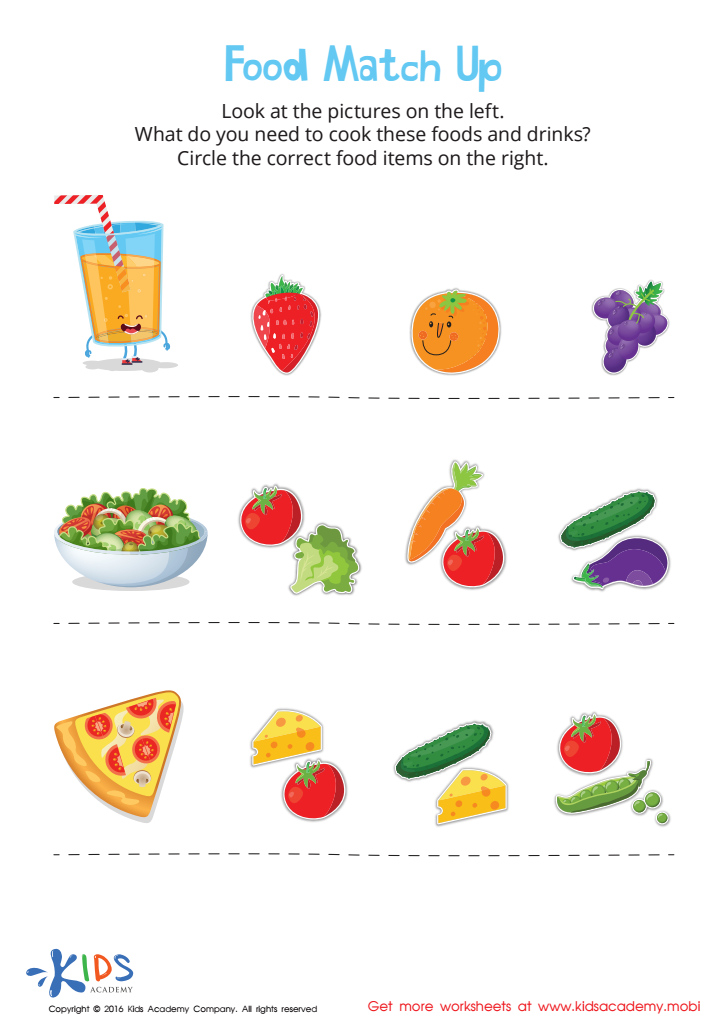
Food Match Up Worksheet
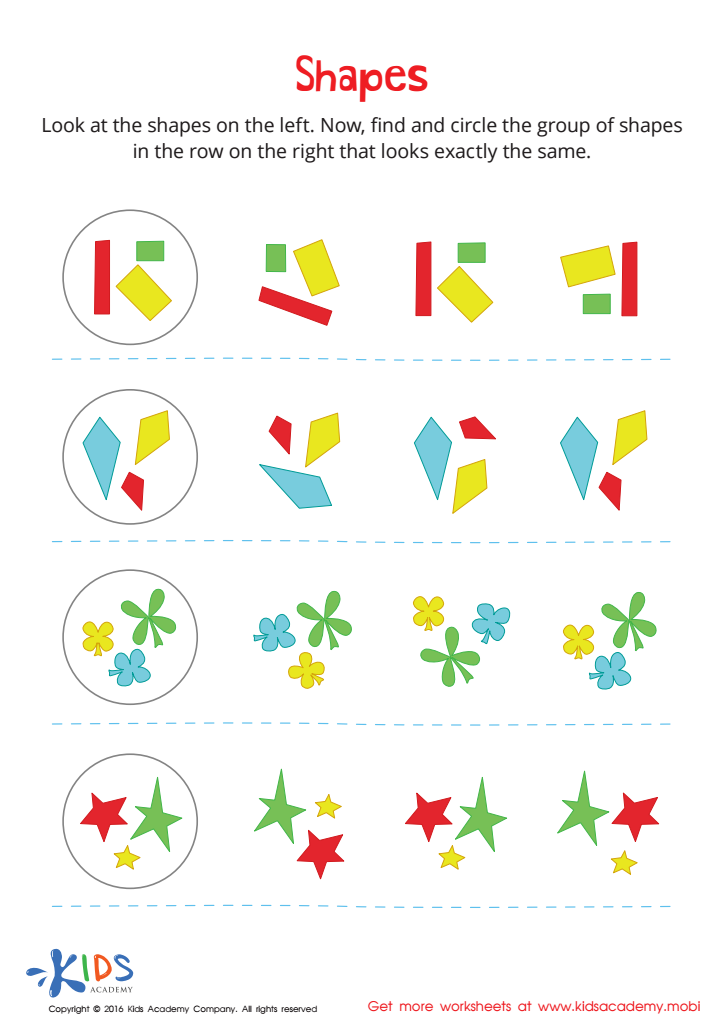
Shapes Worksheet







Matching skills are pivotal developmental milestones for children ages 4-8, and both parents and teachers should prioritize them because they lay the foundation for future learning and cognitive growth. These skills involve recognizing similarities and differences, which enhances critical thinking and problem-solving abilities.
At this age, children are naturally curious and eager to explore their environment. By engaging in matching activities—like pairing shapes, colors, or objects—children boost their visual discrimination and memory, further promoting their ability to process and retain information. This foundation supports more advanced skills such as classification and categorization, essential for subjects like mathematics and science.
Moreover, matching games often encourage social interaction, cooperation, and turn-taking, helping to develop vital interpersonal skills. Parents and teachers can create collaborative learning experiences that yield both educational and emotional support.
Encouraging matching skills in fun and engaging ways also fosters a love for learning, making educational activities enjoyable rather than obligatory. Investing in these skills not only enhances a child’s academic readiness but also builds confidence and a sense of achievement as they discover the world around them. Thus, promoting matching skills is beneficial for holistic child development, making it key for both parents and educators to focus on.








