Vocabulary Building Matching Worksheets for Ages 4-8
6 filtered results
-
From - To
Enhance your child's vocabulary with our engaging Vocabulary Building Matching Worksheets designed for ages 4-8! These interactive resources provide a fun and effective way for young learners to connect words with images, improving their language skills and comprehension. With a variety of topics, these worksheets encourage curiosity and exploration while allowing children to build new words and expand their vocabulary. Perfect for home or classroom use, our worksheets cater to early education needs and promote literacy in a playful, enjoyable manner. Get started today and watch as your child's vocabulary blossoms with our printable matching activities!
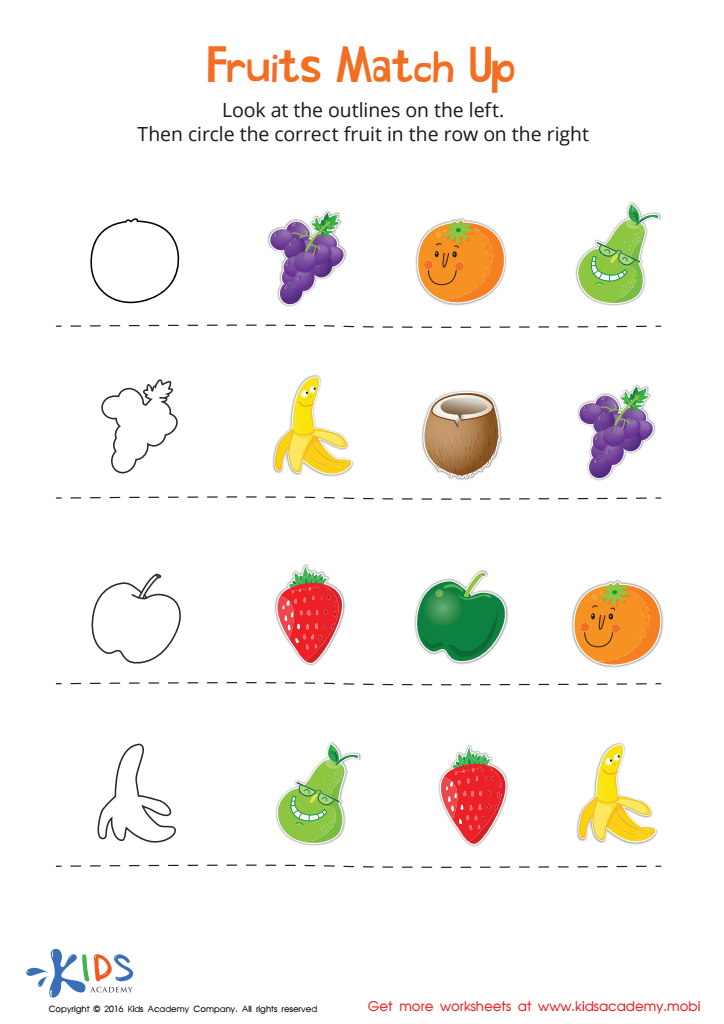
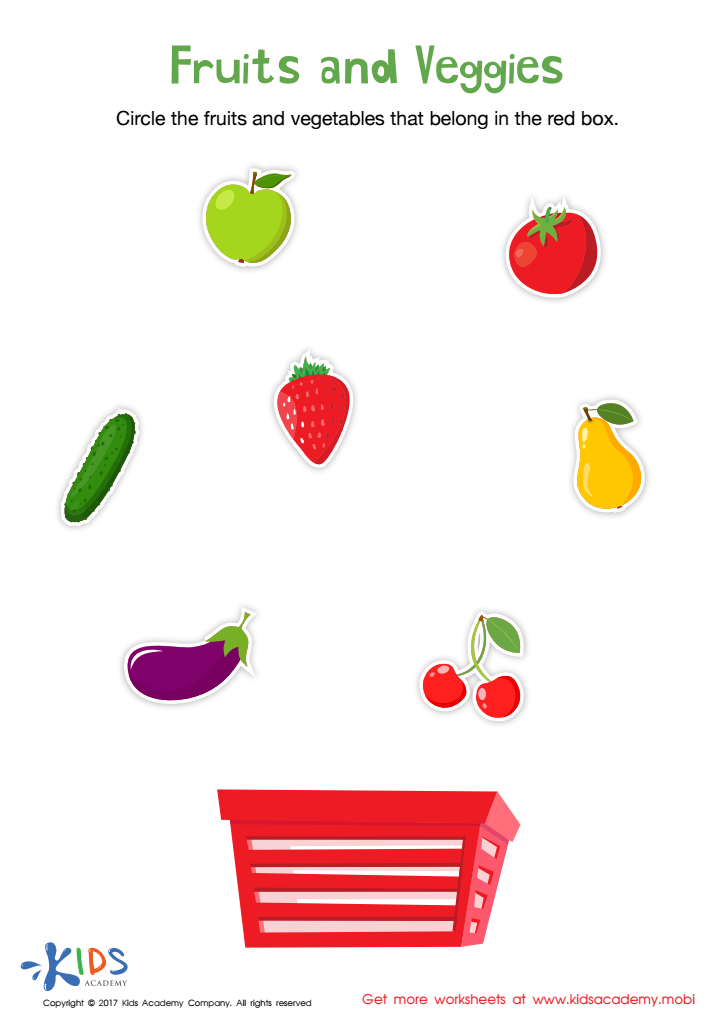
Fruits Match Up Worksheet
 Assign to My Students
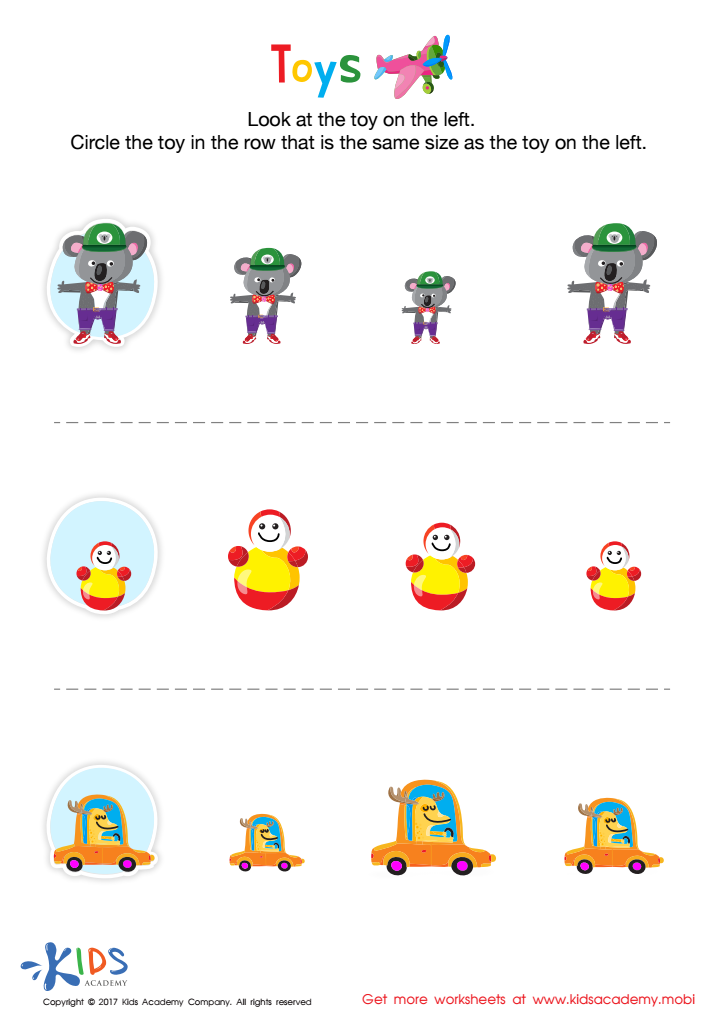
Matching: Classifying Toys by Size Worksheet
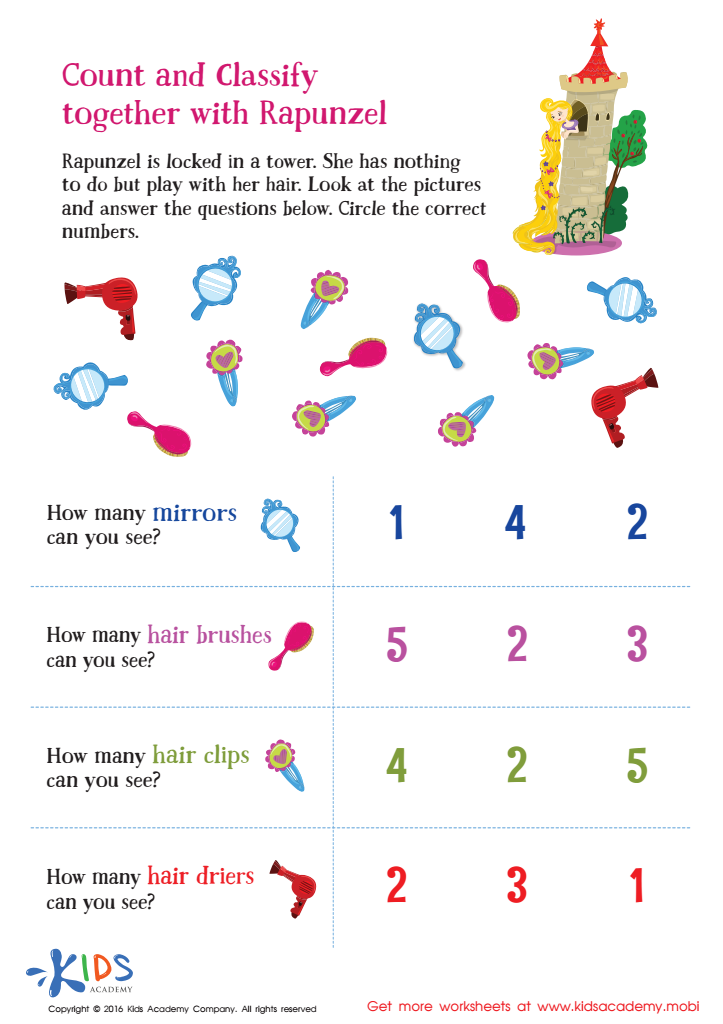
Fairy Tale Worksheet: Count and Classify with Rapunzel
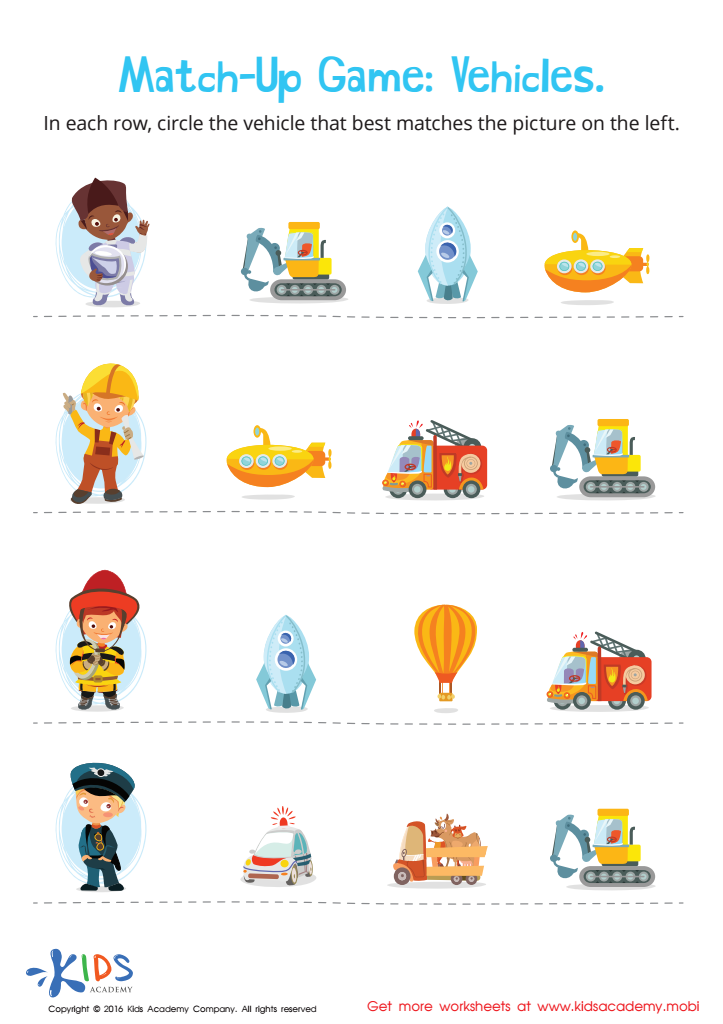
Vehicles Worksheet
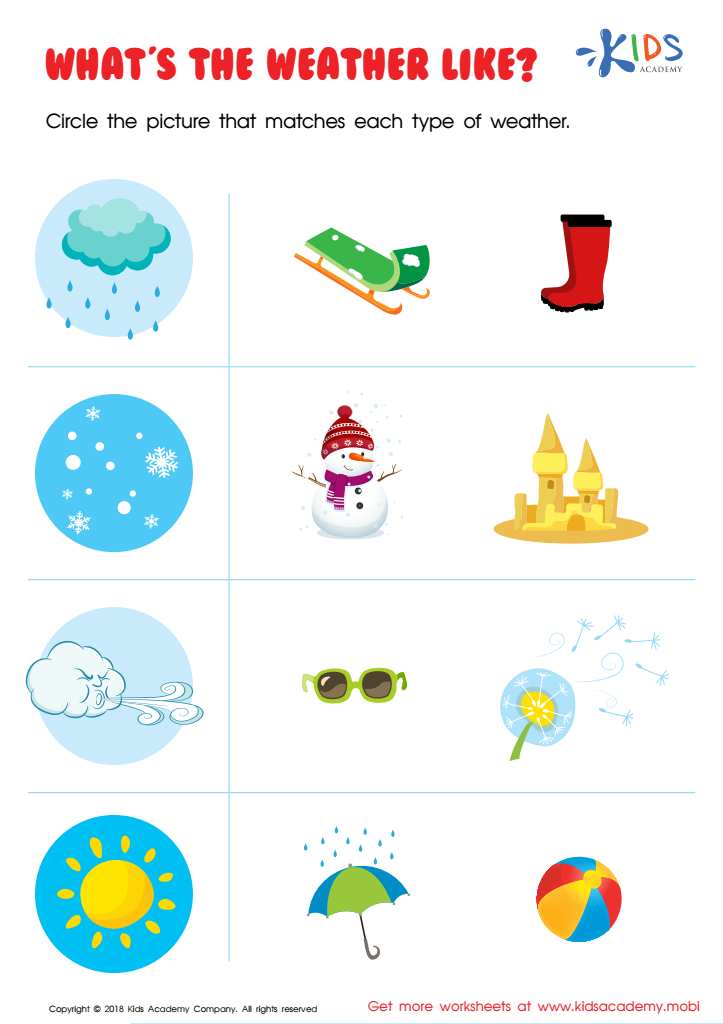
What's the Weather Like? Worksheet








Vocabulary building during ages 4-8 is crucial for children's language development and overall learning. At this stage, children's brains are rapidly developing, making it an ideal time for vocabulary expansion. Enhanced vocabulary improves comprehension skills, allowing children to grasp more complex ideas and concepts as they enter school. Parents and teachers should care about vocabulary building because a strong vocabulary foundation supports reading and writing proficiency, which are vital skills in all subjects.
Engaging vocabulary-building activities, such as matching games, can make learning fun and interactive. Such activities promote retention and help children understand word meanings in context, fostering critical thinking skills. Additionally, strong vocabulary skills can boost children's confidence in their ability to communicate and express ideas, paving the way for better social interactions and emotional development.
Moreover, vocabulary building activities cater to different learning styles, ensuring that children can thrive regardless of their individual preferences. Through collaborative games and matching exercises, teachers and parents can strengthen the bond with children and instill a love for learning. Investing time in vocabulary building during these formative years equips children not just for academic success but also for navigating the world around them more effectively.








