Subtraction practice Subtraction Worksheets for Ages 4-8 - Page 2
36 filtered results
-
From - To
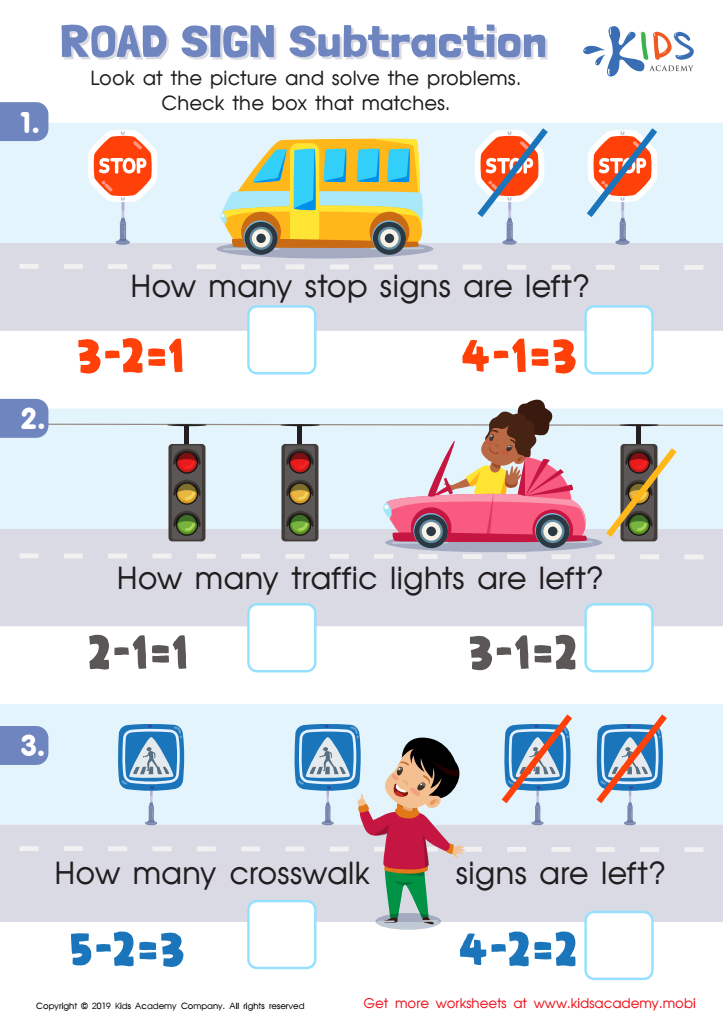
Road Sign Subtraction Worksheet
 Assign to My Students
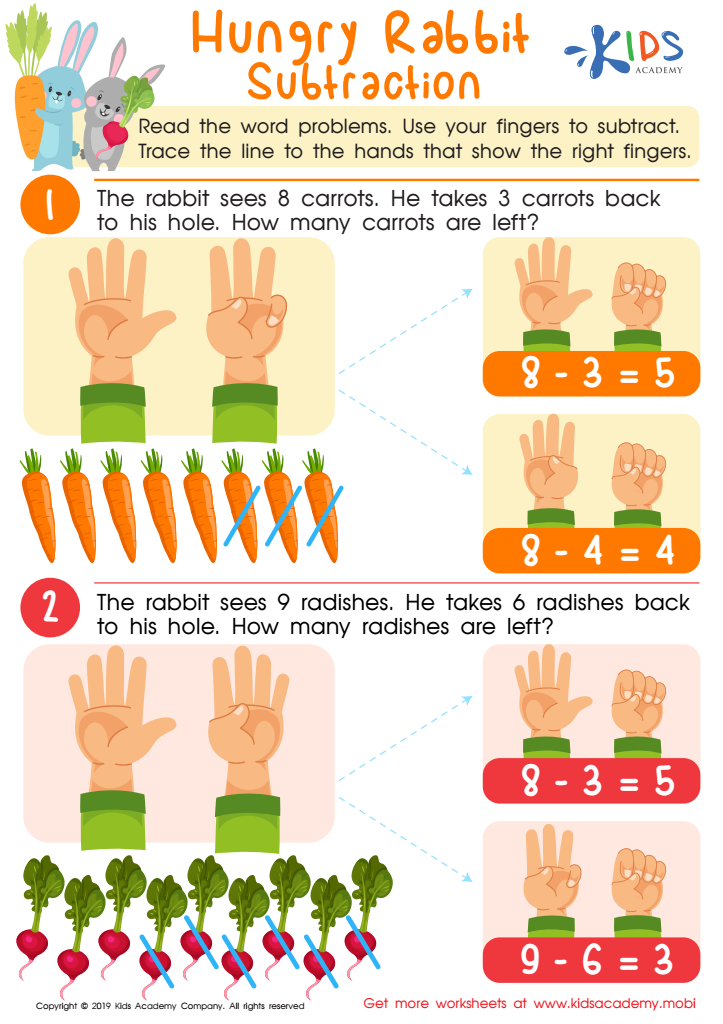
Hungry Rabbit Subtraction Worksheet
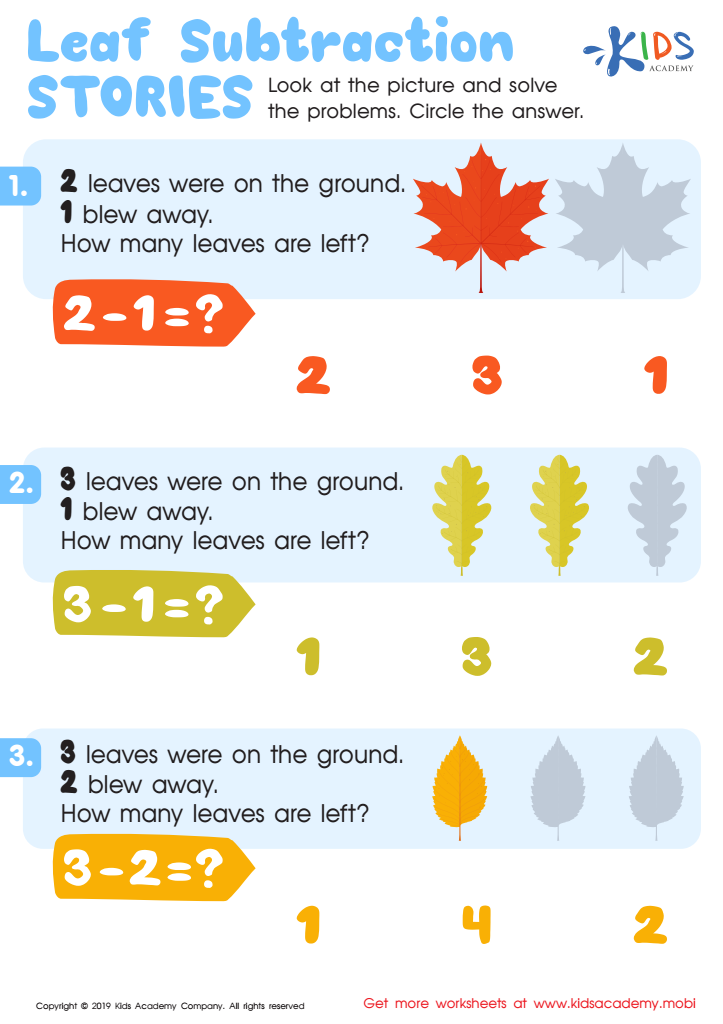
Leaf Subtraction Stories Worksheet
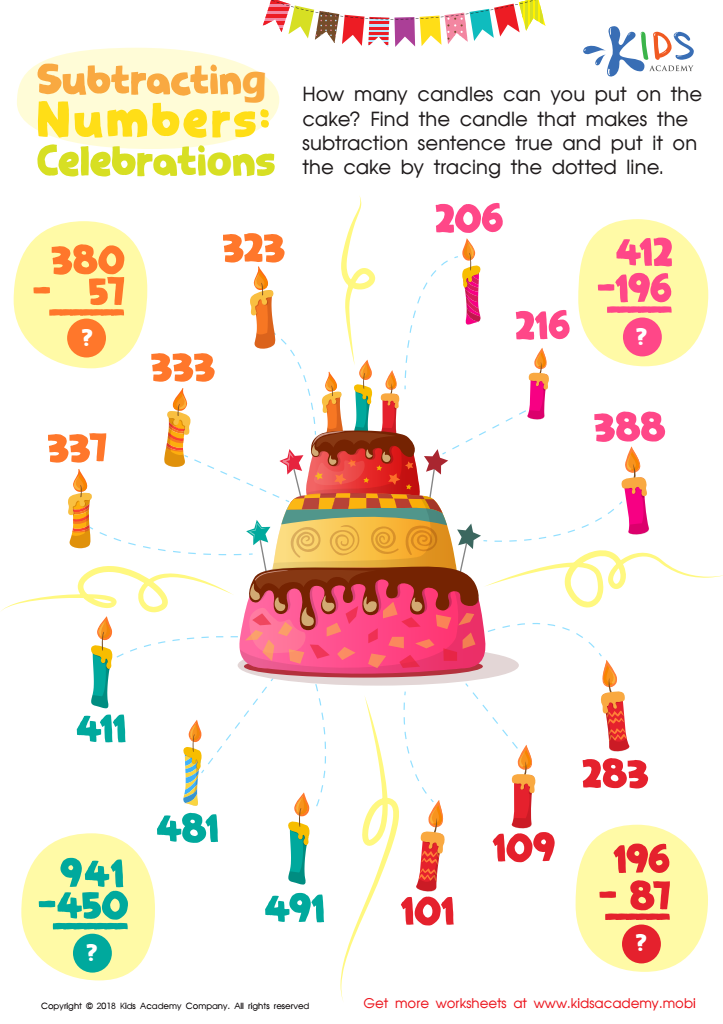
Subtracting Numbers: Celebrations Worksheet
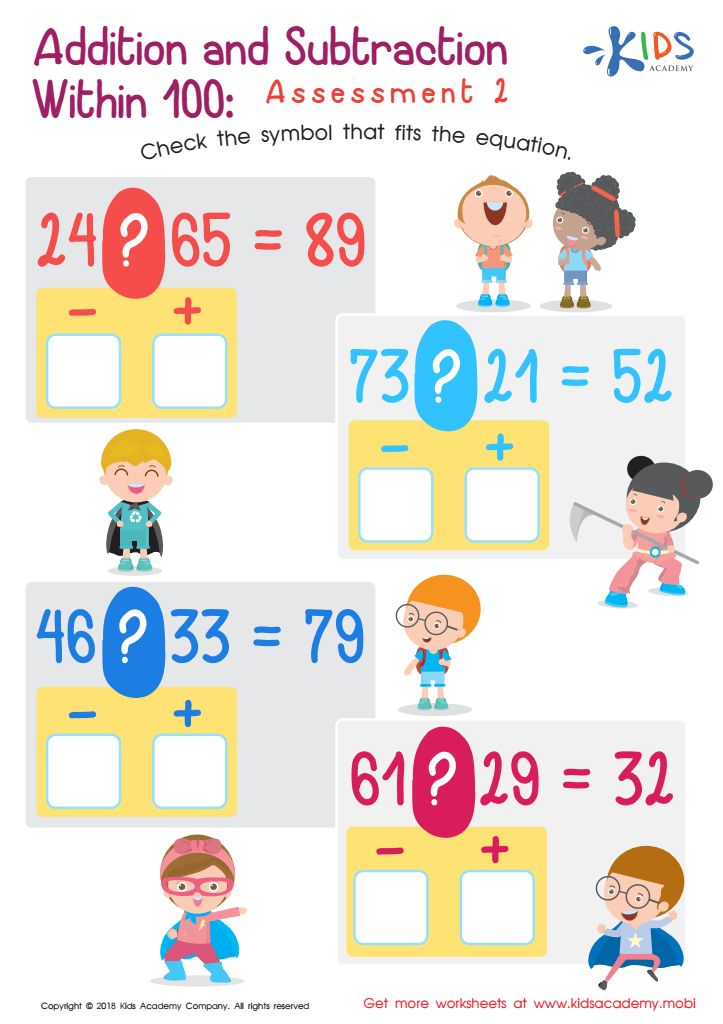
Addition and Subtraction Within 1: Assessment 2 Worksheet
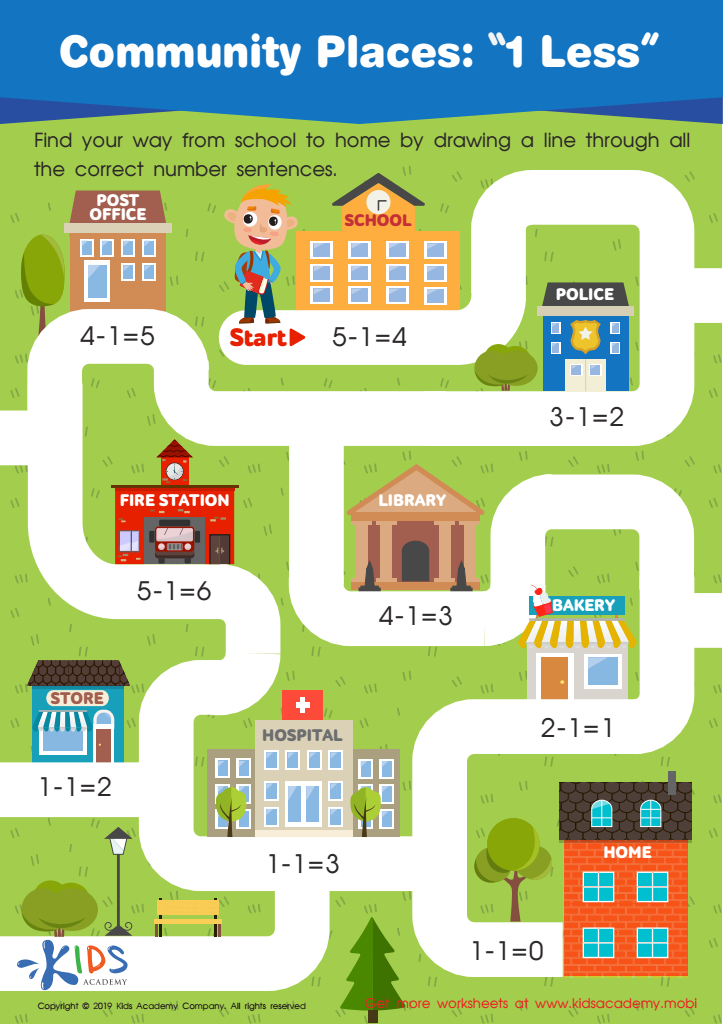
Community Places: 1 Less Worksheet
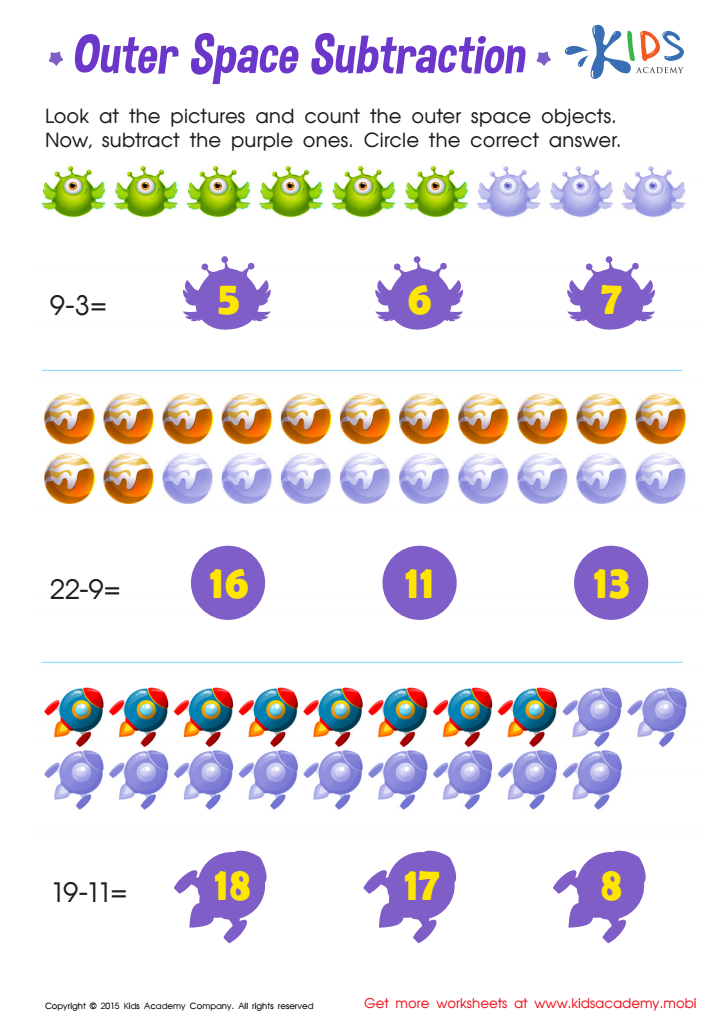
Outer Space Substraction Worksheet
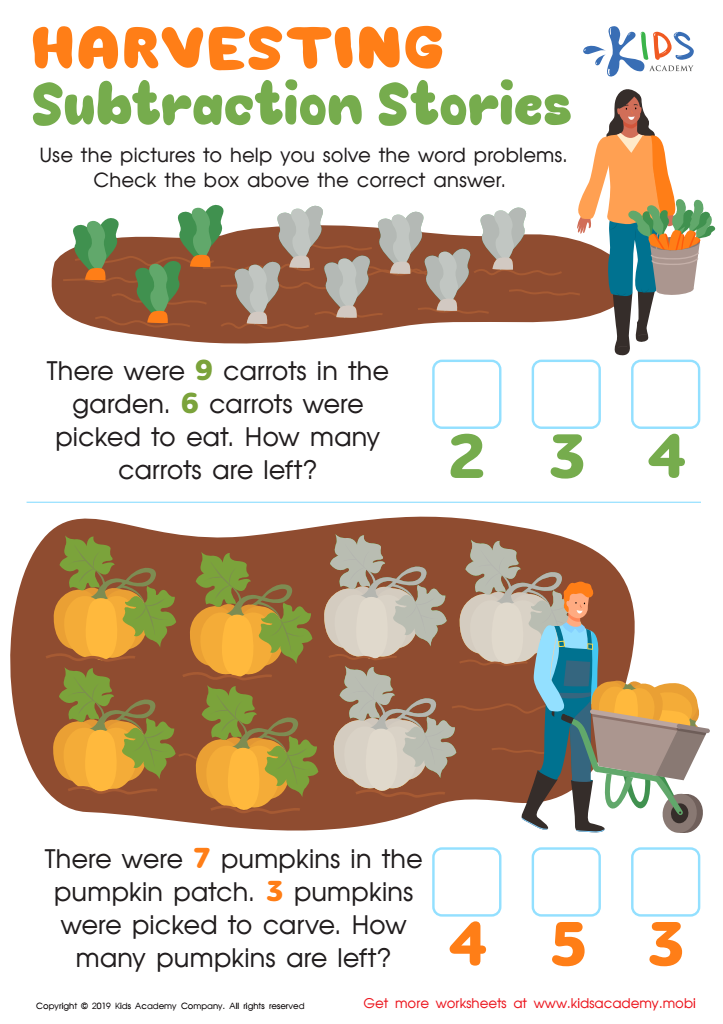
Harvesting Subtraction Stories Worksheet
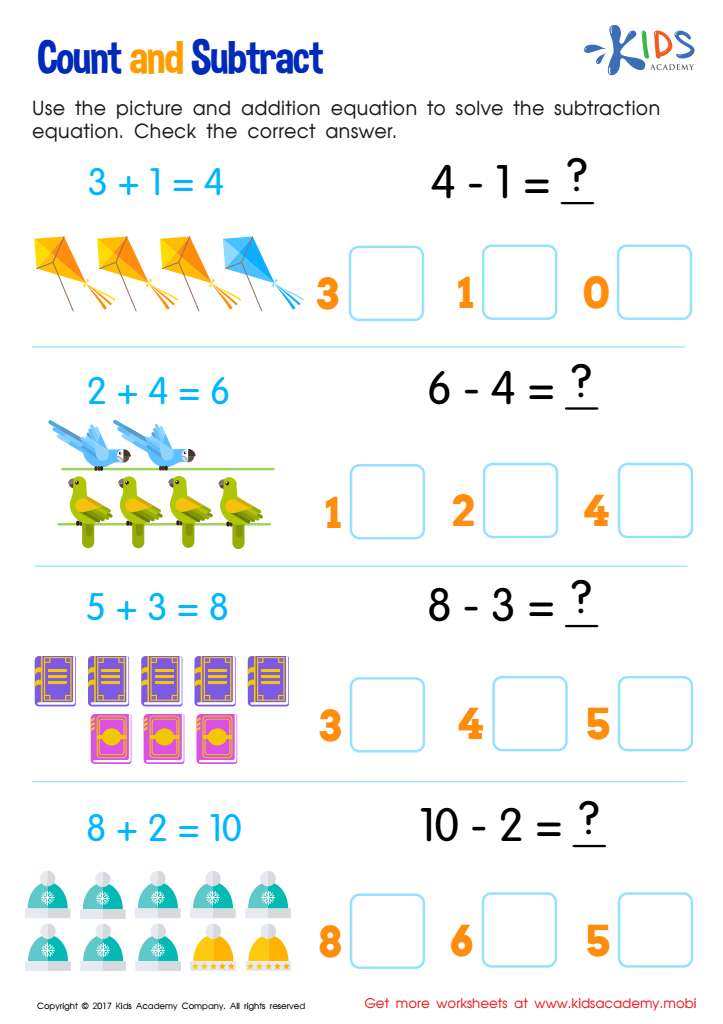
Count and Subtract Worksheet
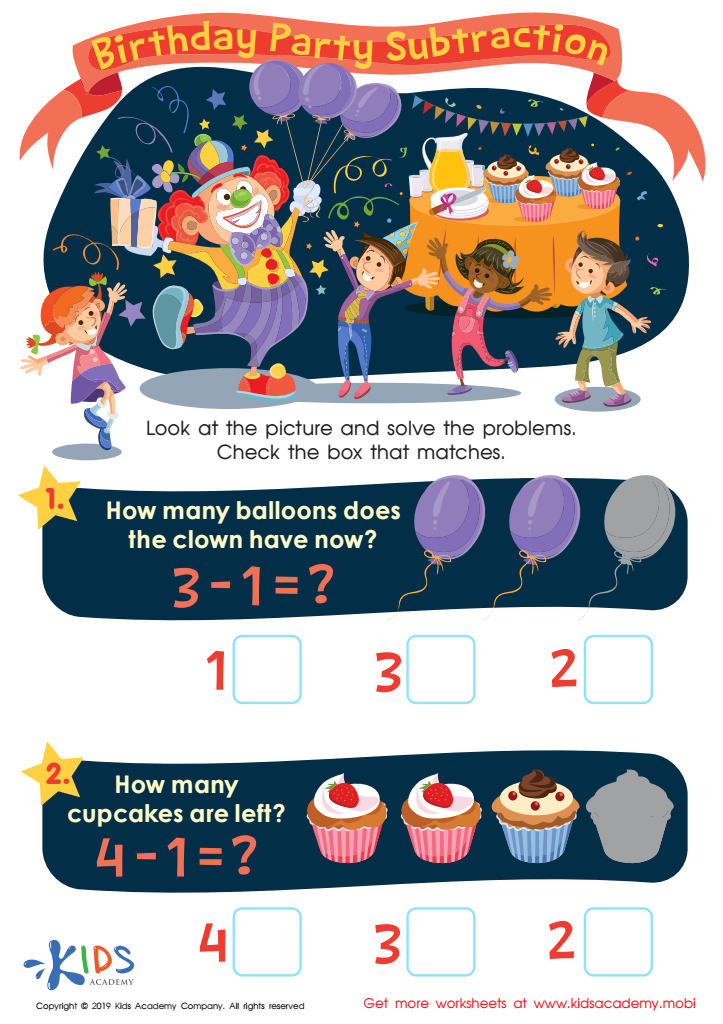
Birthday Party Subtraction Worksheet
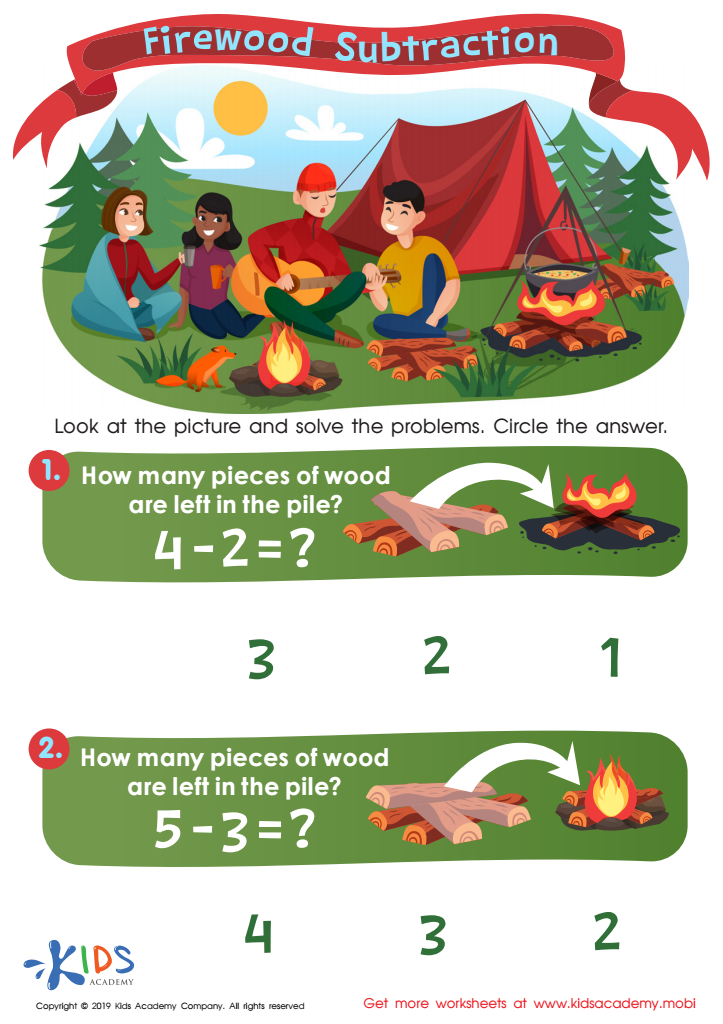
Firewood Subtraction Worksheet
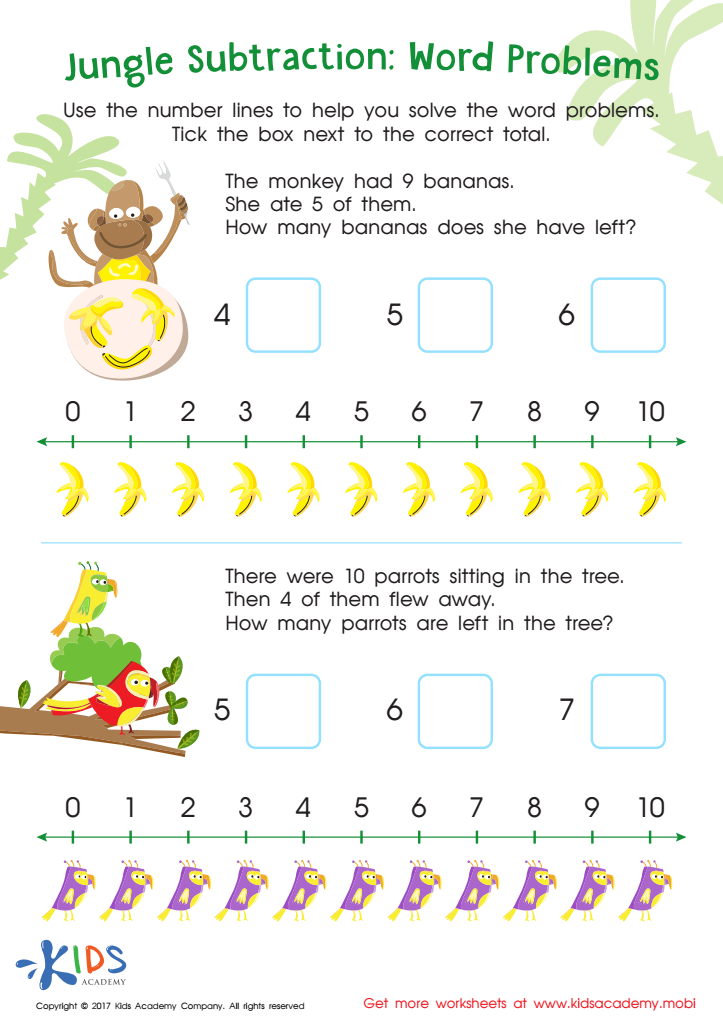
Jungle Subtraction Word Problems Substraction Worksheet








Subtraction practice is essential for children aged 4-8, as it lays the foundation for essential mathematical skills and critical thinking. During these formative years, children begin to understand the concept of numbers and the relationships between them. Mastery of subtraction not only fosters number sense but also helps in developing problem-solving skills processed through logical reasoning.
Engaging in subtraction practice enables children to develop mental math skills, which are crucial for their future academic success. Frequent practice helps reinforce their understanding of how numbers relate to each other and prepares them for more advanced mathematical concepts, including addition, multiplication, and division. Early exposure to subtraction activities, such as using physical objects or visual aids, makes learning enjoyable and tangible.
Additionally, practicing subtraction enhances children's ability to cope with everyday situations, such as counting change or managing time. Teachers and parents play a pivotal role in this development, as their encouragement and involvement can ignite a child’s interest in mathematics.
By emphasizing subtraction practice, educators and parents help children build confidence, reduce math anxiety, and encourage a positive attitude toward learning. The skills acquired through early subtraction practice not only contribute to academic success but also support logical reasoning and decision-making skills essential for lifelong learning.








