Animal identification Reading Worksheets for Ages 4-8
6 filtered results
-
From - To
Discover our engaging Animal Identification Reading Worksheets designed specifically for children ages 4-8! These fun and interactive worksheets are perfect for introducing young learners to different animals while enhancing their reading skills. Through colorful illustrations and easy-to-follow activities, kids will learn about various animals and their unique characteristics, fostering both curiosity and knowledge. Our worksheets promote vocabulary development and comprehension, making learning enjoyable and effective. Ideal for preschool and early elementary educators or parents looking to supplement their child's education, these worksheets provide a perfect blend of education and entertainment. Unleash your child's love for animals and reading today!
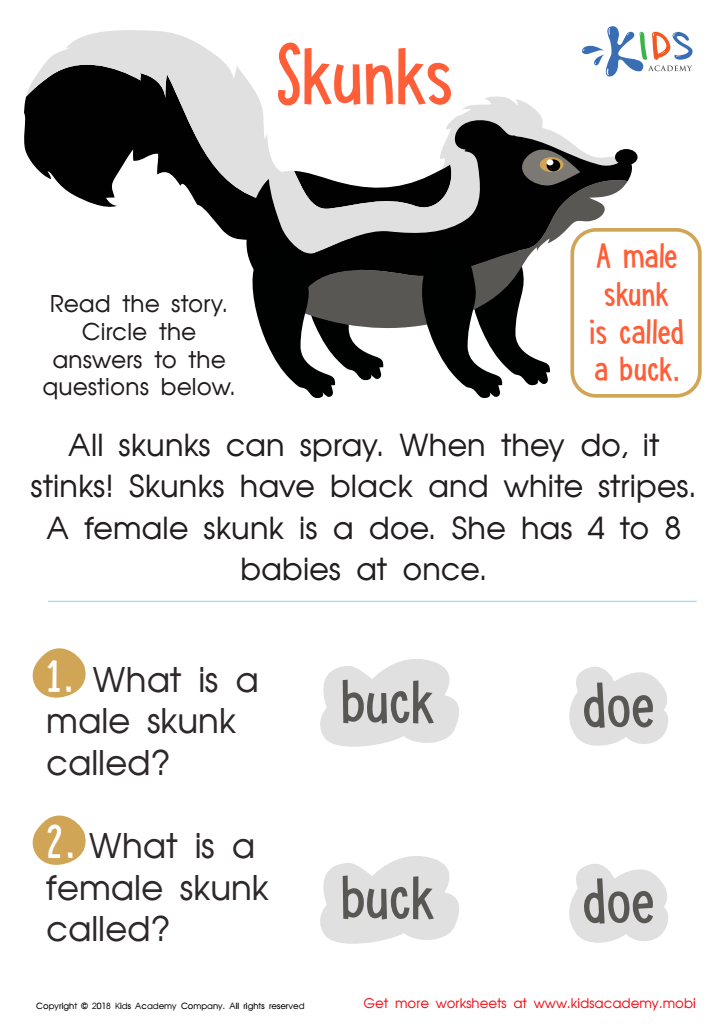
Skunks Worksheet
 Assign to My Students
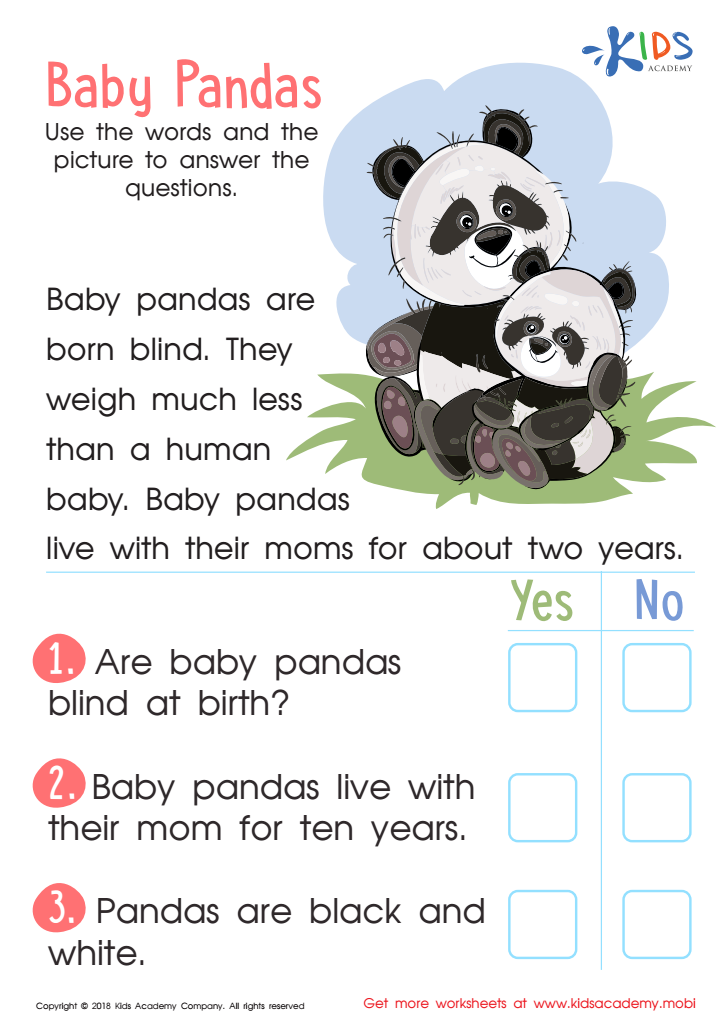
Baby Pandas Worksheet
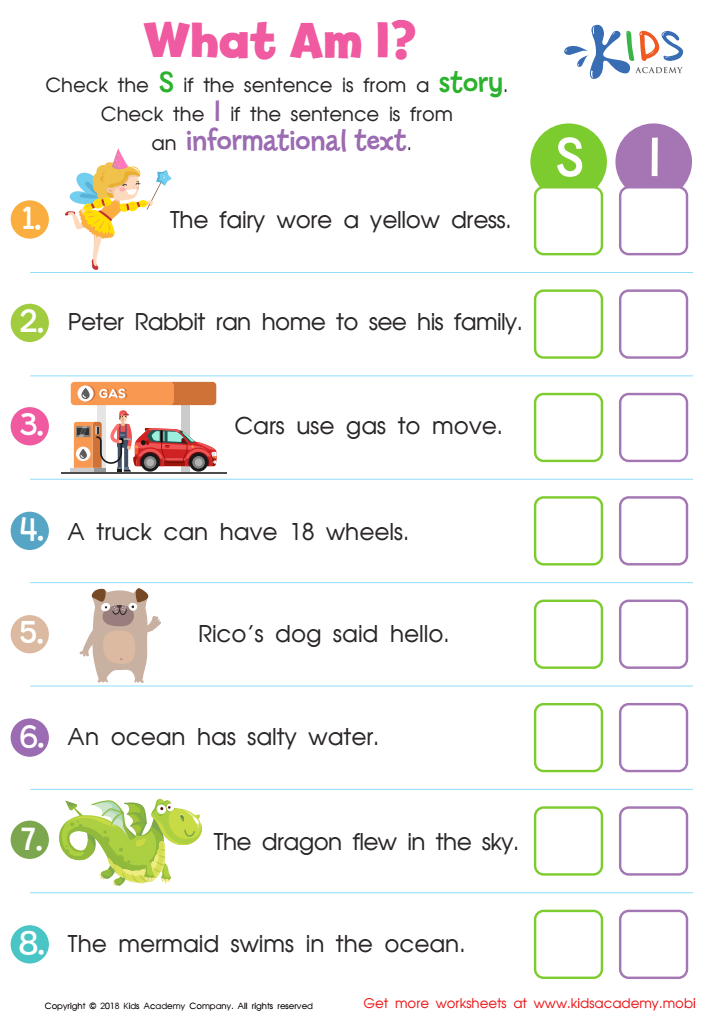
What Am I? Worksheet
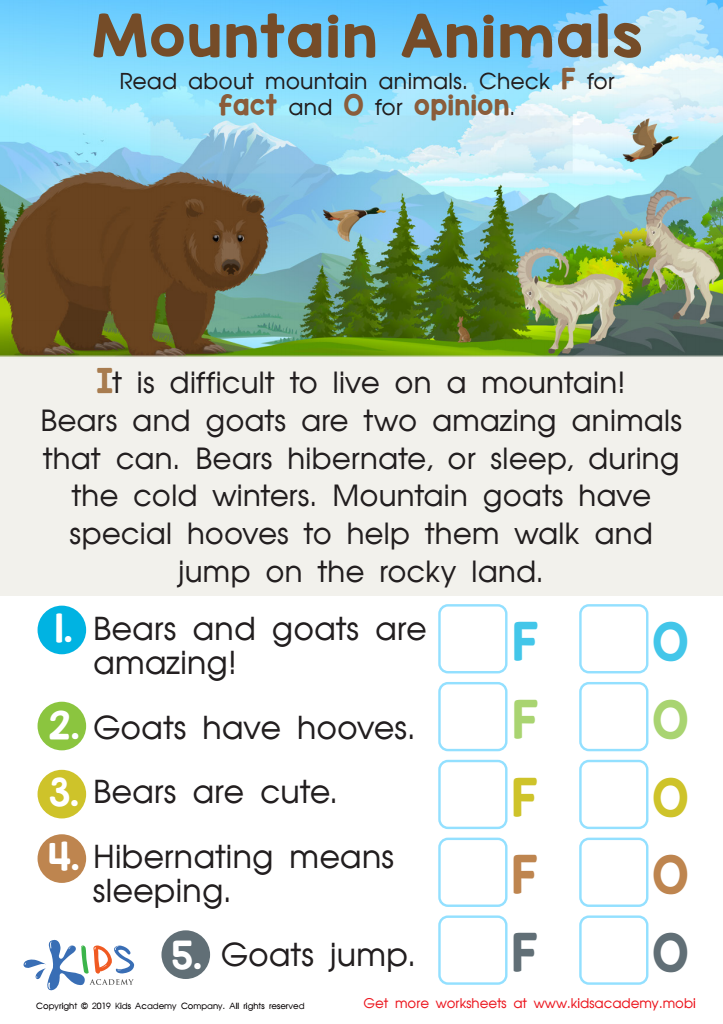
Mountain Animals Worksheet
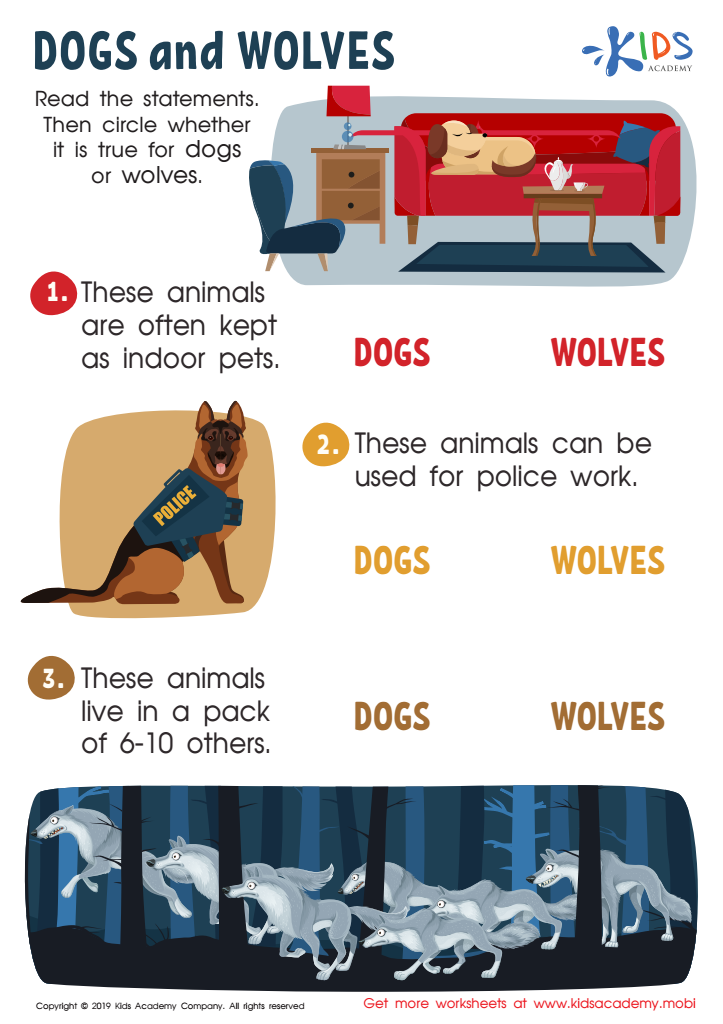
Dogs and Wolves Worksheet
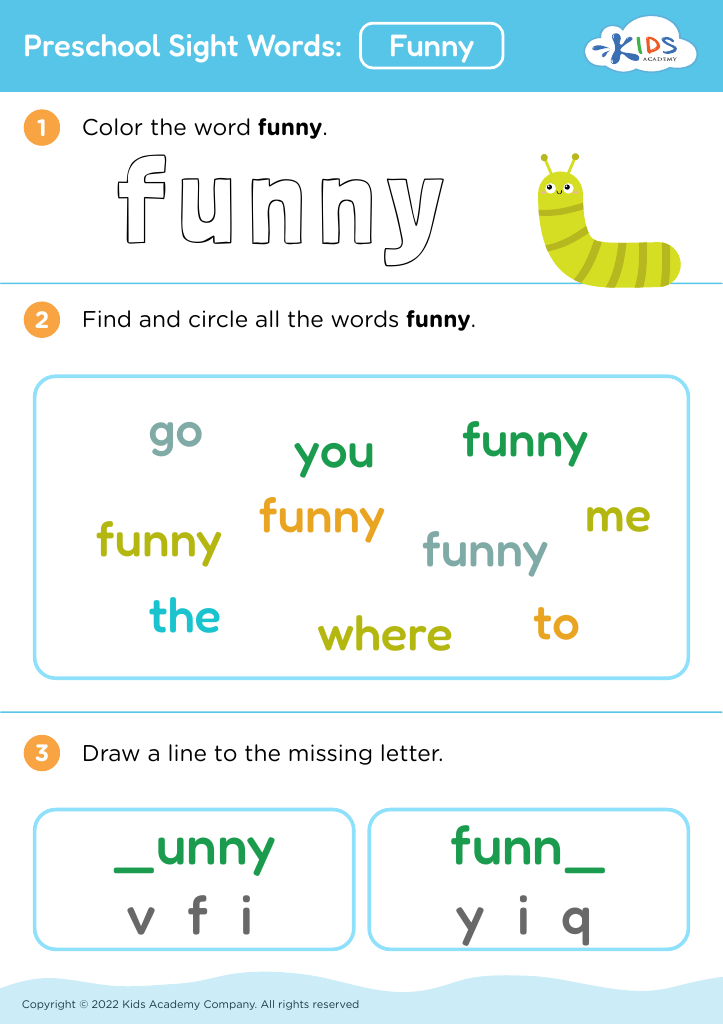






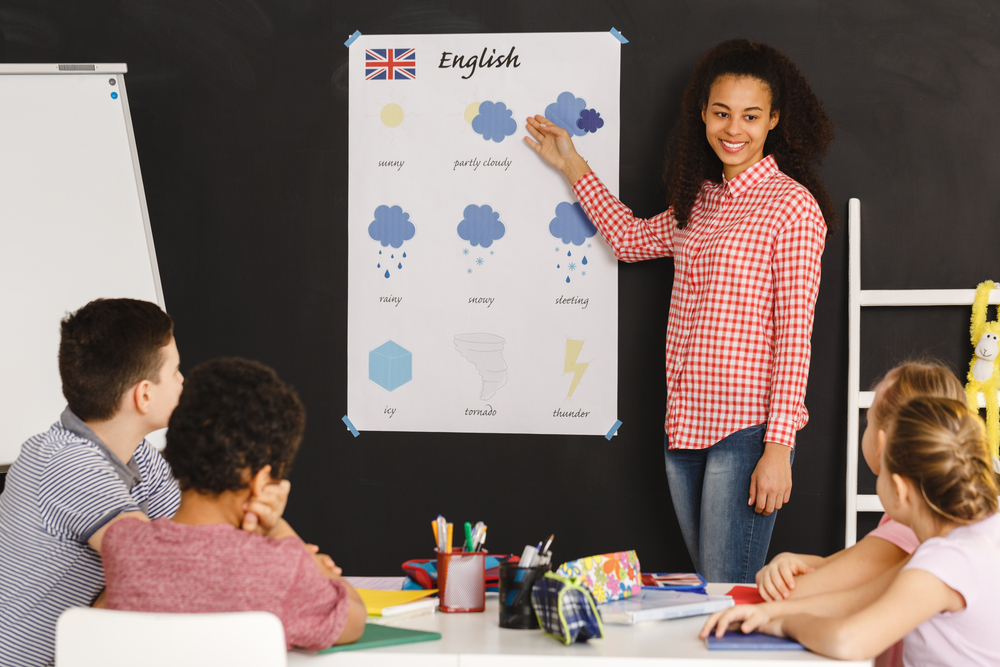

Animal identification reading for ages 4-8 is crucial for several reasons. Firstly, it fosters early literacy skills by engaging children with diverse texts. Learning about animals enhances vocabulary as children encounter new terms related to various species, habitats, and behaviors. This builds reading confidence and comprehension, vital components for future academic success.
Moreover, such reading materials promote curiosity and critical thinking. As children learn to identify animals, they develop observation skills and a sense of wonder about the natural world. This knowledge can lead to a greater appreciation for biodiversity and the environment, encouraging thoughtful attitudes toward conservation from a young age.
Additionally, animal identification aids in social-emotional development. Stories about animals often feature themes of friendship, community, and resilience, allowing for discussion about feelings and relationships, helping children navigate their social worlds.
For teachers and parents, introducing children to animal identification reading is an enjoyable way to integrate science and literacy. It provides opportunities for interactive learning experiences, such as field trips or nature walks, enhancing comprehension and retention. Ultimately, nurturing an interest in fauna enriches children's learning experiences, promotes empathy, and develops lifelong learners who value all living creatures.








