Filters

35 filtered results

Clear all filters
Favorites
With answer key
Interactive

35 filtered results

Difficulty Level

Grade


Counting Skills Reading Worksheets for Ages 4-8 are designed to build strong foundational skills in young learners. These engaging worksheets combine fun activities with essential counting exercises, helping children recognize numbers, improve their reading proficiency, and enhance cognitive development. Tailored for kids aged 4-8, each printable worksheet encourages interactive learning through colorful illustrations and engaging content that captivates young minds. These resources are perfect for parents and educators looking to support children in developing critical early math skills while fostering a love for learning. Empower your child's educational journey with our expertly crafted counting skills reading worksheets.

Check out this FREE Trial Lesson on Reading for age 4-8!

Make Connections to Text and Self

Favorites
With answer key
Interactive
  • 4-8
  • Counting skills
  • Reading
Frame it Up Worksheet

Frame it Up Worksheet

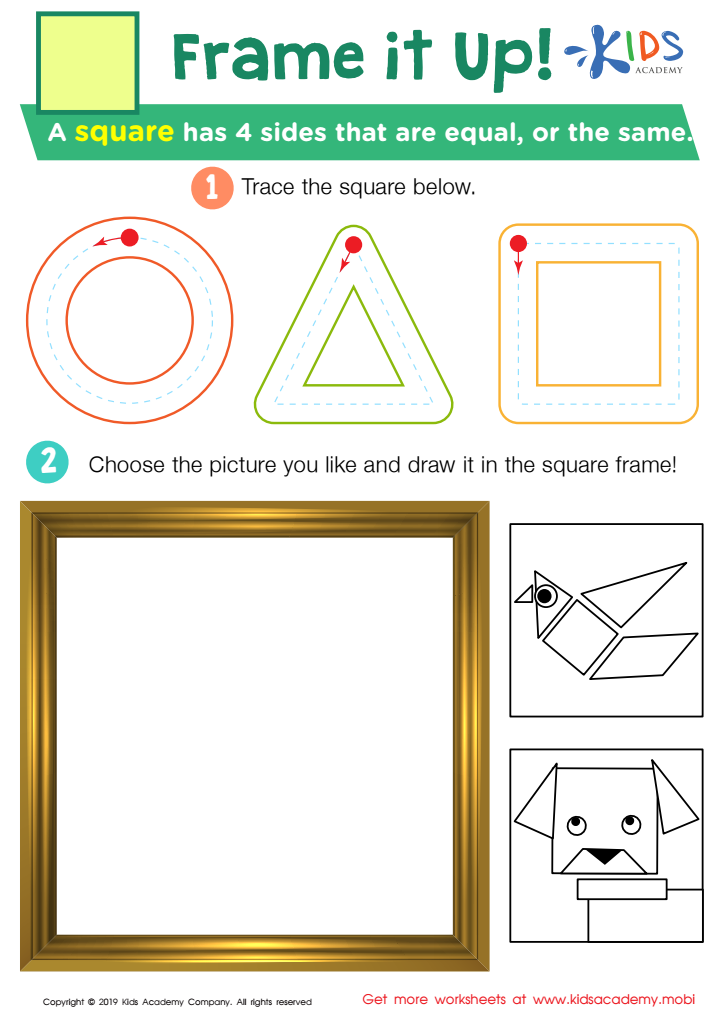
This worksheet helps kids learn the difference between squares and other shapes. It guides them to trace a square and draw a picture inside it. Examples of shapes-based drawings are included. Kids will have fun and clear up any confusion about squares.
Frame it Up Worksheet
Worksheet
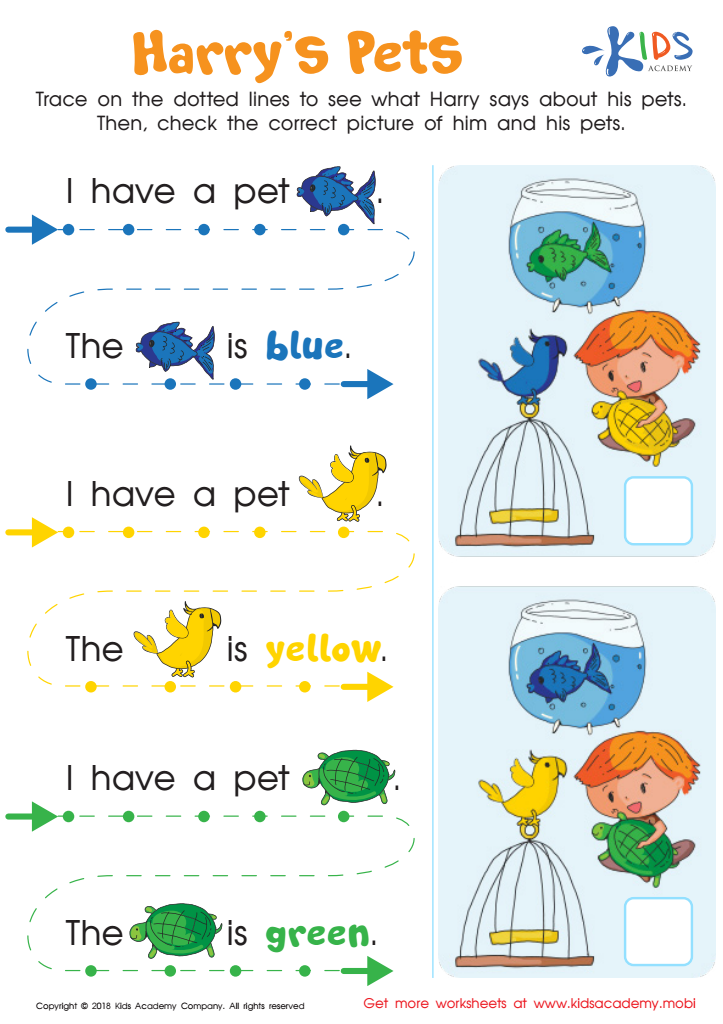
Read from Left to Right: Harry's Pets Worksheet

Read from Left to Right: Harry's Pets Worksheet

Help your child read the sentences on this tracing sheet about Harry and his pets. Point to the dotted lines and follow the sentences to the correct picture. Ask your child to identify which animal corresponds to which color. Check the picture to ensure accuracy. 80 words.
Read from Left to Right: Harry's Pets Worksheet
Worksheet
The Five Little Monkeys Nursery Rhyme Worksheet

The Five Little Monkeys Nursery Rhyme Worksheet

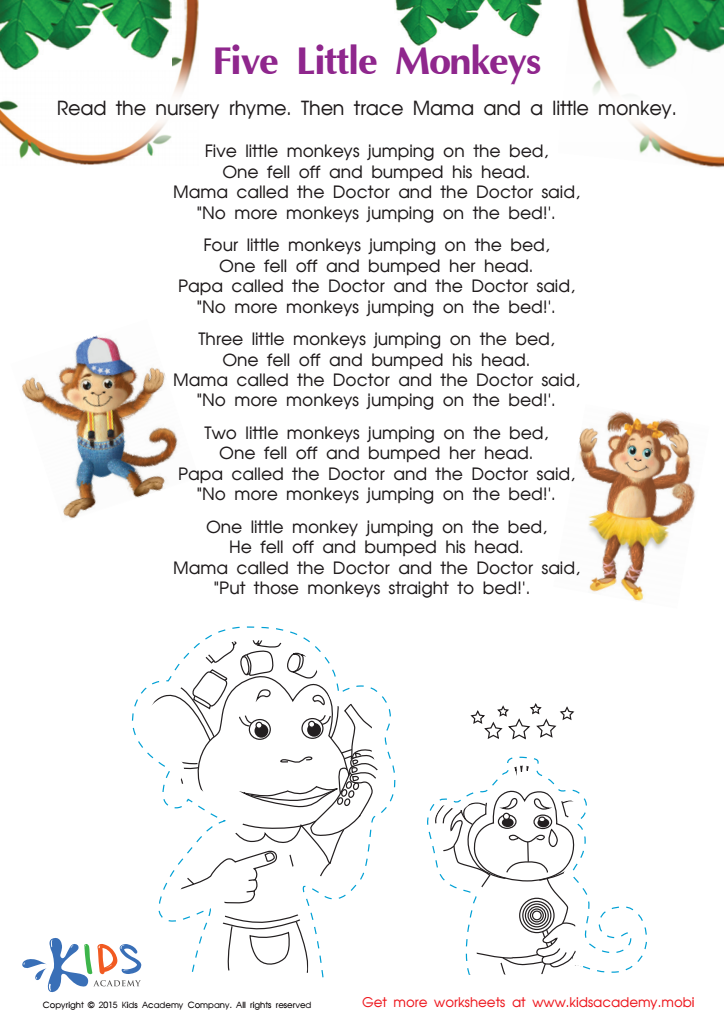
Sing the beloved nursery rhyme "Five Little Monkeys" with your child, and add a finger play for extra fun! After a few times, encourage them to join in and fill the songs with laughter. Also, have fun coloring the worksheet featuring the monkeys and their Mama.
The Five Little Monkeys Nursery Rhyme Worksheet
Worksheet
Horses Worksheet
Horses Worksheet

Horses Worksheet

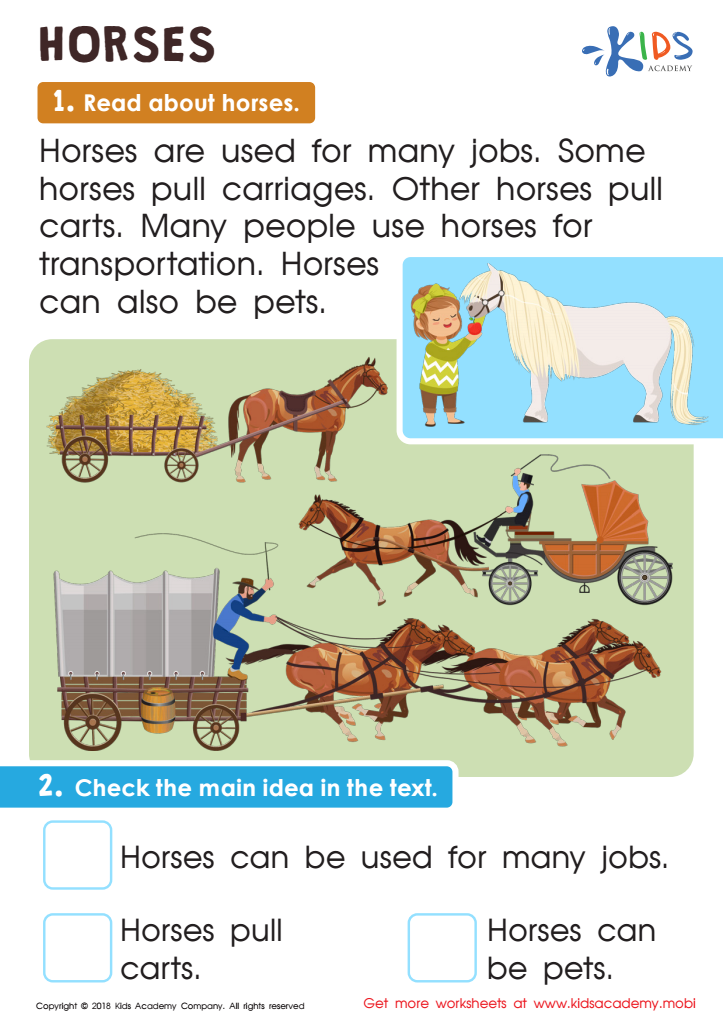
Help your little reader differentiate between details and the main idea with this fun worksheet about horses. Kids will be excited to learn about the different roles horses play. To ensure they understand the overall concept, discuss it before having them choose the right statement at the end.
Horses Worksheet
Worksheet
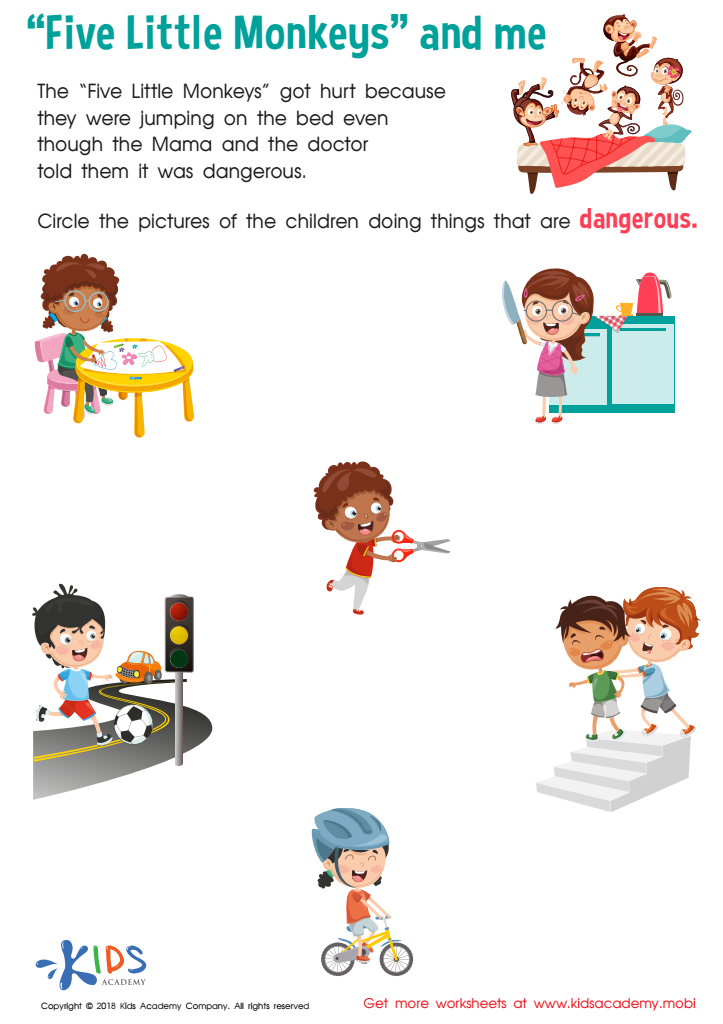
Five Little Monkeys and Me Worksheet

Five Little Monkeys and Me Worksheet

This free PDF worksheet provides preschoolers an understanding of danger and appropriate play. It allows them to recognize dangerous situations and why they can be risky, granting kids perspective from both parents and teachers. It's a fun, safe way to help them internalize what's dangerous and what's not.
Five Little Monkeys and Me Worksheet
Worksheet
Pair Pears Worksheet
Pair Pears Worksheet
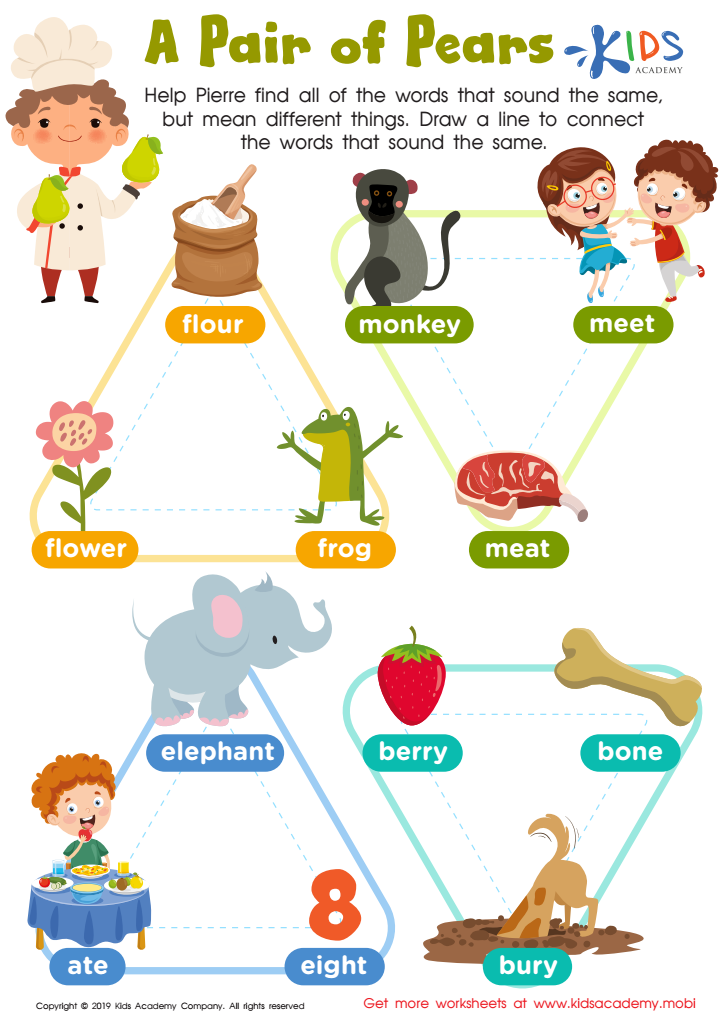
Young readers can have difficulty knowing when to use the right homophone. This free worksheet helps them use familiar imagery to understand better by connecting words that sound similar but are spelled and mean different things. Students will trace the lines to form a picture and have a reference image to differentiate between the different homophones.
Pair Pears Worksheet
Worksheet
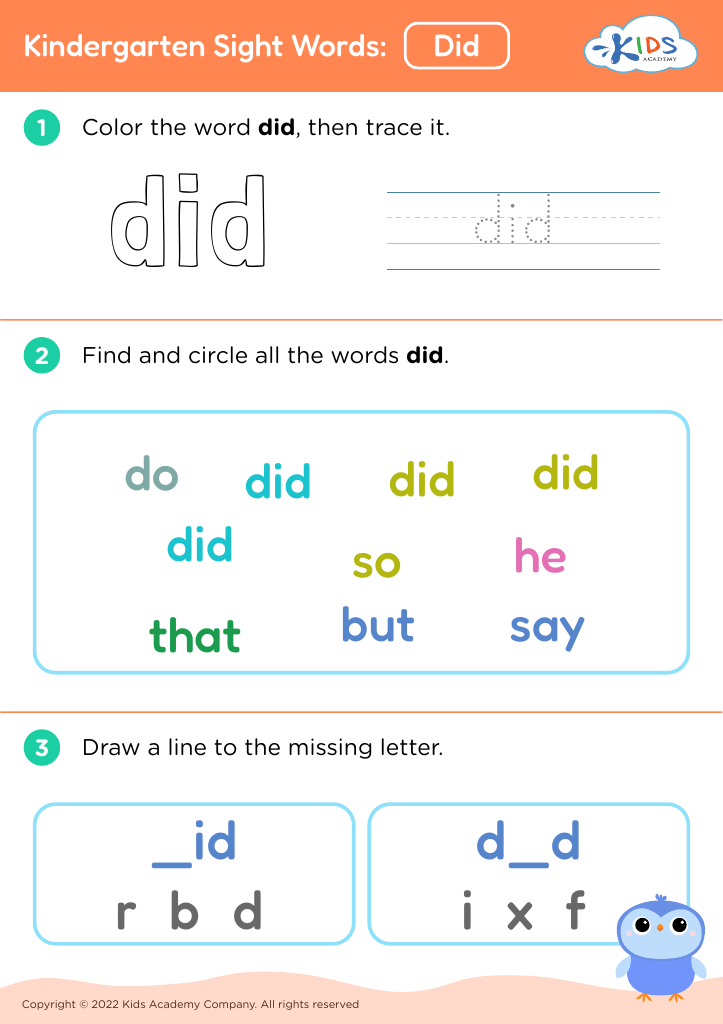
Kindergarten Sight Words: Did

Kindergarten Sight Words: Did

Kindergarten Sight Words: Did
Worksheet
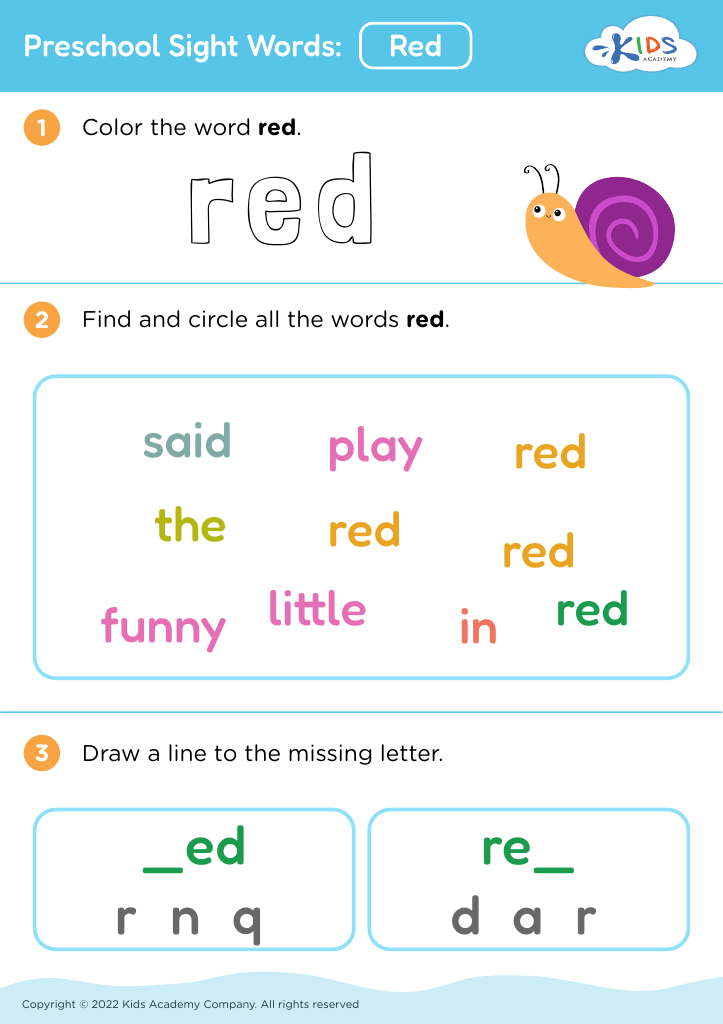
Preschool Sight Words: Red

Preschool Sight Words: Red

Preschool Sight Words: Red
Worksheet
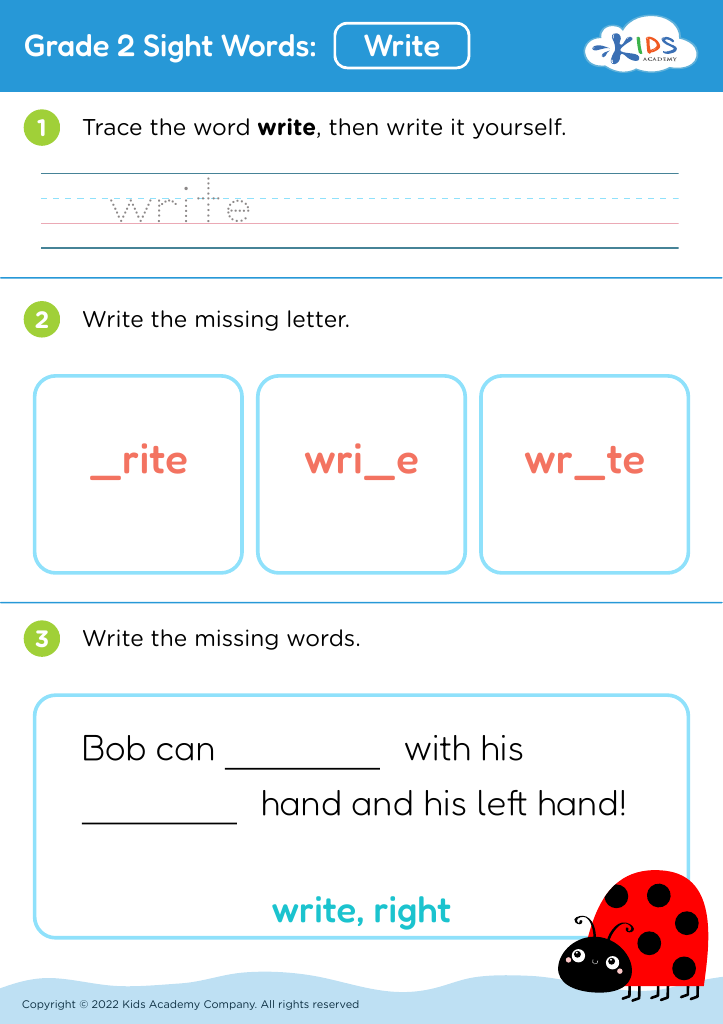
Grade 2 Sight Words: Write

Grade 2 Sight Words: Write

Grade 2 Sight Words: Write
Worksheet
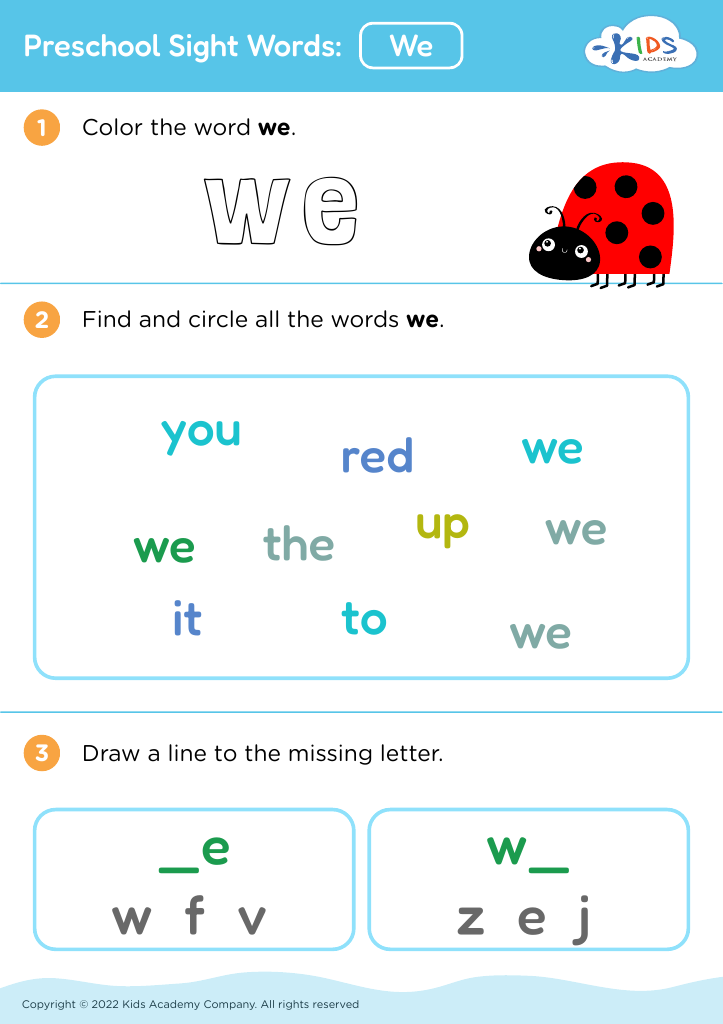
Preschool Sight Words: We

Preschool Sight Words: We

Preschool Sight Words: We
Worksheet
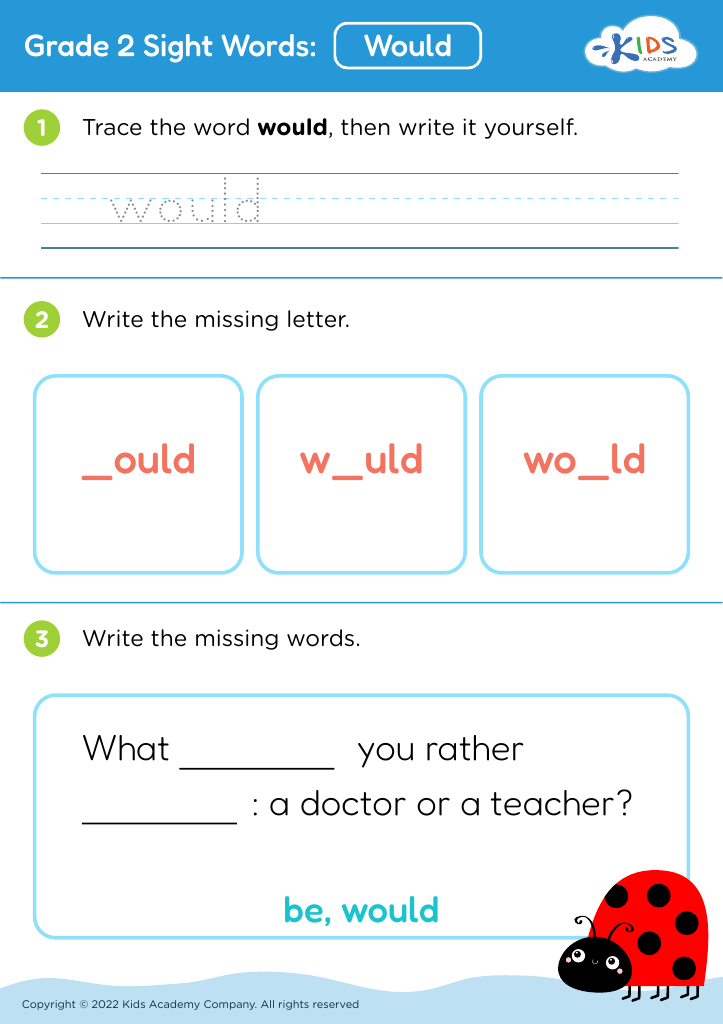
Grade 2 Sight Words: Would

Grade 2 Sight Words: Would

Grade 2 Sight Words: Would
Worksheet
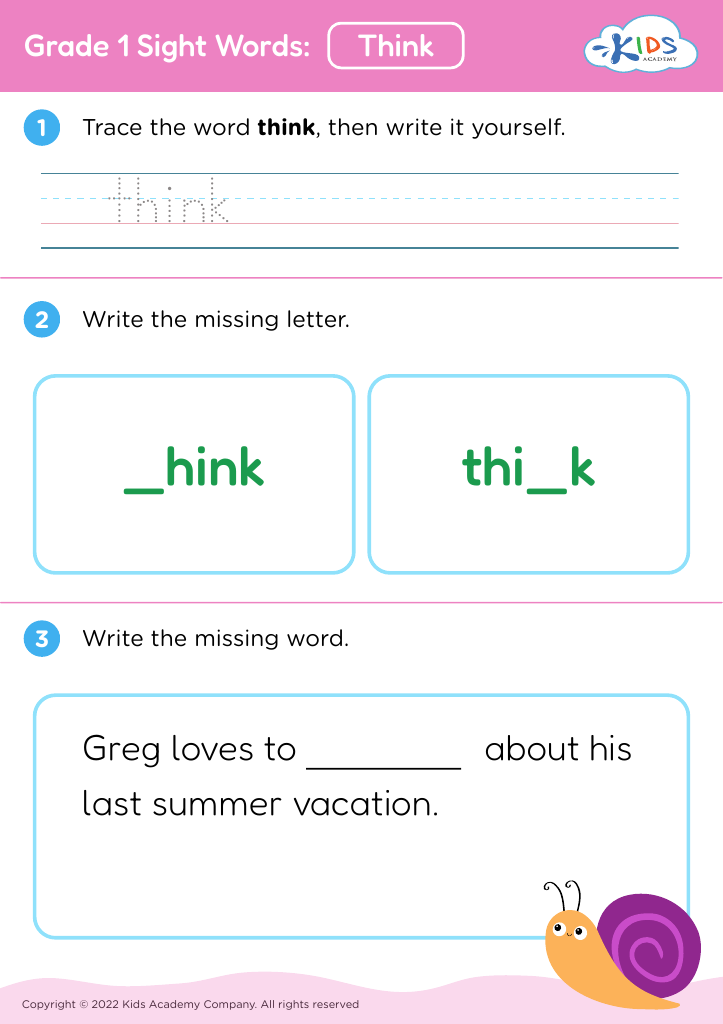
Grade 1 Sight Words: Think

Grade 1 Sight Words: Think

Grade 1 Sight Words: Think
Worksheet
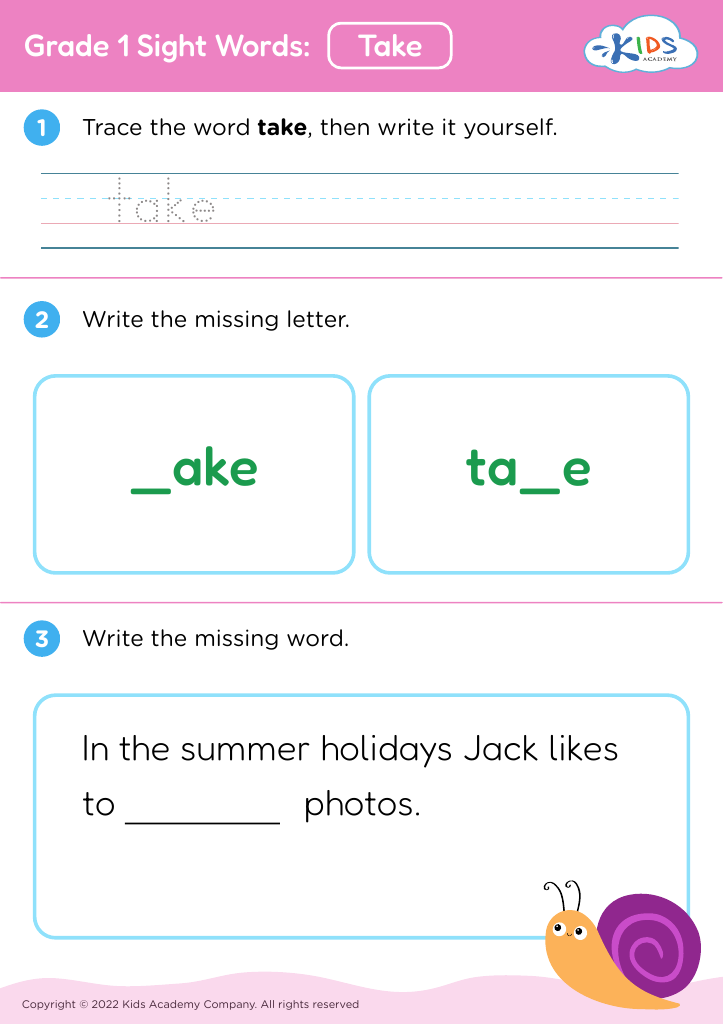
Grade 1 Sight Words: Take

Grade 1 Sight Words: Take

Grade 1 Sight Words: Take
Worksheet
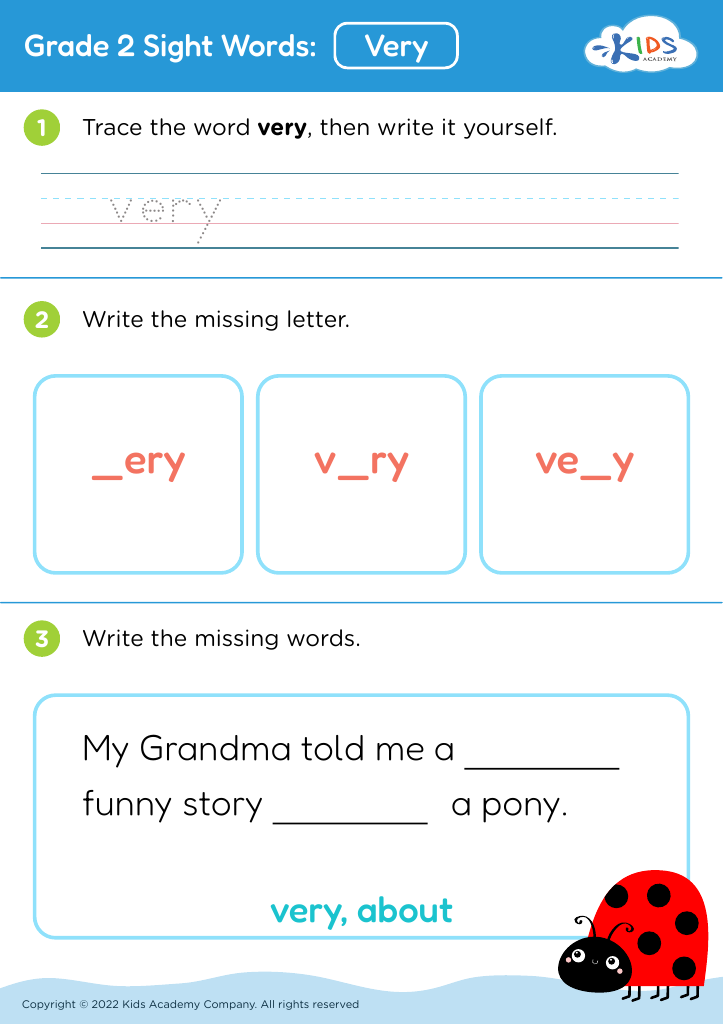
Grade 2 Sight Words: Very

Grade 2 Sight Words: Very

Grade 2 Sight Words: Very
Worksheet
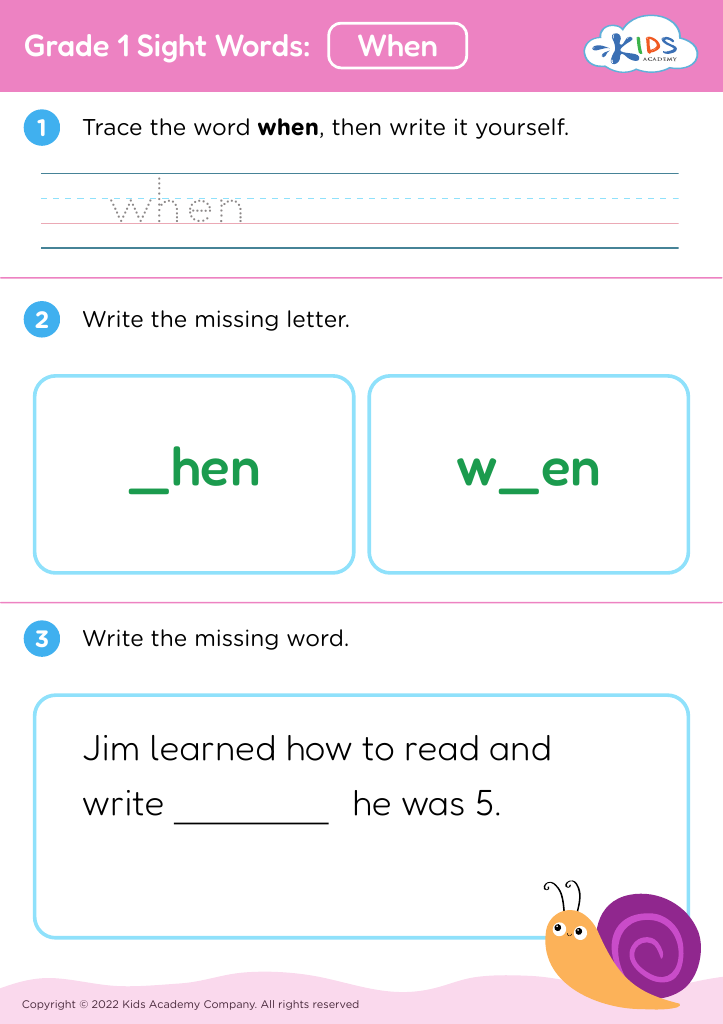
Grade 1 Sight Words: When

Grade 1 Sight Words: When

Grade 1 Sight Words: When
Worksheet
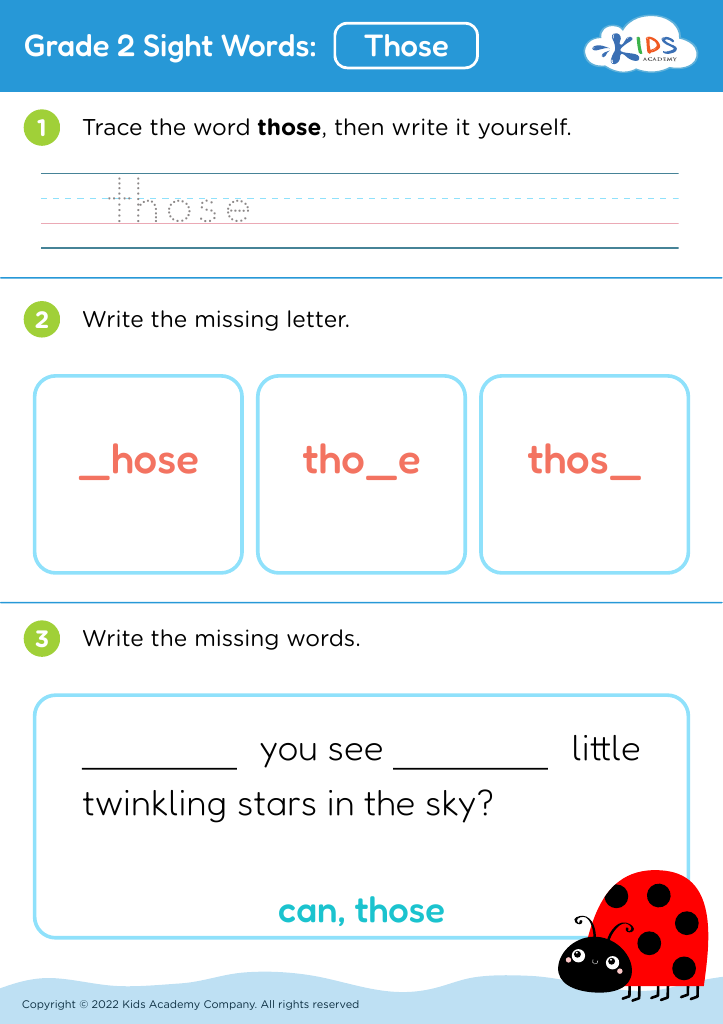
Grade 2 Sight Words: Those

Grade 2 Sight Words: Those

Grade 2 Sight Words: Those
Worksheet
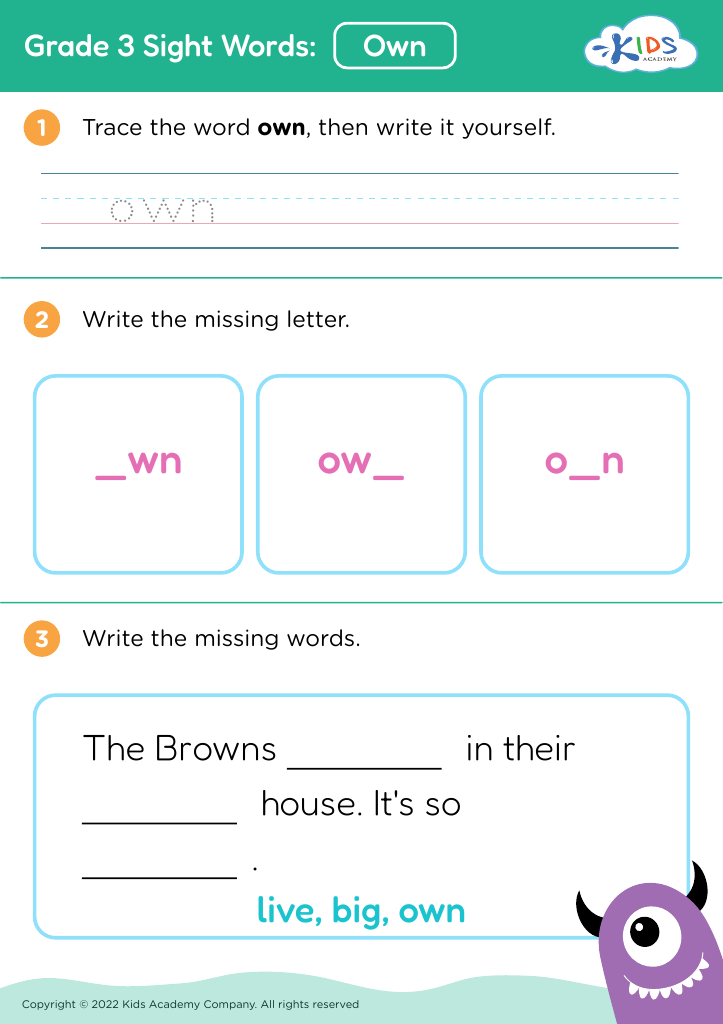
Grade 3 Sight Words: Own

Grade 3 Sight Words: Own

Grade 3 Sight Words: Own
Worksheet
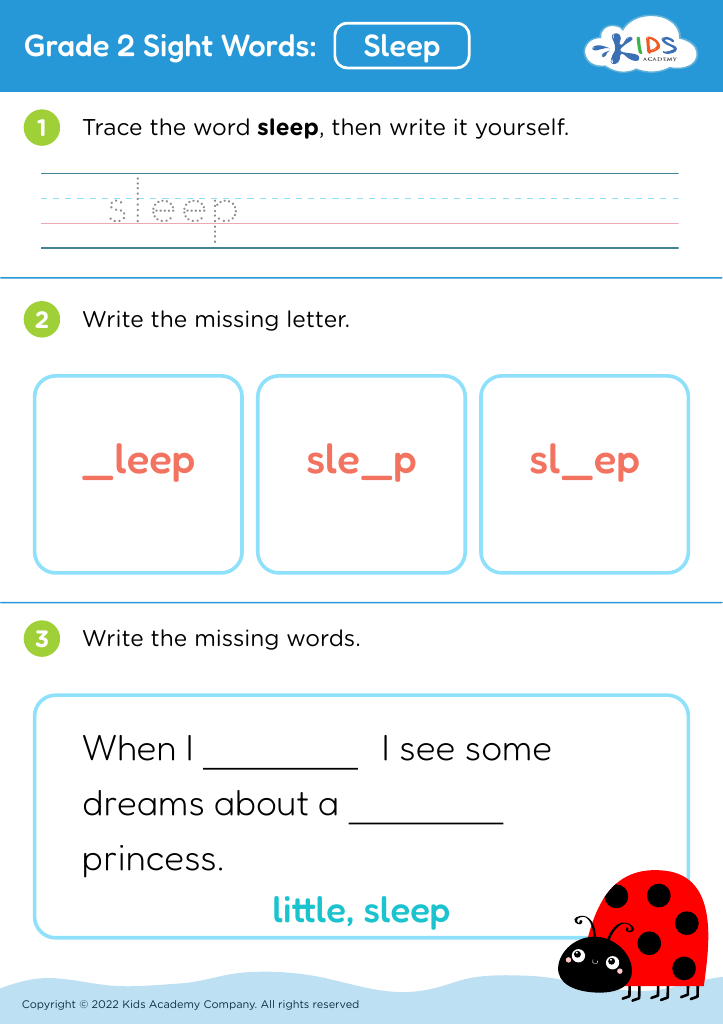
Grade 2 Sight Words: Sleep

Grade 2 Sight Words: Sleep

Grade 2 Sight Words: Sleep
Worksheet
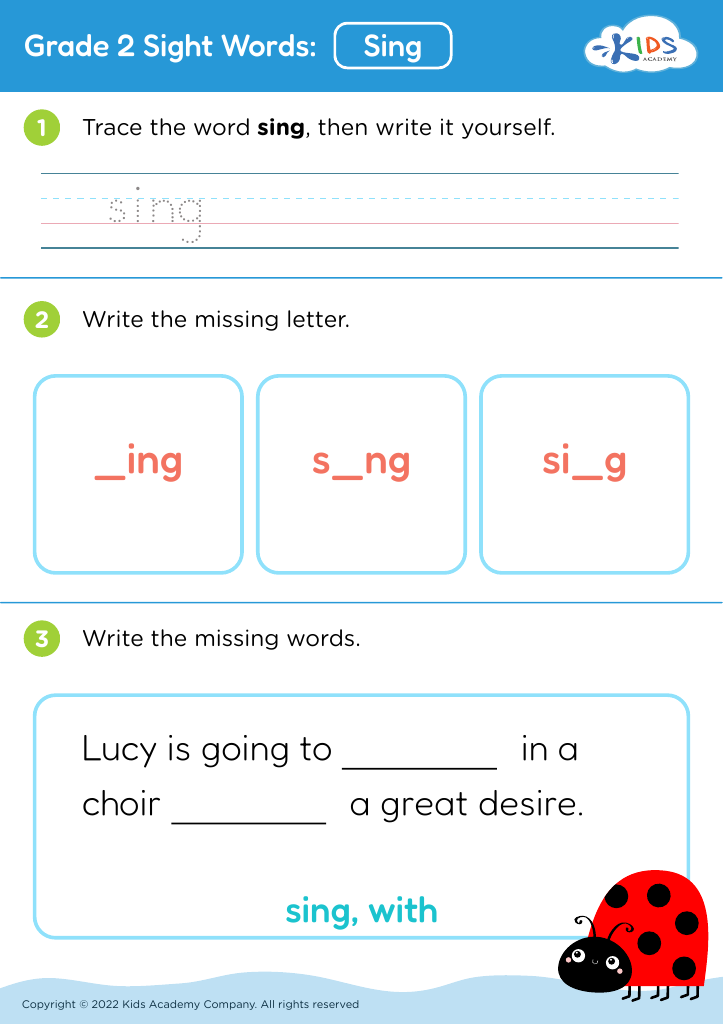
Grade 2 Sight Words: Sing

Grade 2 Sight Words: Sing

Grade 2 Sight Words: Sing
Worksheet
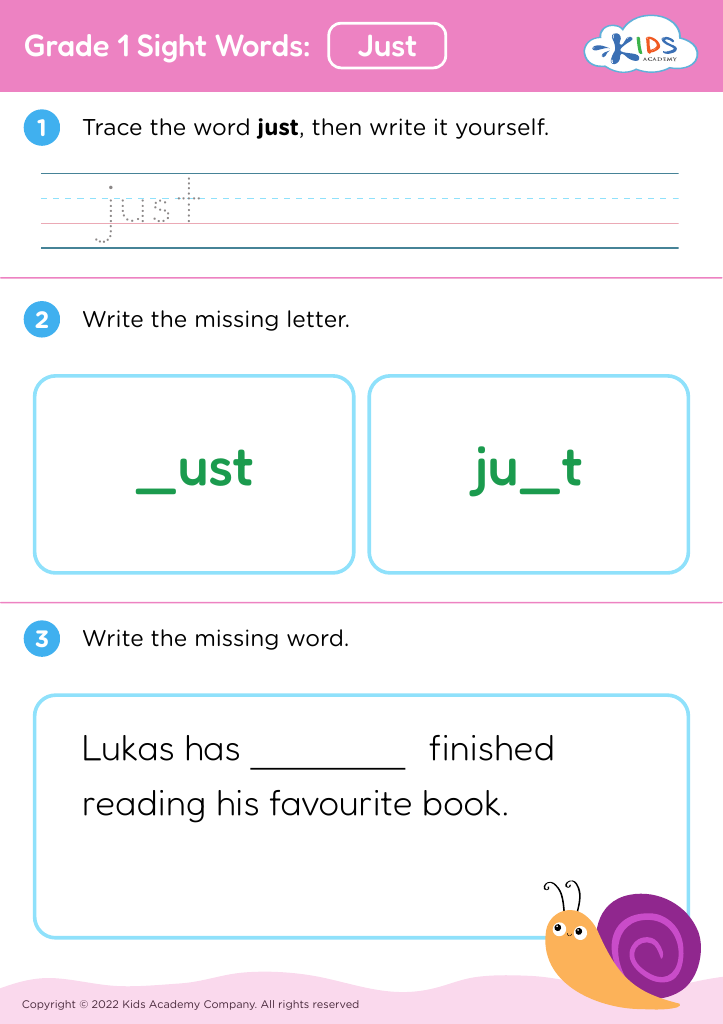
Grade 1 Sight Words: Just

Grade 1 Sight Words: Just

Grade 1 Sight Words: Just
Worksheet
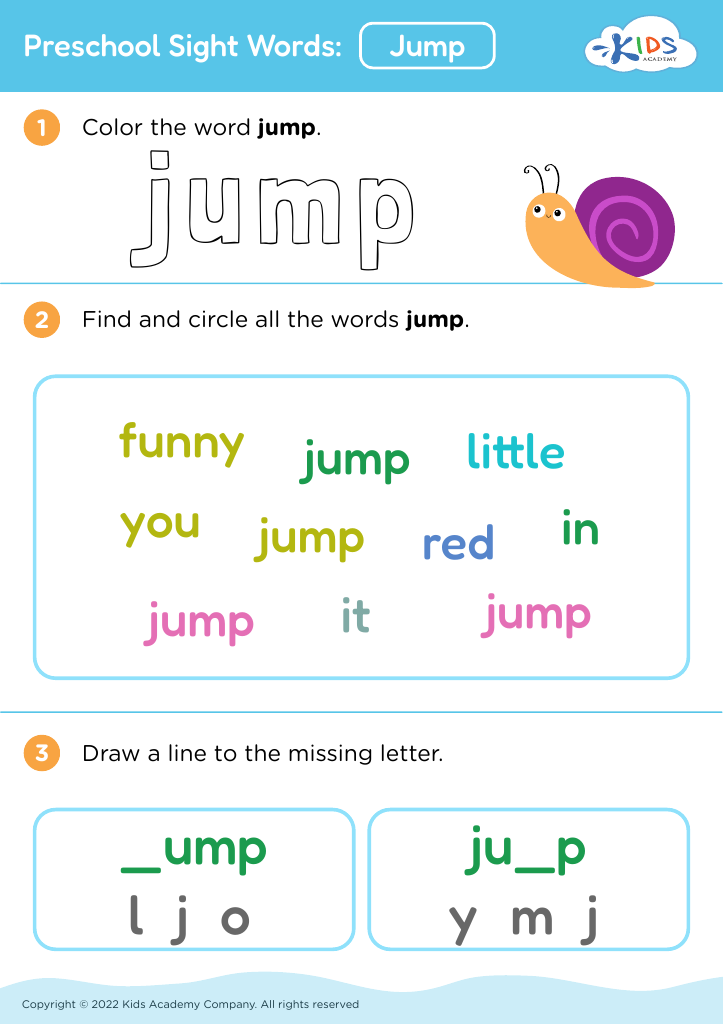
Preschool Sight Words: Jump

Preschool Sight Words: Jump

Preschool Sight Words: Jump
Worksheet
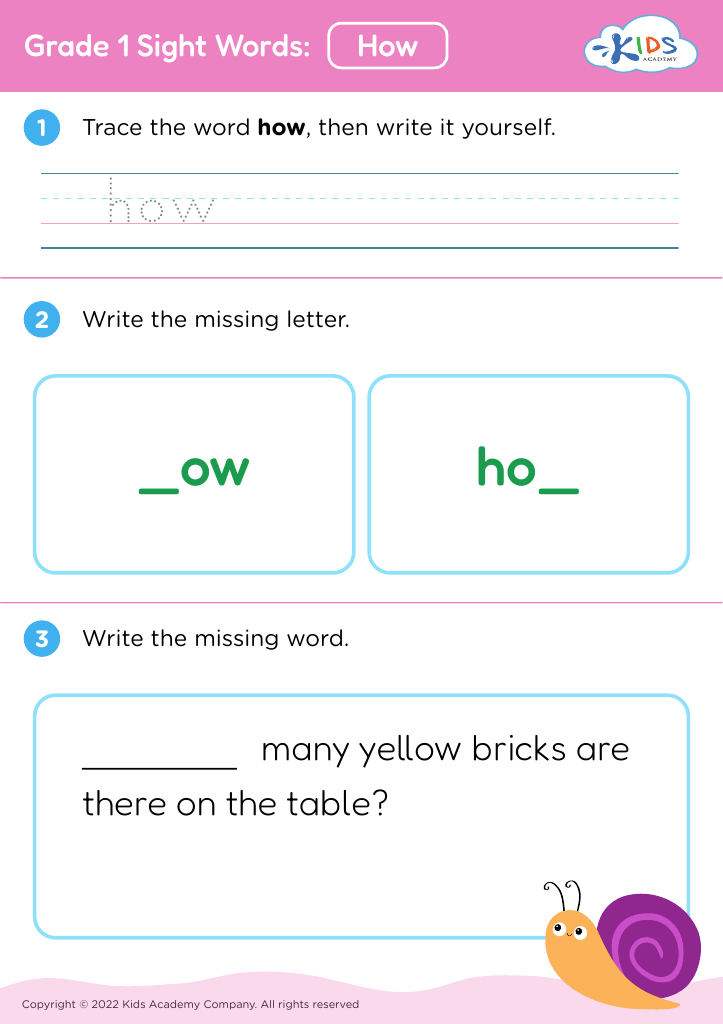
Grade 1 Sight Words: How

Grade 1 Sight Words: How

Grade 1 Sight Words: How
Worksheet
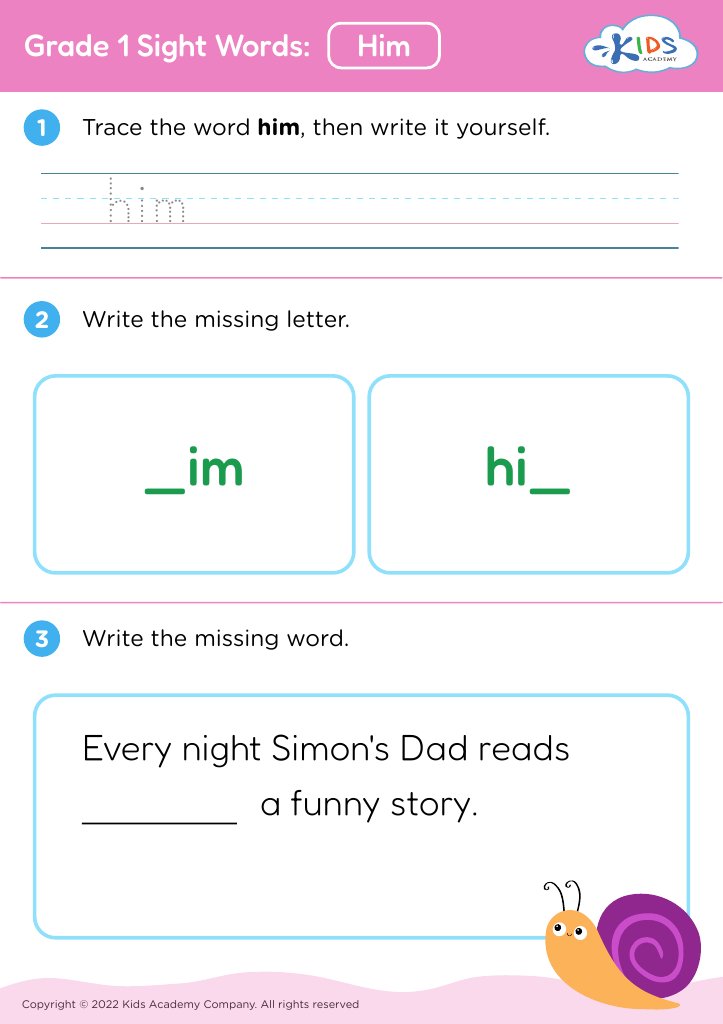
Grade 1 Sight Words: Him

Grade 1 Sight Words: Him

Grade 1 Sight Words: Him
Worksheet
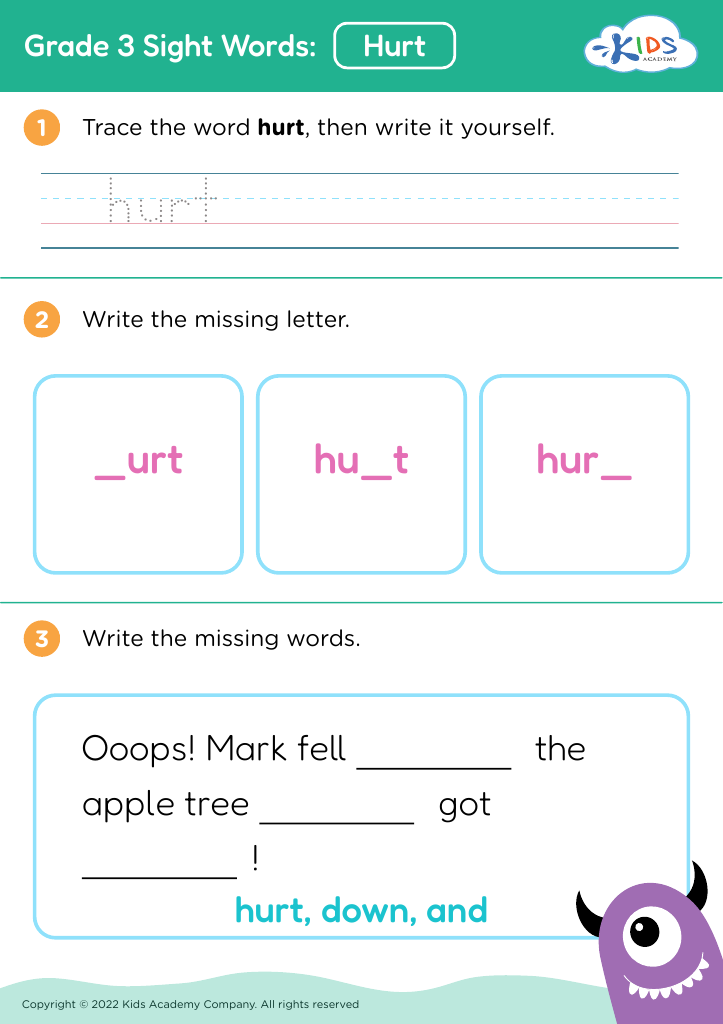
Grade 3 Sight Words: Hurt

Grade 3 Sight Words: Hurt

Grade 3 Sight Words: Hurt
Worksheet


Counting skills and reading abilities form the backbone of a child's early education, serving as foundational elements for future academic success and everyday functioning. For children aged 4-8, developing these skills is crucial for cognitive growth, problem-solving, and overall literacy.

Counting skills are more than just memorizing numbers; they introduce basic math concepts such as addition, subtraction, understanding quantities, and recognizing patterns. These skills support logical thinking and pave the way for more complex mathematical learning. Early proficiency in counting can boost a child's confidence and set a positive foundation for their relationship with math throughout their schooling years.

Reading, on the other hand, is equally significant. Early reading skills encompass vocabulary development, comprehension, and phonemic awareness, allowing children to decode words, understand meaning, and engage with text. Reading at a young age encourages a love for books and learning, fostering imagination and critical thinking skills. Proficient readers are better equipped to understand instructions, grasp new information, and perform well academically across various subjects.

Parents and teachers play a pivotal role in nurturing these abilities by providing a stimulating environment rich in books, engaging math-related activities, and consistent encouragement. Prioritizing counting skills and reading now opens doors to lifelong learning and achievement, making these early years both valuable and transformative.