Fine Motor Skills Reading Worksheets for Ages 4-8 - Page 3
52 filtered results
-
From - To
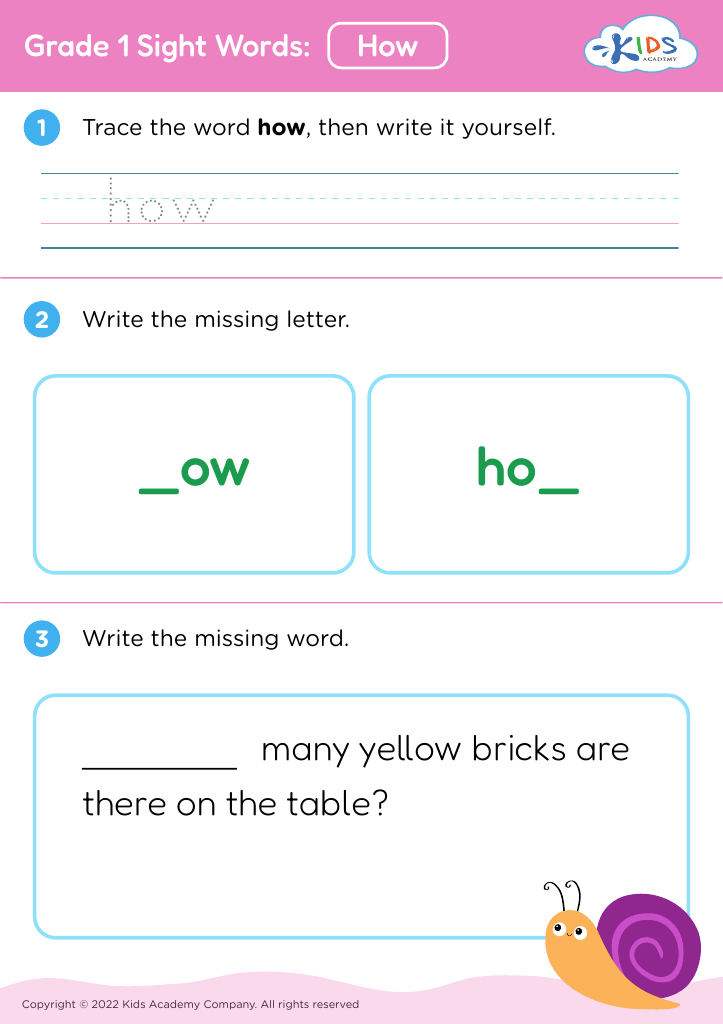
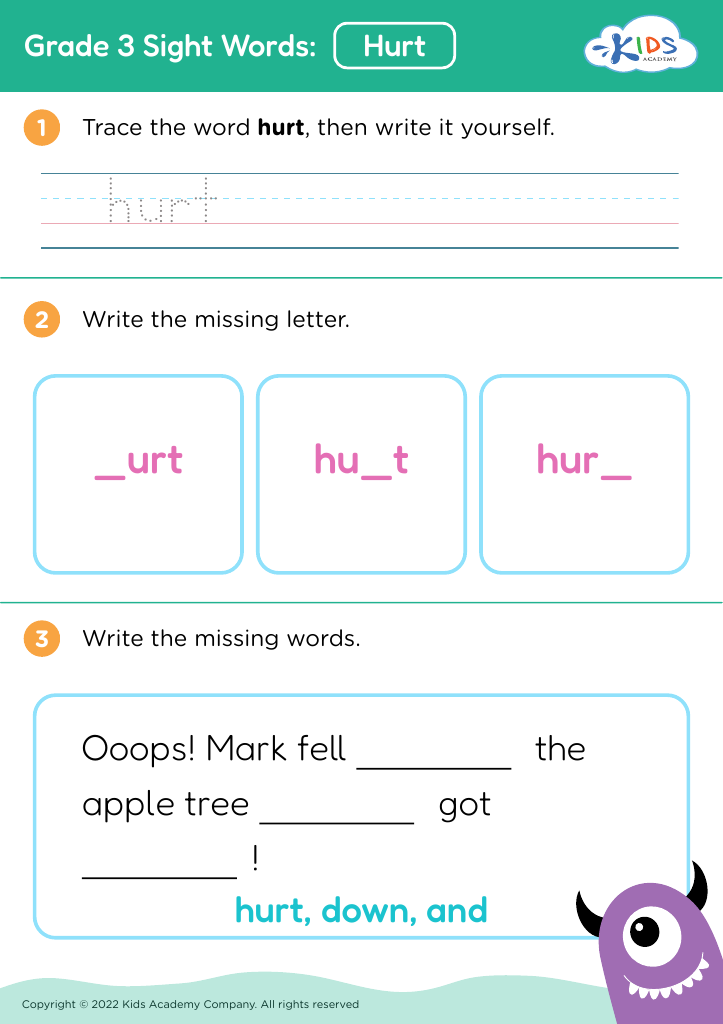
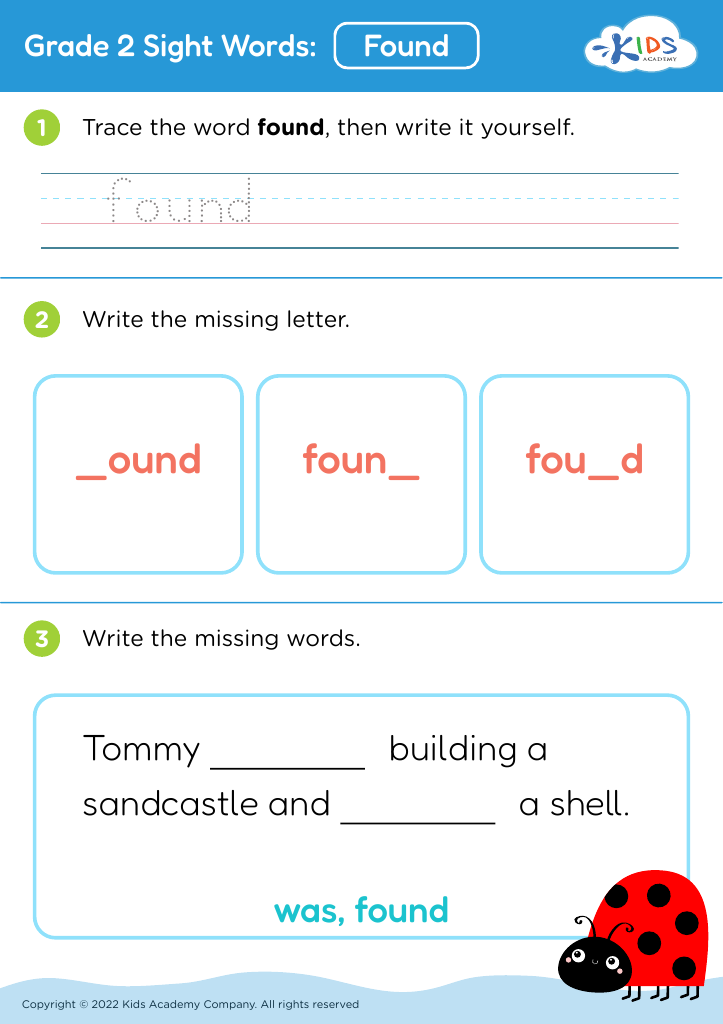
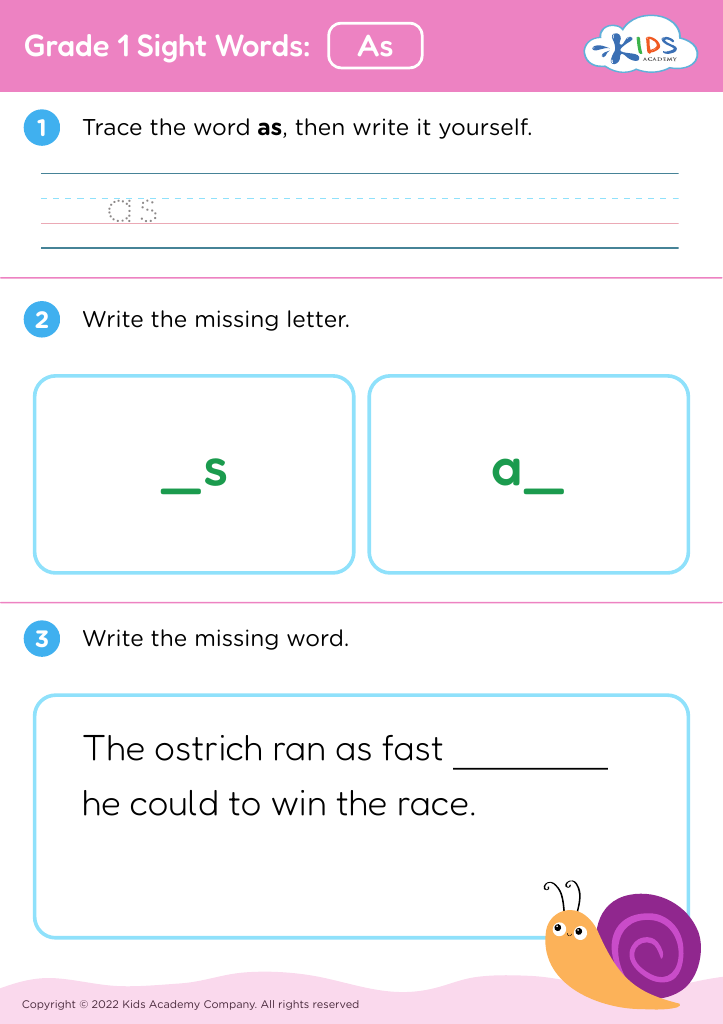






.jpg)
Fine motor skills are crucial for children aged 4-8 as they lay the foundation for numerous academic and everyday tasks, including reading and writing. These skills involve the coordination of small muscles in the hands and fingers, which are essential for manipulating tools like pencils, scissors, and books. As children develop fine motor skills, they become more confident in their ability to interact with written materials.
From a reading perspective, strong fine motor skills enable children to hold and turn pages of a book properly, use a pencil or crayon to underline or trace words, and eventually write letters and words legibly. This not only fosters a love for reading but also enhances comprehension as children engage more fully with texts. Furthermore, developing these skills supports critical thinking, creativity, and mathematical abilities, all of which contribute to a well-rounded education.
Parents and teachers should prioritize activities that promote fine motor development, such as playing with building blocks, practicing with clay, or engaging in art projects. By nurturing these skills, they help create a solid foundation for literacy and boost children's overall learning experiences, ultimately setting them up for long-term success in school and life.








