Shape Recognition Reading Worksheets for Ages 4-8
14 filtered results
-
From - To
Welcome to our "Shape Recognition Reading Worksheets for Ages 4-8" section! These engaging worksheets are designed to help children enhance their shape recognition skills while fostering early reading abilities. Through a variety of fun activities, such as identifying shapes in pictures, matching shapes to words, and interactive puzzles, young learners will develop a strong foundation in recognizing and understanding shapes. Perfect for preschool and early elementary students, our printable resources are crafted to maintain interest and encourage participation. Support your child’s cognitive growth and literacy skills as they discover the exciting world of shapes through reading and interactive learning!
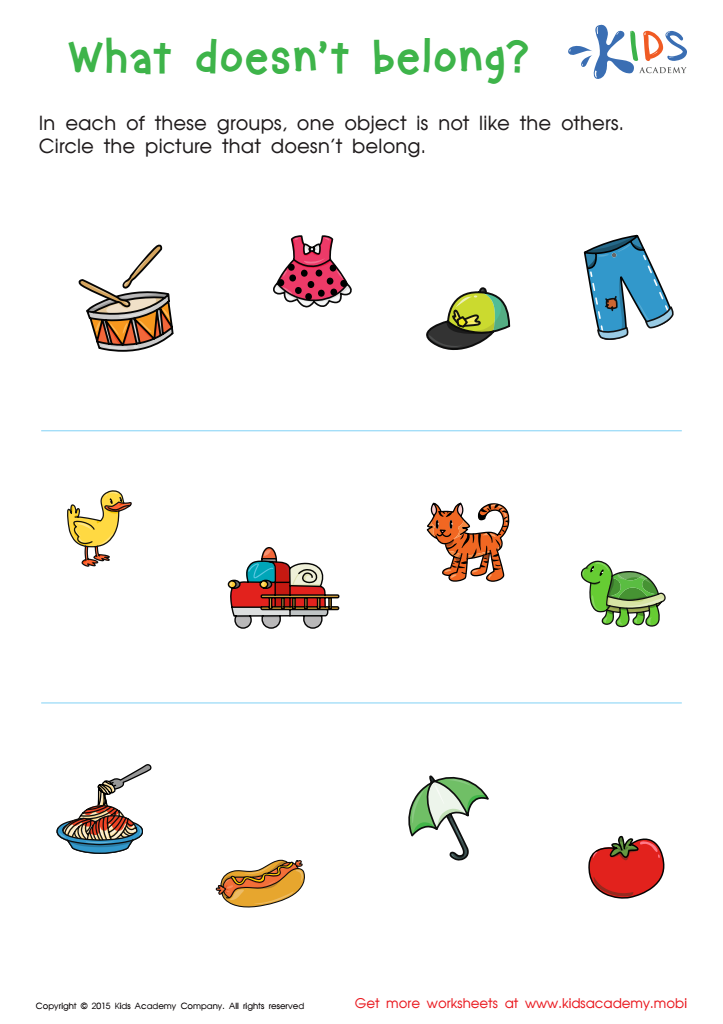
First Words: What Doesn't Belong Worksheet
 Assign to My Students
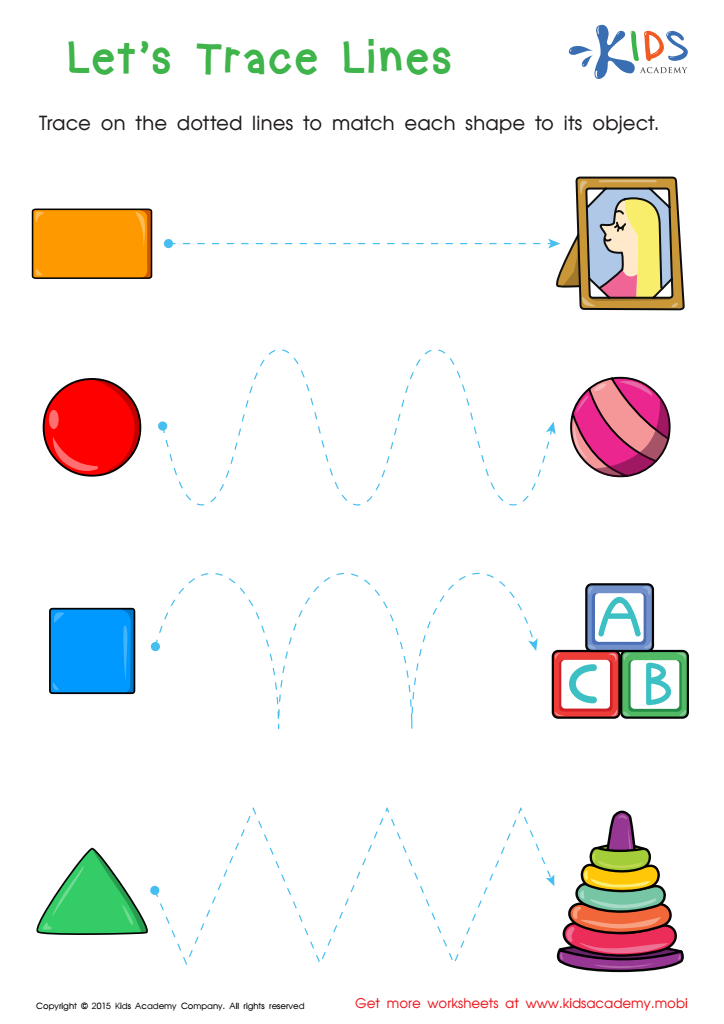
First Words: Let's Trace Lines Worksheet
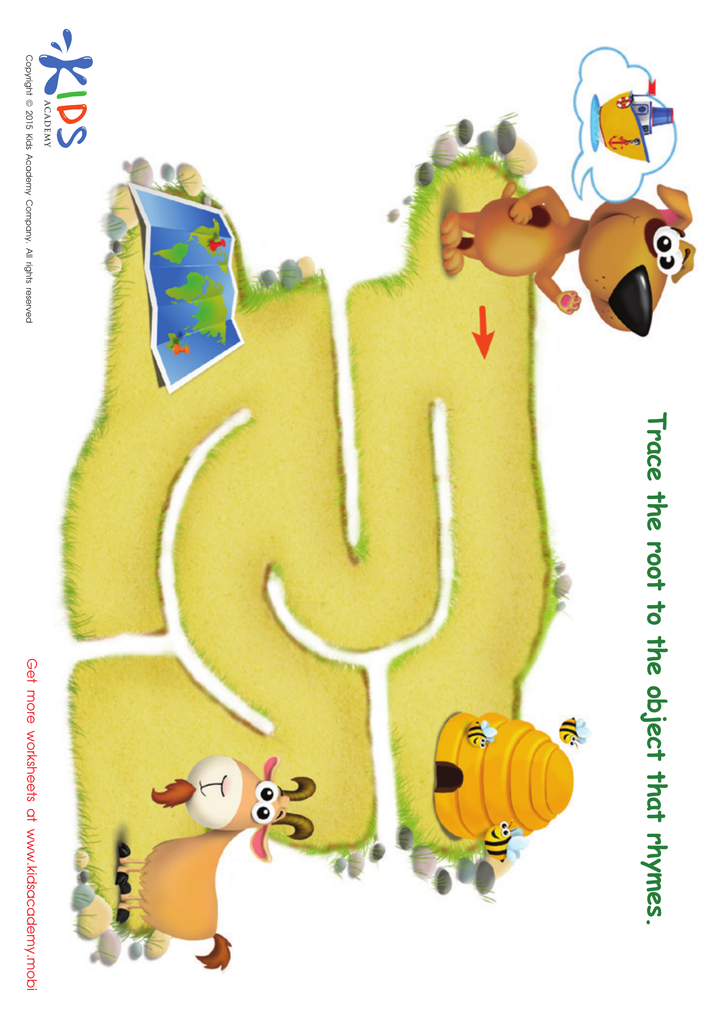
Boat Rhyming Words Worksheet
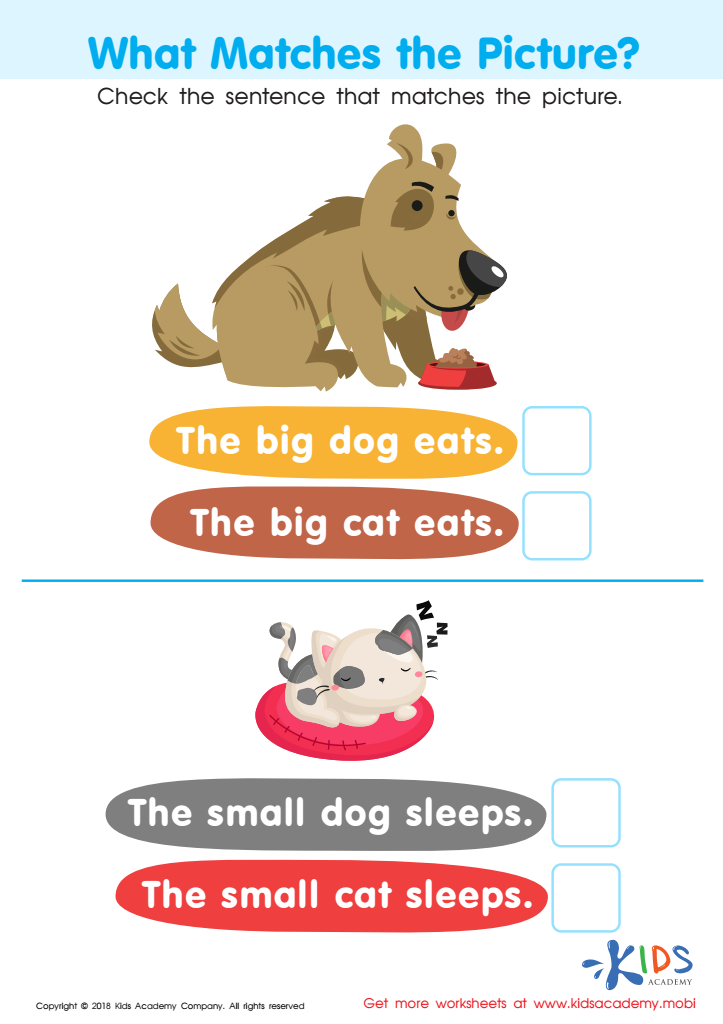
What Matches the Picture? Worksheet
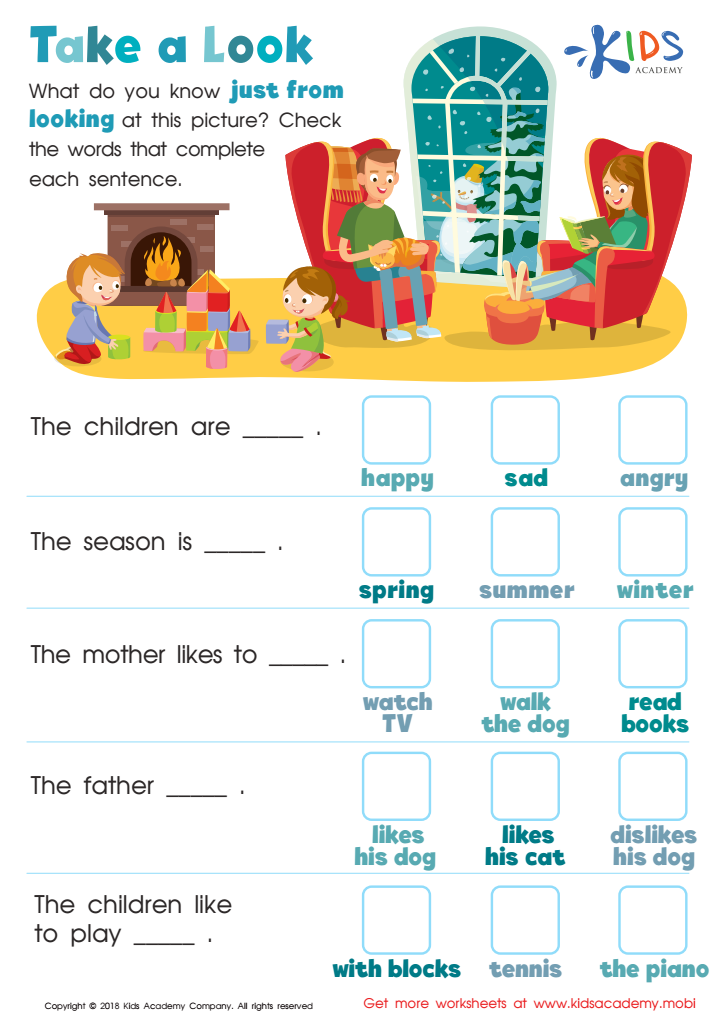
Take a Look - Part 1 Worksheet
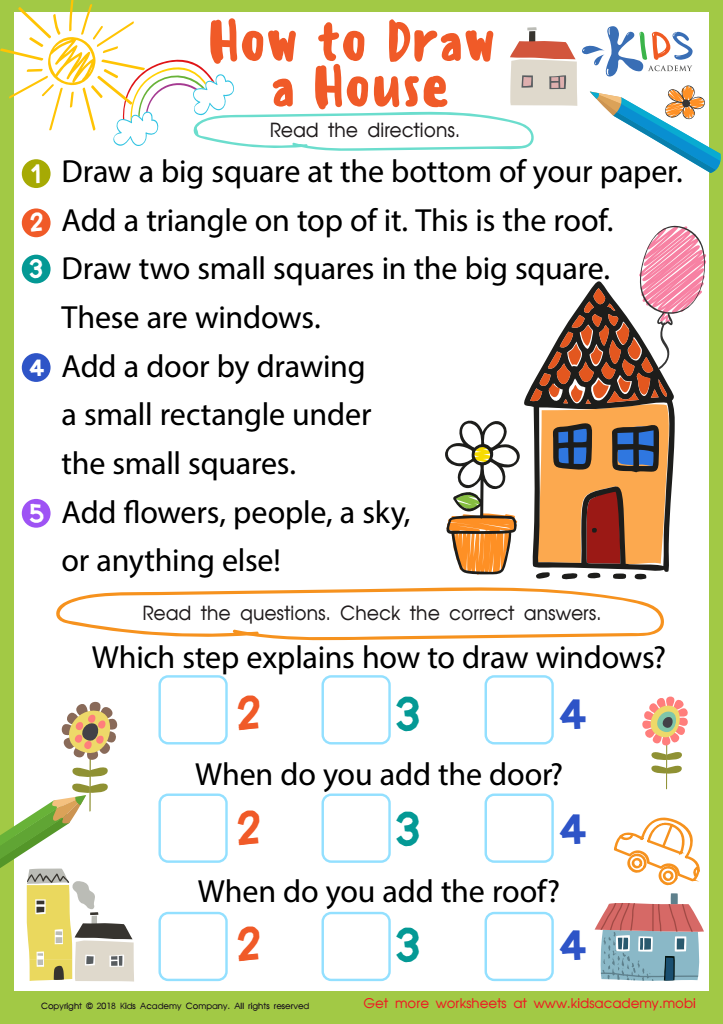
How to Draw House Worksheet
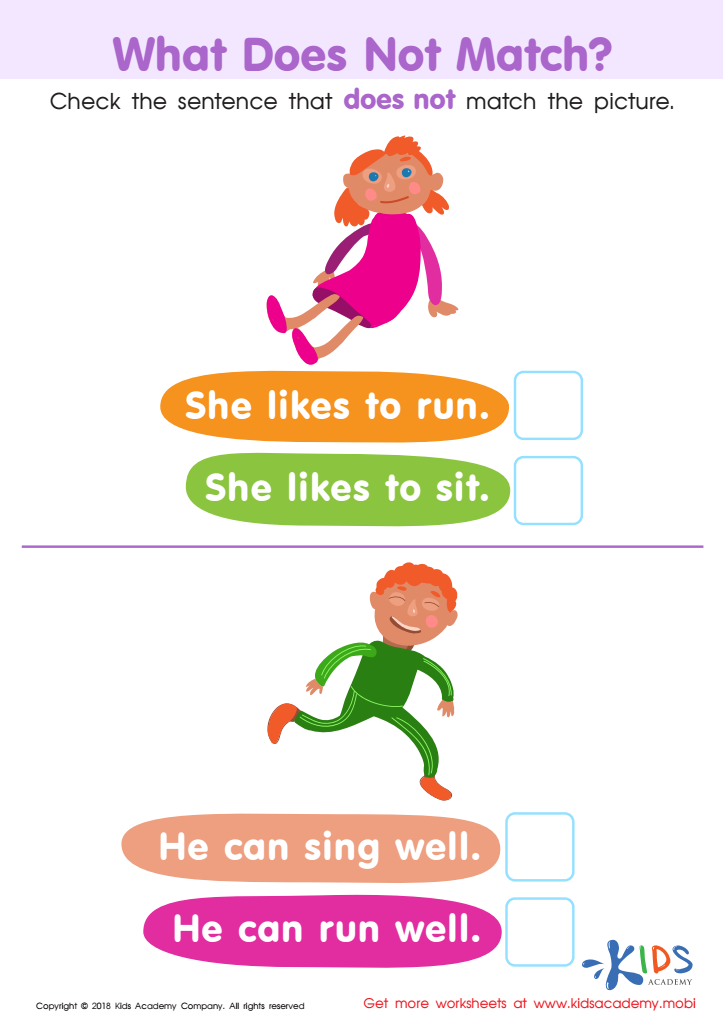
What Does Not Match? Worksheet
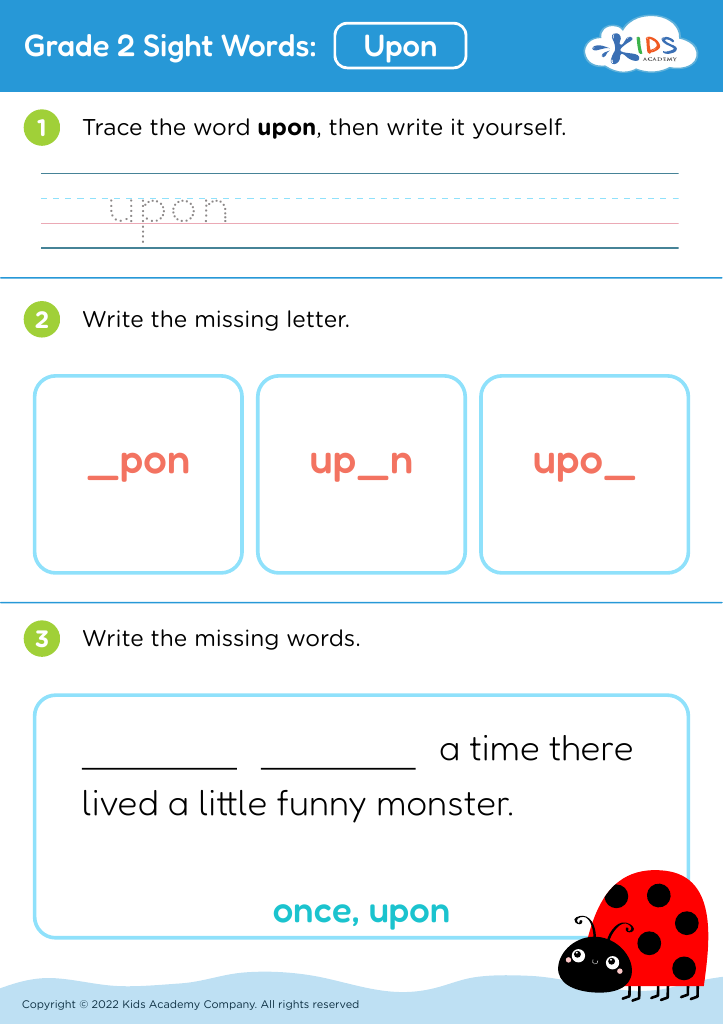
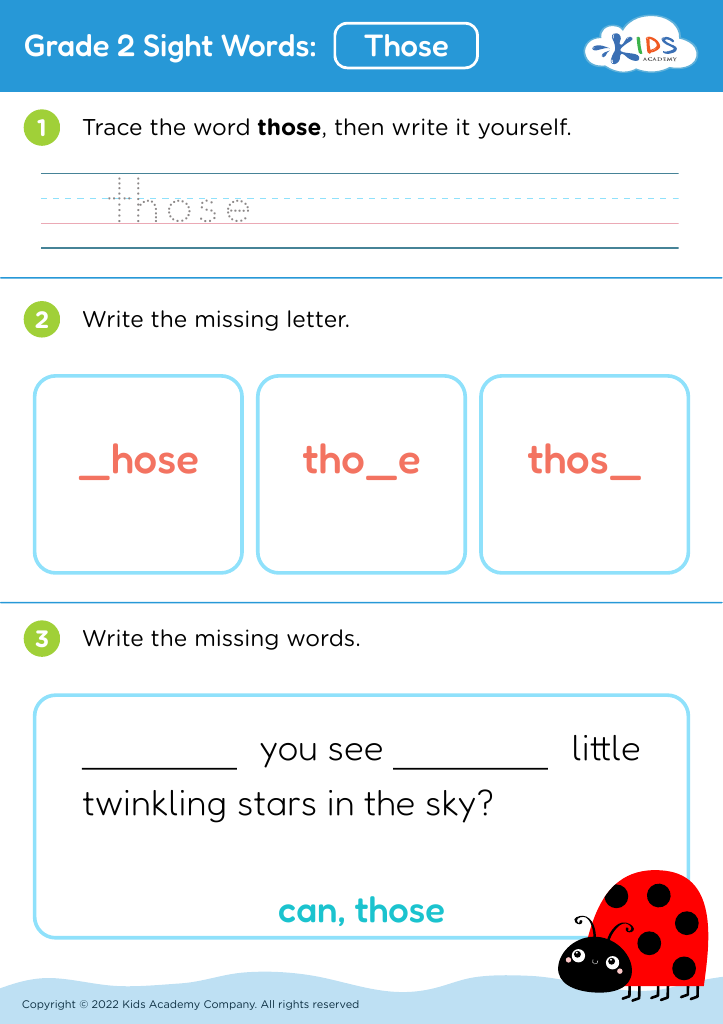
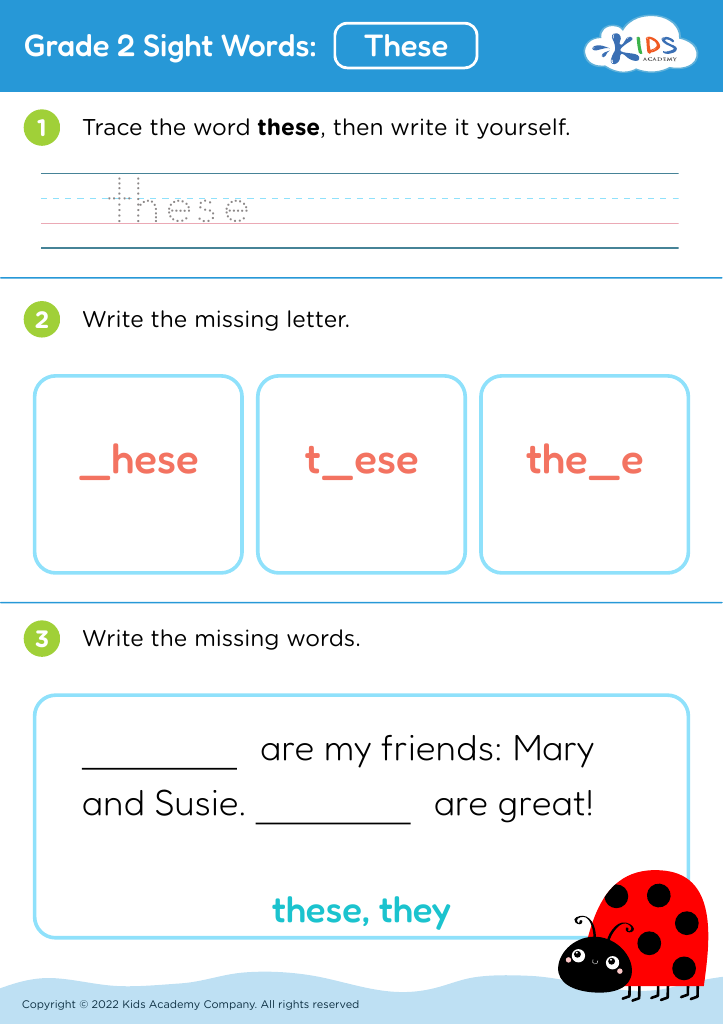
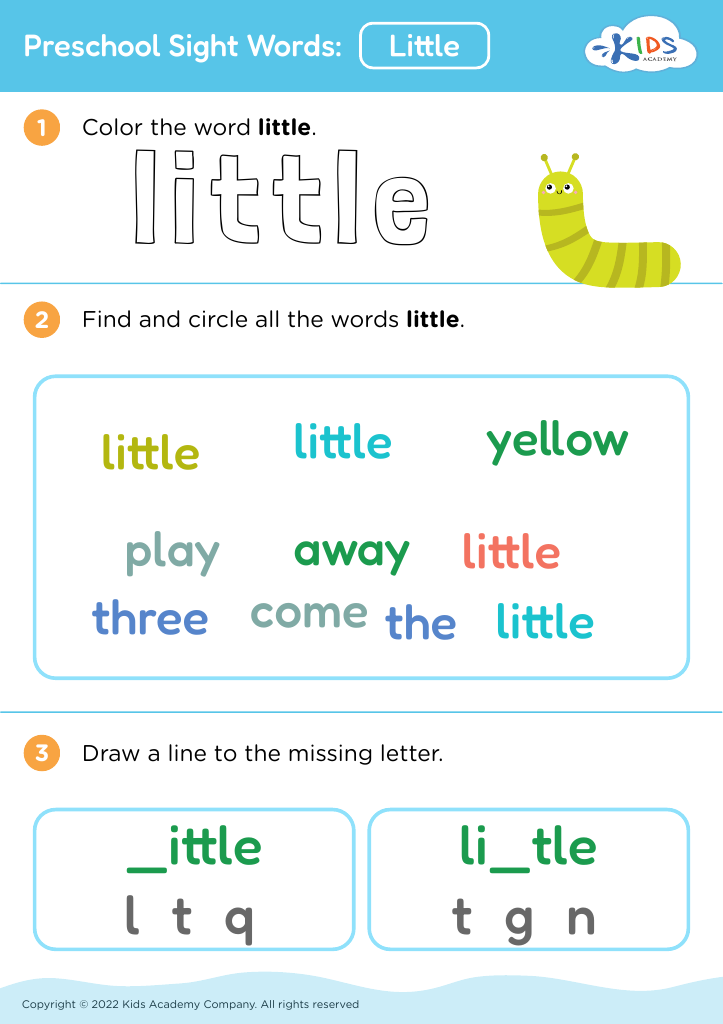




.jpg)

Shape recognition is a fundamental skill closely tied to early literacy development for children ages 4-8. Parents and teachers should prioritize shape recognition reading because it serves as a precursor to reading and mathematical skills. Young learners begin to understand the world around them through shapes, which leads to improved cognitive skills such as categorization, spatial awareness, and problem-solving.
By engaging in shape recognition activities, children enhance their language skills as they associate shapes with words and descriptions. This journey fosters early reading skills—children who recognize shapes often find it easier to identify letters and develop phonemic awareness. Shape recognition also reflects an understanding of visual cues, which is crucial when children learn to read by recognizing letters and constructing words.
Moreover, incorporating shape recognition into reading activities promotes critical thinking, creativity, and the ability to make connections between different concepts. Fun and interactive shape recognition games can hold a child's attention, making learning exciting while providing opportunities for discussion and exploration. For parents and educators, supporting shape recognition aligns with providing a strong foundation for future learning in both literacy and mathematics, ensuring children are better prepared for higher-level cognitive tasks as they progress in their educational journey.








