Comprehension skills Reading Comprehension Worksheets for Ages 4-8
15 filtered results
-
From - To
Enhance your child's reading journey with our engaging comprehension skills worksheets, specially designed for ages 4-8. Our collection promotes critical thinking and understanding through various fun activities that align with early learning standards. Each worksheet focuses on essential comprehension skills, including summarizing, predicting, and recalling information, helping young learners build a solid foundation for reading success. With vibrant images and interactive exercises, these worksheets not only make learning enjoyable but also foster a lifelong love for reading. Discover the joy of learning today and watch your child's reading comprehension thrive with our easy-to-use resources!
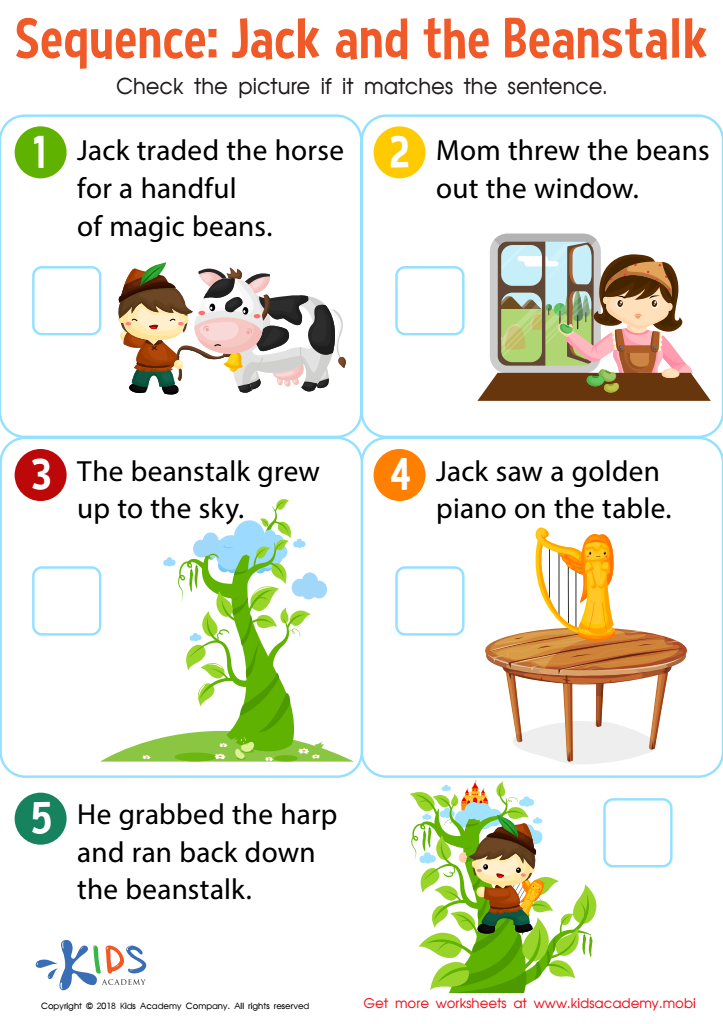
Sequence: Jack and The Beanstalk Worksheet
 Assign to My Students
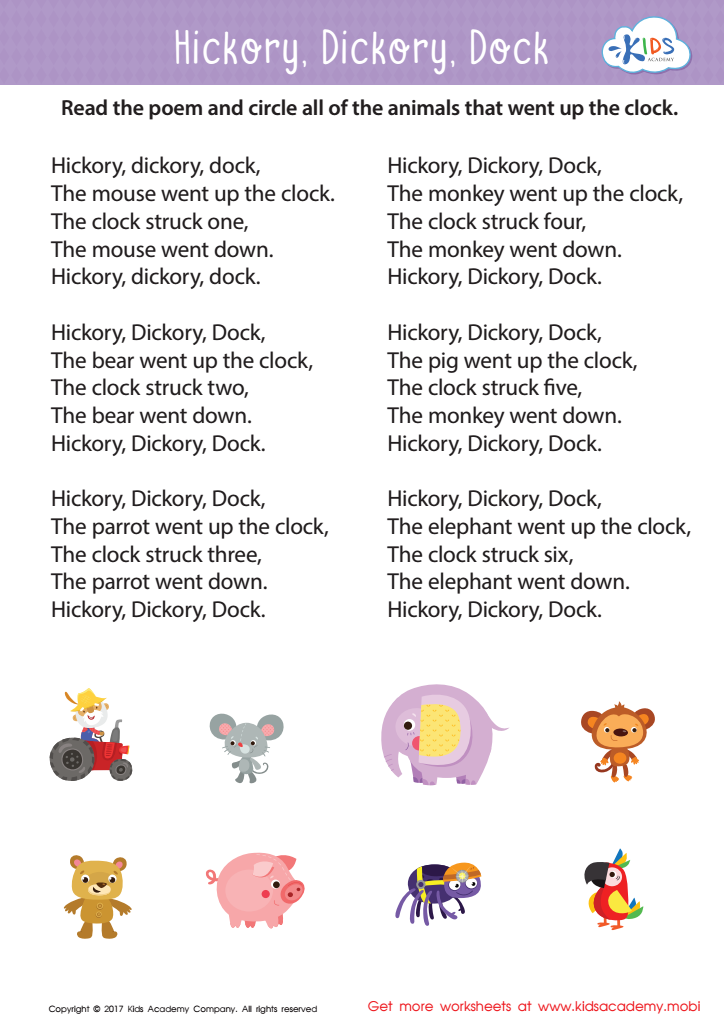
Hickory Dickory Dock Sequencing Worksheet
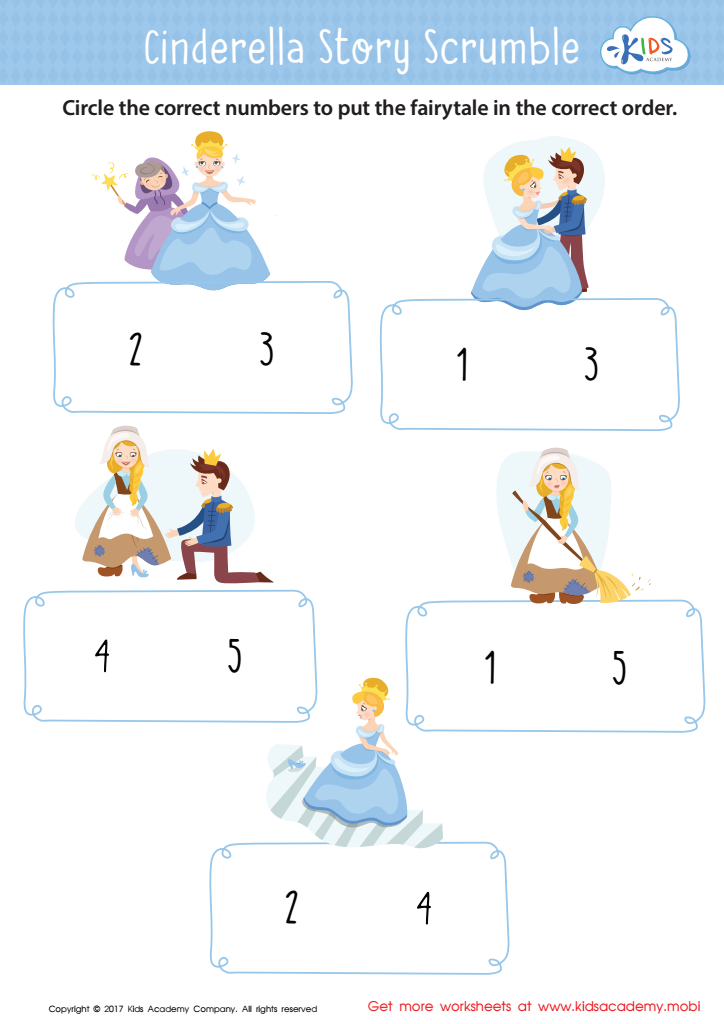
Cinderella Story Sequencing Worksheet
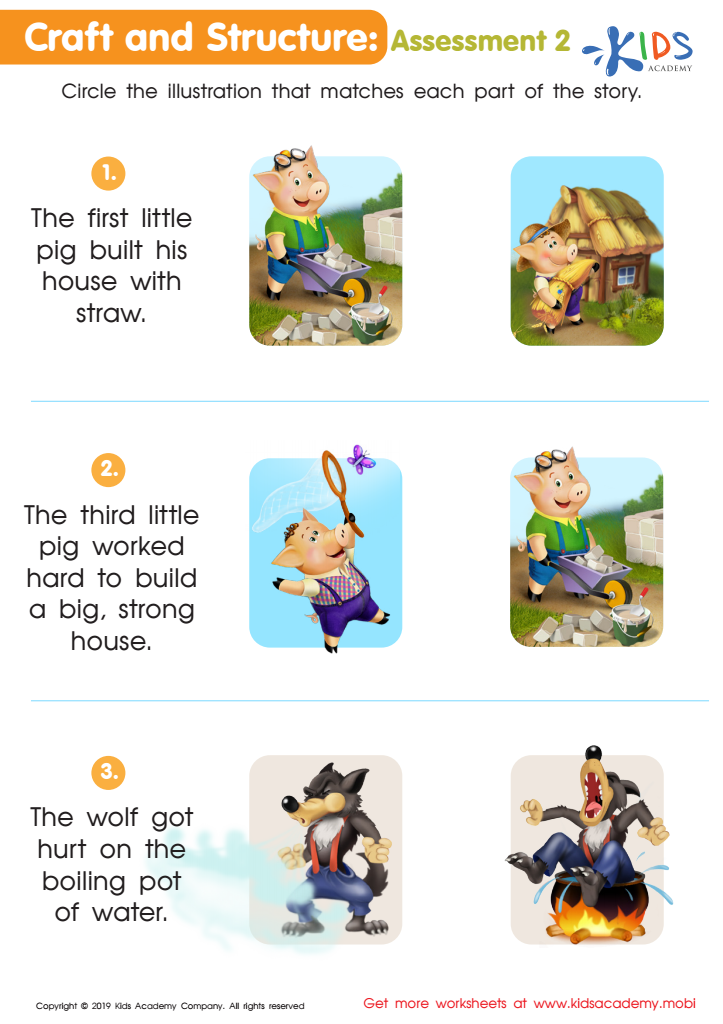
Craft and Structure: Assessment 2 Worksheet 2
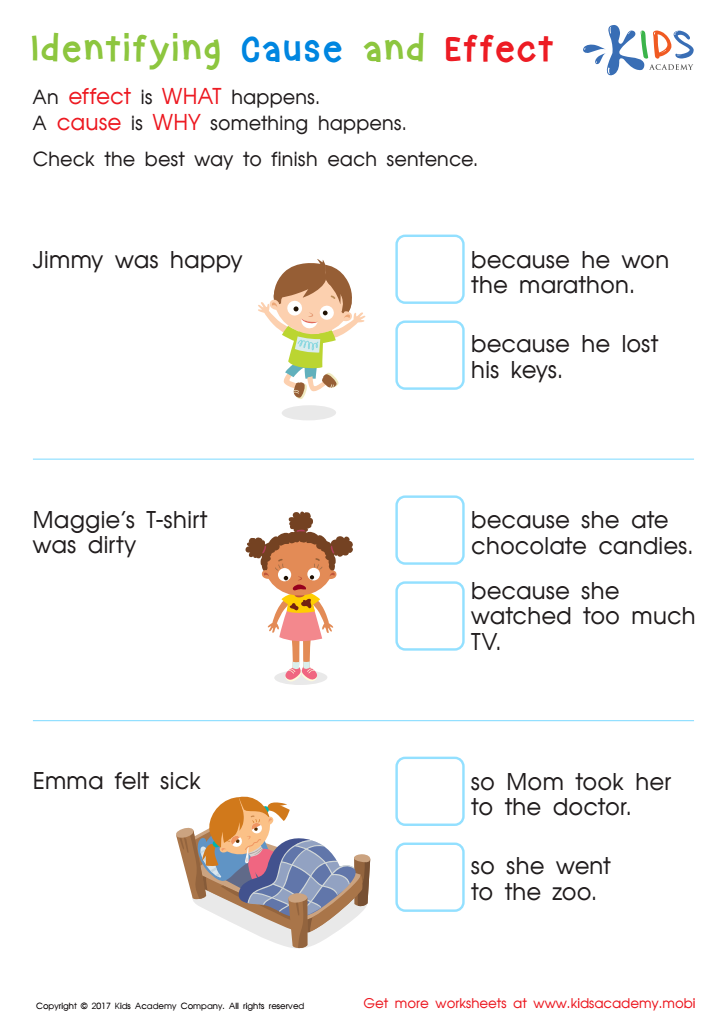
Indentifying Cause and Effect Worksheet
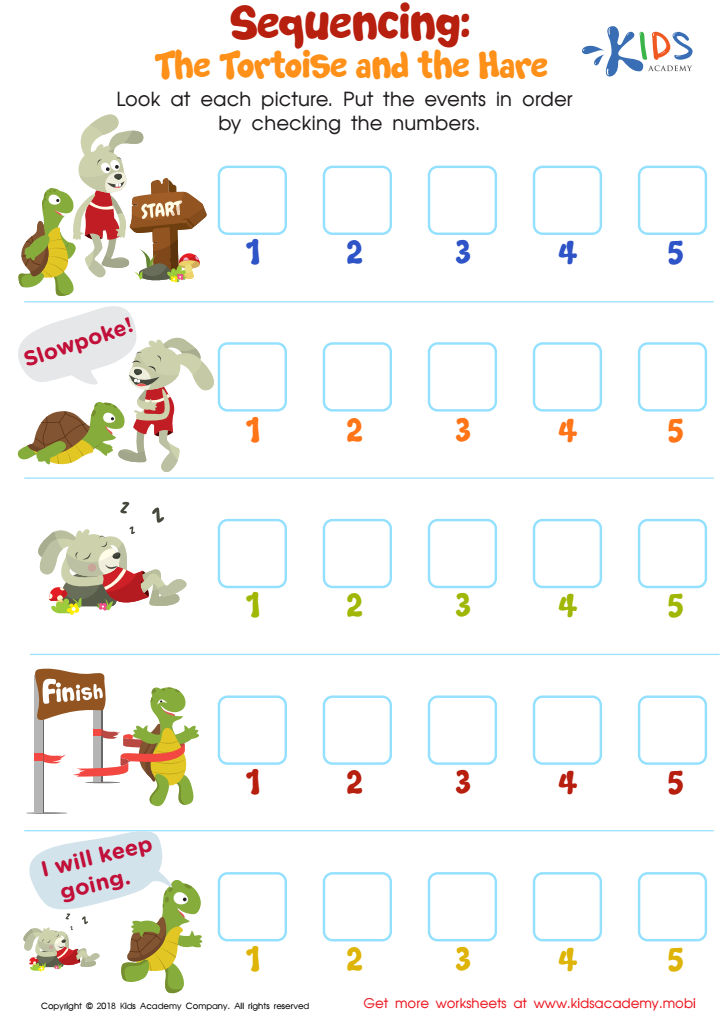
Sequencing: The Tortoise and the Hare Worksheet
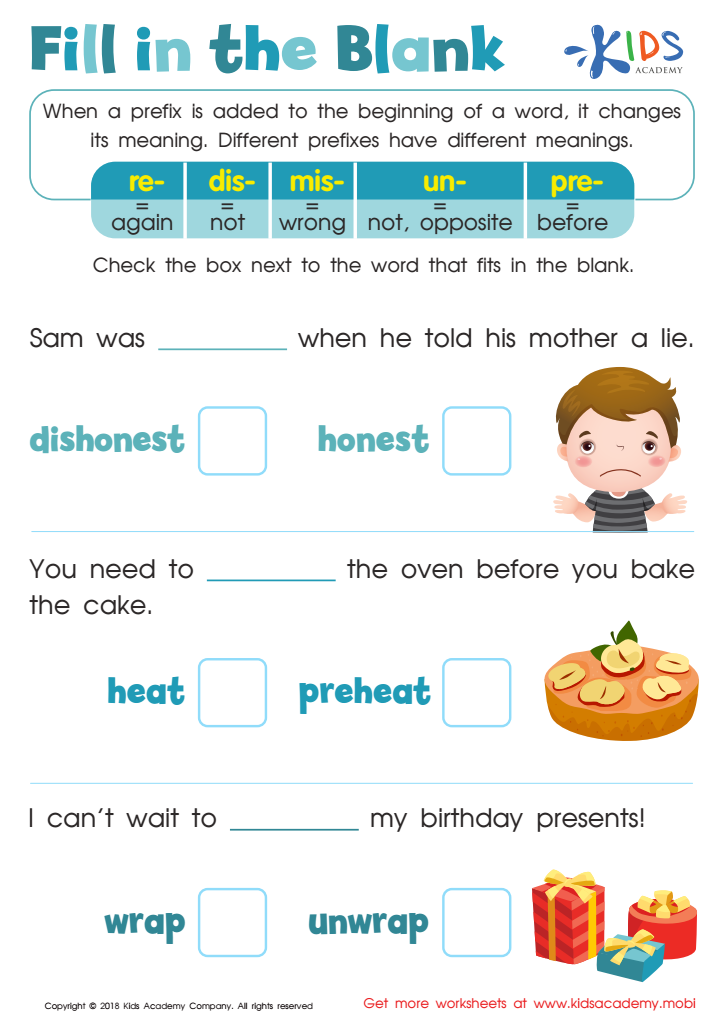
Reading: Fill in the Blank Worksheet
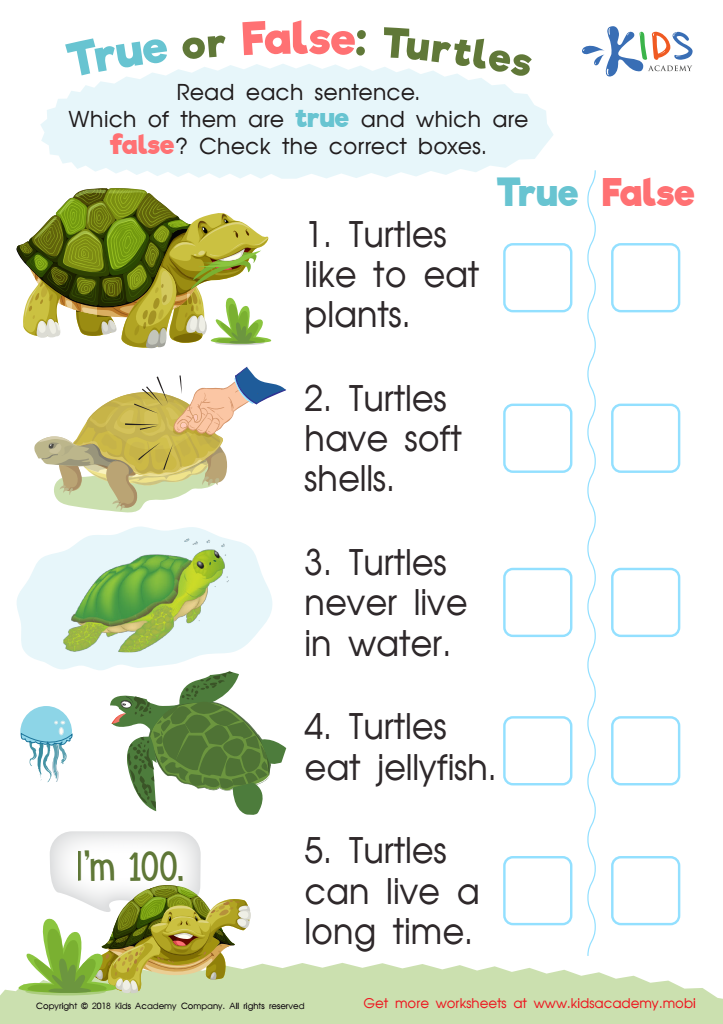
True or False: Turtles Worksheet
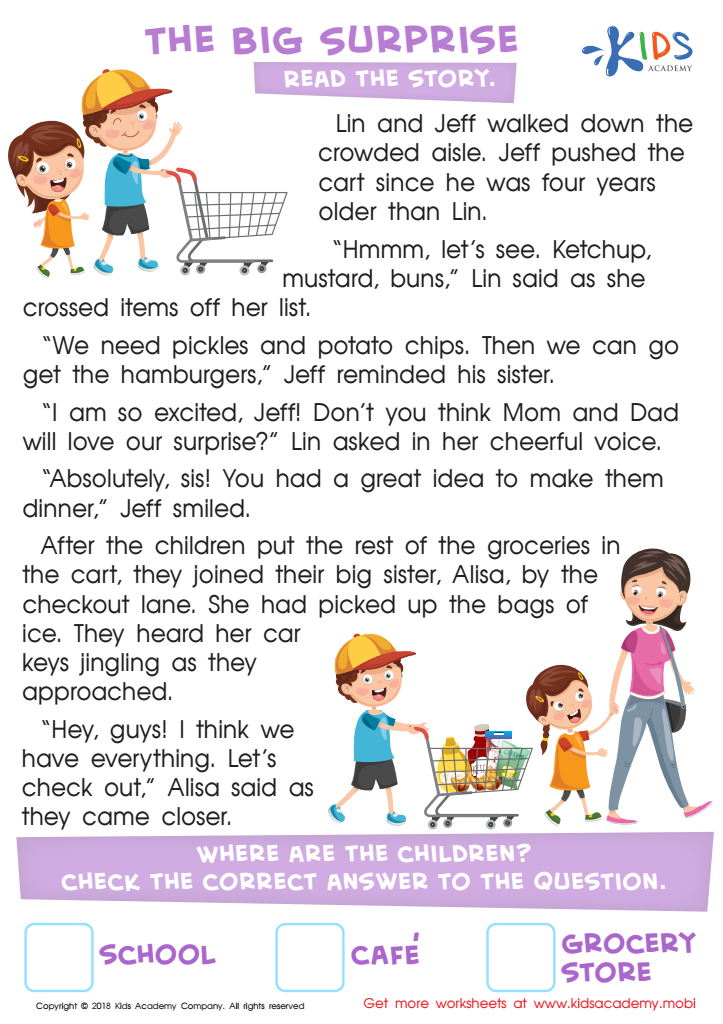
The Big Surprise Worksheet
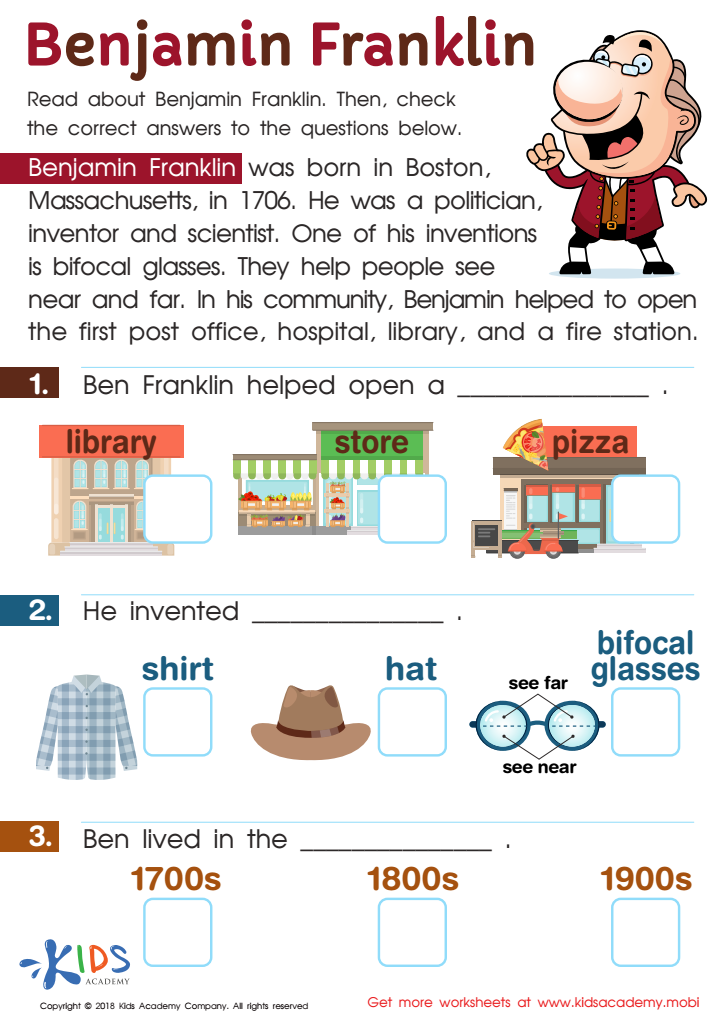
Benjamin Franklin Worksheet
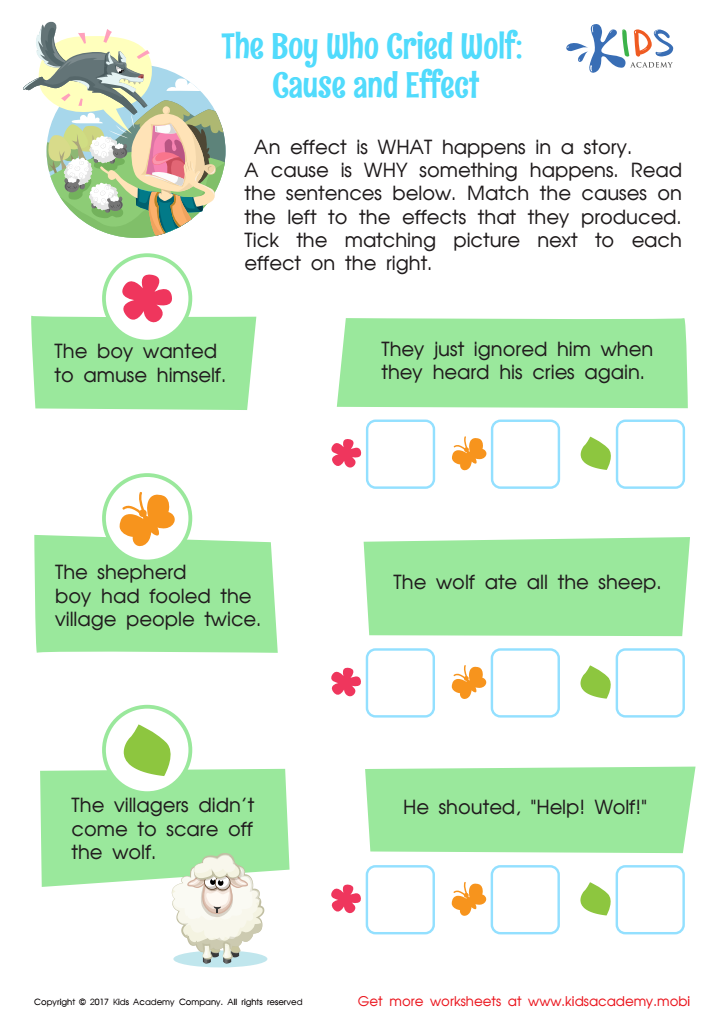
The Boy Who Cried Wolf: Cause and Effect Worksheet
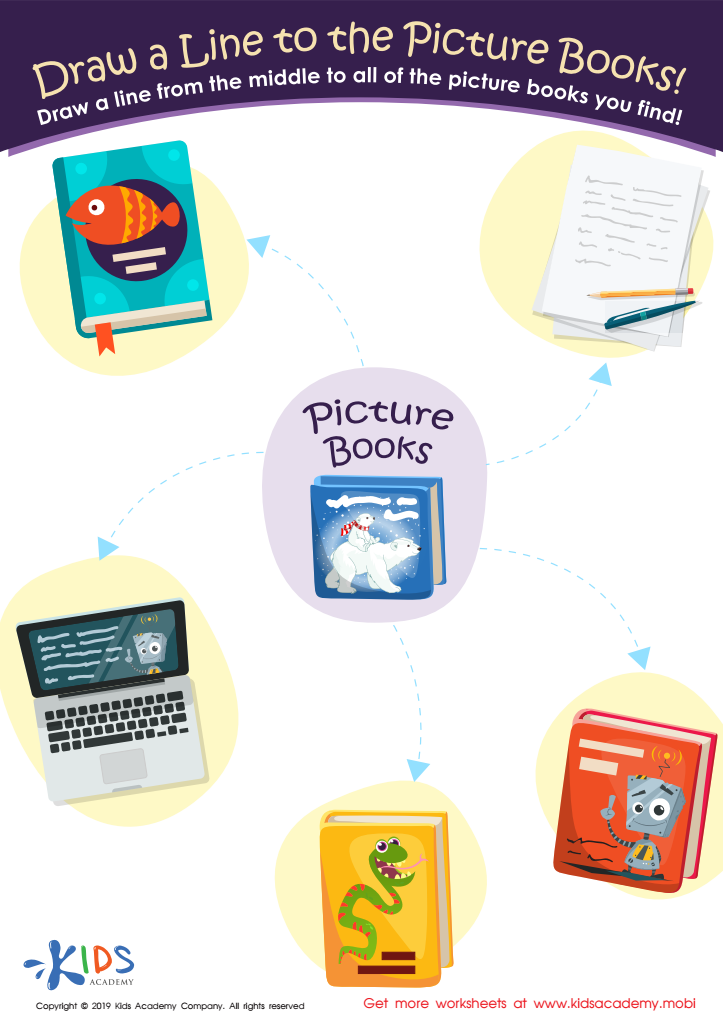
Draw a Line to the Picture Books Worksheet
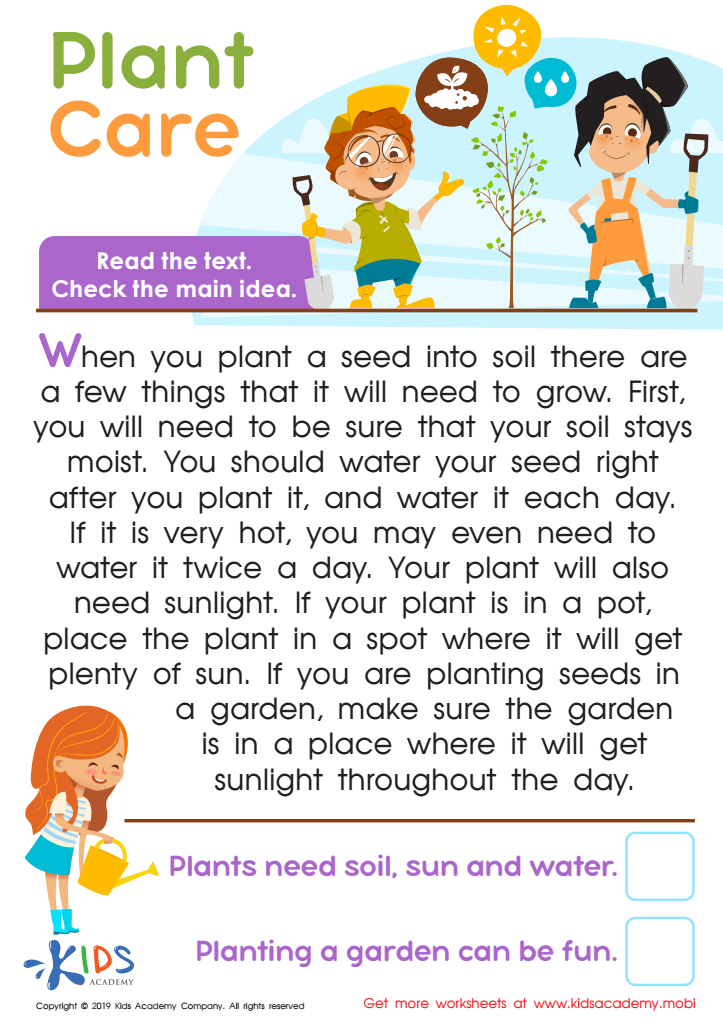
Plant Care Worksheet
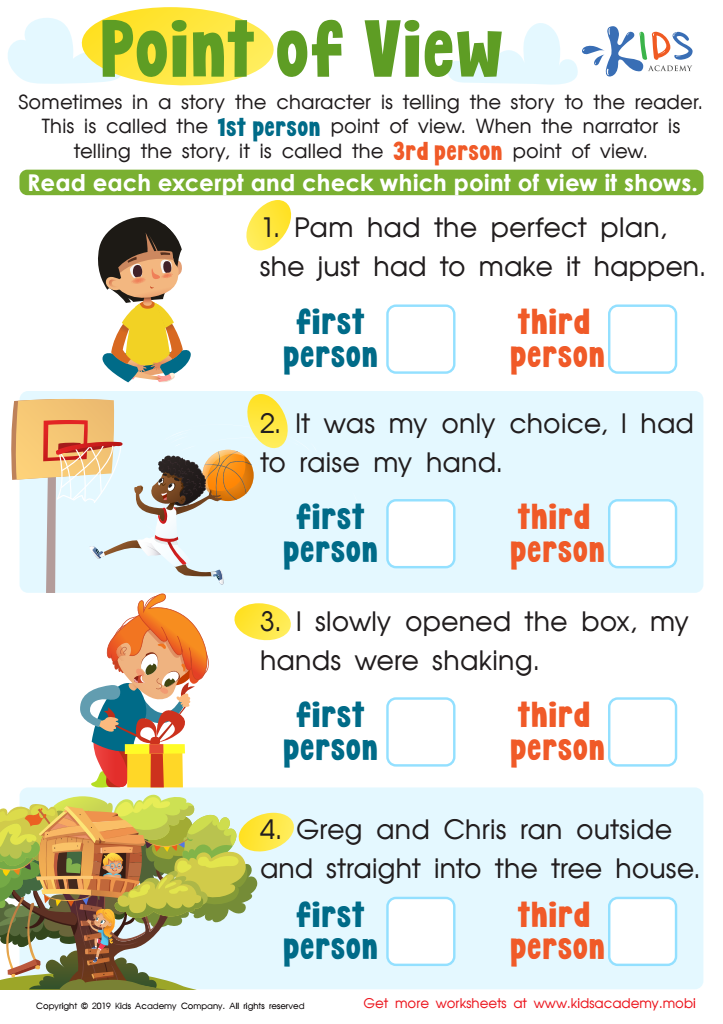
Point of View Printable
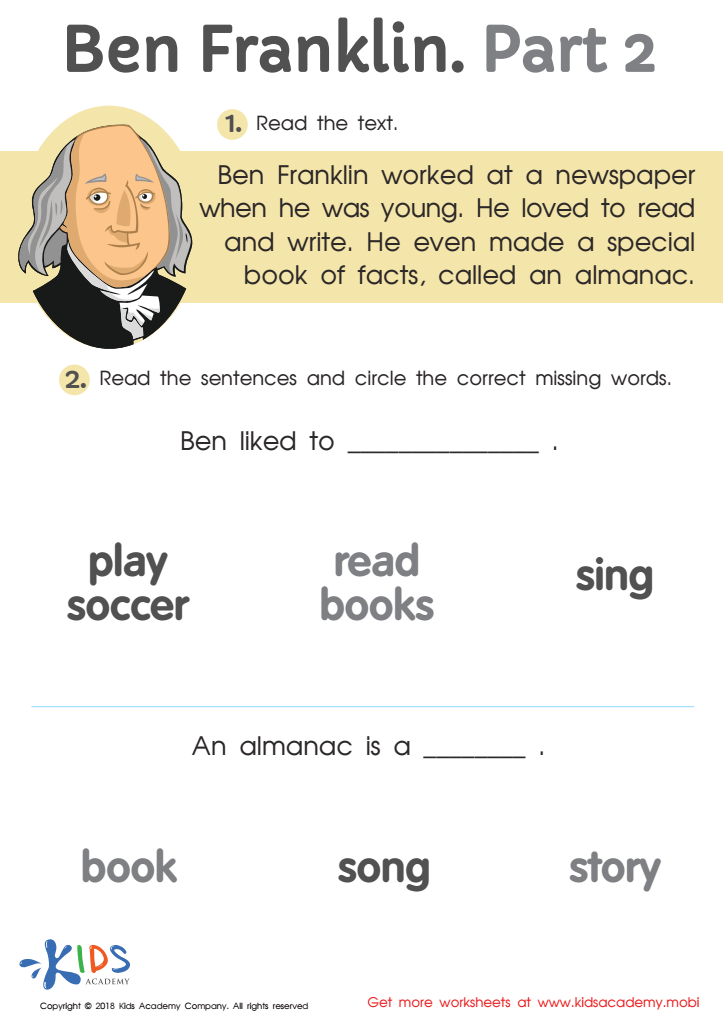
Ben Franklin Part 2 Worksheet








Parents and teachers should prioritize reading comprehension skills for children aged 4-8 because these foundational abilities significantly impact academic success and cognitive development. During these formative years, children are not only learning to decode words but also to understand and engage with the text. Strong comprehension skills encourage critical thinking and enable children to retain and contextualize what they read, thereby enhancing their overall learning experience.
Moreover, a solid grasp of comprehension fosters a love for reading. When children can make connections to stories, express their thoughts, or relate to characters, they are more likely to enjoy and choose reading as a leisure activity. This crucial attitude towards literacy will support their learning in other subjects.
Additionally, strong reading comprehension skills are vital for effective communication. Children learn to articulate their ideas and feelings better when they understand the material in depth. It also lays the groundwork for essential life skills, as they will inevitably encounter texts in various forms, whether in school, the workplace, or everyday situations.
By nurturing reading comprehension, parents and teachers contribute to a child’s confidence, creativity, and emotional intelligence, equipping them for future challenges and opportunities. Thus, prioritizing these skills is essential for holistic development.








